How can all Iranian anti‑ship missiles be stopped?

Navies counter Iran's sea-skimming anti-ship missiles using a layered defence. Airborne radar detects threats early, while electronic jamming, decoys, and kinetic interceptors like the SM-6 and CIWS destroy the weapons before impact.
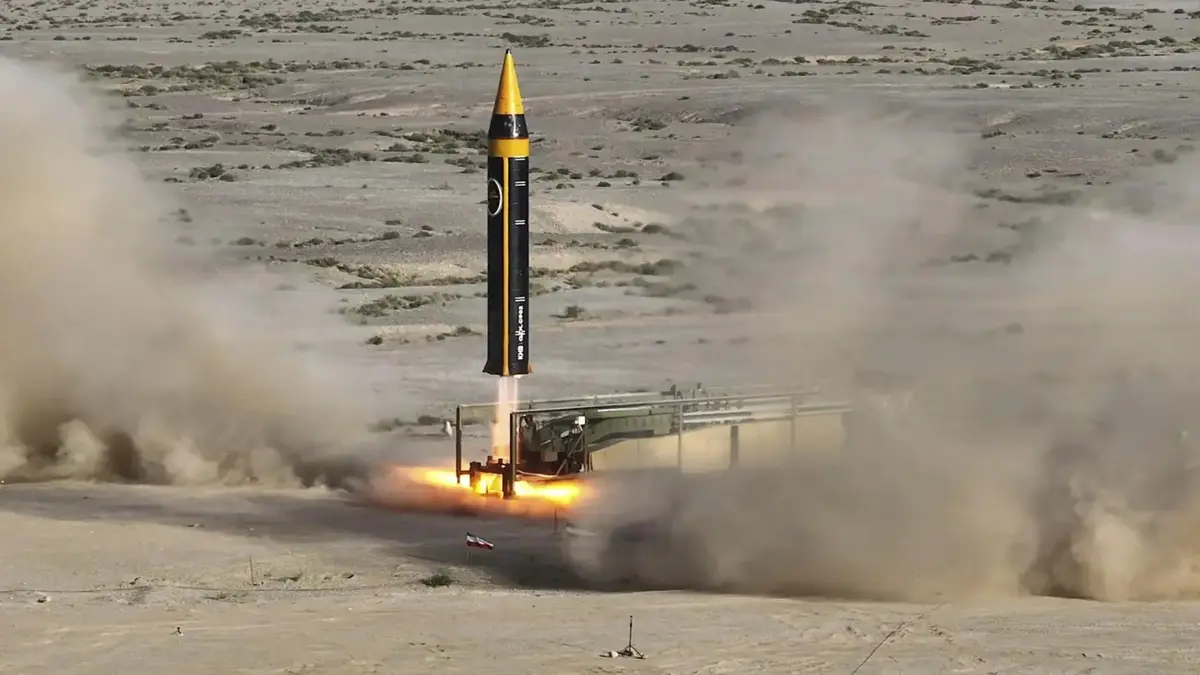
Iran's missiles
Iran's cruise missiles, like the Zafar and the Mach 3-capable CM-302, fly just metres above the water. This sea-skimming tactic hides them from traditional shipboard radar until the final moments of an attack.

Early detection networks
Stopping these missiles requires spotting them immediately after launch. Navies use airborne early warning aircraft and satellites to track thermal signatures long before the weapons cross the radar horizon.
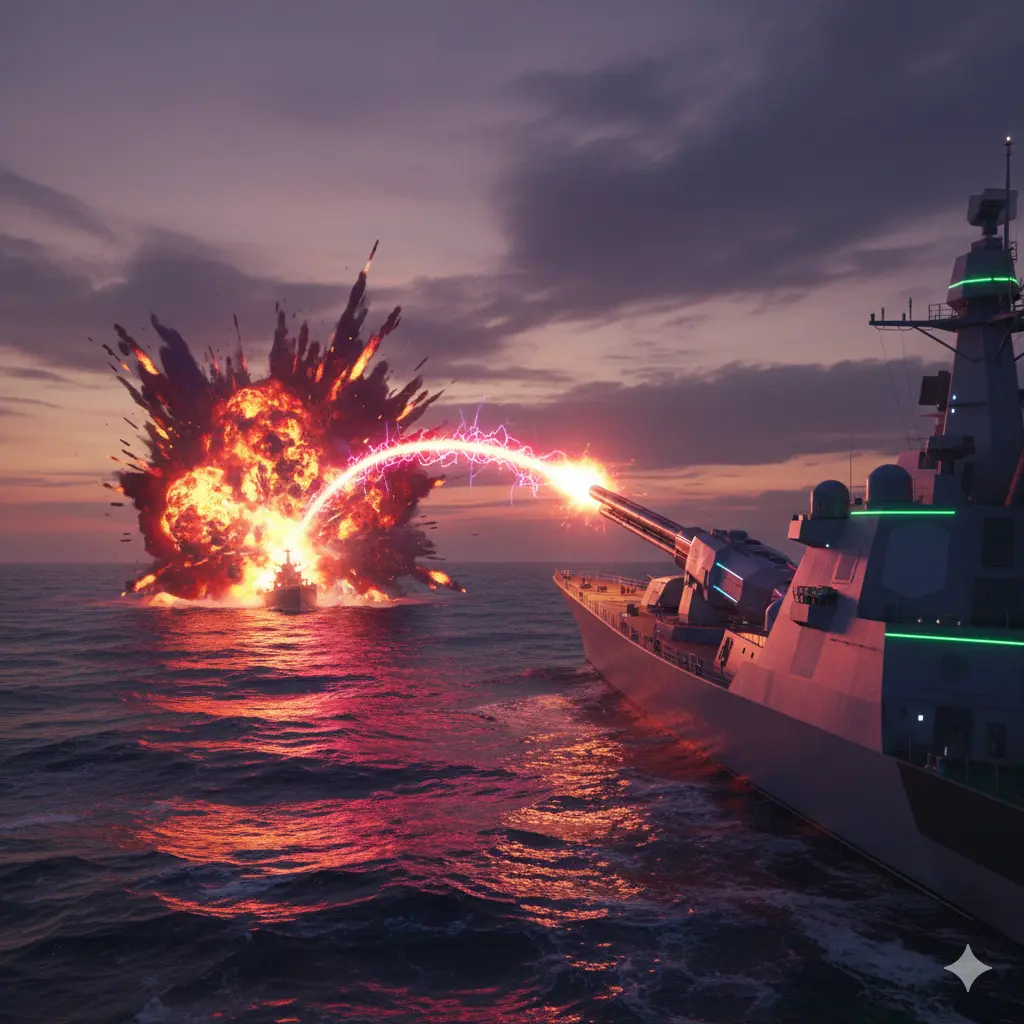
A multi-layered defence
Warships utilise systems like the Aegis Combat System to create a layered shield. This ensures that if a long-range interceptor misses the target, medium and short-range defences are ready to instantly engage.

Electronic warfare and jamming
Before firing physical weapons, warships deploy electronic warfare suites like the AN/SLQ-32. These systems transmit targeted radio frequencies to blind or confuse the incoming missile's internal guidance radar.

Deploying decoys and chaff
If electronic jamming fails, ships launch radar-reflecting chaff and active hovering decoys. Devices like the Nulka decoy broadcast massive radar signatures to lure Iranian missiles safely away from the actual vessel.
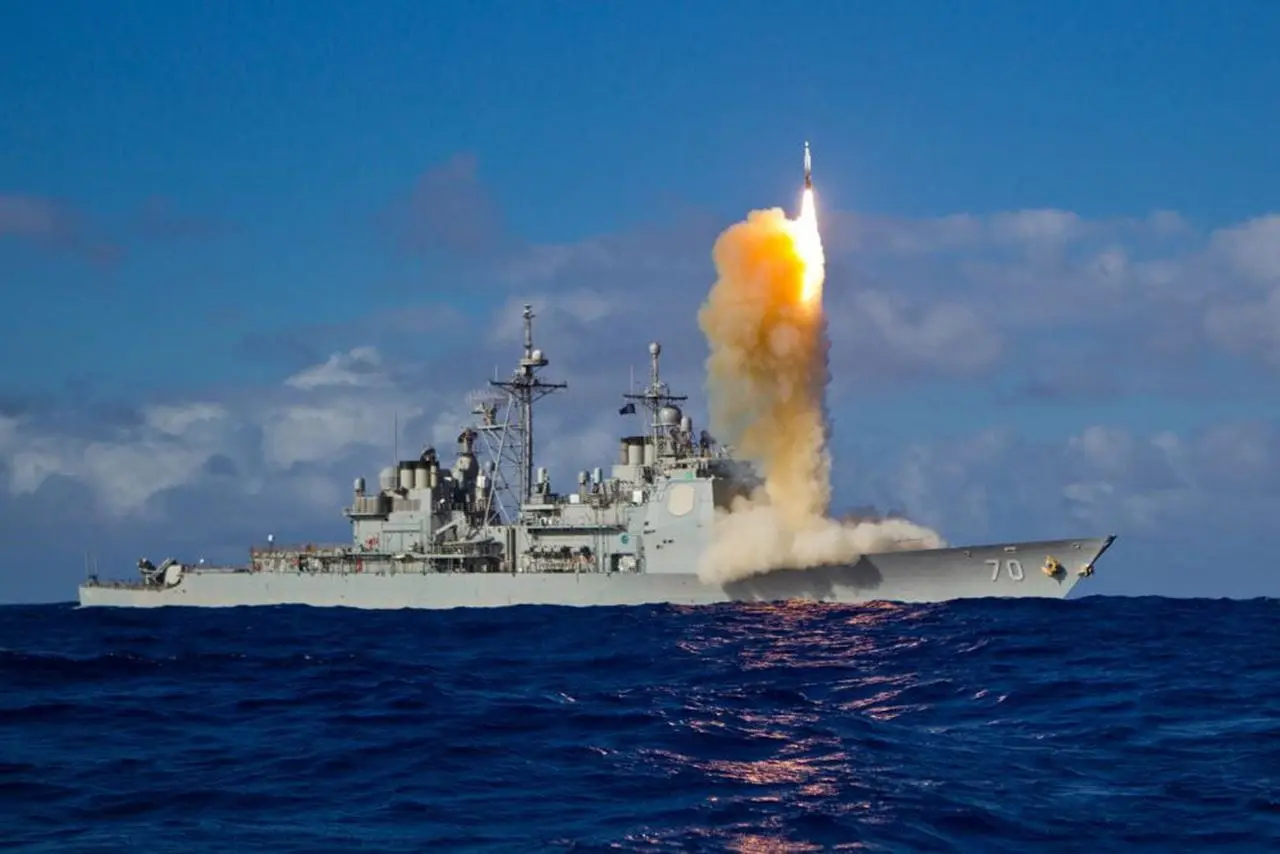
Kinetic interception
For physical destruction, warships fire advanced surface-to-air interceptors. The Standard Missile-6 (SM-6) and Evolved SeaSparrow Missile (ESSM) are specifically designed to shoot down low-flying supersonic threats mid-air.
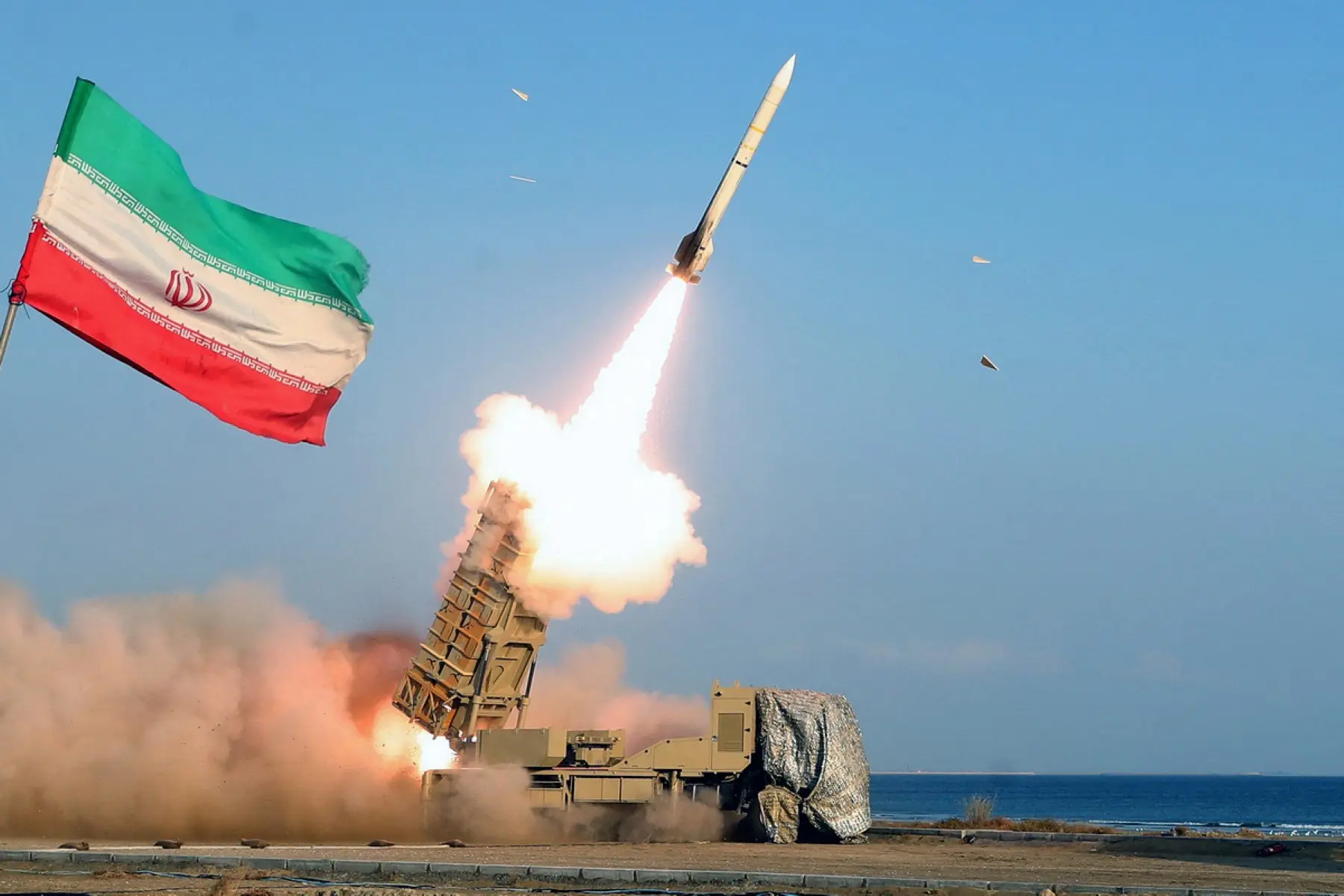
Anti‑ship missiles
As an absolute last line of defence, ships rely on automated Close-In Weapon Systems (CIWS). The Phalanx CIWS fires up to 4,500 tungsten armour-piercing rounds per minute to shred any missile that breaches the outer layers.
)
)
)
)
)