How bullet trains avoid derailment at 300 km/h?

At speeds above 250–300 km/h, these components prevent uncontrolled oscillations that can otherwise magnify until a wheel loses proper contact with the rail.
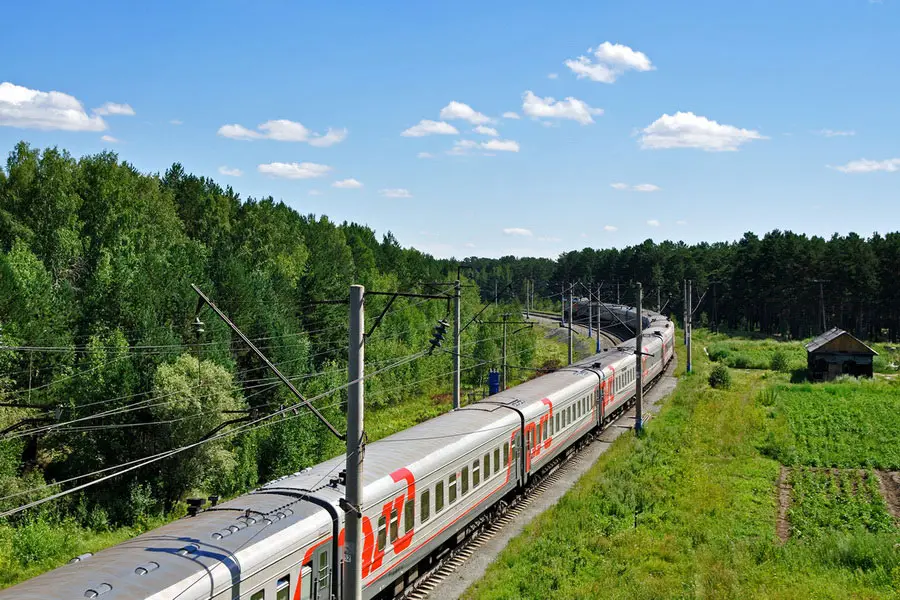
1. Wheel–Rail Geometry Creates Automatic Self-Steering at High Speed
High-speed trains rely on conical wheel profiles that create a natural steering effect without mechanical steering systems. When the train shifts even a few millimetres sideways, the wheel on one rail rolls on a larger diameter than the opposite wheel. This difference generates a restoring force that guides the wheelset back to the centre of the track. At high speeds, this passive centring behaviour is essential for keeping lateral forces balanced and preventing wheel flange contacts that may increase derailment risk.
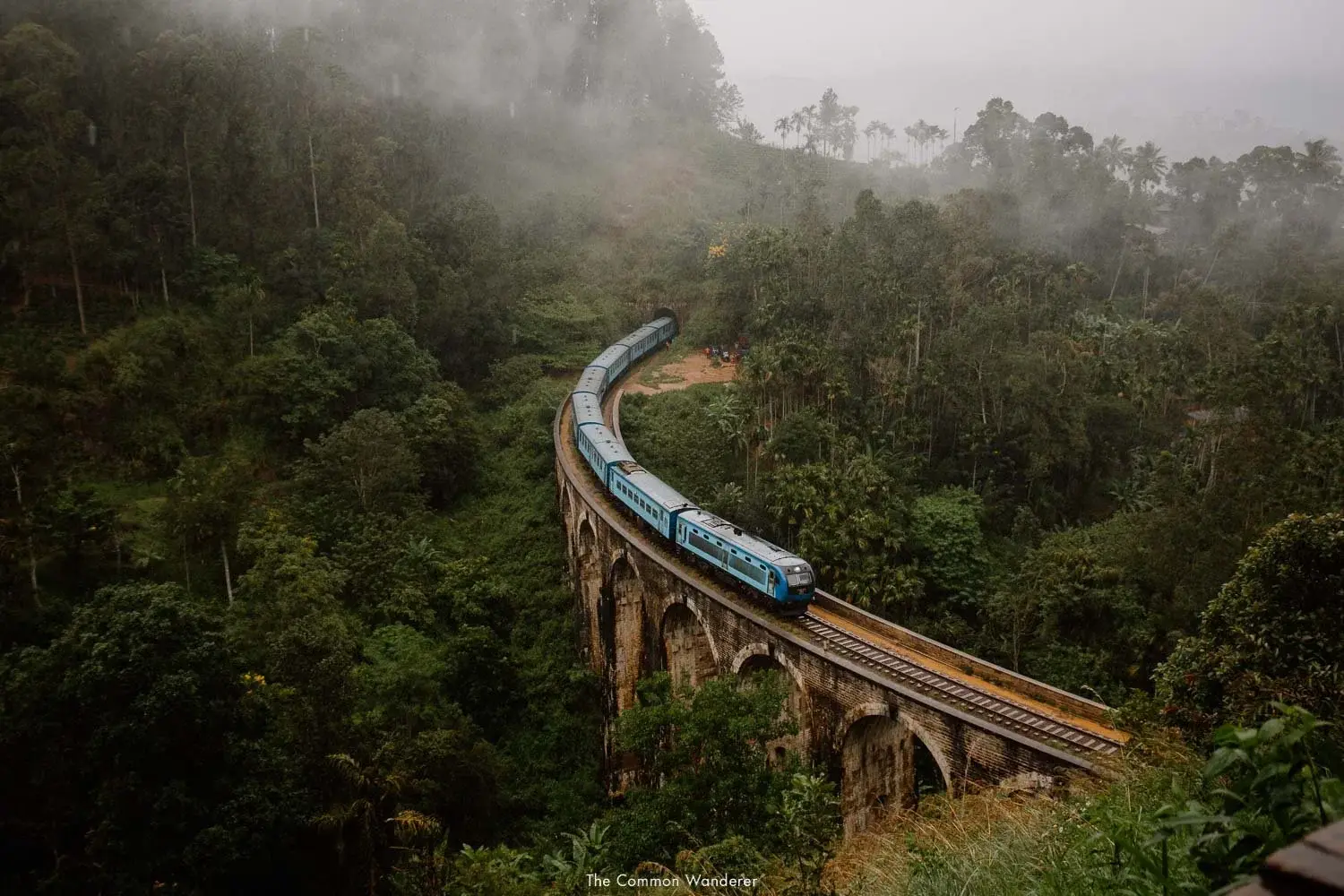
2. Bogie Design Controls Lateral Movements and Prevents Hunting Oscillation
High-speed bogies are engineered to minimise lateral oscillation — a side-to-side instability known as hunting motion. Bogies use carefully tuned suspension systems, yaw dampers, and anti-roll bars to control movement between wheelsets and the train body. At speeds above 250–300 km/h, these components prevent uncontrolled oscillations that can otherwise magnify until a wheel loses proper contact with the rail. The bogie’s stiffness and damping values are selected to keep behaviour predictable throughout the speed range.
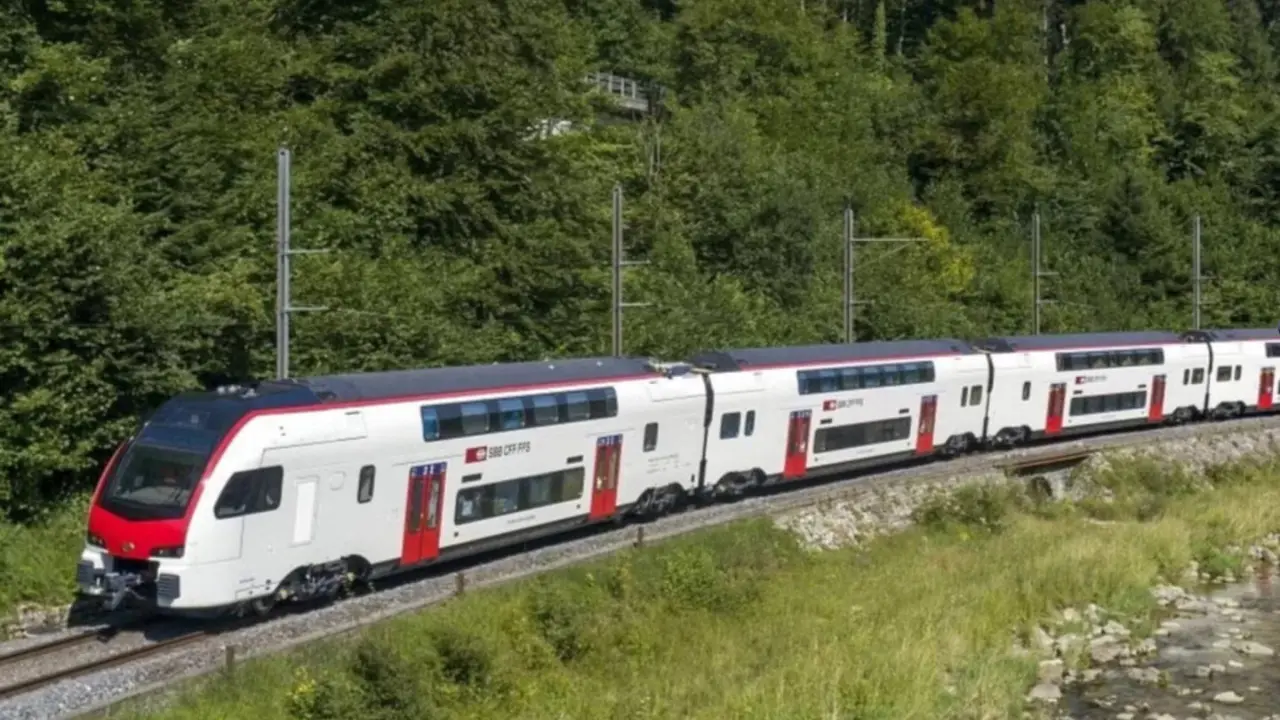
3. Track Cant and Curve Geometry Reduce Side Forces on Wheels
High-speed tracks are built with specific curve radii and cant (tilt) values that minimise lateral acceleration. The raised outer rail helps spread forces more evenly between the two rails when the train enters a curve. This reduces the lateral load transferred to the outer wheel, lowering the probability of wheel unloading. Strict limits are used for cant deficiency — the difference between the ideal tilt for a given speed and the actual tilt — to ensure forces remain within the safe operational envelope.
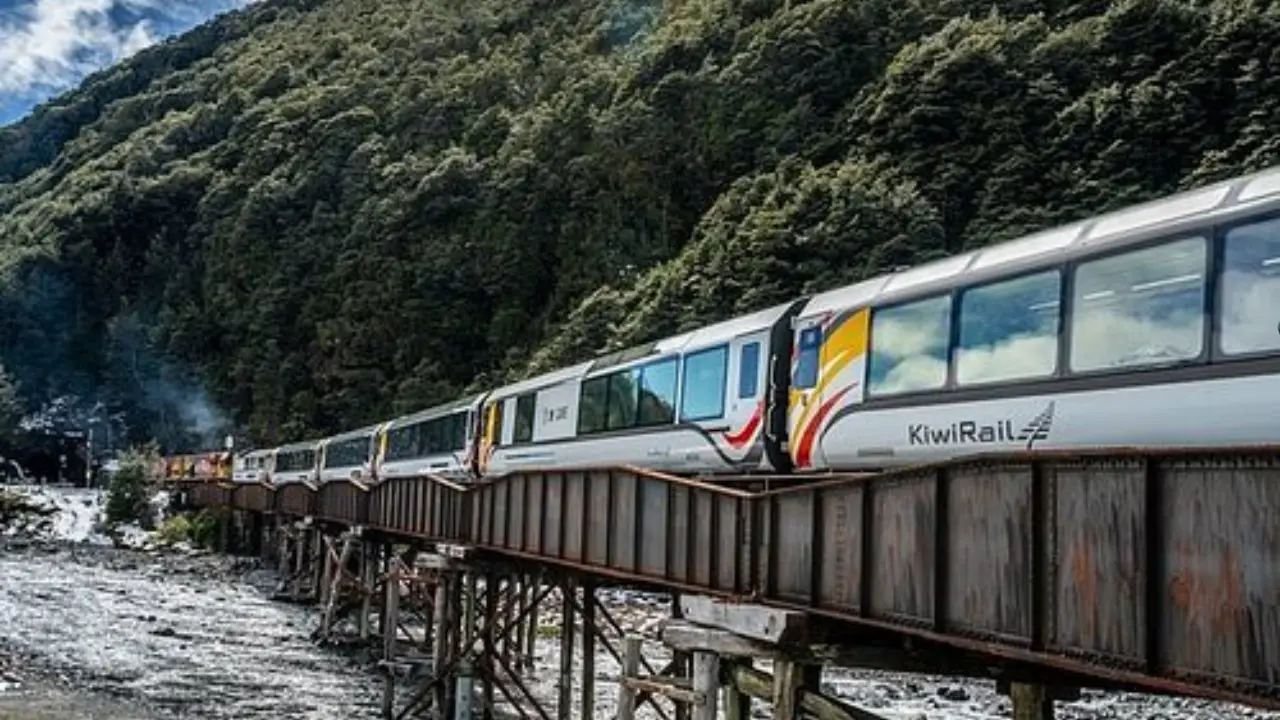
4. Continuous Welded Rails Eliminate Joints That Can Destabilise a Wheelset
High-speed lines use continuous welded rails to remove mechanical joints that could produce sudden vertical or lateral impacts at high speed. Welded rails create a smooth, uninterrupted running surface, preventing abrupt changes in wheel–rail forces. Temperature control through neutral rail temperature specifications and rail anchoring prevents track buckling, which is a known cause of derailment at higher speeds.
5. Real-Time Monitoring Systems Detect Track and Wheel Conditions Early
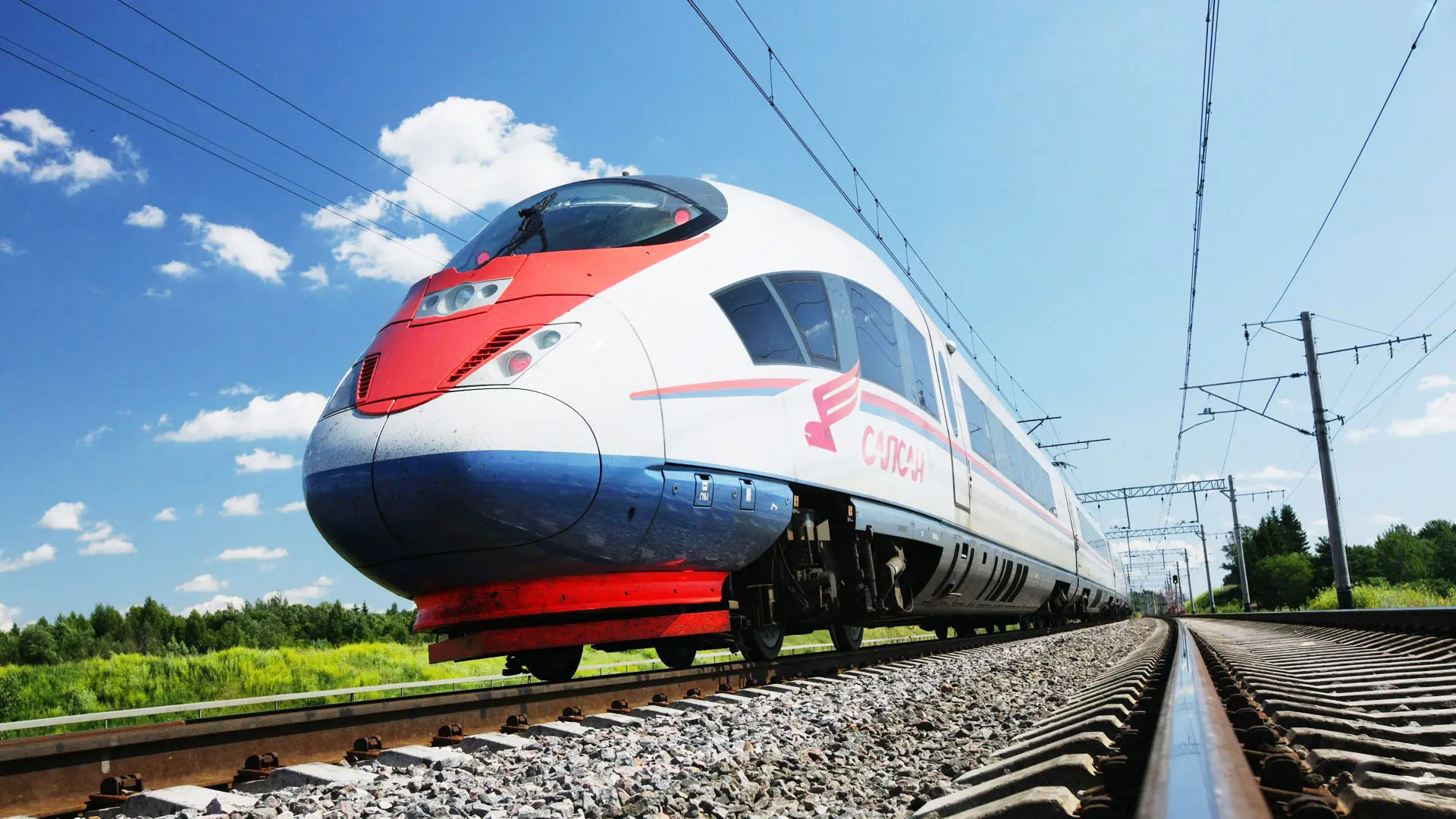
High-speed rail networks use continuous monitoring of track geometry, wheel profiles, rail alignment, and suspension performance. Track geometry cars, ultrasonic inspection systems, and onboard sensors identify deviations such as rail cracks, gauge variations, or wheel flats. Early detection ensures that even minor irregularities are addressed before they reach thresholds that could affect stability at high speed. Some trains also use active systems that monitor bogie behaviour and alert operators if lateral forces exceed safe limits.
6. Aerodynamic Design Prevents Lift and Unbalanced Side Pressure
At 300 km/h, aerodynamic forces become significant. High-speed trains have streamlined bodies that reduce lift and avoid pressure differences that could affect stability. Crosswinds are managed through low centre-of-mass design, aerodynamic fairings over bogies, and side profiles that reduce the wind’s leverage on the train. Wind barriers, sensors, and automatic speed restrictions are deployed in areas with known strong wind patterns to maintain the wheel–rail force balance.
7. Strict Speed Limits Are Calculated From Mechanical and Track Safety Margins
Every high-speed route has a maximum safe speed based on track condition, geometry, rail stress limits, curve radii, and measured wheel–rail forces. These limits include safety margins to ensure lateral wheel unloading stays well below critical ratios defined by derailment criteria such as Nadal’s limit. Train control systems enforce these limits automatically. If sensors detect abnormal forces, wheel slip, or unexpected movement, the system triggers automatic braking to keep the train within safe operating conditions.
)
)
)
)
)