Why BrahMos cruise missile's sea-skimming makes enemy radars almost blind

In its final approach, BrahMos performs high-speed manoeuvres while still flying low. These sudden lateral or vertical movements complicate radar tracking and fire-control solutions.
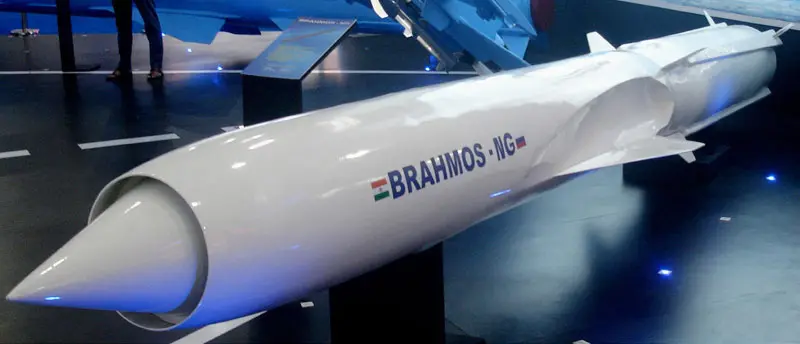
1. BrahMos flies extremely low to avoid radar detection
A central feature of BrahMos is its ability to fly at very low altitudes, often between ten and fifteen metres above sea level in its terminal phase. Flying close to the surface sharply reduces its radar visibility because enemy radars cannot easily detect objects that blend into surface clutter. This technique, known as sea-skimming, forces enemy sensors to spot the missile at a much shorter distance, limiting reaction time.
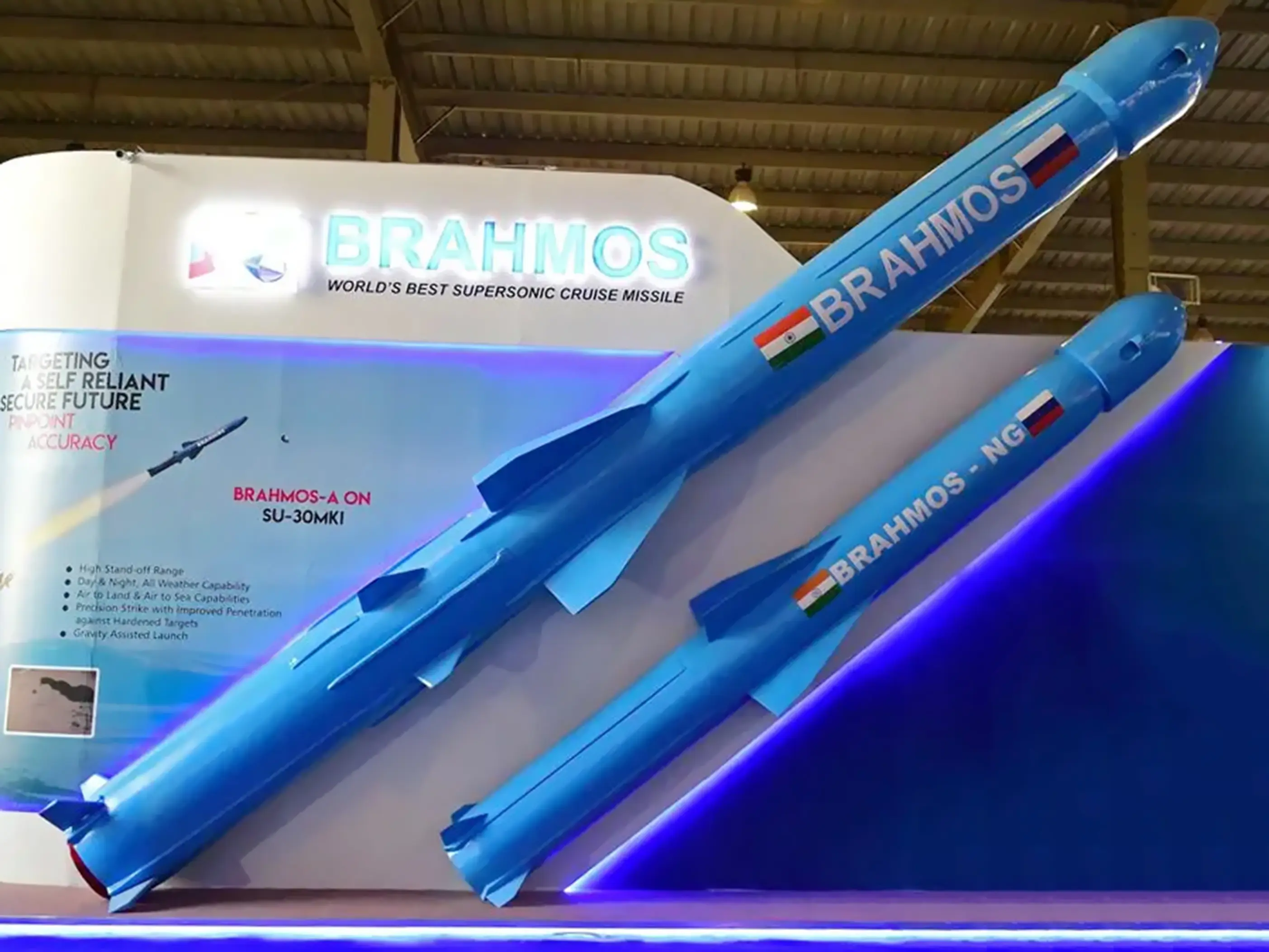
2. Sea-skimming works by exploiting the curvature of the Earth
When BrahMos travels low over water, the curvature of the Earth hides it behind the radar horizon. Radar beams travel in straight lines, but the Earth curves away, meaning low-flying objects appear only when they come very close. A missile approaching a ship at Mach three while hidden by the horizon can leave defenders with seconds to respond, making interception extremely difficult.
3. Terrain-masking lets the missile disappear behind hills and ground features
On land, BrahMos uses terrain-masking, where the missile flies low and uses the shape of the ground to stay out of sight of radars positioned further away. By hugging valleys, slopes and ridgelines, it keeps itself covered by natural obstacles. This prevents long-range radars from maintaining continuous tracking, reducing the chances of early detection or a coordinated defence.
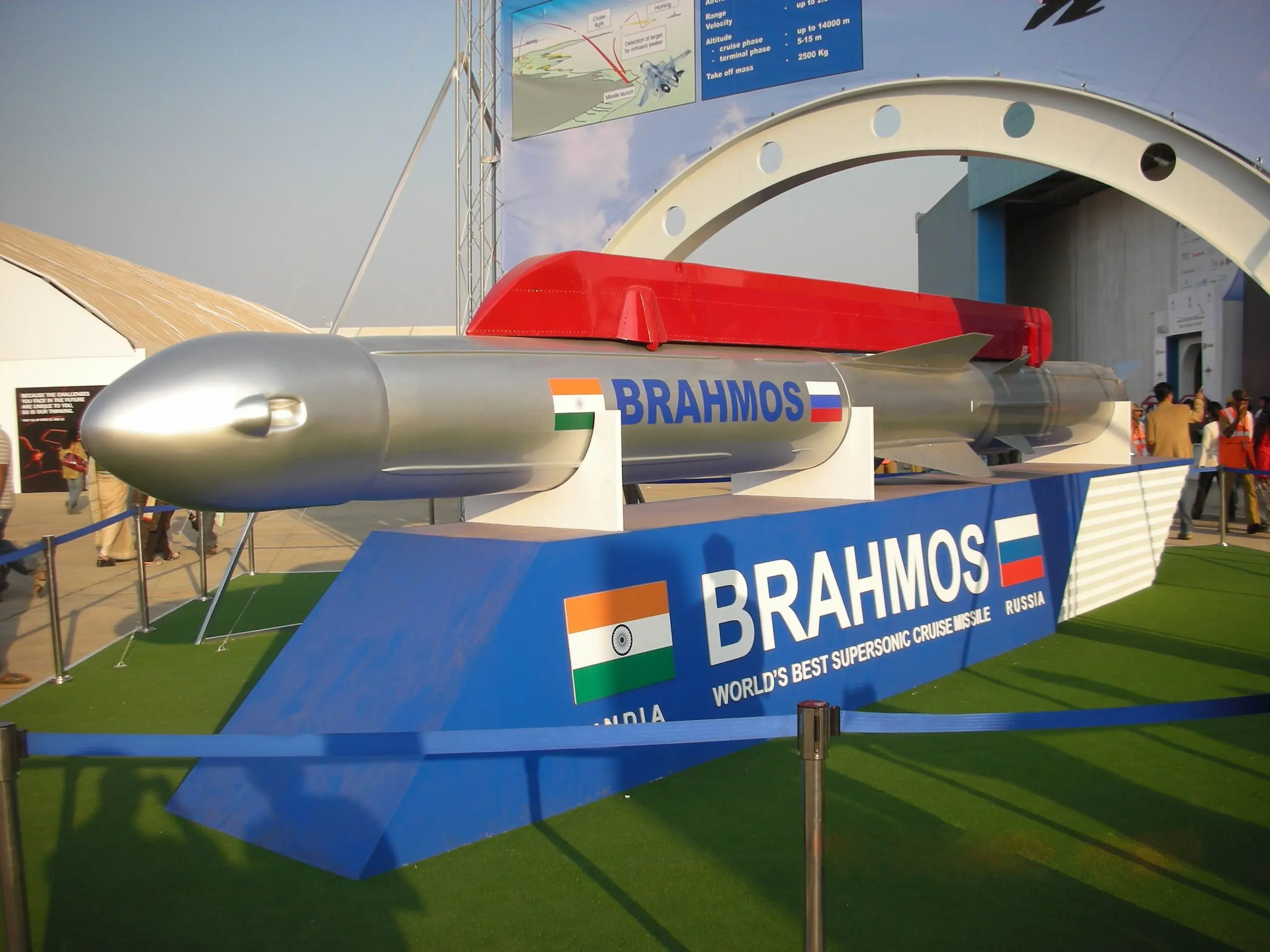
4. An onboard radar altimeter keeps it flying safely at low height
To remain at such low levels without crashing, BrahMos relies on a radar altimeter that constantly measures the distance to the surface below. This allows its autopilot to adjust altitude in real time, maintaining stable flight even over choppy seas or uneven terrain. The precision of this altimeter is essential for both sea-skimming and terrain-masking to work effectively.
5. Inertial and satellite navigation help it follow complex low-altitude routes
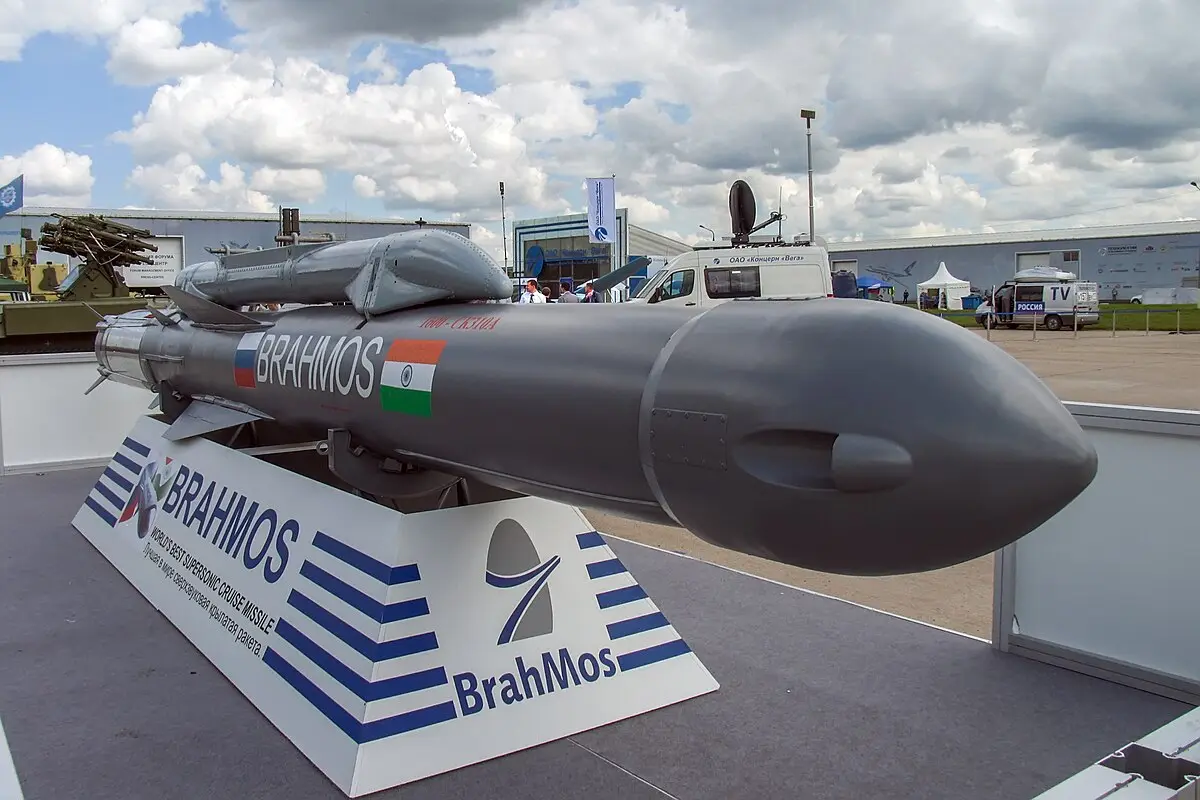
During mid-course flight, BrahMos uses a combination of inertial navigation, satellite guidance and onboard computers to follow pre-programmed paths. These routes can be shaped around mountains or coastal features, allowing the missile to stay low and avoid radar coverage zones. Its guidance system calculates the best path to maintain stealth while still approaching the target from an optimal angle.
6. A manoeuvring terminal phase makes tracking even harder
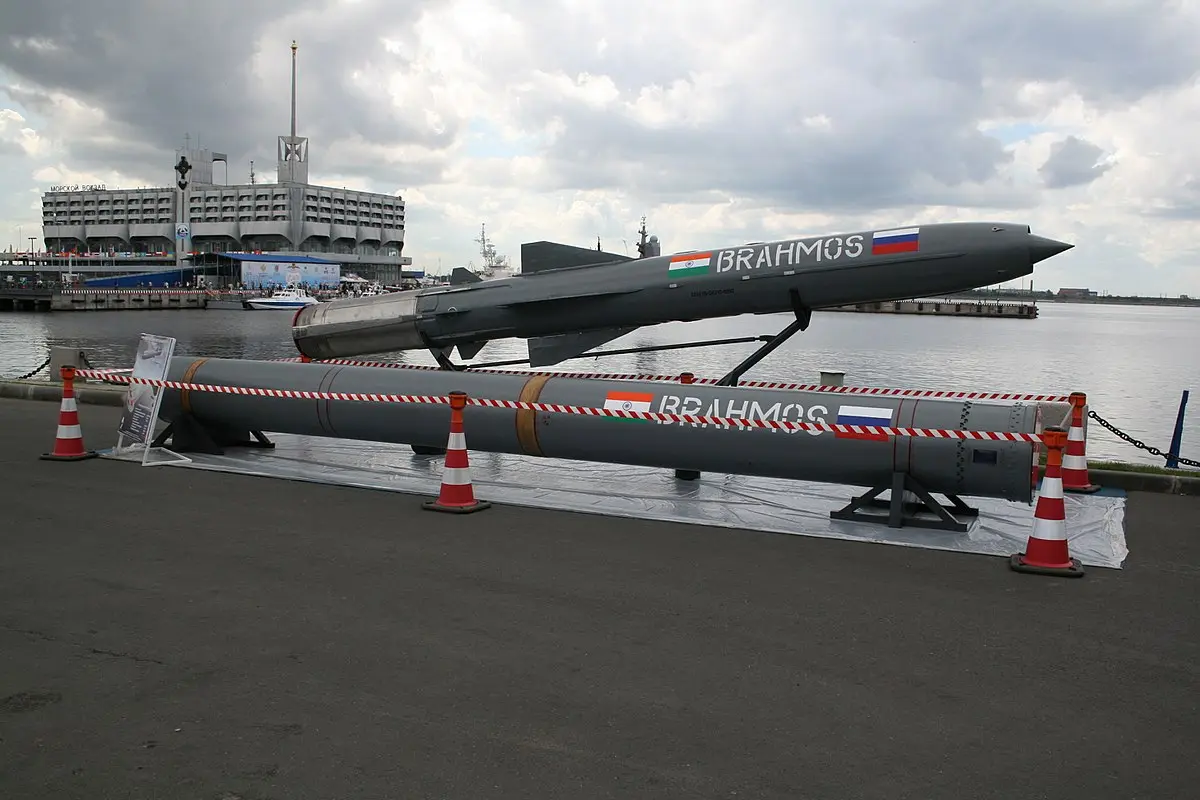
In its final approach, BrahMos performs high-speed manoeuvres while still flying low. These sudden lateral or vertical movements complicate radar tracking and fire-control solutions. A defender has far less time to update targeting data because the missile travels at supersonic speed, leaving only seconds before impact, even if it is finally detected near the end of its path.
7. Combined together, these techniques create a high-survivability strike weapon
The blend of sea-skimming, terrain-masking, precise altimetry, advanced navigation and supersonic terminal manoeuvres makes BrahMos exceptionally hard to intercept. The missile is designed to reduce detection time, compress enemy reaction windows and penetrate layered defences. These features, tested repeatedly by the Indian Armed Forces, are central to why BrahMos is regarded as one of the most effective conventional strike weapons in service today.
)
)
)
)
)