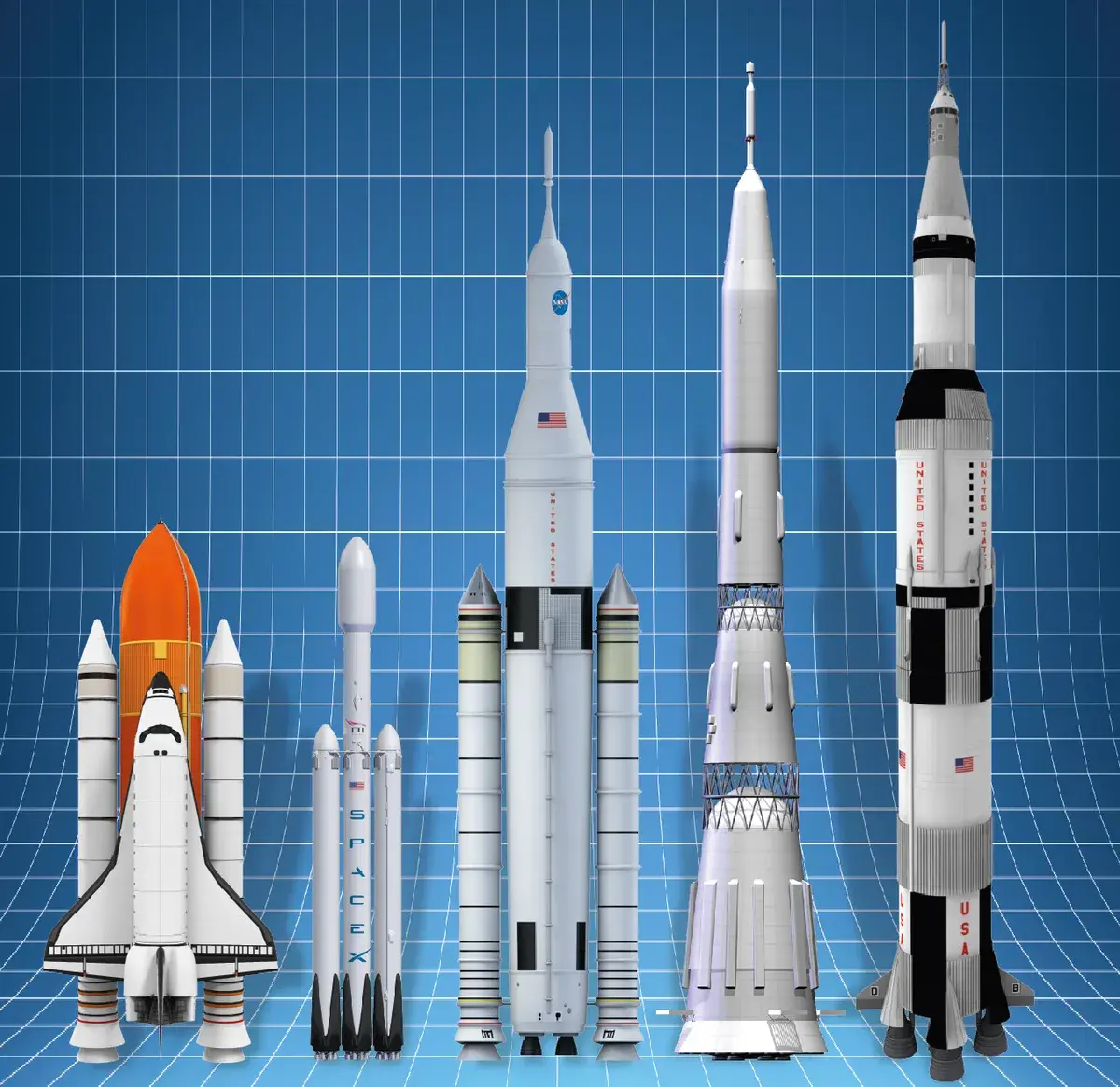
How big is the Artemis launch vehicle compared to Saturn V and Falcon Heavy?

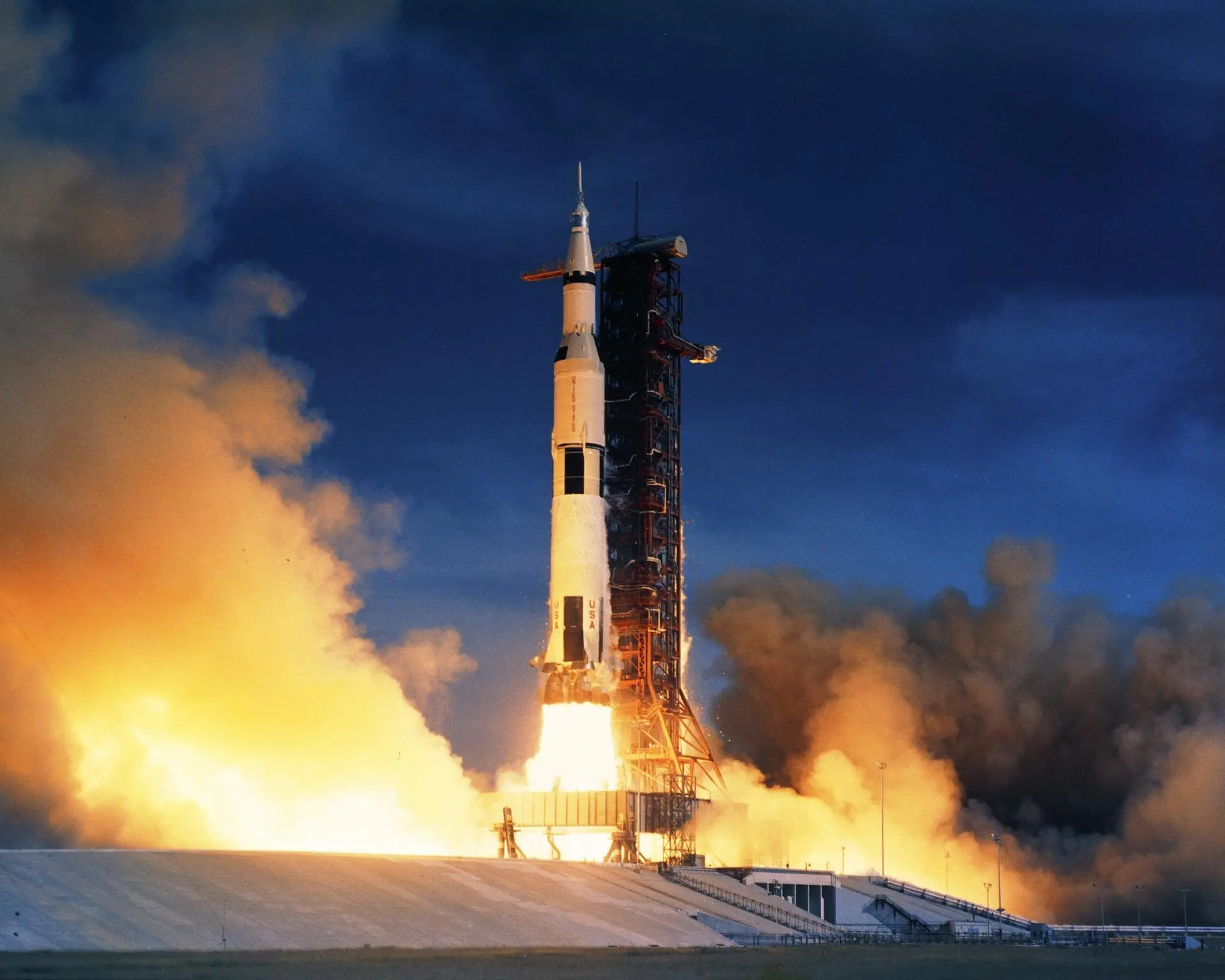
The Saturn V remains the tallest rocket flown at 111 metres, overshadowing the 98-metre Artemis SLS. However, the Artemis rocket is the most powerful operational vehicle, generating 15 per cent more thrust. Future upgrades will eventually see the Artemis rocket grow to match the Saturn V's.
Saturn V Remains the Tallest
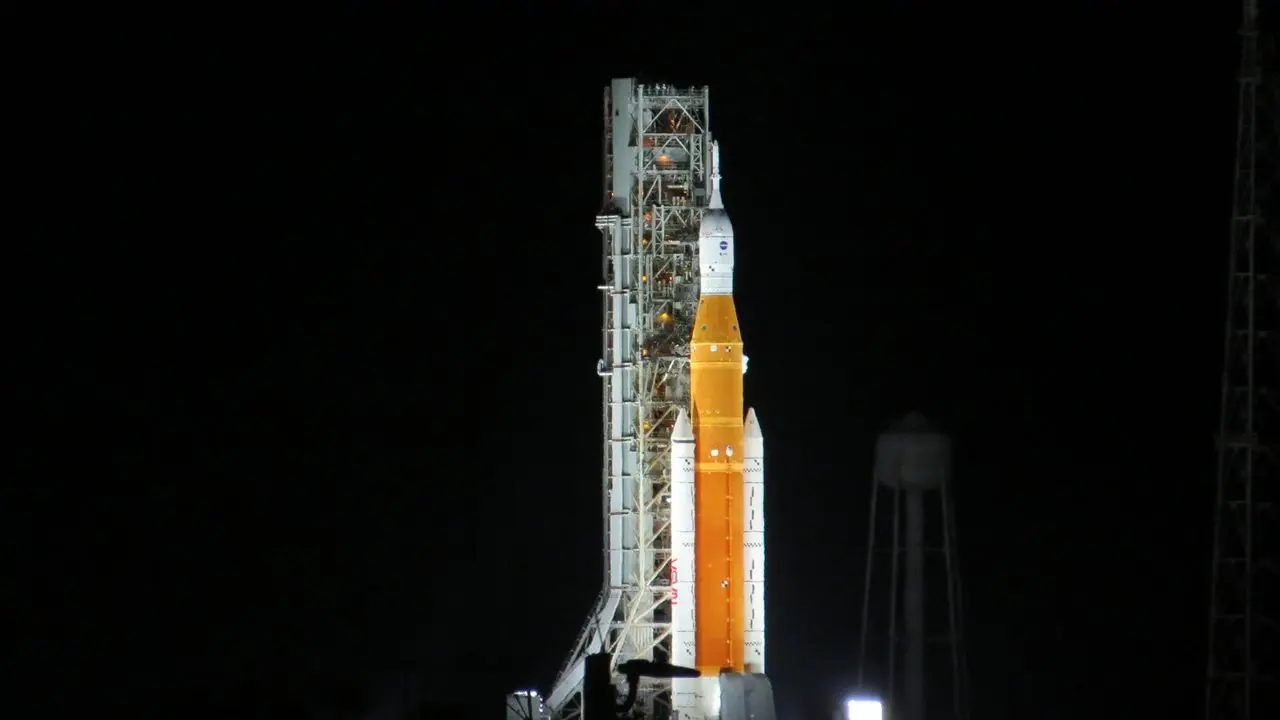
The historic Saturn V stands at a staggering 111 metres (363 feet), making it 13 metres taller than the Artemis SLS. The current Artemis I & II rocket (Block 1) stands at 98 metres (322 feet), which is still taller than the Statue of Liberty.
Artemis
Despite being shorter, the Artemis SLS is physically more powerful, generating 8.8 million pounds of thrust at liftoff. This is 15 per cent more thrust than the Saturn V, which produced roughly 7.6 million pounds to lift the Apollo missions.
Weight on the Pad
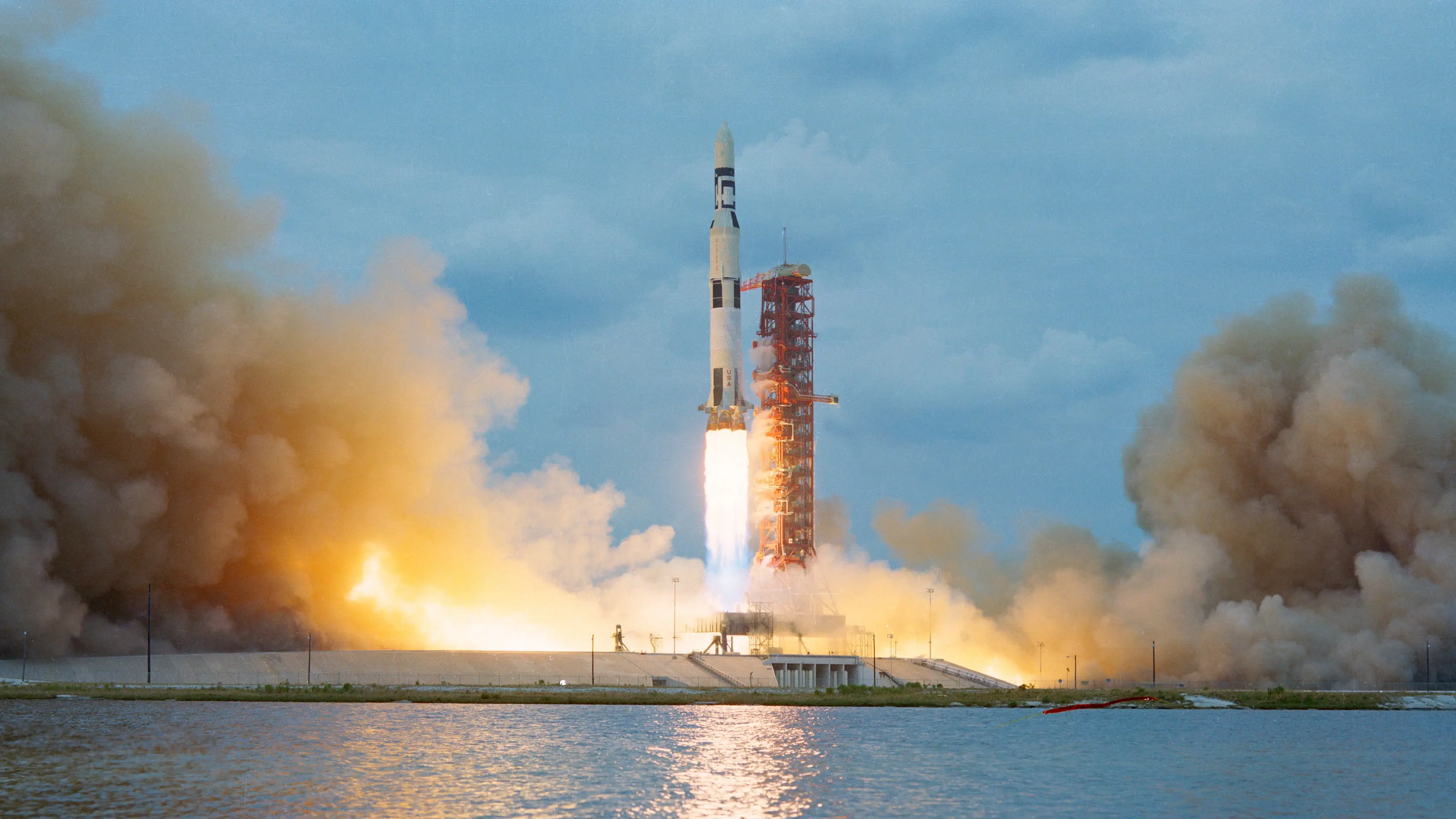
The Saturn V was a heavier beast, weighing approximately 2.9 million kilograms (6.5 million pounds) when fully fuelled. The Artemis SLS is slightly lighter, weighing about 2.6 million kilograms (5.75 million pounds) on the launchpad.
Payload to Orbit
The Saturn V could lift a massive 118 tonnes to Low Earth Orbit (LEO), giving it a higher payload capacity. The current Artemis SLS configuration can lift 95 tonnes to LEO, though it is optimised specifically for deep space trajectories.
Comparing the Engines
Saturn V relied on five massive F-1 engines, which burned kerosene and oxygen to create brute force. Artemis uses four efficient RS-25 liquid engines plus two solid rocket boosters, which alone provide 75 per cent of the total thrust.
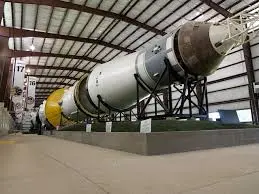
Visualising the Width
The Saturn V was wider, with a base diameter of 10 metres (33 feet) to hold its massive fuel tanks. The Artemis core stage is slimmer at 8.4 metres (27.6 feet), derived from the Space Shuttle’s external tank design.
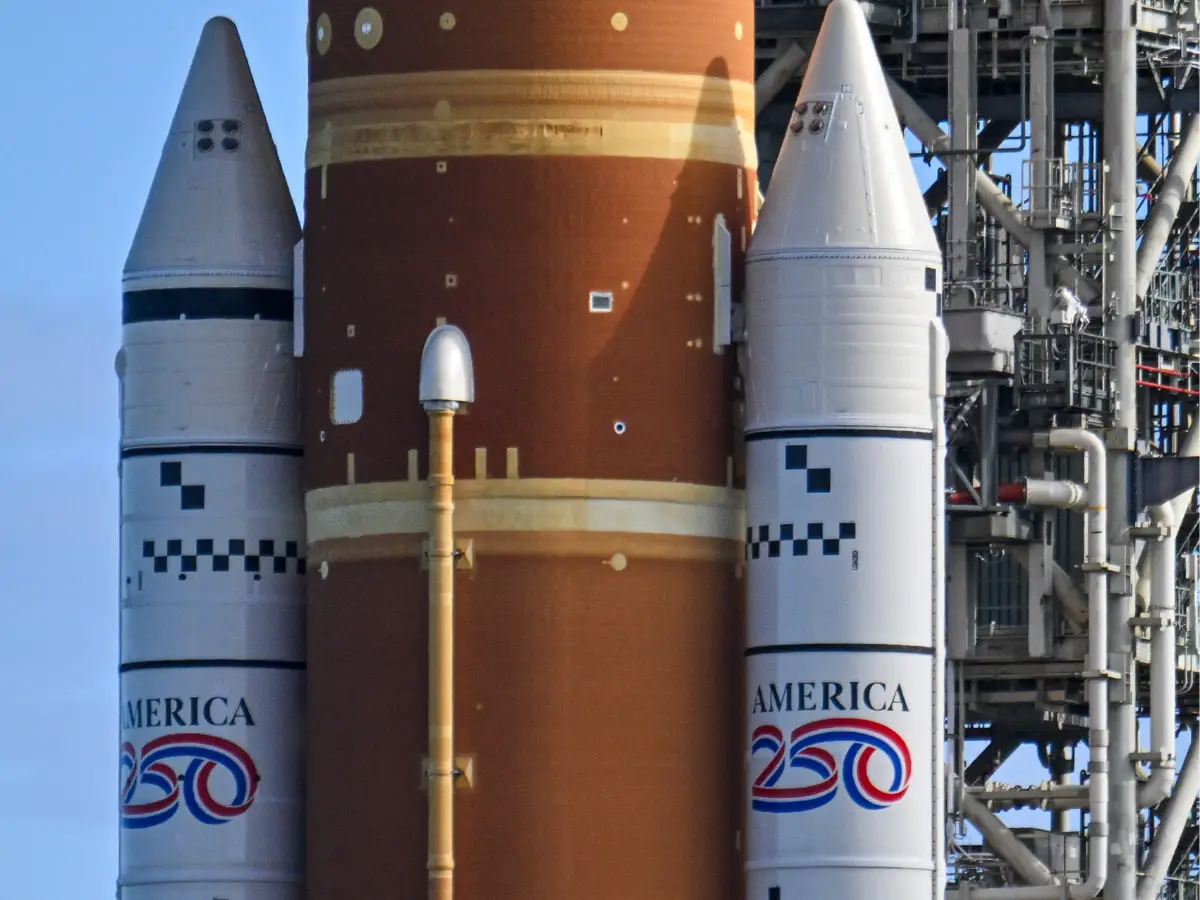
Future Growth to Match
NASA plans to upgrade the Artemis rocket to the 'Block 1B' version, which will grow to 111 metres tall. This future evolution will finally match the height of the Saturn V while offering even greater power for Mars missions.
)
)
)
)
)