How Bangladesh's Eurofighter Typhoon will be superior to Pakistan's F-16 fighter jets

Here is a breakdown of why the Bangladesh Air Force’s (BAF) potential acquisition of the Eurofighter Typhoon (Tranche 4) represents a technological leap over the Pakistan Air Force’s (PAF) F-16 Block 52+ fleet.
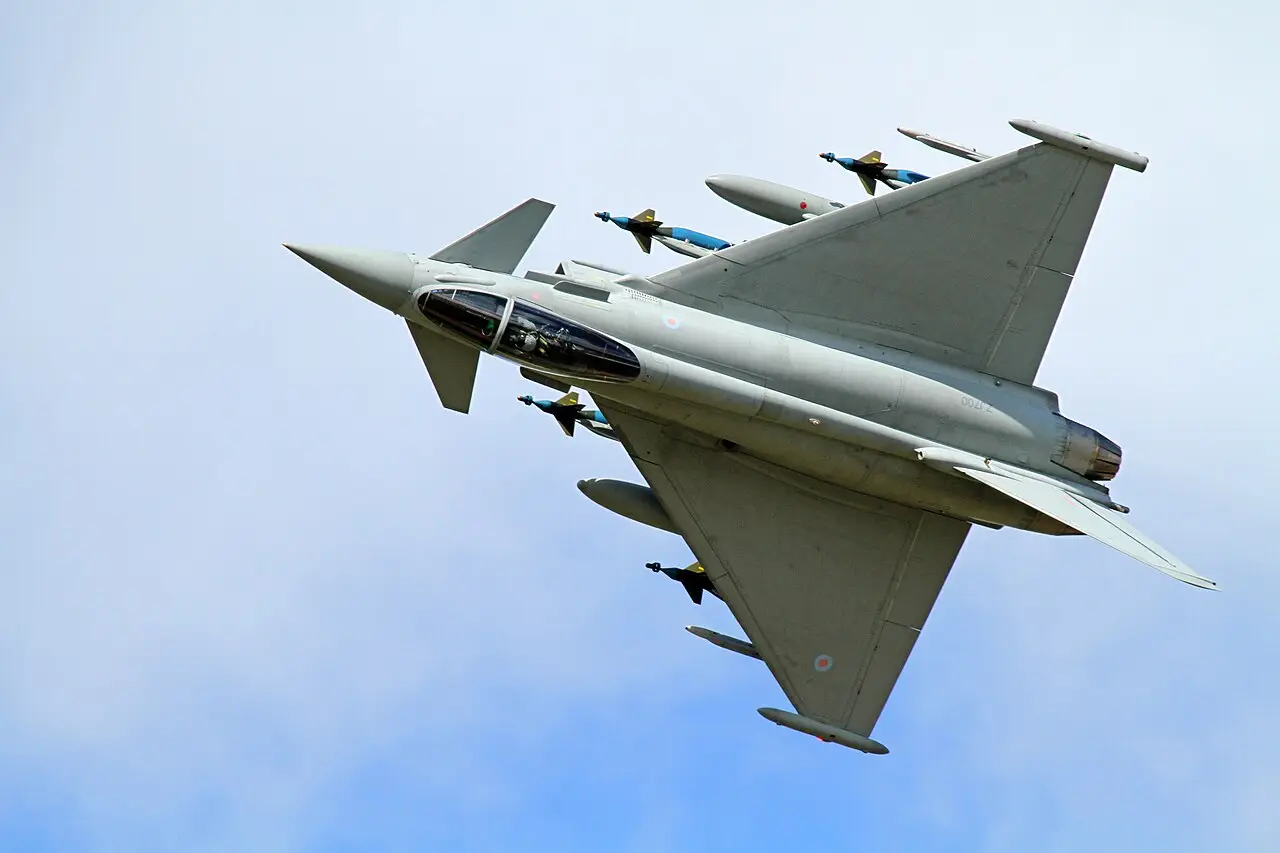
1. The "Eyes" Have It: AESA vs. Mechanical Radar
The biggest disparity lies in the nose cone. Pakistan’s F-16s rely on the AN/APG-68(V)9, a mechanically scanned radar that must physically move to scan the sky. The Tranche 4 Typhoon comes with the Captor-E AESA radar. This "Active Electronically Scanned Array" has no moving parts (mostly), scans instantly in all directions, resists jamming, and can track far more targets simultaneously than the F-16's older system.
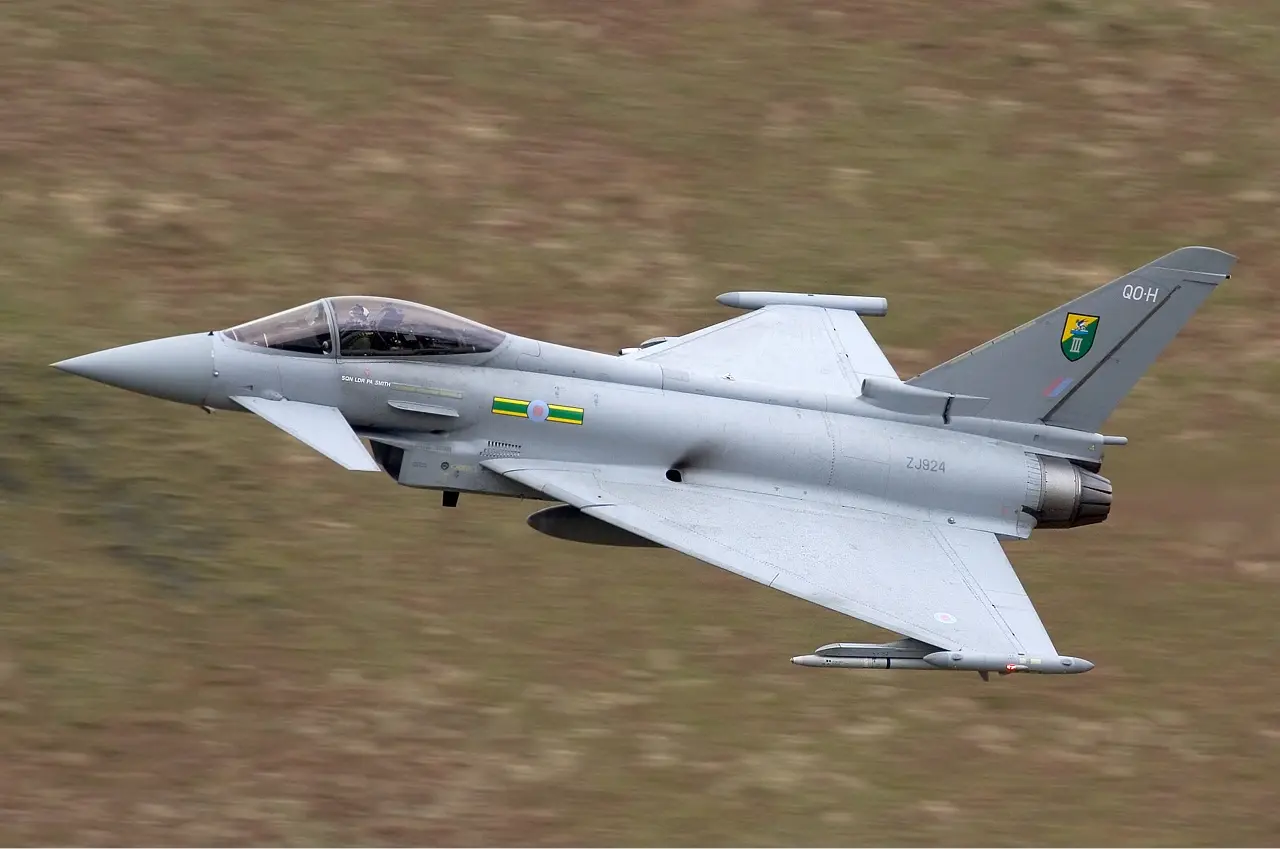
2. The Missile Mismatch: Meteor vs. AMRAAM
In Beyond Visual Range (BVR) combat, the Typhoon holds a decisive lethal advantage. It carries the MBDA Meteor, a ramjet-powered missile with a "no-escape zone" of over 100km, allowing it to chase down targets under power. Pakistan’s F-16s are armed with the American AIM-120C-5, a solid-fuel missile that loses energy quickly at long range. In a head-to-head duel, the Typhoon can fire and kill from distances where the F-16’s missiles would simply run out of fuel.
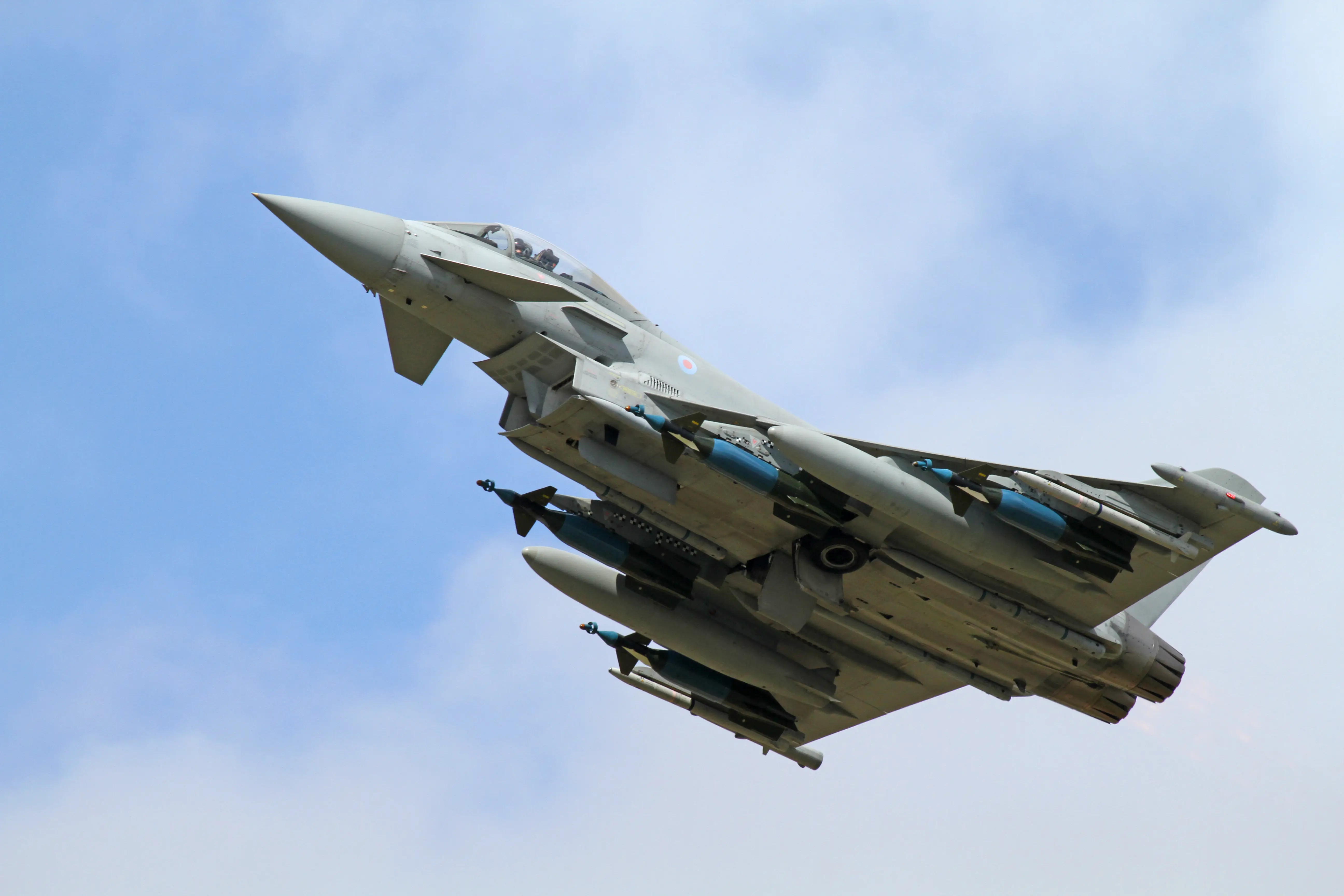
3. Supercruise: Speed Without Penalty
The Eurofighter is one of the few jets in the world capable of supercruise, flying at supersonic speeds without using fuel-guzzling afterburners. The F-16 is a "draggy" airframe when loaded with weapons and must use its afterburner to stay supersonic, burning its fuel rapidly. This gives the Typhoon a massive kinetic energy advantage, allowing it to enter and exit the fight faster and stay on station longer.
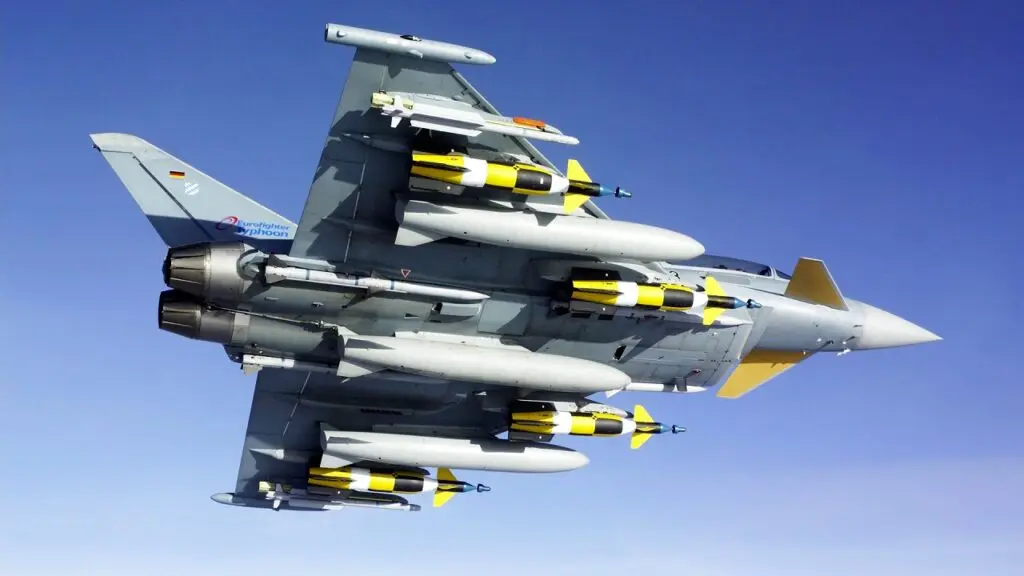
4. The "End-User" Leash
Pakistan’s F-16 fleet operates under strict End-User Monitoring (EUM) agreements with the United States, which can limit when and where the jets are deployed. Bangladesh’s deal with Italy for the Eurofighter is expected to come with significantly fewer geopolitical operational restrictions, giving Dhaka the "sovereign freedom" to deploy its assets without waiting for approval from Washington.
5. Twin-Engine Survivability
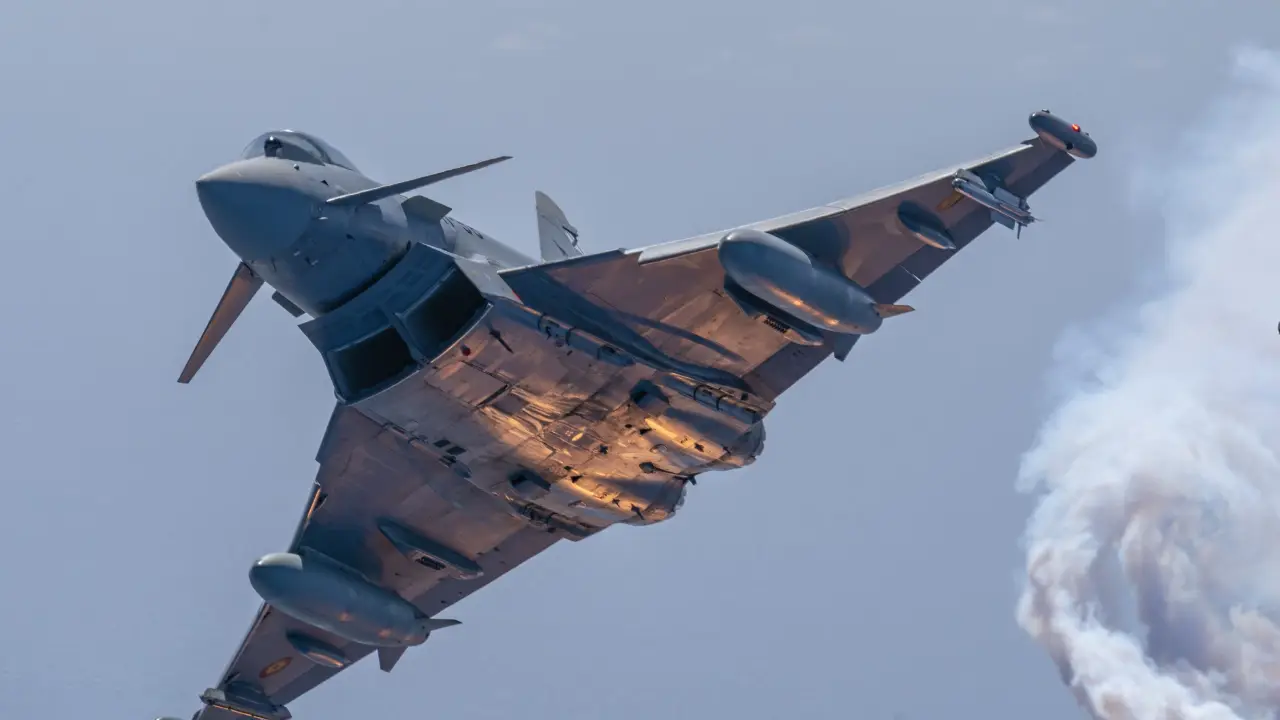
Pakistan’s F-16 is a single-engine fighter; if the engine fails (due to bird strike or damage), the pilot ejects. The Typhoon is a twin-engine heavy fighter. This redundancy is critical for Bangladesh’s maritime strategy over the Bay of Bengal. A Typhoon can lose an engine and still limp home safely, preserving a $100 million asset that would be lost in a single-engine airframe.
6. Electronic Warfare: The "Digital Shield"
The Typhoon boasts the Praetorian DASS (Defensive Aids Sub-System), a fully integrated electronic warfare suite that detects and jams incoming threats automatically, often even towing a decoy behind the jet. While Pakistan’s F-16s have updated electronic countermeasures, the Praetorian is widely regarded as one of the most sophisticated integrated EW suites in existence, giving the Typhoon superior survivability in contested airspace.
7. Future-Proofing vs. Life Extension
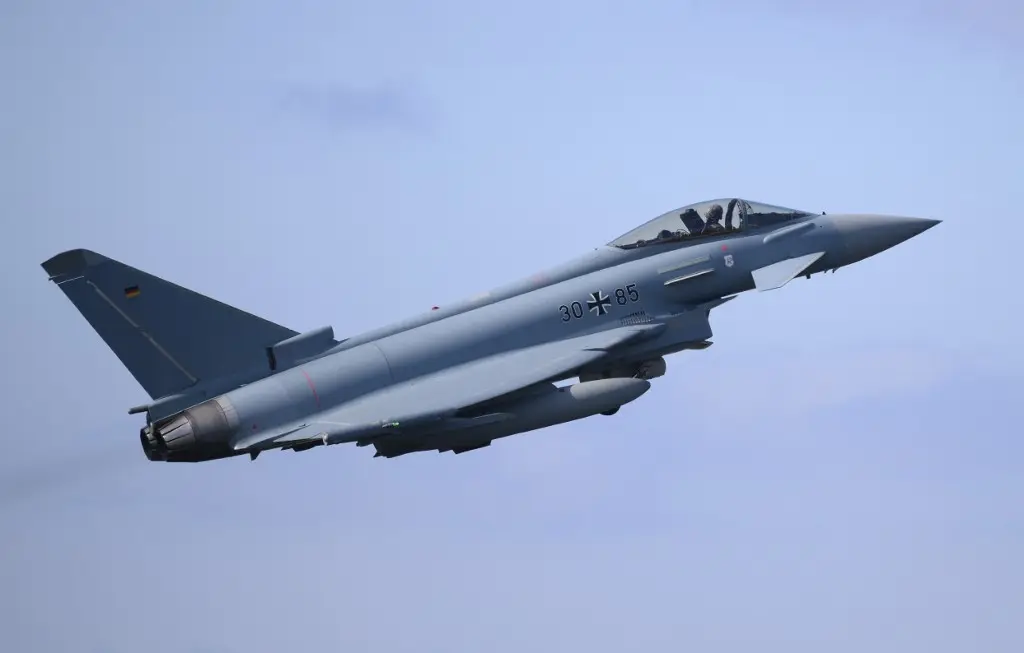
The Tranche 4 Typhoon is a brand-new aircraft with a lifespan extending into the 2060s. In contrast, Pakistan’s recent $686 million deal with the US is primarily a "sustainment" package to keep its aging F-16s flying until 2040. Bangladesh is buying the start of a new generation; Pakistan is paying to extend the end of an old one.
)
)
)
)
)