How B-2 bomber pilots can eject themselves in an emergency

B-2 bomber pilots eject using the ACES II system. Unlike fighter jets, the B-2 must first blast off solid overhead hatches using explosive bolts. A rocket motor then launches the seat, while gyros stabilize the flight and sensors determine exactly when to deploy the parachute.
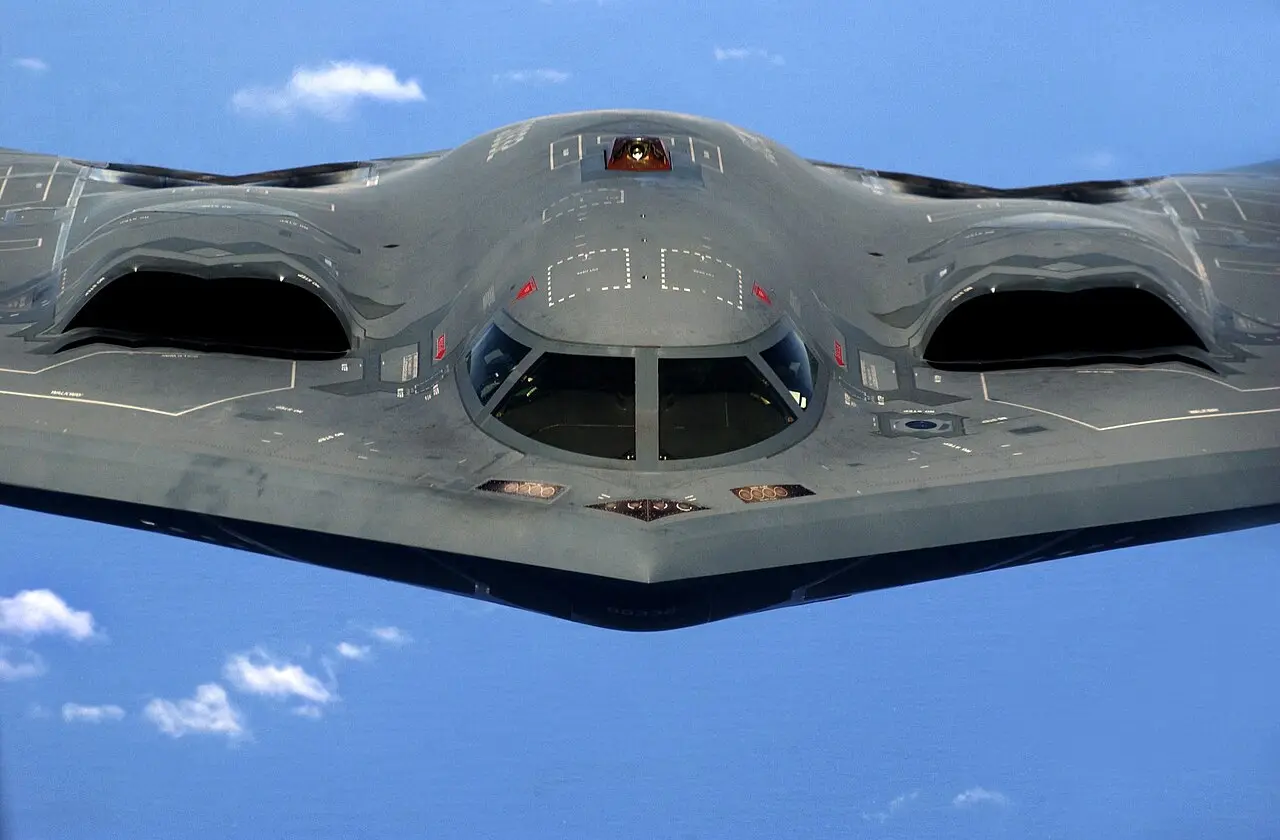
ACES II ejection system
To trigger the escape, the pilot pulls a yellow handle located between their legs or on the side of the seat. This single action initiates a ‘connected’ sequence that automatically activates both the hatch removal and the seat’s firing mechanism.
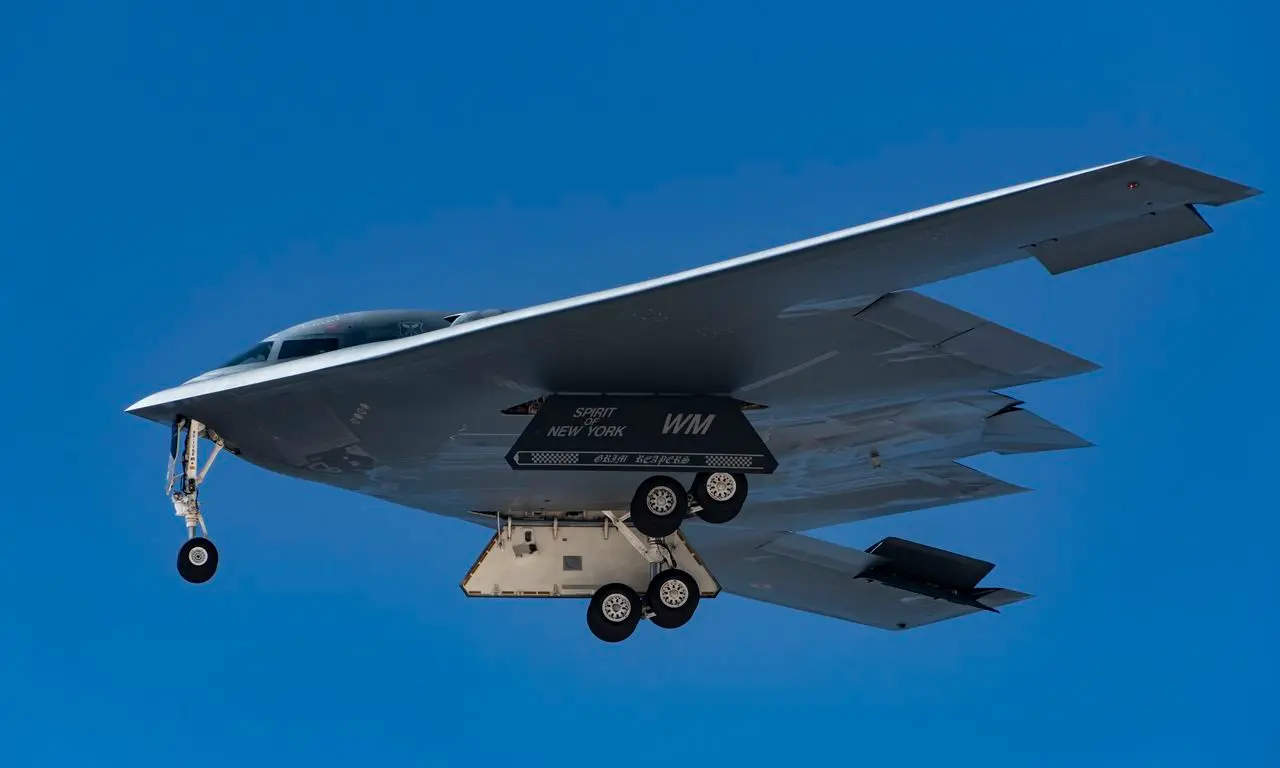
Blowing the Roof Hatches
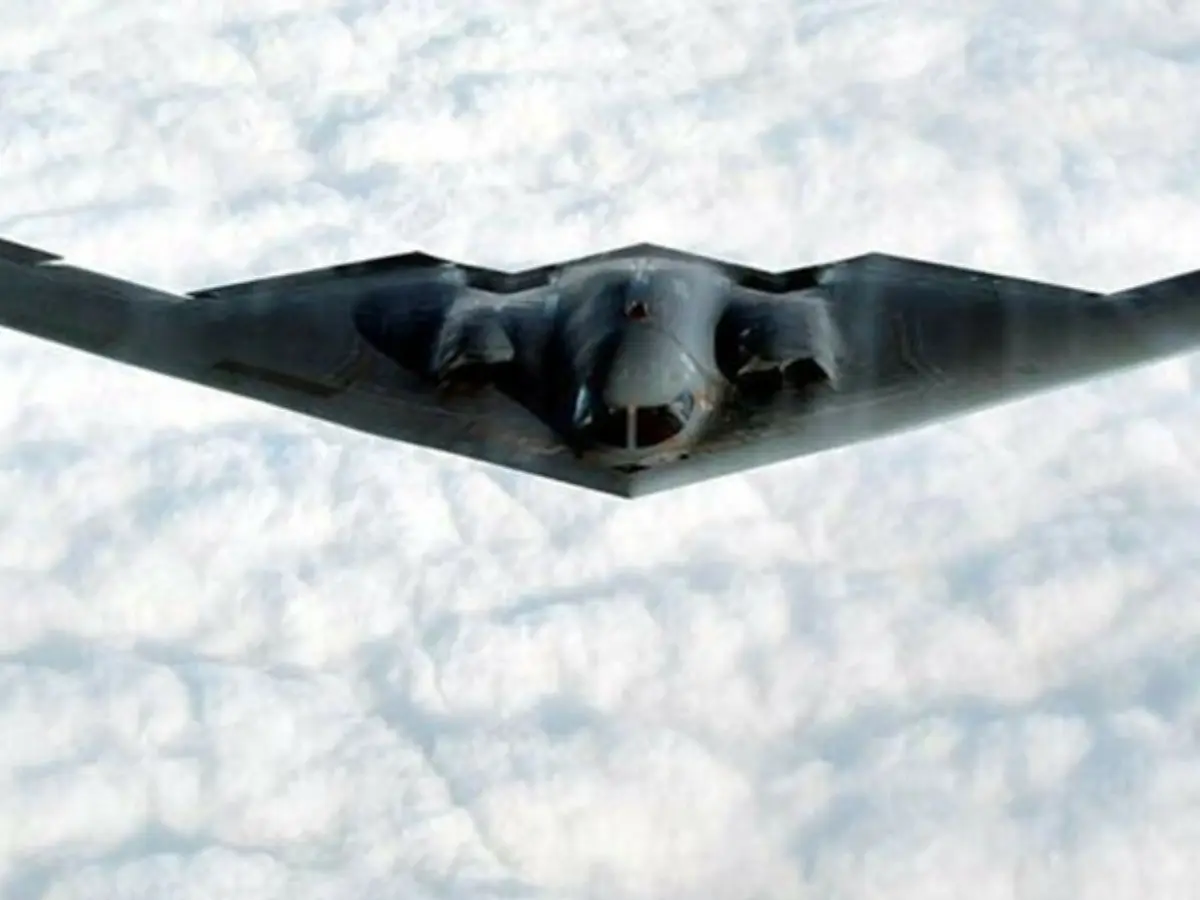
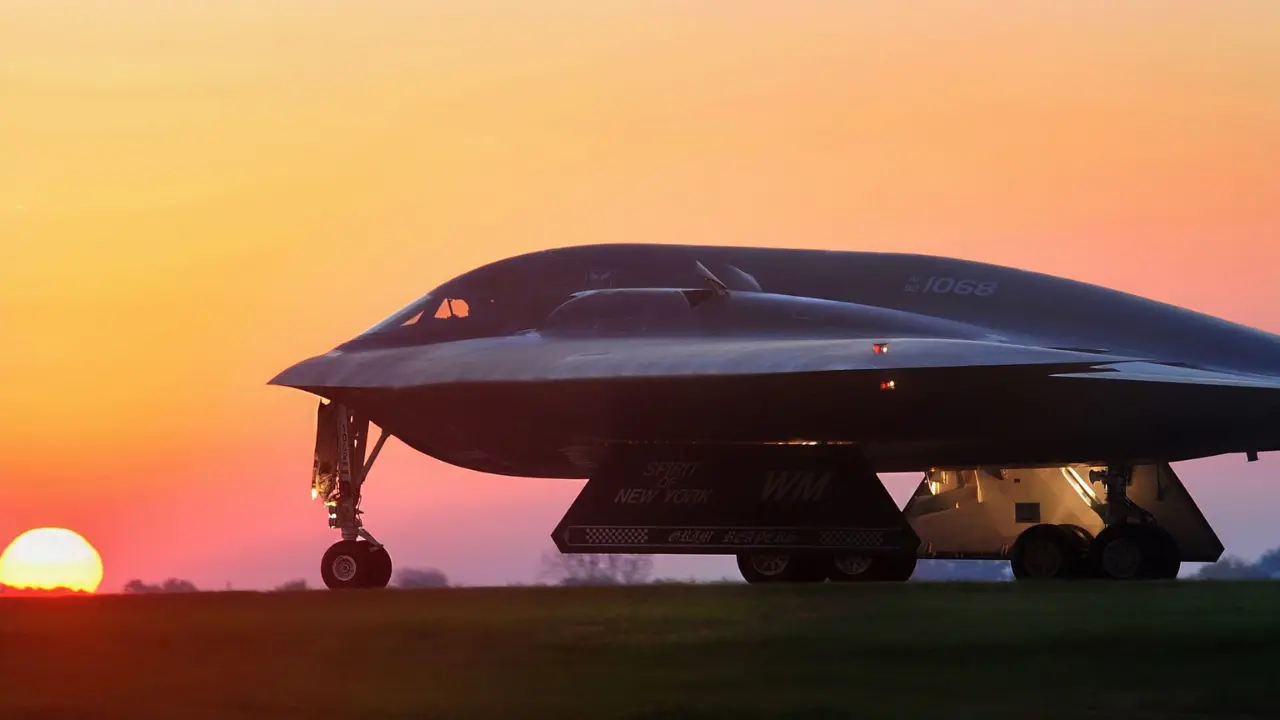
Because the B-2 has no glass canopy to break through, the aircraft must first jettison the roof panels above the cockpit. Explosive bolts and thrusters blast these heavy overhead hatches away into the airstream, clearing a path for the pilots.
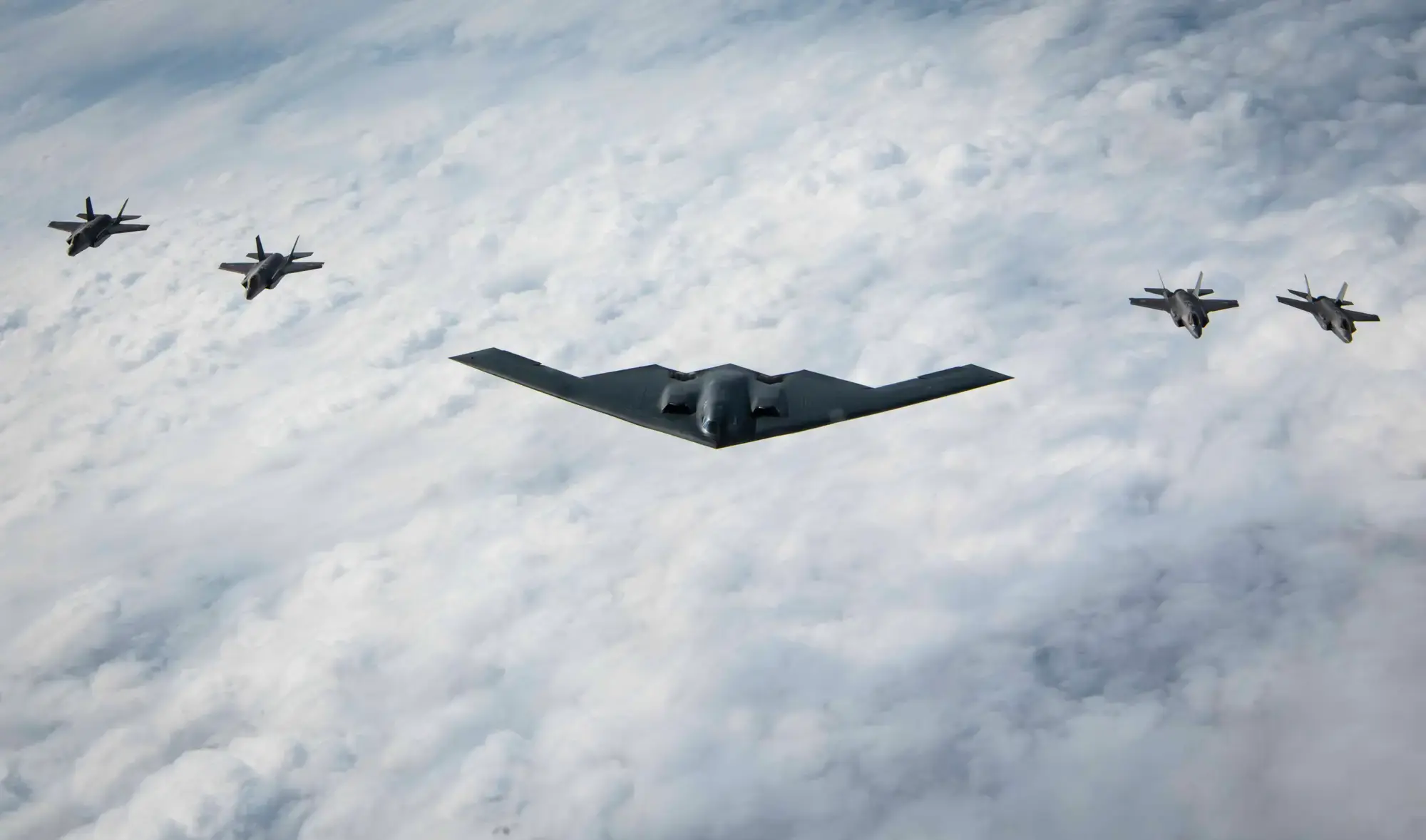
The Rocket Catapult Fires
Once the path is clear, a ballistic charge ignites to shoot the seat up the guide rails. As the seat clears the cockpit, a second stage rocket motor under the seat lights up to propel the pilot further away from the danger zone.
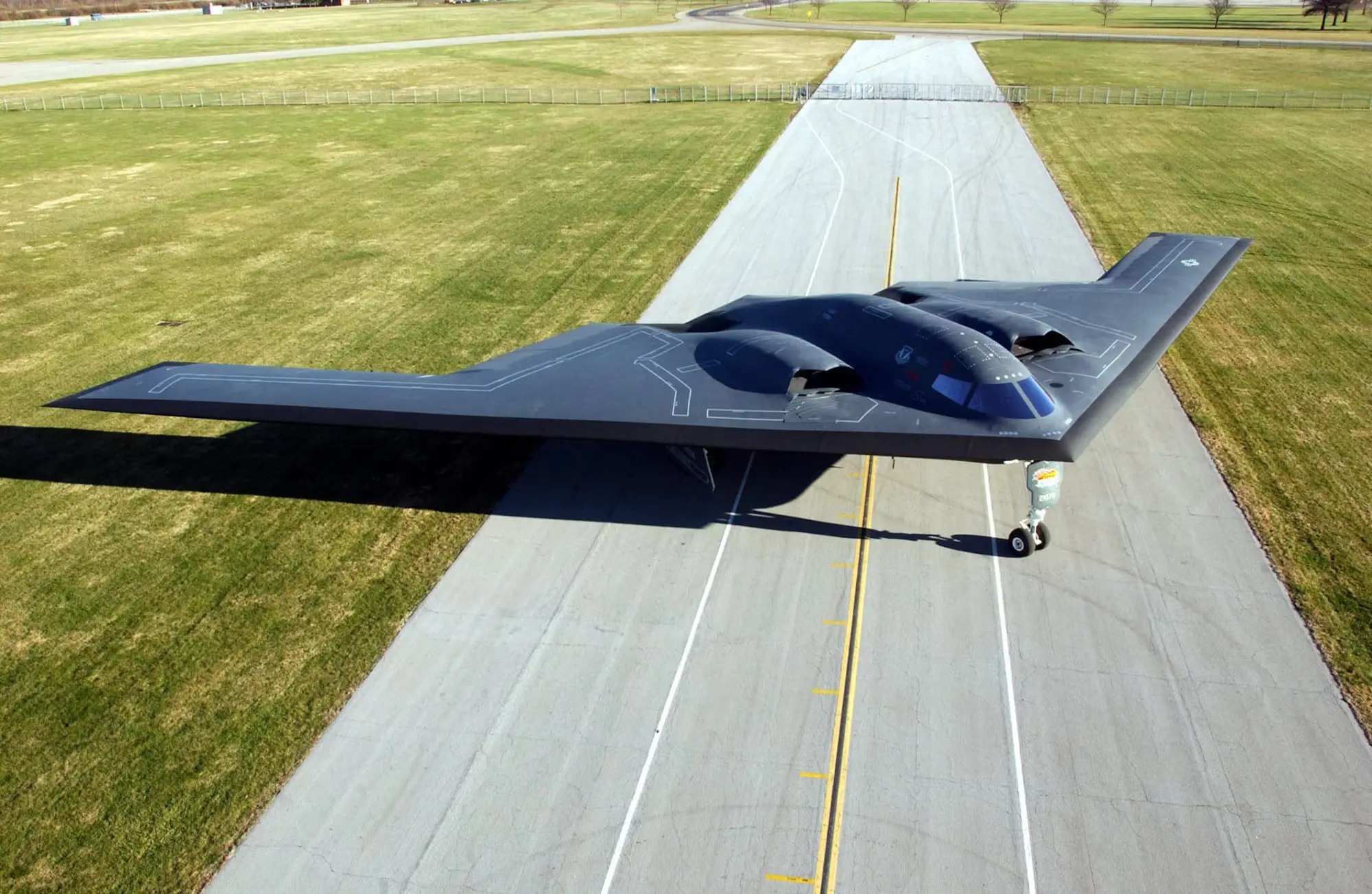
Gyroscopic Stabilization
To prevent the seat from tumbling wildly in the high-speed wind, a system called STAPAC kicks in. This uses a small vernier rocket motor controlled by a gyroscope to keep the seat upright and stable during the initial blast.
Smart Sensors
The ACES II seat has an onboard computer that instantly measures airspeed and altitude. If the plane is low, the parachute opens immediately (Mode 1); if high, the seat free-falls to a safe altitude before deploying the chute (Mode 3).
Seat-Man Separation
Once the parachute deployment sequence begins, the system automatically releases the pilot’s harness. A ‘seat-man-separator’ motor or rotary actuator then pushes the heavy metal seat away so it does not collide with the pilot during landing.
Landing and Survival
Lastly, the main parachute opens fully, lowering the pilot safely to the ground. A survival kit containing a life raft and beacon automatically deploys on a lanyard beneath the pilot, ready for use upon landing.
)
)
)
)
)