How B-2 Bomber avoids radar? Understanding the science of invisibility

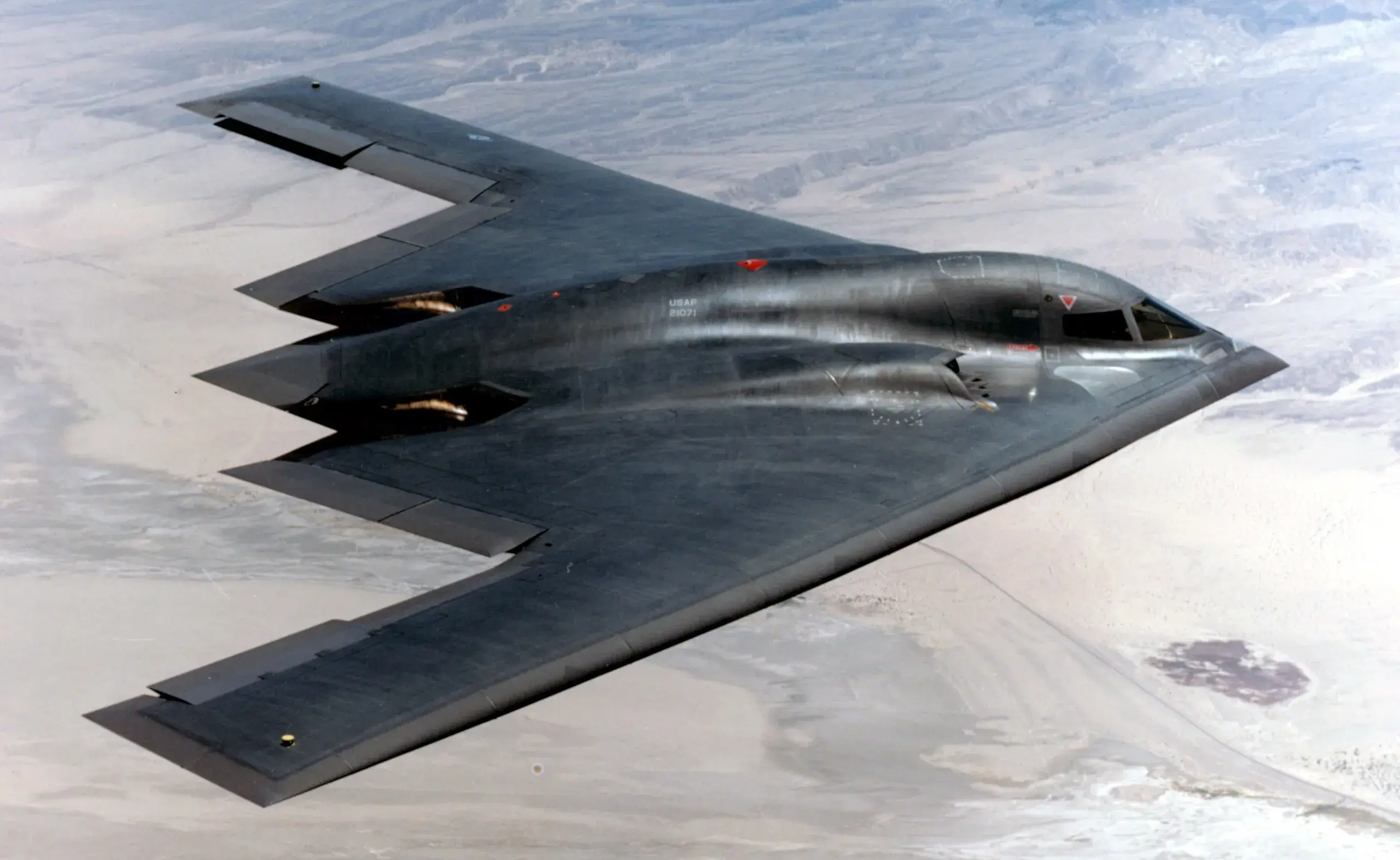
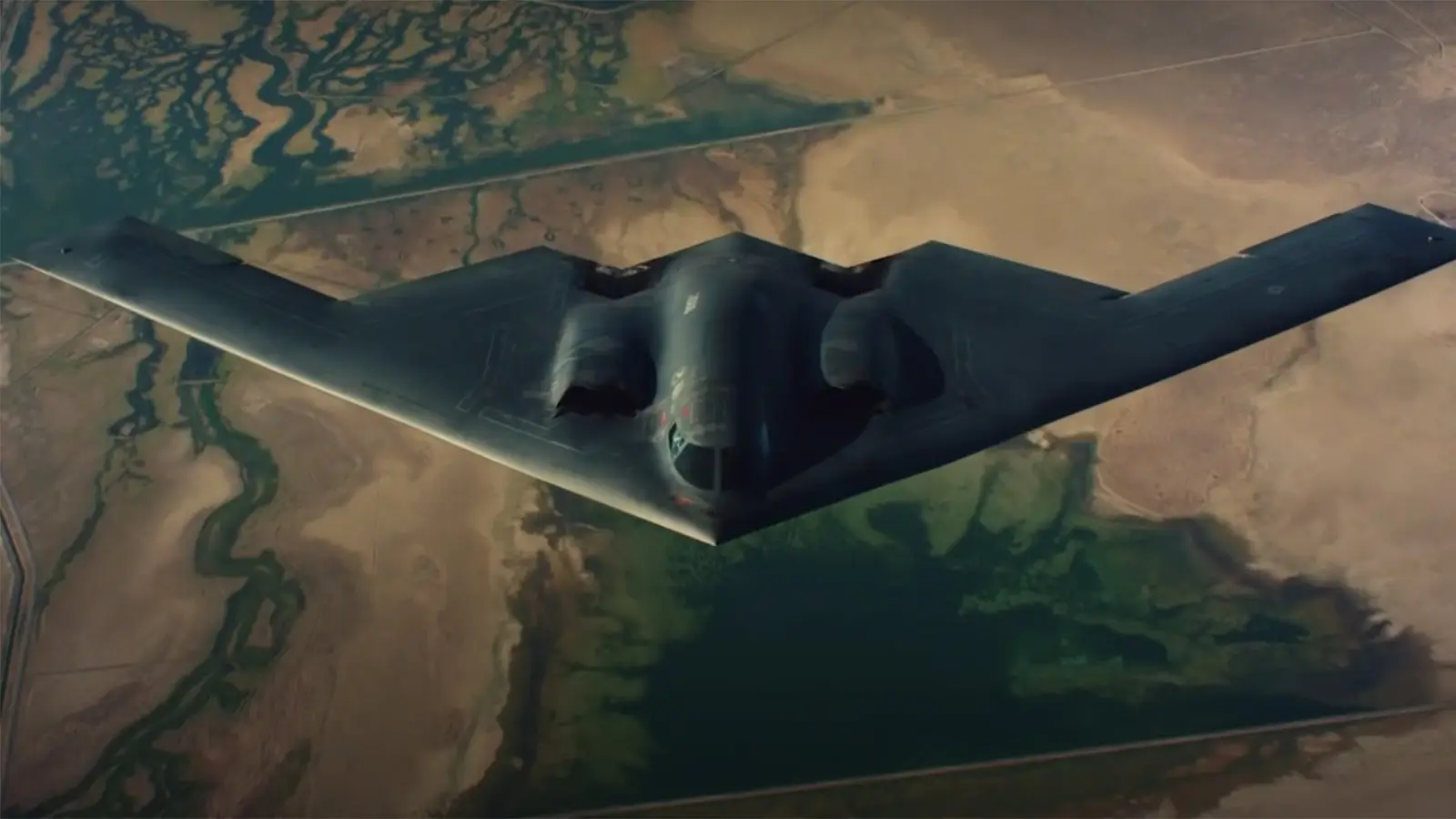
The B-2’s unique “flying wing” design with no tail, sharp edges, or vertical surfaces, helps scatter and deflect radar waves away from the transmitting source, making it extremely difficult for radar to detect and track.
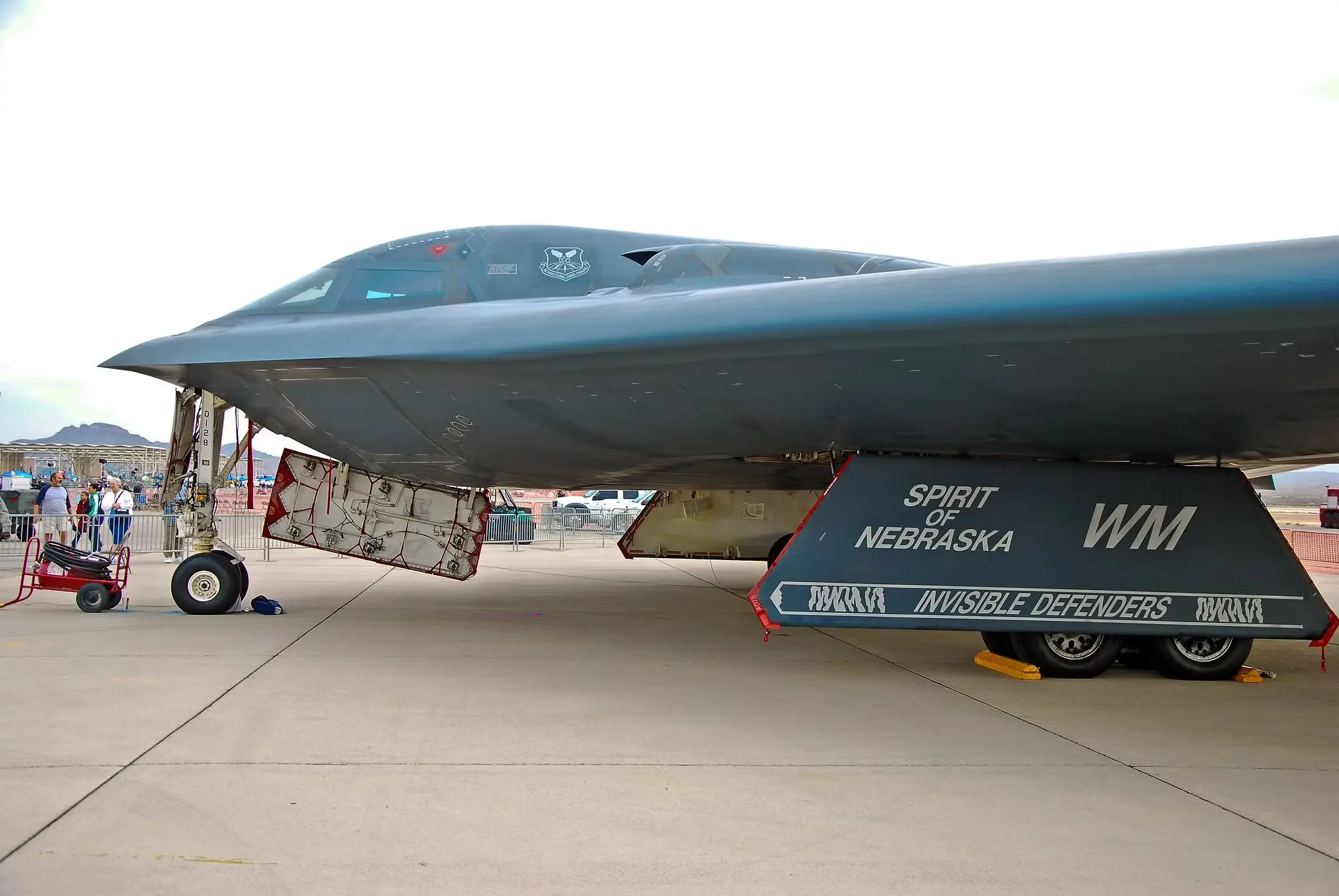
The B-2 was built for stealth, not speed
Unlike traditional bombers that rely on altitude or speed, the B-2’s design focuses entirely on avoiding detection. It was specifically engineered to fly undetected into enemy airspace, using the most advanced stealth technology in the world.
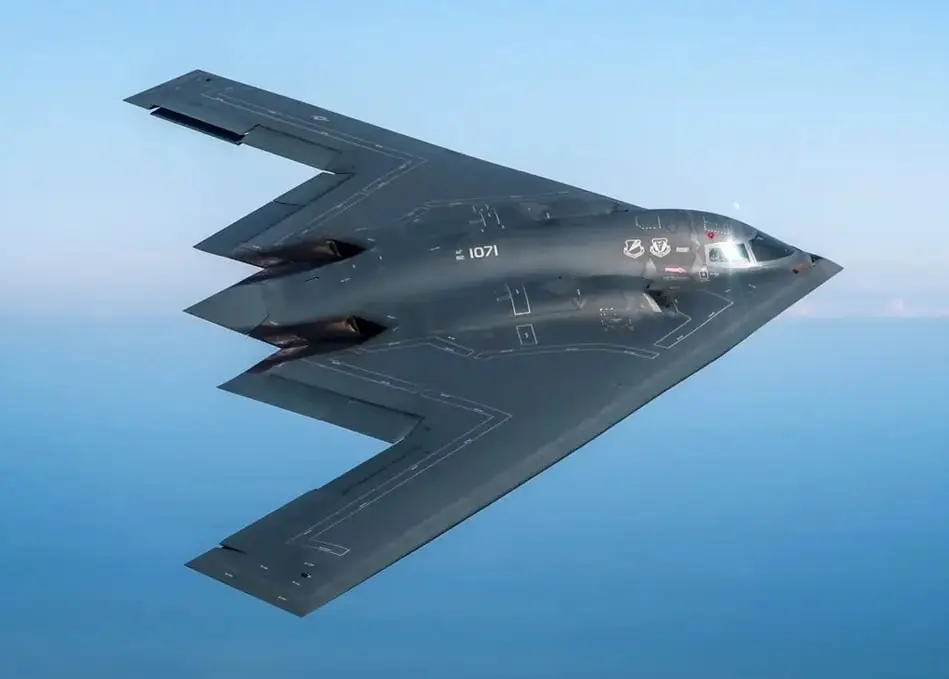
Its shape bends radar waves
The B-2’s unique “flying wing” design with no tail, sharp edges, or vertical surfaces, helps scatter and deflect radar waves away from the transmitting source, making it extremely difficult for radar to detect and track.
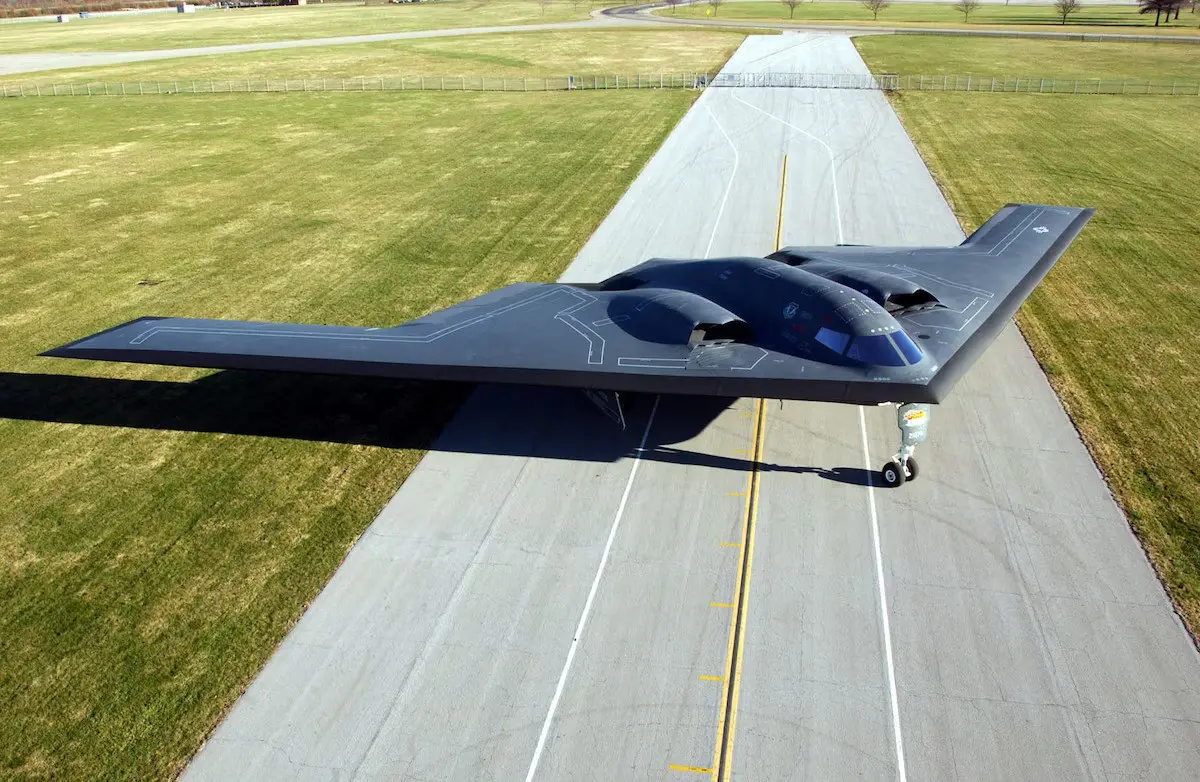
Radar-absorbent material (RAM) coating
The bomber is coated with special materials that absorb radar energy rather than reflect it. This helps in drastically reducing the aircraft’s Radar Cross Section (RCS) — the measure of how visible an object is to radar.
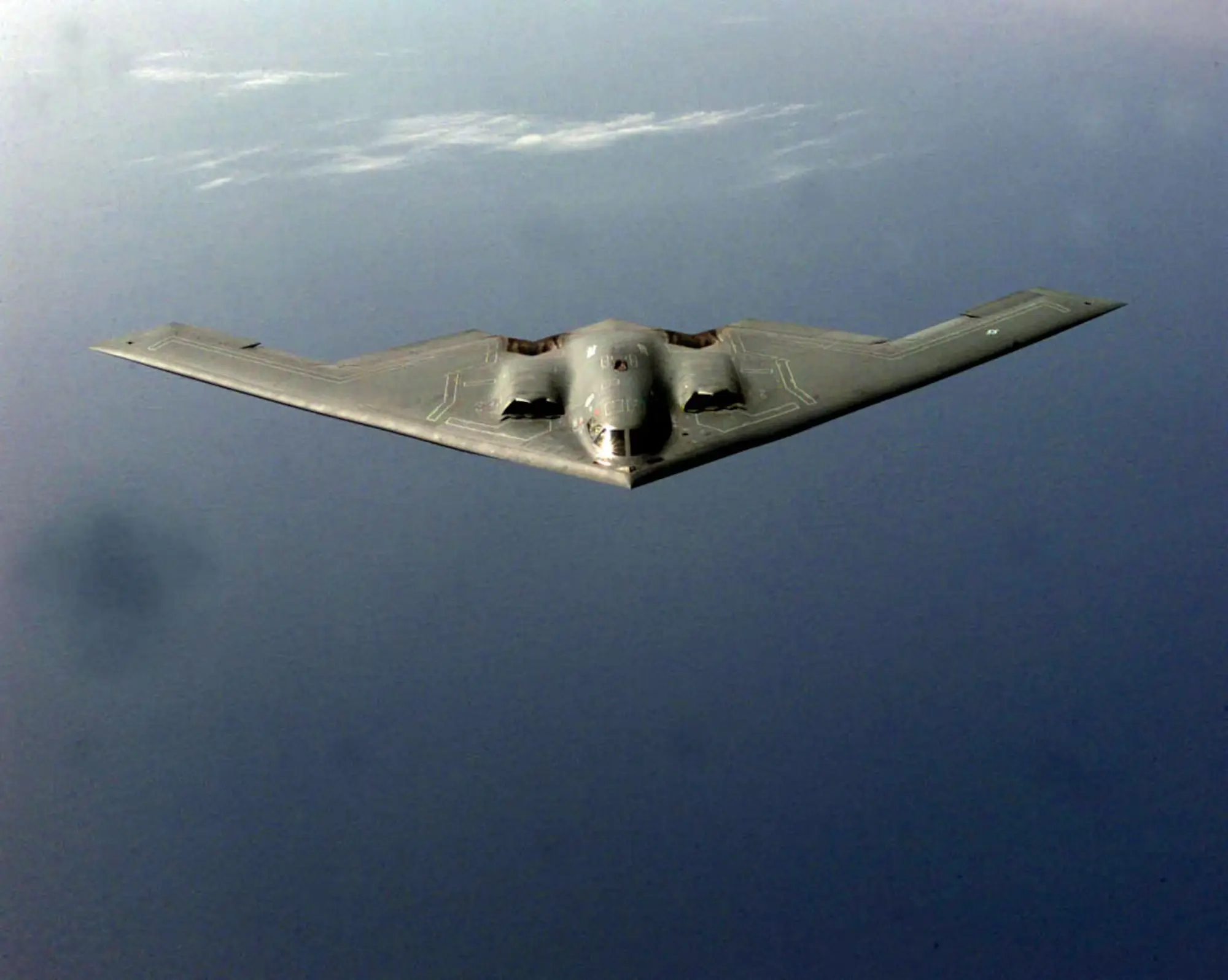
Internal weapons bays
To maintain stealth, all weapons and fuel are carried inside the aircraft. There are no external fuel tanks or missile mounts to disrupt airflow or radar signature. Everything is hidden inside the bomber’s body.
Engine placement and exhaust cooling
The B-2’s engines are buried inside the wing structure, with carefully designed air intakes and exhaust vents. This minimises heat emissions, making it hard to track with infrared sensors or heat-seeking missiles.
Precision flight computer systems
The B-2 constantly makes tiny flight adjustments to maintain optimal stealth angles. Its computers calculate the best position relative to enemy radar to keep the aircraft’s signature as low as possible during every moment of flight.
Result: Virtually undetectable
Thanks to these features, the B-2 has a Radar Cross Section roughly equivalent to a large bird, making it virtually invisible to all but the most advanced radar systems. This is why it remains the centrepiece of US strategic bombing capability, as tensions rise in hotspots like Iran and the Middle East.
)
)
)
)
)