How astronomers predict the future path of 3I/ATLAS

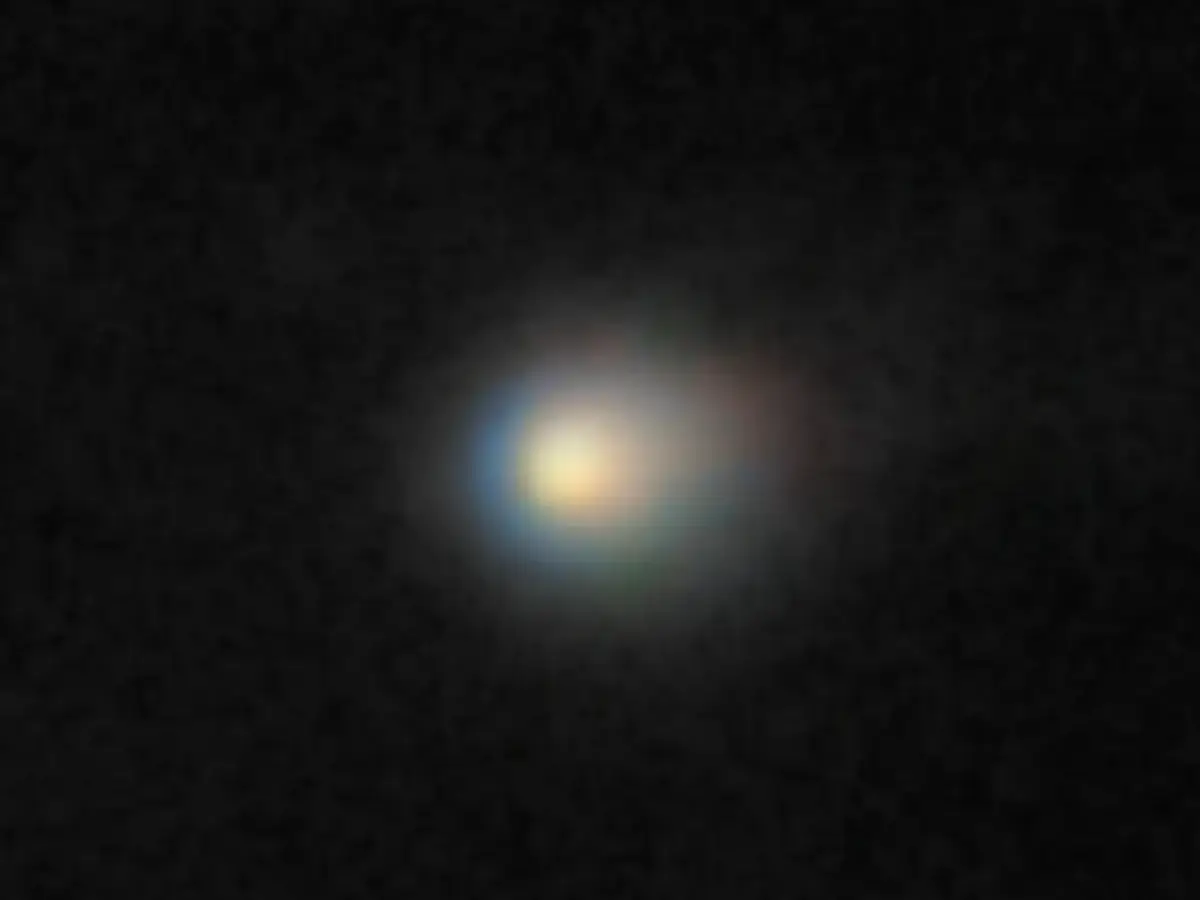
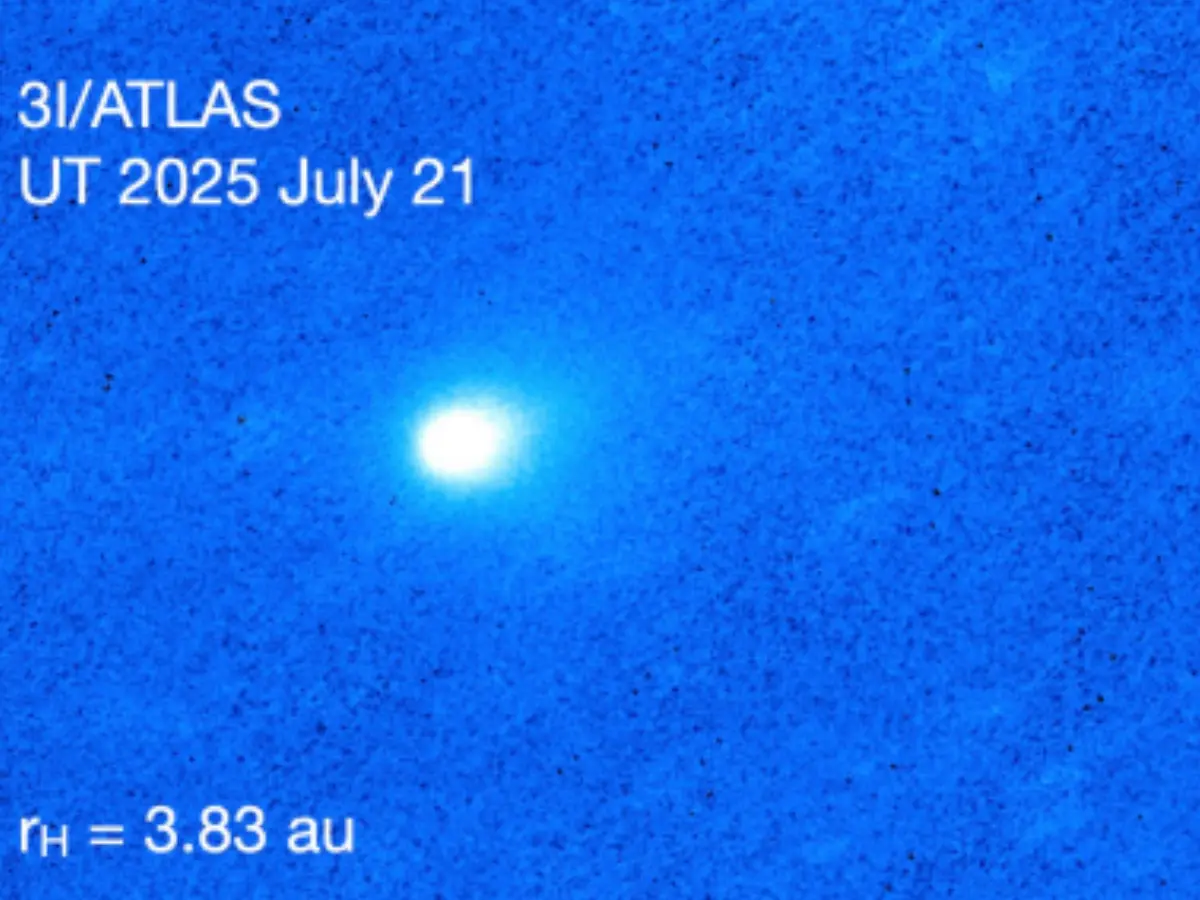
3I/ATLAS, the interstellar comet, moves fast on a hyperbolic path. Scientists track its speed, position, and outgassing with telescopes and models to predict its orbit. Advanced techniques ensure Earth remains safe while revealing secrets of cosmic travellers.
What Makes Predicting 3I/ATLAS’s Path a Challenge?
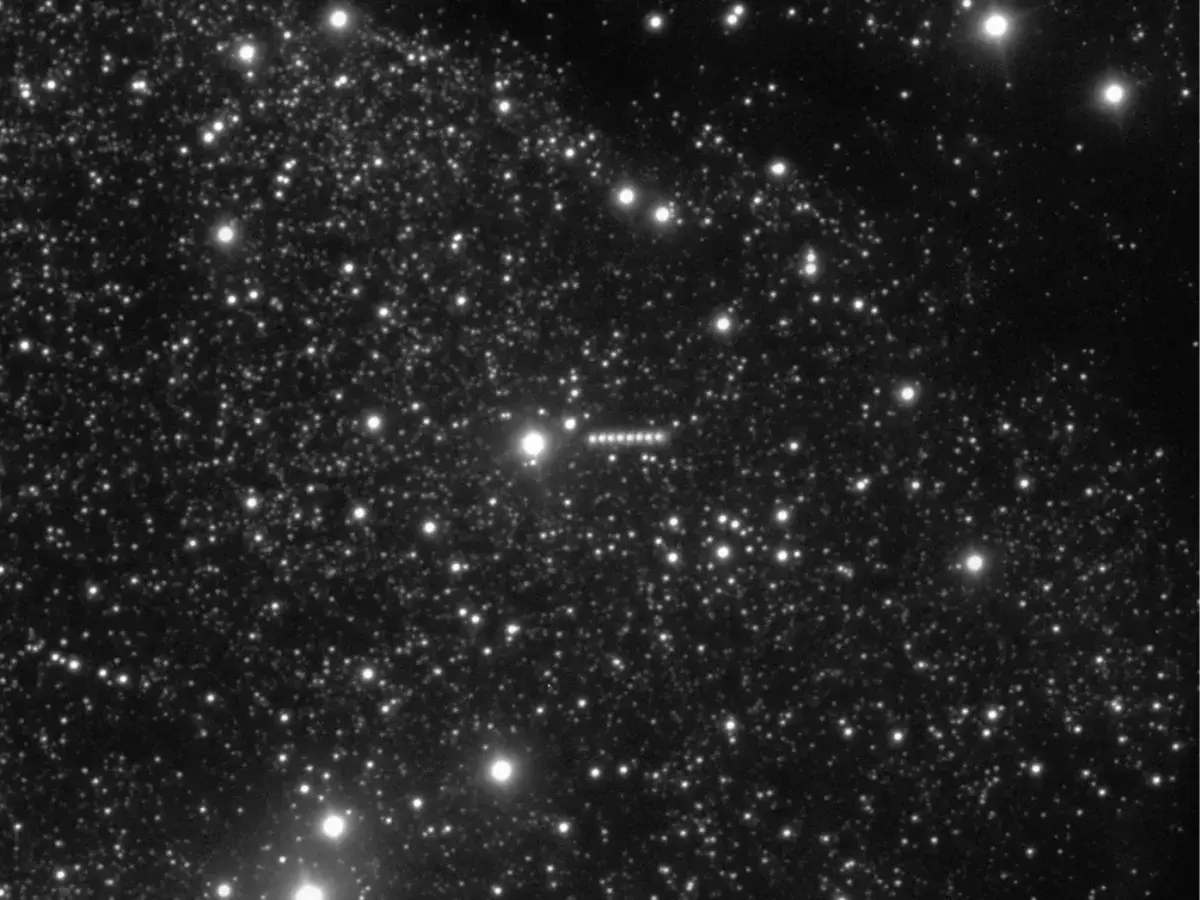
3I/ATLAS is moving fast on a hyperbolic path, meaning it is just passing through and will not come back. Scientists need to carefully track its position, speed, and how the comet’s outgassing the release of gas and dust changes its movement unpredictably.
Using Telescope Observations
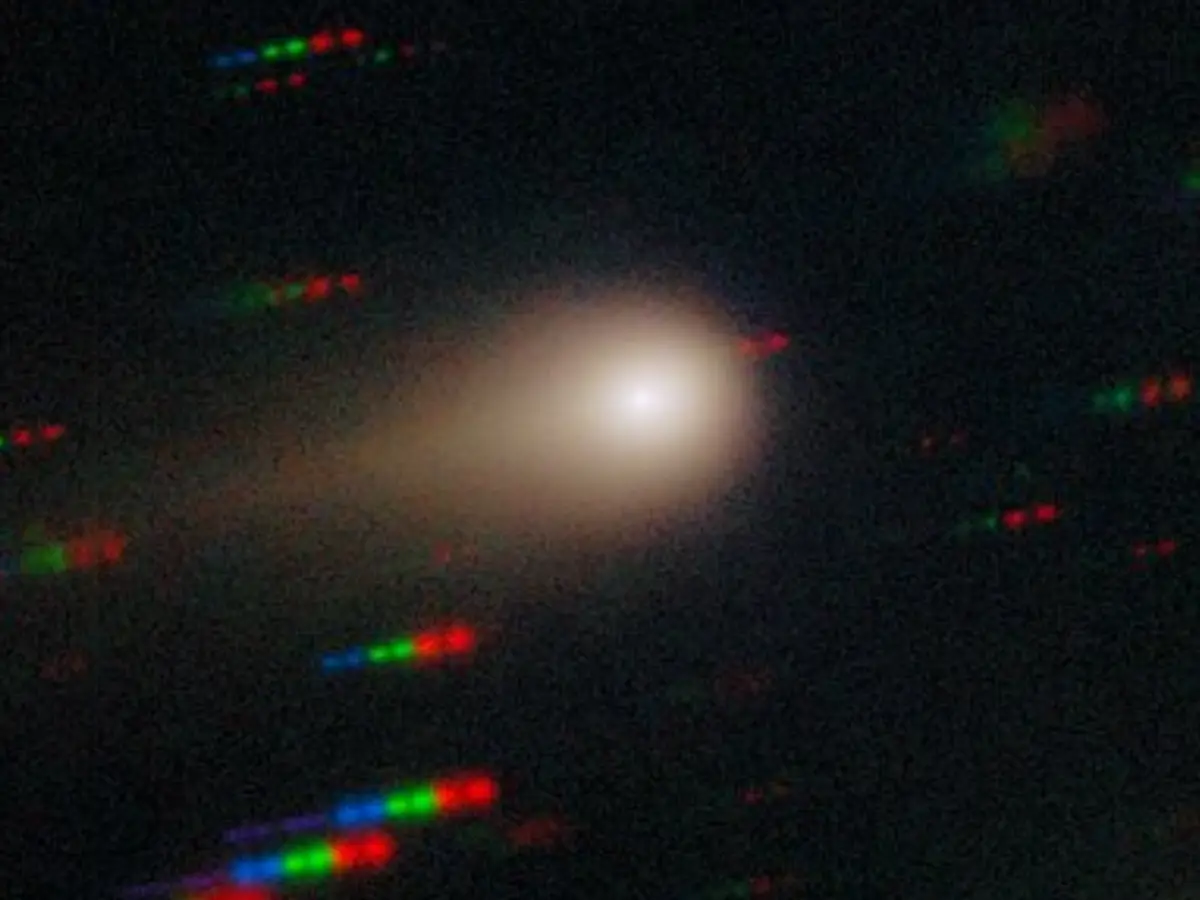
Worldwide telescopes measure the comet’s brightness and position multiple times a night. The NASA-funded ATLAS network and space telescopes like Hubble help gather precise data. This repeated observation improves the accuracy of calculating the orbit.
Comet’s Outgassing Affects Prediction
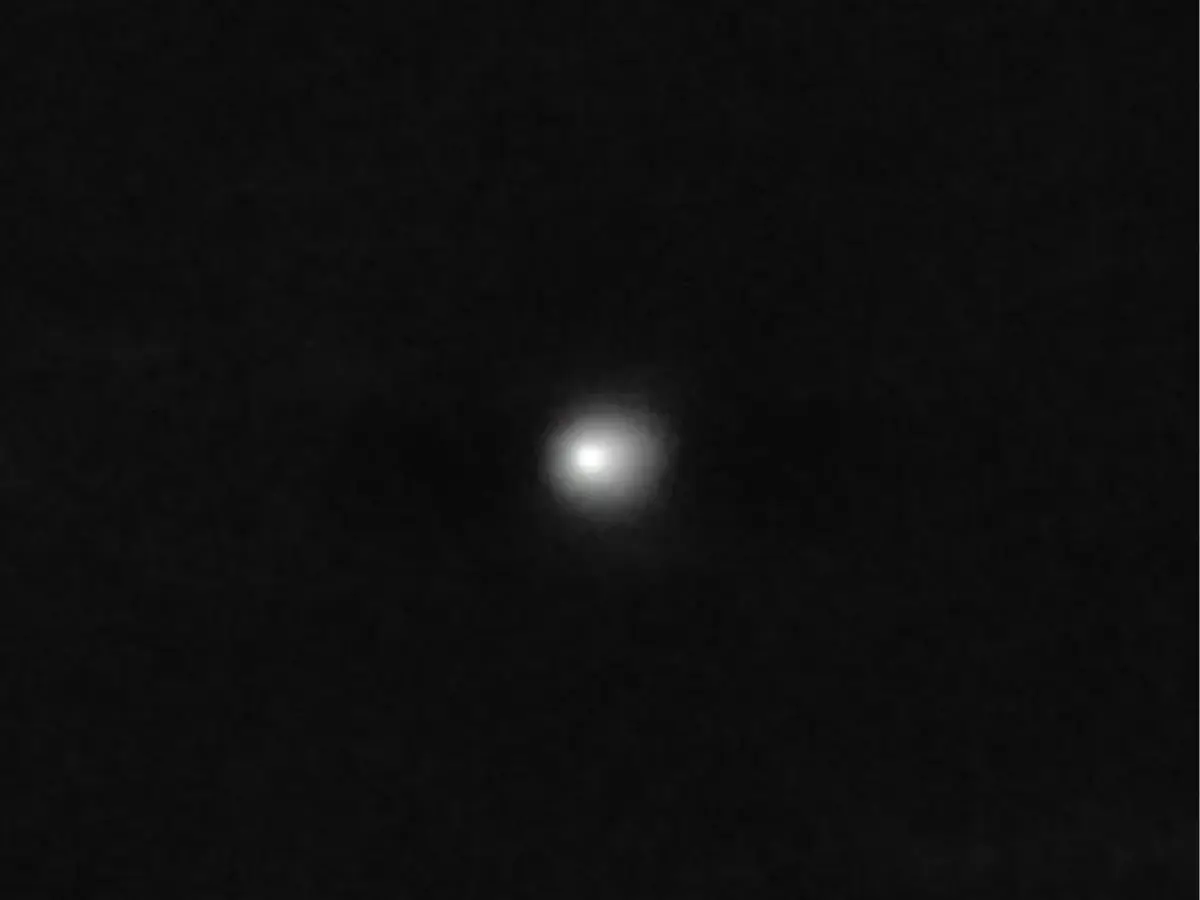
As the comet nears the Sun, heat causes ice on its surface to evaporate, creating jets of gas and dust. These jets push the comet, causing tiny changes in its speed and direction known as non-gravitational forces, making predictions more complex.

Orbit with Physics
Scientists use Newton’s laws and numerical models to simulate 3I/ATLAS’s motion. They include gravity from the Sun and planets, plus estimates of outgassing force based on comet activity. Algorithms iteratively adjust predicted paths to fit observation data as it comes in.
Confirming the Safe Distance from Earth
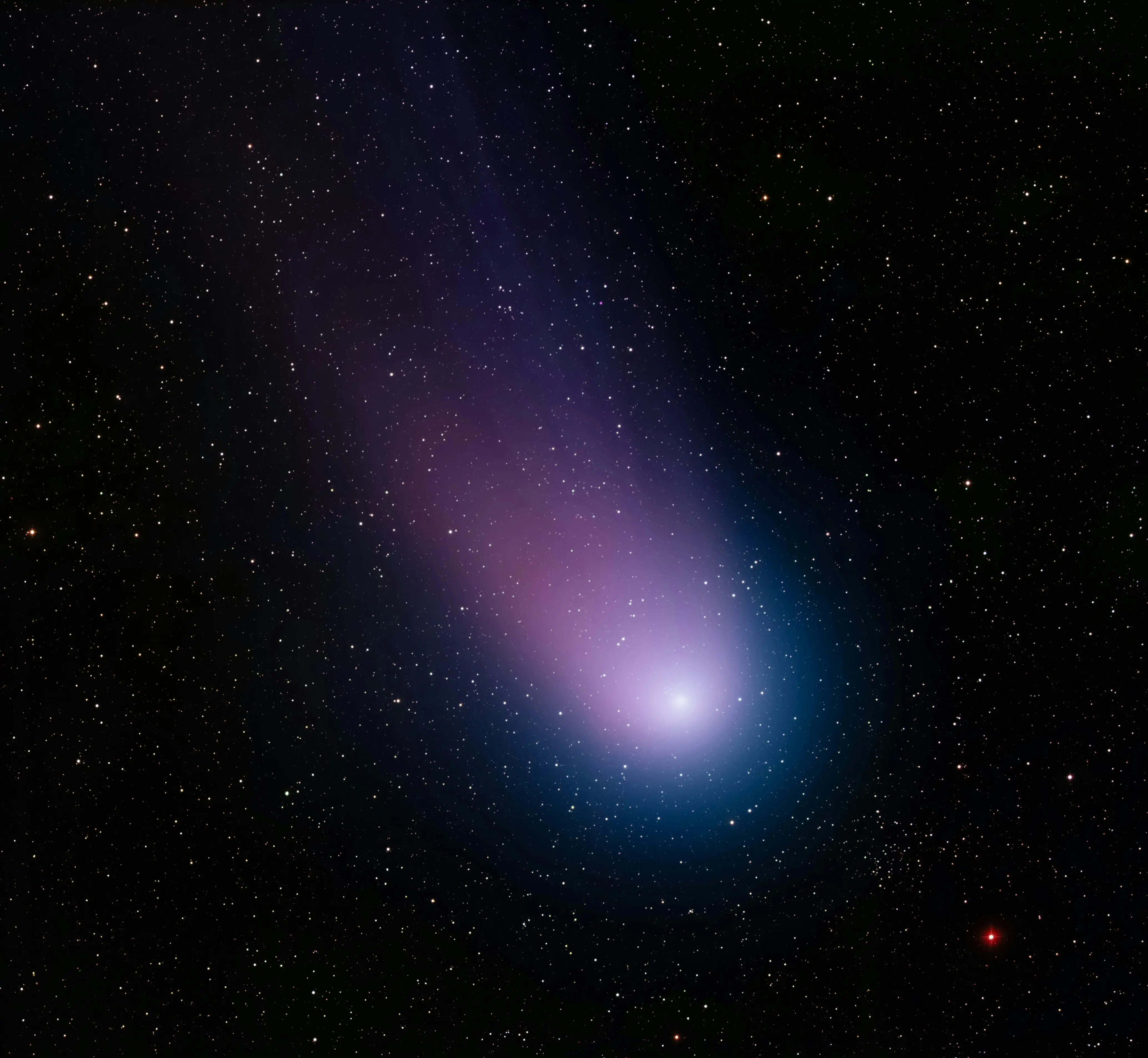
Calculations show 3I/ATLAS will pass safely about 1.8 astronomical units (270 million kilometres) away from Earth in December 2025. The comet will not collide with Earth or pose any risk.
New Techniques Improve Path Prediction
Machine learning, better telescope networks, and space probes all contribute to improved predictions. Scientists are developing faster algorithms and real-time data sharing, which help plan for future object encounters and better planetary defence.
Why It Matters
Accurate prediction of comets like 3I/ATLAS allows us to prepare for any potential threats, understand the behaviour of interstellar objects, and learn more about our cosmic environment. Tracking such visitors improves global space safety and science.
)
)
)
)
)