How Arctic turned red after Russia caused worst fuel spill

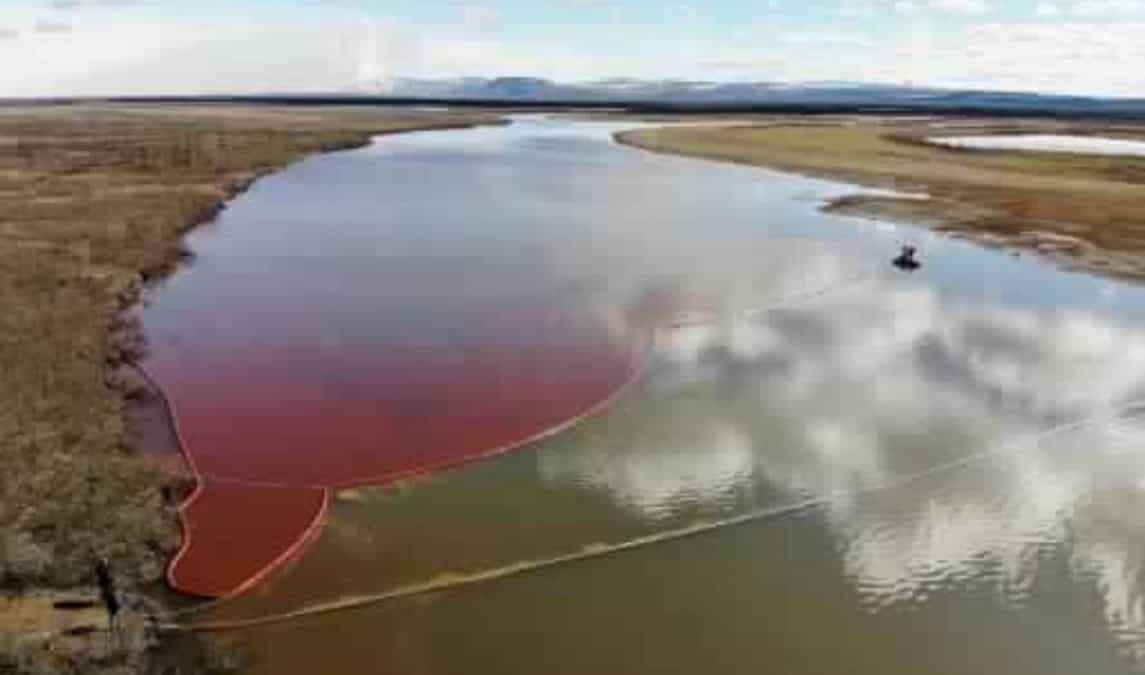
Vital to Taimyr peninsula
The Ambarnaya River, which is affected by the spill, feeds into Lake Pyasino, a major body of water and the source of the Pyasina River that is vitally important to the entire Taimyr peninsula.
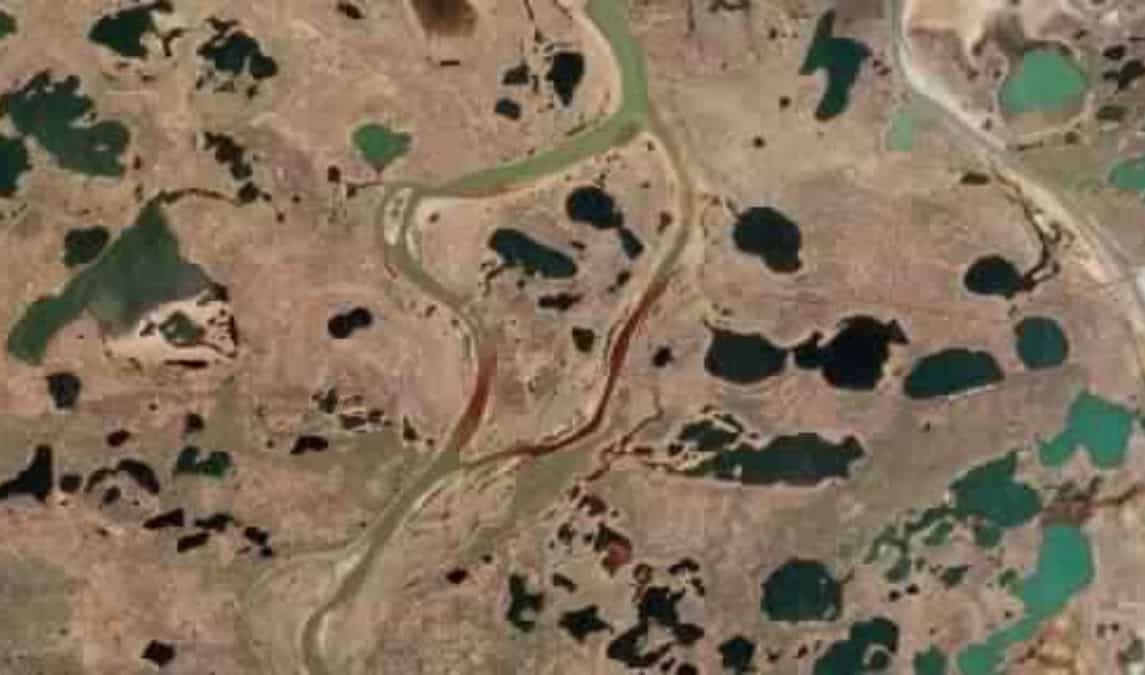
Satellite image
Satellite images released by the European Space Agency and Russia's Roscosmos show a large spot of reddish fuel had travelled over 20 kilometres toward the lake from the river, where the main cleanup effort was located.
It has highlighted Russia's vulnerability to climate change as areas locked by permafrost for centuries thaw amid warmer temperatures.

State of emergency
Russian authorities declared a state of emergency after more than 20,000 tonnes of diesel fuel seeped into a Siberian river sparking concerns from environmentalists.
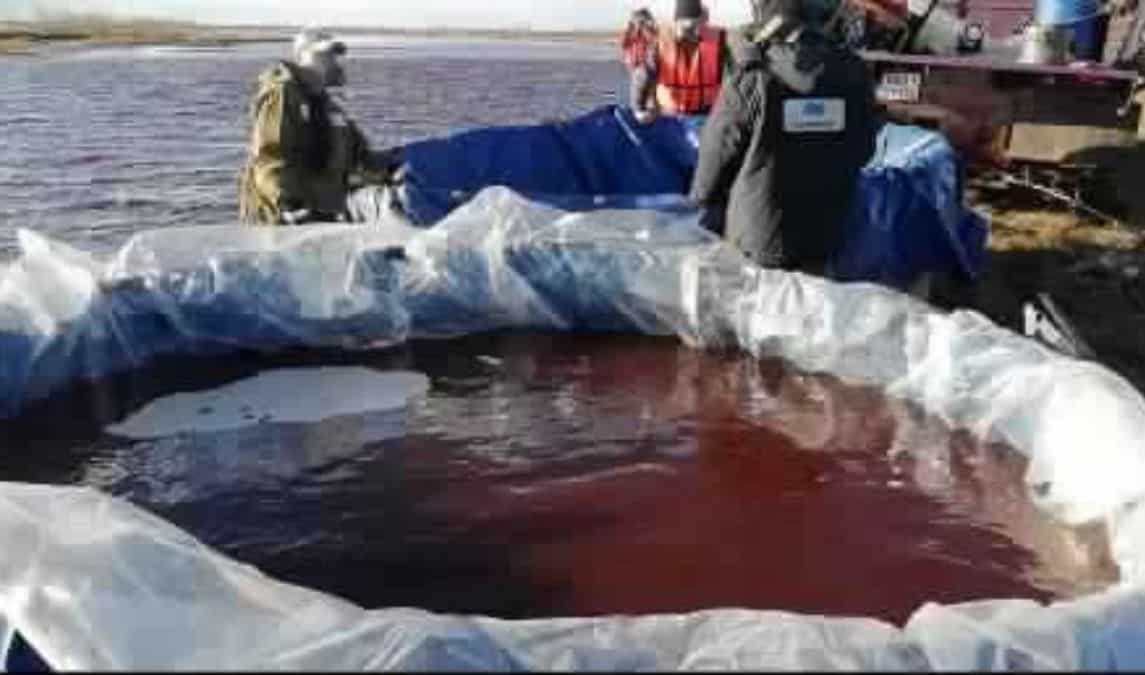
Worst accident in Arctic history
While the accident is the worst spill in Arctic history, it is second largest in modern Russian history in terms of volume.
It is only exceeded by a crude oil spill in the northwestern region of Komi that took place over several months in 1994.
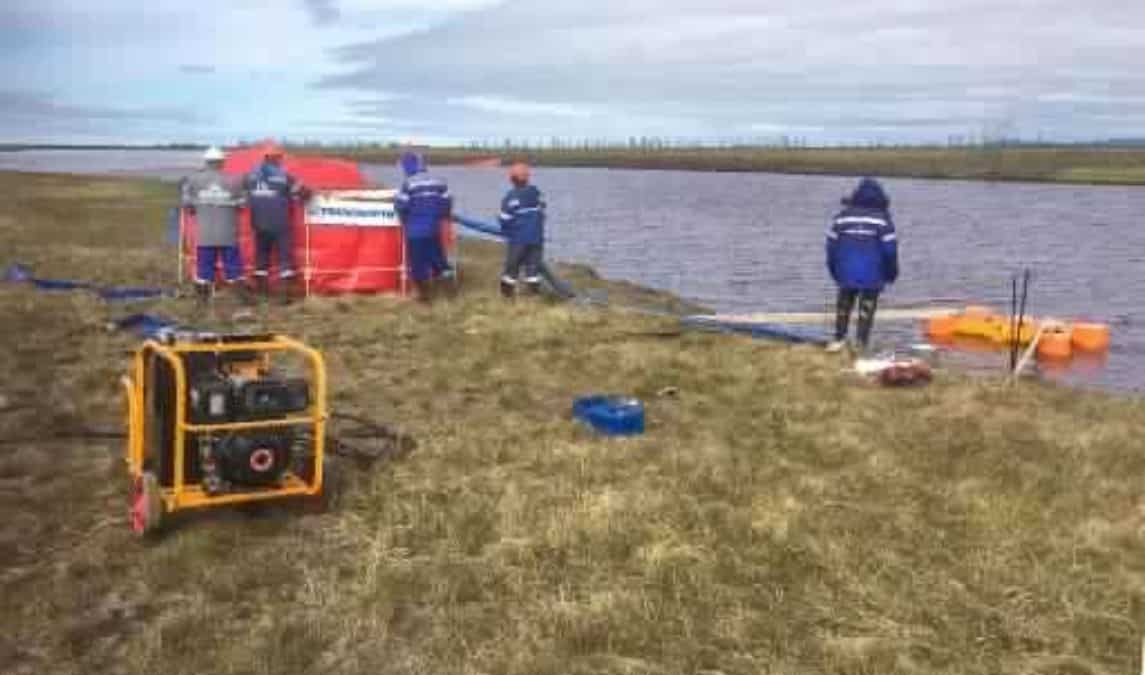
Diesel reservoir collapsed
The accident happened when a diesel reservoir collapsed at a power station outside the northern Siberian city of Norilsk.
It caused 15,000 tonnes of fuel to leak into a river and 6,000 tonnes into the soil. The power plant is owned by a subsidiary of Russian metals giant Norilsk Nickel.
)
)
)
)
)