How anti-ship missiles are changing the future of naval warfare

Anti-ship missiles have evolved from WWII radio-guided weapons to hypersonic missiles like BrahMos. These advanced weapons change naval combat tactics and power balances worldwide.
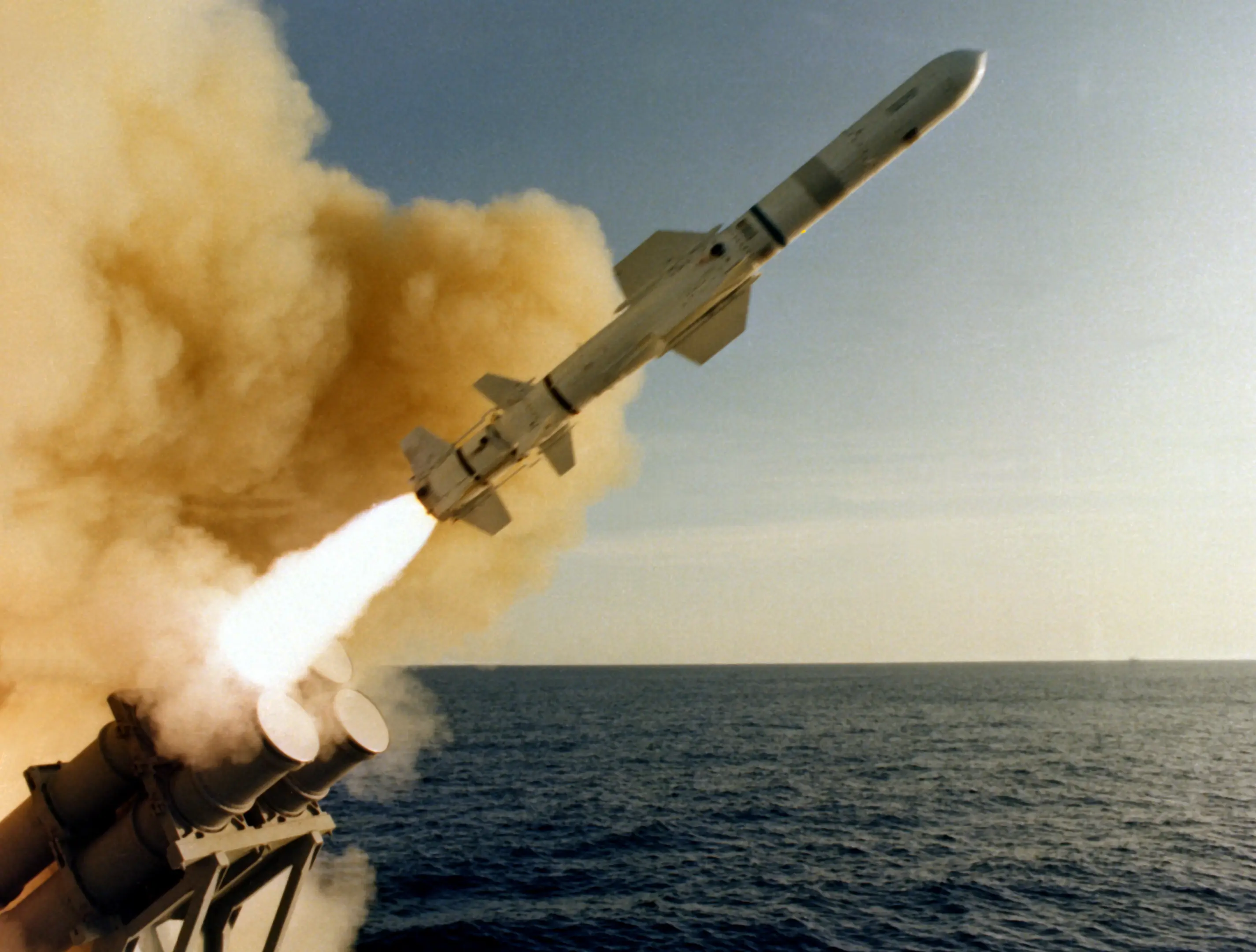
What Are Anti-Ship Missiles?
Anti-ship missiles are guided weapons designed specifically to destroy ships and boats. They can be launched from ships, planes, submarines, or land platforms and travel low over the sea to avoid detection.
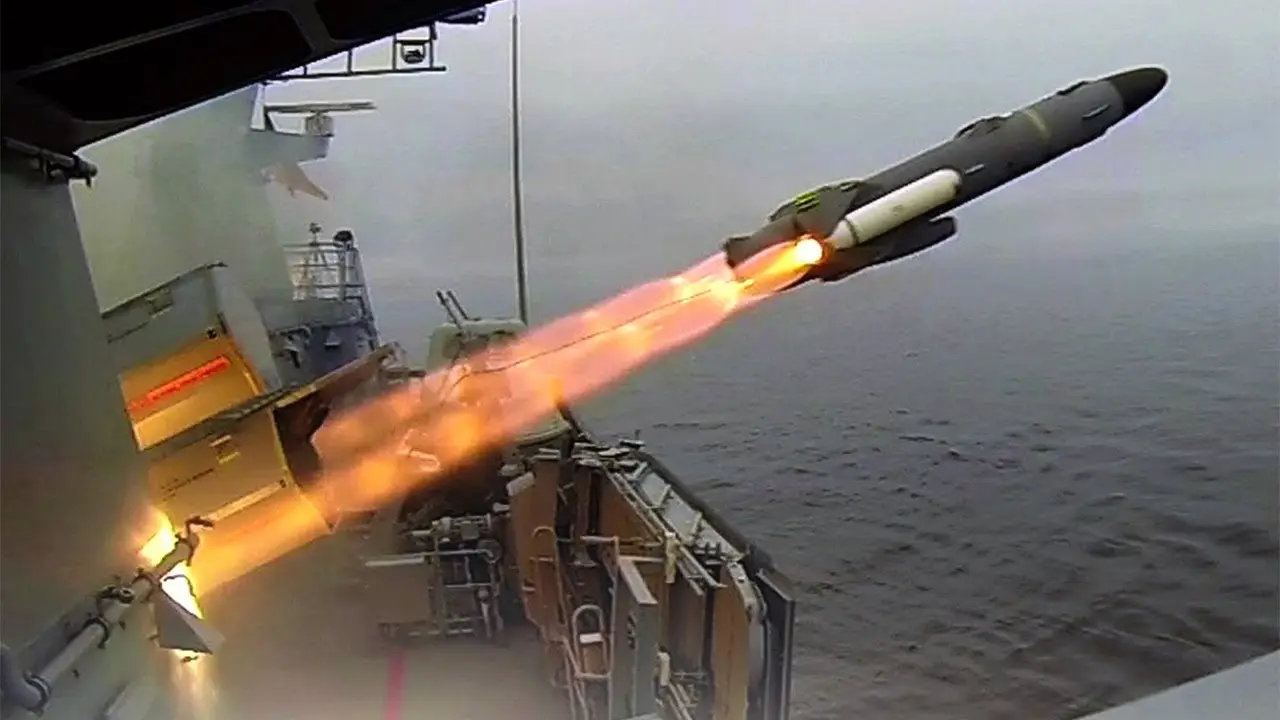
Early History of Anti-Ship Missiles
The first anti-ship missiles appeared during World War II, with Nazi Germany developing radio-guided weapons. Since then, missile technology has advanced through conflicts like the Falklands War, where Exocet missiles showed their deadly effectiveness in 1982.
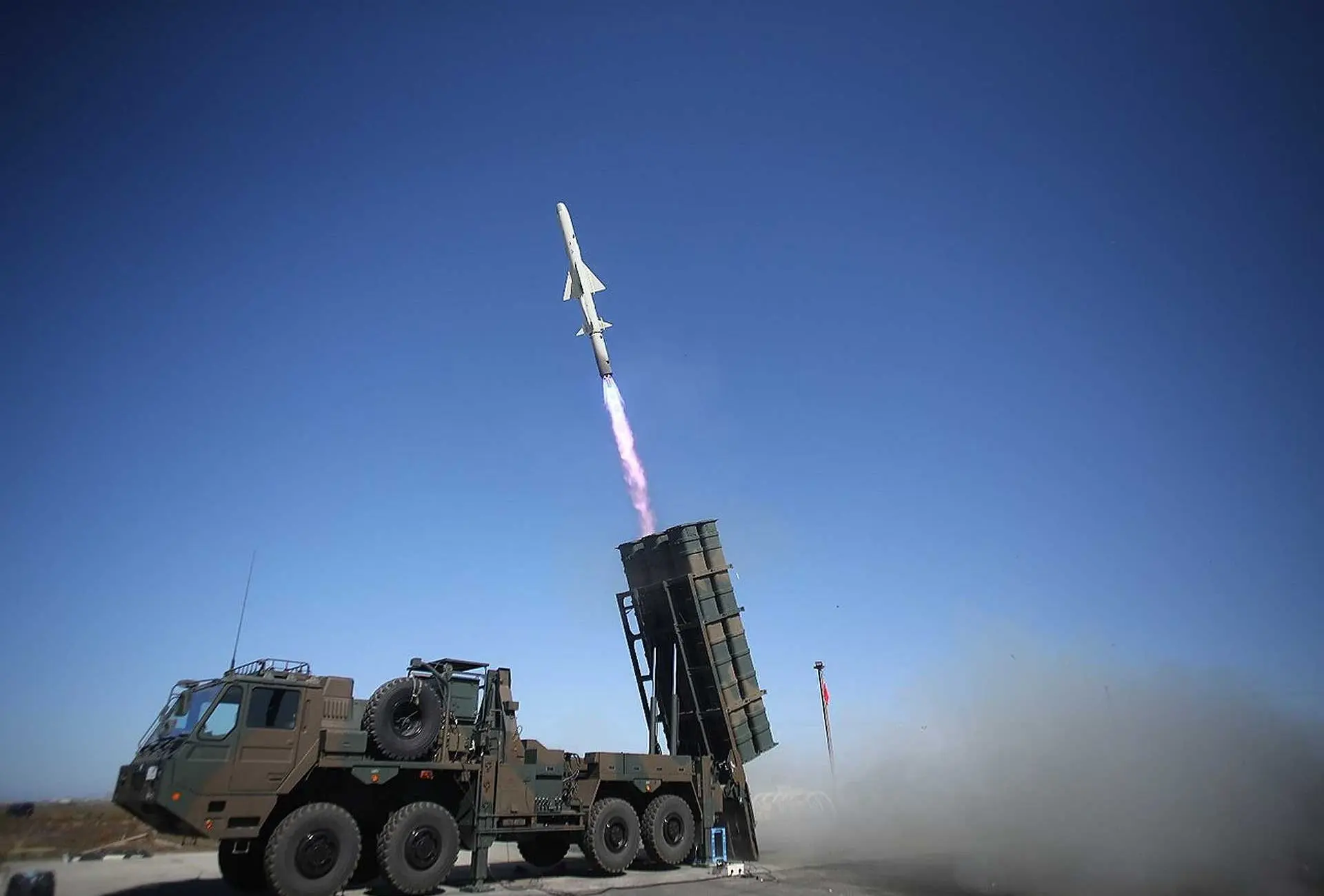
Modern Missile Capabilities
Today’s anti-ship missiles can fly at supersonic or even hypersonic speeds, making them harder to detect and intercept. Missiles like India-Russia’s BrahMos reach speeds over Mach 3, with ranges exceeding 400 km and precision targeting.
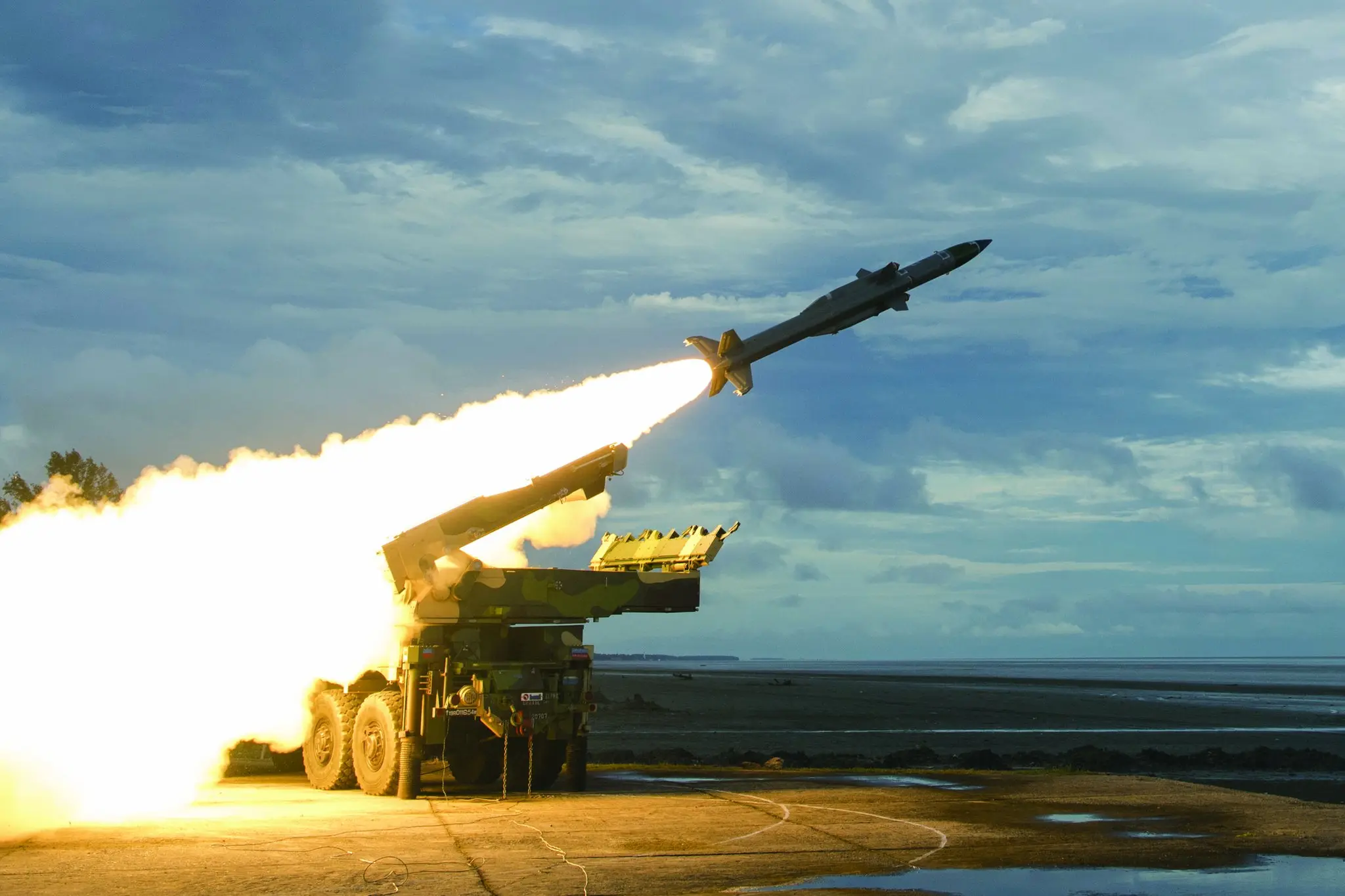
Missile Guidance Technologies
Modern missiles use GPS, radar seekers, infrared homing, and AI-enabled navigation to find and hit targets accurately, even at long range. They can also cooperate in swarms to evade defences and overwhelm enemy ships.
Impact on Naval Tactics
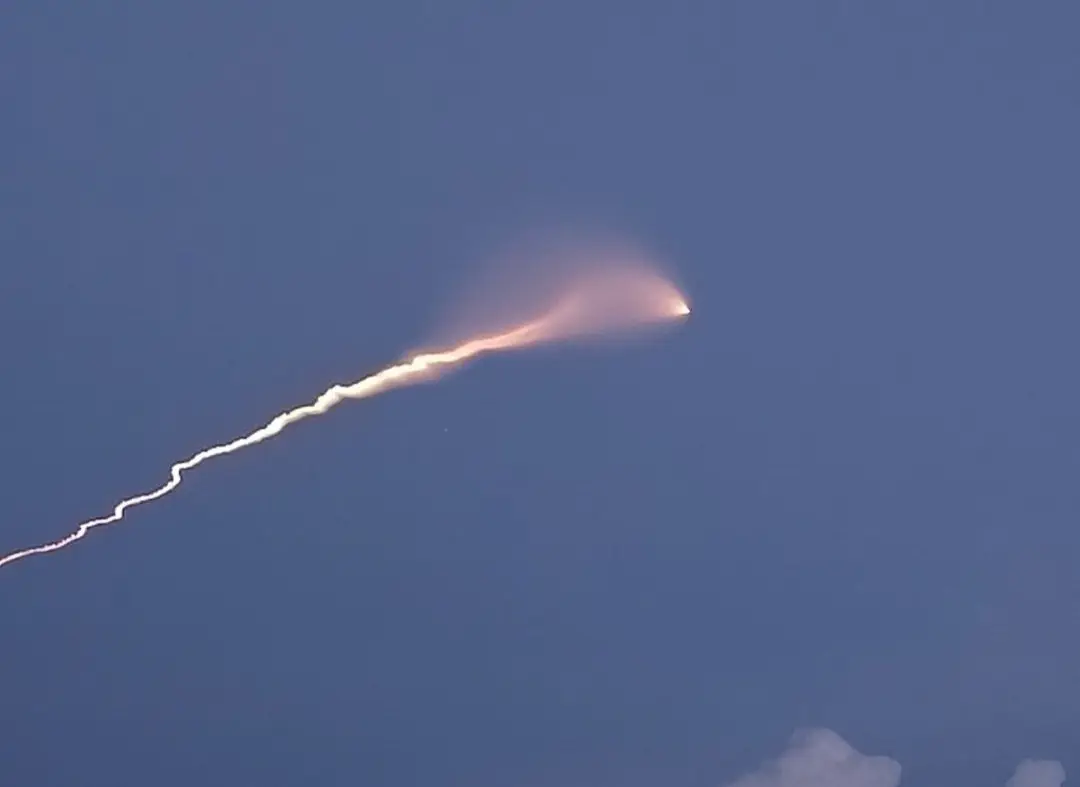
Anti-ship missiles force navies to rethink strategies. Ships must have layered defences like close-in weapon systems (CIWS), electronic warfare, and stealth technology. Offensive tactics focus on long-range missile salvos and unmanned strike groups.
Regional Naval Power Shifts
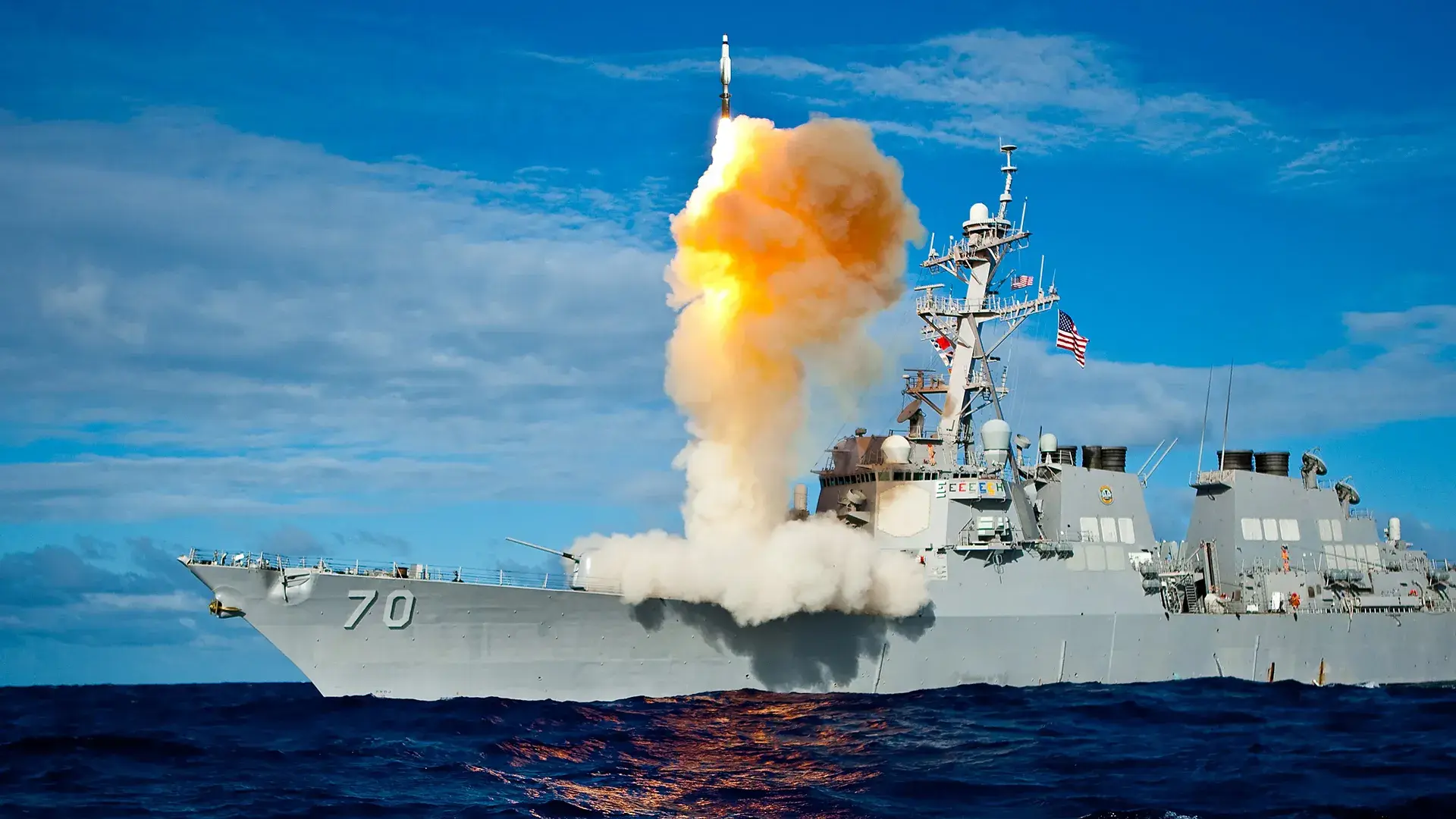
Countries like India have modernised their fleets with advanced anti-ship missiles, gaining strategic advantages. India’s use of BrahMos and future BrahMos-II missiles underscores Asia’s changing naval balance.
The Future of Naval Combat
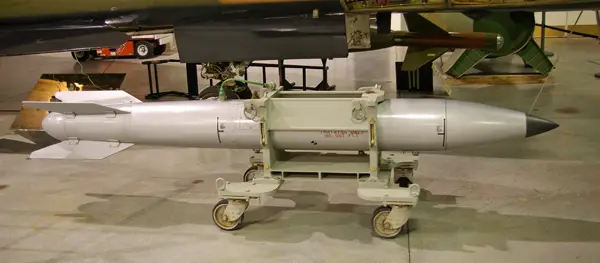
Future anti-ship missiles may use nuclear propulsion, AI-assisted targeting, and hypersonic flight, making them even more lethal. Naval warfare will revolve around missile defence, rapid response, and integrated networks of manned and unmanned systems.
)
)
)
)
)