How an American flight forced Airbus to ground 6,000 A320 jets overnight?

The issue isn’t limited to a single A320 variant or airline, it affects the entire A320 family (including A320ceo, A320neo, A321 etc.), because they all use essentially the same flight-control computers (ELAC) sensitive to radiation interference.
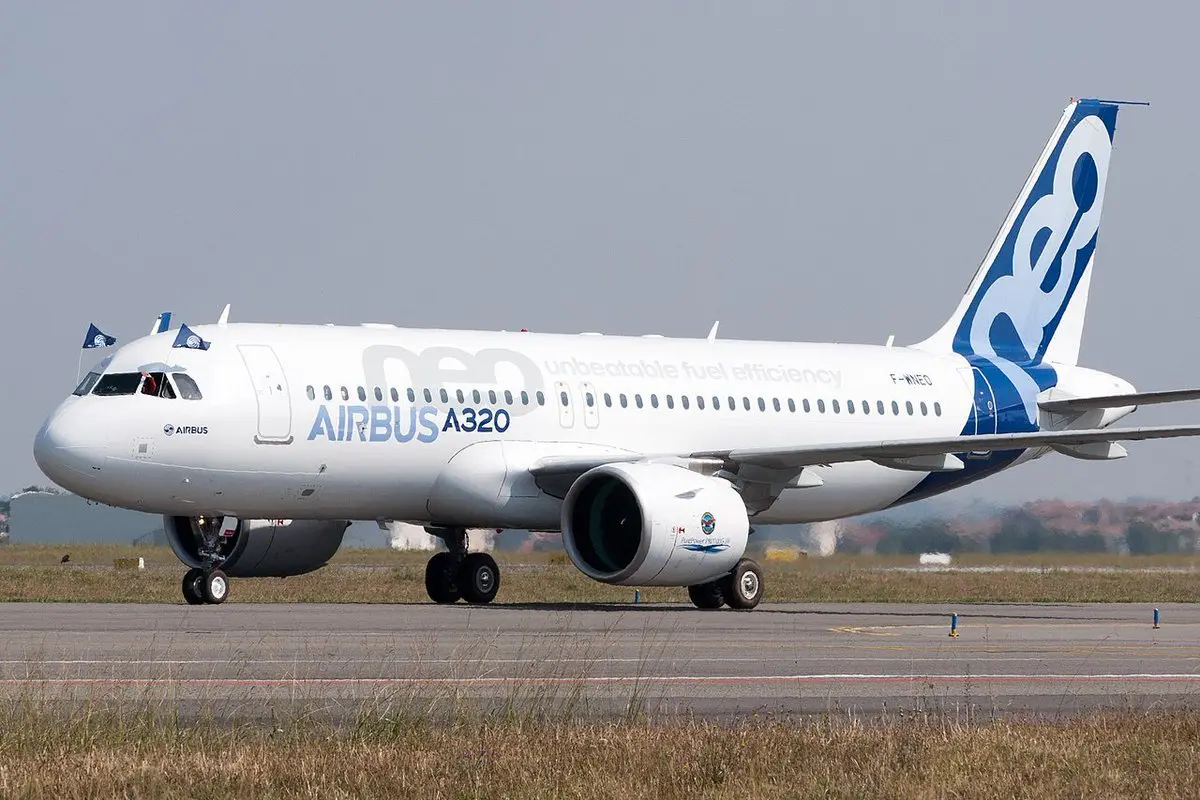
1. What Triggered the Recall: A Mid-Air Flight-Control Failure on a US A320
The recall was triggered by a serious incident on 30 October 2025, when a American Airliner ‘JetBlue’ A320 flight reportedly suffered a sudden, uncommanded pitch-down, leading to an emergency descent and passenger injuries. That in-flight anomaly raised red flags about A320’s flight-control systems, prompting a global safety alarm from Airbus and regulators.
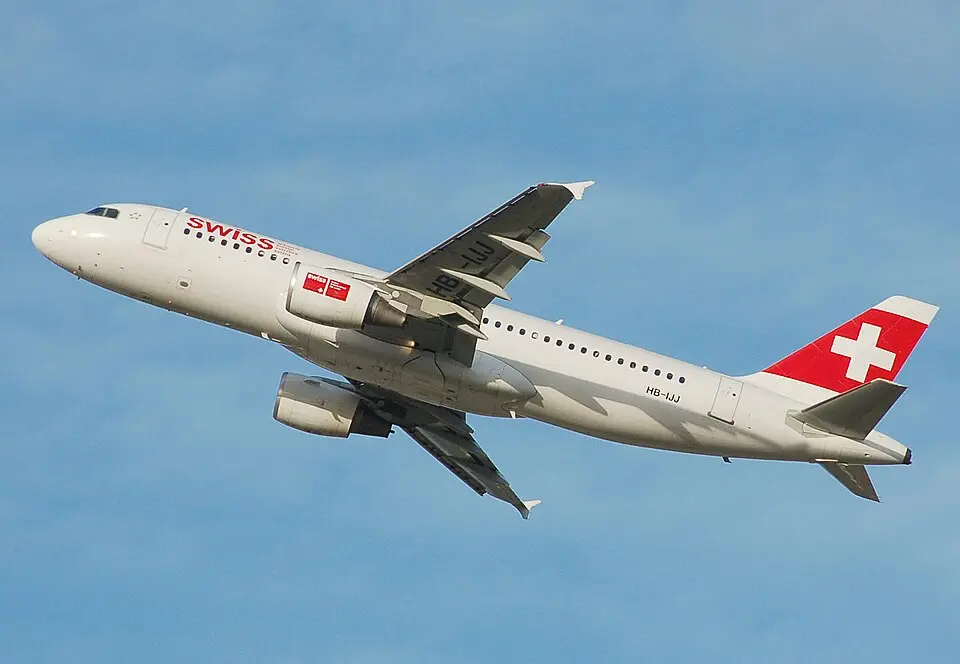
2. Solar Radiation Corruption of Critical Flight Data — The Suspected Technical Flaw
Airbus’ bulletin explains that intense solar radiation, cosmic rays or solar particles at high altitude, may corrupt data in the flight-control computer (specifically the ELAC: Elevator & Aileron Computer), which sends pilot commands to control surfaces like elevators and ailerons. This vulnerability means under rare but possible conditions, radiation can cause “bit-flips” or data corruption, compromising the computer logic that keeps the aircraft stable, a much deeper problem than a mechanical glitch.
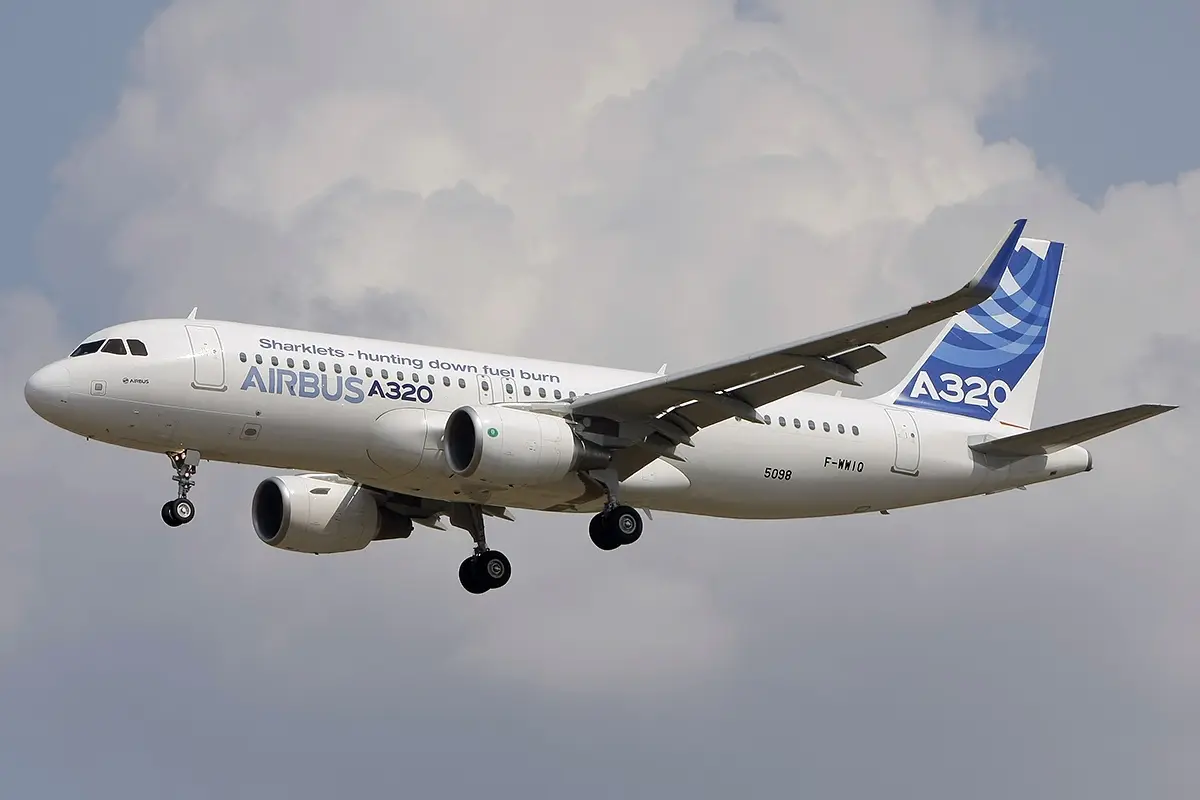
3. Airbus Orders Global Recall — Over Half the A320 Fleet Worldwide Is Impacted
Recognising the severity of the risk, Airbus issued an emergency recall affecting about 6,000 A320-family aircraft, over half of the global fleet in active service. The order requires that all impacted jets must receive a software update and for some, hardware changes, before their next flight.
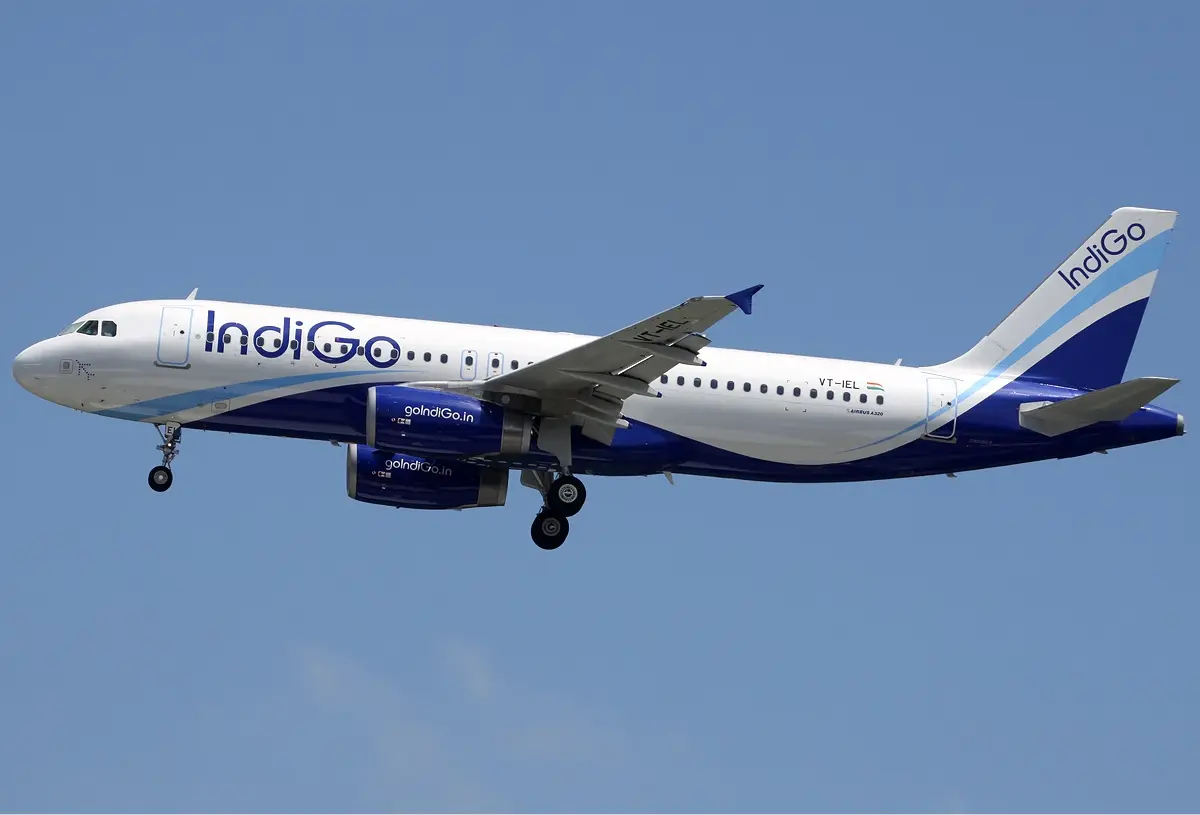
4. Jetstar Is Among Airlines Forced to Ground Its A320s — 34 of Its 85-Plane Fleet Affected
In response to the directive, Jetstar grounded a portion of its fleet. Out of roughly 85 A320-family jets, 34 were flagged as affected. That grounding disrupted around 90 domestic and international flights in Australia alone, as Jetstar scrambled to apply the mandated software rollback and safety checks.
5. It’s Not Just a Software Patch — Some Aircraft Need Hardware Fixes Too
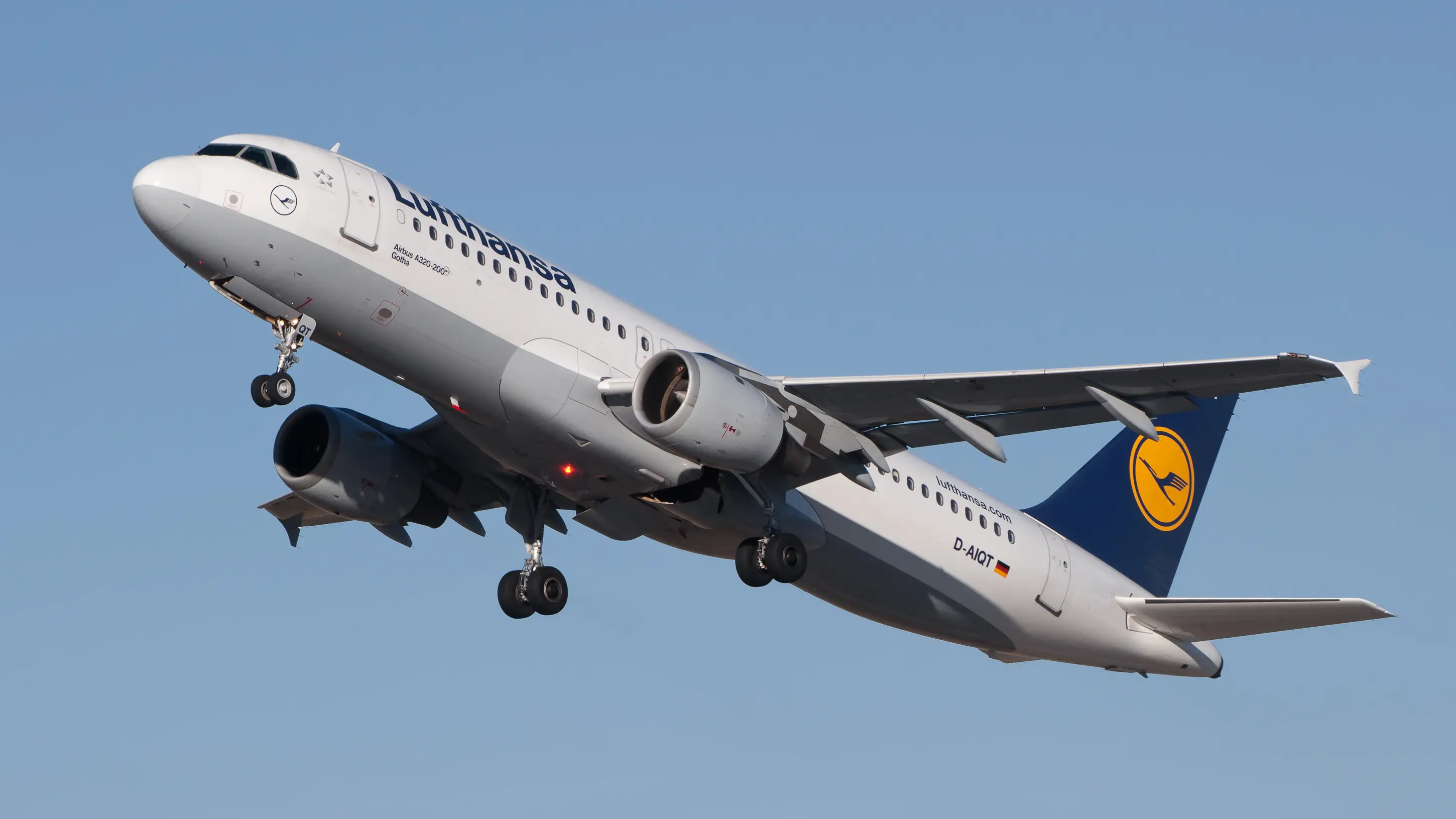
While many aircraft only need a software rollback (which takes a few hours), sources say a significant subset, possibly over 1,000 jets globally, require hardware replacement or upgrades for long-term safety. That means for these aircraft, grounding may linger for days or weeks — a problem far more serious than a quick update.
6. Why the Problem Is Bigger Than Jetstar: All A320 Variants Are Vulnerable to Radiation-Induced Data Corruption
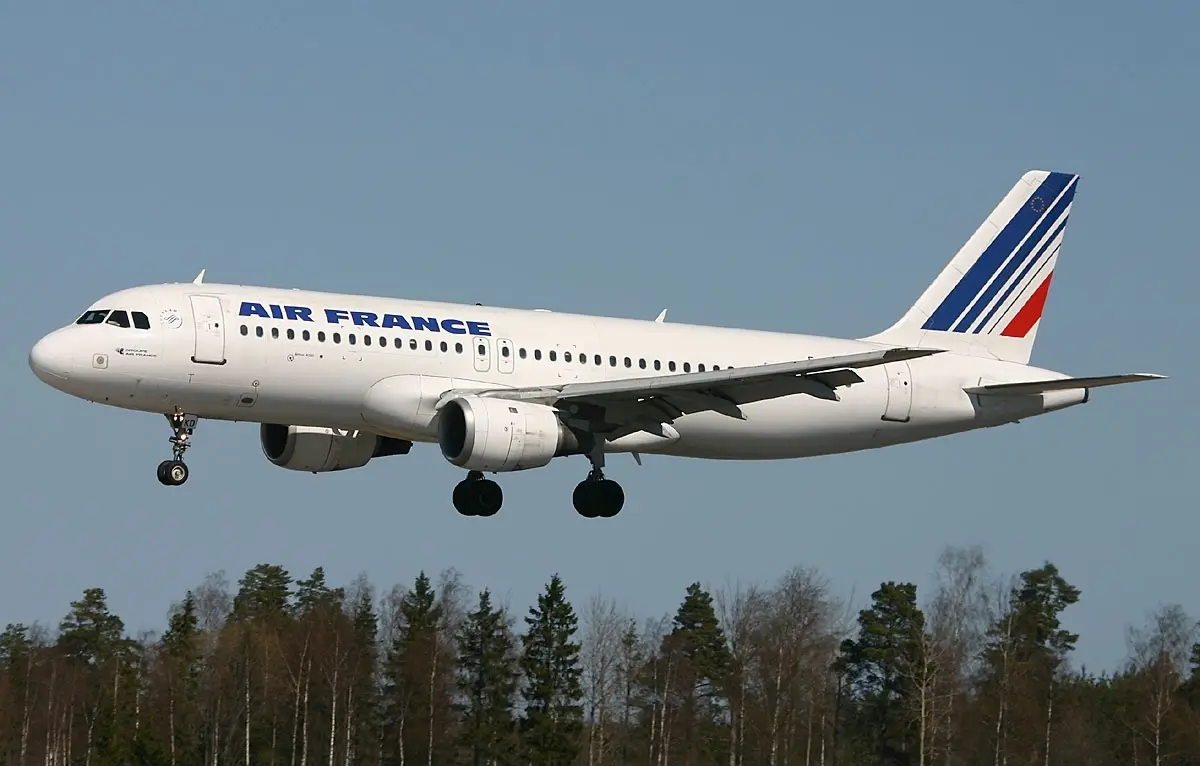
The issue isn’t limited to a single A320 variant or airline, it affects the entire A320 family (including A320ceo, A320neo, A321 etc.), because they all use essentially the same flight-control computers (ELAC) sensitive to radiation interference. That makes this recall one of the most sweeping and disruptive in commercial aviation history, since the A320 is one of the most widely used narrow-body jets globally.
7. What This Means — For Airlines, Regulators, and Passengers Worldwide
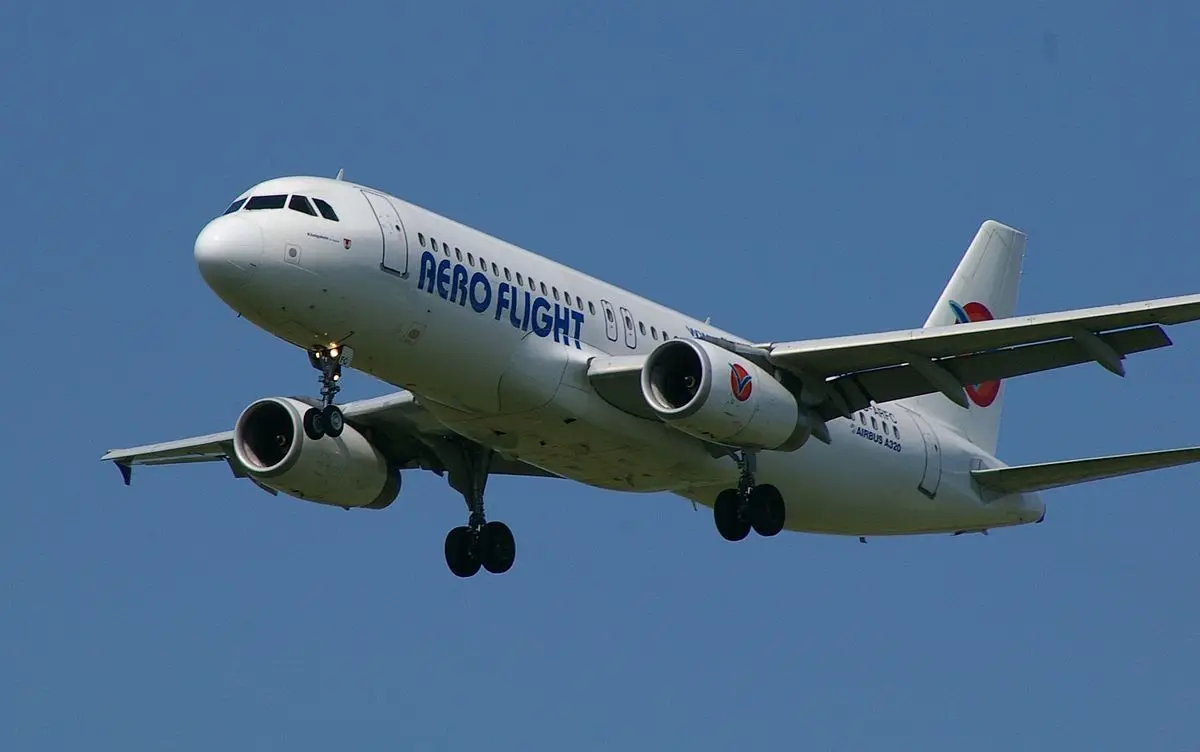
The grounding underlines a critical challenge: modern airliners depend heavily on digital systems and those systems are vulnerable to powerful, unpredictable natural phenomena like solar radiation. For airlines: costly grounding, delays, cancellations, maintenance backlog. For regulators: urgent need to review avionics certification standards to account for radiation risks. For passengers: unexpected cancellations, travel disruption but also a reminder that aviation safety includes rare but serious risks beyond weather or pilot error.
)
)
)
)
)