How an aircraft carrier’s nuclear reactor works

Aircraft carriers use nuclear fission to heat pressurised water, which creates steam in a separate loop. This steam spins turbines to drive propellers and generate electricity.
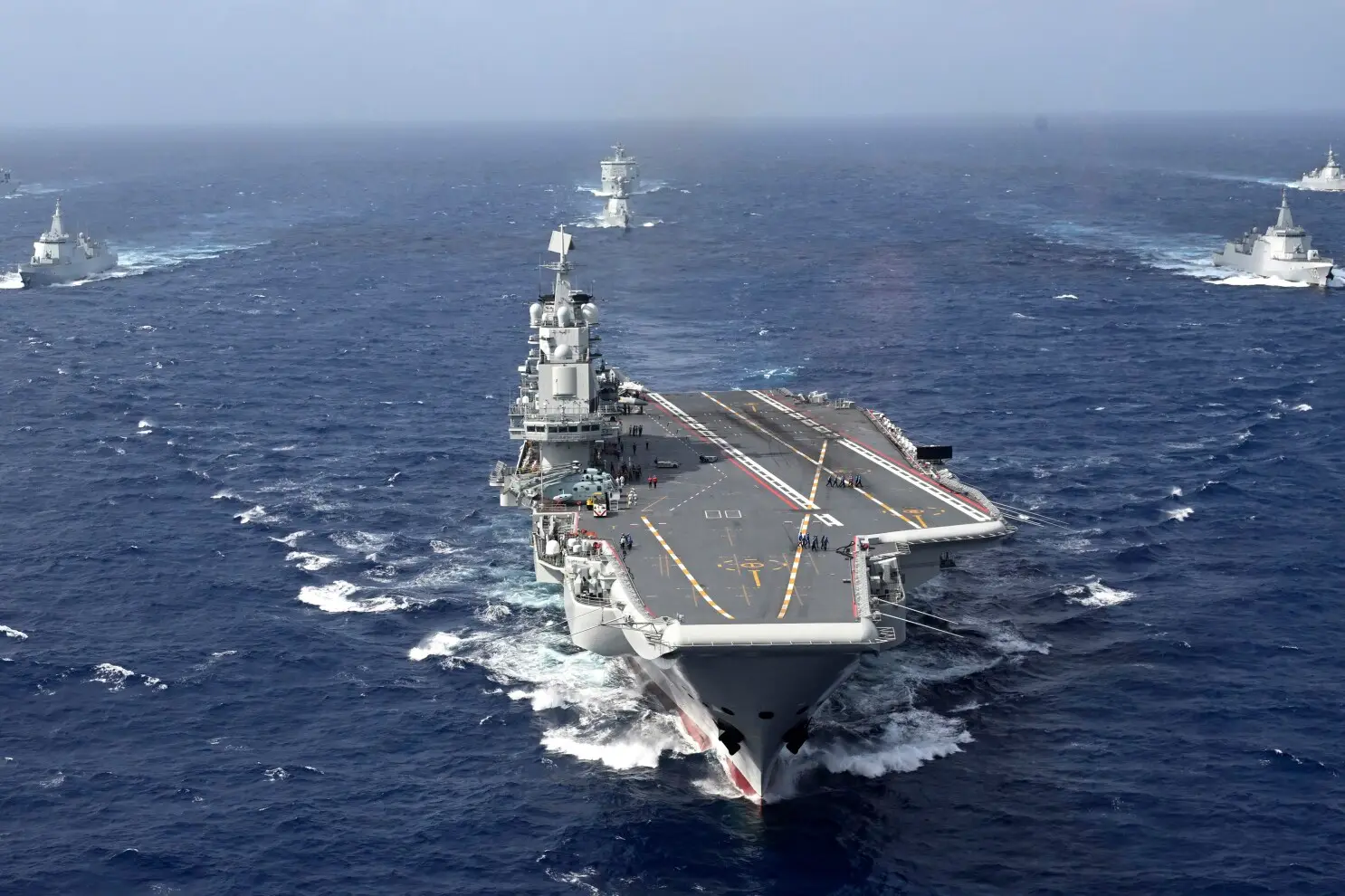
The heat source Splitting atoms in the core
The process begins inside the reactor core, where uranium-235 atoms are split through nuclear fission. According to the World Nuclear Association, this chain reaction releases a massive amount of thermal energy, which is used to heat high-pressure water circulating through the system.
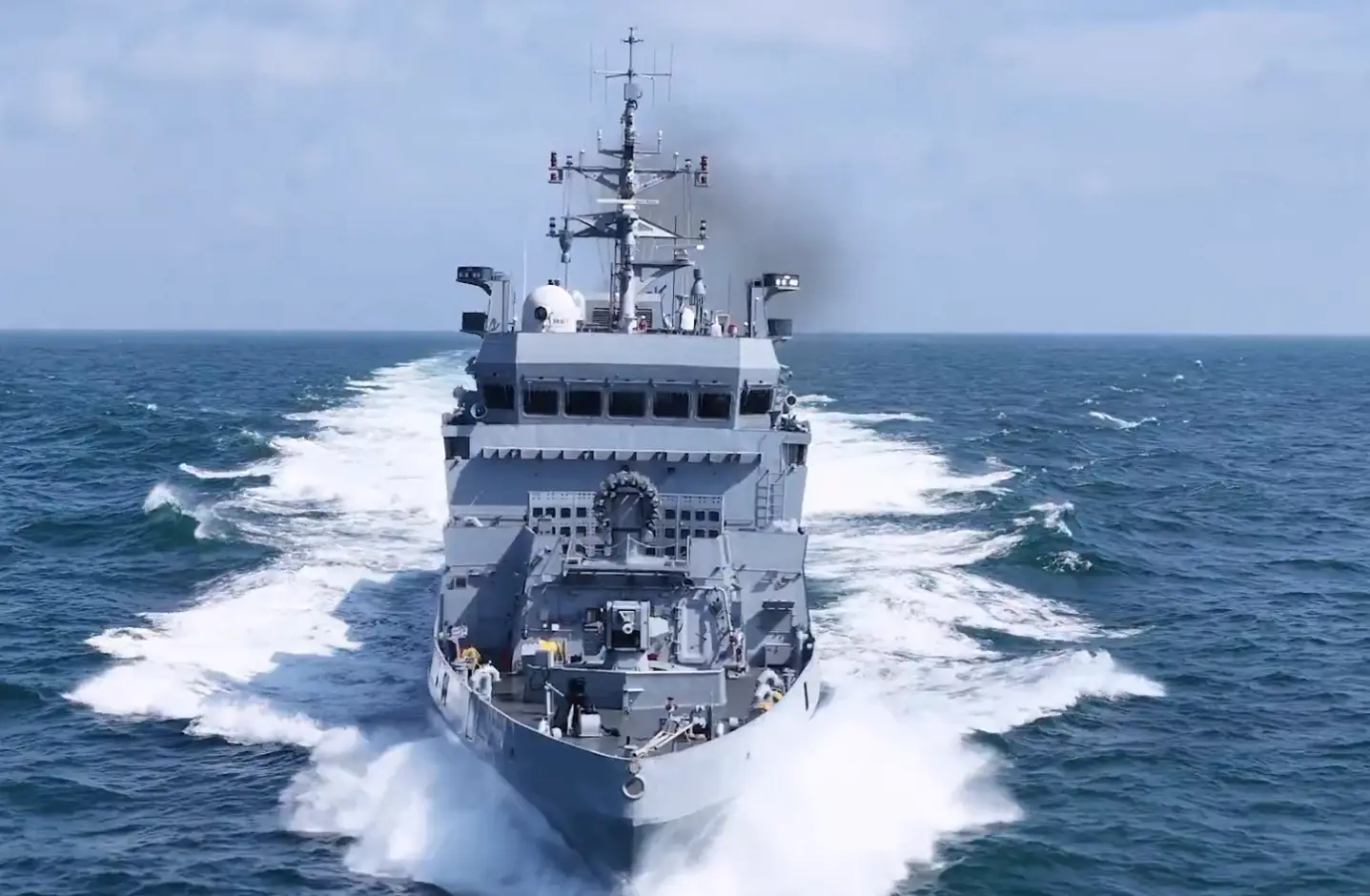
Keeping water liquid The primary pressurised loop
The reactor uses a primary loop of water to absorb the heat, but it is kept under extreme pressure to prevent boiling. As noted in US Navy technical specifications, this water reaches over 300 degrees Celsius but remains liquid, transferring heat away from the reactor core.
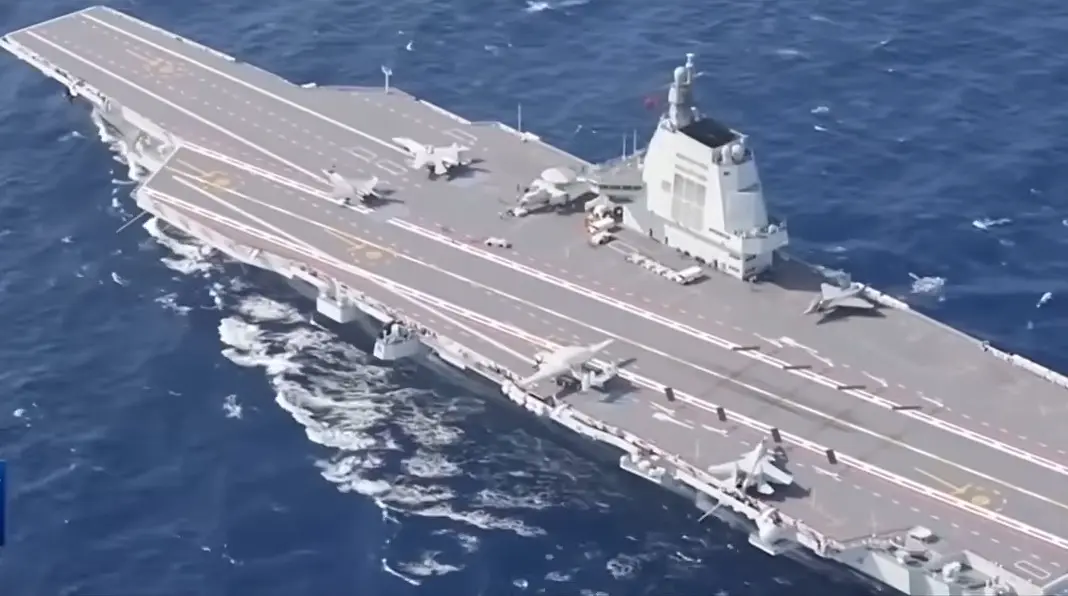
Creating the steam Transferring heat to a second loop
This superheated water flows into steam generators, where it passes through pipes surrounded by a separate, lower-pressure water supply. The heat transfers through the metal, causing the secondary water to boil instantly and turn into high-pressure steam without mixing with the radioactive primary water.
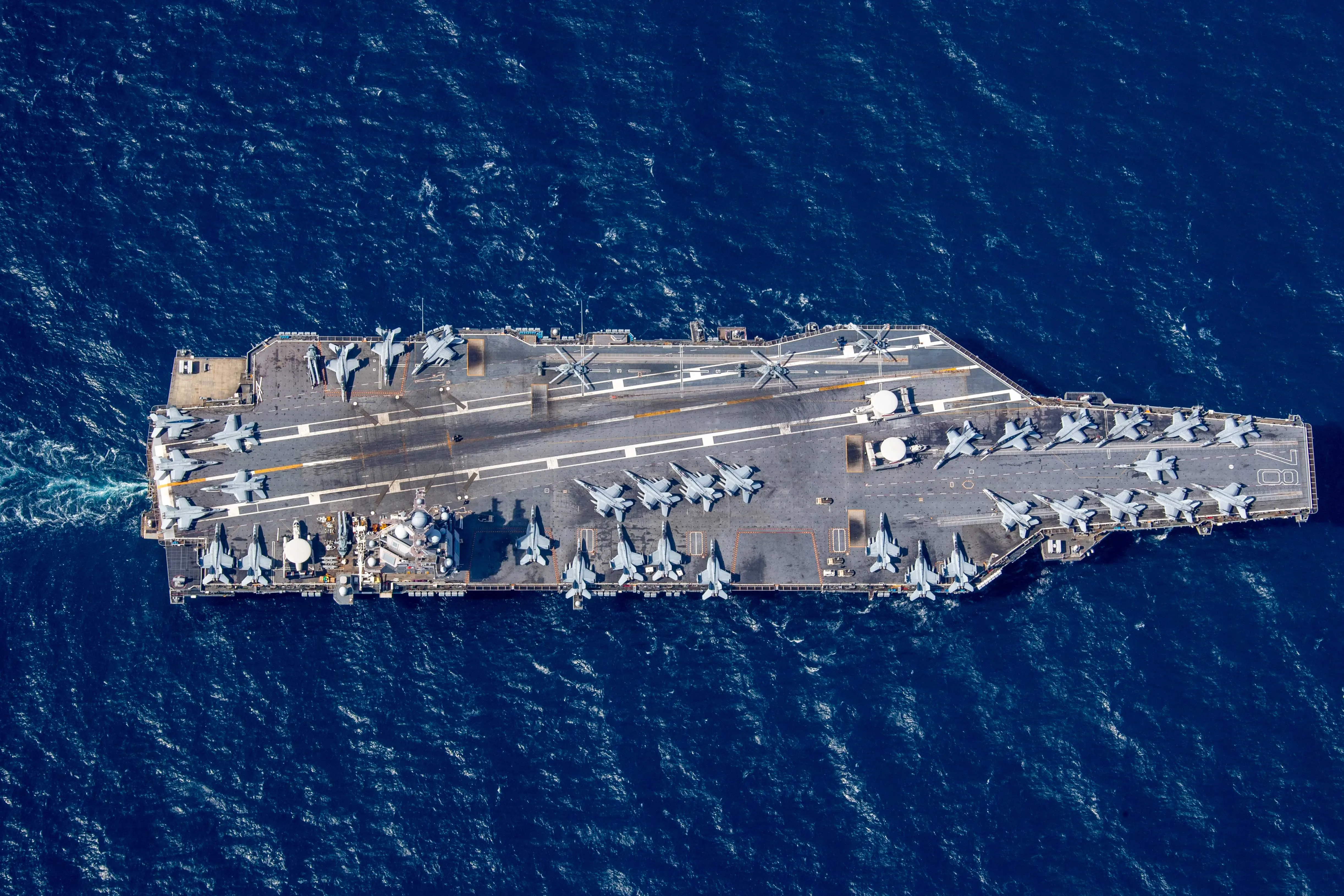
Driving the propellers Steam spins the main turbines
The high-pressure steam is piped directly into massive main turbines, which spin the ship's propeller shafts. Naval Technology reports that this mechanical energy pushes the 100,000-tonne vessel through the water at speeds exceeding 30 knots (56 km/h).
Powering the floating city Generators light up the ship
A portion of the steam is diverted to smaller turbine generators that produce electricity. This powers everything from the ship's lights and radar systems to the electromagnetic aircraft launch systems (EMALS) found on newer Ford-class carriers.
Decades of operation
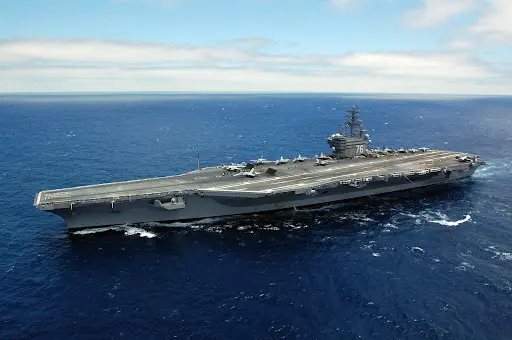
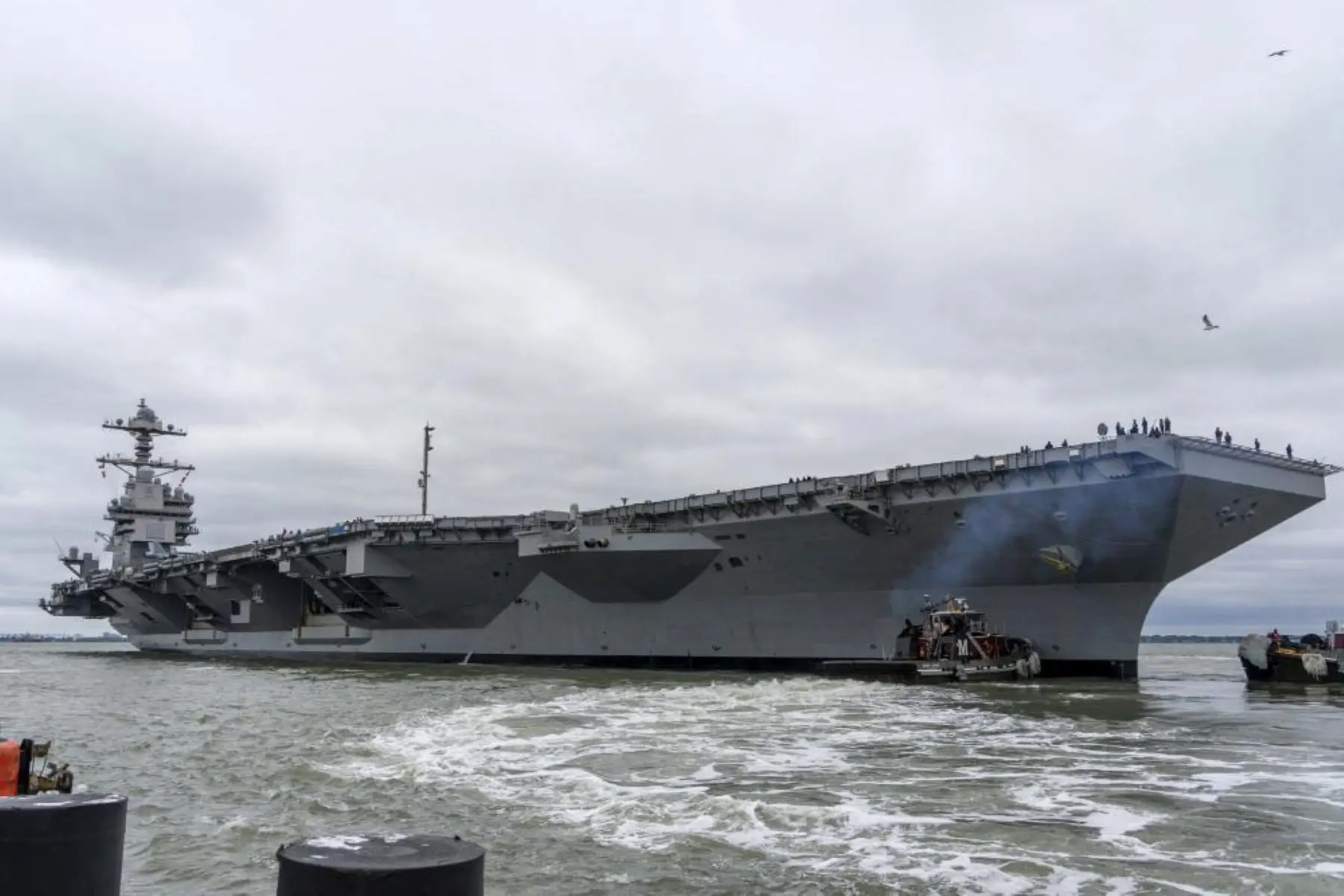
Unlike diesel ships that refuel frequently, nuclear carriers have incredible longevity. The US Navy states that modern reactor cores, like the A1B in the Gerald R. Ford, hold enough nuclear fuel to operate for 25 years before needing replacement.
Stopping the reaction Control rods ensure safety
To manage power or shut down, operators insert control rods made of neutron-absorbing material like hafnium into the core. As explained by the Department of Energy, these rods stop the fission chain reaction instantly, allowing the reactor to be safely paused or shut down during emergencies.
)
)
)
)
)