'B-2': How US built a flying wing In secret for 10 years?

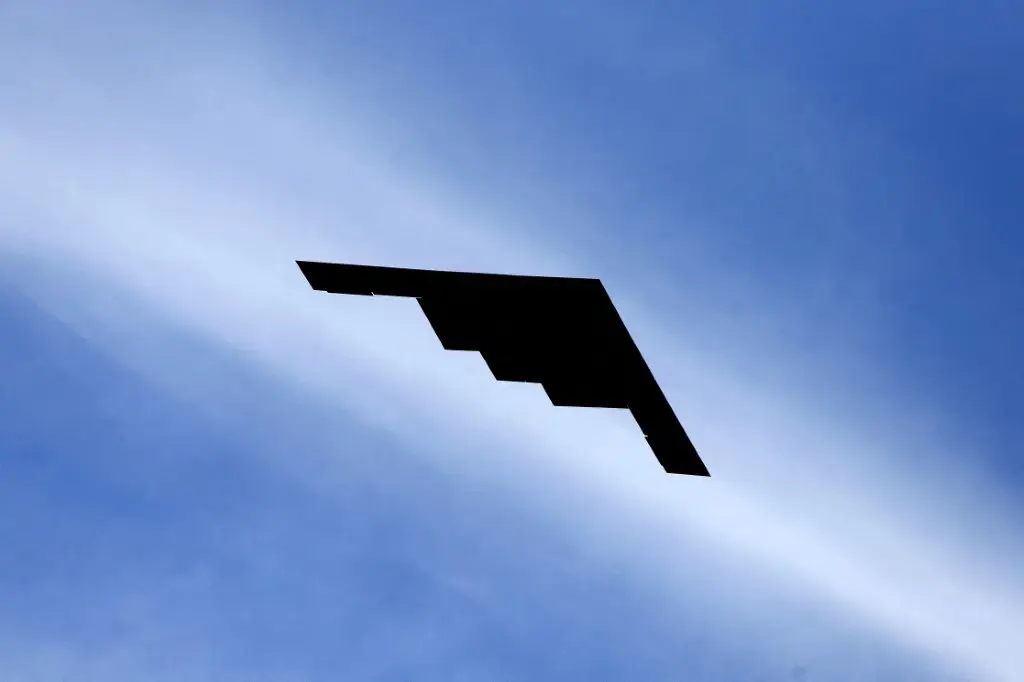
During those ten years, thousands of people worked on the most distinctive-looking aircraft ever designed, at a factory in the California desert, under a classified programme so secret that workers were forbidden from telling their families what they were building.
The Programme That Did Not Exist
In 1979, the Carter administration launched the Advanced Technology Bomber programme — a classified effort to develop a stealth heavy bomber capable of penetrating Soviet air defences. The existence of the programme was classified. The contractor — Northrop — could not discuss it. The Air Force could not acknowledge it. Budget line items for the programme were hidden inside broader defence appropriations under deliberately obscure labels. For most of the 1980s, the B-2 was publicly described only as ‘a classified aircraft programme’ when it was mentioned at all.
The Factory In The Desert
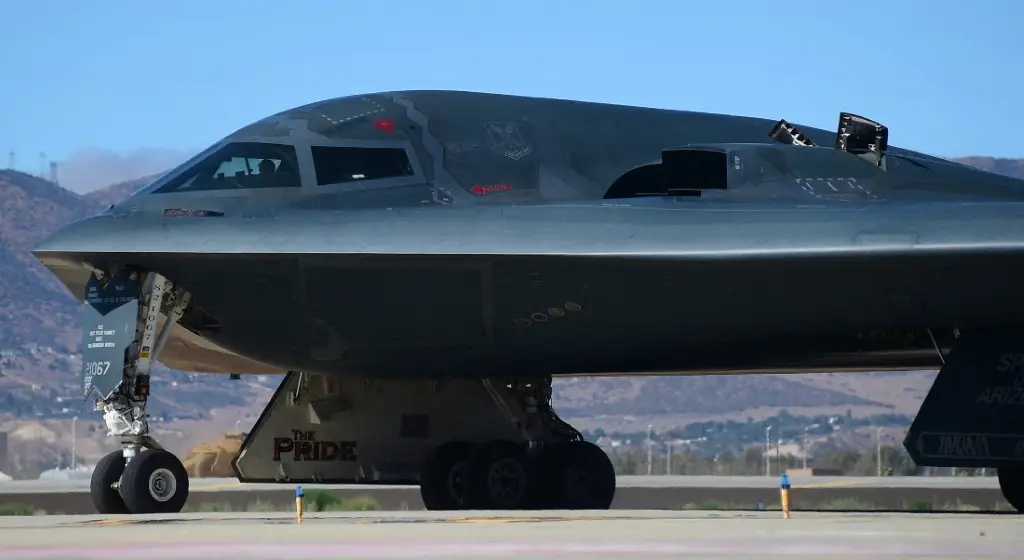
The B-2 was designed and initially built at Northrop's facility in Pico Rivera, California, and later at Plant 42 in Palmdale — a US Air Force-owned industrial facility in the Mojave Desert that has been home to classified aircraft programmes for decades. The Palmdale facility is in a remote location, surrounded by restricted airspace, with controlled access. Satellite imagery in the 1980s was not available to the public in real time. The facility's geography made surveillance difficult and air traffic over it legally restricted.
What Workers Were Told — And Not Told
Northrop employees working on the B-2 signed security agreements prohibiting them from discussing their work with anyone not cleared for the programme — including spouses, family members, and friends. Workers in different areas of the programme often did not know what colleagues in adjacent buildings were doing. The compartmentalisation was deliberate: no single worker below the senior programme level had a complete picture of what was being built. Many workers knew they were working on an aircraft. They did not know it was a flying wing until the design was much further advanced.
The Test Flights No One Was Supposed To See
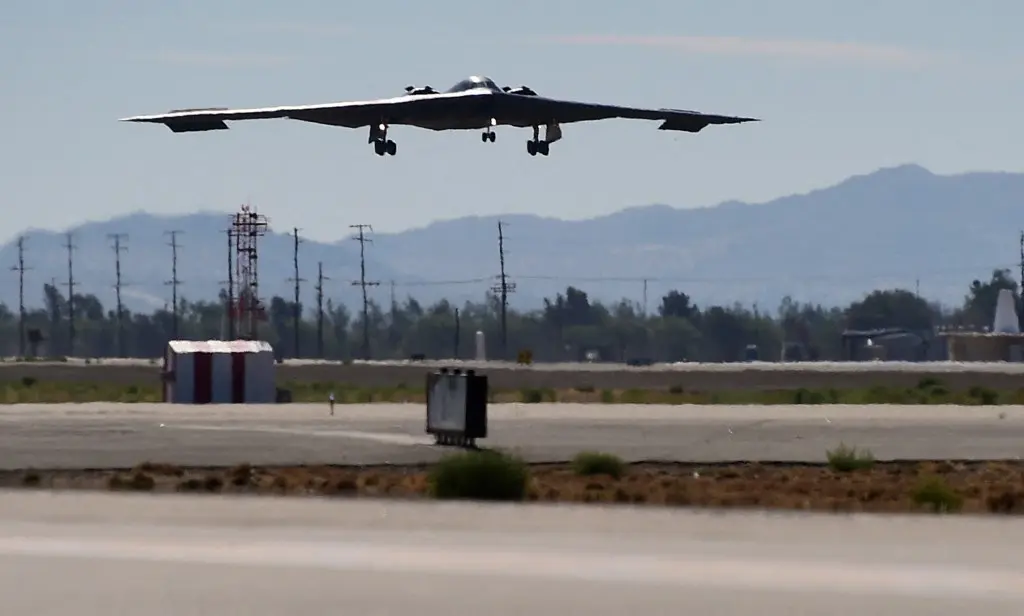
The B-2 flew its first test flight on July 17, 1989, from Air Force Plant 42 in Palmdale. But before that, taxi tests, ground tests, and eventually flight tests had to be conducted — all under extreme secrecy. Test flights were scheduled at night or at times when civilian air traffic would minimise observation. The restricted airspace over the Mojave test ranges provided legal protection. Despite these precautions, aviation enthusiasts with telescopes in the hills around Palmdale occasionally glimpsed unusual shapes in the desert sky — rumours that something extraordinary was being tested circulated in aviation circles for years before the reveal.
The November 1988 Rollout
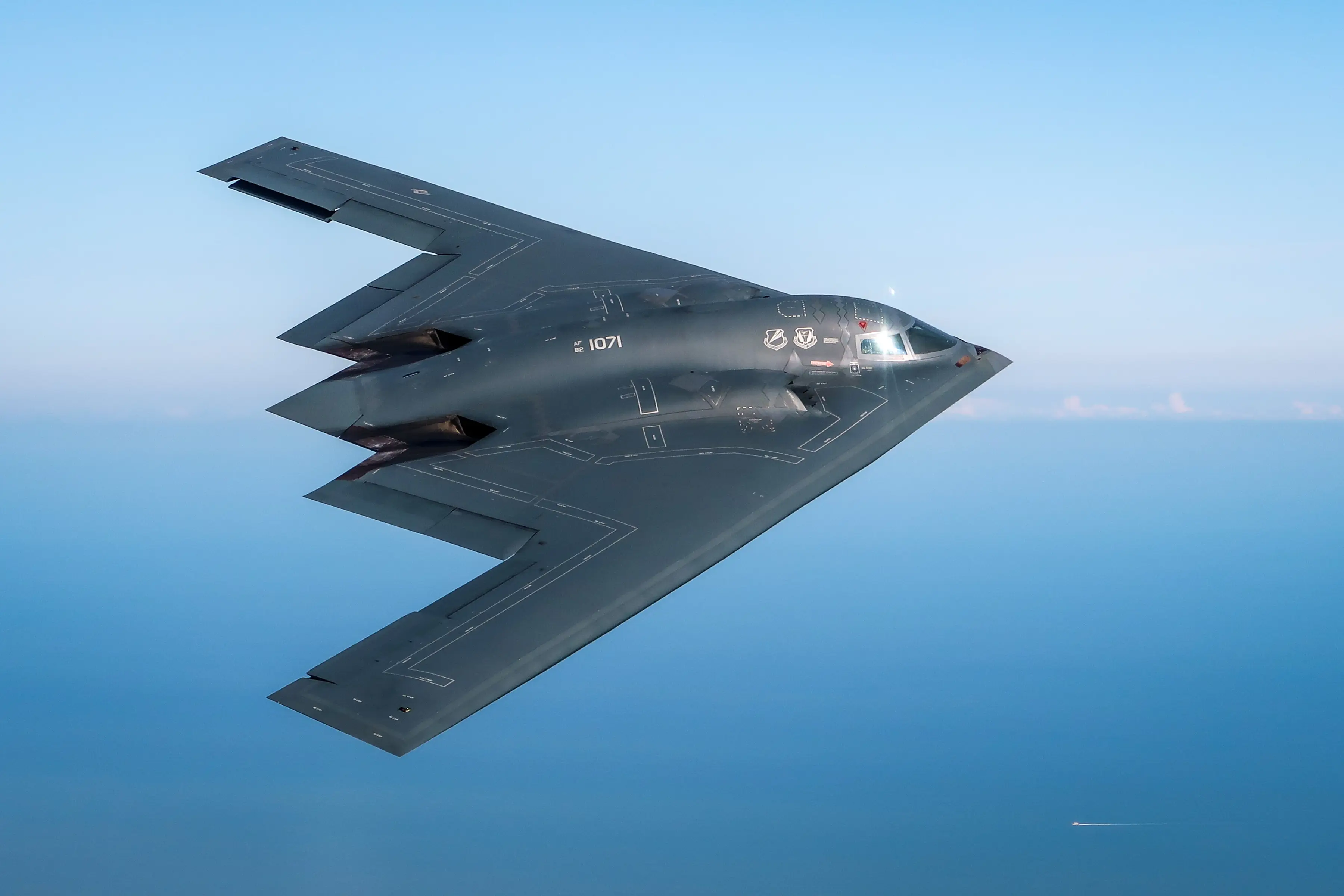
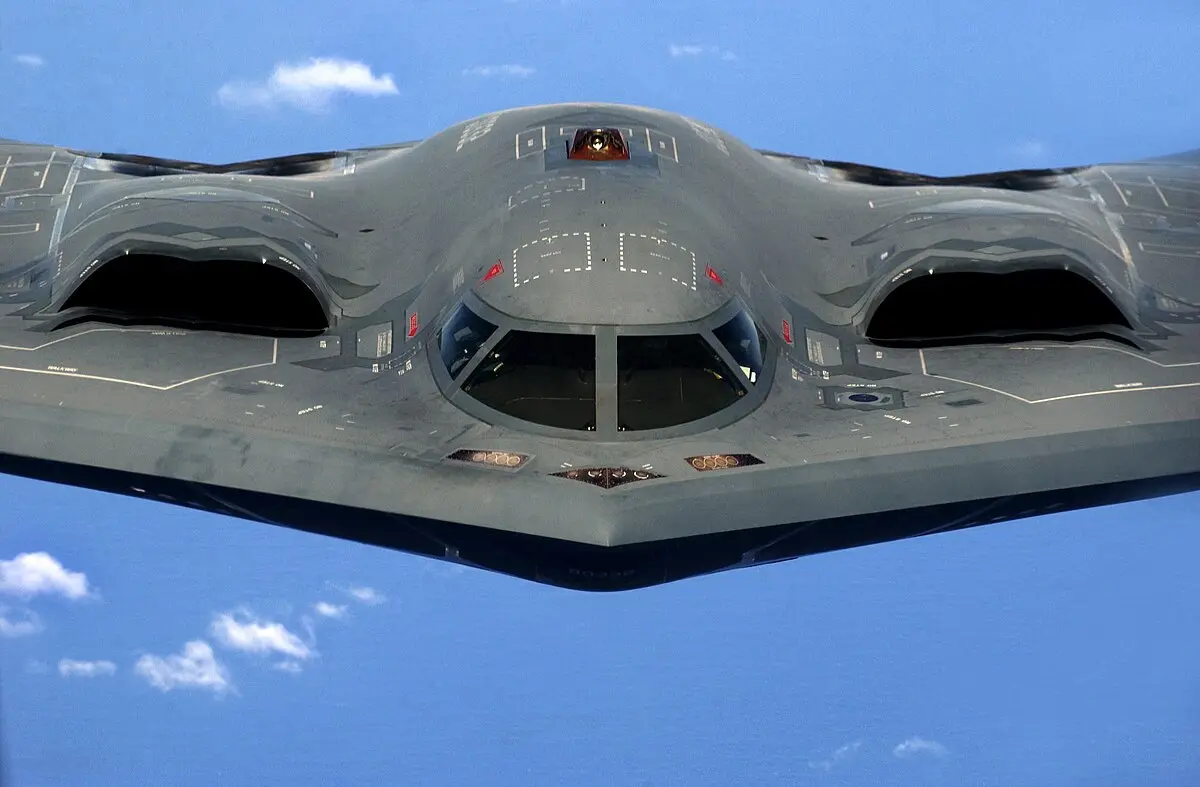
The decision to reveal the B-2 publicly came before its first flight — a deliberate choice to control the disclosure rather than have the aircraft spotted and photographed publicly first. On November 22, 1988, Northrop and the Air Force unveiled the B-2 at Plant 42 in Palmdale. Journalists and photographers were invited, but the viewing angle was strictly controlled: only the front three-quarter view was permitted. The distinctive flying-wing planform was visible. The classified rear fuselage and exhaust system were not shown. The world saw the B-2 for the first time — but not all of it.
What The Soviets Knew
Soviet intelligence was aware that the US was developing a new bomber. What they did not know — and what the programme's classification successfully protected — was the design approach, the stealth characteristics, and the specific capabilities of the aircraft. Soviet air defence planners in the 1980s were preparing for a threat that might look roughly like a B-52 or a B-1. The flying-wing configuration and its implications for radar cross-section were not something their planning accounted for. The secrecy worked in the way it was intended to.
The Legacy Of The Secret Programme
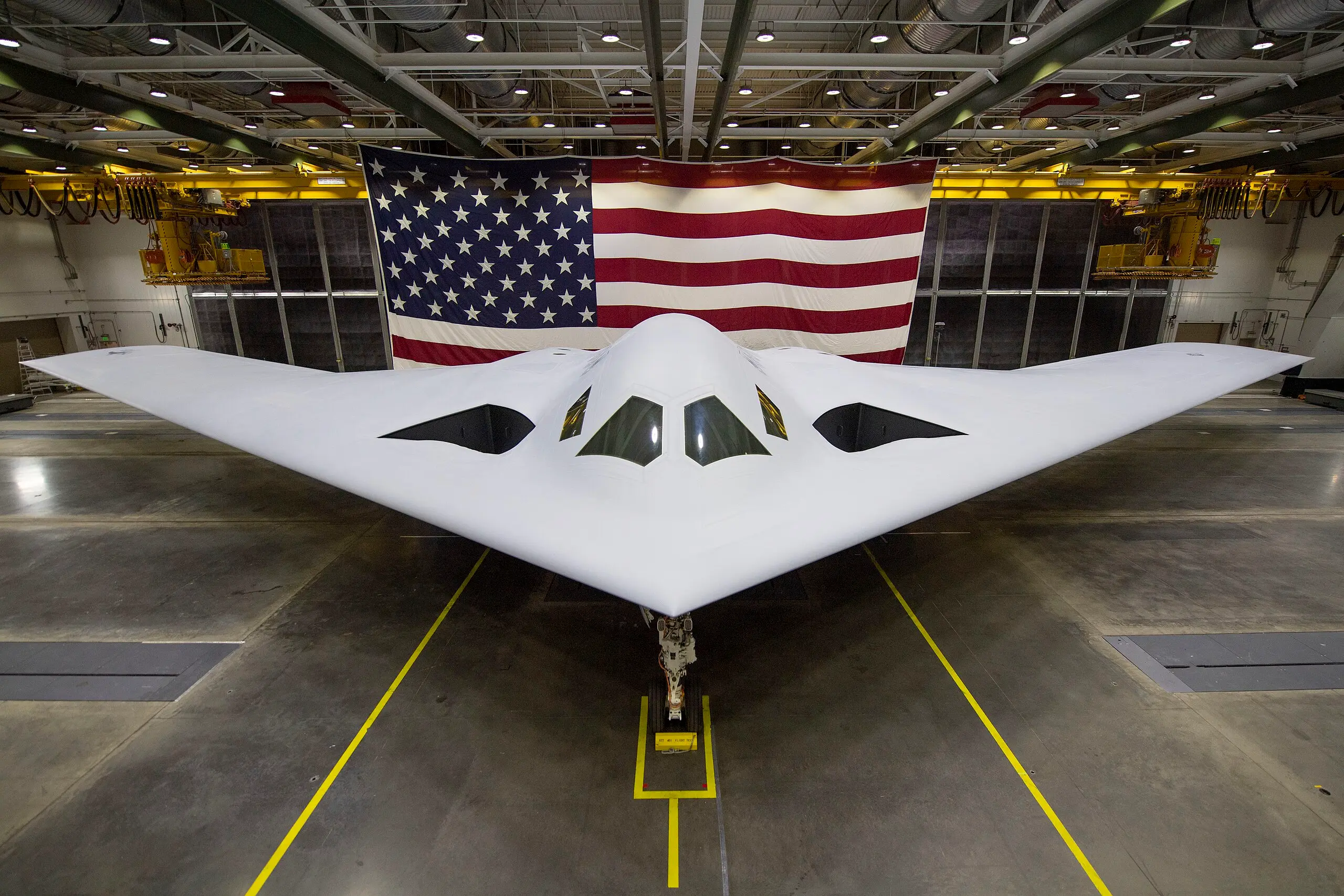
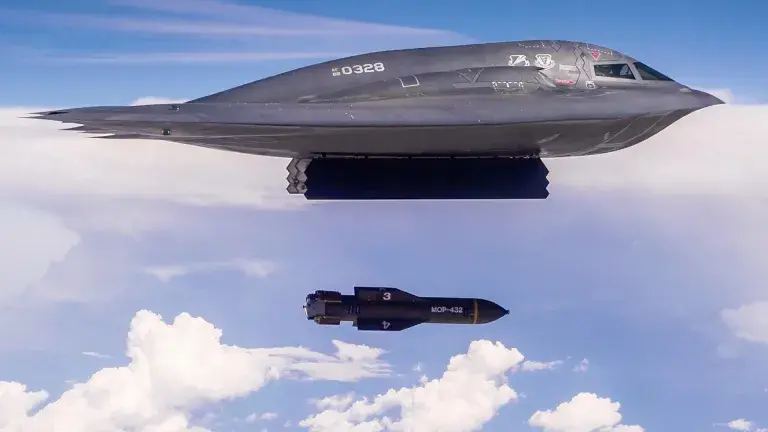
The B-2 programme represents one of the most successful large-scale industrial secrecy operations in American history. Thousands of workers maintained classification for a decade. The aircraft flew before the public knew it existed. When it was revealed, it looked unlike anything anyone outside the programme had imagined. The B-21 programme, which is the B-2's successor, has been managed with similar levels of secrecy — the aircraft was publicly acknowledged before many of its key characteristics were disclosed. America learned from the B-2 that secrecy on ambitious aircraft programmes is achievable at scale, and has applied that lesson ever since.
)
)
)
)
)