NASA's Artemis 2: How Amazon Alexa will help astronauts in their journey to the Moon?

NASA's Artemis mission utilizes artificial intelligence to establish a lunar base by 2028. Integrations include SIAT for anomaly detection, Alexa for communication, and AI for navigation.
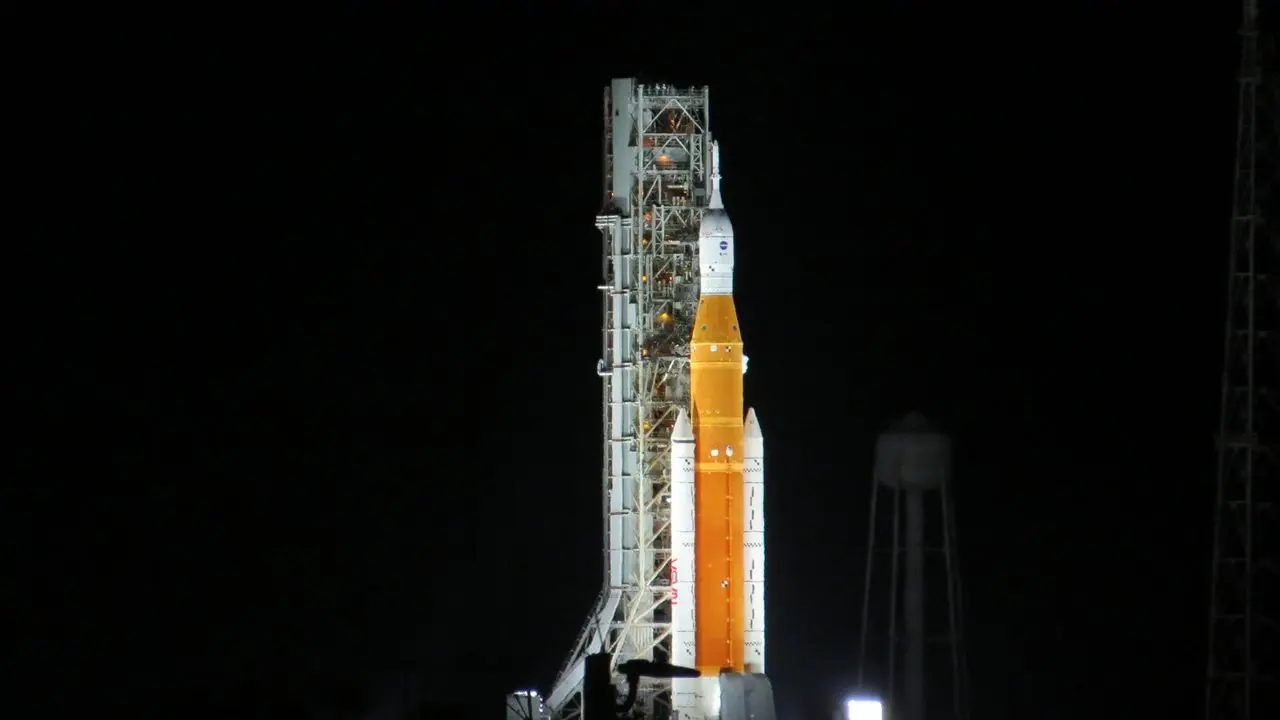
The Strategic Blueprint for the Artemis Program
By 2028, NASA intends to construct a lunar base and establish an orbital presence. The initiative features a Space Launch System rocket, a Human Landing System, the Orion vessel, and a Lunar Gateway. Operations are divided into three distinct phases: an uncrewed Artemis I test launching from Kennedy Space Center as early as August 29, 2022, a subsequentonstruct a lunar base and establish an orbital presence. The initiative features a Space Launch System rocket, a Human Landing System, the Orion vessel, and a Lunar Gateway. Operations are divided into three distinct phases: an uncrewed Artemis I test launching from Kennedy Space Center as early as August 29, 2022, a subsequent Artemis II flight intended to practice operations with a crew, and finally, Artemis III, which will transport humans including the first woman back to the lunar environment.
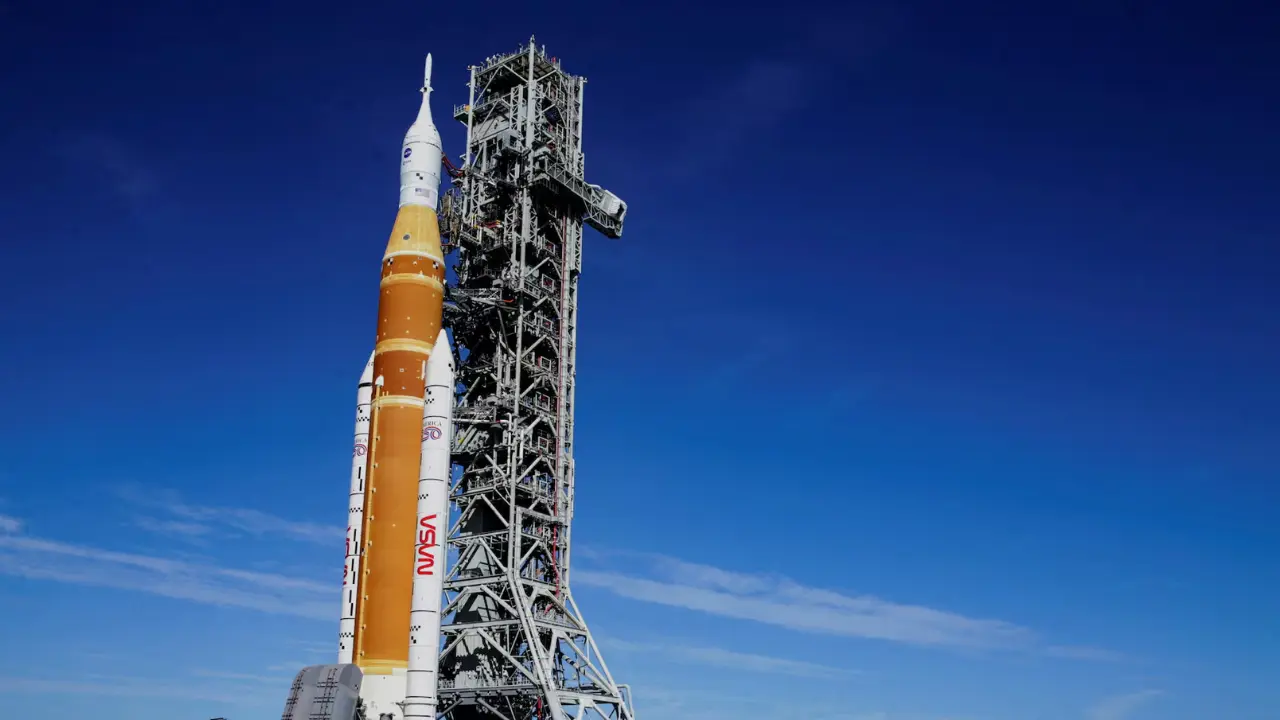
Analyzing Spacecraft Data Using System Invariant Analysis Technology
Ensuring the safe journey of astronauts depends heavily on the Lockheed Martin-constructed Orion spaceship, which utilized an AI tool called System Invariant Analysis Technology (SIAT) built by NEC Corporation. During evaluative phases, SIAT processed data from 150,000 distinct sensors to generate upwards of 22 billion logical relationships. This capability allowed for the detection of system anomalies and behavioral monitoring, guaranteeing SIAT's continued deployment throughout the Artemis missions.ip, which utilized an AI tool called System Invariant Analysis Technology (SIAT) built by NEC Corporation. During evaluative phases, SIAT processed data from 150,000 distinct sensors to generate upwards of 22 billion logical relationships. This capability allowed for the detection of system anomalies and behavioral monitoring, guaranteeing SIAT's continued deployment throughout the Artemis missions.
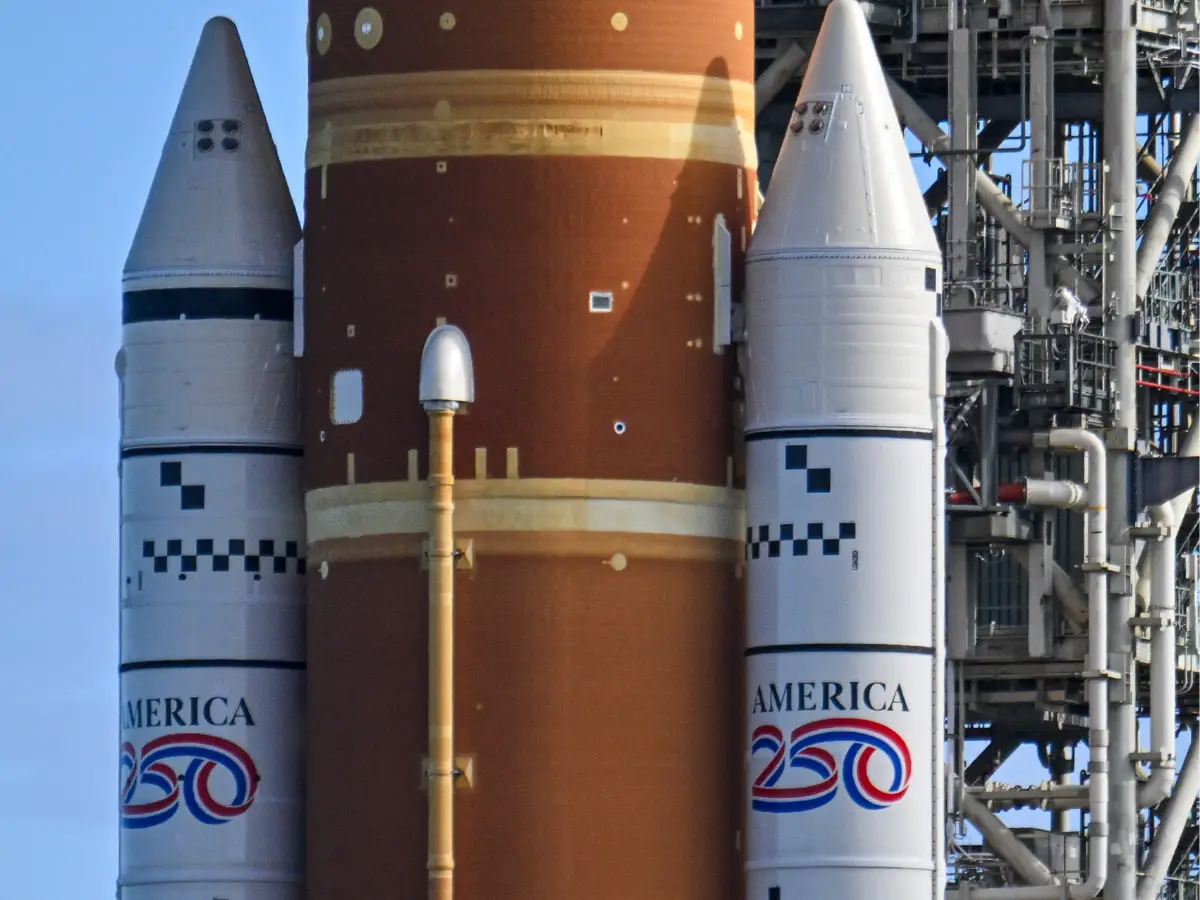
Demonstrating Interactive Voice Assistance in Orbit
A collaborative effort between Lockheed Martin and NASA resulted in Callisto, a technology demonstration embedding Cisco's Webex and Amazon Alexa directly into the Orion capsule's central console for the Artemis I flight. Connecting via the Deep Space Network, the integration will show how both space travelers and flight operators stationed at the Johnson Space Center can leverage a human-machine interface for deep space assignments.technology demonstration embedding Cisco's Webex and Amazon Alexa directly into the Orion capsule's central console for the Artemis I flight. Connecting via the Deep Space Network, the integration will show how both space travellers and flight operators stationed at the Johnson Space Center can leverage a human-machine interface for deep space assignments.
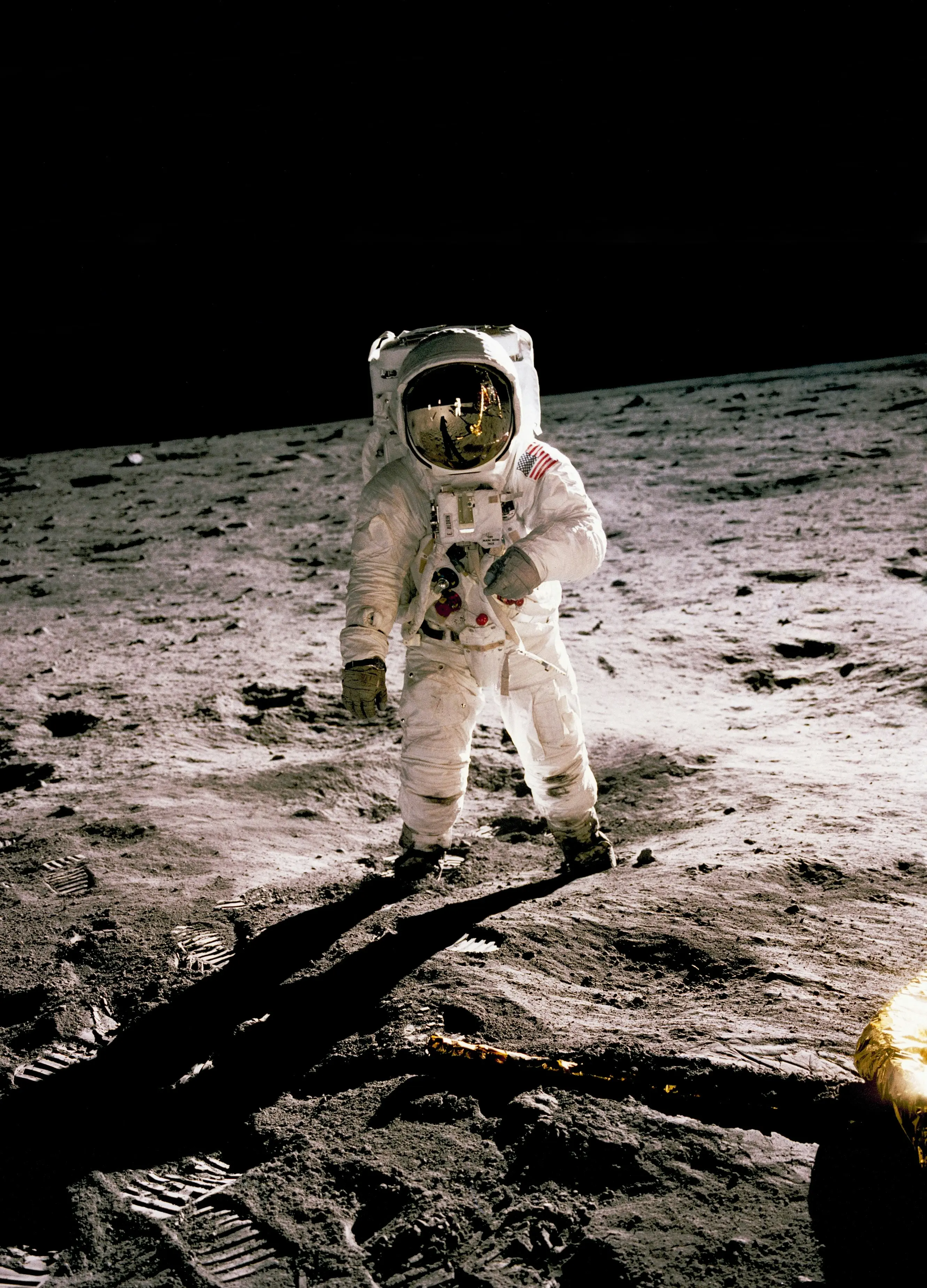
Facilitating Public Involvement Through Voice Tech
The implementation of Callisto offers an interactive element for people on Earth who possess Alexa-compatible electronics. By commanding their smart speakers to take them to the moon, individuals can engage directly with the ongoing exploration. The integration is designed to supply almost instantaneous mission updates and respond to space-related inquiries, thereby providing near real-time telemetry and data to the general public.ompatible electronics. By commanding their smart speakers to take them to the moon, individuals can engage directly with the ongoing exploration. The integration is designed to supply almost instantaneous mission updates and respond to space-related inquiries, thereby providing near real-time telemetry and data to the general public.
Utilizing Deep Learning for Extraterrestrial Orientation
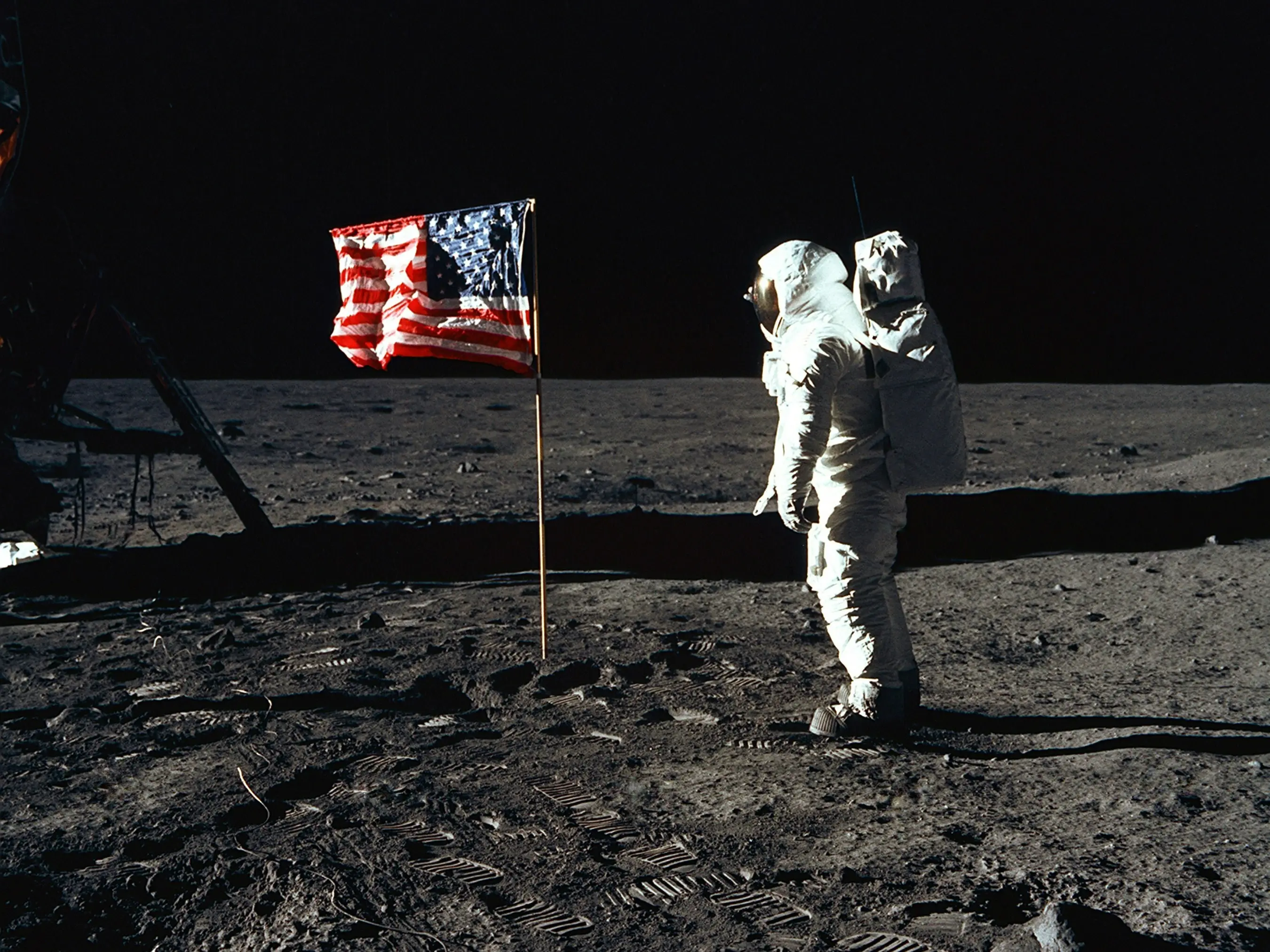
Because Apollo 11 crews traversed an area no larger than a football pitch, NASA required an enhanced orientation method for future wide-area operations. In 2018, Frontier Development Lab researchers Benjamin Wu, Ross Potter, Philippe Ludvig, and Andrew Chung constructed an AI-based navigation tool utilizing a precise simulation of the moon's terrain. Astronauts will be able to capture images of their surroundings, which deep learning models will compare against the simulated environment to accurately pinpoint their coordinates.de-area operations. In 2018, Frontier Development Lab researchers Benjamin Wu, Ross Potter, Philippe Ludvig, and Andrew Chung constructed an AI-based navigation tool utilizing a precise simulation of the moon's terrain. Astronauts will be able to capture images of their surroundings, which deep learning models will compare against the simulated environment to accurately pinpoint their coordinates.
Deploying Intelligent Robotic Companions Aboard the ISS
Testing for intelligent operational companions is already underway, exemplified by the brief International Space Station deployment of CIMON-2, or Crew Interactive Mobile Companion. Engineered by Airbus and IBM, this autonomous assistant can navigate the zero-gravity cabin on demand. Relying on facial recognition algorithms, it can identify specific personnel, engage in conversation, and instantly provide astronauts with critical mission intelligence.of CIMON-2, or Crew Interactive Mobile Companion. Engineered by Airbus and IBM, this autonomous assistant can navigate the zero-gravity cabin on demand. Relying on facial recognition algorithms, it can identify specific personnel, engage in conversation, and instantly provide astronauts with critical mission intelligence.
Transitioning to Autonomous Uncrewed Exploration
Space probes like the 1976 Vikings 1 and 2 explore hostile territories where humans cannot survive, but communication lag and restricted processing capabilities hinder timely data gathering. Consequently, Kiri Wagstaff and Steve Chien from the Jet Propulsion Laboratory forecast that artificial intelligence will eventually command probe activities autonomously. A deep learning software called AEGIS (Autonomous Exploration for Gathering Increased Science) is currently under development to independently determine which targets probes should analyze, functioning similarly to technologies used on the 2003 Mars rovers.and restricted processing capabilities hinder timely data gathering. Consequently, Kiri Wagstaff and Steve Chien from the Jet Propulsion Laboratory forecast that artificial intelligence will eventually command probe activities autonomously. A deep learning software called AEGIS (Autonomous Exploration for Gathering Increased Science) is currently under development to independently determine which targets probes should analyze, functioning similarly to technologies used on the 2003 Mars rovers.
)
)
)
)
)