How air-to-air missiles track and destroy fighter jets mid-air

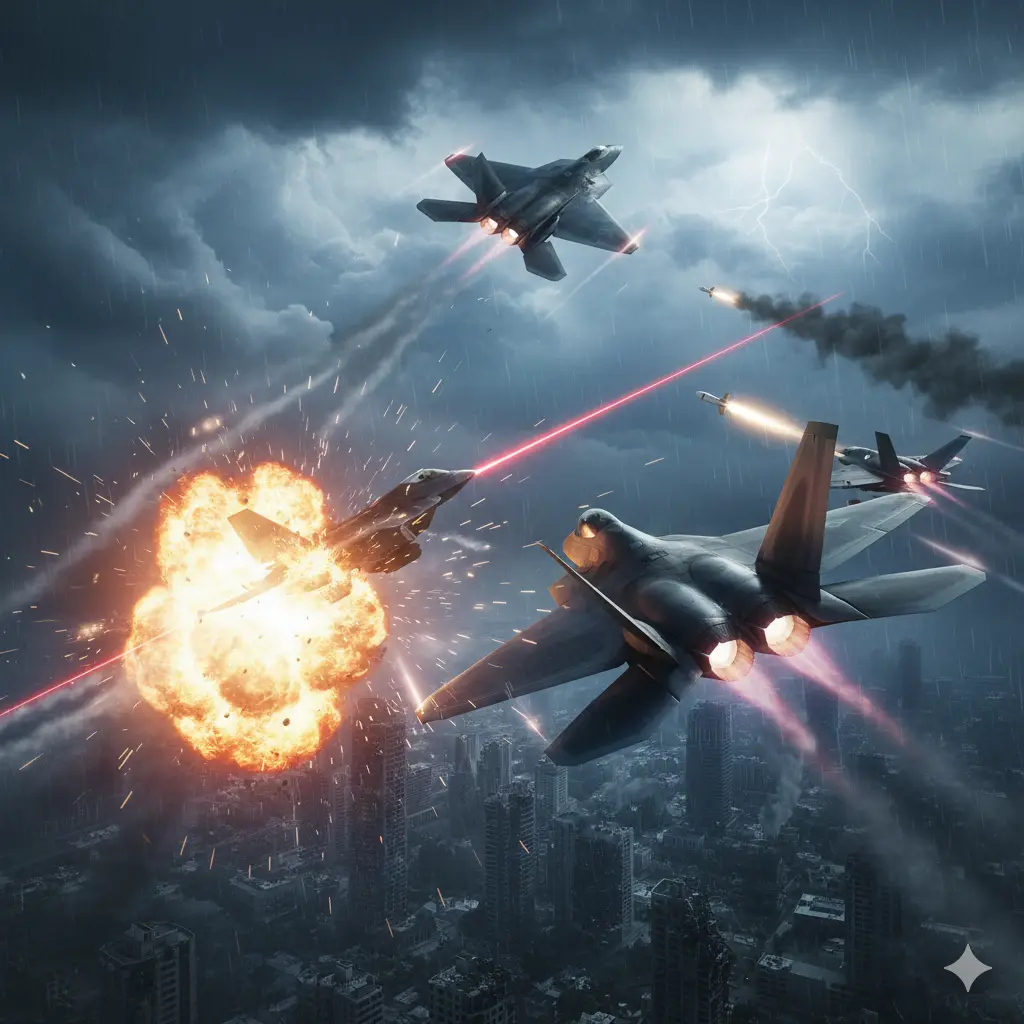
Modern air-to-air missiles use radar and infrared seekers to track fighter jets beyond visual range. Active guidance, data links, and artificial intelligence enable autonomous target tracking and destruction mid-air.
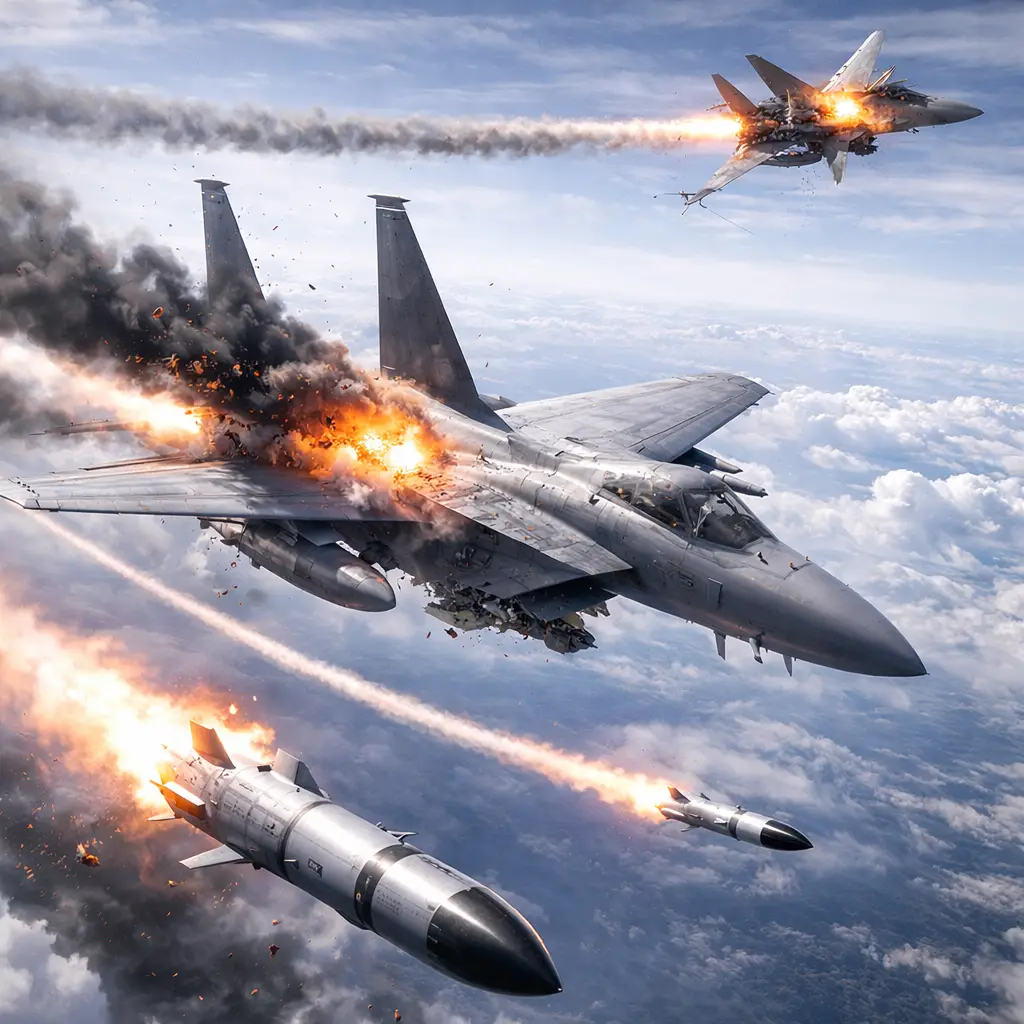
Radar Homing Guidance Systems
Active radar-homing missiles like the AIM-120 AMRAAM carry their own radar transmitters that actively search for targets. The missile's radar seeker detects aircraft reflections and homes in autonomously, freeing the launching pilot to engage other threats. This "fire-and-forget" capability allows one fighter to launch multiple missiles simultaneously at different targets.
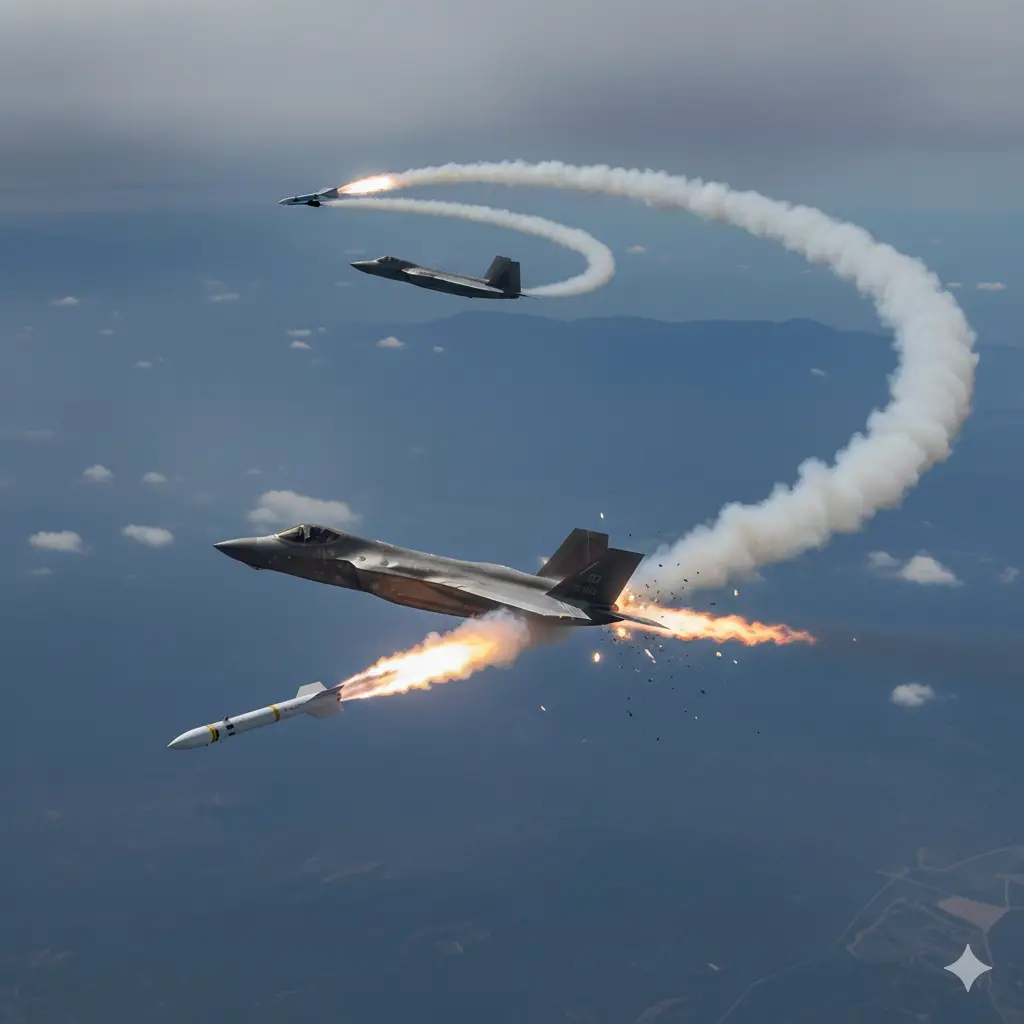
Semi-Active Radar Guidance
Semi-active radar-homing missiles like the AIM-7 Sparrow depend on the launching aircraft's radar to keep tracking the target throughout flight. The missile receives continuous radar signals reflected off the target from the launch platform, requiring the pilot to maintain target lock until missile impact for guidance accuracy.
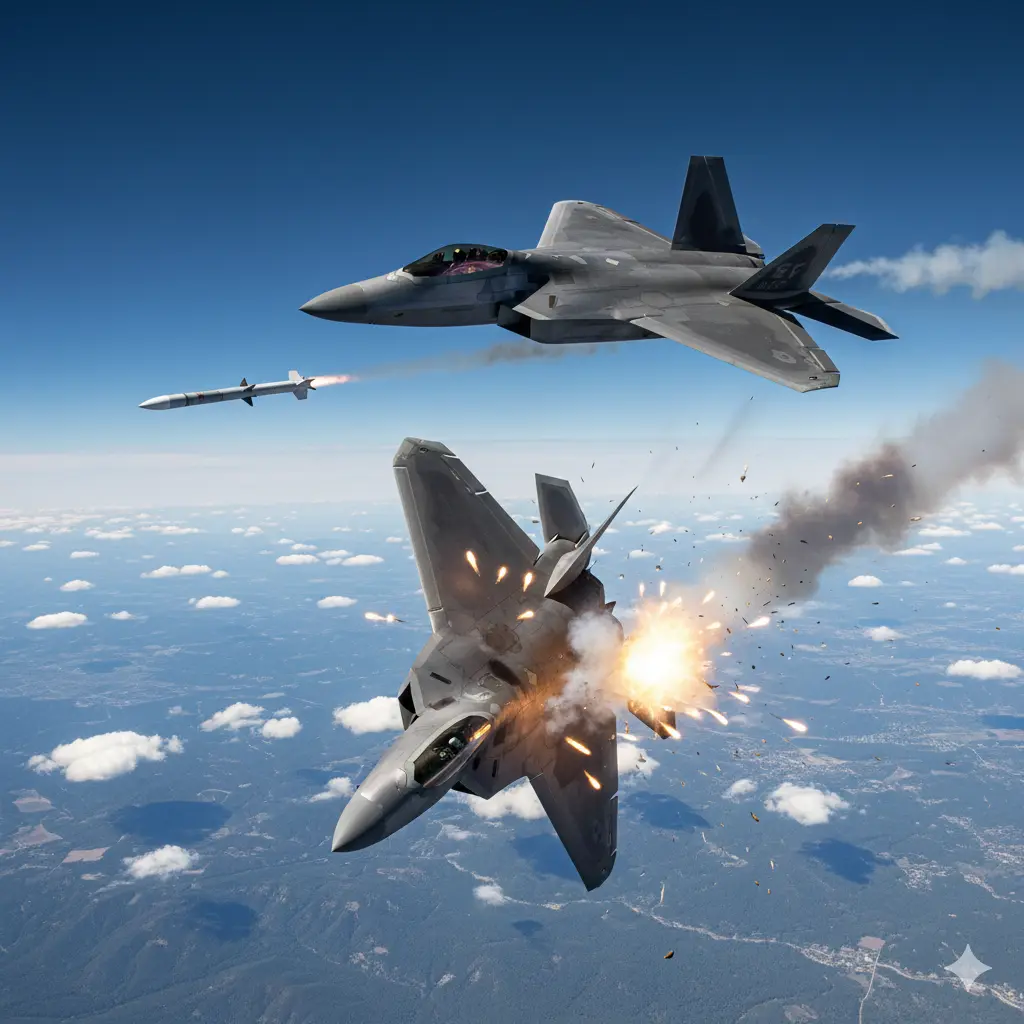
Infrared Seeking Technology
Infrared missiles like the AIM-9 Sidewinder detect the thermal energy from jet engines and airframe heating during high-speed flight. Modern variants use cooled sensors and imaging infrared seekers with artificial intelligence algorithms that recognise aircraft shapes, distinguishing genuine targets from decoy flares and chaff countermeasures.
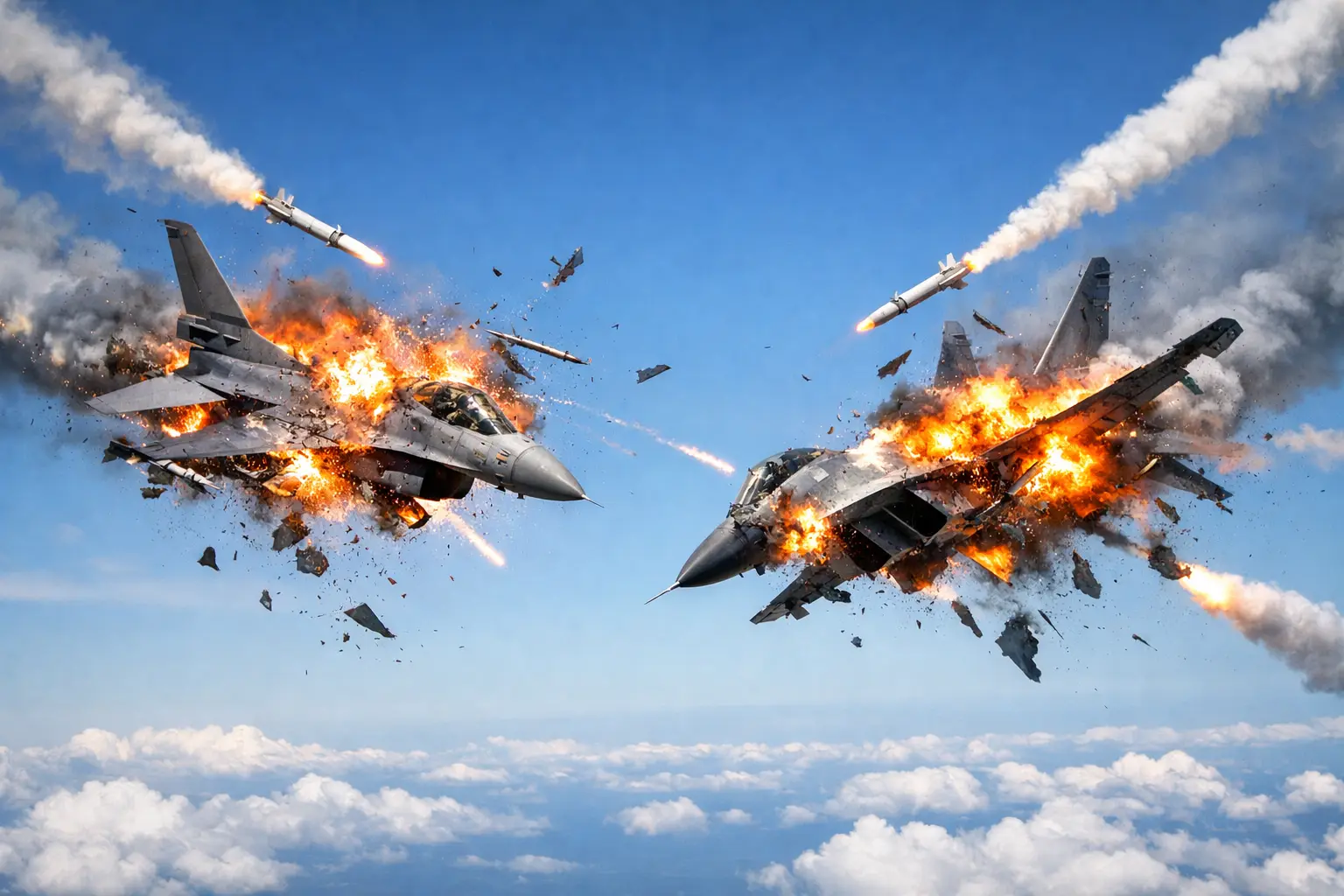
Two-Way Data Links
Advanced missiles receive real-time updates during flight from the launch aircraft or ground-based radar stations. These data links transmit target position, velocity and heading changes, allowing the missile to adjust its interception course and track manoeuvring targets more effectively throughout the engagement phase.
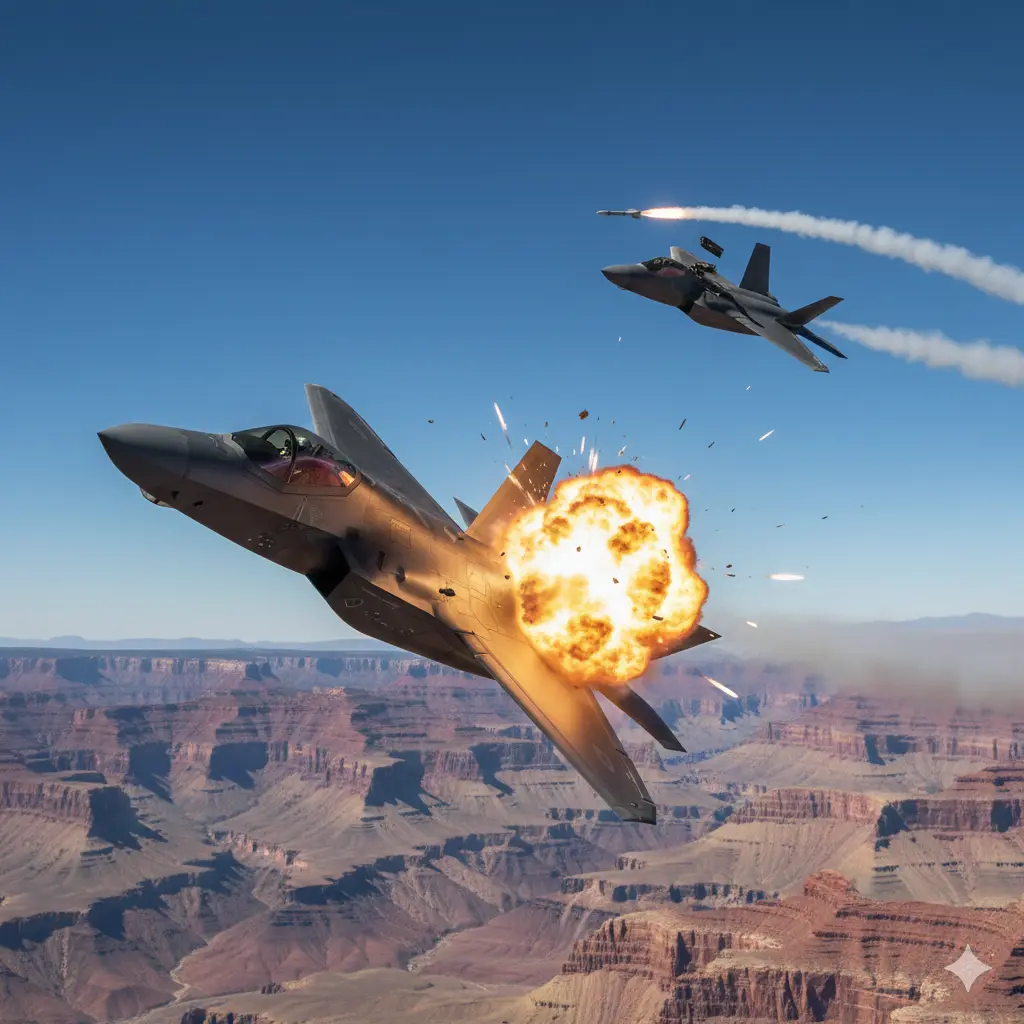
Inertial Navigation Systems (INS)
During the initial flight phase, missiles use inertial measurement units containing gyroscopes and accelerometers to navigate toward predicted target locations. This allows the missile to fly toward the target's expected position without needing radar signals, crucial for long-range engagements where the missile must reach the target area before activating its seeker.
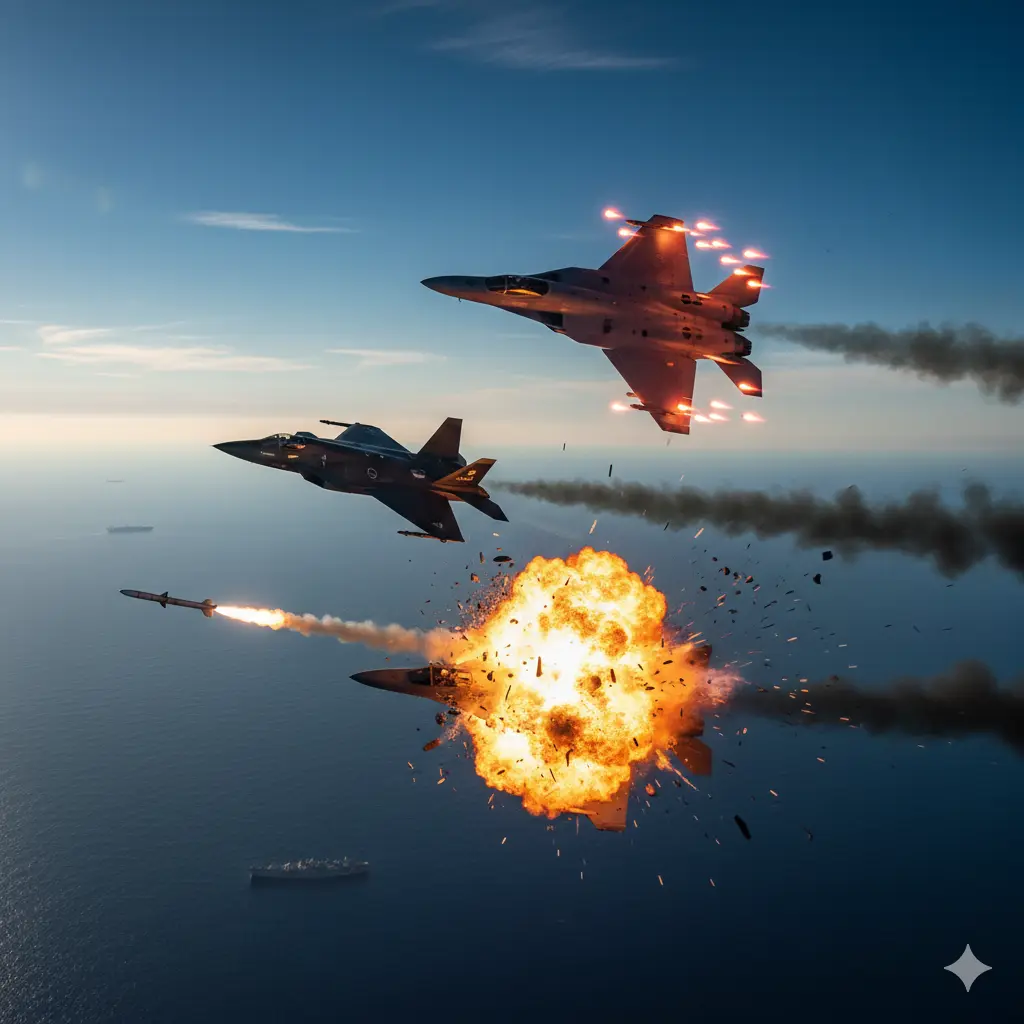
Terminal Guidance Phase
In the terminal phase, the missile's own seeker locks onto the target and guides the weapon to intercept. The missile calculates the target's position continuously, adjusting control surfaces to maintain a collision course. Proximity fuses detonates the warhead near or upon impact to maximise destruction effect.
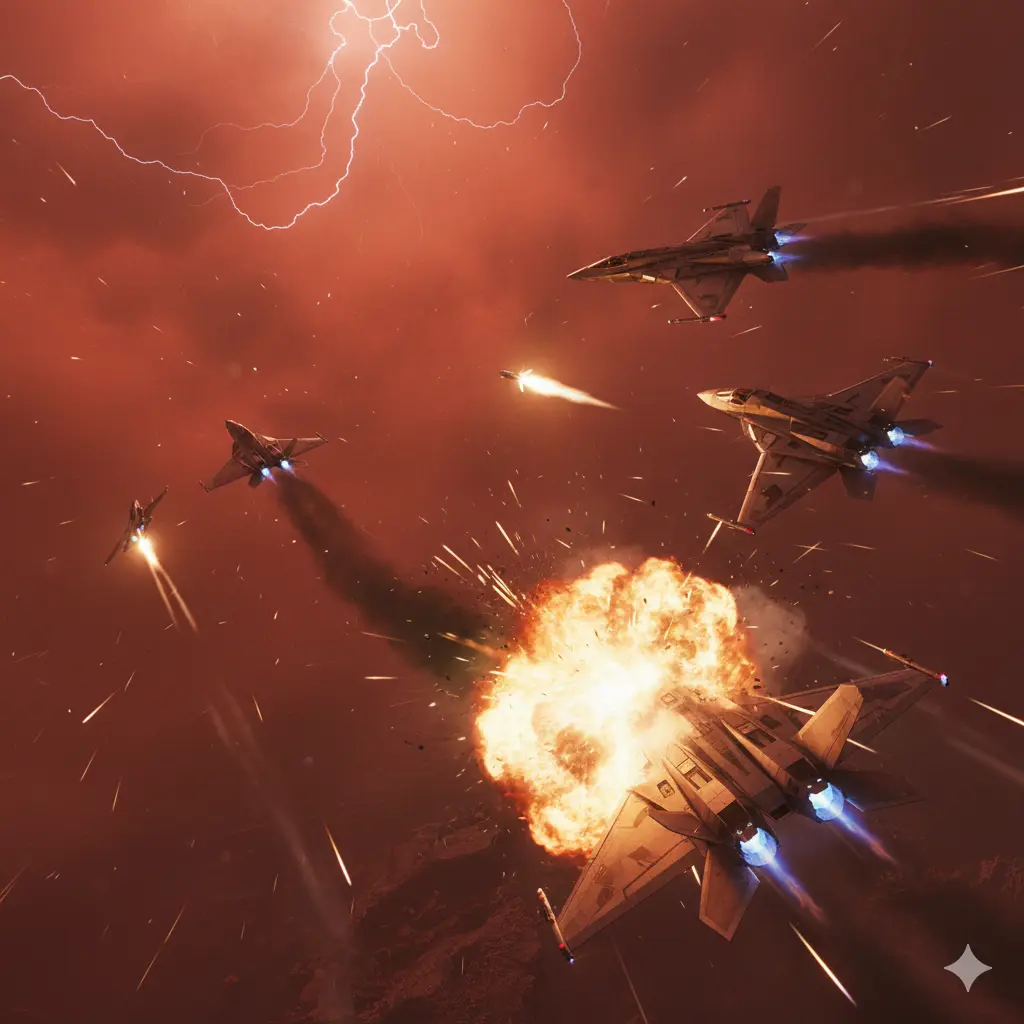
The Escape Zone Concept
Beyond-visual-range missiles like METEOR create a “no escape zone” - an area where the target cannot outrun or manoeuvre away from the missile's trajectory before impact. Newer missiles with ramjet propulsion maintain speed throughout flight, expanding this lethal zone significantly beyond earlier generation weapons.
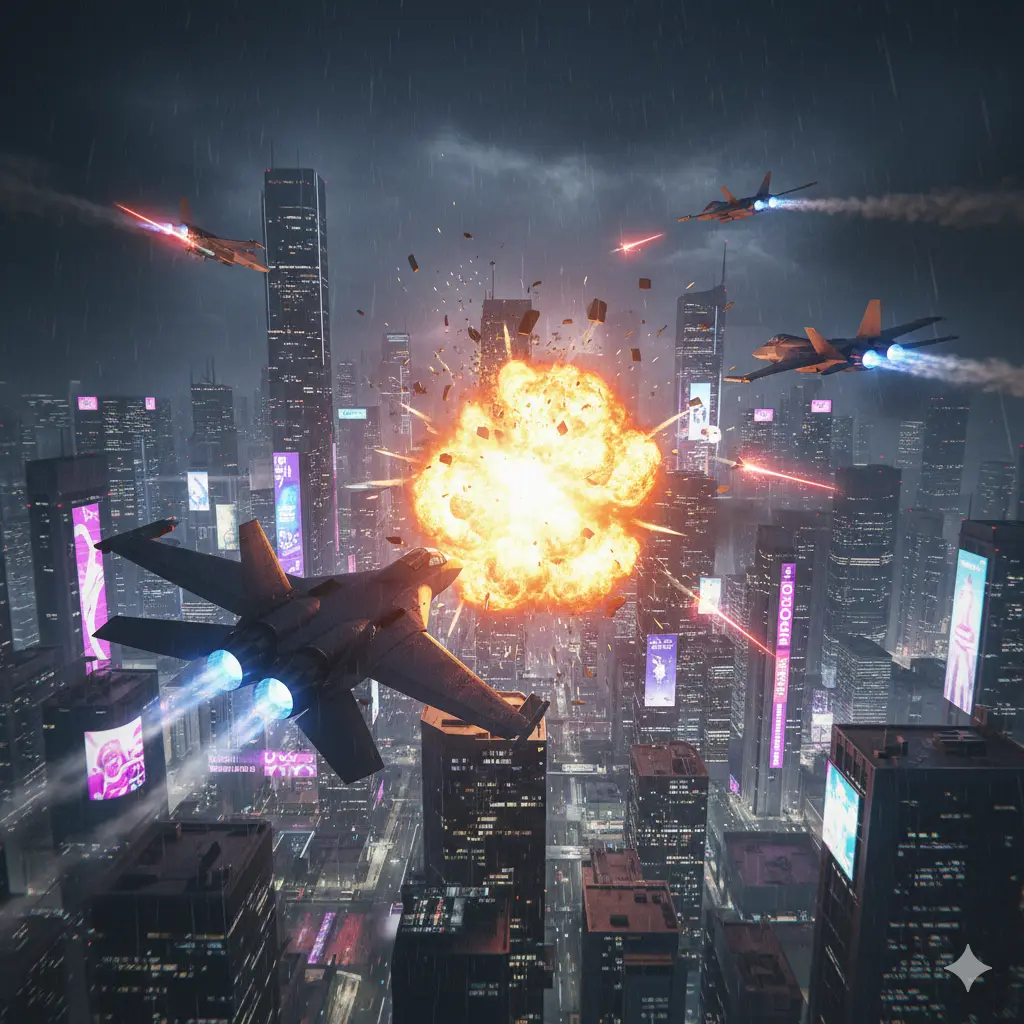
Electronic Countermeasures and Flares
Fighters deploy metallic chaff to jam radar-guided missiles and infrared flares to decoy heat-seeking missiles. Modern missile seekers use artificial intelligence and multi-wavelength detection to distinguish decoys from real targets, making electronic warfare an ongoing technological competition between missiles and aircraft defensive systems.
All-Aspect Targeting Capabilities
Early air-to-air missiles required targets to be approached from behind to hit hot engine exhaust. Modern all-aspect missiles use imaging infrared and advanced radar seekers to detect and track targets from any angle, including head-on engagements, fundamentally changing air combat dynamics and increasing threat envelope.

Fire-and-Forget Transformation
Fire-and-forget missiles enable pilots to launch weapons and immediately break radar lock or manoeuvre away without guiding the missile to target. Active radar seekers take over autonomously once in range, allowing pilots to focus on defensive manoeuvres or engaging additional targets simultaneously using network-centric warfare tactics.
)
)
)
)
)