How air-to-air missiles intercept incoming cruise missiles

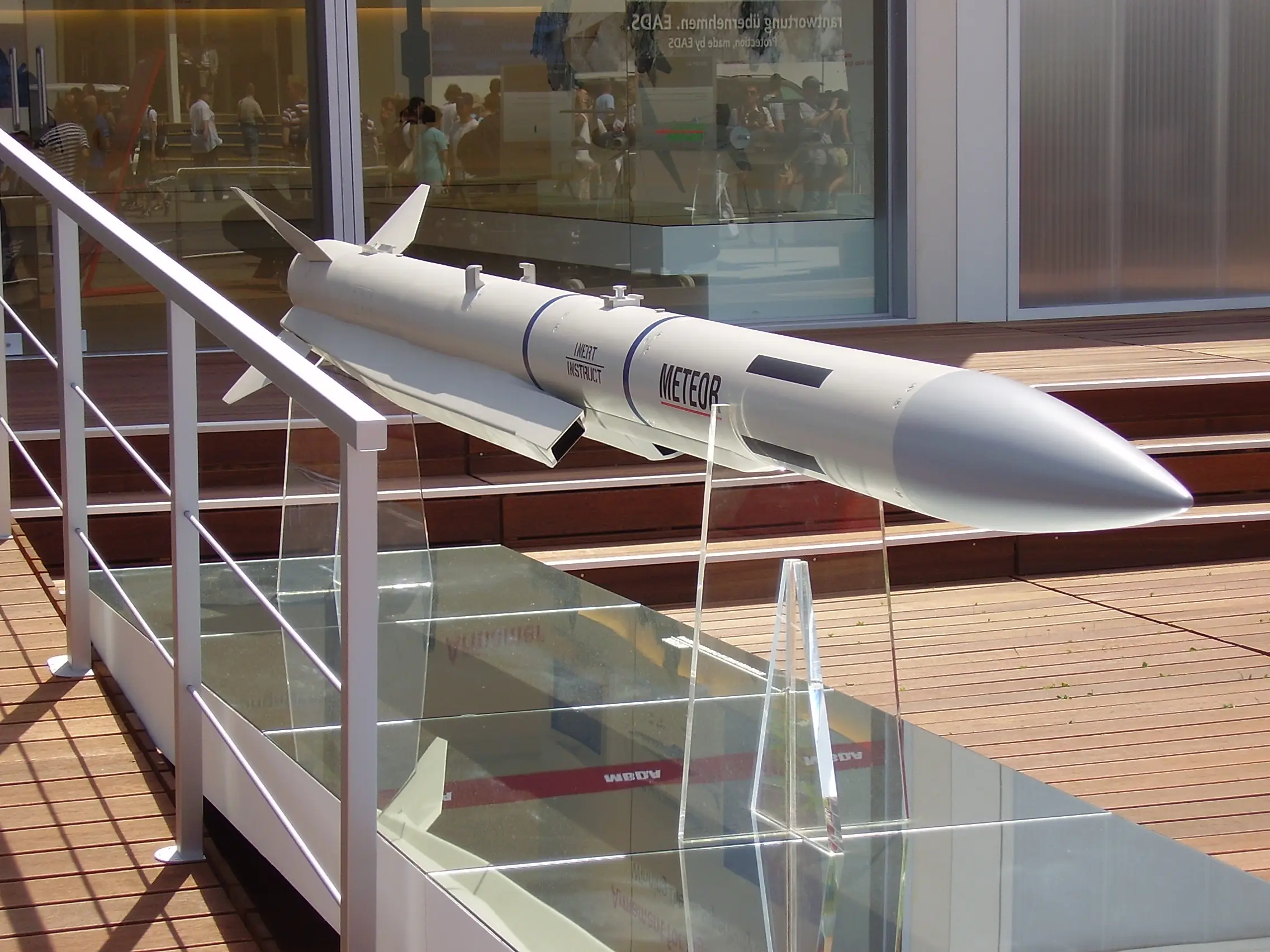
Air-to-air missiles like the Astra and Meteor use high-speed radar and ramjet power to hunt low-flying cruise missiles. These interceptors act as a first line of defence to secure the skies.
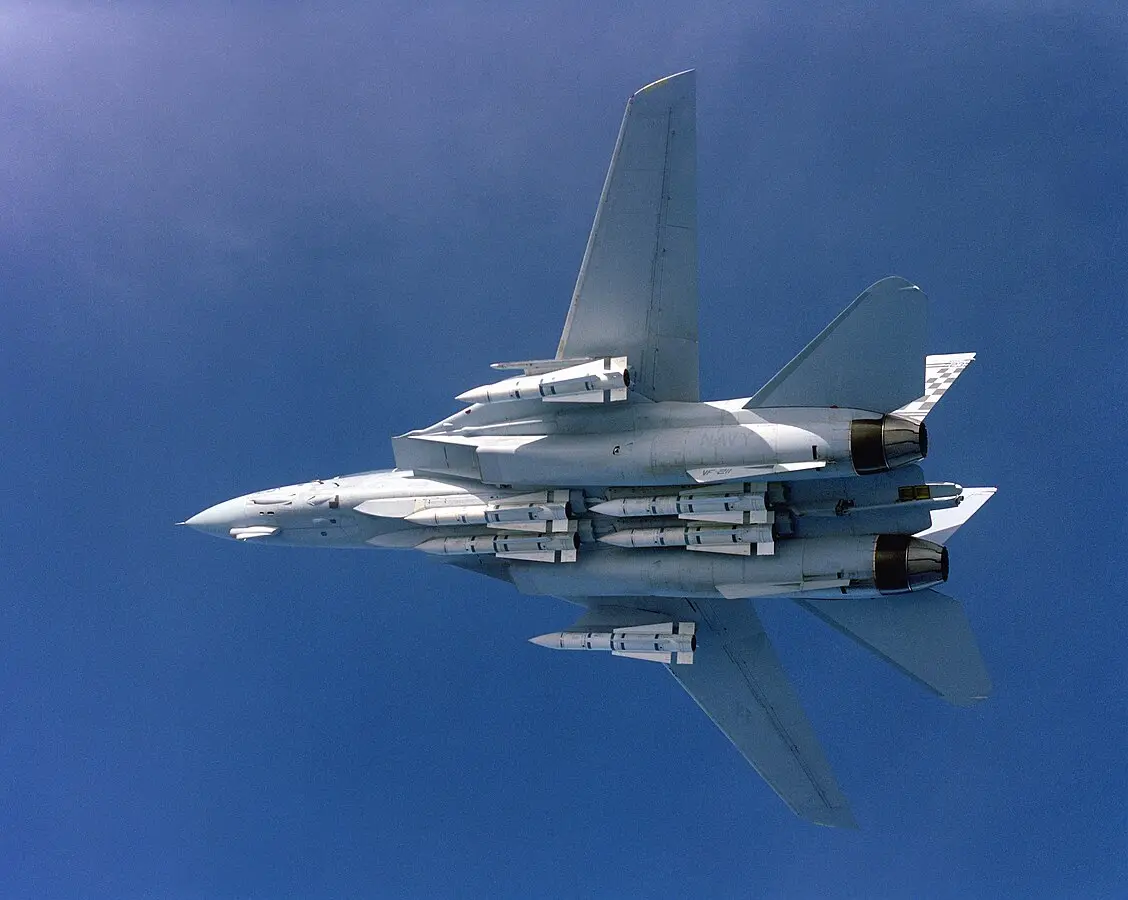
Detecting the Threat
Cruise missiles fly as low as 50 metres to hide from ground-based radar. Early warning aircraft like AWACS are used to detect these threats from above, providing a clear "look-down" view.
Airborne Command and Control
Once a threat is spotted, AWACS platforms coordinate the battle in real-time. They vector friendly fighter jets toward the target, even from 400 kilometres away, to begin the interception.
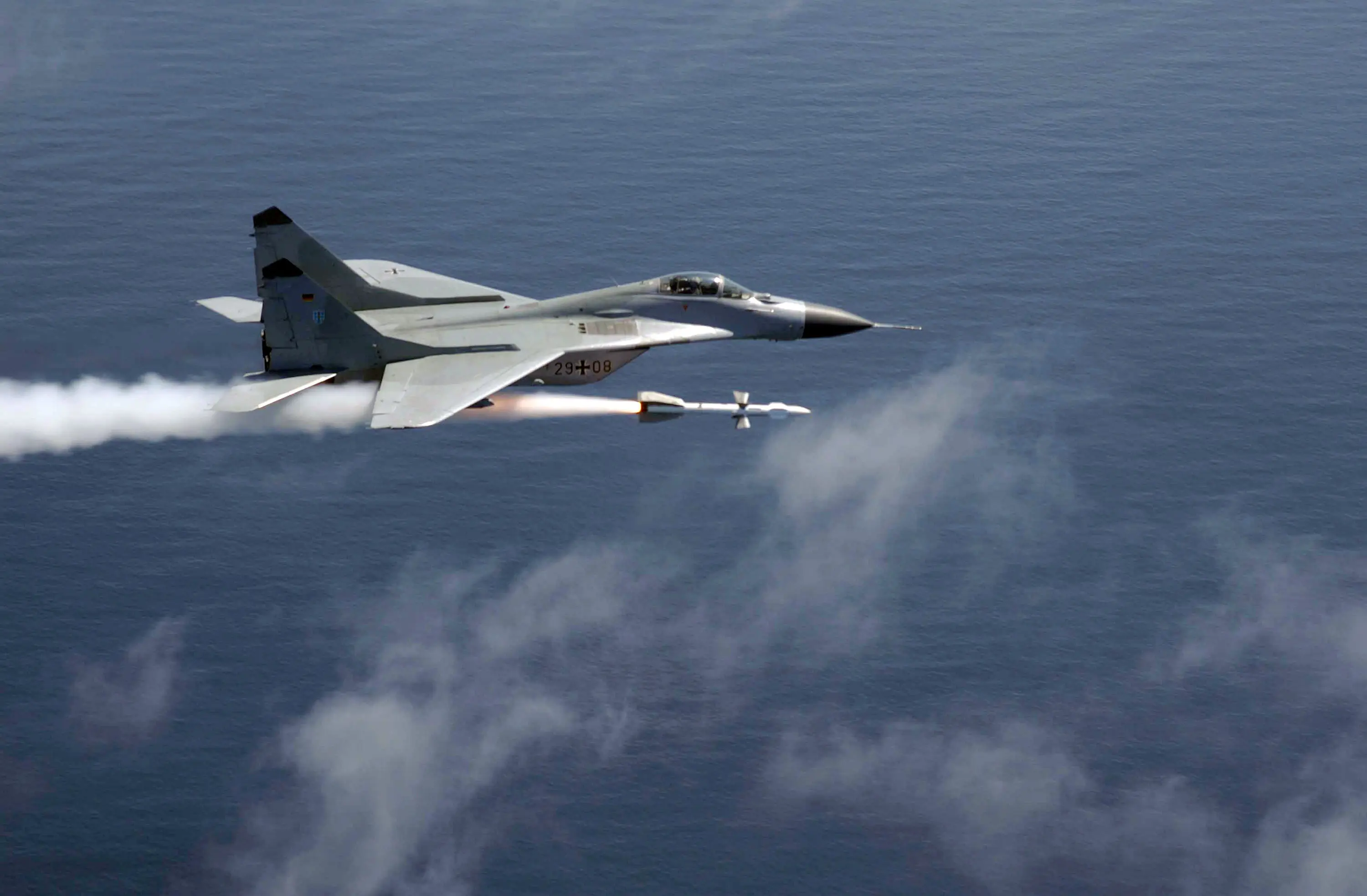
High-Speed Launch
Fighter jets launch beyond-visual-range missiles like the Astra Mk-1 at speeds of Mach 4.5. This high speed is critical to closing the gap with a fast-moving cruise missile quickly.
Mid-Course Guidance
During flight, the missile receives mid-course target updates via a secure datalink. This allows the pilot or AWACS to correct the missile's path if the cruise missile changes direction.
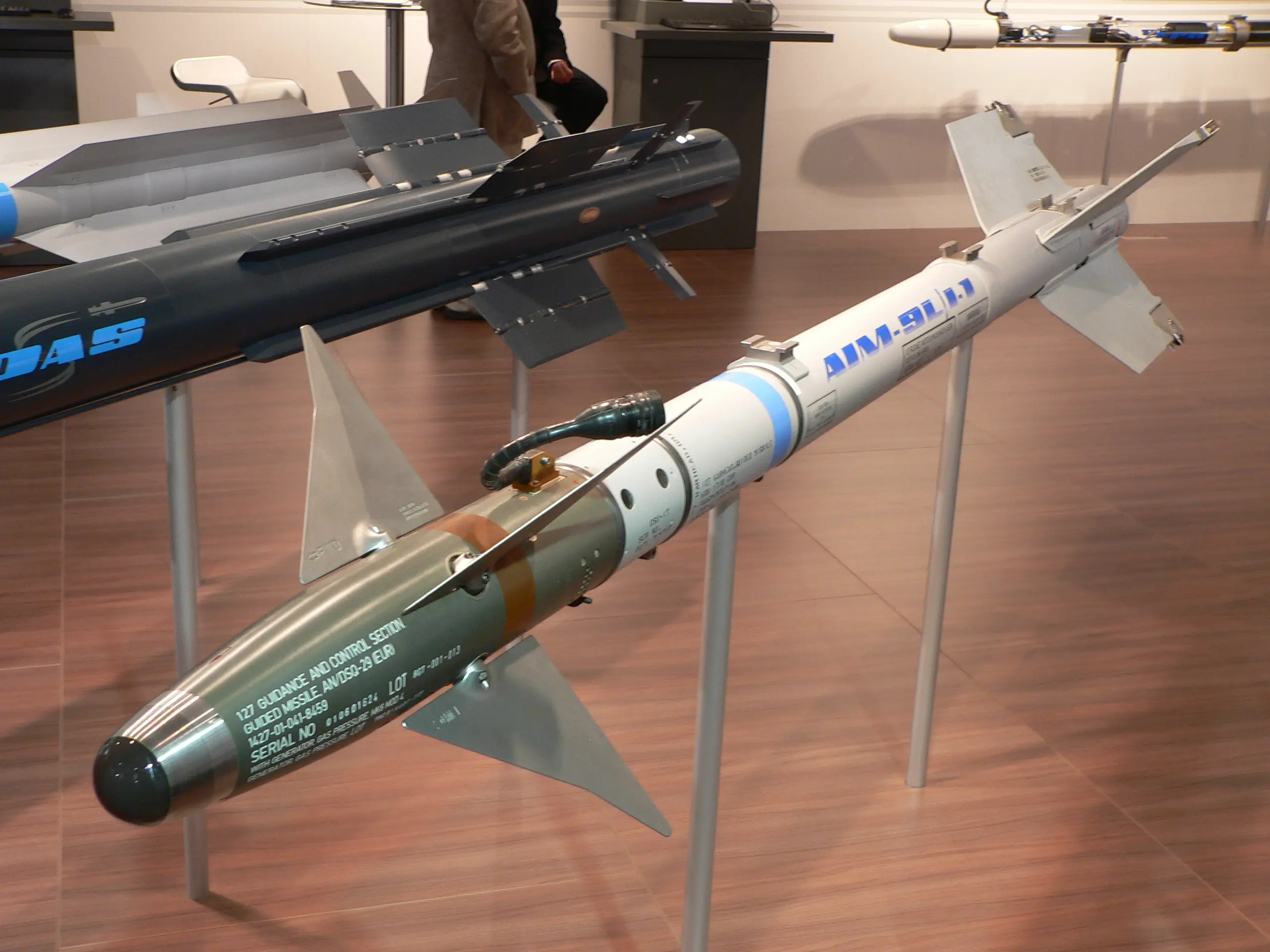
Look-Down Shoot-Down Radar
Intercepting low-flying missiles requires "look-down, shoot-down" capability. Modern pulse-Doppler radars help the missile distinguish the target from "ground clutter" like trees or buildings.
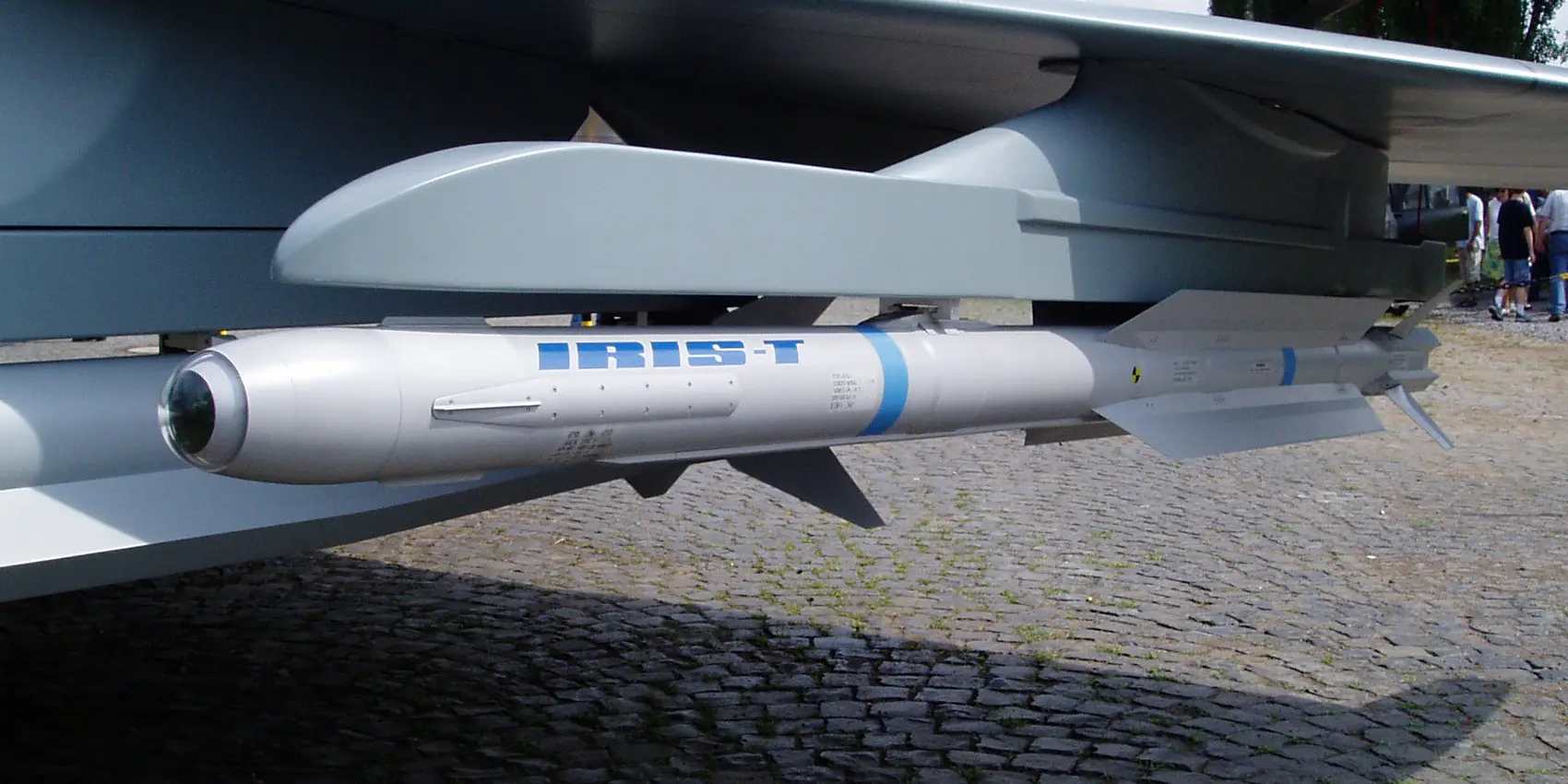
Active Radar Homing
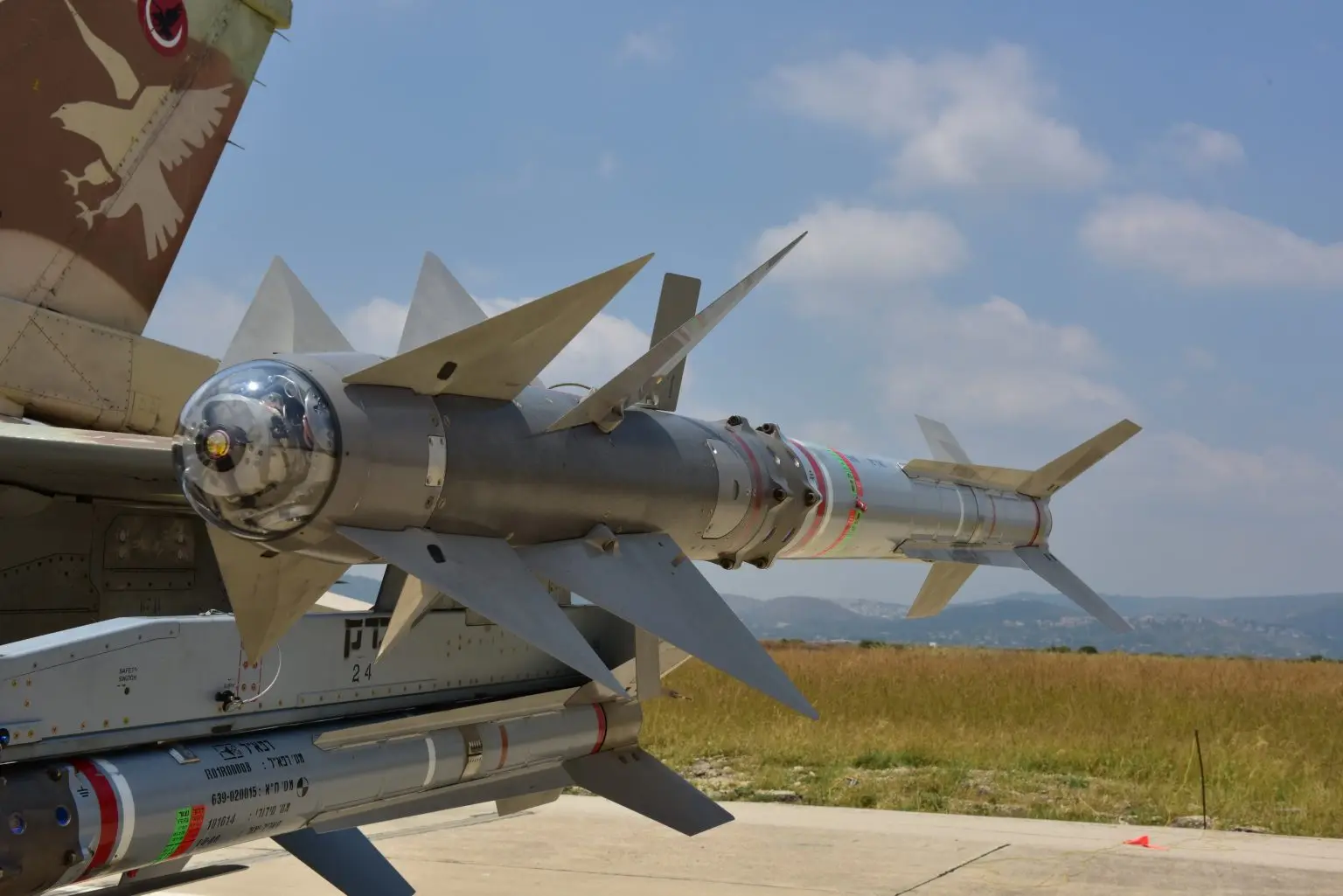
In the final phase, the missile’s own active radar seeker turns on. It locks onto the cruise missile autonomously, even if the target has a very small radar cross-section.
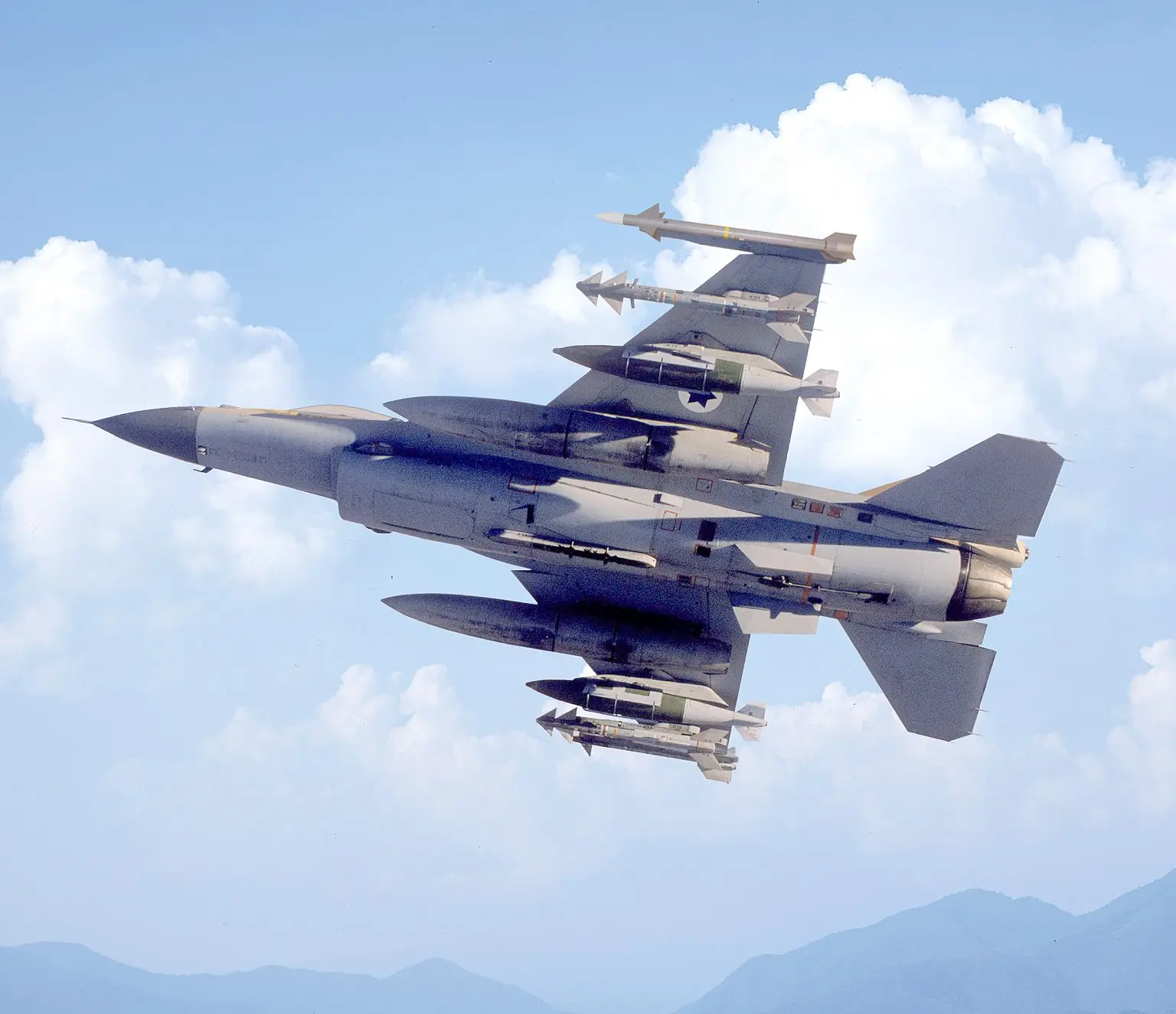
Overcoming Stealth
Missiles like the Meteor use advanced electronic counter-countermeasures (ECCM). This ensures they can hit targets in environments where enemy jammers are trying to hide the cruise missile.
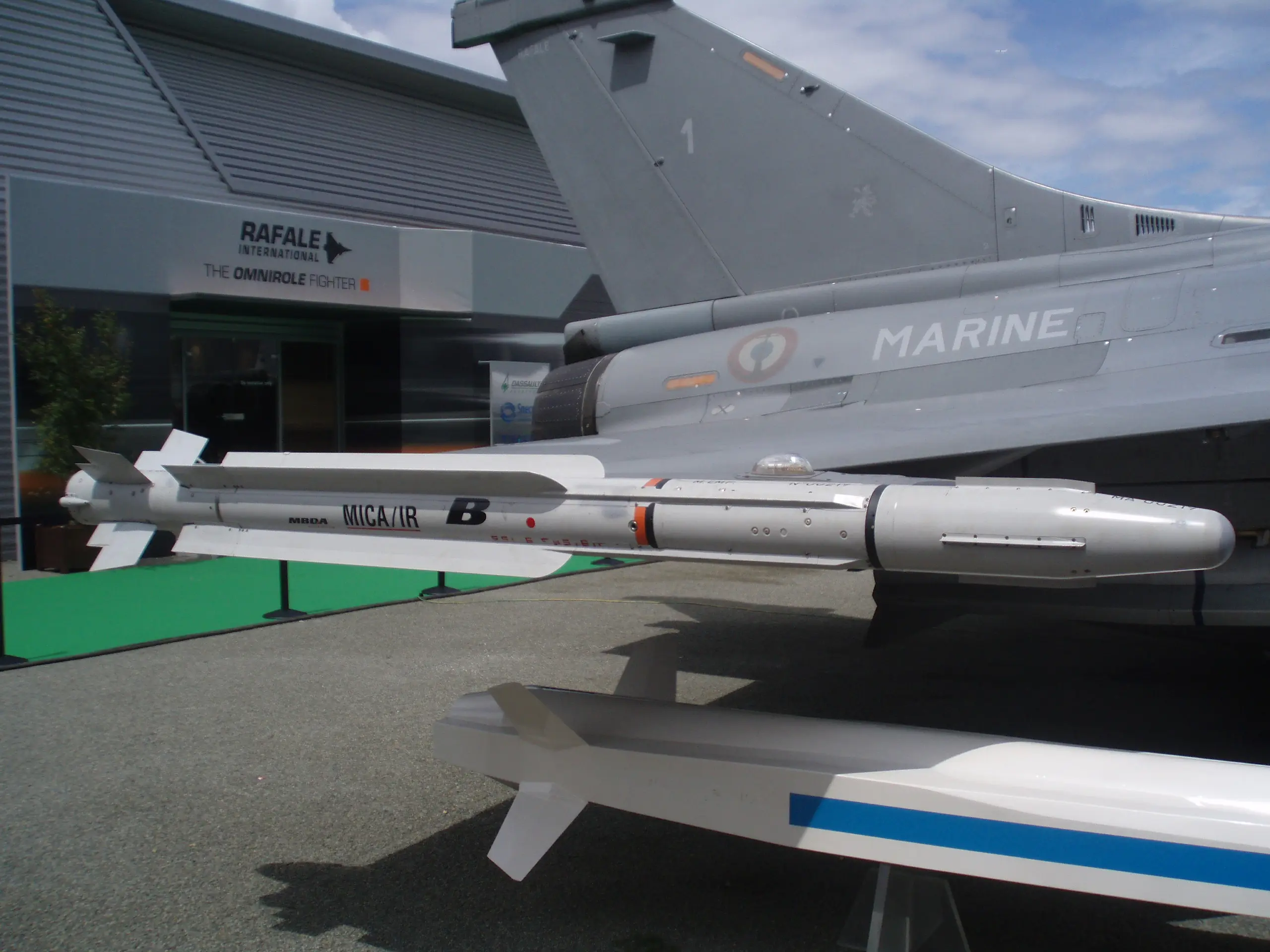
Sustained Speed with Ramjets
Ramjet engines, found in the Meteor, provide sustained thrust throughout the flight. Unlike traditional rockets, they don't lose energy, making them lethal against manoeuvring cruise missiles.
The Proximity Kill
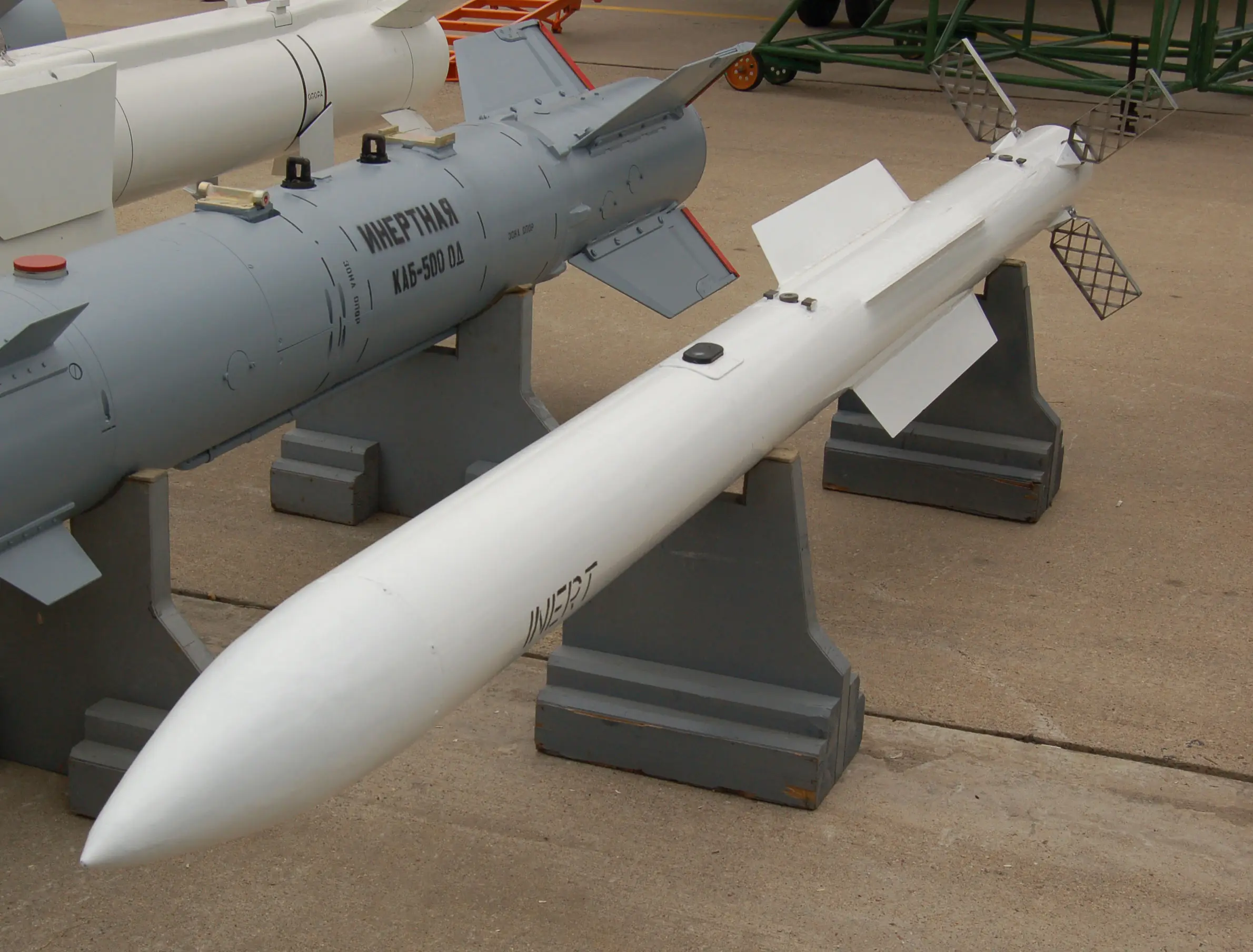
Missiles often use laser or radar proximity fuses to detonate near the target. A high-explosive blast-fragmentation warhead then shreds the cruise missile without needing a direct "skin-to-skin" hit.
Layered Defence Strategy
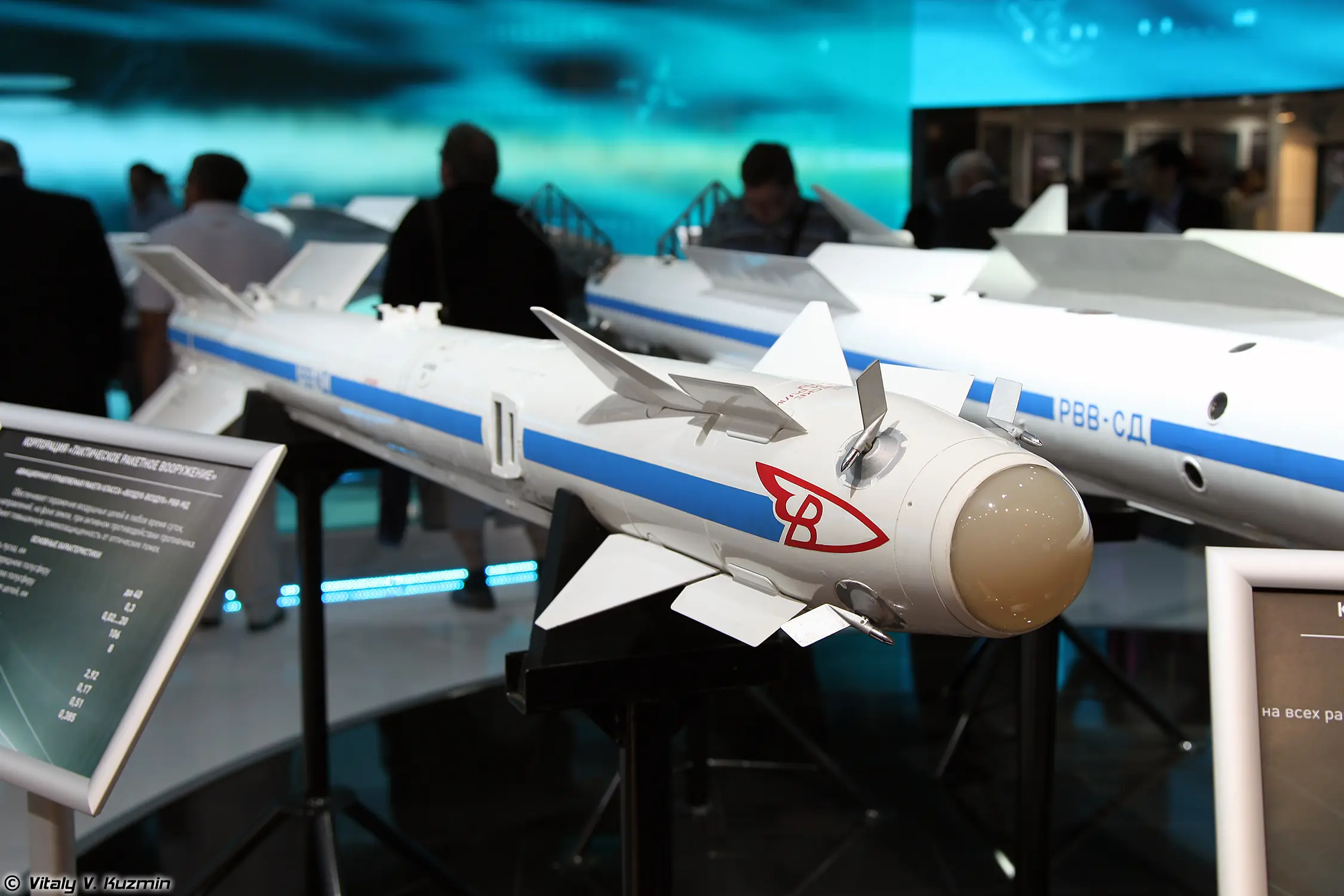
Air-to-air interceptions form the first layer of a national shield. By killing threats far from the border, they prevent saturation of ground-based air defence systems.
)
)

)
)