How AI traffic systems could end congestion forever

AI-powered traffic systems are transforming traffic jams by reducing congestion, cutting travel times, and improving road safety. With adaptive signals and real-time data, cities are moving toward smarter traffic management systems.
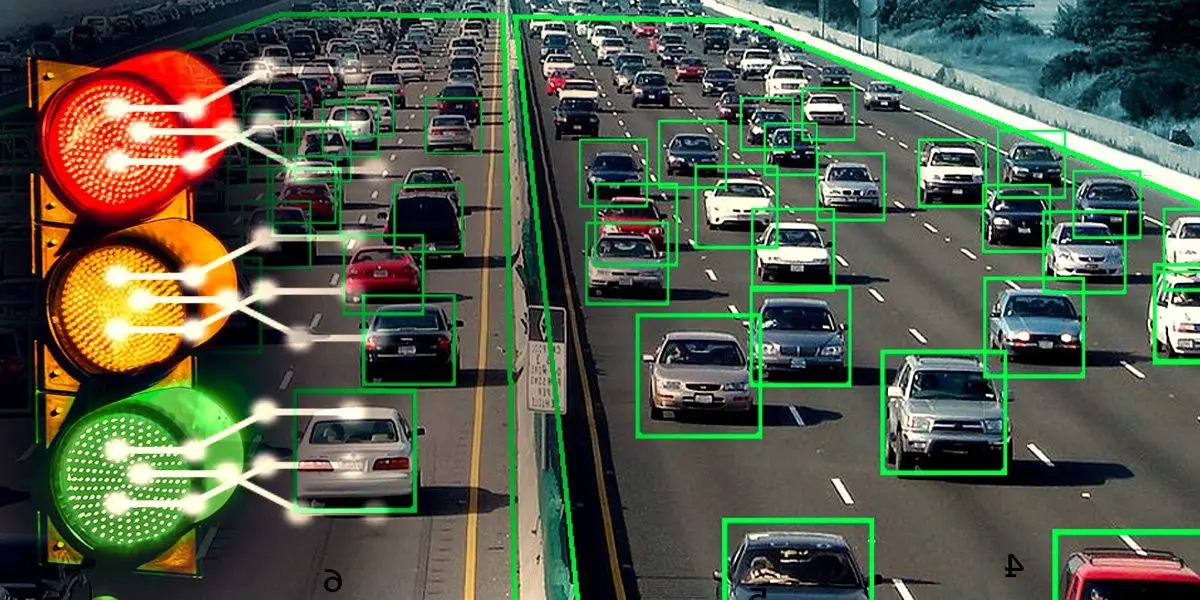
Traffic Congestion Challenge
Traffic jams cost the world billions of hours in delays and huge amounts of wasted fuel every year. In 2023 alone, US drivers lost more than $74 billion because of Traffic jams. Old traffic control systems cannot adapt to real-time changes, which leads to long queues and stressful peak hours.
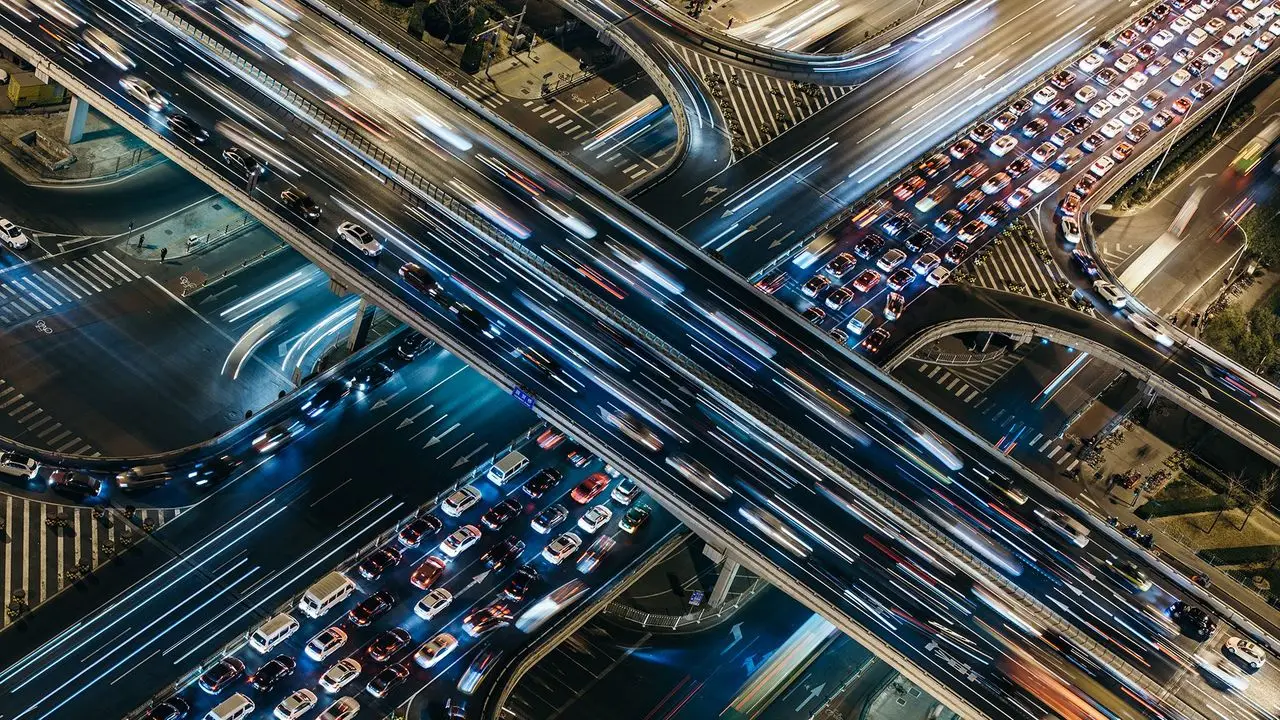
What Makes AI Traffic Systems Different
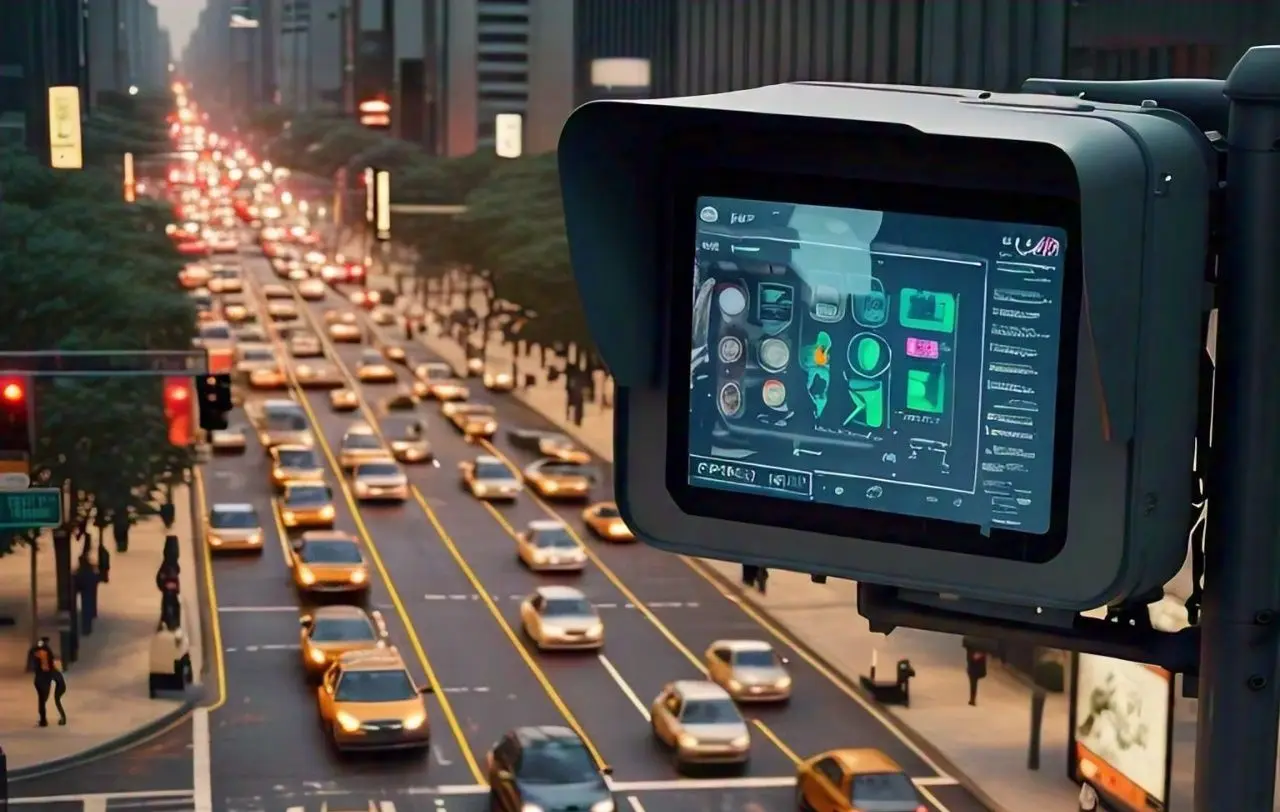
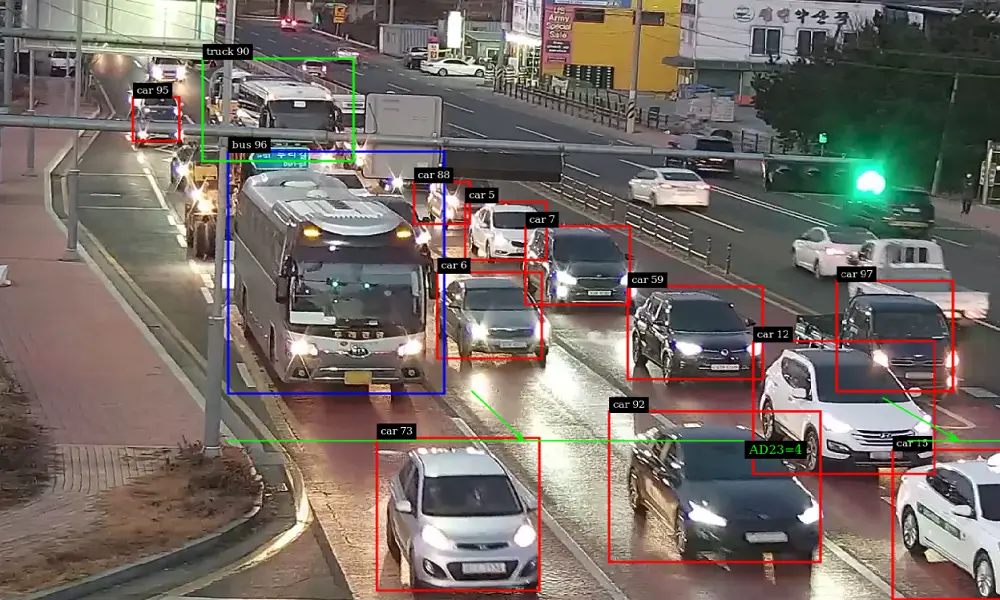
AI-powered Traffic jam systems use live data from cameras, sensors, etc, to study traffic in real time. These systems adjust traffic light timings instantly and can even provide another routes for vehicles to prevent jams.
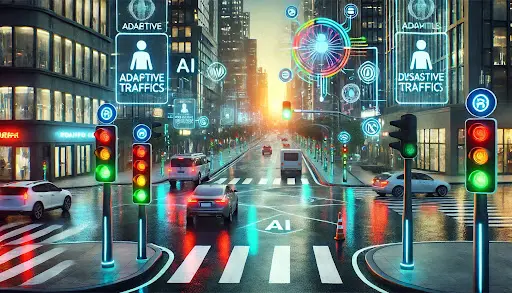
Adaptive Traffic Control Smarter Signals
Adaptive traffic lights powered by AI are already in use. In the UK and California, these systems monitor both vehicles and pedestrians and adjust signals automatically. Early trials in the UK cut waiting times at lights by 40 per cent and reduced travel time by 25 per cent in cities.

AI signal network
London’s AI signal network cut bus journey times by 15 per cent. In Singapore, AI traffic cameras helped speed up accident response and improve safety. Bengaluru’s smart signals have made travel faster.
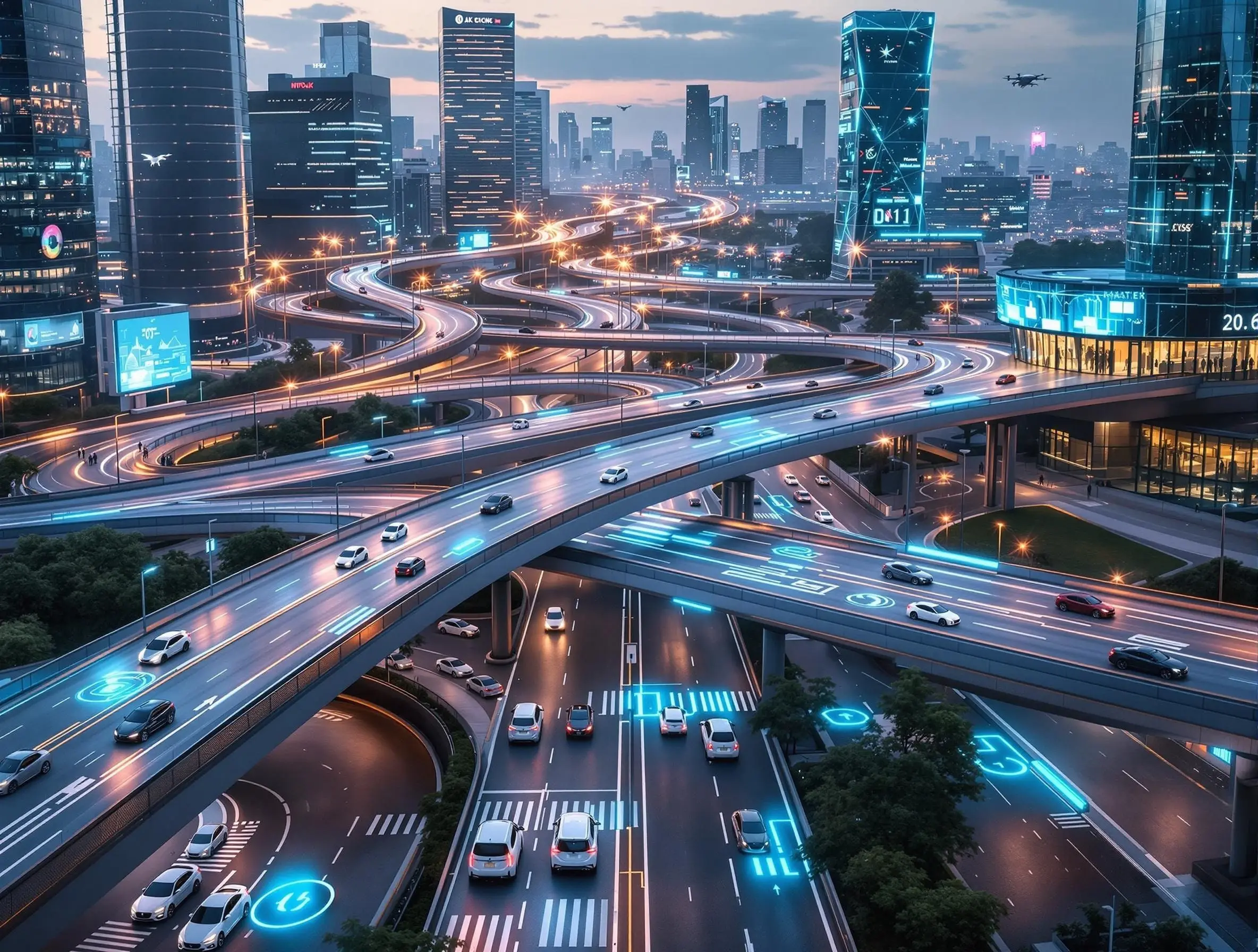
Predictive AI and Emergency Response
AI models can predict congestion by learning traffic patterns, adjusting signals for busy events or large crowds. These systems can also give priority to ambulances and fire engines, saving vital minutes. In some cities, emergency response and accident clearance times improved by nearly 30 per cent.
Environmental and Safety Benefits
With fewer cars idling and smoother travel, cities save fuel and cut emissions. In San Francisco and Washington, DC, AI showed eased congestion by rerouting drivers and supporting cleaner transport. These systems improve both road safety and air quality.
The Road Ahead
AI traffic systems are getting implemented fast. Experts say that as more cities adopt them, traffic jams will reduce and roads will become safer. The future may see AI not only managing but also preventing most traffic jams.
)
)
)
)
)