How AI-powered telescopes are revolutionising 3I/ATLAS tracking

AI-powered telescopes are now helping scientists track 3I/ATLAS with great detail and speed. These tools improve space safety and expand our knowledge of interstellar visitors. Know more below.

What Are AI-Powered Telescopes?
AI-powered telescopes use computer systems to analyse light and images from space instantly. They can find objects much faster than humans alone and detect even faint signals from distant comets like 3I/ATLAS. This helps scientists track the comet’s path more accurately.

How Does AI Help Track Comets?
AI systems process enormous amounts of data from many telescopes working together. They identify the comet’s position, speed, and brightness changes every few seconds. This makes tracking 3I/ATLAS more precise and allows quick updates on its course.

Real-Time Tracking and Analysis
With AI, scientists can follow 3I/ATLAS as it moves through space without delay. AI models analyse the comet’s incoming signals, detect outgassing, and measure changes caused by the Sun. This real-time tracking helps predict its future path.
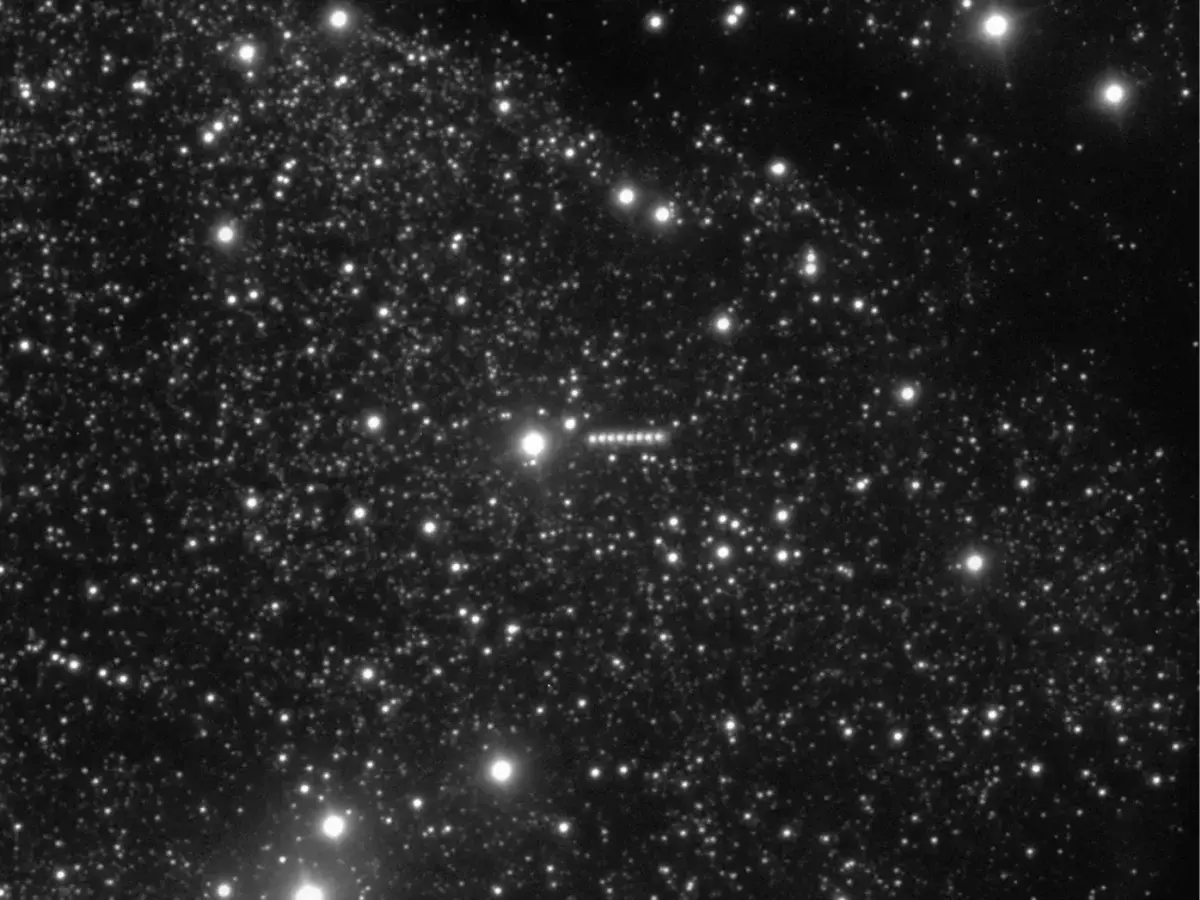
How AI Enhances Space Safety
AI helps scientists predict whether an interstellar object might come close to Earth or other planets. These predictions are crucial for planetary defence. Currently, AI systems have already helped identify potential hazards from space objects, including 3I/ATLAS.
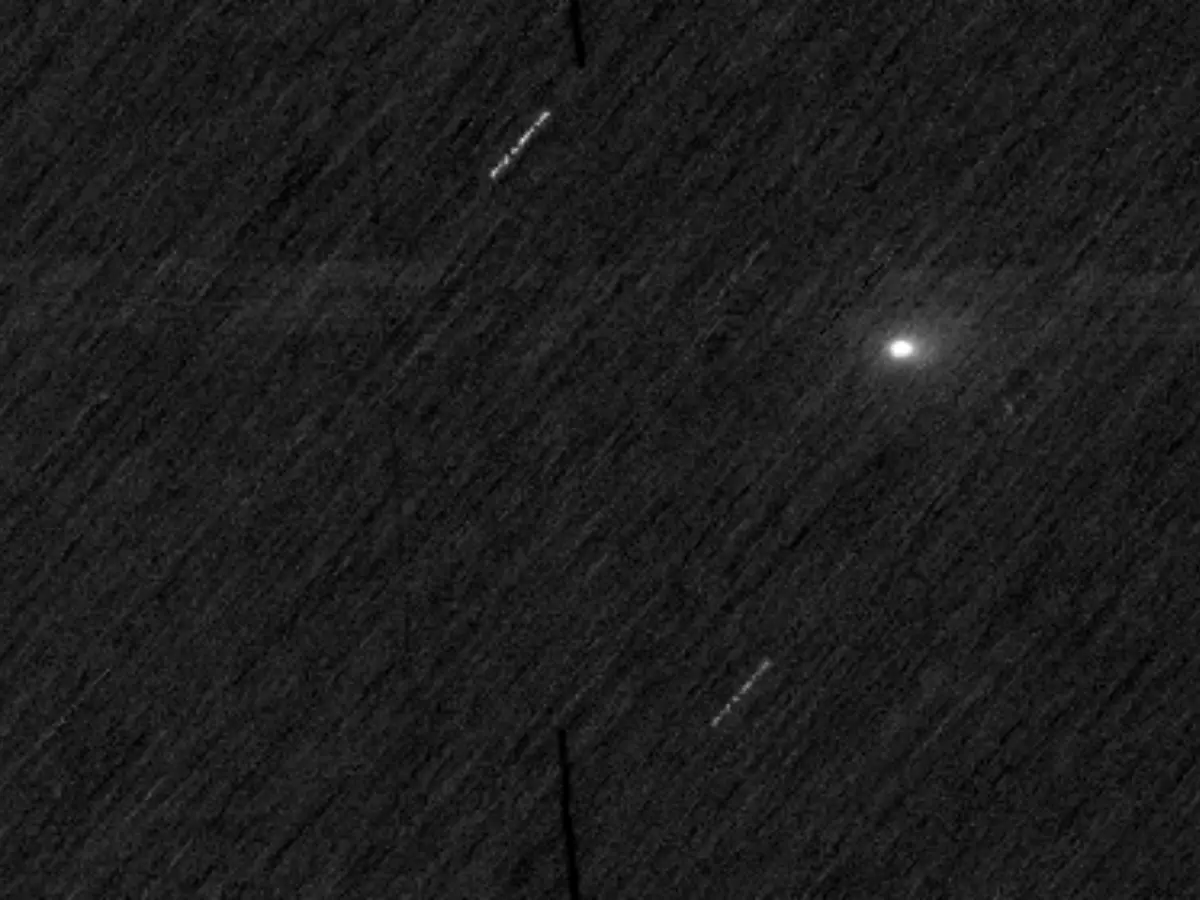
AI in Space Missions
NASA’s James Webb Telescope and ESA’s Mars Express employ AI to improve their observations. AI helps to filter noise and focus on important signals like 3I/ATLAS’s glow. These innovations allow scientists to observe smaller details, even from billions of miles away.

Future of AI in Astronomy
As AI technology advances, future telescopes will be able to detect objects millions of times fainter and faster. AI will also enable autonomous decision-making, allowing space telescopes to react instantly and track objects like 3I/ATLAS without human help.
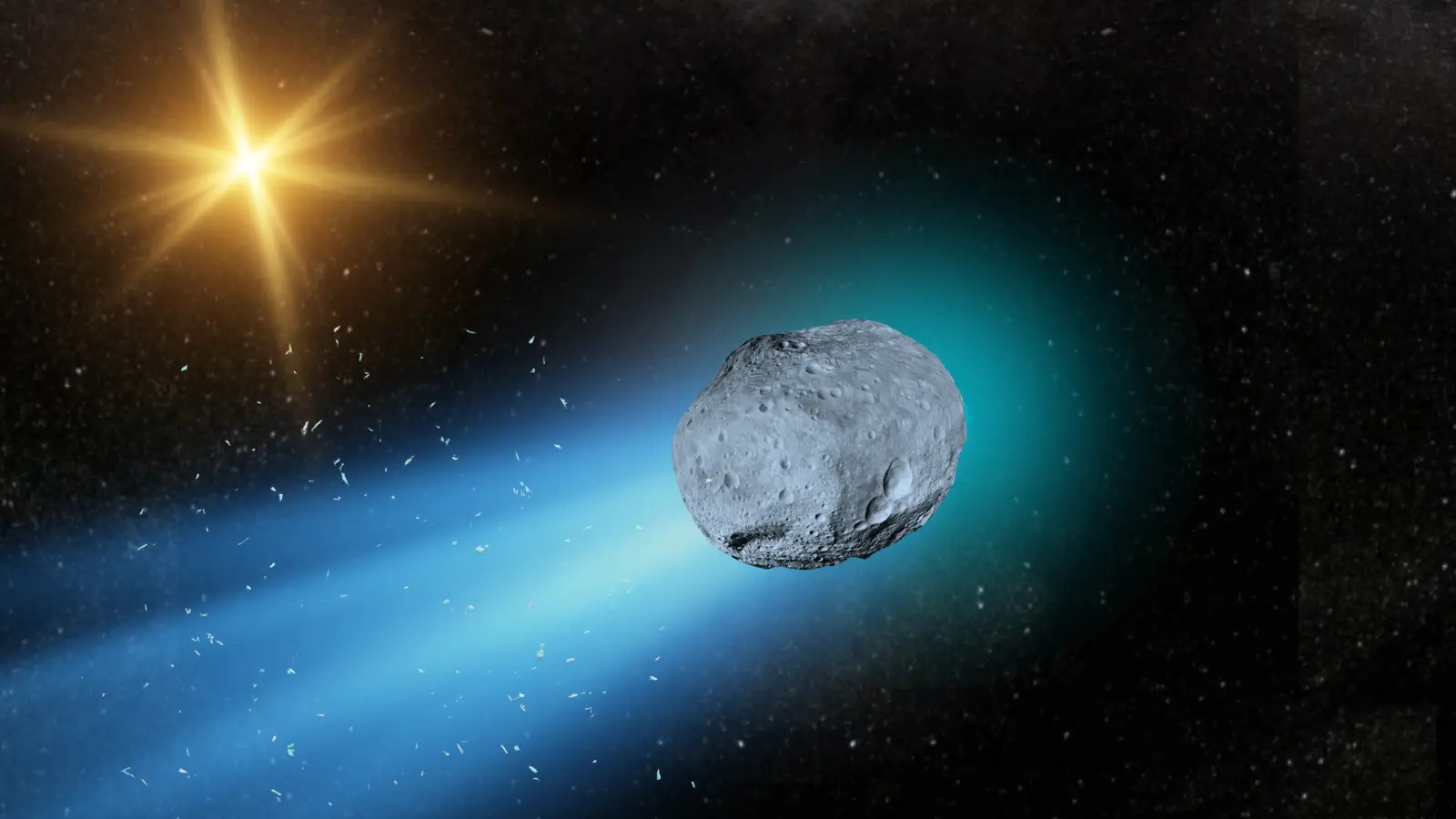
Why This Matters
Using AI to predict and track interstellar objects like 3I/ATLAS helps scientists understand the universe better. It also improves our ability to detect dangerous space rocks early, potentially saving lives in the future. AI is helping make space safer and more understandable.
)
)
)
)
)