How AI is influencing chip design at NVIDIA and Qualcomm

NVIDIA and Qualcomm are now using AI to help design faster, smarter chips. With tools like ChipNeMo and on-device AI, they’re speeding up development and cutting errors, signalling a major shift in how processors are built for the AI age.
Artificial intelligence is changing chip design
Artificial intelligence is changing how leading chip makers like NVIDIA and Qualcomm design their processors. Both companies have moved towards using their own advanced AI tools to automate parts of the chip creation process, as confirmed by official reports and industry news.
ChipNeMo
NVIDIA has developed its own generative AI model, ChipNeMo, to help its engineers in chip design. ChipNeMo uses company data to support code generation, analyse chip layouts, and even answer technical questions, saving time on tasks that used to take teams of engineers.

ChipNeMo helps by quickly producing design code
According to The Wall Street Journal and NVIDIA’s engineers, ChipNeMo helps by quickly producing design code, finding errors, and optimising firmware. This means chips like the latest GPU models can be developed and launched faster to meet global demand.

Qualcomm is focusing on on-device AI capabilities
Qualcomm is focusing on on-device AI capabilities, including using AI to test and build their Oryon processors for mobile and PC chips. Their Snapdragon 8 Elite Gen 5 and AI Hub platform allow for real-time performance, allowing new chips to handle complex AI tasks directly on devices.
Qualcomm’s AI design
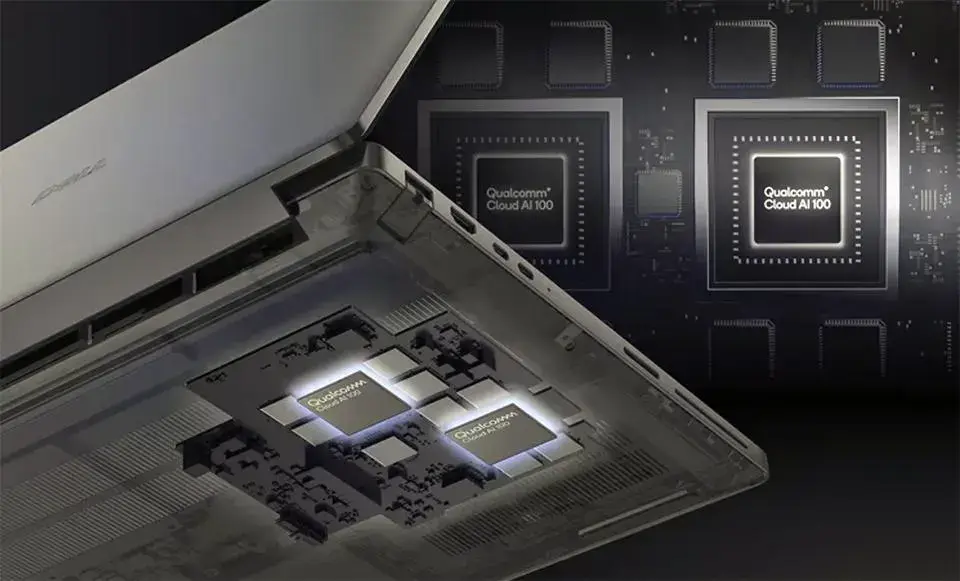
Qualcomm’s AI design ecosystem includes tools for developers to bring their own AI models, compress and optimise them for chip hardware, and run real-life testing without special hardware. Their goal is to speed up hardware innovation and make AI features more efficient for everyone.

NVIDIA and Qualcomm use machine learning
Both NVIDIA and Qualcomm use machine learning for simulation, testing, and static timing analysis, helping detect weaknesses before chips are made. AI predicts and fixes issues during design, so fewer problems show up in finished processors.

AI-designed chips
This AI-driven approach means faster launches, improved reliability, and chips made for the fast-changing world of AI itself. As AI advances, companies expect fully AI-designed chips to become the new standard so users get better performance and new features sooner.
)
)
)
)
)