How AI is changing space missions and helping astronauts explore further

AI is becoming essential for space missions, helping with navigation, health, repairs, and mental well-being. From robotic assistants to mission planning tools, AI will support astronauts on deep space journeys, including future Mars missions.
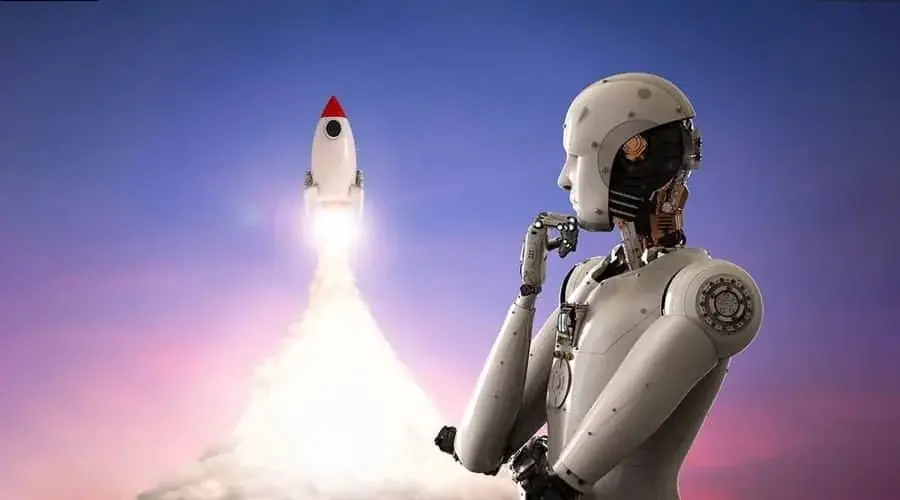
AI is needed in space
Deep space missions face big challenges: long distance, communication delay, and harsh environments. AI is already helping by doing complex calculations, running life support systems, and monitoring crew health without constant help from Earth.
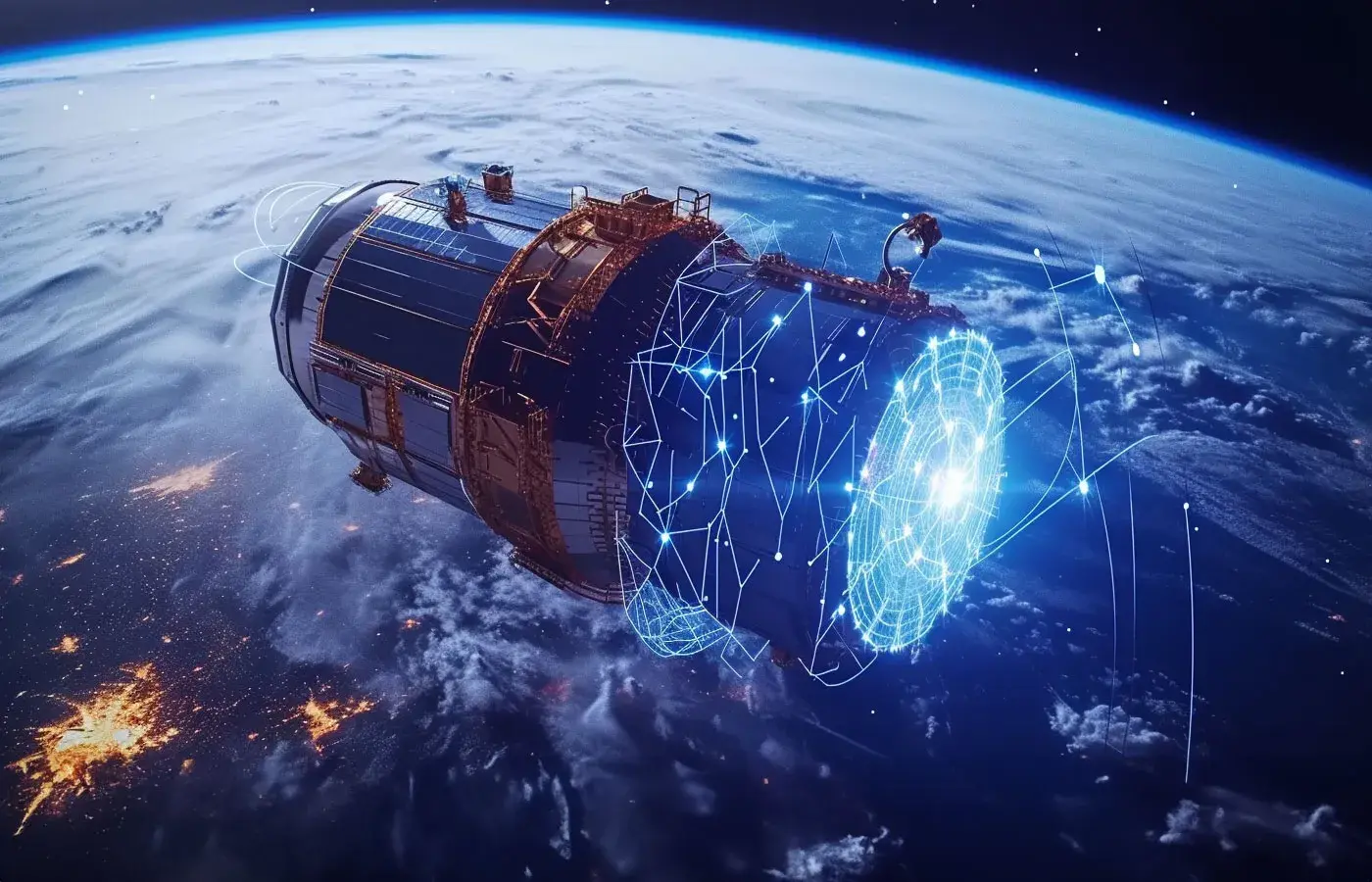
AI-powered medical assistants
NASA and Google are testing AI tools that can diagnose and treat astronauts remotely. These assistants can analyse symptoms quickly, recommend treatment, and even help with mental health support during long journeys.
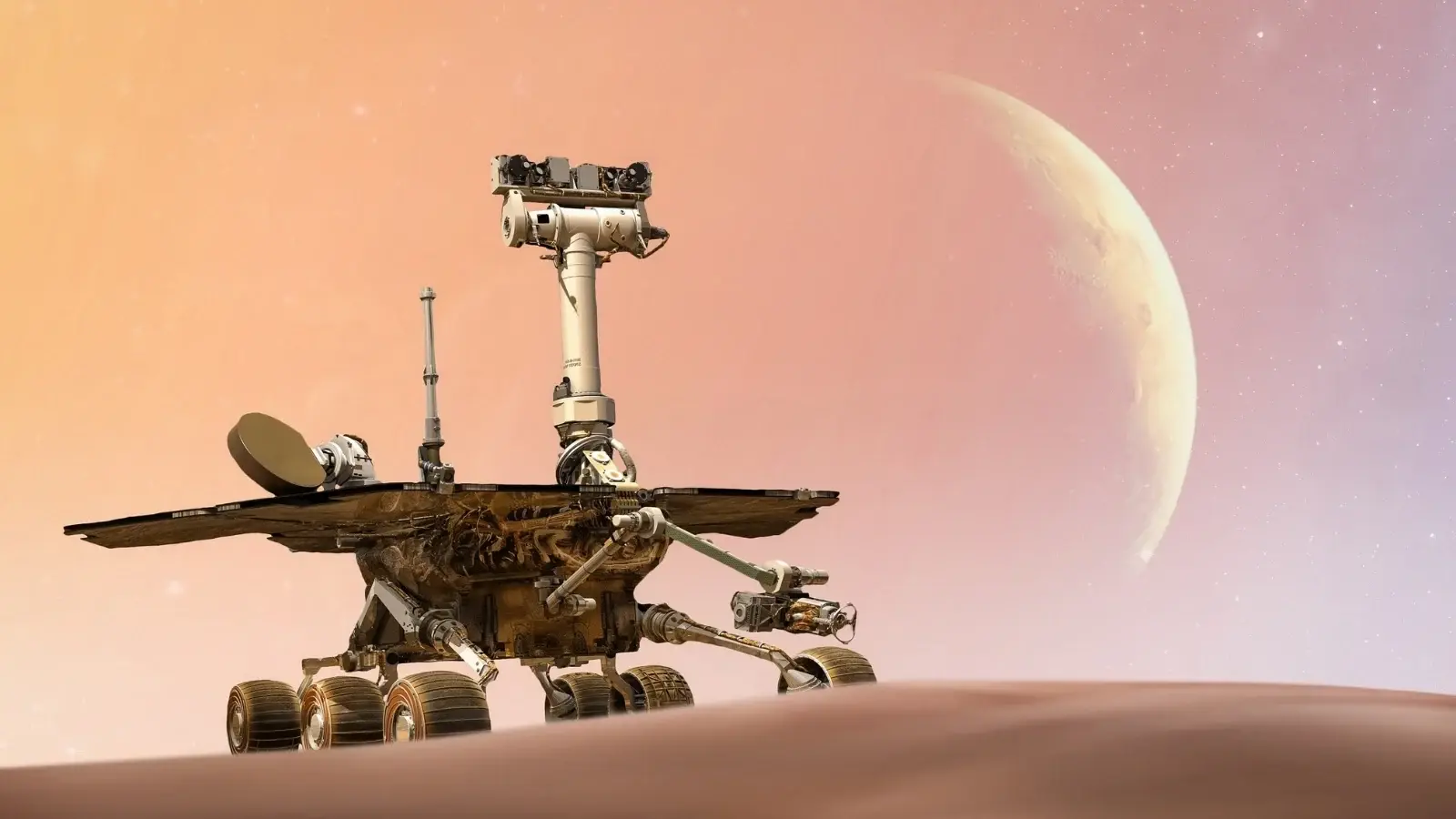
Robotics and AI companions
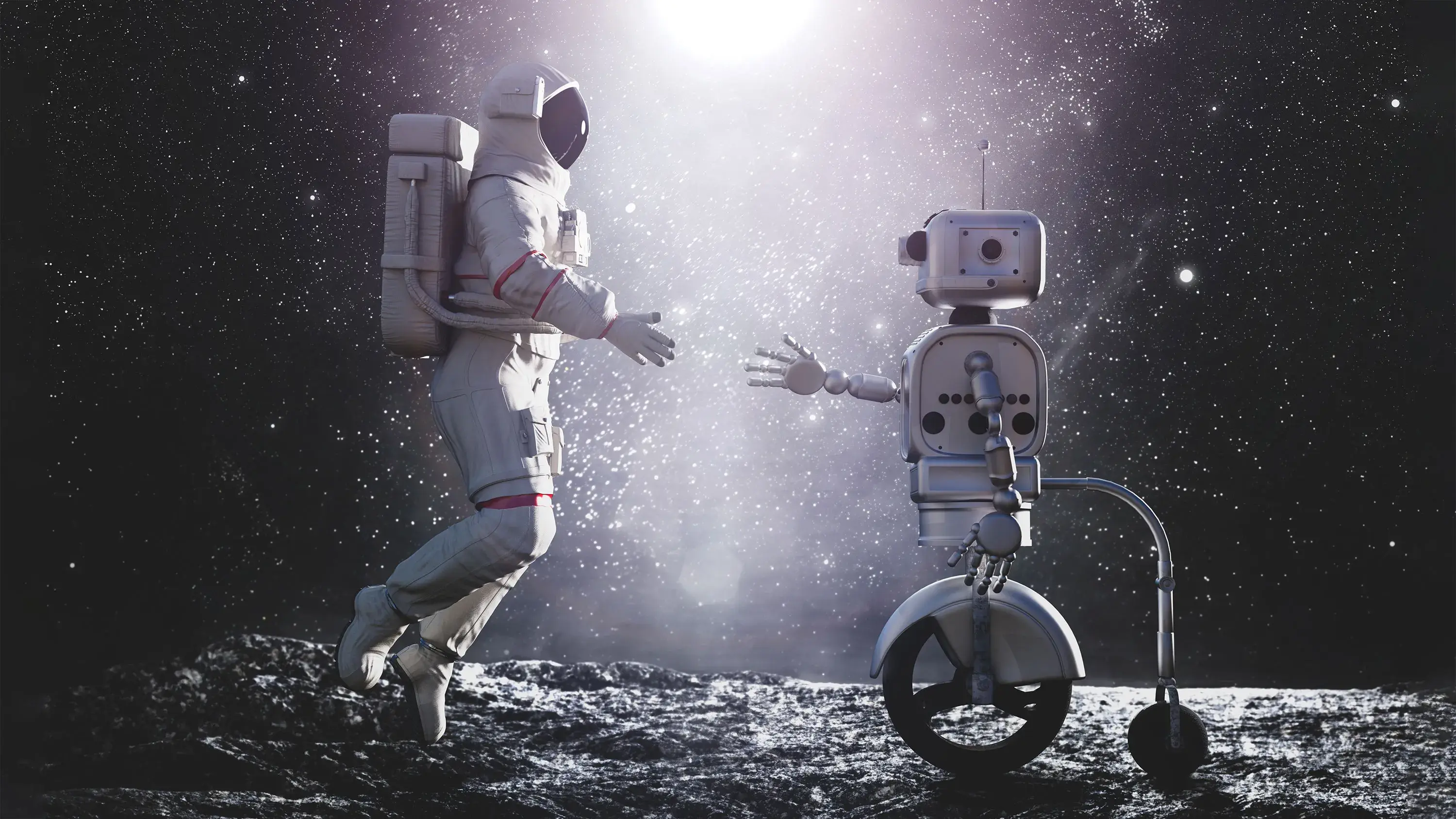
AI robots can perform tasks in space that are too risky or complex for humans, like repairs, monitoring, and navigating harsh terrains. NASA uses autonomous rovers with AI to explore Mars safely, and future missions will rely even more on such machines.
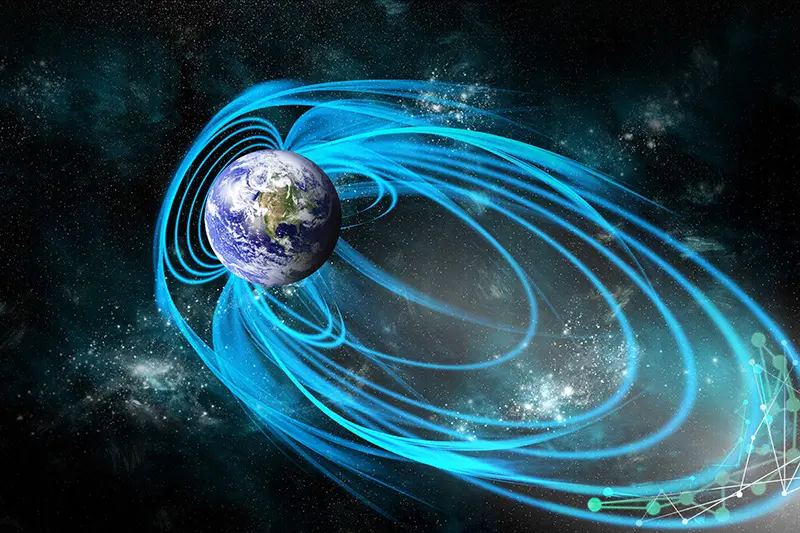
Navigation and flight safety
AI algorithms analyse space weather, trajectory, and system data to predict hazards like solar storms or meteor strikes. This helps spacecraft change course or take safety measures early, enhancing mission success and crew safety.
Training and simulation
AI powers advanced simulators that train astronauts to handle emergencies and complex space tasks. It also helps design missions by simulating many “what if” scenarios, helping plan for all possible risks before launch.
Mental health and wellbeing
AI tools use emotion recognition and sentiment analysis to monitor astronaut mental health. They can detect stress signs early and suggest personalised activities or alert mission control for help, keeping crews psychologically fit.
The future with AI and humans
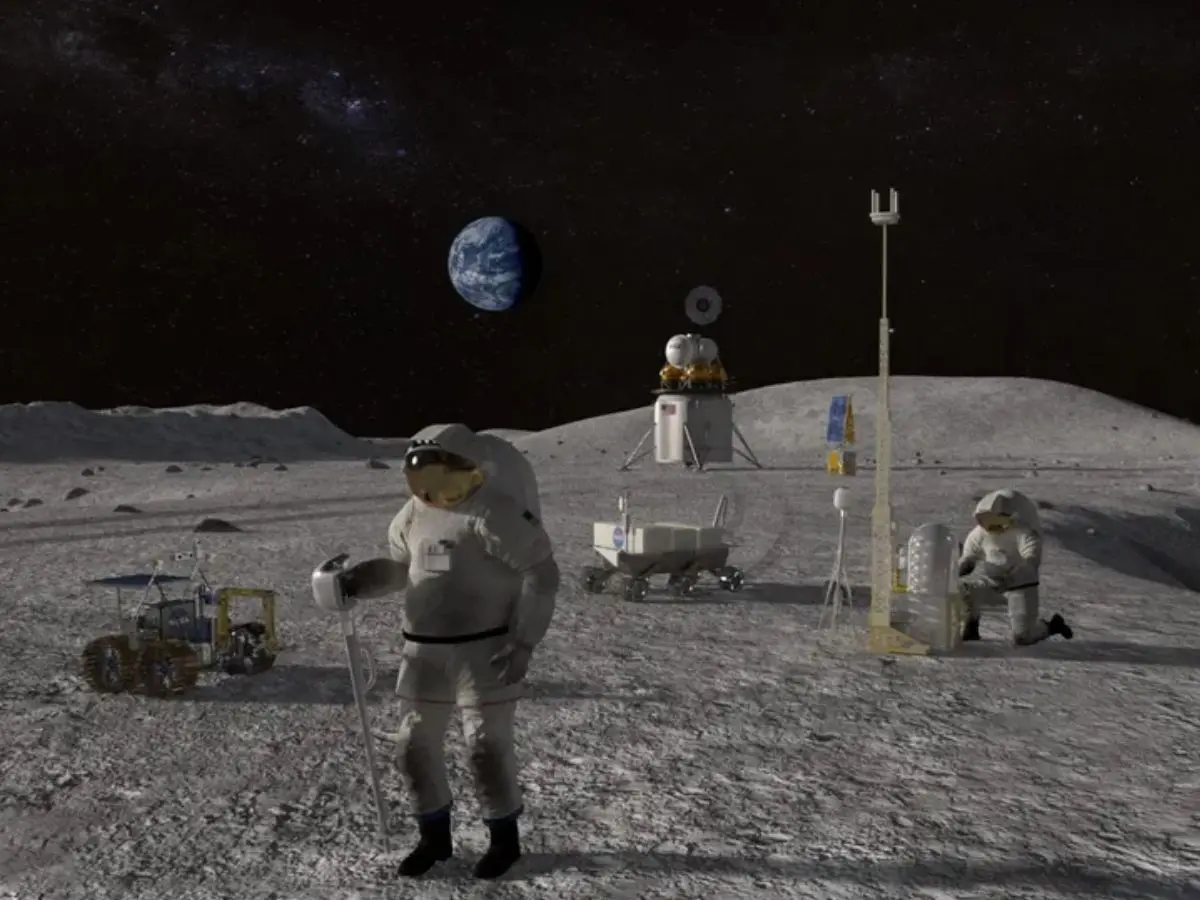
AI does not replace astronauts but works alongside them. It will become an essential “space crew member,” handling routine work and emergencies while freeing humans to focus on mission goals. This partnership is key to exploring Mars and beyond.
)
)
)
)
)