How AI and 3D printing could build cities in space?

From the Moon to Mars, experts believe AI could manage resources, plan out cities and build habitats possibly within our lifetime. Curious what’s next? Know more below.
What’s the big idea?
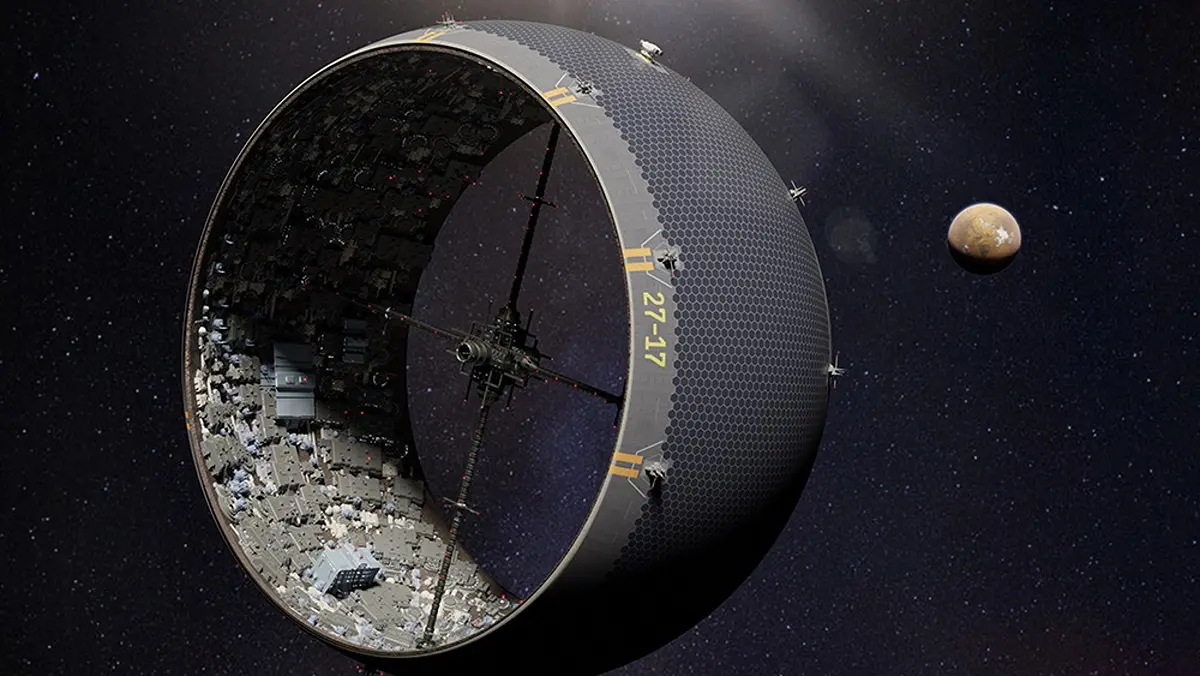
Building cities in space is now more than science fiction. Space agencies and private firms are testing AI-powered robots and self-building systems that may create homes, labs and factories on the Moon or Mars. These systems rely on smart sensors and learning algorithms to design and build structures without human hands.

AI-driven design and planning
AI can analyse a planet’s surface, local resources and environmental risks, then generate city layouts tailored for life in space. These design platforms help plan for energy use, light, shielding and transport, ensuring every building fits the extreme environment.

Robots and 3D printing on site
Self-building robots, guided by AI, can use local lunar or Martian materials to print shelters and roads. Research teams have already printed habitats in under 24 hours using AI-guided 3D printers, reducing costs and speeds compared to Earth’s building sites.

Self-assembling and adaptive materials
New smart materials can adapt to harsh space climates and even repair themselves. Experimental AI-driven modules are sent to the Moon, where they reconfigure into different tools or shelter shapes on arrival, making use of local dust and rocks for building.
Autonomous supply chains and mining
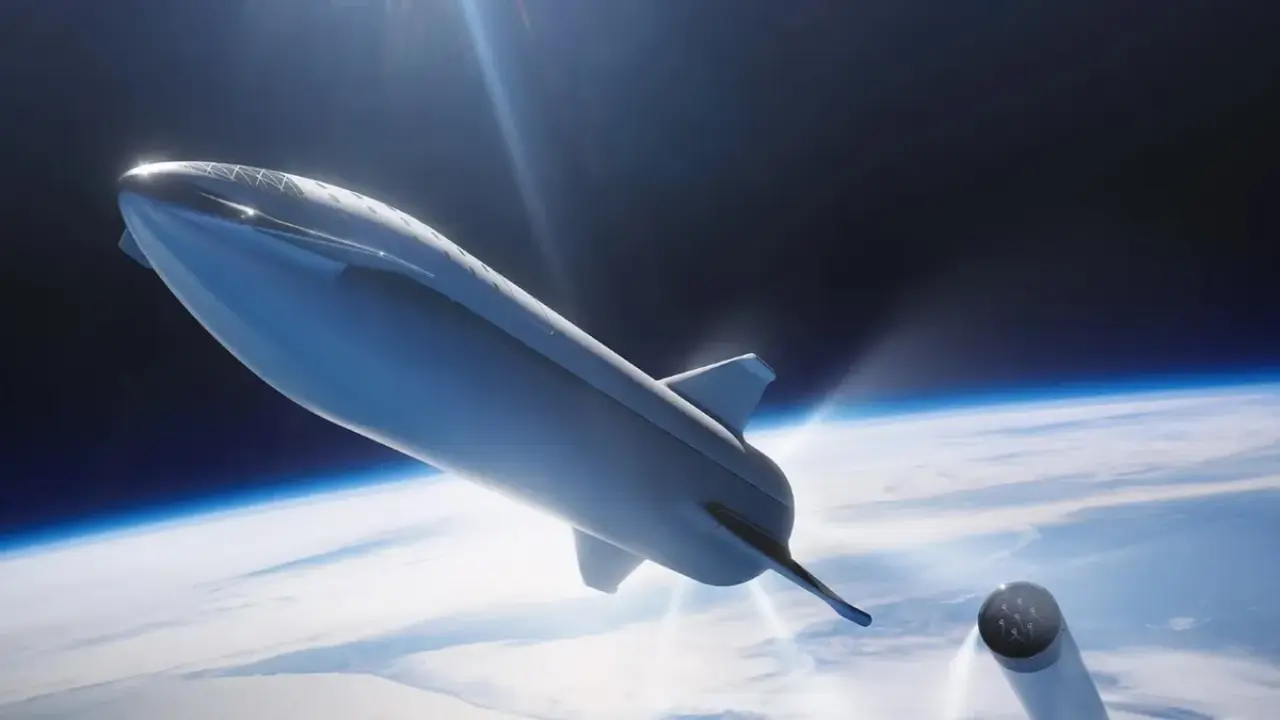
AI-enabled systems will scan for water, metals and fuel sources before humans land, then start extracting and storing these essentials. AI can run mining machines, set up energy plants, and ensure all necessary supplies reach the right place at the right time for city life.
Managing habitats and life support
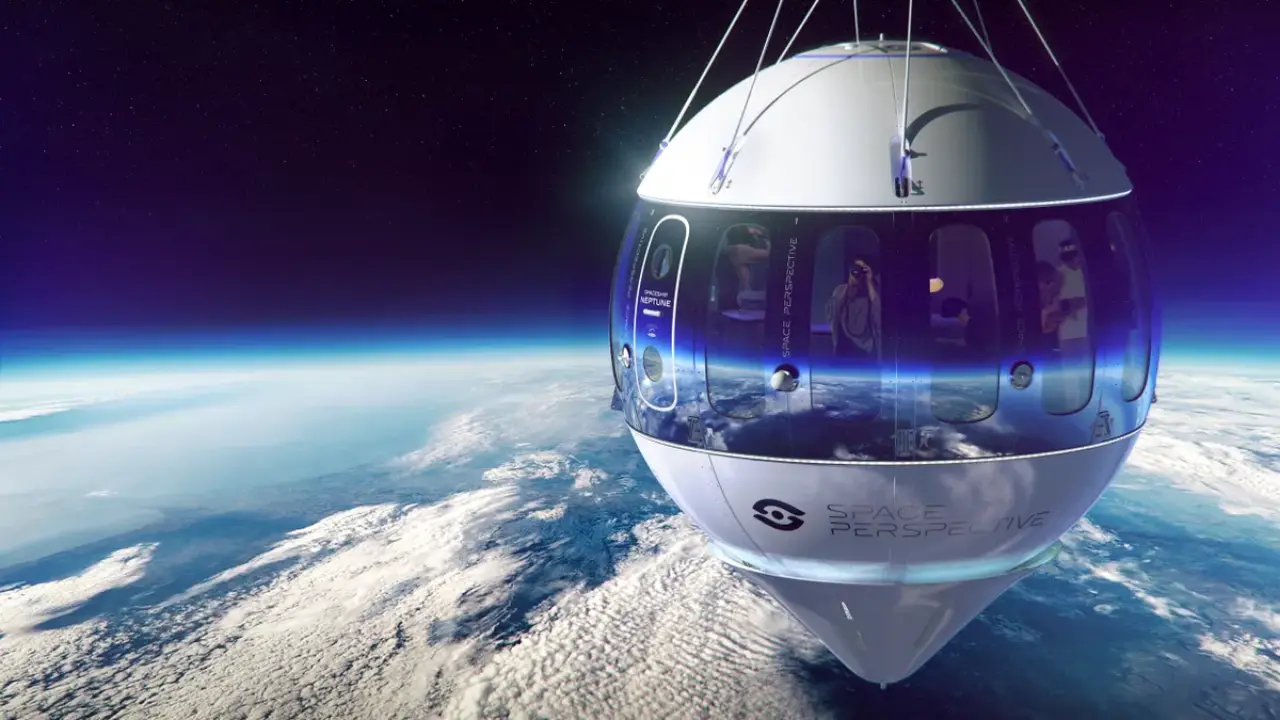
AI will monitor temperature, oxygen, water and energy, keeping space cities safe and efficient. With learning abilities, these autonomous systems optimise heating, cooling, and repairs similar to today’s smart buildings, but on a huge scale.
Challenges and ethical questions
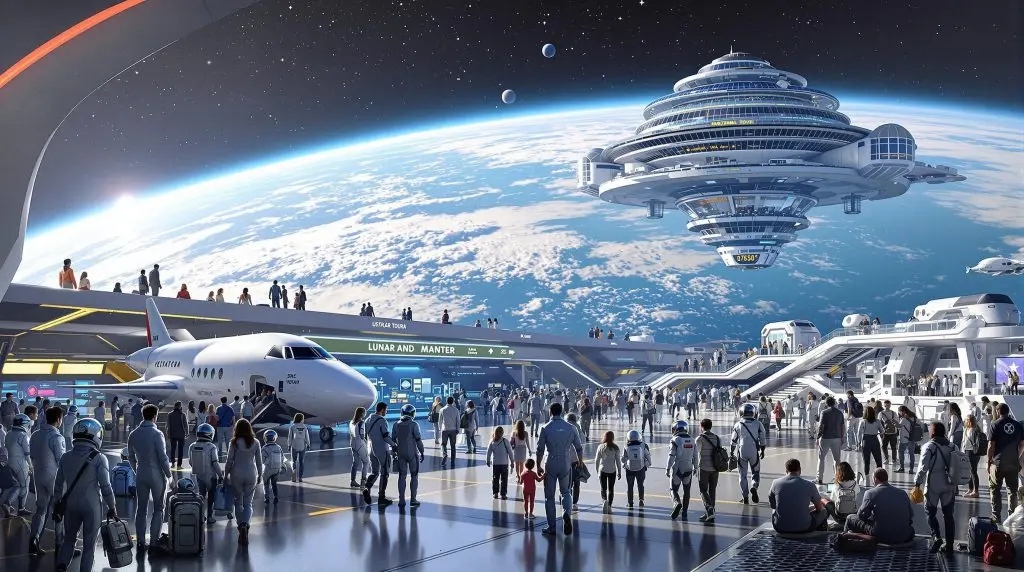
AI in space construction faces risks and debates. Machine errors, space hazards and programming bugs could cause big problems. Experts say humans must set the rules, oversee operations and ensure ethical use. Safety and trust in AI remain critical for future space colonies.
)
)
)
)
)