How Agni-V strengthens India’s long-term deterrence posture amid China-Pakistan missile modernisation

Agni-V’s long reach, MIRV payload and mobile launch systems give India a powerful second-strike shield against China and Pakistan. Backed by a nuclear triad, extreme speeds and confirmed operational tests, its role in India’s wider deterrence strategy is far larger than most realise.
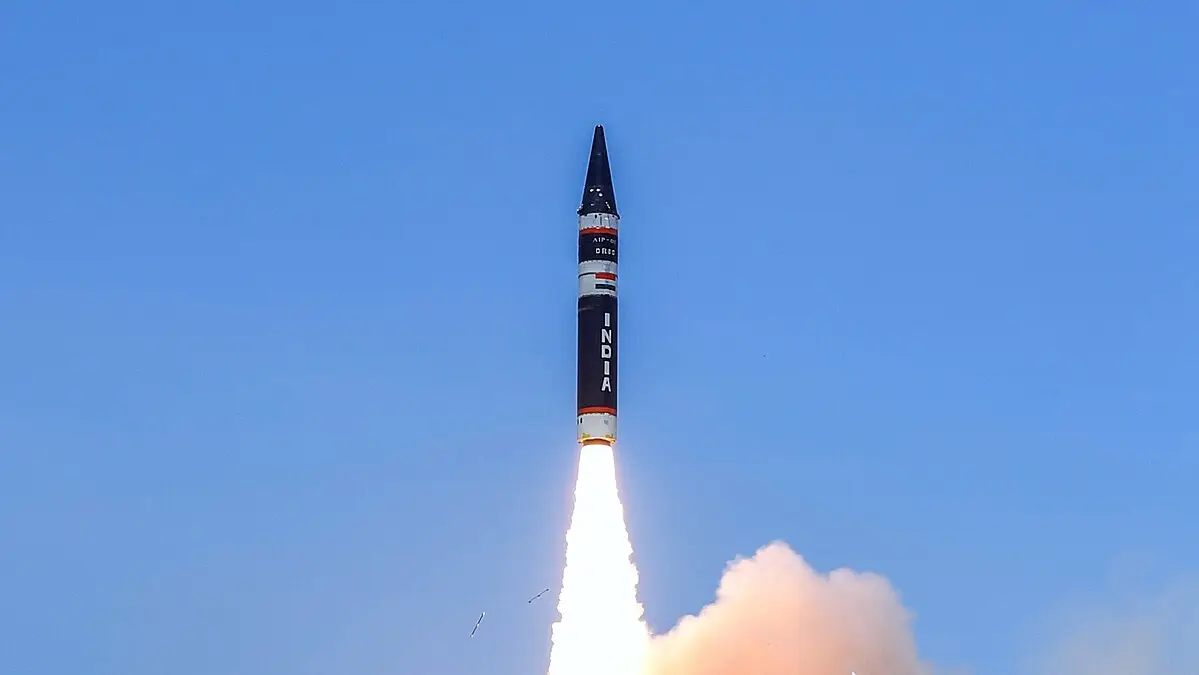
Agni-V Covers All Chinese Territory Strategically
India's Agni-V reaches 5,000-8,000 kilometres, enabling strikes across China's entire landmass from Indian territory. This provides what military strategists call "credible deterrence" the ability to retaliate after surviving a first strike. Coverage extends to Beijing, Shanghai, and all major Chinese cities.
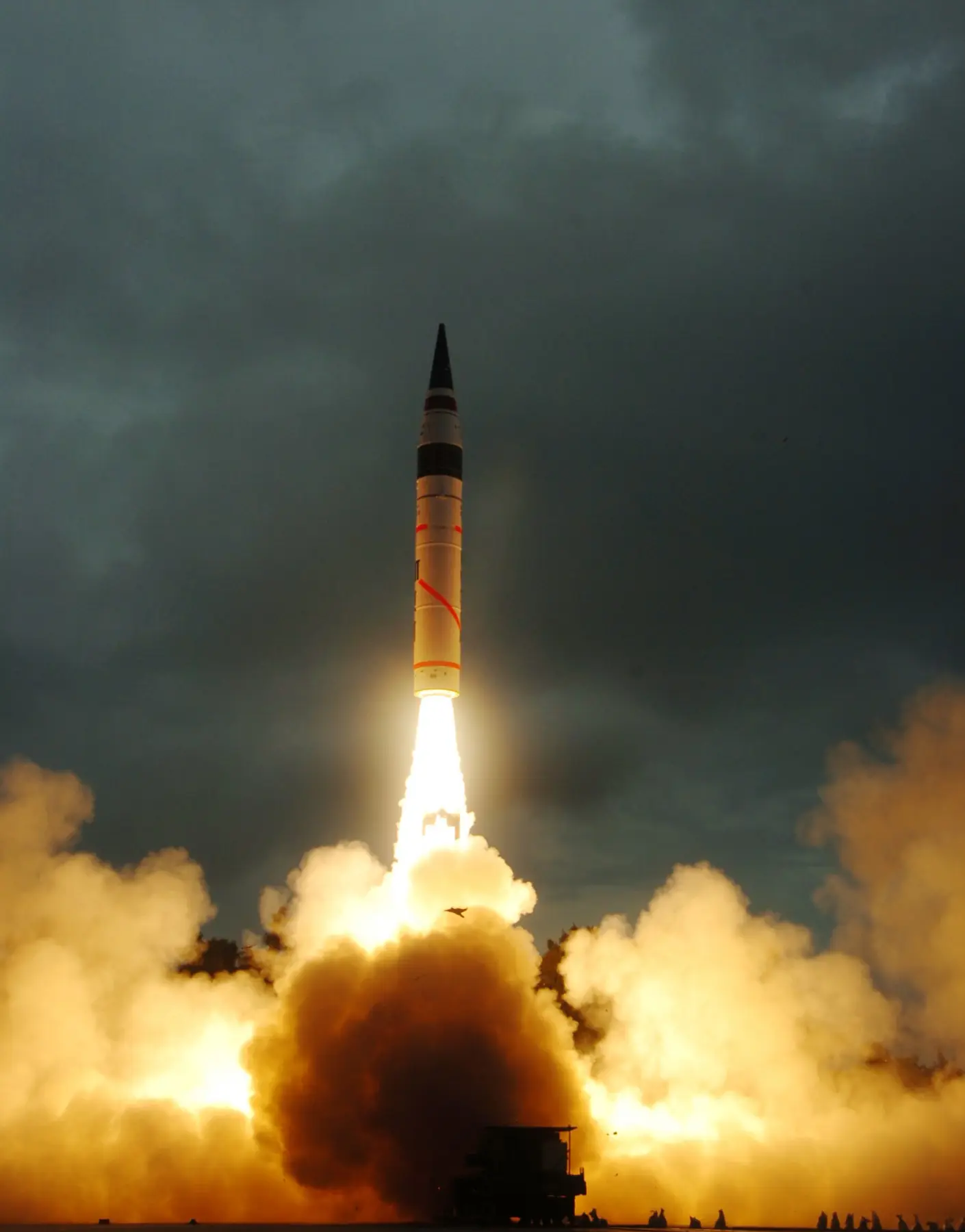
No-First-Use Policy Requires Second-Strike Guarantee
India formally committed to a no-first-use nuclear doctrine after Pokhran-II tests in 1998. This policy requires survivable second-strike capability to deter both China and Pakistan. Agni-V's mobility, road-based deployment, and MIRV capability ensure that even after an attack, India retains retaliatory capacity.
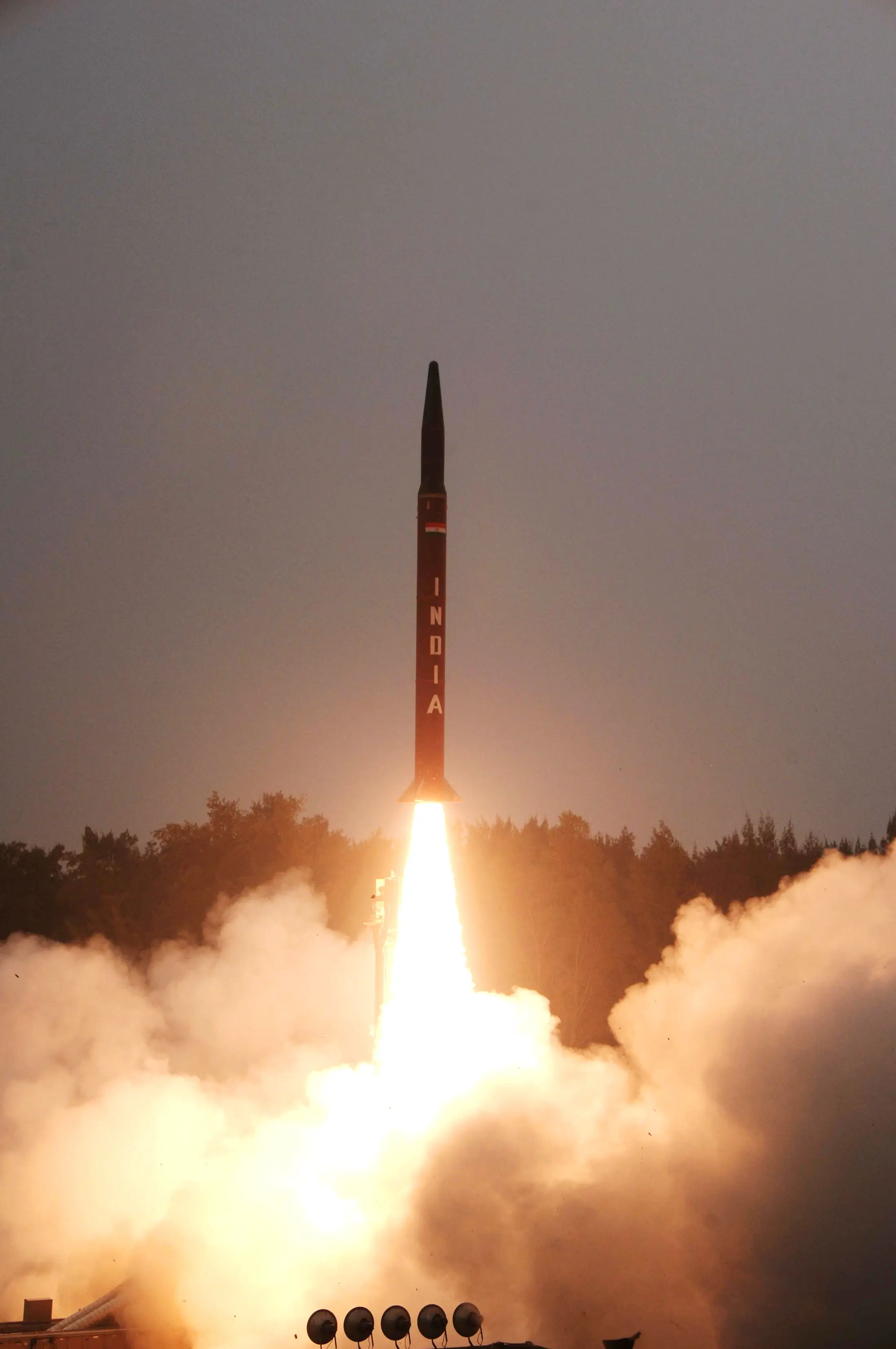
MIRV Capability Delivers 10-12 Warheads From One Missile
August 2025's successful MIRV test validated Agni-V carrying 10-12 independently targetable warheads. This multiplies strike capacity without proportionally increasing missiles, overwhelming potential missile defences and making interception far more difficult.
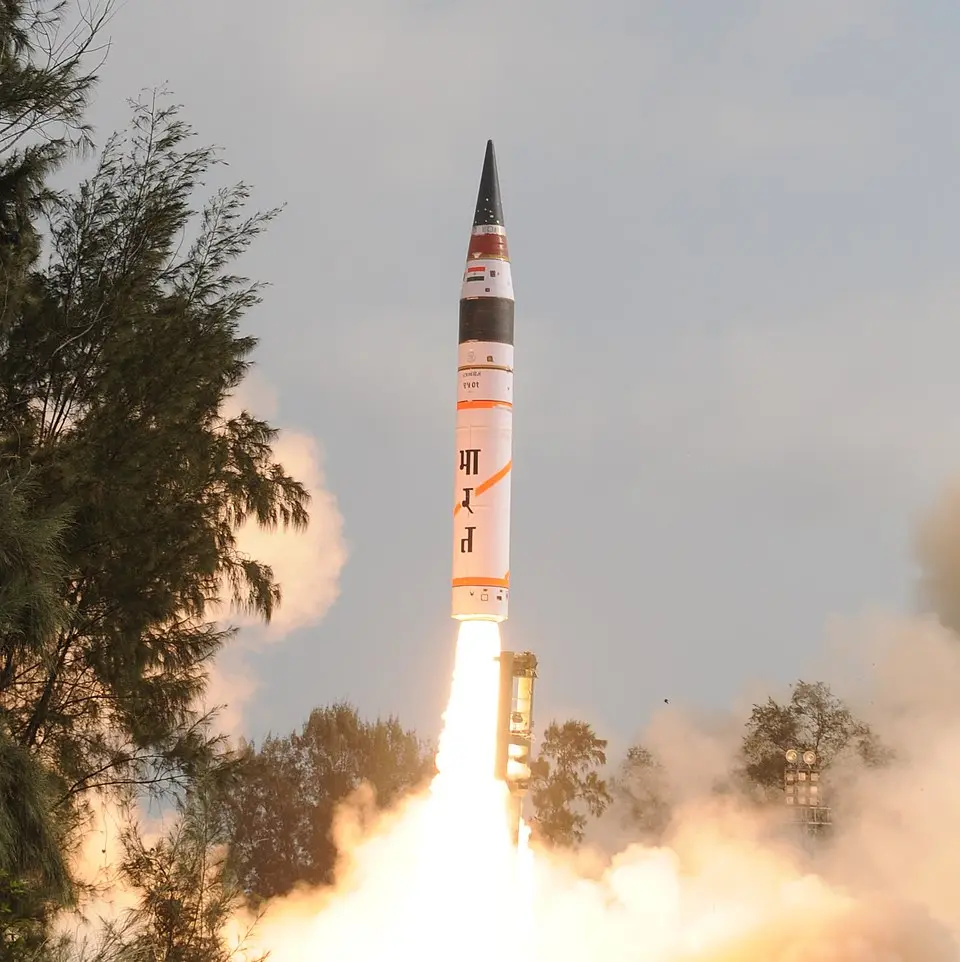
China Provides 81% of Pakistan's Military Equipment
Between 2020 and 2025, China supplied 81 per cent of Pakistan's arms imports, including advanced fighter jets, air defence systems, and cruise missiles. This coordinated modernisation by both adversaries directly drove India's Agni-V development acceleration.
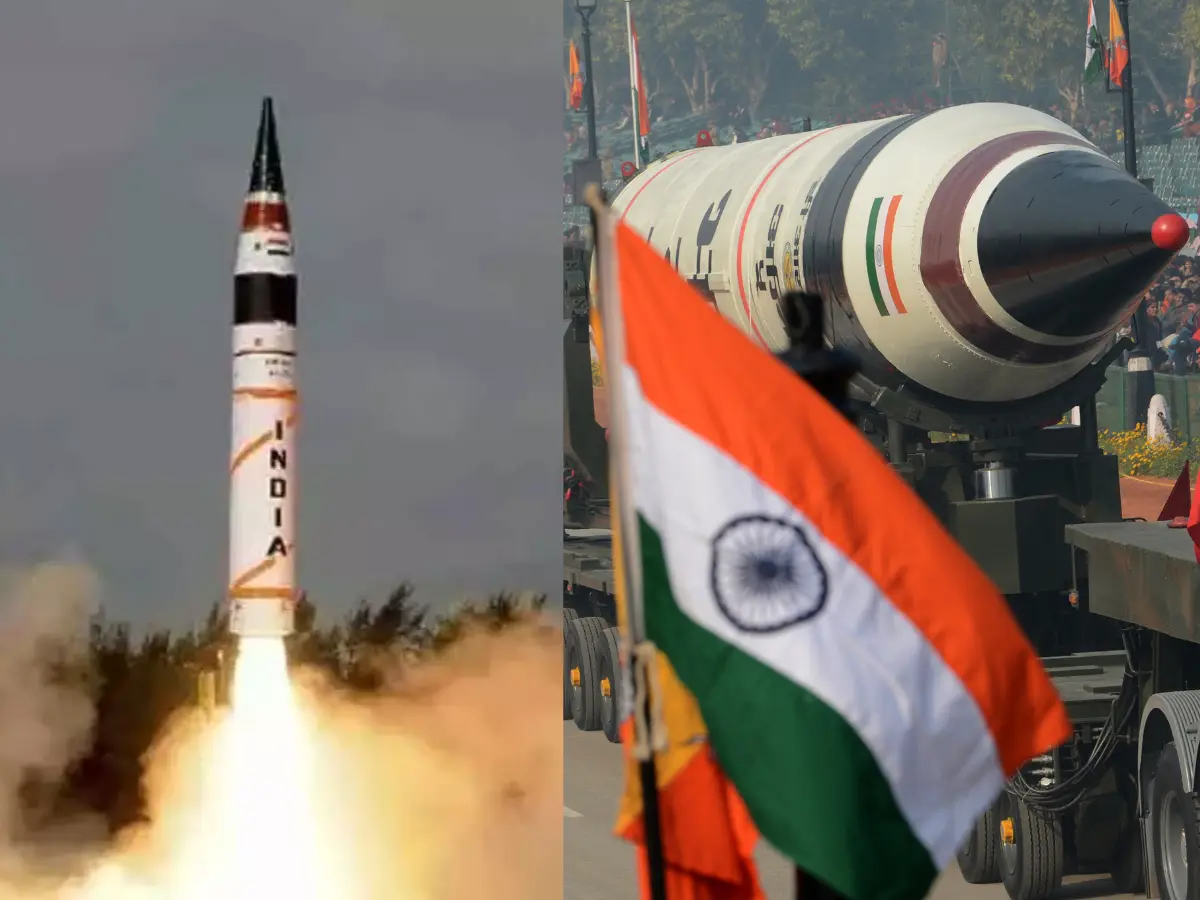
MIRV Joins Agni-V to Exclusive Club of Five Nations
Only the United States, Russia, China, France, and the United Kingdom previously possessed confirmed MIRV capability. India's 2024-2025 MIRV demonstrations elevated India into this exclusive strategic club, marking major technological achievement.
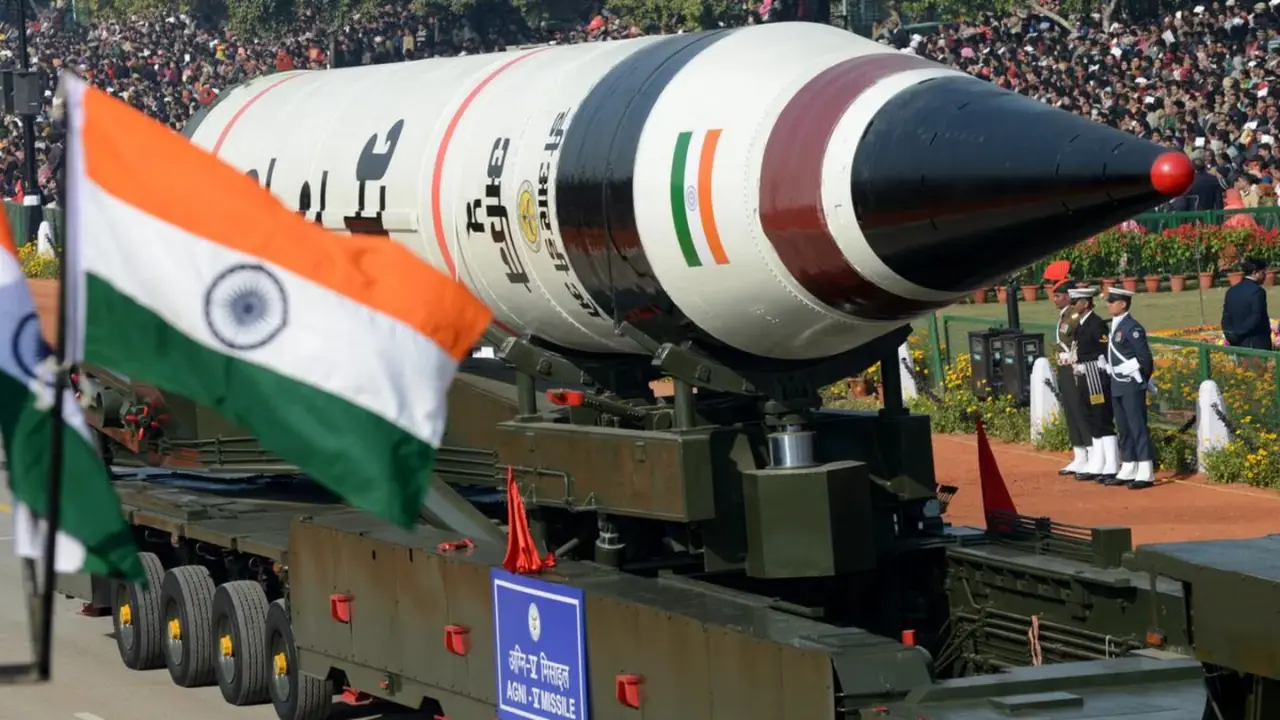
Canister Launch Ensures Survivability and Rapid Deployment
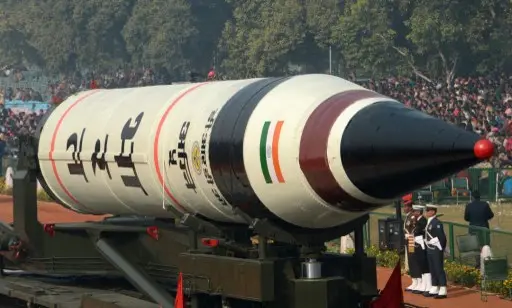
Agni-V deploys from road-mobile canister systems, enabling deployment from secure locations and rapid launch. This prevents adversaries from destroying missiles in silos during first strikes, critical for maintaining second-strike viability.
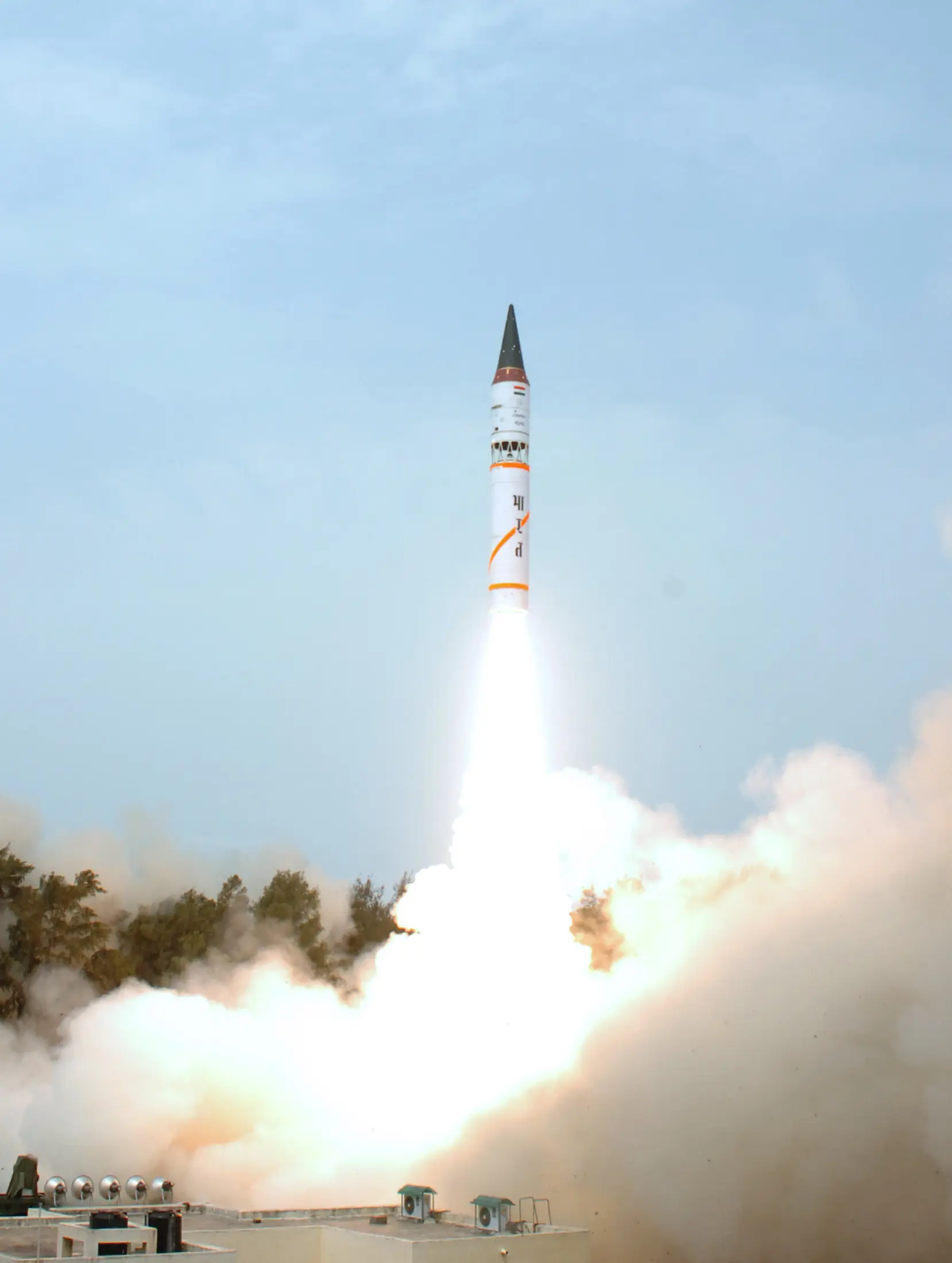
Three-Stage Solid Propulsion Enables 9,800+ kmph Terminal Speed
Three-stage solid rocket propulsion reaches Mach 24 velocity (29,400 kmph) at terminal phase. This extreme speed makes interception by missile defences extremely difficult, ensuring reliable warhead delivery despite sophisticated defences.
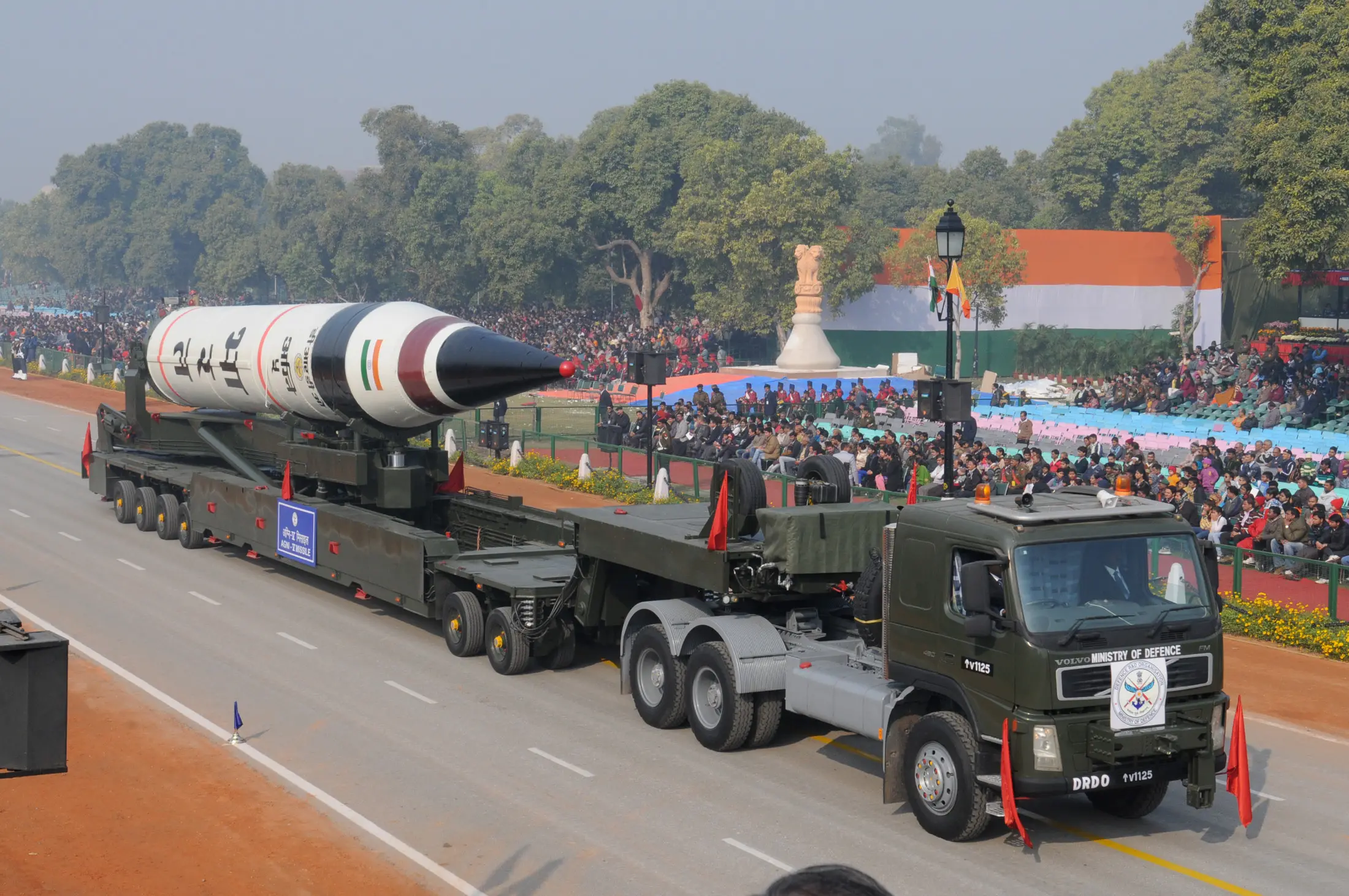
Strategic Forces Command Tests Validate Full Operational Capability
August 20, 2025 test-fired by India's Strategic Forces Command confirmed all parameters met design specifications. Telemetry stations tracked multiple re-entry vehicles, validating complete MIRV integration and operational readiness.
K-Series Submarine Missiles Provide Nuclear Triad Resilience
India's K-15 (750 km), K-4 (3,500 km), and K-5 (5,000 km) submarine-launched missiles complement Agni-V land systems. This nuclear triad air, land, and sea-based deterrence ensures no first strike can eliminate India's retaliatory capacity regardless of initial damage.
)
)
)
)
)