How Agni-V’s aerodynamic design compares with Pakistan’s long-range missile architecture

Agni-V’s sleek, three-stage design cuts drag 35%, enabling Mach 24 terminal speed, longer range, and precise MIRV delivery. Shaheen-III blunter, heavier design limits speed and flexibility. Aerodynamics, stage separation, and surface tech give India a strategic edge over Pakistan’s missiles.
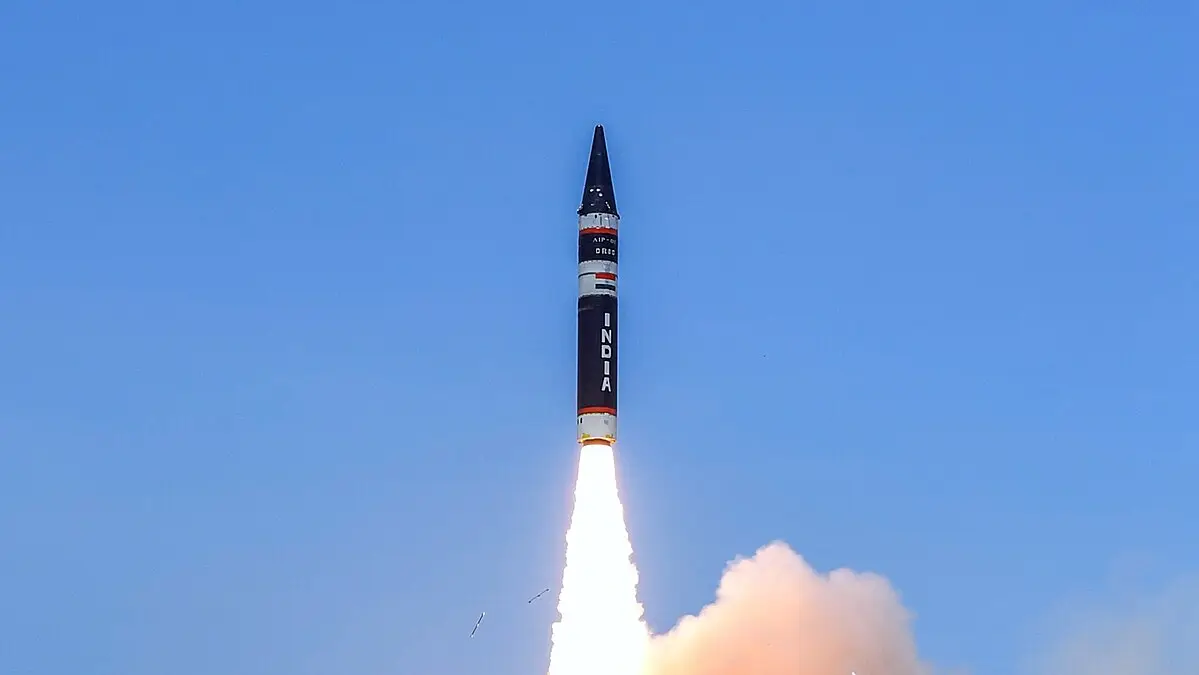
Agni-V's Sleek Design Reduces Drag by 35%
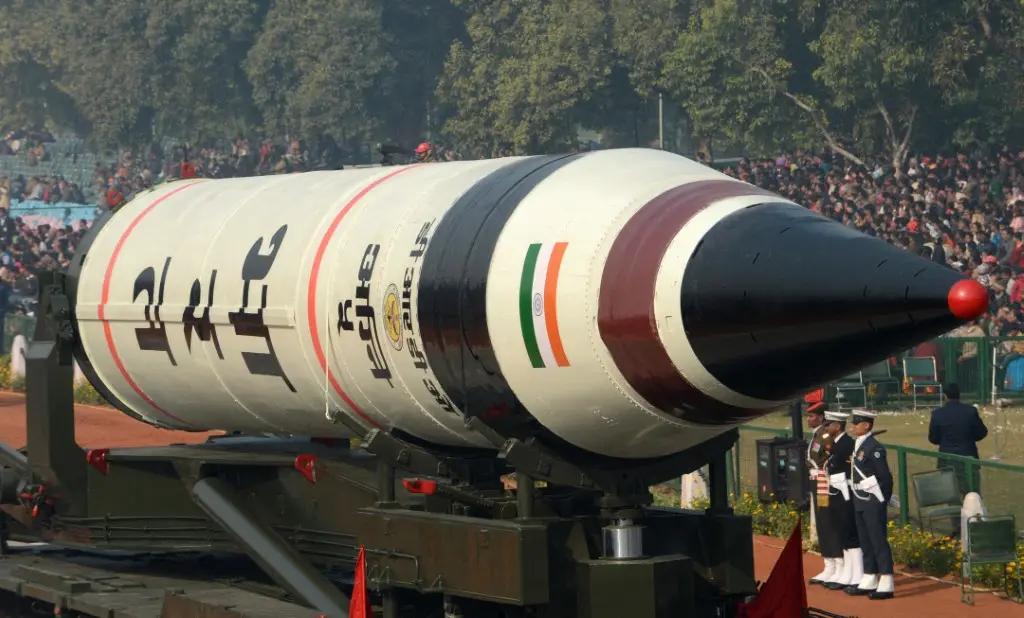
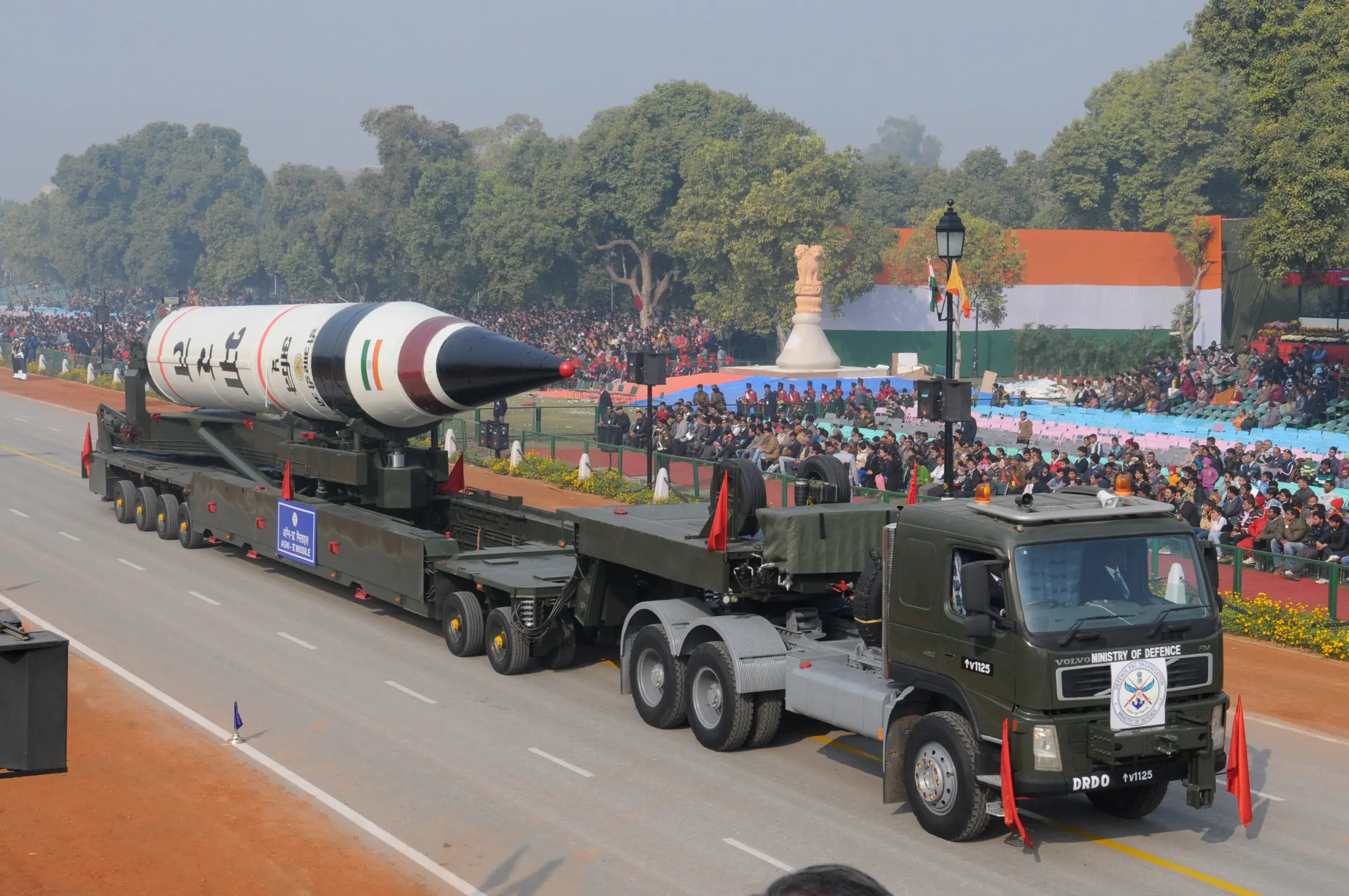
India's Agni-V features a streamlined three-stage design with tapered nose cone and aerodynamic body reducing drag coefficient significantly. Wind tunnel testing showed 35% drag reduction compared to earlier Agni variants. This efficiency enables higher speeds and longer range on the same fuel load.
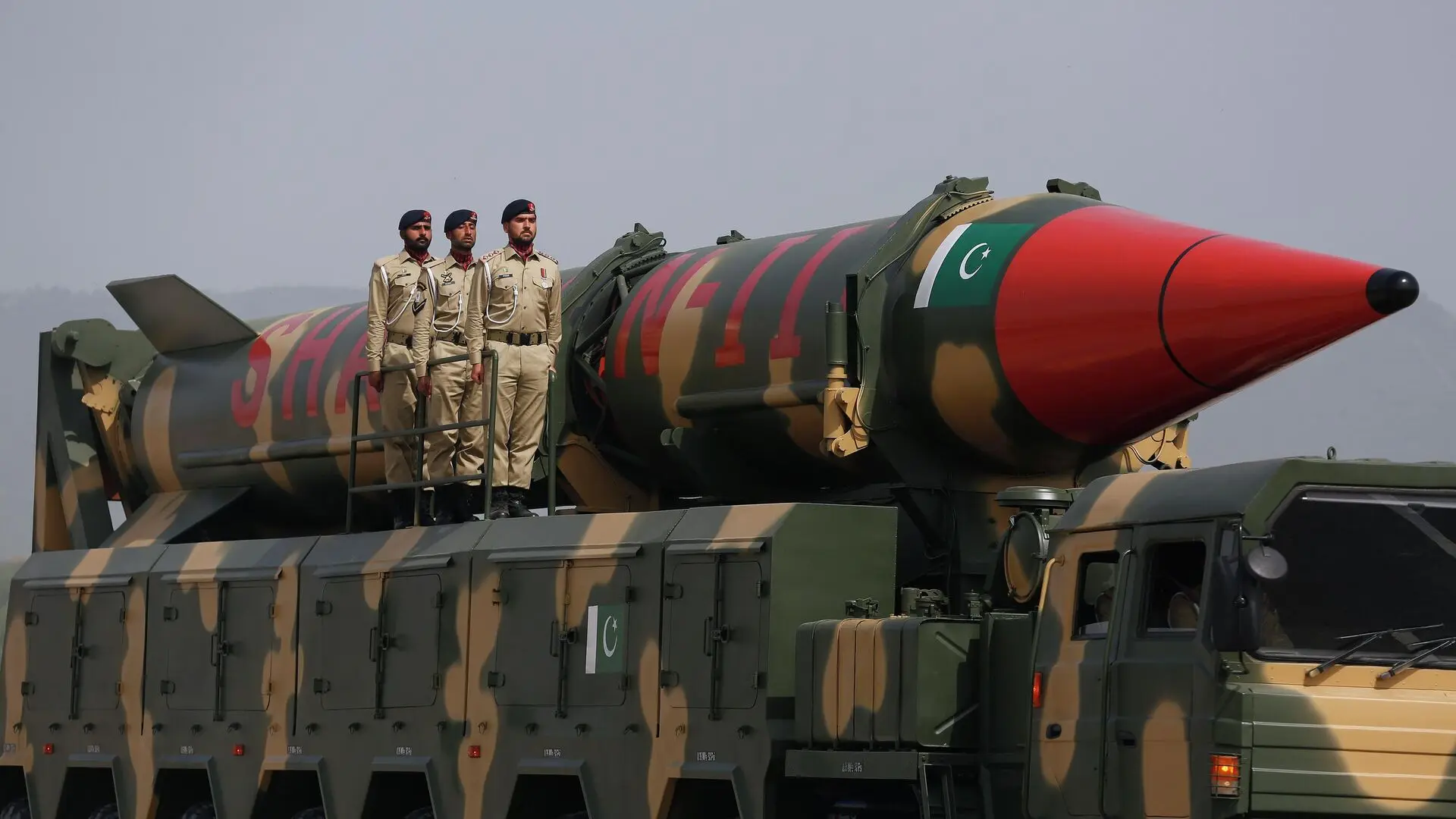
Shaheen-III Uses Blunter Design for Heavier Payload
Pakistan's Shaheen-III features a angular design prioritising internal volume for heavier warhead capacity over aerodynamic efficiency. The blunt nose accommodates 2,750 kilogrammes payload.
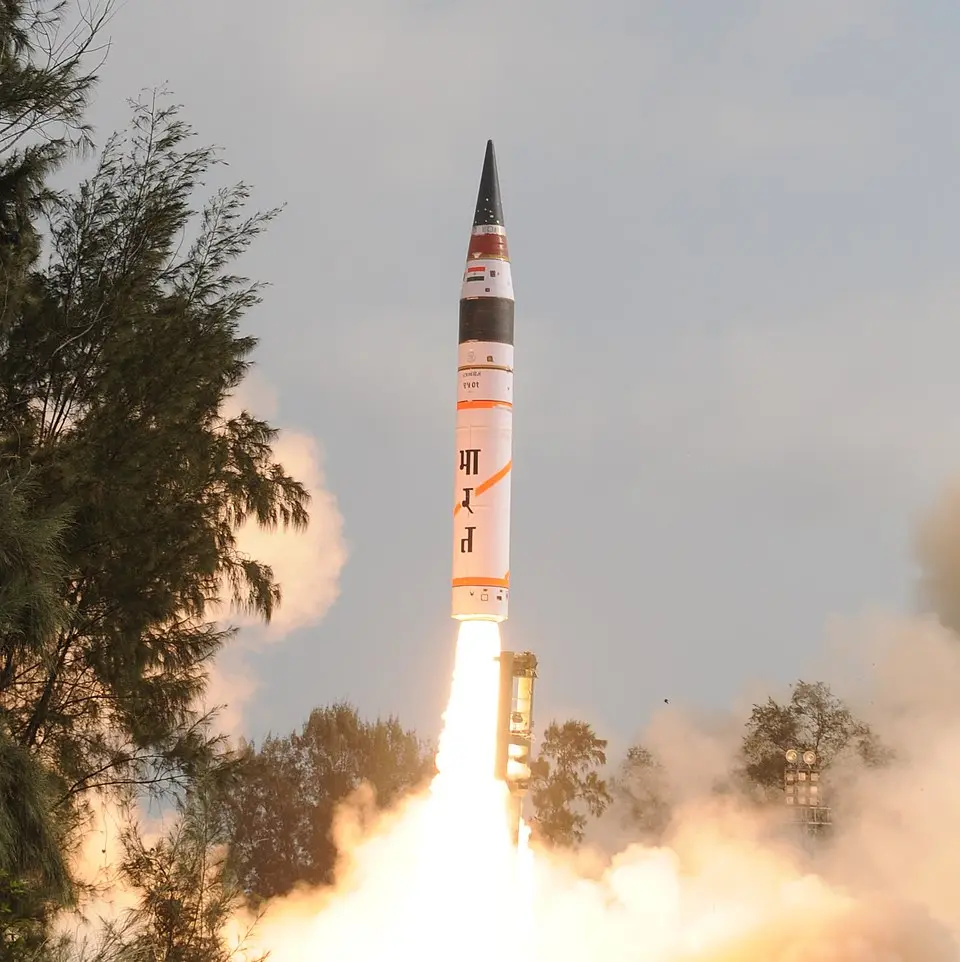
Three-Stage vs Two-Stage Propulsion Architecture
Agni-V's three-stage solid rocket design enables efficient acceleration phases and better altitude control. Shaheen-III's simpler two-stage configuration reduces complexity but provides less trajectory flexibility during re-entry phases when precise warhead placement becomes critical.
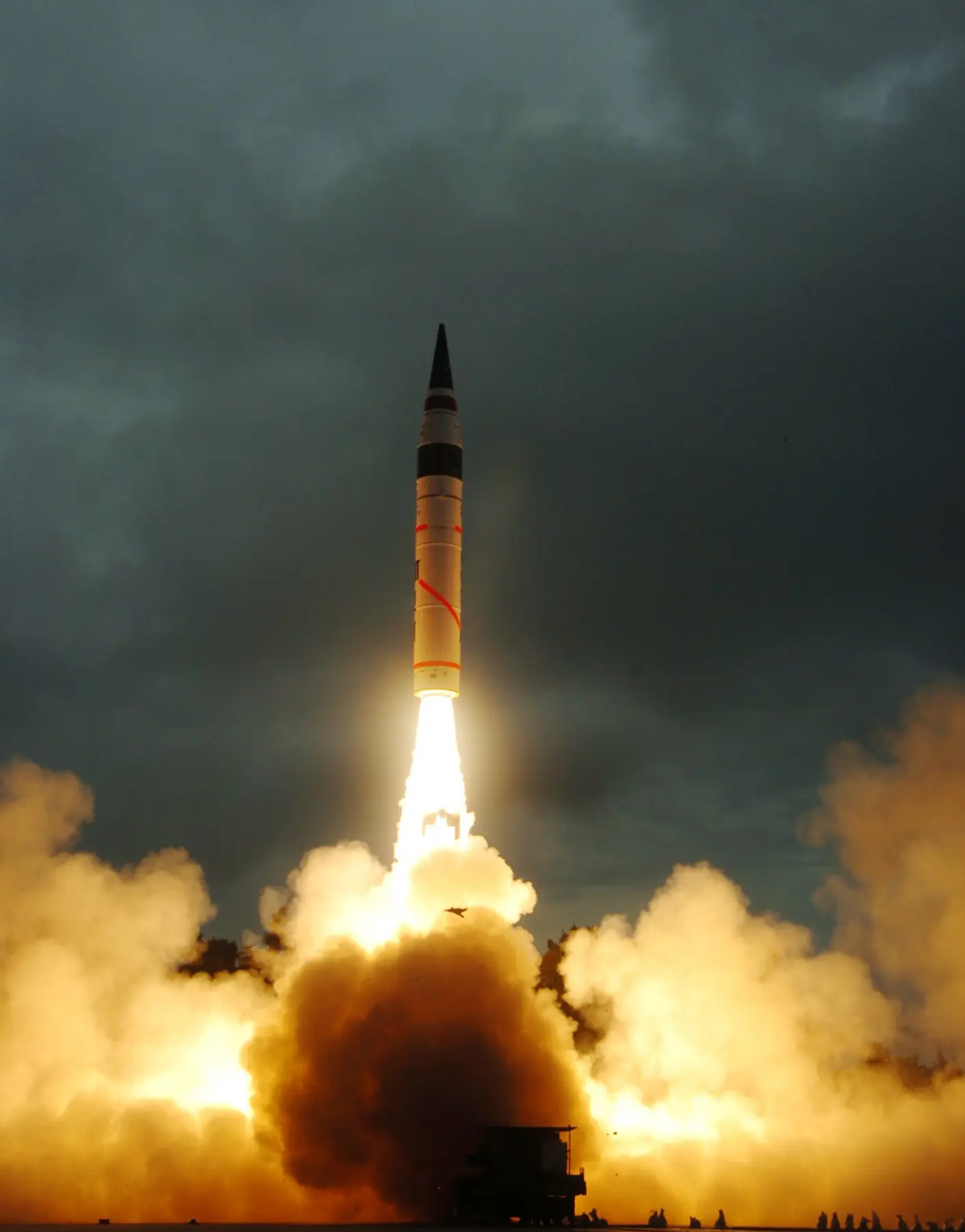
Agni-V Reaches Mach 24 Terminal Velocity
Agni-V's aerodynamic optimisation enables terminal phase speeds reaching Mach 24 (29,400 kmph). Shaheen-III's heavier design limits terminal velocity to approximately Mach 20 (24,500 kmph), giving Agni-V a velocity advantage of 4,900 kmph at warhead delivery.
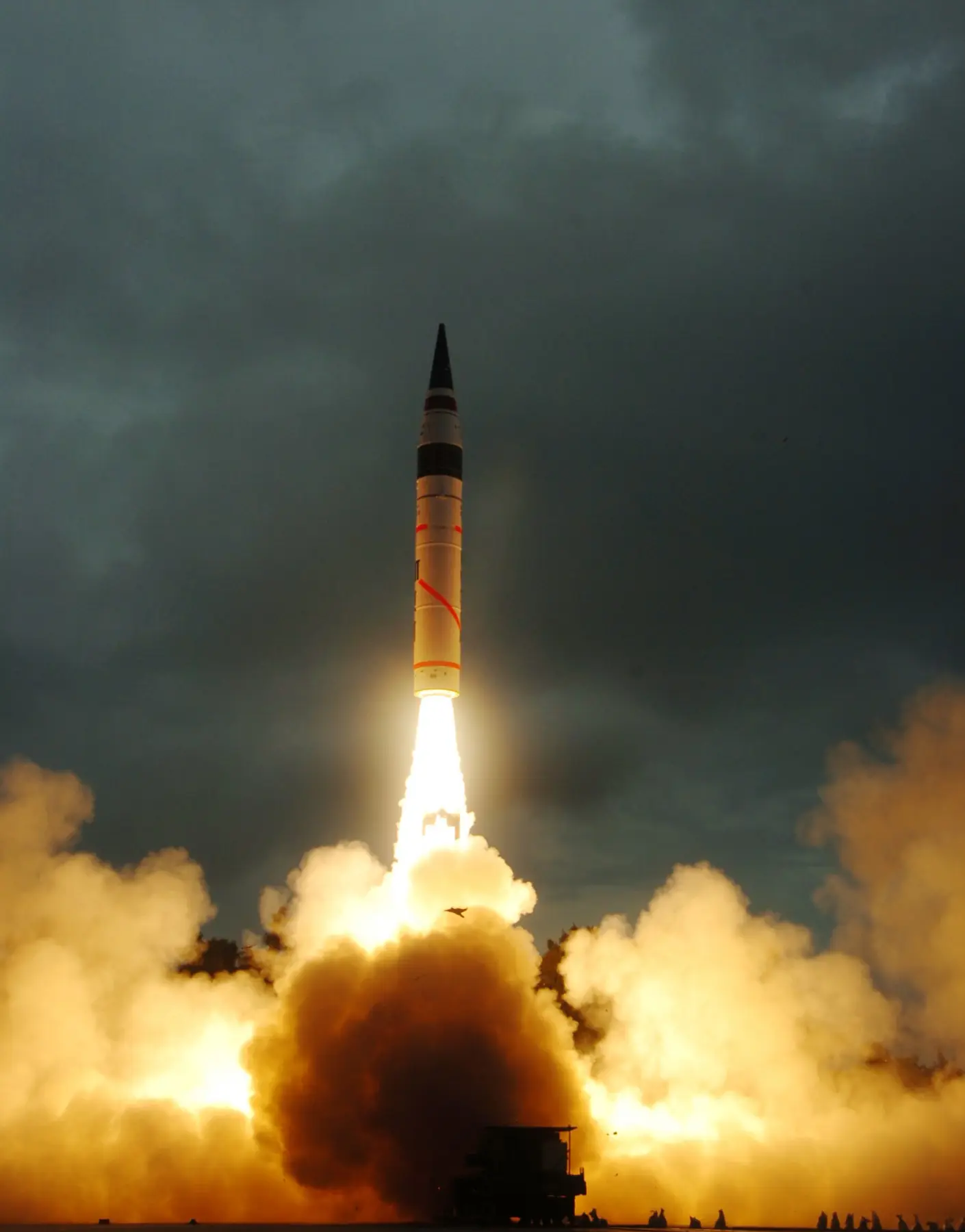
Re-Entry Vehicle Design Shows Engineering Differences
Agni-V uses composite-based re-entry vehicles with modern thermal protection materials withstanding Mach 24 speeds. Shaheen-III relies on simpler aluminium-based structures, limiting velocity potential and requiring more conventional re-entry profiles.
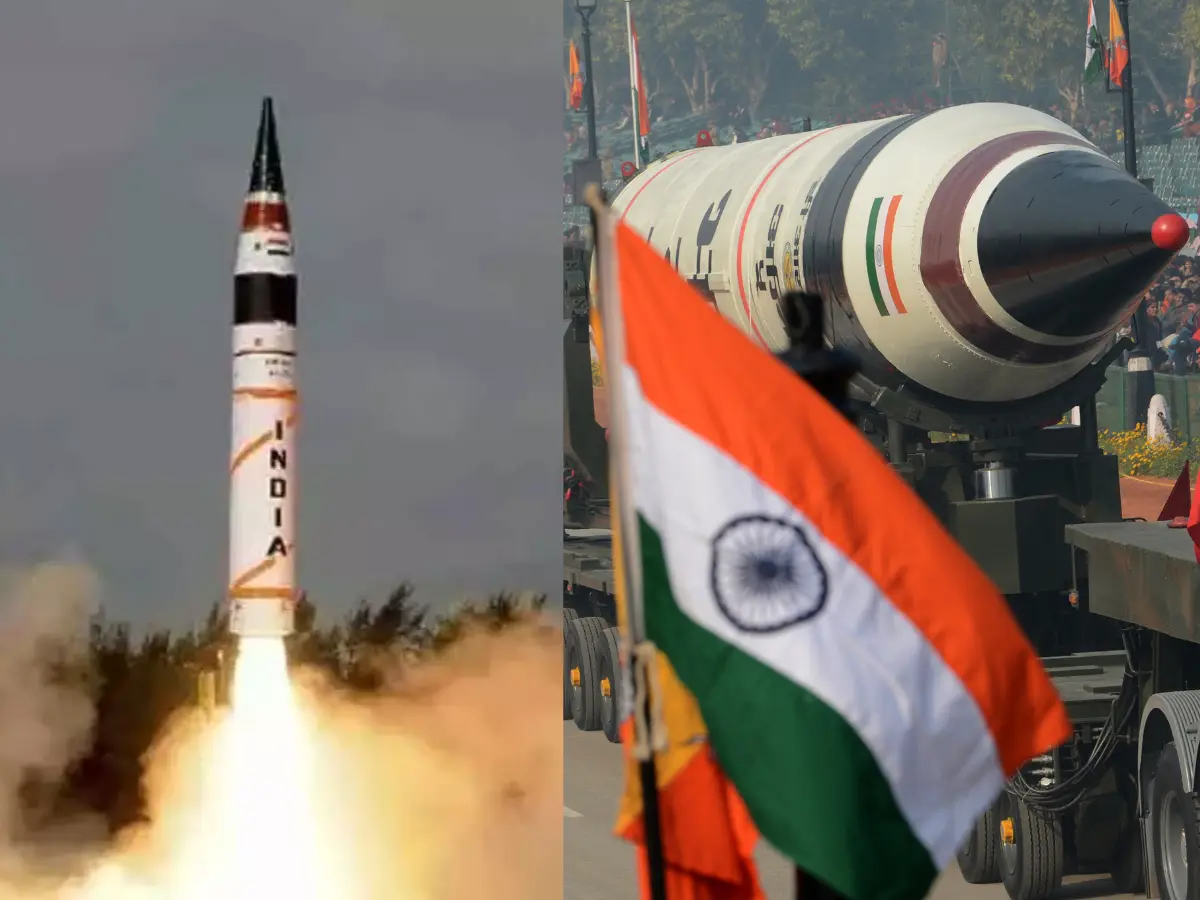
Drag-to-Lift Ratio Favours Agni-V's Design
Aerodynamic analysis shows Agni-V maintains lower drag-to-lift ratios across subsonic, transonic, and supersonic flight regimes. This design efficiency translates to extended range of approximately 800 kilometres compared to Shaheen-III over identical fuel loads.
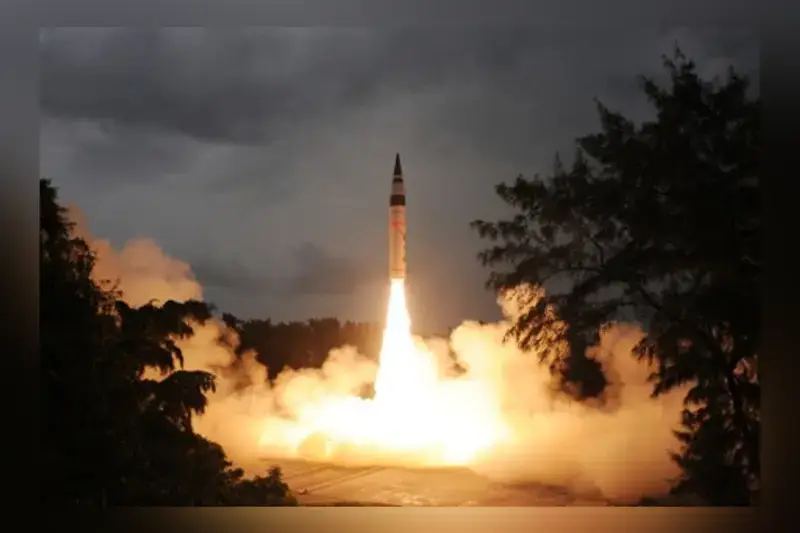
Canister Launch Packaging Optimisation
Agni-V's streamlined design fits compact canister packaging enabling road-mobile deployment. Shaheen-III's larger diameter requires dedicated transporters, reducing deployment flexibility and survivability compared to Agni-V's modular approach.
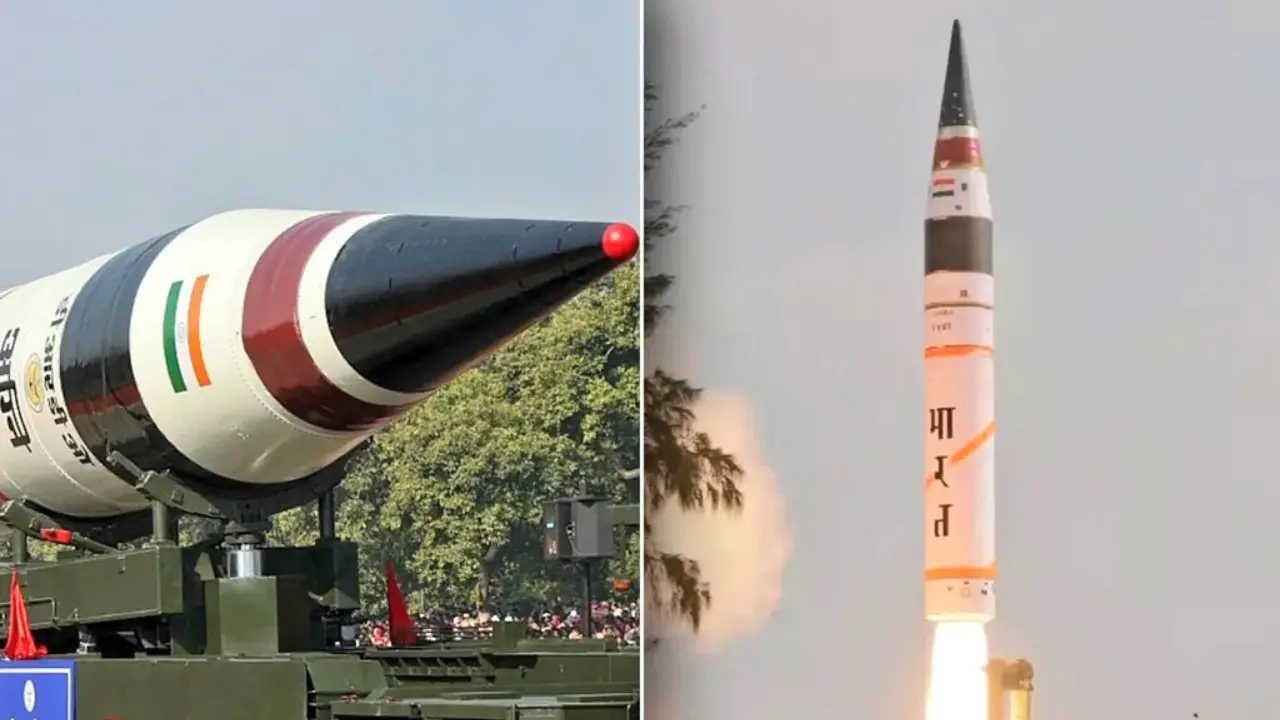
Surface Texture Reduces Transonic Shock
India's DRDO engineers incorporated riblet surface textures similar to shark skin on Agni-V's body, reducing shock wave formation during transonic flight phases. This biomimetic design feature provides smoother acceleration and better trajectory predictability.
Booster Separation Geometry Differs Significantly
Agni-V's smooth stage separation design minimises debris generation and yaw instability during booster jettison. Shaheen-III's simpler separation geometry creates temporary aerodynamic perturbations affecting guidance accuracy during these critical transition phases.
Future Designs - Agni-VI vs Shaheen-IV Projects
India's planned Agni-VI maintains advanced aerodynamic principles for 8,000+ kilometre range. Pakistan's proposed Shaheen-IV follows traditional engineering patterns, likely capping range around 3,500 kilometres despite Chinese technological assistance.
)
)
)
)
)