How aerial refueling boosts the range of China’s J-20 fighter jets

Aerial tankers give China’s J-20 jets longer range, more time in battle zones and greater mission flexibility, shifting the Indo-Pacific power balance.
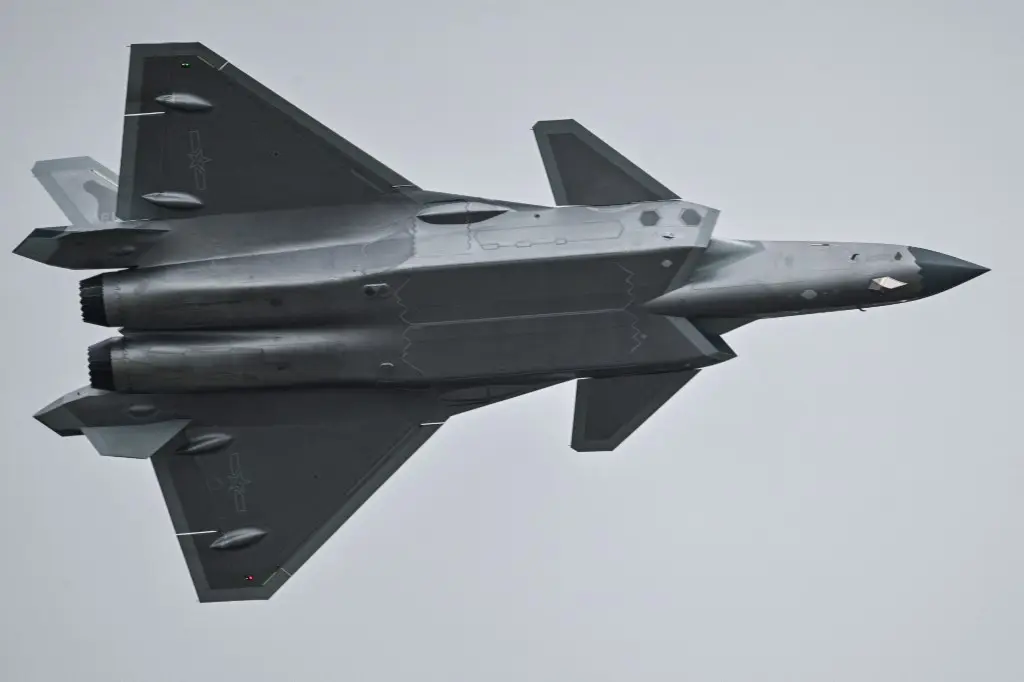
J-20 stealth jets: China’s air dominance platform
The Chengdu J-20 is China’s flagship stealth fighter, built for long-range air superiority. Its range and mission duration are key to Chinese power projection in Asia.
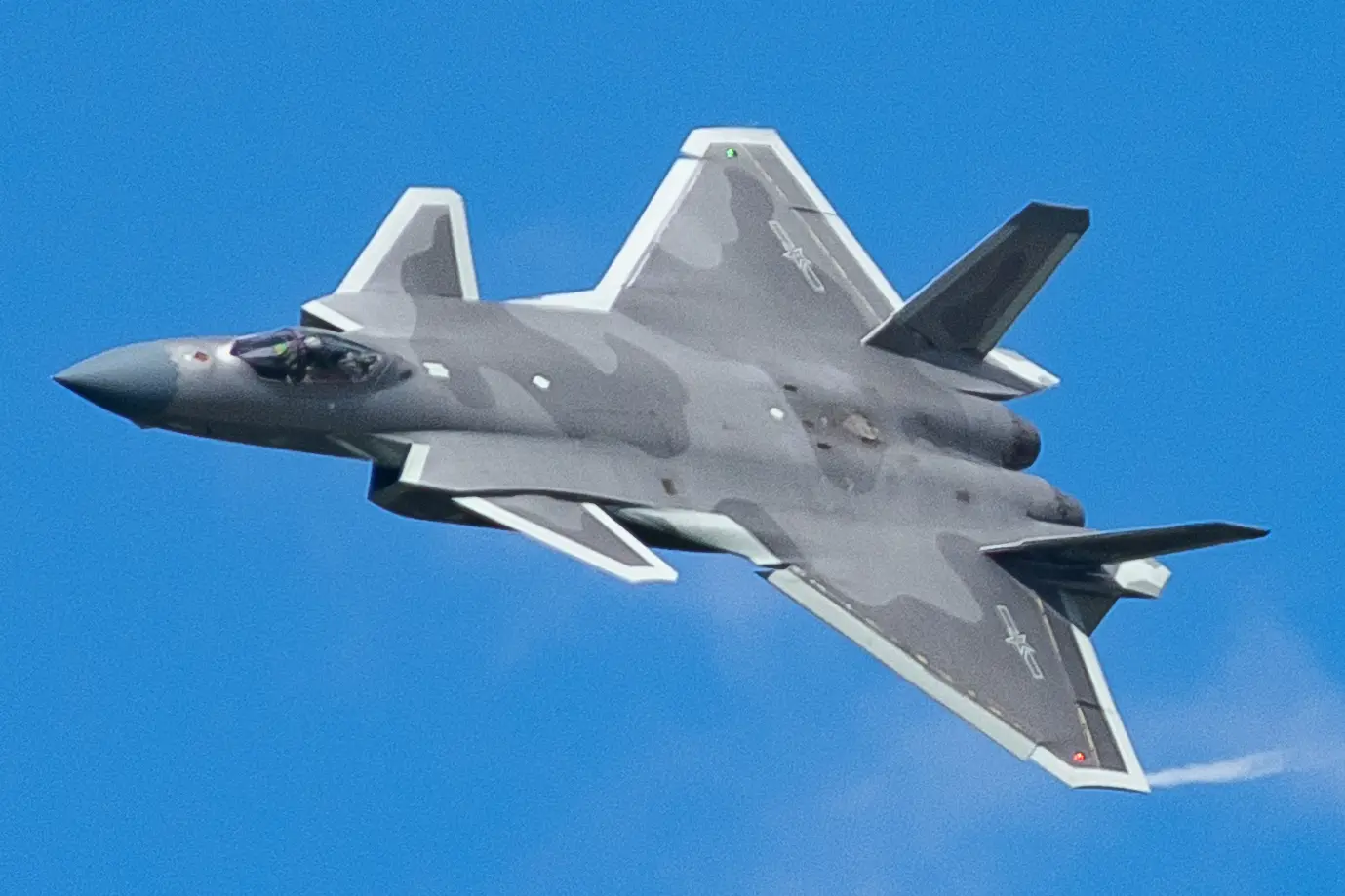
Aerial tankers: Multiplying J-20’s reach
Aerial refuelling from Y-20U tankers lets J-20s fly much farther, bypassing their onboard fuel limits. This extends their operational radius by hundreds of kilometres.
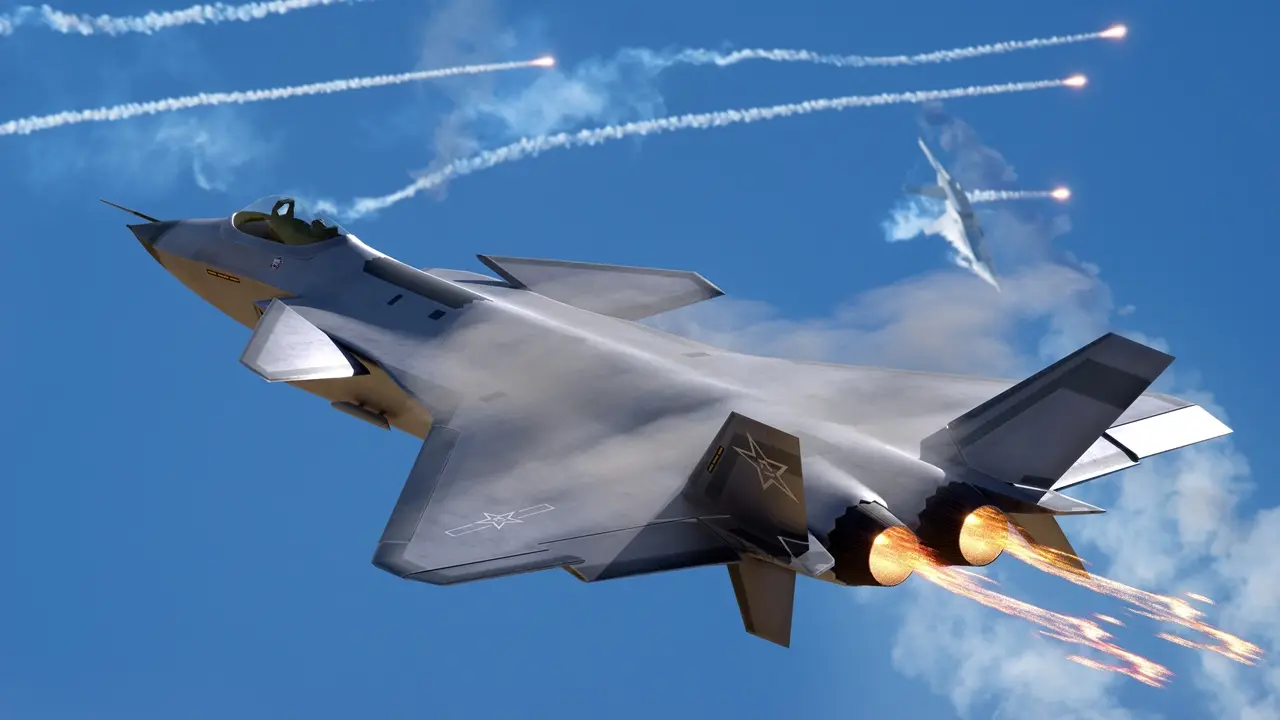
Battle endurance: More time on mission
Refuelling in flight lets J-20s loiter over key zones for longer surveillance or combat alert duties. This increased persistence is crucial in contested airspace.
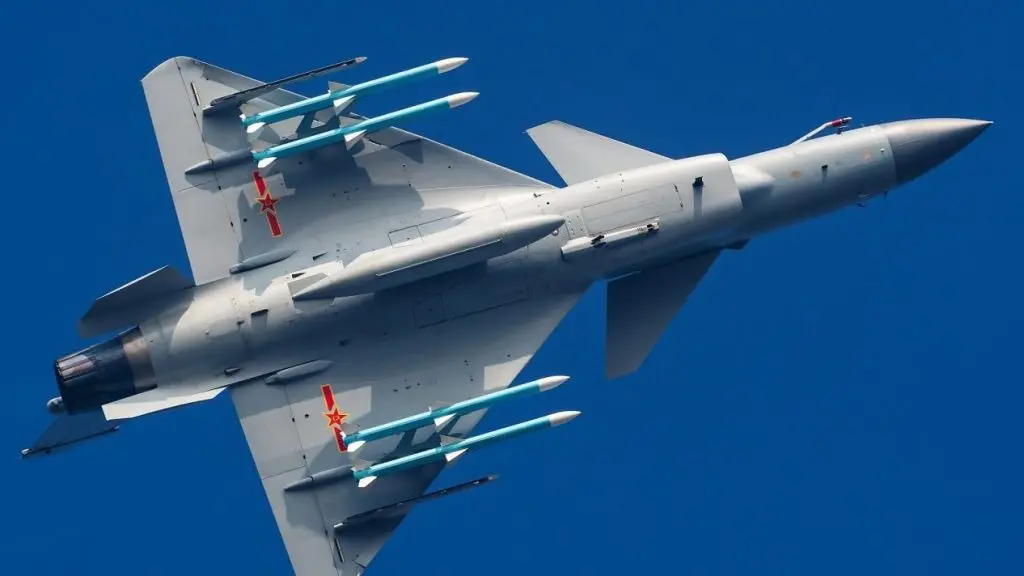
Escorting high-value targets over longer distances
Extended range allows J-20s to escort bombers or tankers deep into the Pacific. This role supports China’s strike and deterrence ambitions over distant waters.
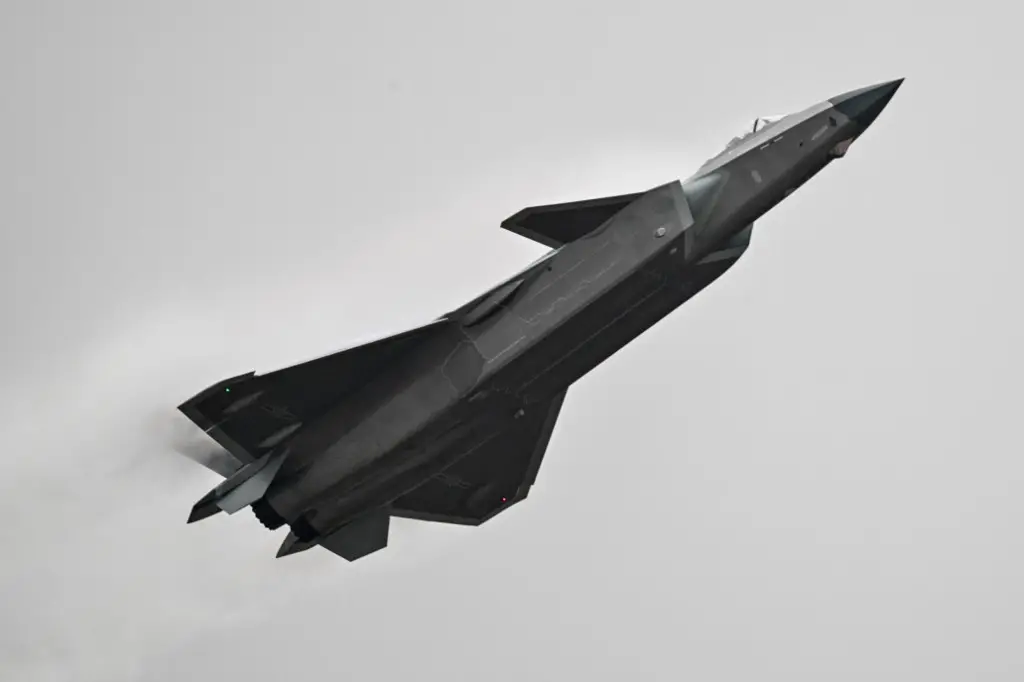
Shifting Indo-Pacific power dynamics
Longer-range J-20s threaten to outflank regional air defences and project Chinese strength near disputed areas. This complicates response plans for rivals.
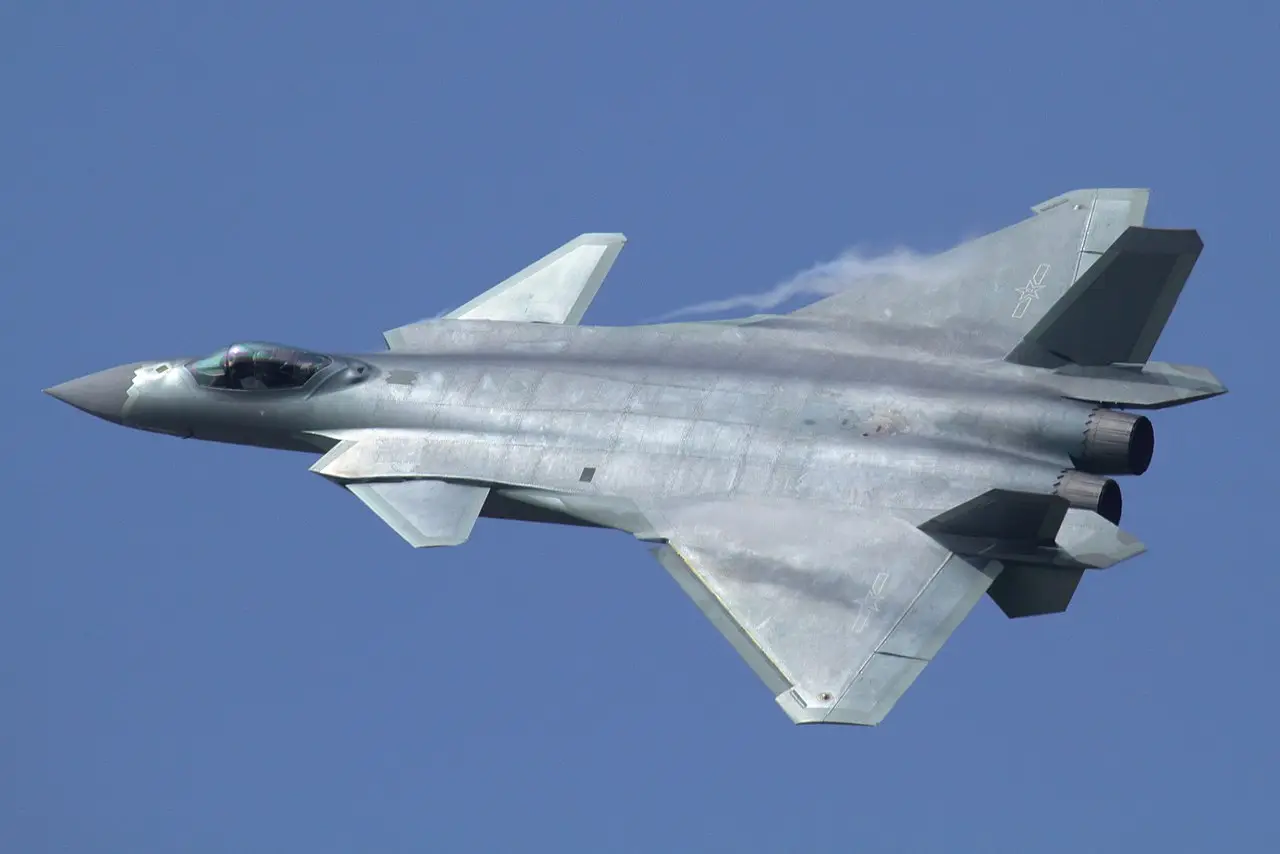
Logistics and cost: The tanker challenge
China is rapidly expanding its tanker fleet, but aerial refuelling operations are costly and complex. Sustaining them across vast areas tests logistics and maintenance capacity.
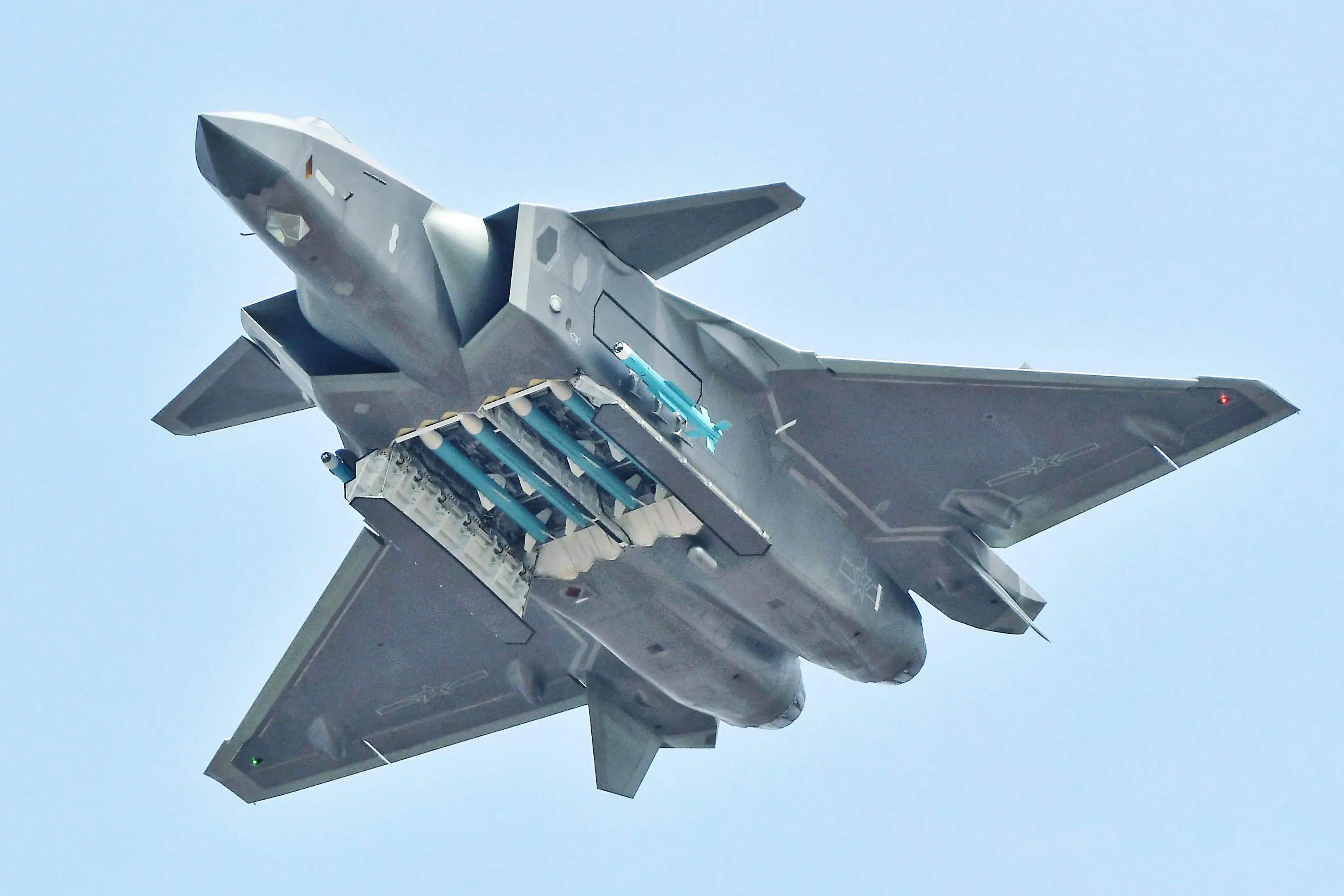
Looking ahead: Stealth and reach combined
With reliable tanker support, the J-20 blends stealth with range making it a formidable presence. Indo-Pacific air operations will increasingly factor in this potent mix.
)
)
)
)
)