How a US citizen helped orchestrate the 26/11 attack, as shown in film 'Dhurandhar'

This is a major point of friction. Headley was arrested in Chicago in 2009. To avoid the death penalty and extradition to India, he cut a deal with US prosecutors.
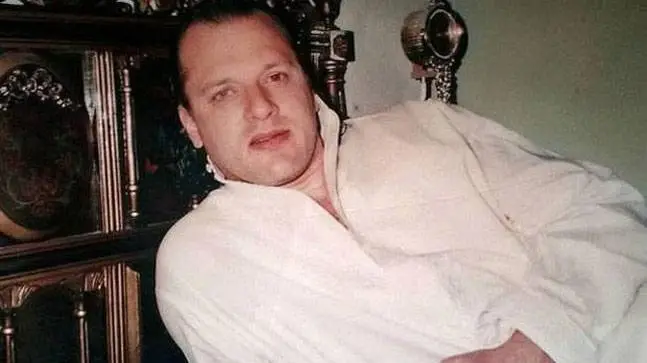
1. Yes, an American was the primary scout.
The character depicted in the movie is based on David Coleman Headley (born Daood Sayed Gilani). He was an American citizen of Pakistani descent. Unlike the typical image of a terrorist, Headley had one blue eye and one brown eye, spoke perfect American English, and traveled on a legitimate US passport. This "American" identity was the single biggest weapon LeT used to penetrate Mumbai's security.
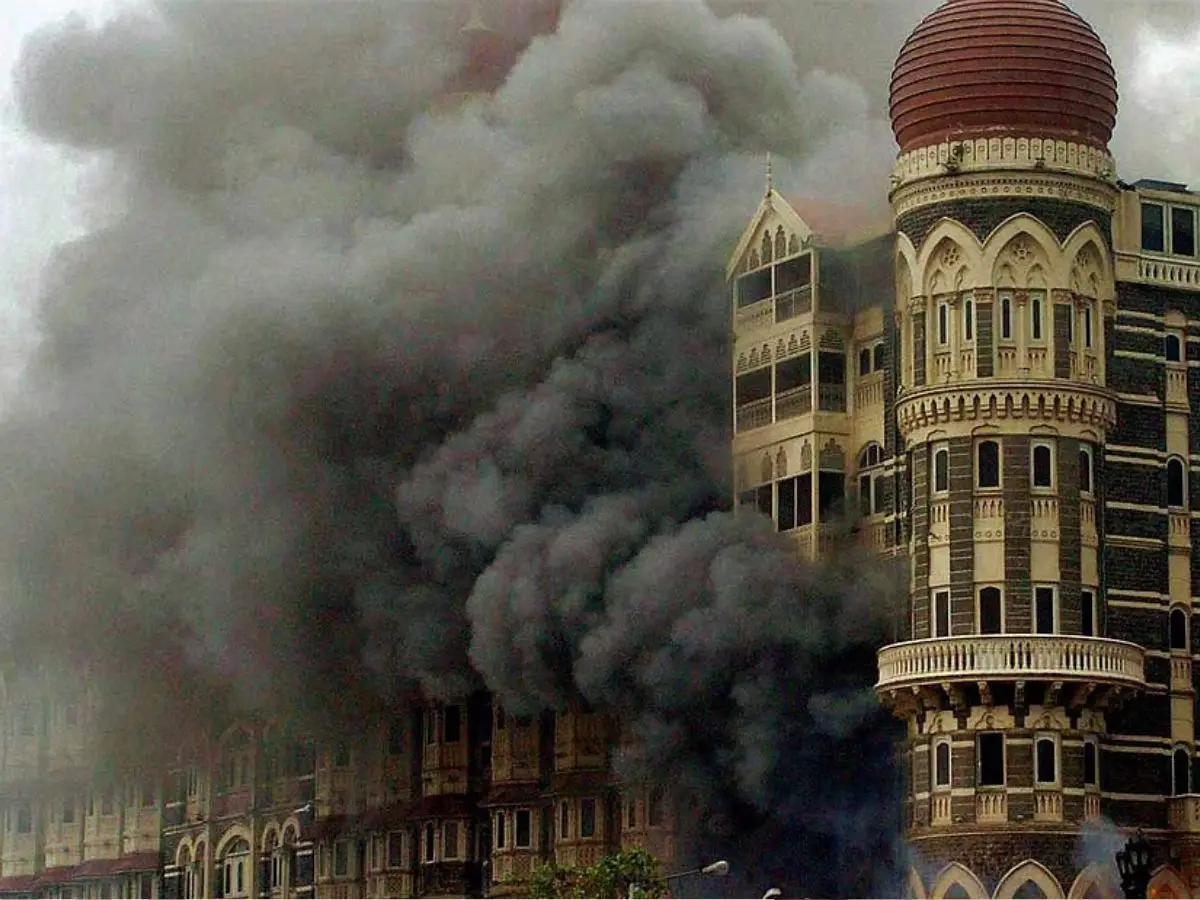
2. The 'White' Privilege Strategy
The movie accurately suggests that his Western identity was key. In real life, Headley visited Mumbai five times before the attacks. Since, he was an American tourist, he stayed at the Taj Mahal Palace Hotel and the Oberoi Trident without raising suspicion. He filmed the hotel corridors, entry points, and security blind spots, posing as a bored tourist, while actually mapping the death trap for the 10 gunmen.
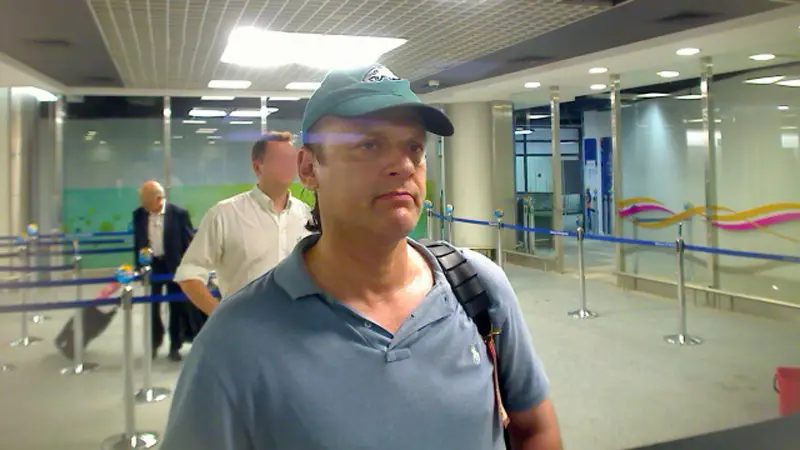
3. The 'CIA/DEA' Double Agent Controversy
The most uncomfortable truth, which movies often dramatise, is Headley's link to US agencies. In reality, Headley was a former DEA (Drug Enforcement Administration) informant. He had worked for the US government to catch drug dealers in exchange for a lighter sentence in the 90s. The controversy is that despite warnings from his wives to US authorities that he was radicalising, he was able to travel freely to Pakistan for terror training.
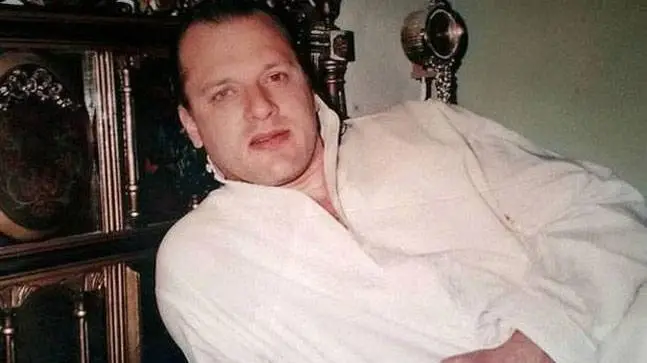
4. The 'Immigration Business' Cover
To legitimise his stay in India, Headley opened an immigration office in Mumbai called "First World Immigration." This was funded by his accomplice, Tahawwur Rana, a Pakistani-Canadian businessman. This office gave him a valid reason to rent office space and travel around the city, scouting targets like Nariman House (Chabad House) and Leopold Cafe.
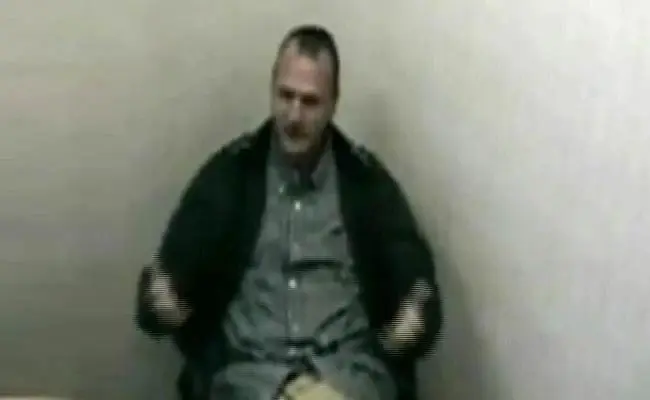
5. The Movie vs. Reality (The "Rejoicing" Scene)
Reviews of Dhurandhar describe a scene where Headley "rejoices" as the attacks happen. In reality, Headley was at his home in Lahore, Pakistan, during the attacks (November 2008), watching the carnage on TV. He was in constant contact with his handlers, congratulating them on the "success" of the operation he had mapped out.
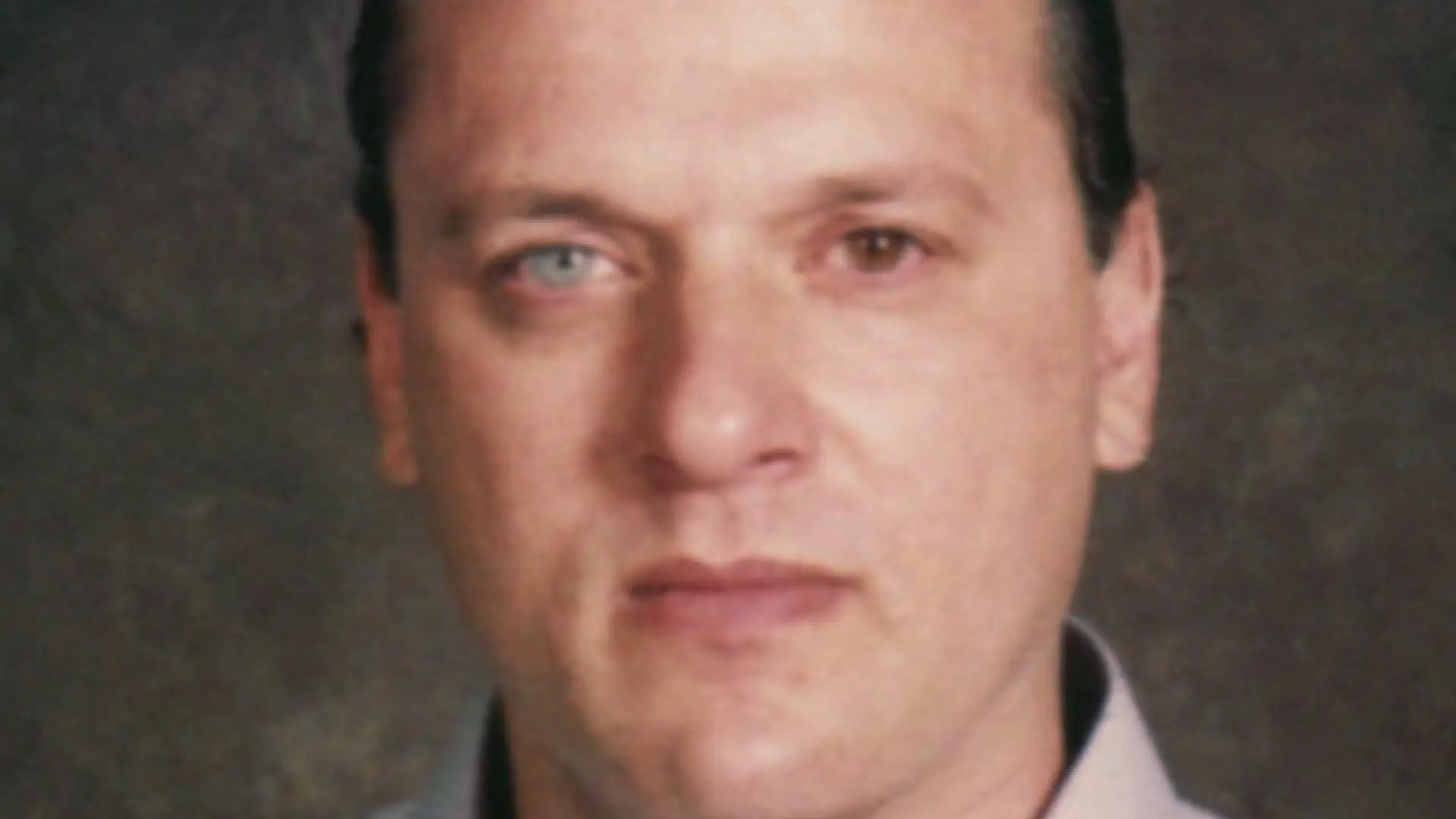
6. Why was he not extradited to India?
This is a major point of friction. Headley was arrested in Chicago in 2009. To avoid the death penalty and extradition to India, he cut a deal with US prosecutors. He provided full evidence against the ISI and LeT (including naming his handler "Major Iqbal"). In exchange, the US judge sentenced him to 35 years in an American prison, refusing India's request to hand him over.
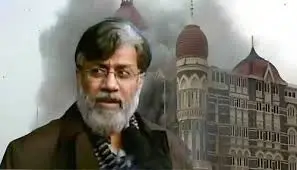
7. The 2025 Update (Tahawwur Rana)
While Headley remains in the US, his partner Tahawwur Rana (the Canadian citizen) was finally extradited to India in 2025 (as per recent news in the user's timeline context). This adds a layer of "justice delayed" to the story, as Rana is now facing trial on Indian soil, unlike Headley.
)
)
)
)
)