How a Soviet probe survived just 53 minutes on Venus and sent back photos of an alien world

This achievement marked a significant advancement in planetary exploration, showcasing the capabilities of Soviet engineering and the resilience of the Venera program.
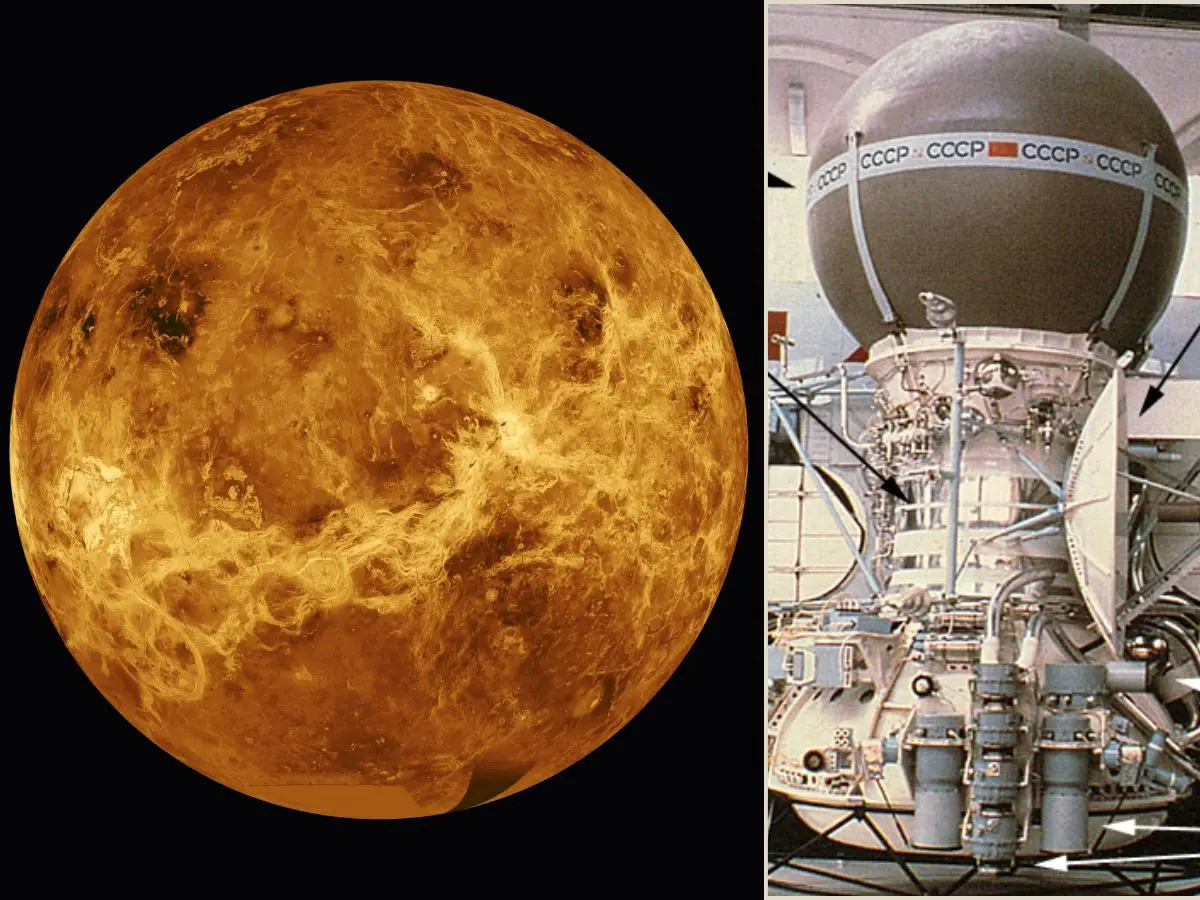
A Brief Encounter with Venus
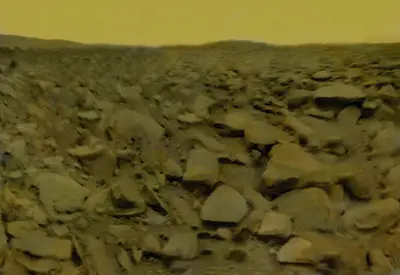
On October 22, 1975, the Soviet Union's Venera 9 lander achieved a historic milestone by becoming the first spaceEuropean Space Agencycraft to transmit photographs from the surface of Venus. Despite its brief 53-minute operation, Venera 9 provided humanity with its first glimpse of an alien world. This achievement marked a significant advancement in planetary exploration, showcasing the capabilities of Soviet engineering and the resilience of the Venera program.
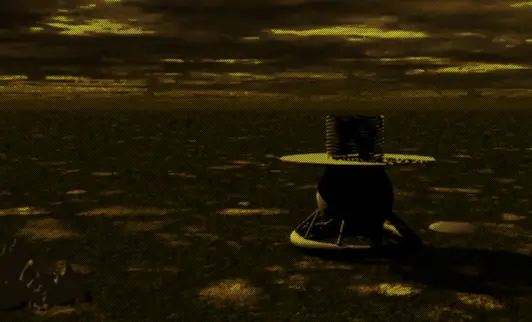
The Harsh Conditions of Venus
Venus, often referred to as Earth's ‘sister planet,’ presents an environment that is both fascinating and inhospitable. With surface temperatures around 465°C (869°F) and atmospheric pressures approximately 90 times that of Earth's, the planet poses extreme challenges for exploration. The thick clouds of sulfuric acid and the planet's dense atmosphere make surface observations from space difficult, necessitating direct landing missions to gather data.
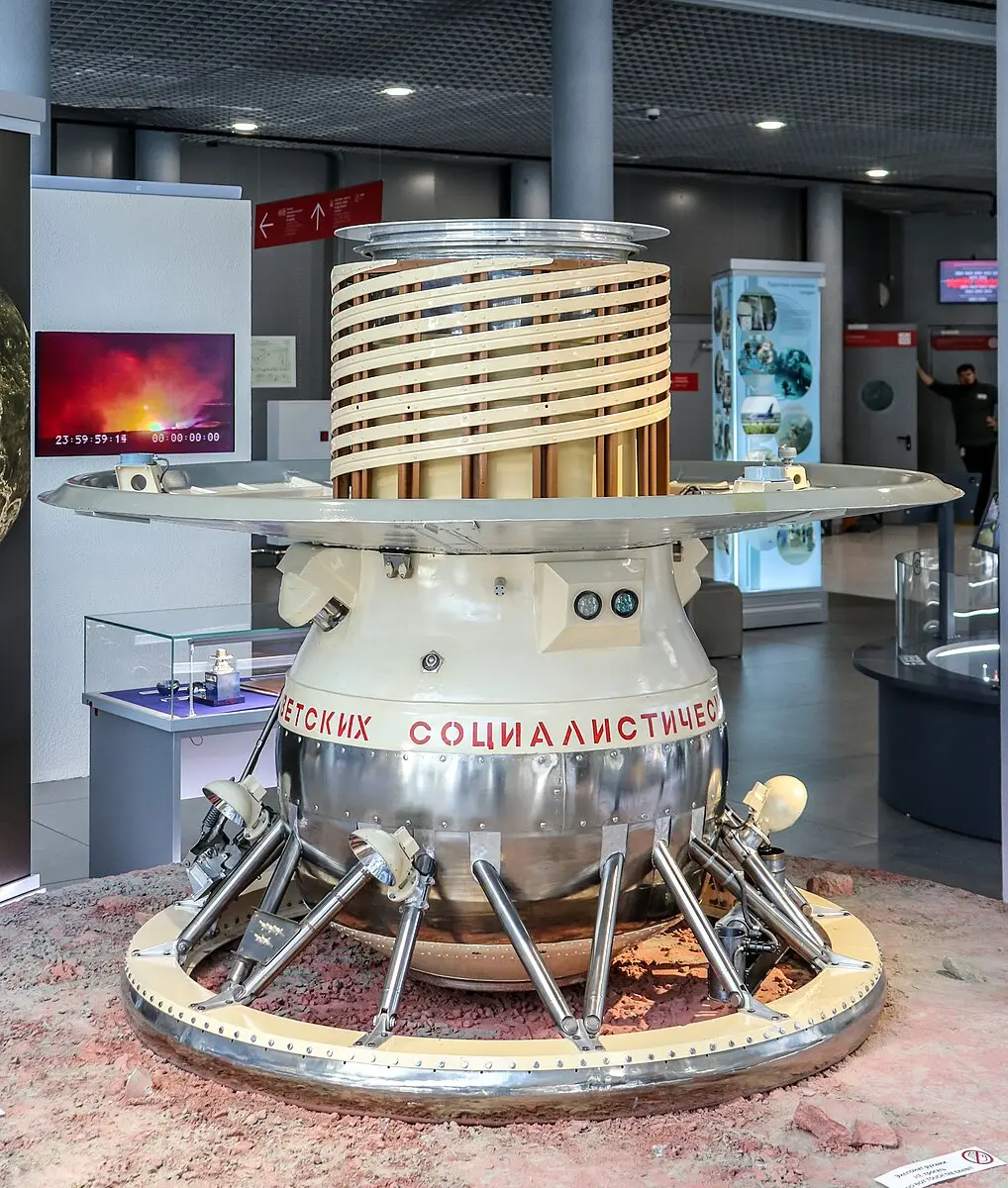
The Venera 9 Mission
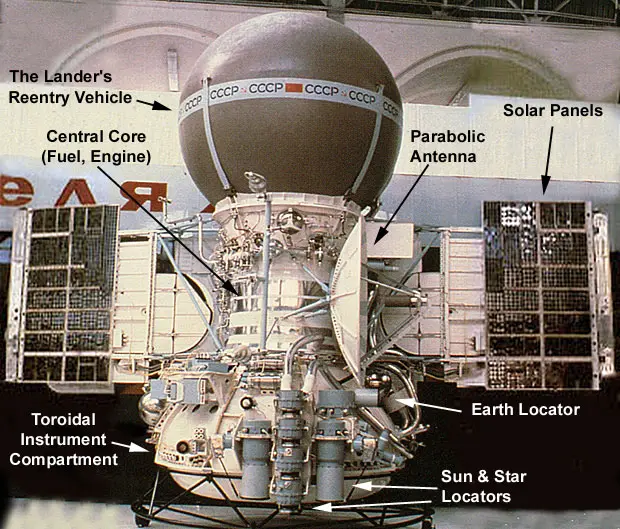
Launched on June 8, 1975, Venera 9 was part of the Soviet Union's ambitious Venera program aimed at exploring Venus. The spacecraft consisted of an orbiter and a lander, with the lander designed to withstand Venus's extreme surface conditions. After entering Venus's atmosphere, the lander deployed a parachute to slow its descent, eventually landing on the planet's surface. Despite the harsh environment, the lander transmitted data back to Earth for 53 minutes, including the first photographs of Venus's surface.
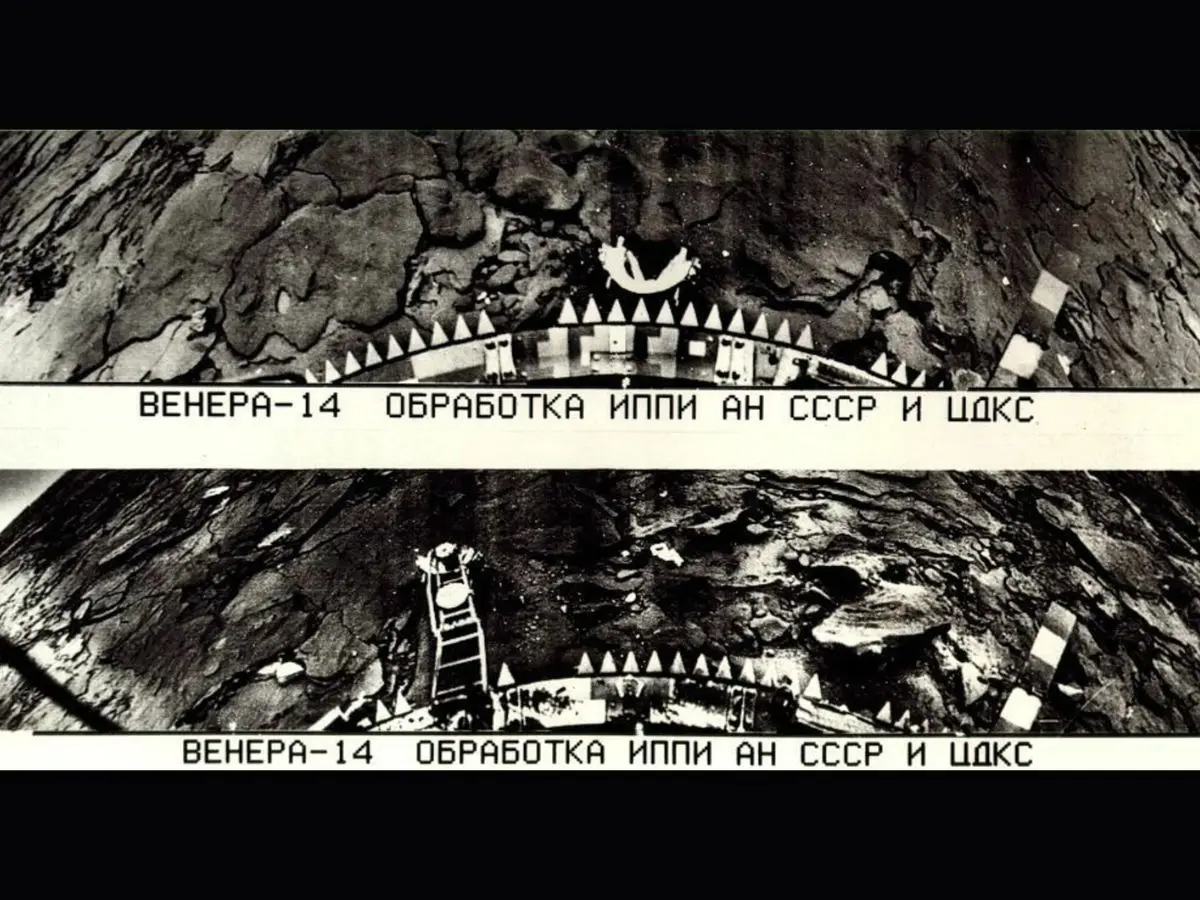
The First Photographs from Venus
The images transmitted by Venera 9 revealed a desolate and rocky landscape, with a yellowish hue due to the thick atmosphere. The photographs showed a flat terrain scattered with rocks and pebbles, providing valuable insights into the planet's surface composition and geology. These images were groundbreaking, as they were the first direct visual evidence of another planet's surface, offering a glimpse into the conditions that prevail on Venus.
The Legacy of Venera 9
The success of Venera 9 paved the way for subsequent missions in the Venera program, including Venera 10, which also transmitted images from Venus's surface. These missions provided critical data that contributed to our understanding of Venus's atmosphere, surface conditions, and geological history. The Venera program's achievements demonstrated the feasibility of landing on and exploring planets with extreme environments, influencing future planetary exploration missions.
Conclusion
The brief yet impactful mission of Venera 9 stands as a testament to human ingenuity and the relentless pursuit of knowledge. In just 53 minutes, the spacecraft achieved what was once thought impossible, providing humanity with its first photographs from the surface of an alien world.
)
)
)
)
)