How a fighter jet flew 900 kms across Europe without a pilot, before crashing into a farmhouse

It started as an ordinary Soviet training flight, and became one of the strangest aviation incidents of the Cold War.
A routine flight that turned into history
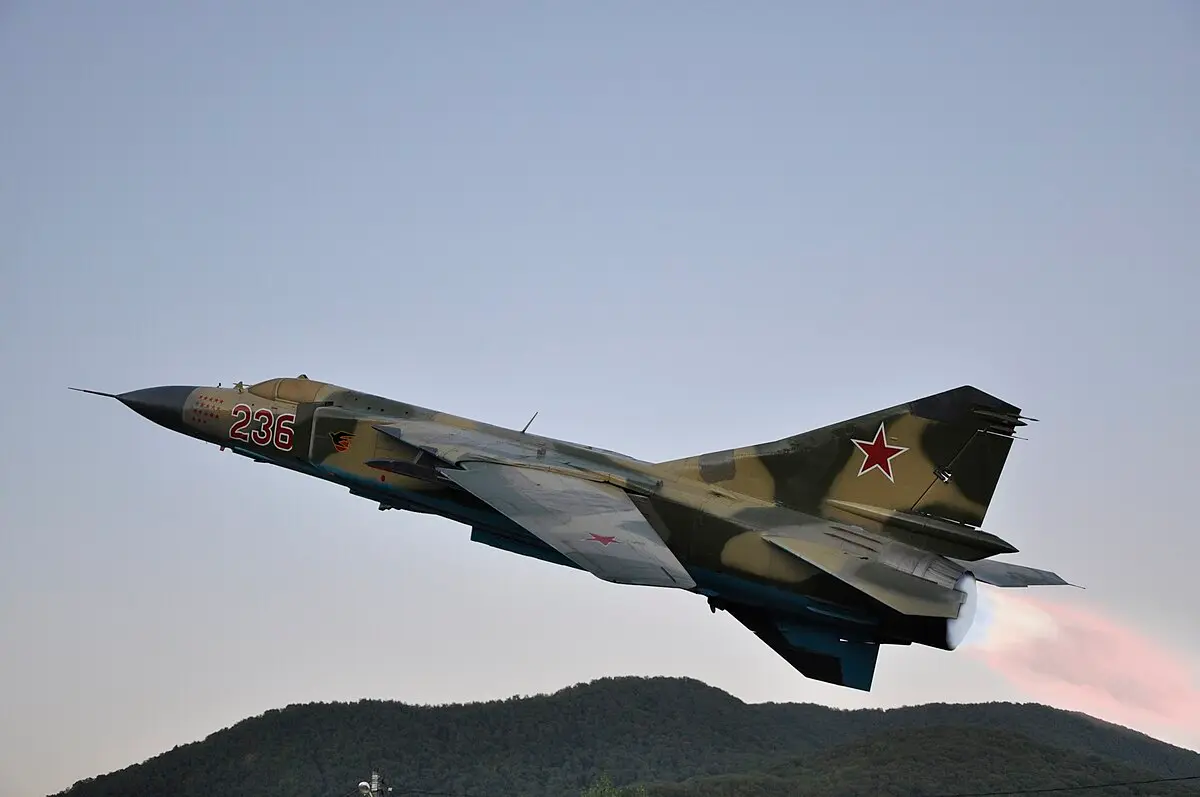
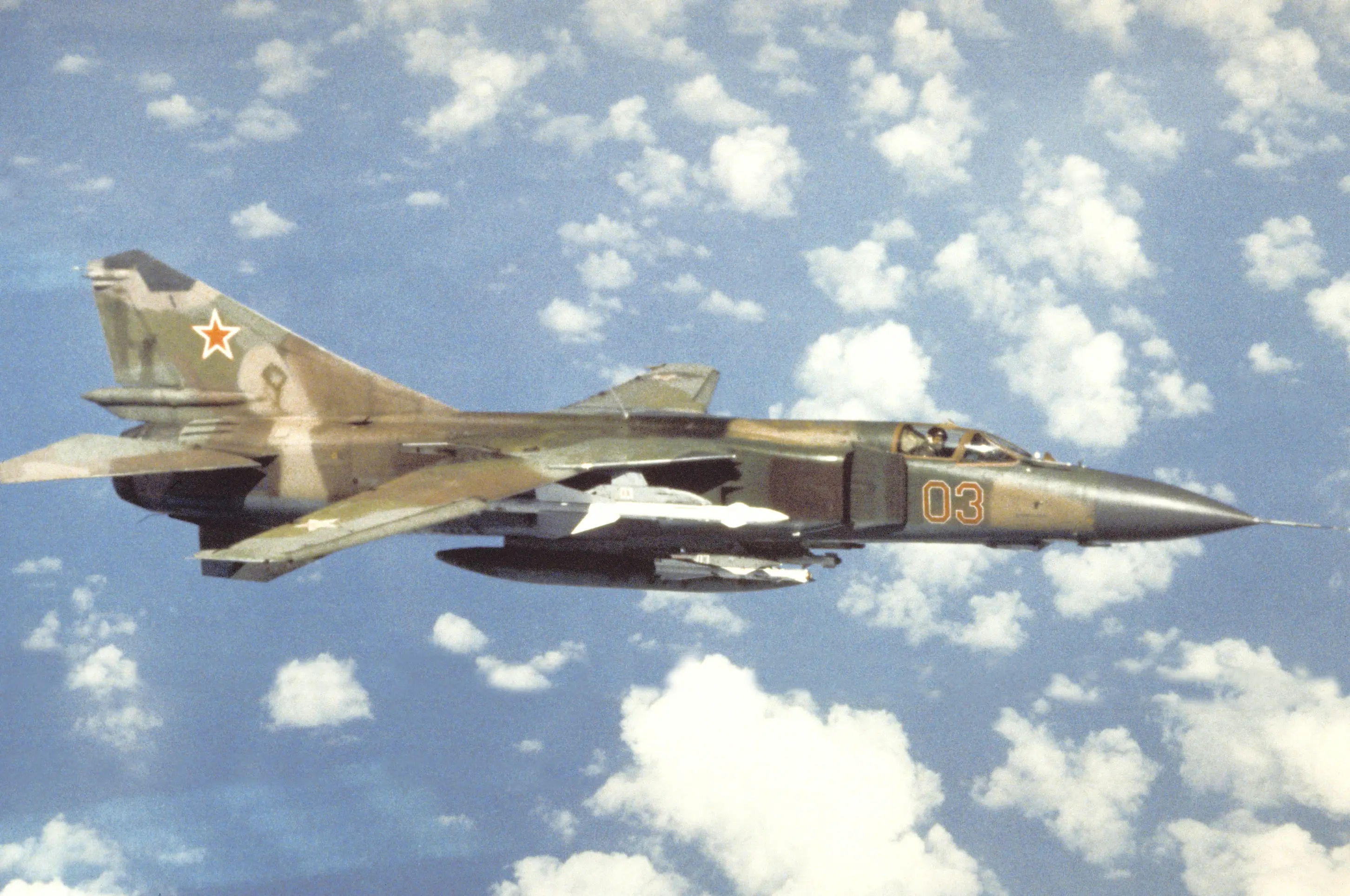
On 4 July 1989, Colonel Nikolai Skuridin of the Soviet Air Forces took off in a MiG-23M Flogger-B from Bagicz Air Base near Kołobrzeg, Poland. It started as an ordinary Soviet training flight, and became one of the strangest aviation incidents of the Cold War. Barely 41 seconds after take-off, the engine’s afterburner failed, causing the jet to lose altitude. Believing the aircraft was doomed, the pilot ejected safely at roughly 150 metres above ground. Unexpectedly, the MiG regained power, climbed, and continued flying, now pilotless.
Autopilot and a westward path
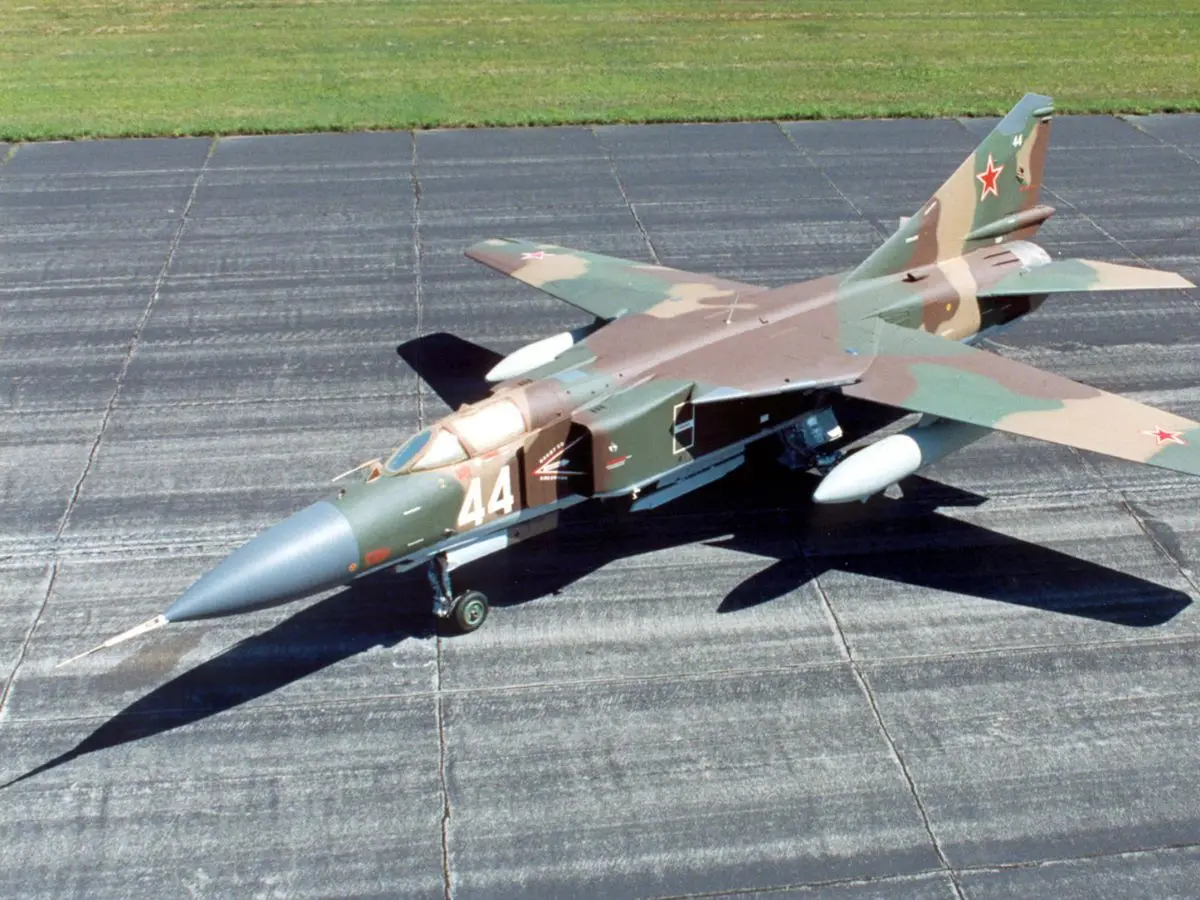
Instead of falling into the Baltic Sea as intended, the unmanned jet climbed to over 12,000 metres and reached speeds up to 700 km/h. The aircraft, still on autopilot, flew directly west, crossing into East German airspace before passing over the border into West Germany, then the Netherlands.
NATO detects the ghost jet
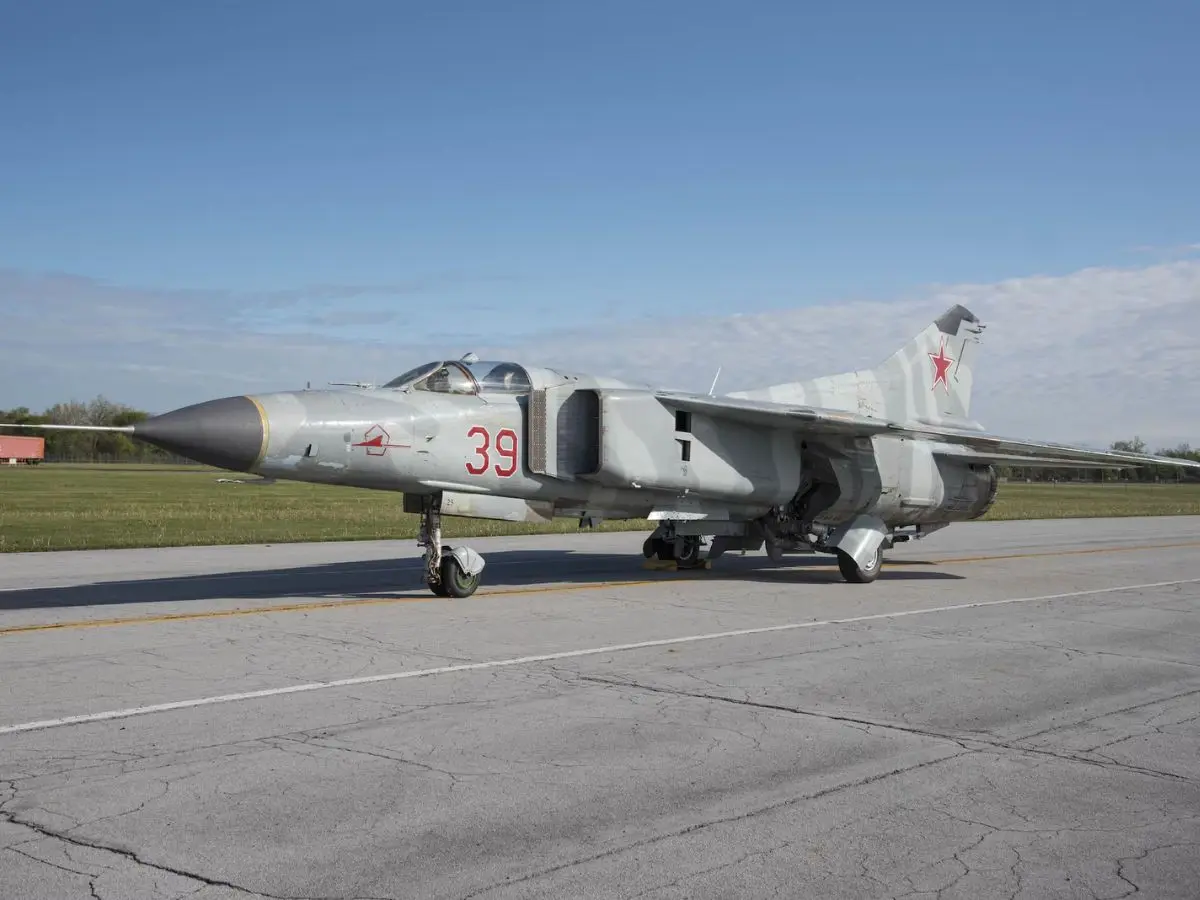
At around 09:40 local time, NATO radar in Lüchow, West Germany, picked up the unidentified aircraft. Two US Air Force F-15 Eagles from Soesterberg Air Base in the Netherlands were scrambled to intercept. By 10:02, the F-15 pilots confirmed what seemed unbelievable: the MiG-23 had no pilot and its canopy was missing. It had become what aviators call a ghost plane.
Calculated risk over populated Europe
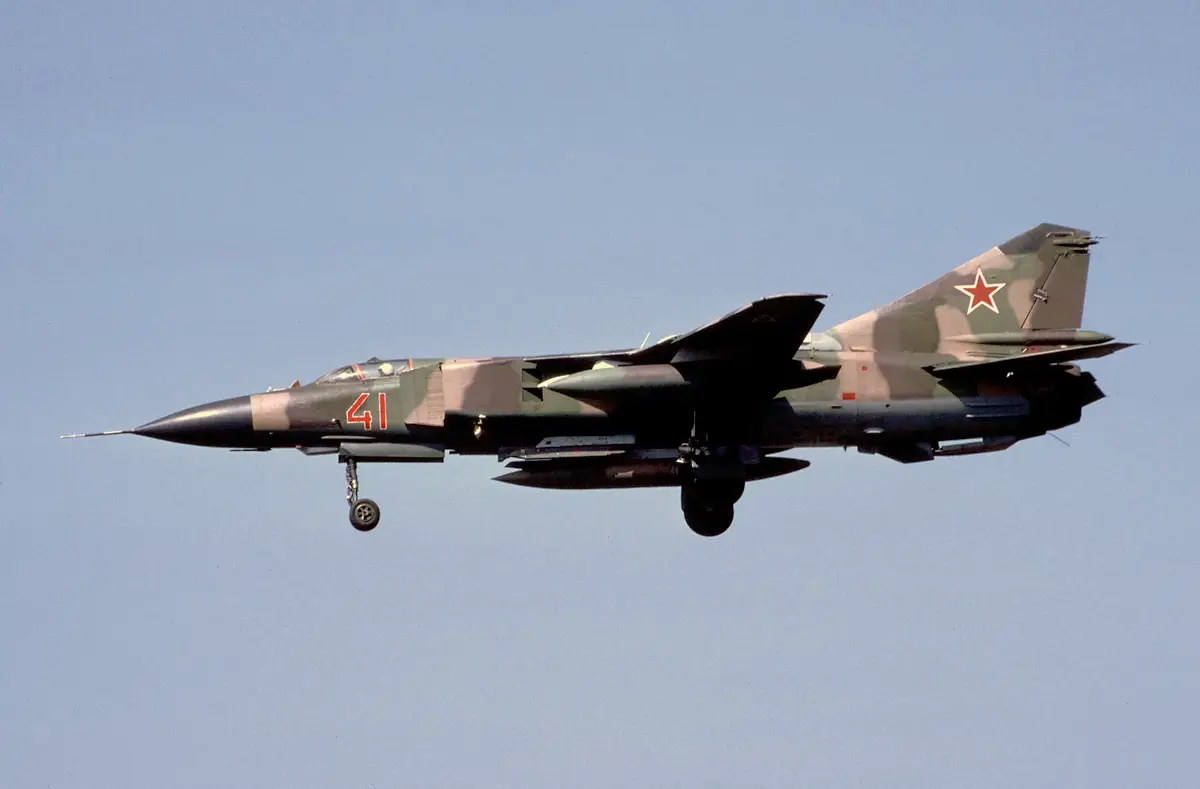
With the rogue jet heading over densely populated Belgium, NATO and Belgian defence authorities debated shooting it down. The plan was to intercept over the North Sea, avoiding civilian casualties. However, the aircraft continued its flight over Belgium without immediate incident, forcing officials to delay action.
The tragic crash in Belgium
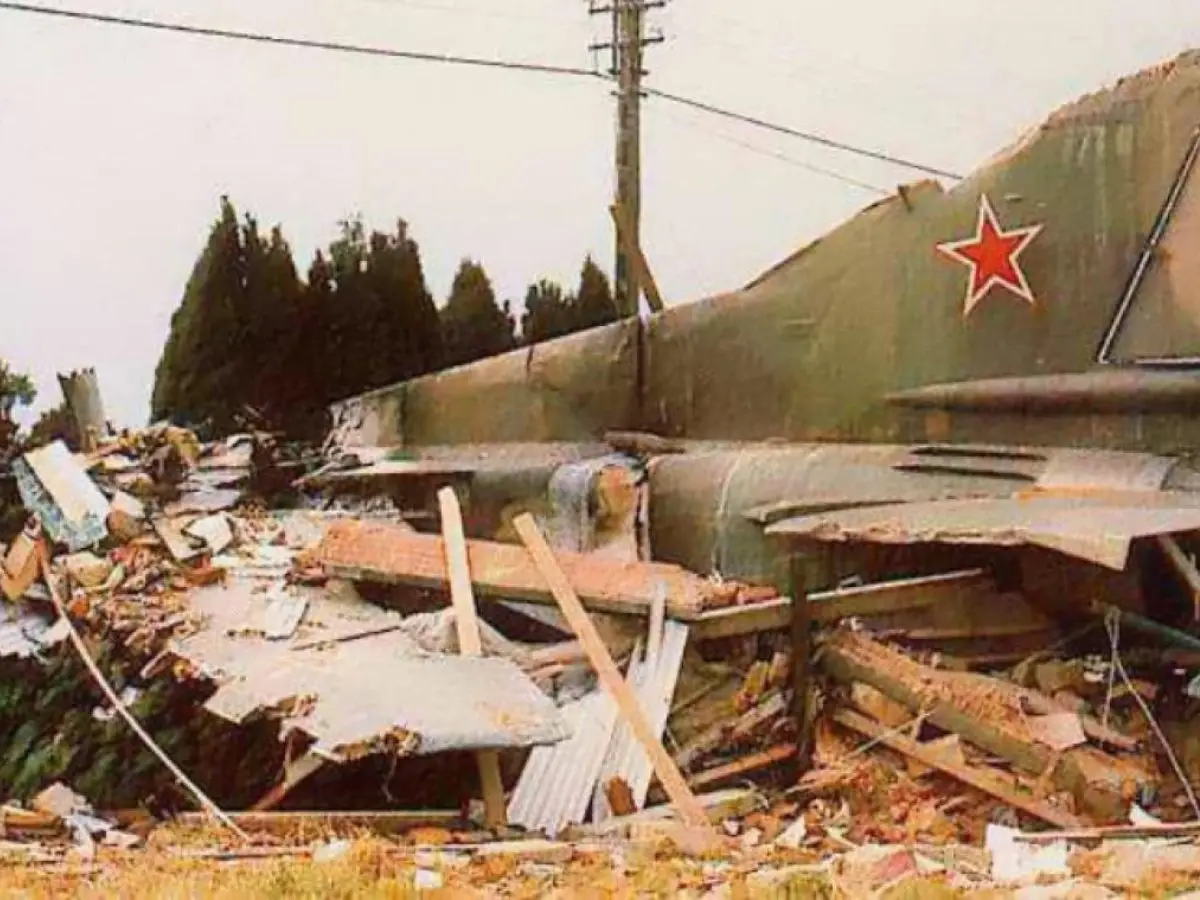
At around 10:37, after travelling roughly 900–1000 km, the MiG ran out of fuel above the Belgian countryside. It lost altitude gradually and crashed into a farmhouse near Bellegem, south of Kortrijk. Inside the house was 19-year-old Wim Delaere, a computer science student who had stayed home after exams. Tragically, he was killed instantly.
International silence and delayed response
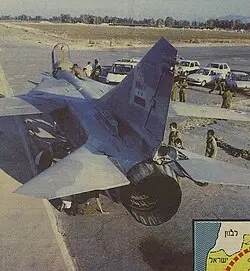
Despite the unfolding crisis, the Soviet Union failed to warn NATO or Belgium about the runaway jet. The first official Soviet statement came 12 hours later. Only the next day did Mikhail Gorbachev, then visiting Paris, formally express condolences to Belgium.
Aftermath and rare compensation
In November 1989, the Soviet Union paid compensation of around €625,000 to Belgium, most of which went to the victim’s family. The event remains one of the most extraordinary episodes of the Cold War: a fighter jet flying pilotless across multiple borders, shadowed by NATO, before its tragic end.
)
)
)
)
)