How can a B-2 Bomber fly 40 hours without refuelling?

Even with its large tanks, the B-2 can be refueled in midair by a tanker aircraft like the KC-135 or KC-46. This allows the Spirit to extend its missions indefinitely, enabling those record-breaking 40+ hour flights.
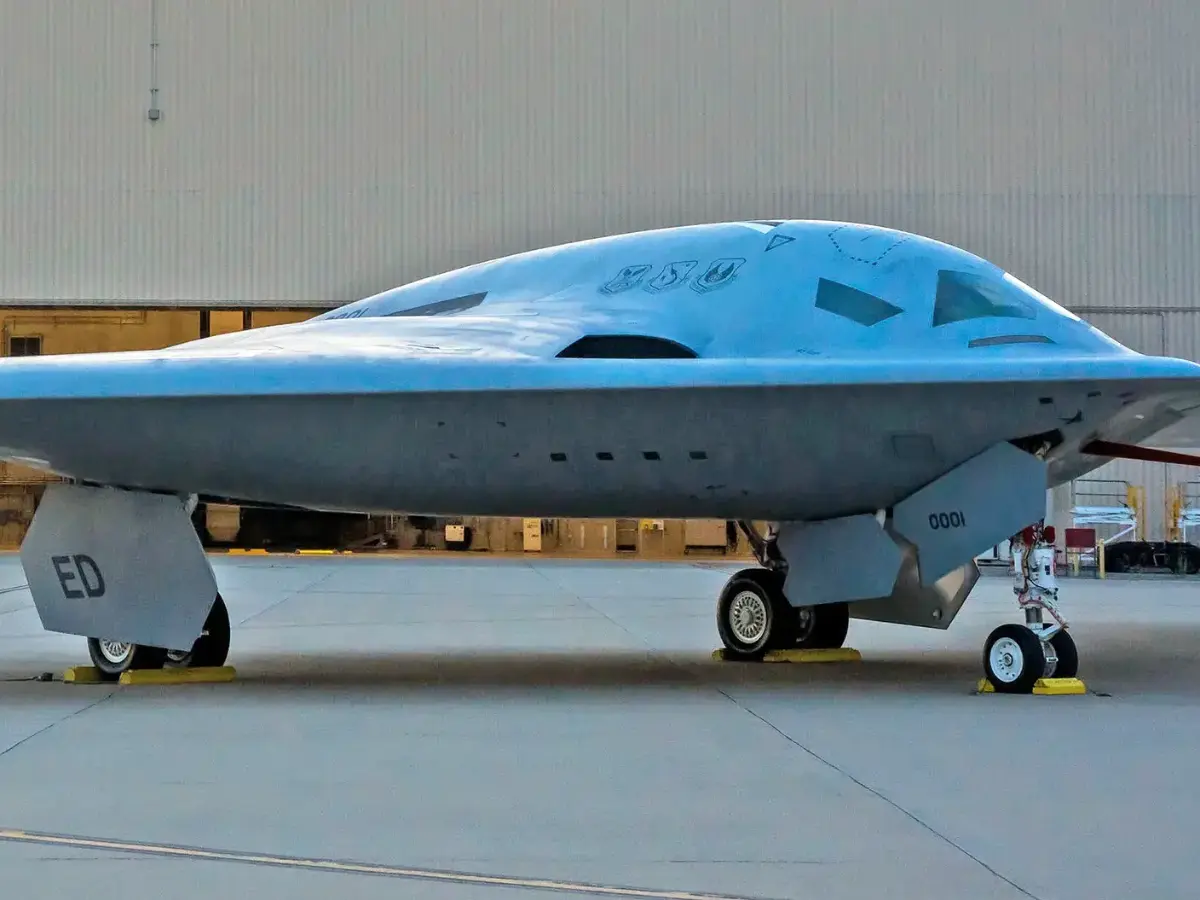
Massive Fuel Capacity Built In
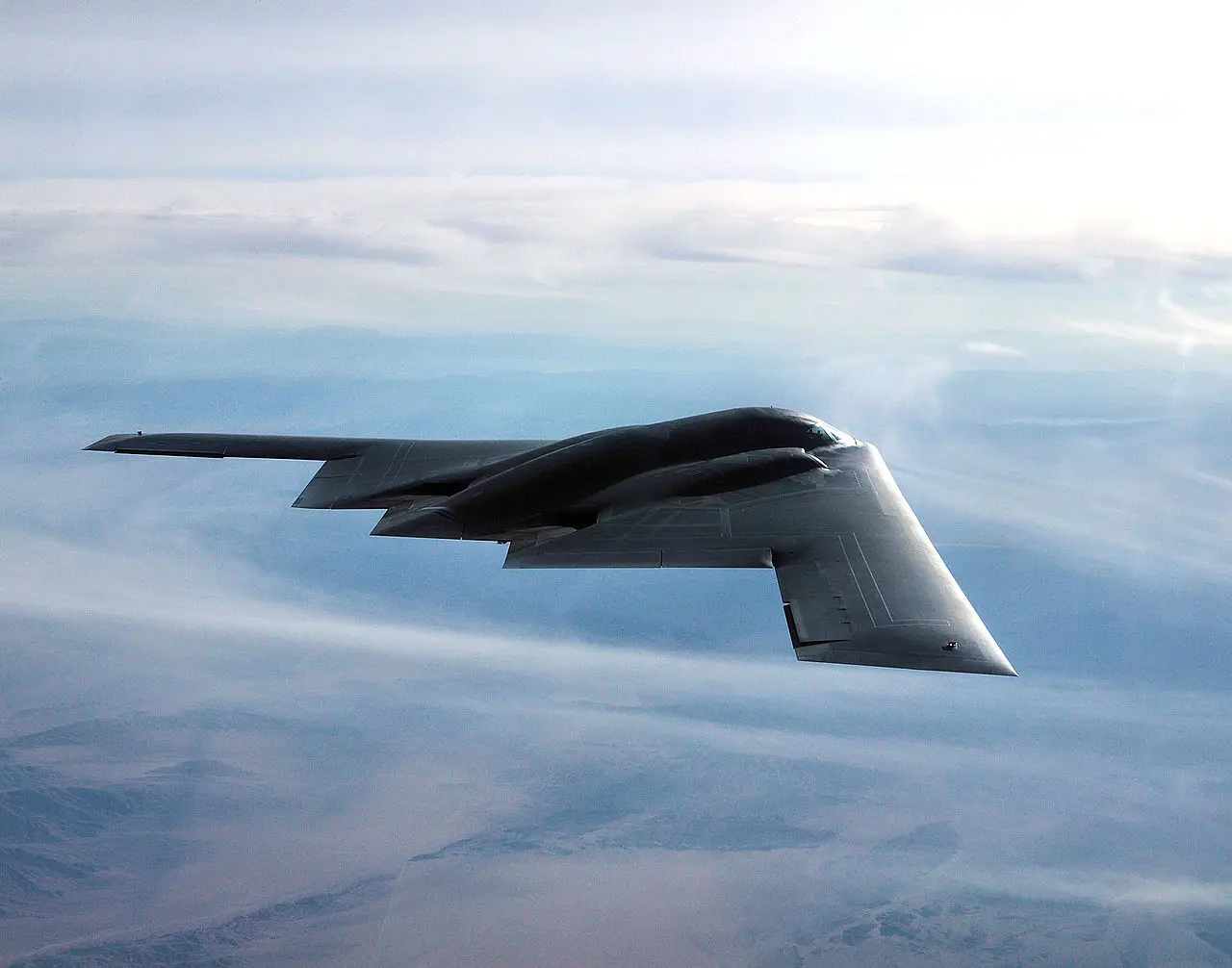
The B-2 Spirit carries nearly 75,000 pounds of fuel inside its wings, giving it an enormous range from the start. This design allows the aircraft to take off with enough reserves to cover intercontinental distances before even needing a refuel.
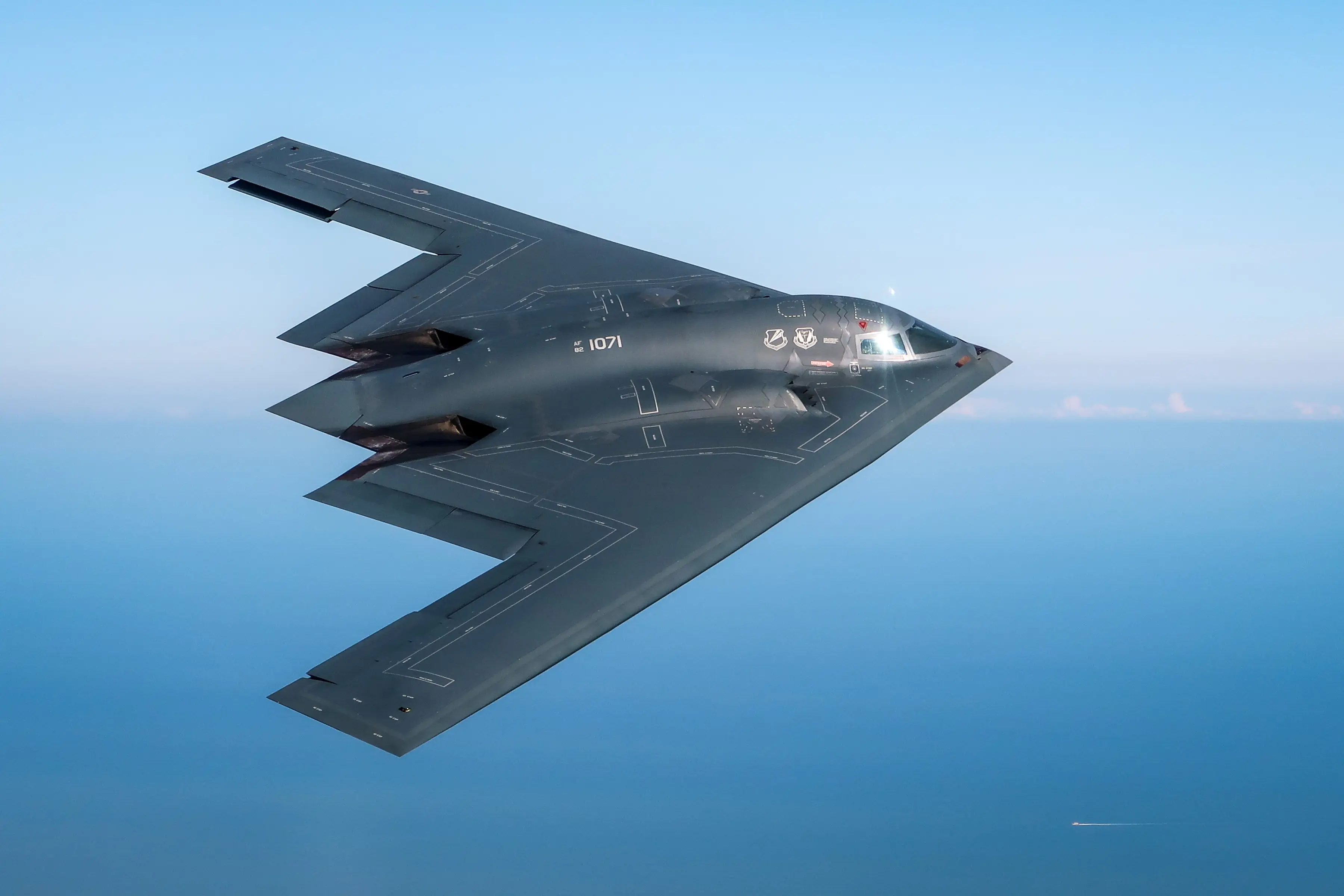
Efficient Stealth Design
The B-2’s flying wing structure reduces drag compared to traditional fuselage designs. Less drag means less fuel burned per mile, making the aircraft far more efficient on ultra-long missions.
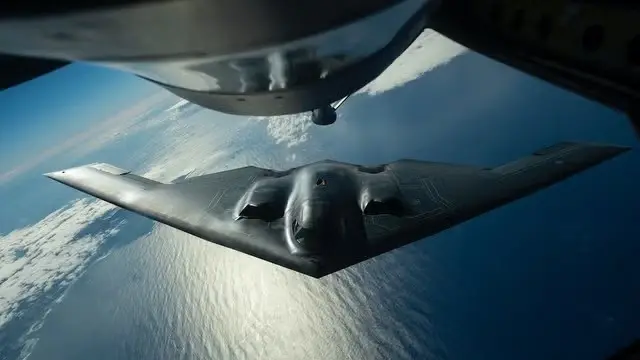
In-Flight Refueling Capability
Even with its large tanks, the B-2 can be refueled in midair by a tanker aircraft like the KC-135 or KC-46. This allows the Spirit to extend its missions indefinitely, enabling those record-breaking 40+ hour flights.
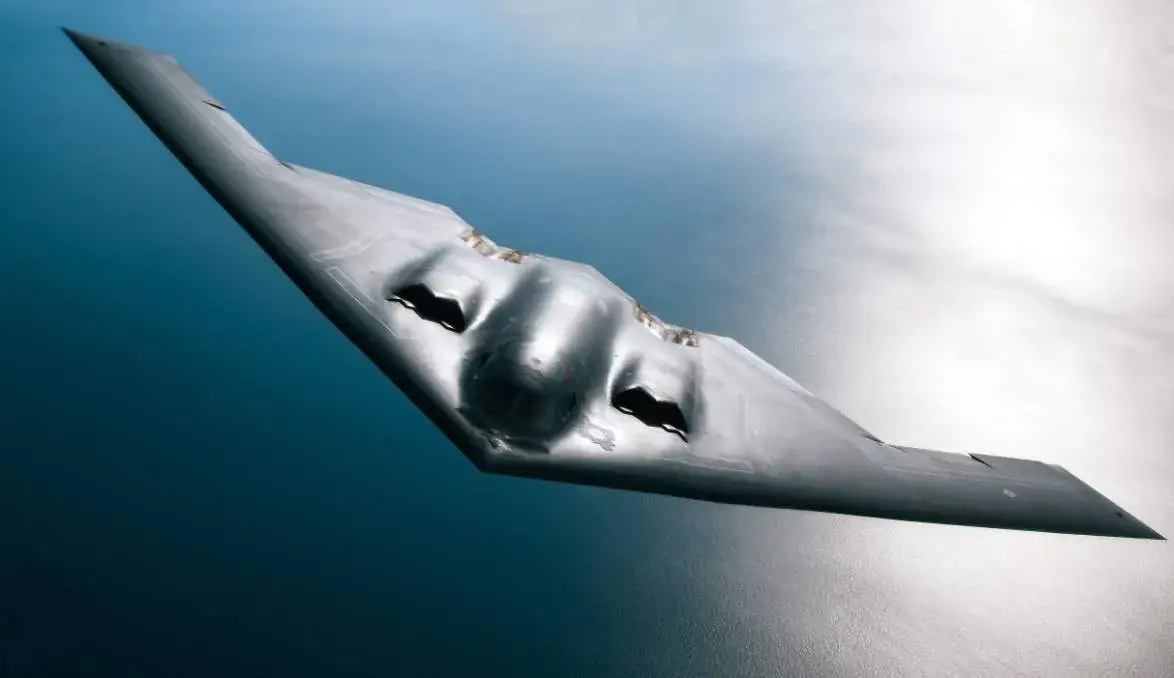
Advanced Engine Technology
The bomber uses four General Electric F118-GE-100 engines, which are optimized for endurance and fuel economy at cruising speeds. These engines are designed to maintain high efficiency while remaining hidden from infrared detection.
Crew Rotation in the Cockpit
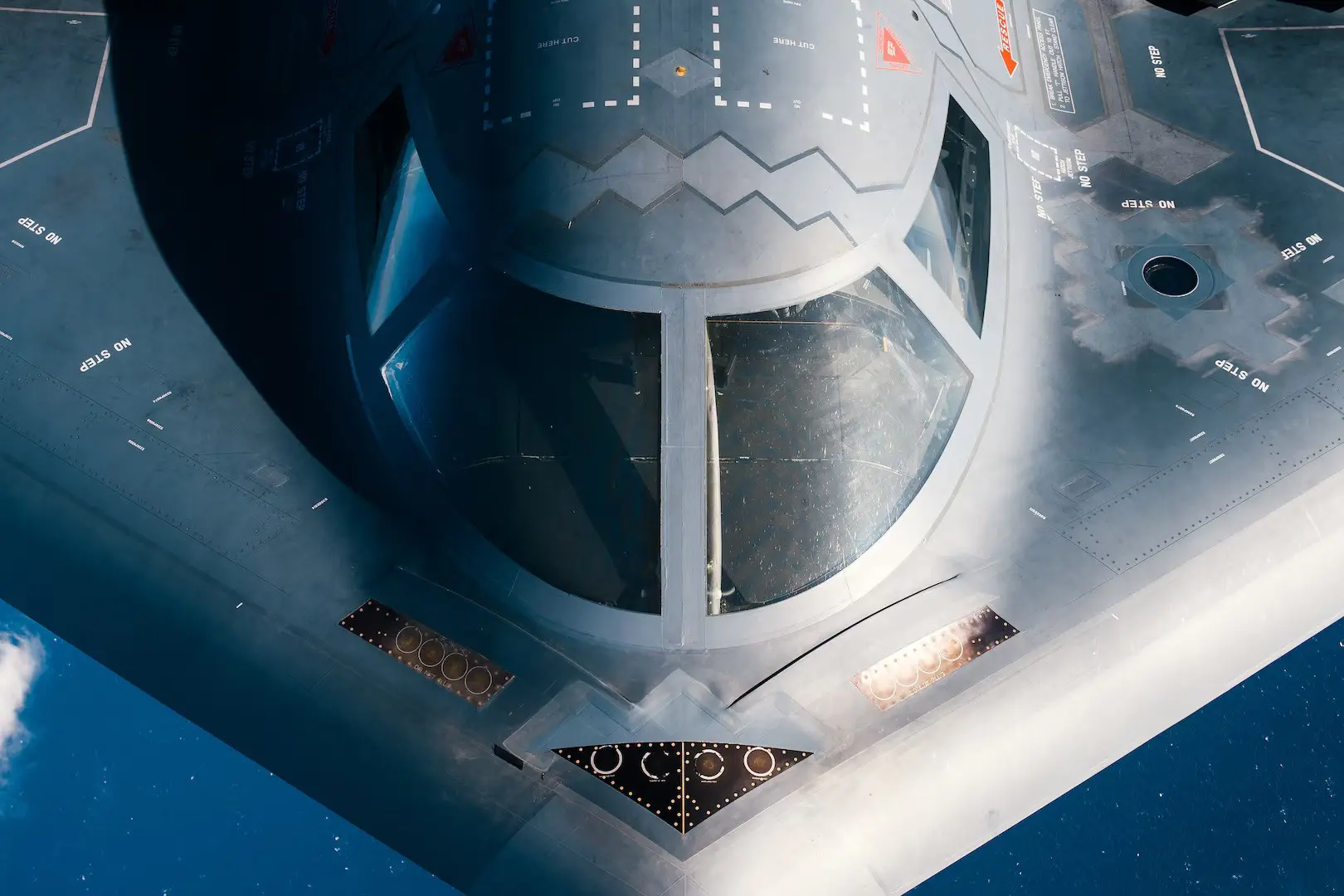
To survive such long missions, the B-2 usually has two pilots who take turns resting and flying. The cockpit is equipped with basic sleeping arrangements and ration storage so crews can endure missions that last nearly two days.
Global Strike Doctrine
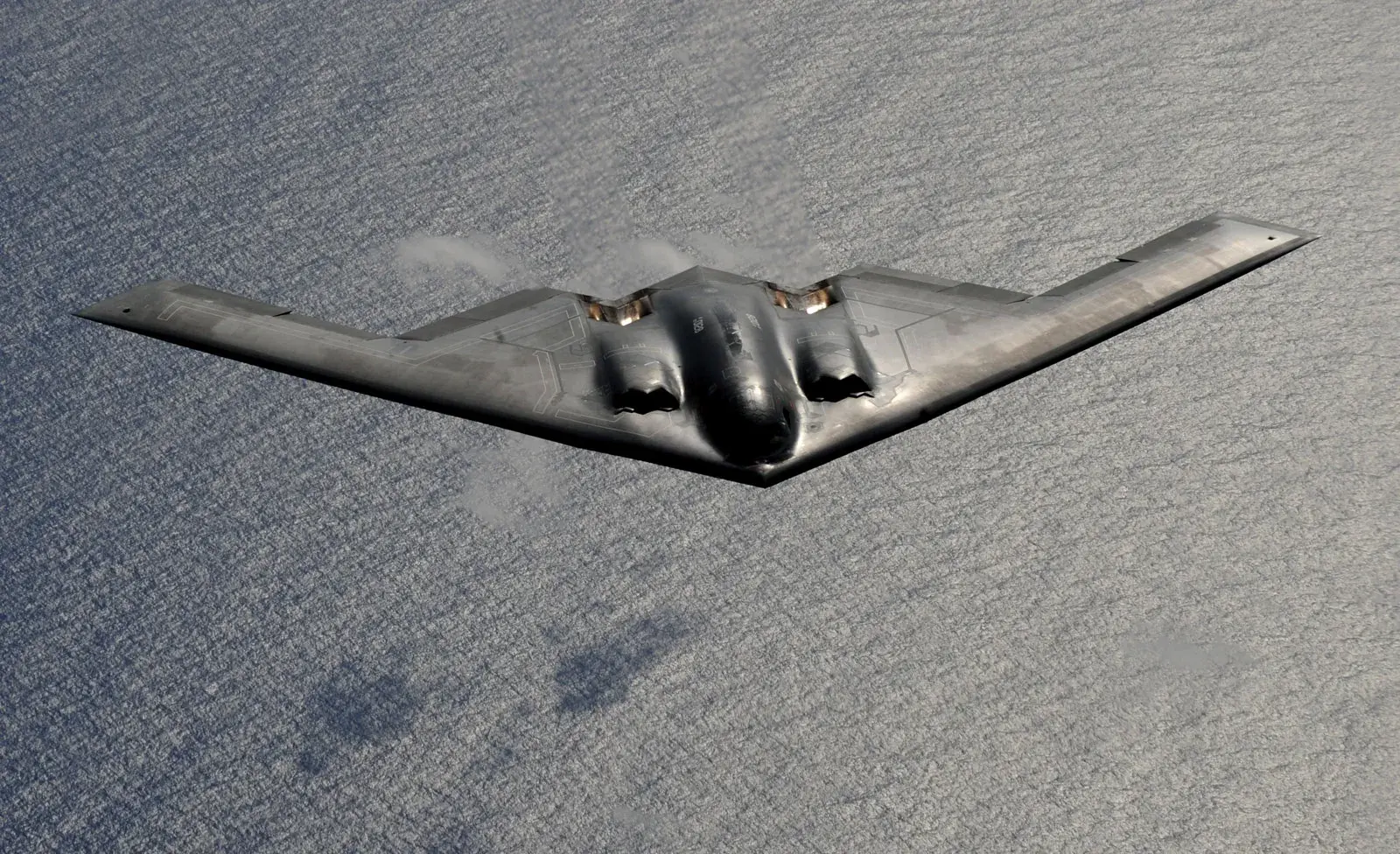
The US Air Force designed the B-2 to launch from bases in Missouri and strike targets anywhere in the world without relying on overseas bases. That’s why extreme endurance and refueling capabilities are built into its mission profile.
Proven in Real Combat
B-2s have flown marathon missions, such as during the Kosovo and Iraq wars, where bombers took off from Missouri, struck targets in Europe and the Middle East, and returned home without ever landing abroad. These historic flights showcase why the bomber’s 40-hour endurance is unmatched.
)
)
)
)
)