Houthis vs Hezbollah: What sets them apart and how they fit into Iran’s axis of resistance?

The 'Axis of Resistance' refers to a network of Iran-aligned groups, including Hezbollah in Lebanon, the Houthis in Yemen, and militias in Iraq and Syria.
Introduction
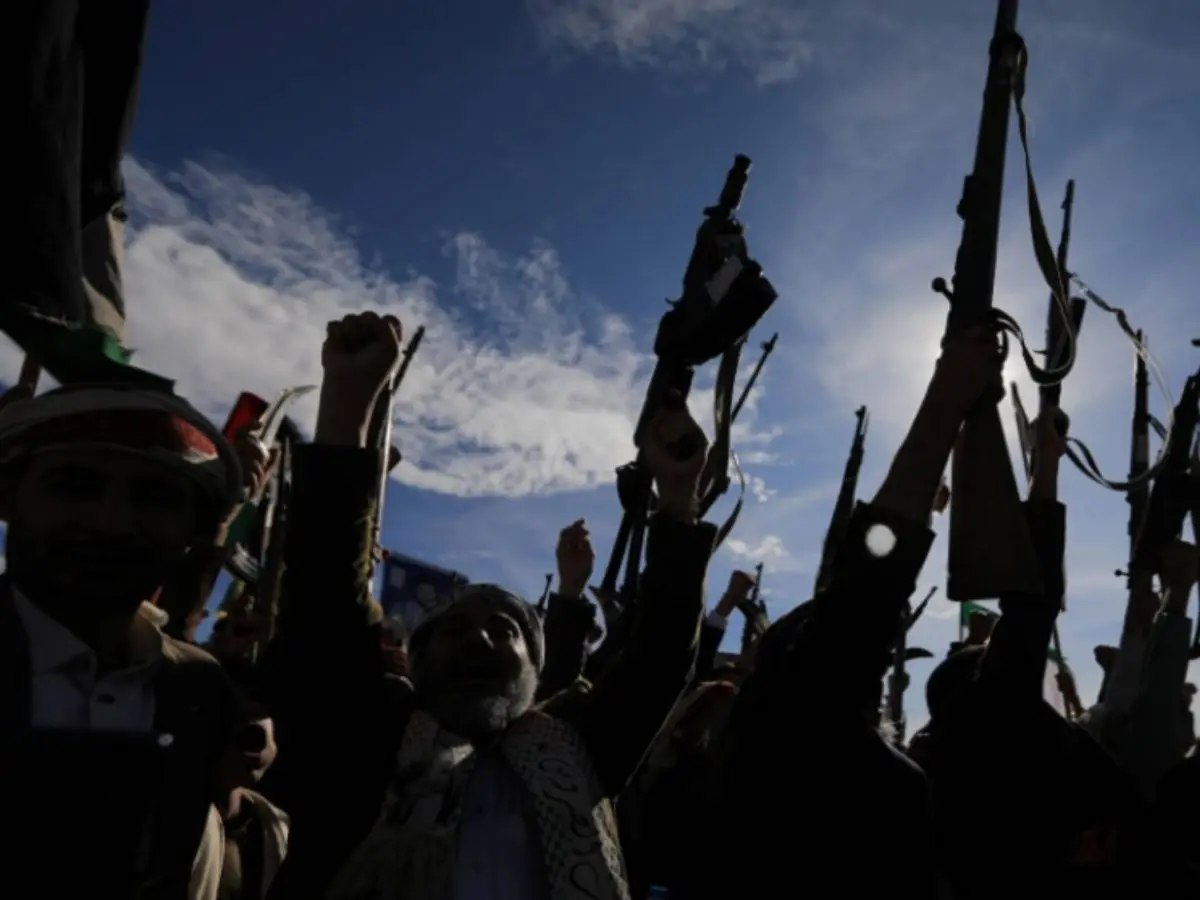
Yemen’s Houthi rebels have entered the expanding Israel-Iran conflict with a ballistic missile strike on Israel, marking their first such attack since the war began. Announcing the operation, Houthi military spokesperson Yahya Saree said the group had targeted Israeli military sites, signalling a widening of the conflict across the region. The development highlights the growing role of Iran’s 'Axis of Resistance', a network of allied groups operating across multiple fronts.
What is the Axis of Resistance?
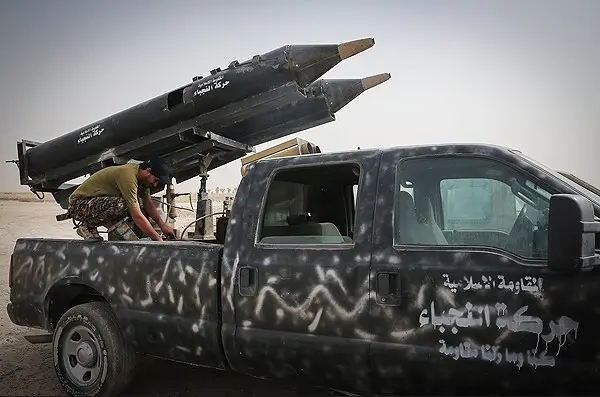
The 'Axis of Resistance' refers to a network of Iran-aligned groups, including Hezbollah in Lebanon, the Houthis in Yemen, and militias in Iraq and Syria. These groups are united by opposition to Israel and the United States, allowing Iran to exert influence without direct confrontation.
Hezbollah: Iran’s most powerful proxy
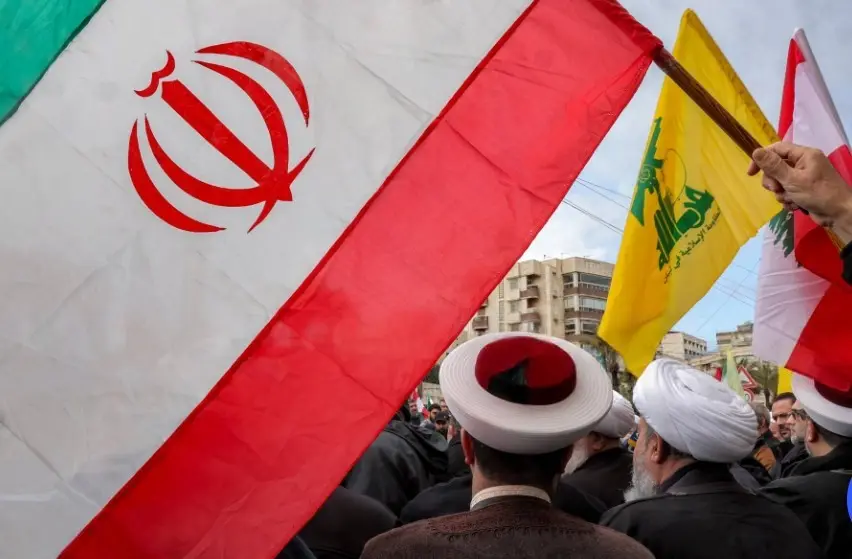
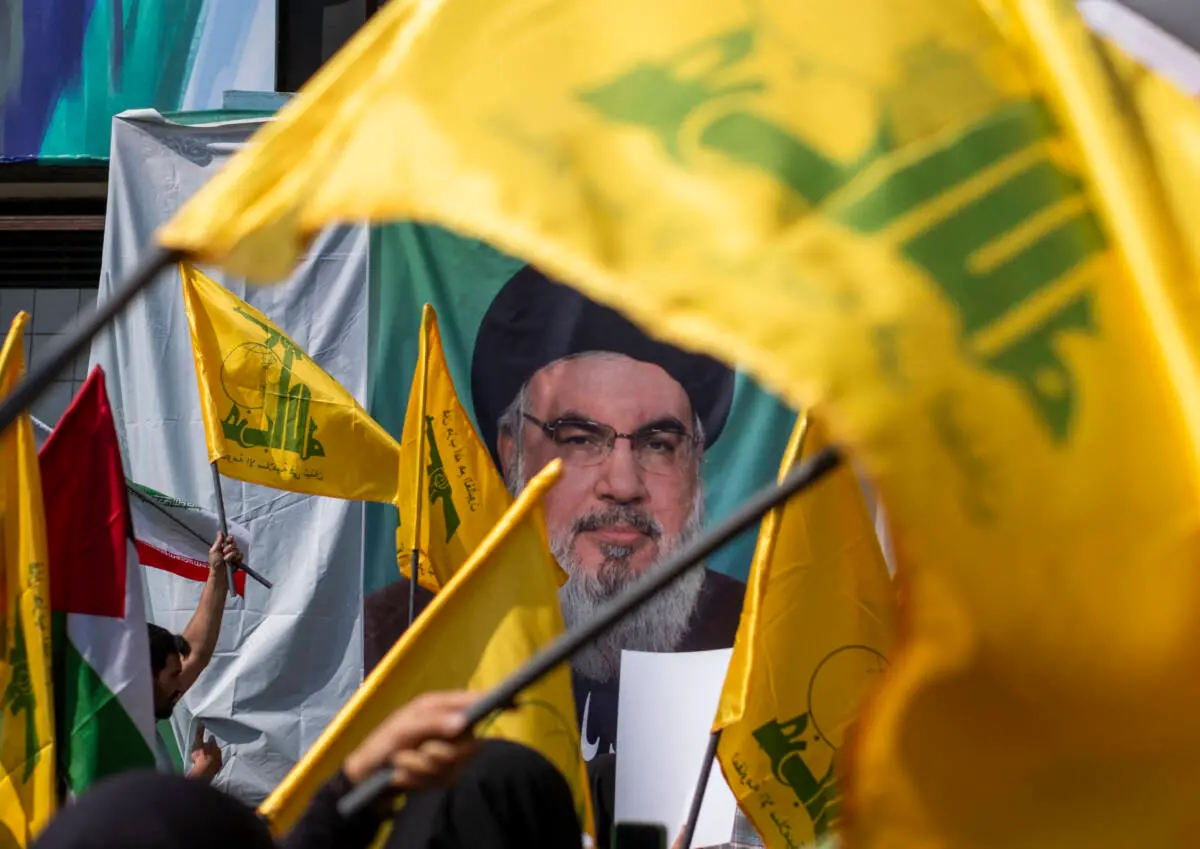
Hezbollah ('Party of God'), was formed in 1982 in response to Israel’s invasion of Lebanon during the civil war. Backed by Iran, the Lebanon-based Shia group has evolved into the most powerful non-state armed force in the Middle East. It operates simultaneously as a Shiite Muslim political party and a heavily armed militia, wielding significant influence over Lebanon’s political and security landscape, a position that has often led to it being described as 'a state within a state'. Driven by its opposition to Israel and resistance to Western influence in the region, Hezbollah has long functioned as Iran’s most important regional proxy. Following the start of the joint US-Israeli military campaign against Iran on February 28, the group launched retaliatory strikes on Israel, further widening the conflict.
Houthis: A different kind of actor
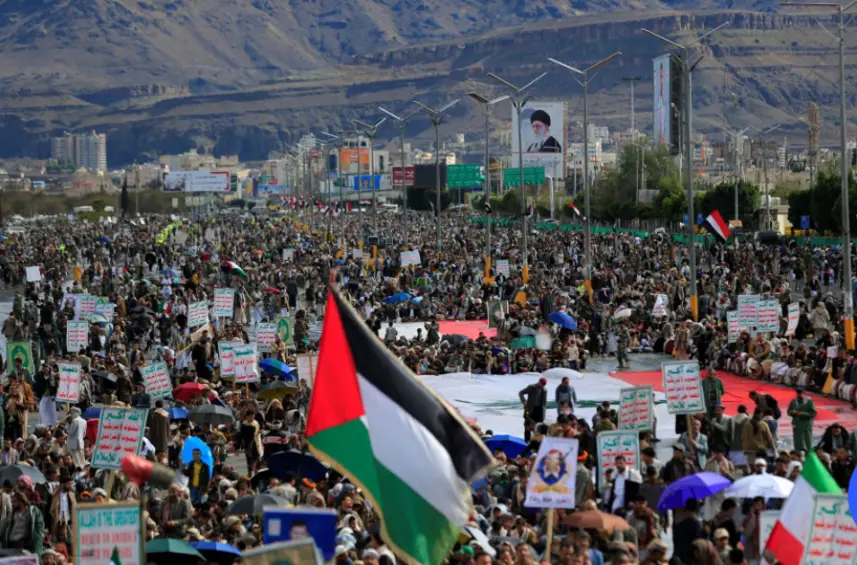
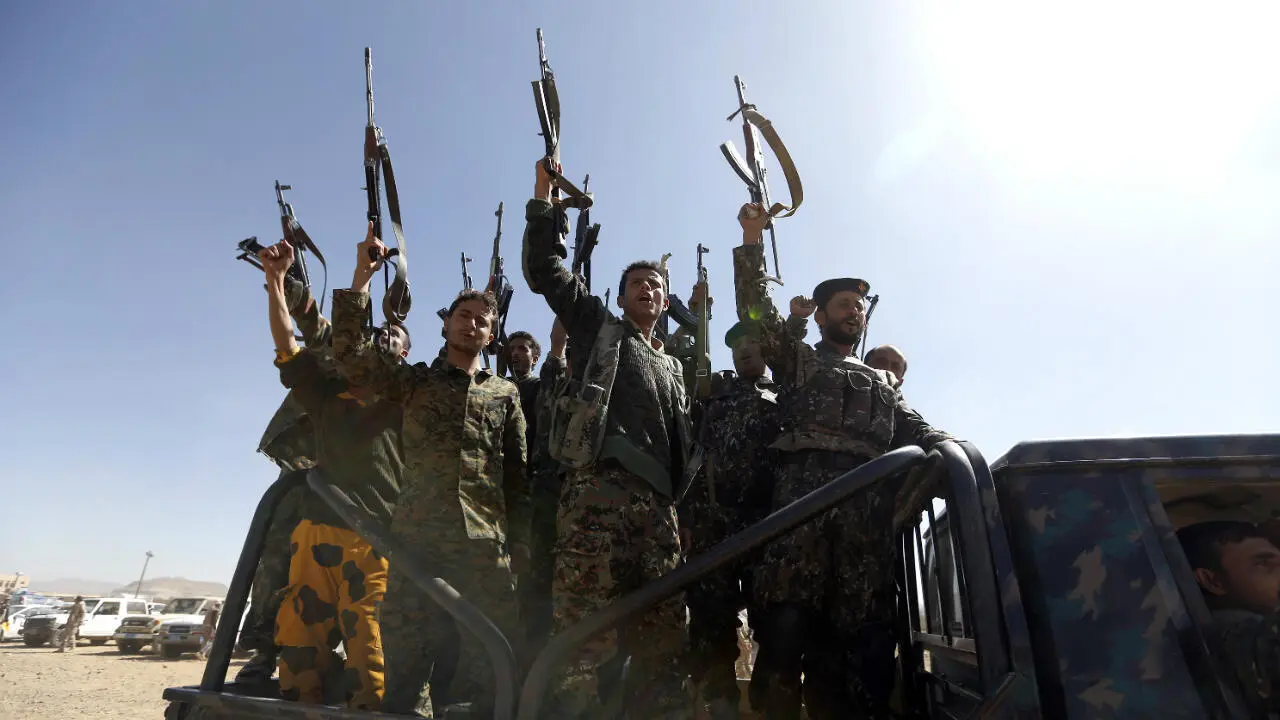
The Houthis, formally known as Ansar Allah, are based in Yemen and have controlled the capital, Sanaa, along with large parts of northern Yemen since 2014. Emerging from Yemen’s internal conflict, the group consolidated power after years of fighting with the internationally recognised government. In 2015, Saudi Arabia launched a military campaign in support of Yemen’s exiled government, turning the conflict into a major regional flashpoint.
Same but different
Although aligned with Iran, the Houthis belong to a different branch of Shia Islam and are often seen as operating with greater autonomy than some of Tehran’s other allies. Their strategic significance also stems from geography: they sit near the Red Sea corridor, one of the world’s most critical routes for oil and global trade. While the group’s rhetoric has long included opposition to Israel and the United States, its focus had largely remained on Yemen until its recent entry into the broader regional conflict.
What happened now?
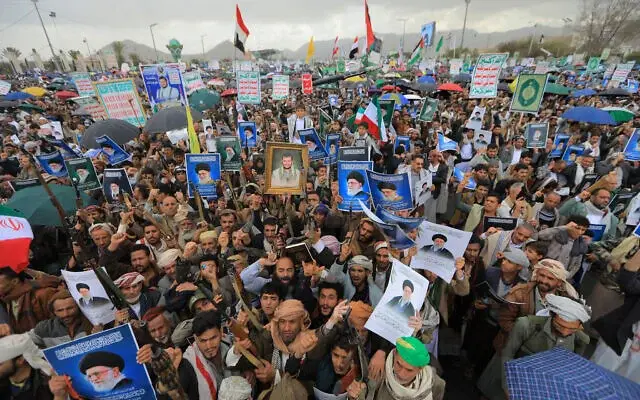
The Houthis’ entry into the conflict has added a significant new dimension to the widening war in West Asia. The strike came just hours after military spokesperson Yahya Saree indicated that the group would join the war. Air raid sirens were sounded around Beer Sheba in southern Israel and near the country’s main nuclear research centre, as Iran and Hezbollah also launched overnight attacks. The escalation has raised fresh concerns over the security of the Red Sea shipping corridor, through which goods worth nearly $1 trillion moved annually before the war.
Military capability and role
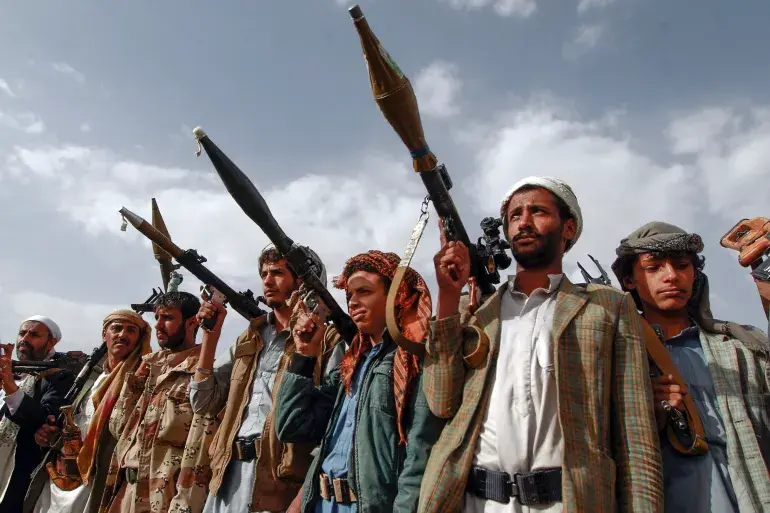
Hezbollah possesses a large arsenal of rockets, trained fighters, and structured command systems, enabling rapid escalation. The Houthis rely more on asymmetric tactics, including missile strikes and attacks on shipping routes, reflecting different operational strengths.
Timing and escalation
Hezbollah has been actively engaged since the early stages of the conflict, while the Houthis entered later, after warning they would act if attacks on Iran continued. This staggered involvement reflects differing strategic calculations within the alliance.
)
)
)
)
)