'Hormuz blockade': 7 lifestyle changes PM Modi suggests to navigate the US-Iran war crisis

As the US-Iran war severely disrupts the Strait of Hormuz, the global energy crisis has reached India's shores. Prime Minister Narendra Modi is urging citizens to urgently adopt these 7 lifestyle changes to cut down on petrol and diesel consumption.
The Crisis Hits Home
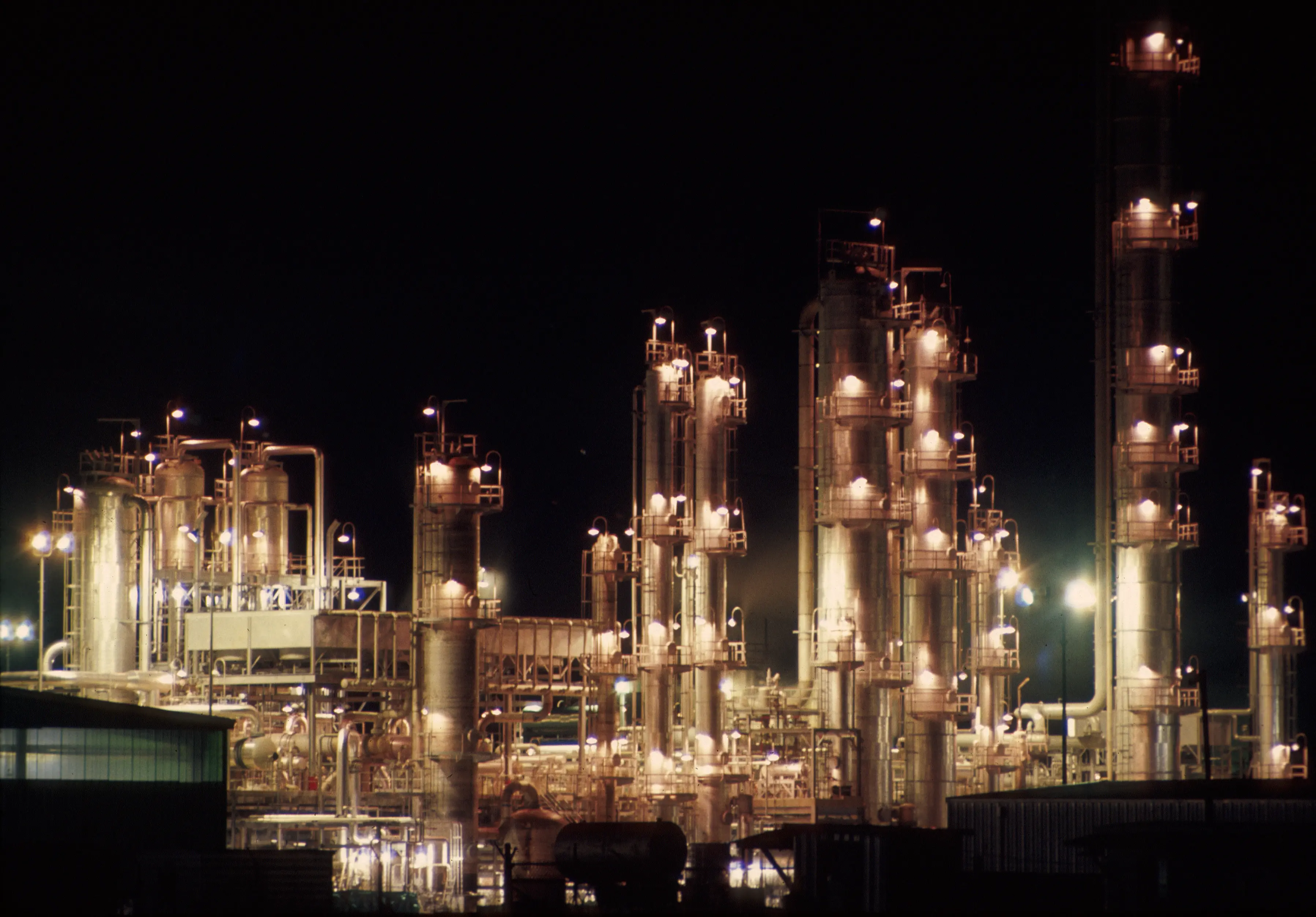
The ongoing war in West Asia has choked the Strait of Hormuz, causing a massive spike in global oil prices. In response, PM Narendra Modi has issued a stark warning, stating that the ‘need of the hour’ is to severely restrict domestic petrol and diesel consumption.
1. Back to Work-From-Home
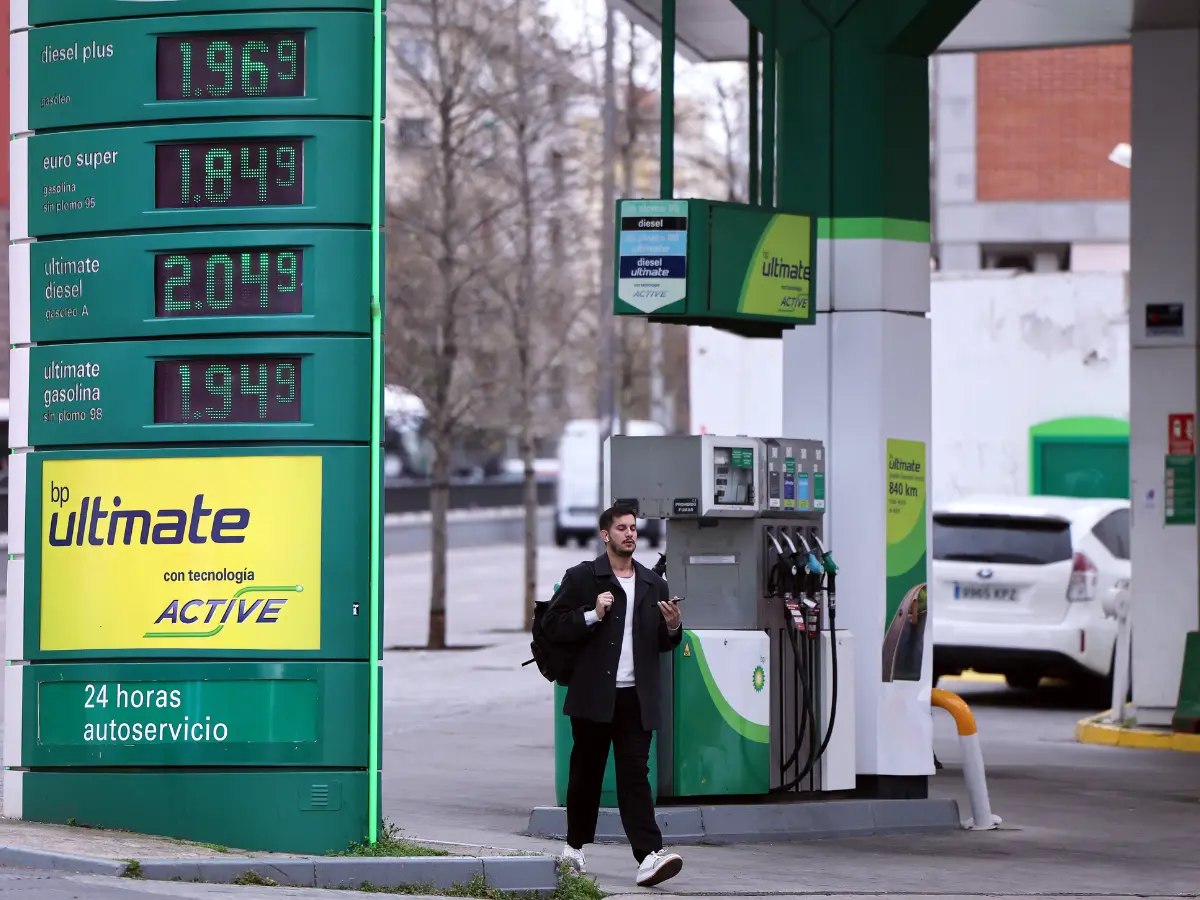
To immediately reduce the number of vehicles on the road, PM Modi suggested reviving a key practice from the COVID-19 era: working from home. He urged corporate offices to allow employees to work remotely wherever possible to save massive amounts of commuter fuel.
2. Virtual Meetings Over Travel
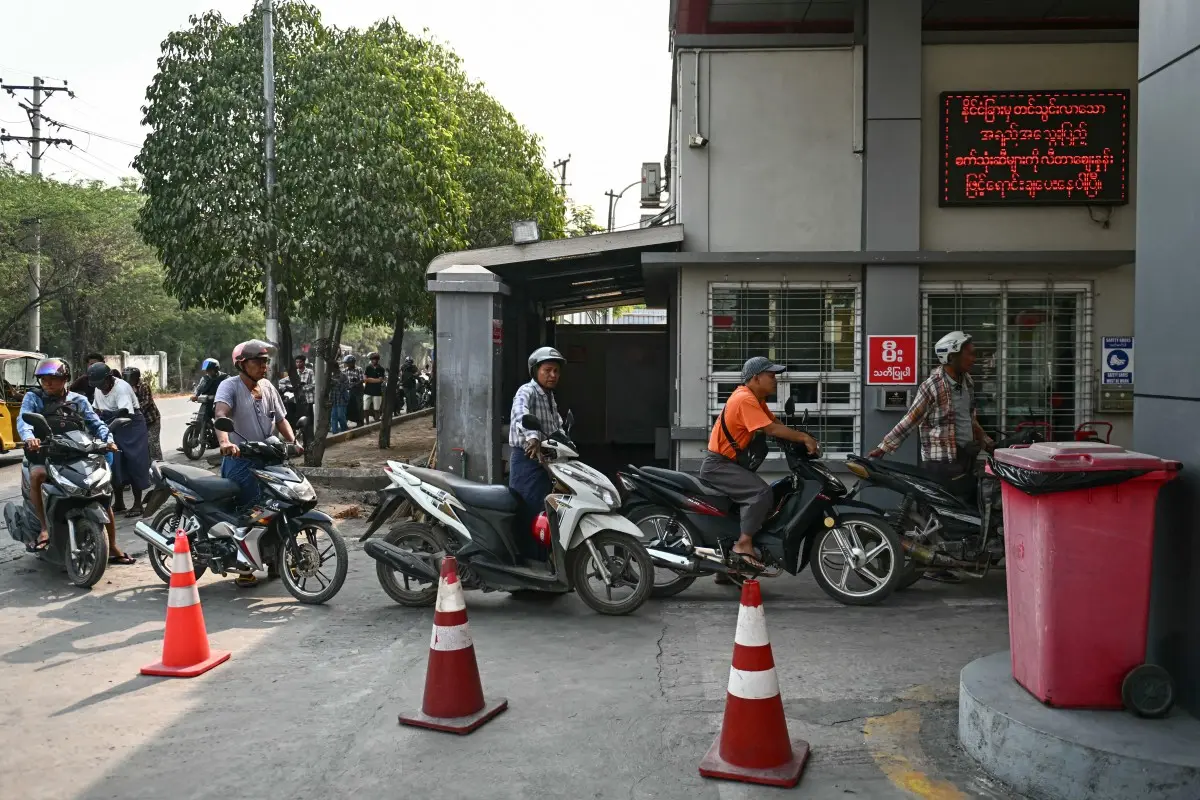
The Prime Minister also advised against unnecessary domestic travel for business. He pushed for a return to online conferences and virtual meetings, heavily reducing the reliance on aviation fuel and inter-city driving.

3. Mandatory Carpooling
For those who must commute to the office, PM Modi emphasized that traveling alone in a private vehicle is no longer sustainable. He urged citizens and neighborhoods to actively organize and adopt carpooling systems to minimize daily fuel burn.
4. The Shift to Metro Rail
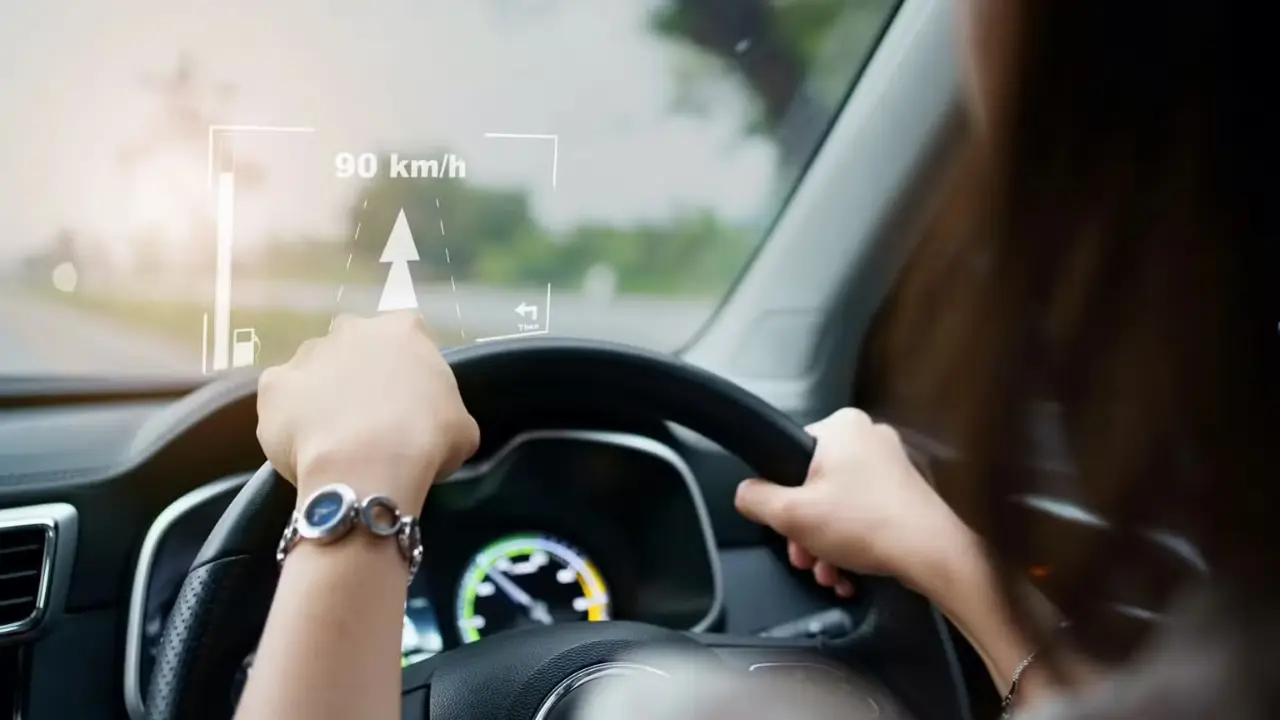
The most significant infrastructure push in his appeal was the immediate transition to public transport. PM Modi urged urban commuters to abandon their cars and heavily rely on the metro rail systems to get across the city.
5. Reducing Leisure Travel
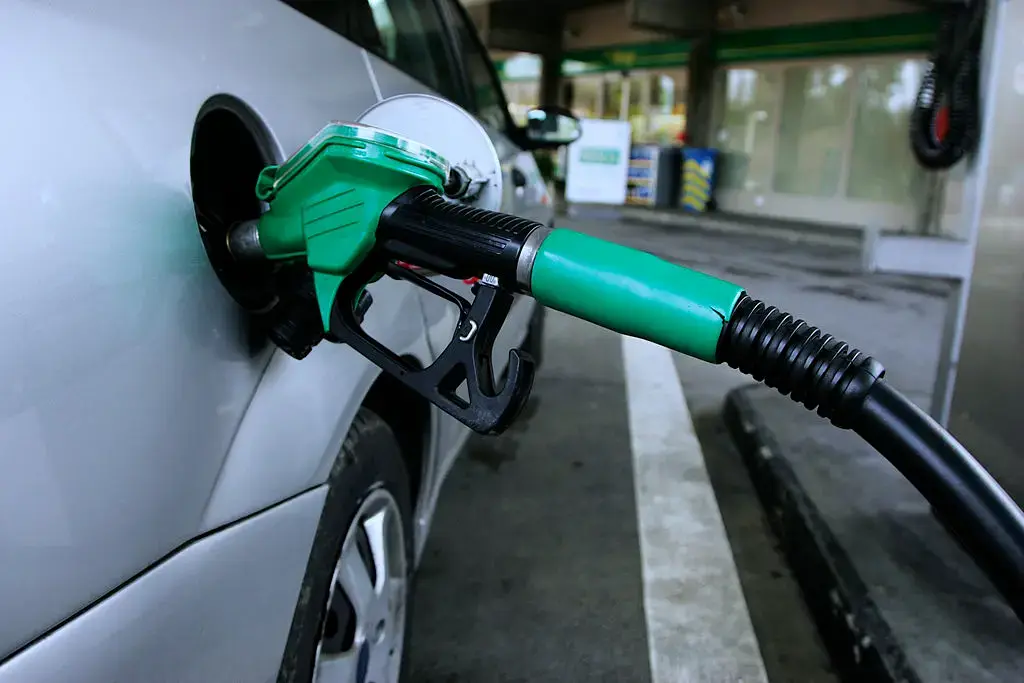
While not a total ban, the underlying message of the appeal was to reconsider non-essential driving. Cutting back on weekend road trips and excessive leisure travel plays a critical role in preserving the nation's imported fuel supplies.
6. Shielding the Economy
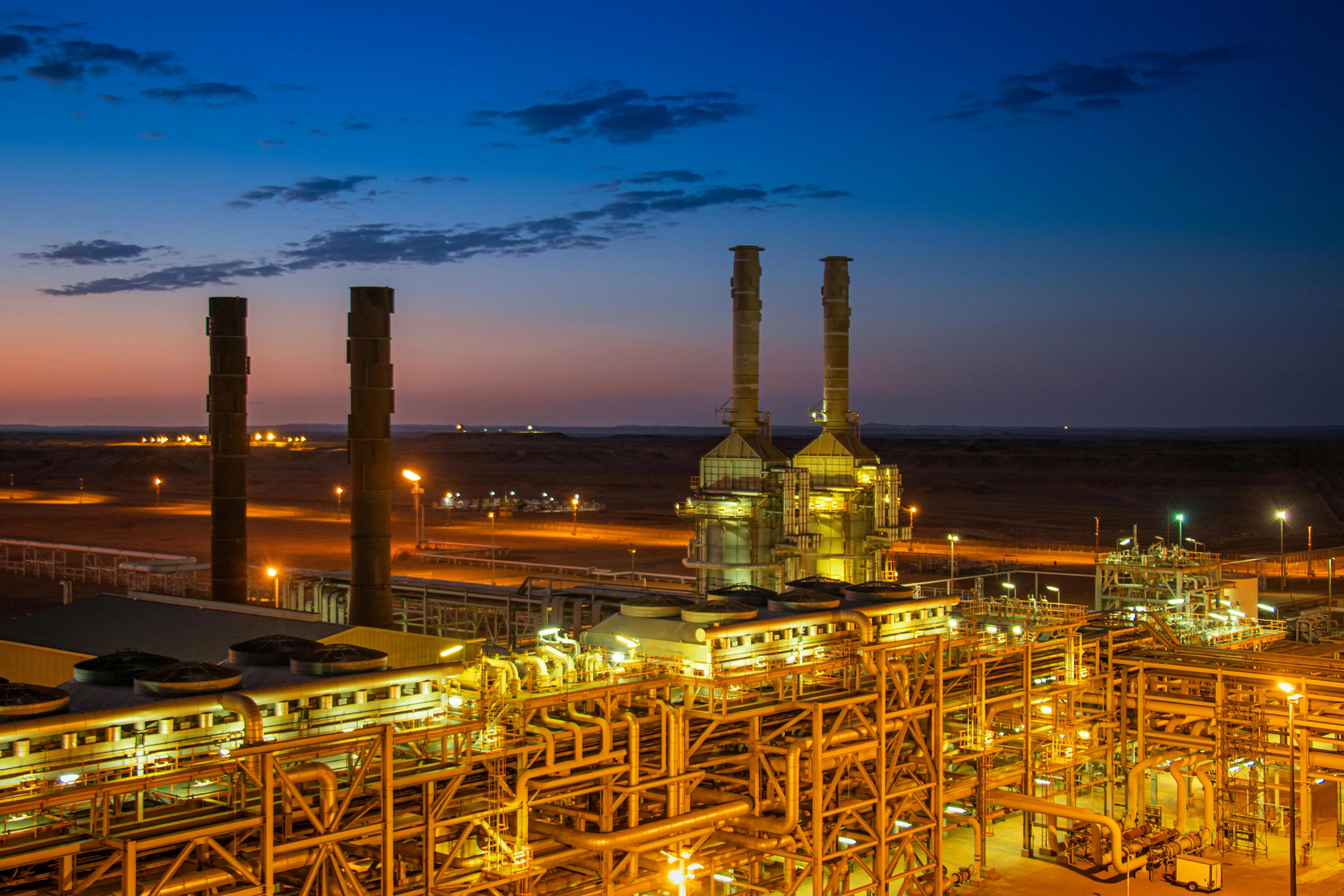
Why the drastic measures? The Indian government and state-run oil companies are currently bleeding money to keep petrol prices artificially stable. These lifestyle changes are essential to prevent this massive financial burden from crashing the domestic economy.
)
)
)
)
)