Hormuz and Bab-el-Mandeb crisis: Two chokepoints that could disrupt 30% of global oil trade

Rising tensions in the Strait of Hormuz and Bab-el-Mandeb threaten nearly 30 per cent of global seaborne oil trade, raising fears of major disruptions to global energy supply and international shipping routes.
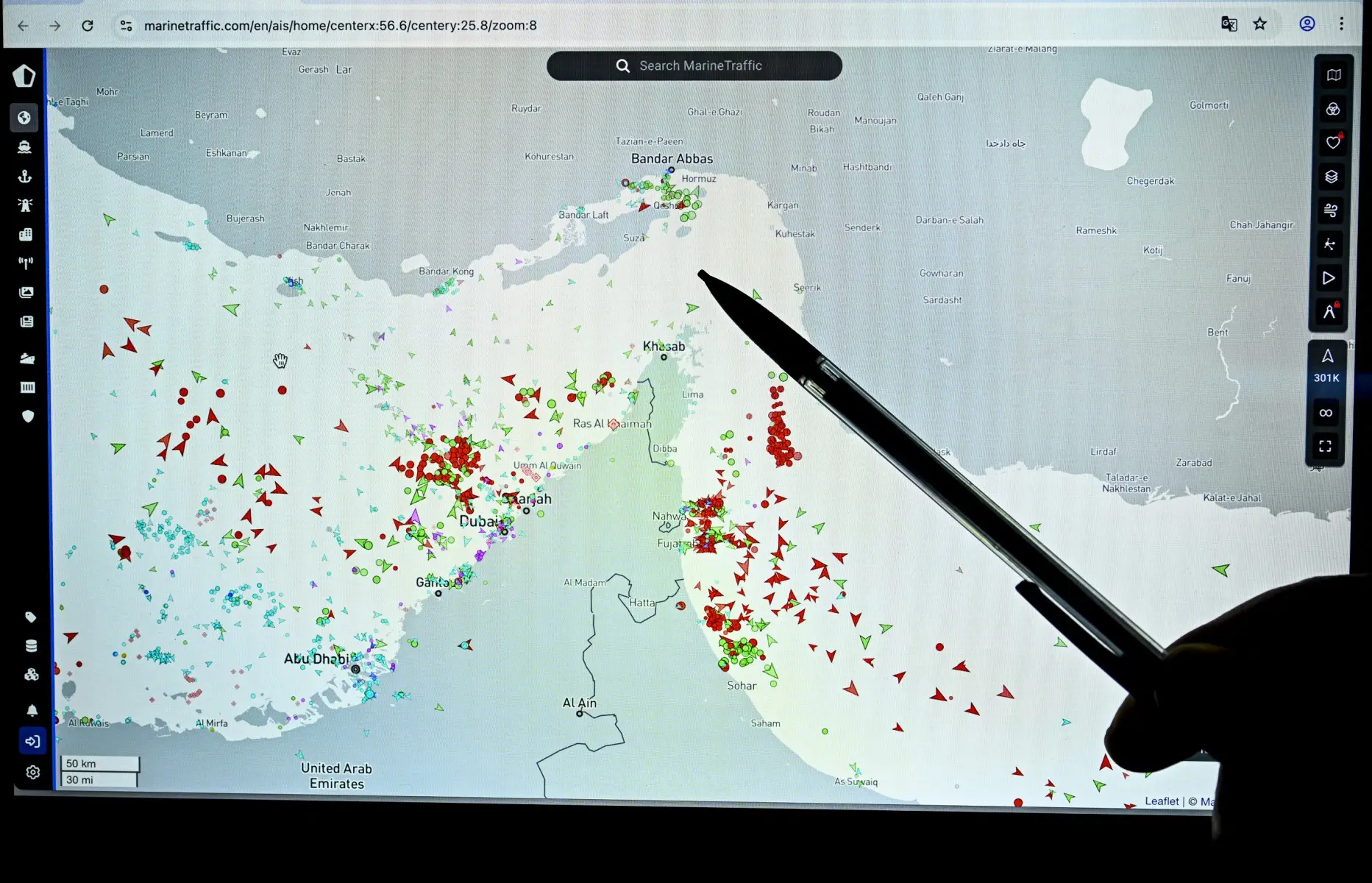
First choke point- Strait of Hormuz
The effective closure of the Strait of Hormuz is threatening to disrupt global trade. Almost 20 per cent of global oil pass throgh this route. Iran's IRGC has taken control of the naval chokepoint, and oil prices have crossed $105 per barrel. Iran wants to hold the global economy hostage to hurt the US economy, which is directly dependent on the energy security and oil trade of the GCC. Saudi Arabia and the United Arab Emirates are cut out of the oil trade, dealing a major blow to the US imperial ambitions as it over extends it's reach in the Persian Gulf. The Trump administration, which once harassed its traditional European allies over Greenland, is now desperate for its naval support to secure the vital choke point.
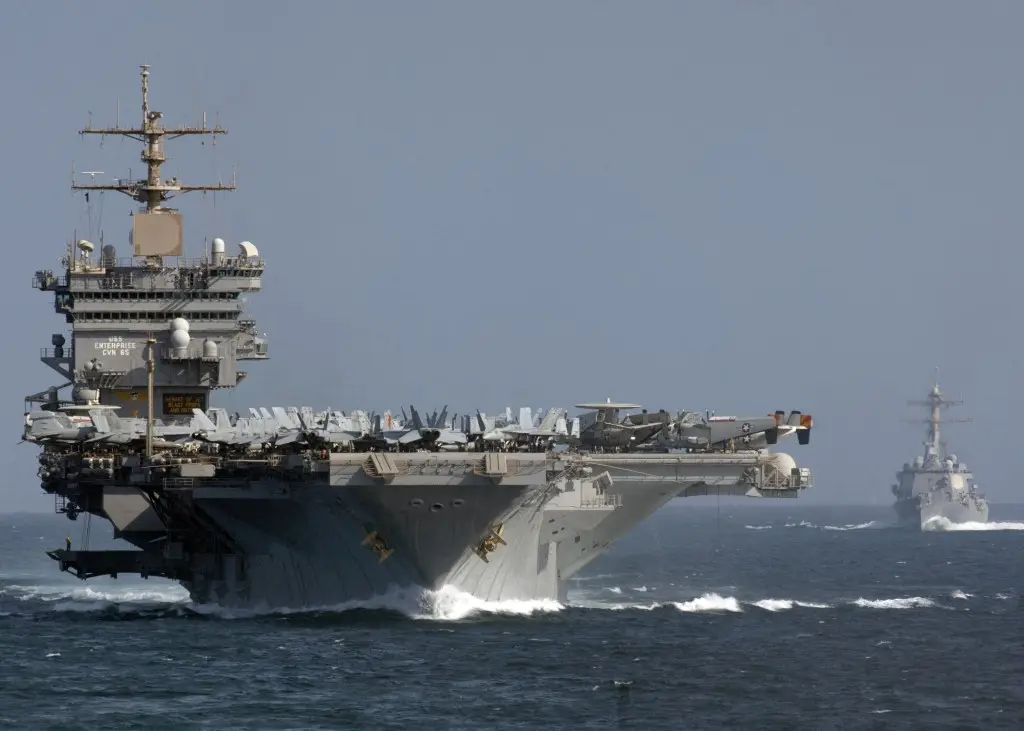
Second Choke Point- Bab el-Mandeb Strait
After the Strait of Hormuz, the next choke point is the Bab-el-Mandeb Strait. Yemen's Houthi movement has declared alignment with Iran's IRGC. It declared that its “fingers are on the trigger”, raising further speculation of paralysis of global energy trade. On March 14, senior Houthi official Abdul-Malik al-Houthi announced that it was “Hour Zero” for coordinated operations against the US-Israeli aggression, suggesting that closing the Bab-el-Mandeb is the "primary option" to assist Iran.
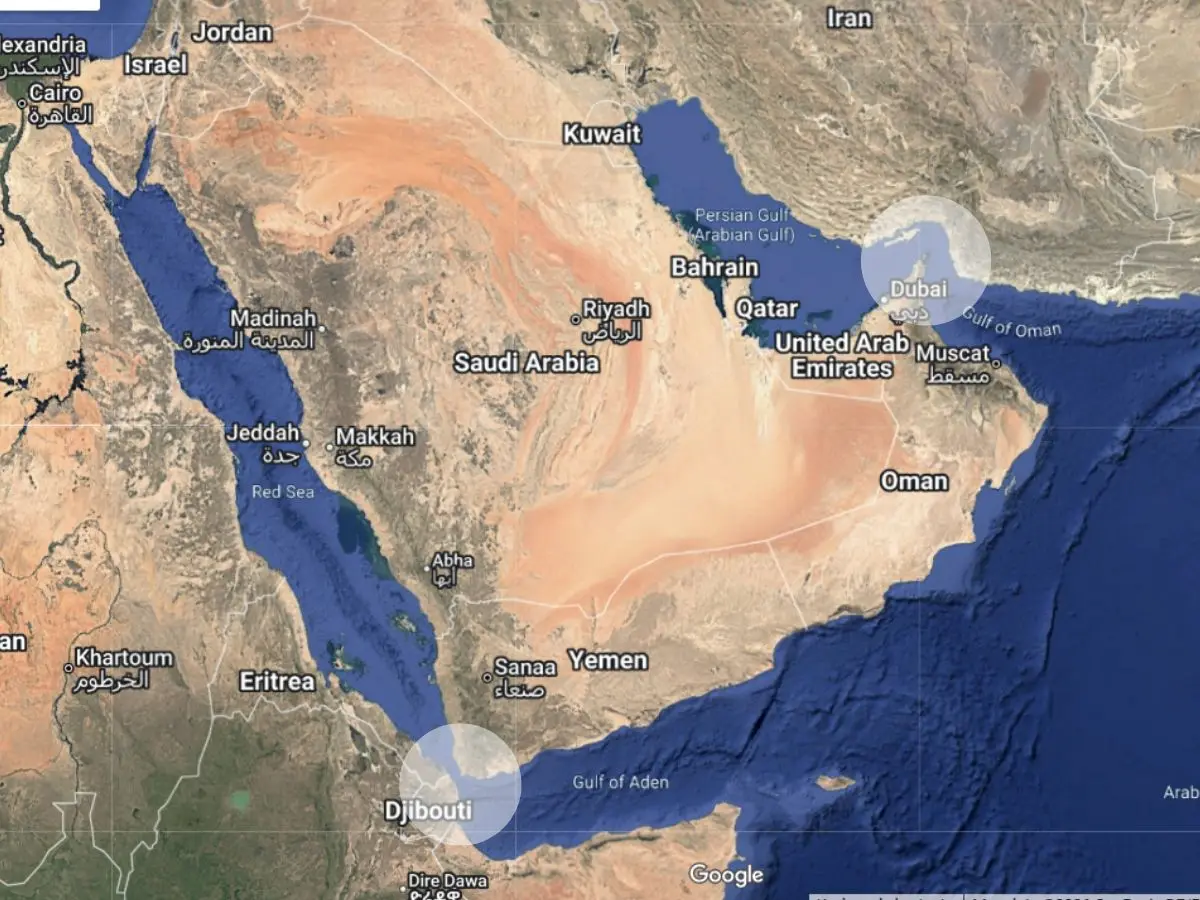
What is the Bab el-Mandeb Strait and why is it important?
Bab el-Mandeb, which is Arabic for “Gate of Tears” or “Gate of Grief”. Located between Djibouti, the Horn of Africa and Yemen, the Arabian Peninsula, it is the strategic 30-km wide waterway connecting the Red Sea to the Gulf of Aden. It is the only maritime link between Europe and Asia, passing through the Suez Canal. Around 10-12 per cent of global trade happens through this route. In 2023, approximately 8.8 million barrels of oil were transported daily through this corridor. It reduces the travel time by 10-15 days, saving transportation costs.
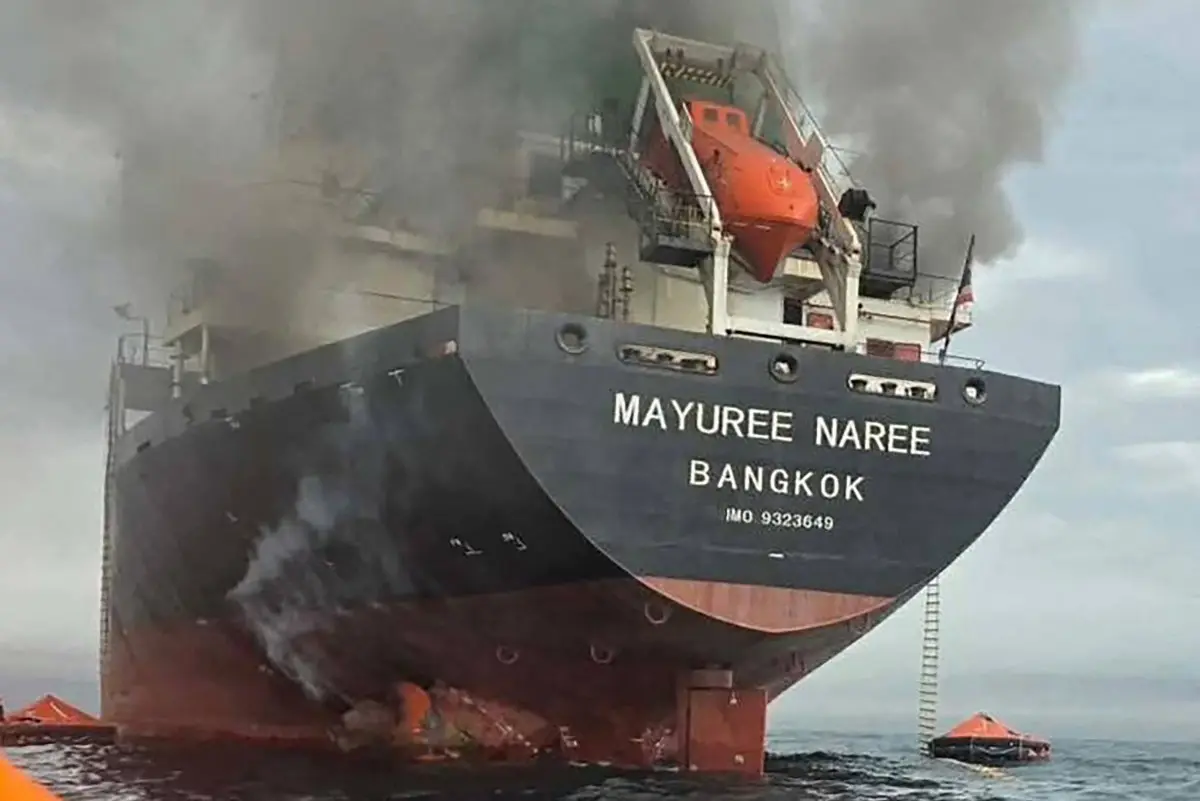
How potent is the threat of an escalation?
The threat of an escalation is significant as the US just attacked the Kharg Island of Iran, which accounts for 90 per cent of Iranian energy export. In response, Iran has attacked several vessels in the Strait of Hormuz. The US is now seeking help from its allies in Europe and Asia to help secure the strait. But any joint operation from Europe will trigger a reaction from the Houthis movement. Most importantly, China has the only overseas military base in Djibouti. So any confrontation in the Gates of Tears will escalate the regional conflict into a global conflict. The key indicators of a possible escalations is that several container liner companies, CMA CGM, Maersk, and Hapag-Lloyd, have suspended trans-Suez operations. They are now taking the longer route via the Cape of Hope.
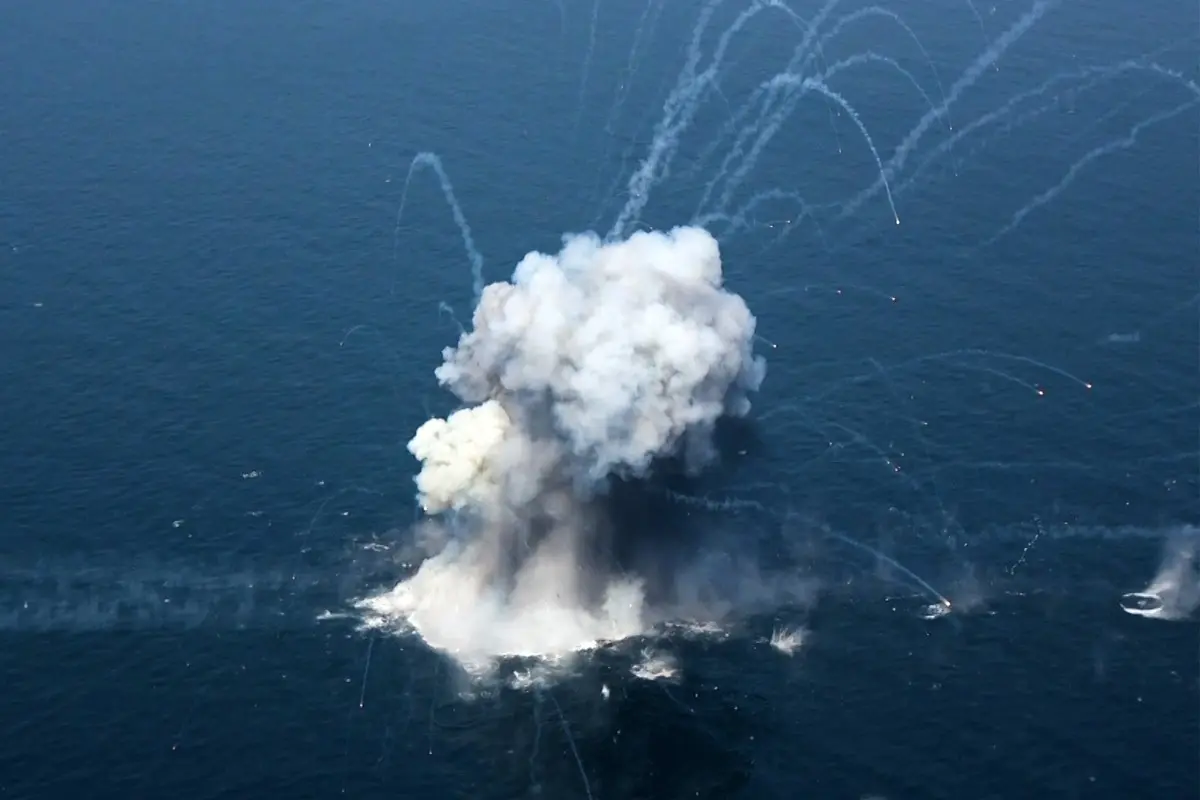
The double choke point of the global trade
Almost 30 per cent of seaborne oil comes through these two choke points. Cutting of the Bab el-Mandeb Strait with the Strait of Hormuz will effectively cut off the UAE, Saudi Arabia, Qatar, Kuwait and Bahrain from maritime export. This will hurt the energy needs of Southeast Asia at first. US President Donald Trump had said that the US has enough production capacity that it does not need to secure the choke points, but soon it will burst the bubble of the US economy's Ponzi scheme. As most of US important investments in finance, tech and AI is driven by the sovereign gulf wealth.
)
)
)
)
)