Hong Kong marks one year of pro-democracy protests with hope and fear

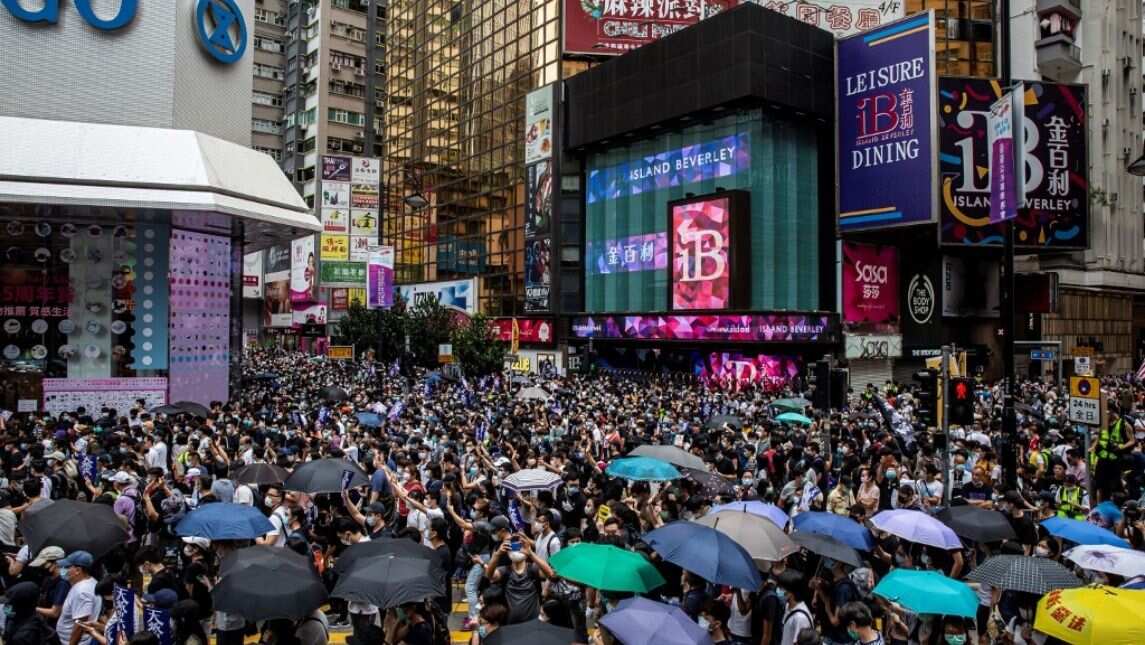
Millions on the streets
Last year, organisers said a million people hit the streets in a city of 7.5 million, spurred by proposed legislation to allow people to be extradited to mainland China, where the courts are controlled by the Communist Party.
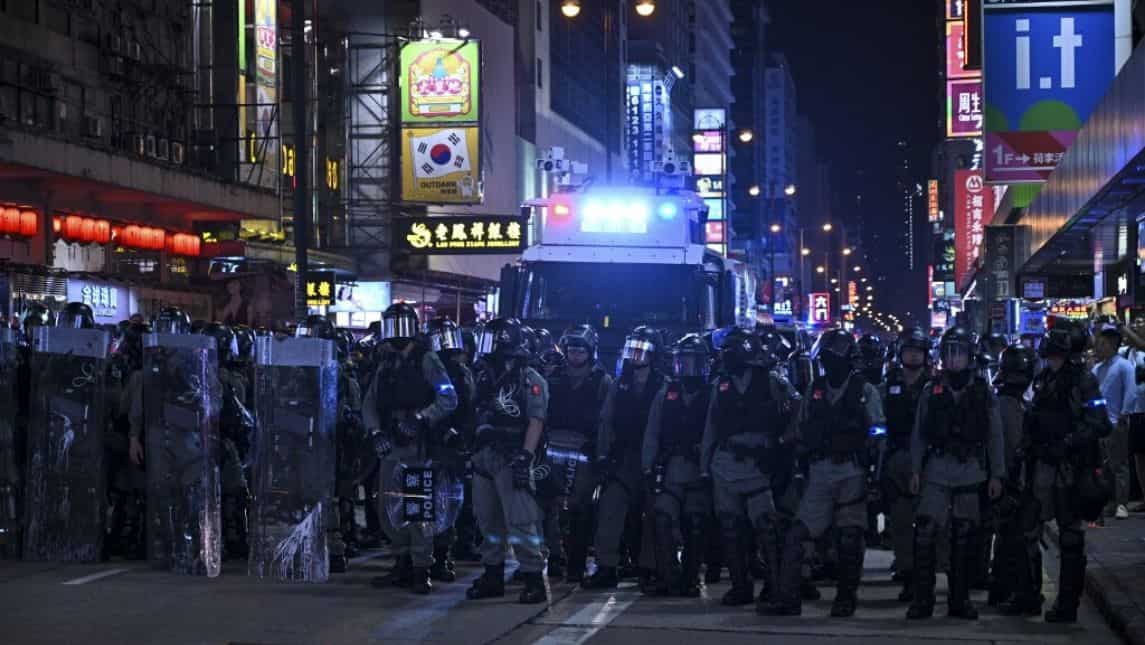
China gives in
The Hong Kong government eventually backed down on the legislation, but the protests had evolved into calls for broader demands.
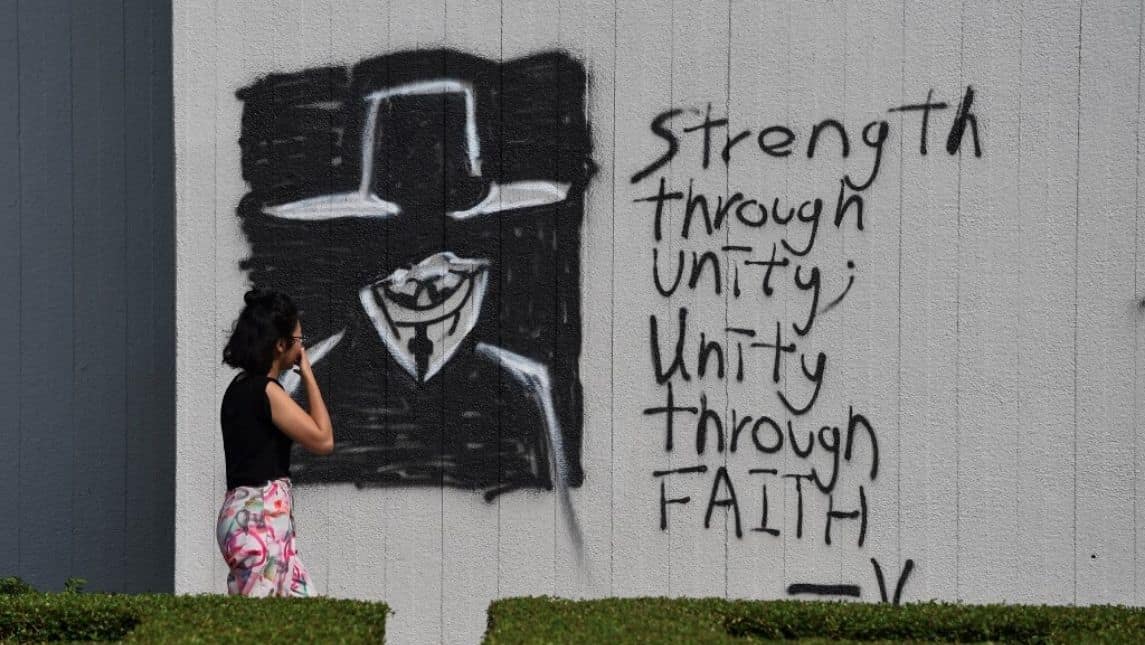
Looming danger
Now, authorities in Beijing are drafting national security laws that activists fear will further curb freedoms in the city. Officials have said the laws would target a small number of "troublemakers" with provisions against secession, subversion, terrorism and foreign interference.
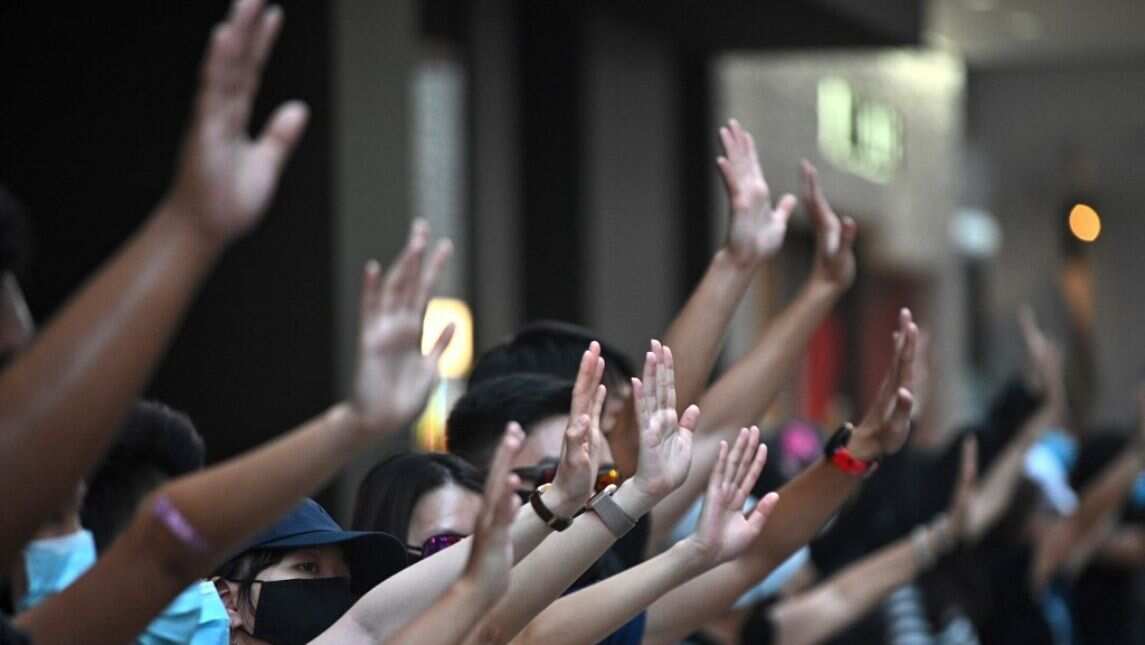
Unprecedented arrests
Almost 9,000 people, aged between 11 and 84, were arrested in relation to protests over the past year, police said late on Monday (June 8)
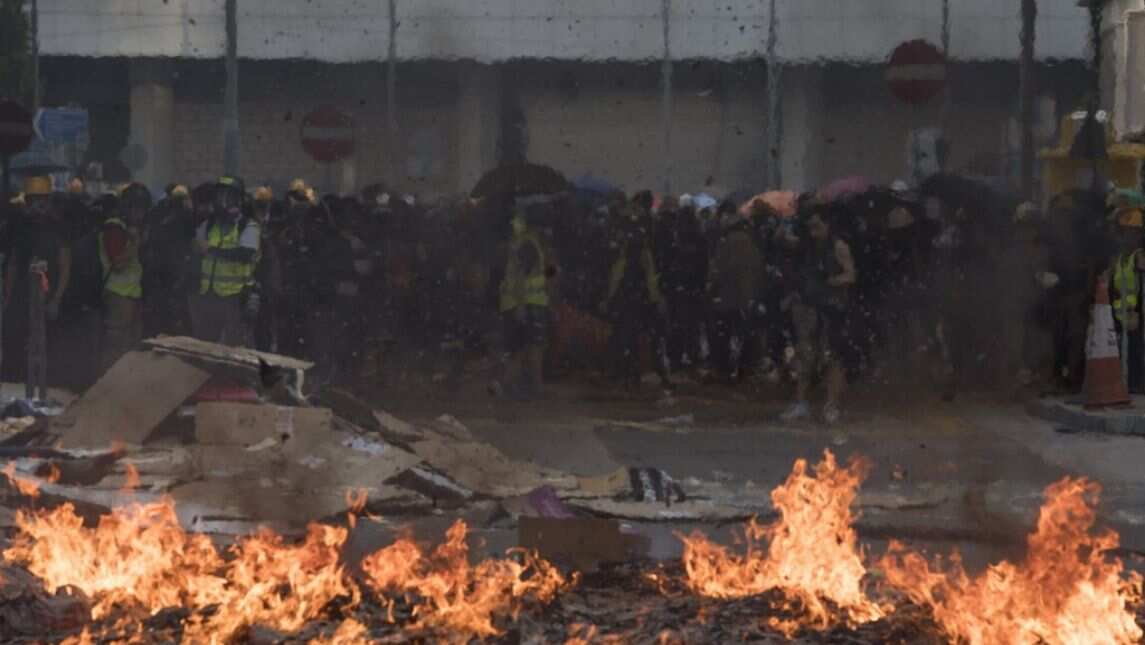
Lam wants "no chaos"
Hong Kong leader Carrie Lam warned on Tuesday that the Chinese-ruled city cannot afford further "chaos" as activists marked a year of pro-democracy rallies with lunchtime protests in several shopping malls.
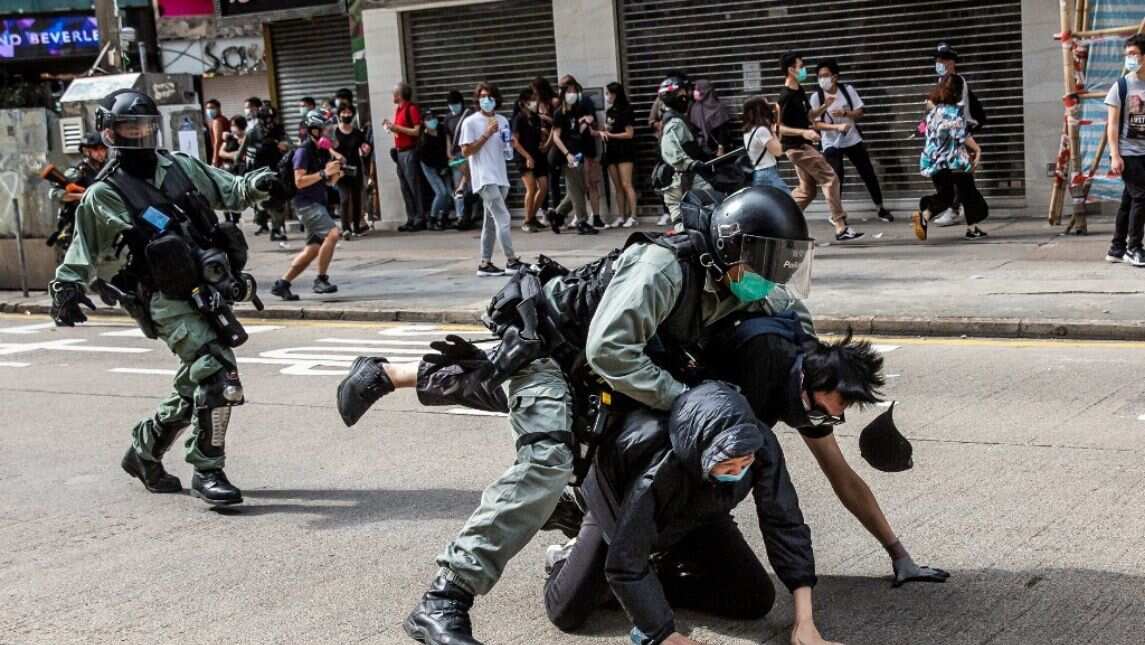
Fighting violence with violence
Demonstrations have often turned violent, with protesters blocking roads, vandalising shops perceived to have pro-Beijing links and throwing bricks and molotovs at the police, who have responded with tear gas and rubber bullets.
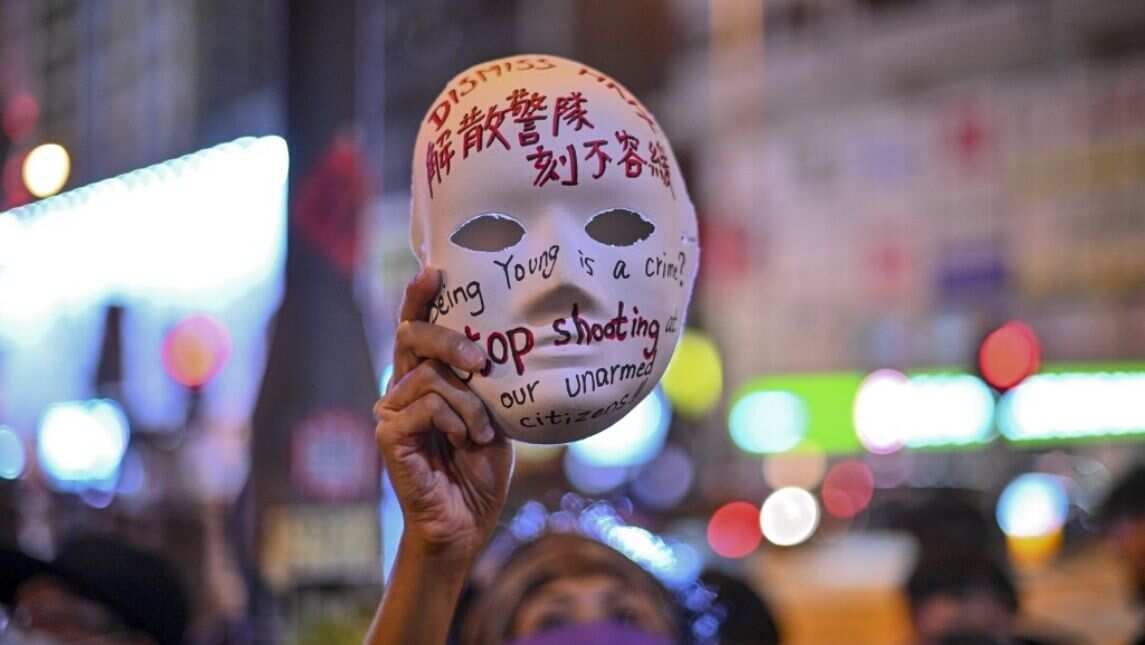
International attention
Washington said it would remove Hong Kong's special treatment in U.S. laws as it deemed the city to no longer be sufficiently autonomous. The European Union, Britain and others have expressed concerns about the proposed legislation, while Beijing hit back against foreign meddling in its affairs.
)
)
)
)
)