‘History of B-52 crashes’: How many times has the US Air Force lost its iconic bomber?

A US Air Force B-52 bomber crashed in California on Monday, killing eight people during a test flight. While modern incidents are rare, dozens of B-52s have crashed since 1955. Around 31 were lost in Vietnam, and several Cold War accidents involved nuclear payloads.
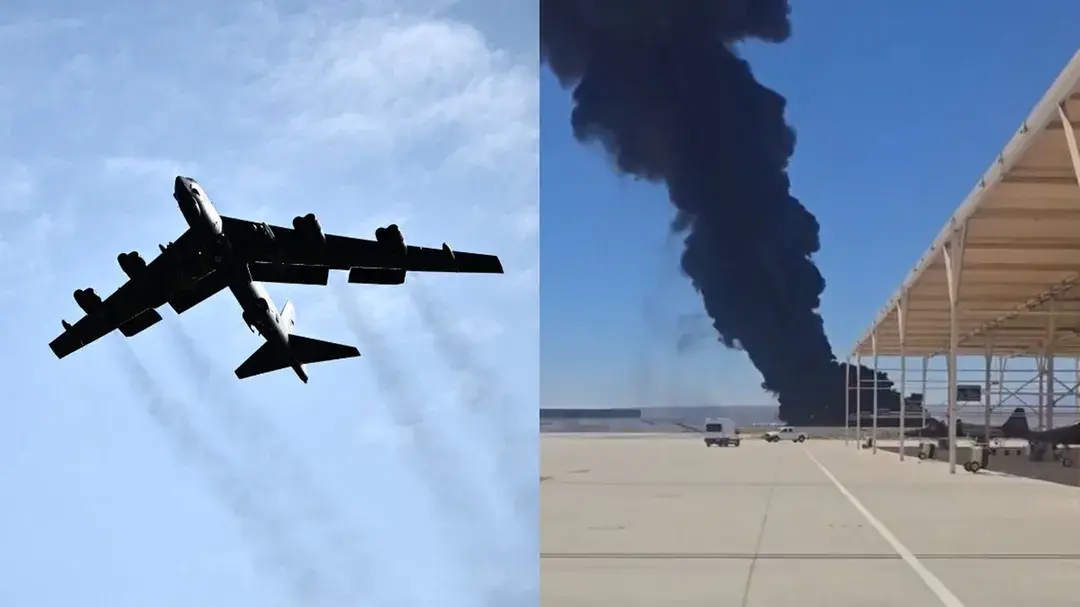
A Devastating Desert Crash
A US Air Force B-52 bomber crashed shortly after takeoff at Edwards Air Force Base in California on 15 June 2026. The tragic incident occurred during a routine test flight, instantly killing all eight people on board.
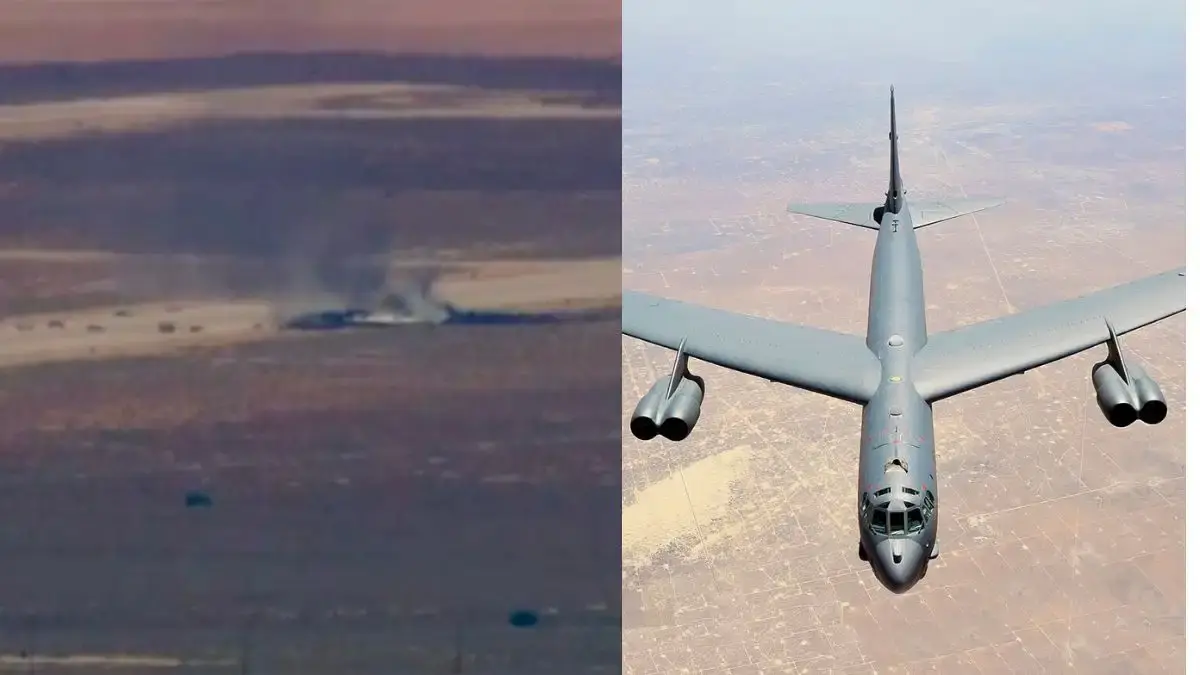
An Unsurvivable Impact
Military commanders confirmed that the heavy aircraft burst into flames immediately upon hitting the Mojave Desert. The rapid, low-altitude nature of the crash made survival impossible for the mixed crew of military personnel and civilian contractors.
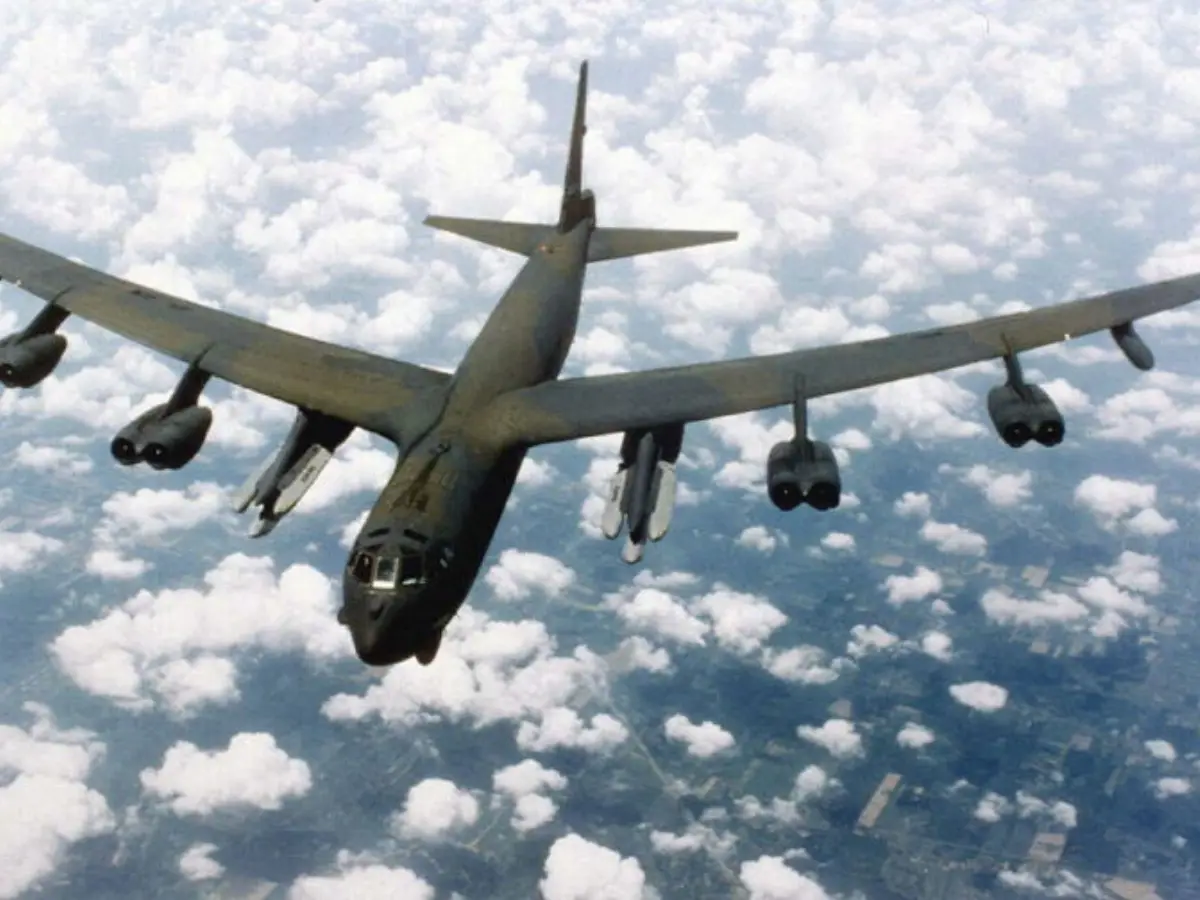
Dozens of Historical Losses
Since the strategic bomber first entered active service in 1955, dozens of these iconic aircraft have been lost to accidents. Out of the 744 airframes originally manufactured by Boeing, the vast majority of non-combat crashes occurred during the previous century.
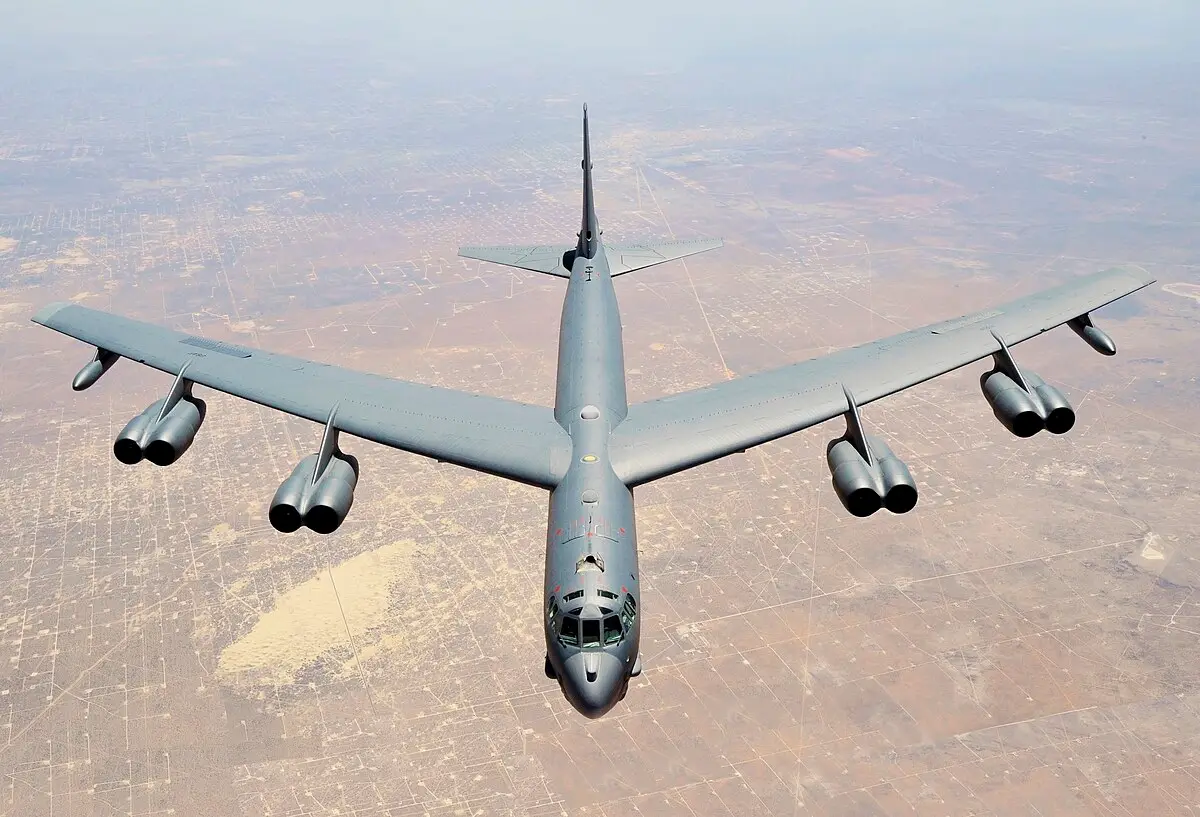
Vietnam War Casualties
The aircraft experienced its most severe operational losses during the intense bombing campaigns of the Vietnam War. Historical military records indicate roughly 31 bombers were destroyed in the conflict, with at least 17 directly shot down by enemy fire.
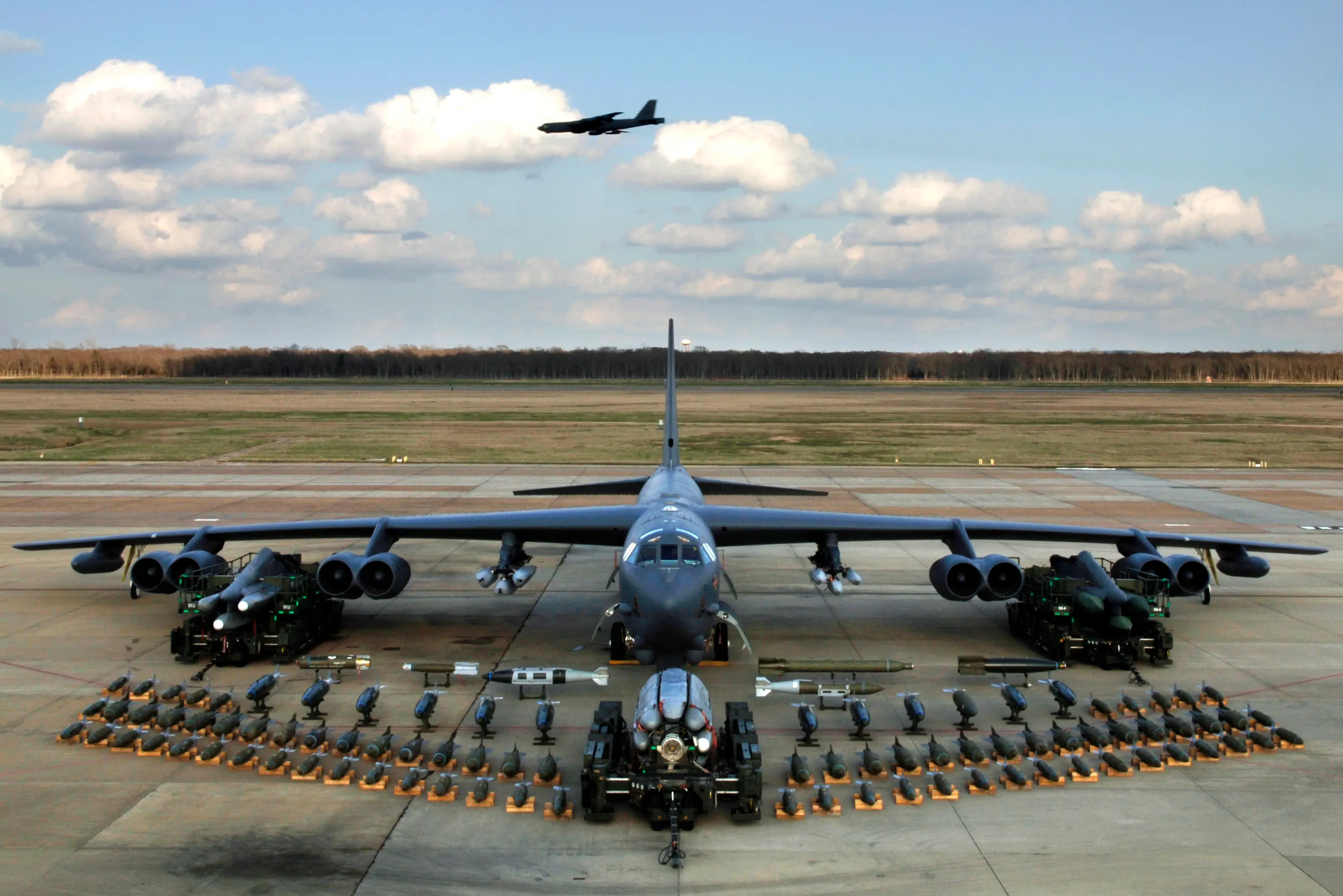
Cold War Nuclear Incidents
During the tense decades of the Cold War, several major B-52 training crashes involved live nuclear weapons. High-profile accidents over Spain and Greenland scattered radioactive material, forcing the Pentagon to permanently end continuous airborne nuclear alerts.

Modernising an Ageing Fleet
The recent California crash happened while testing a new digital radar system designed to modernise the 70-year-old platform. The US military currently intends to keep its remaining active fleet of 76 bombers operational well into the 2050s.
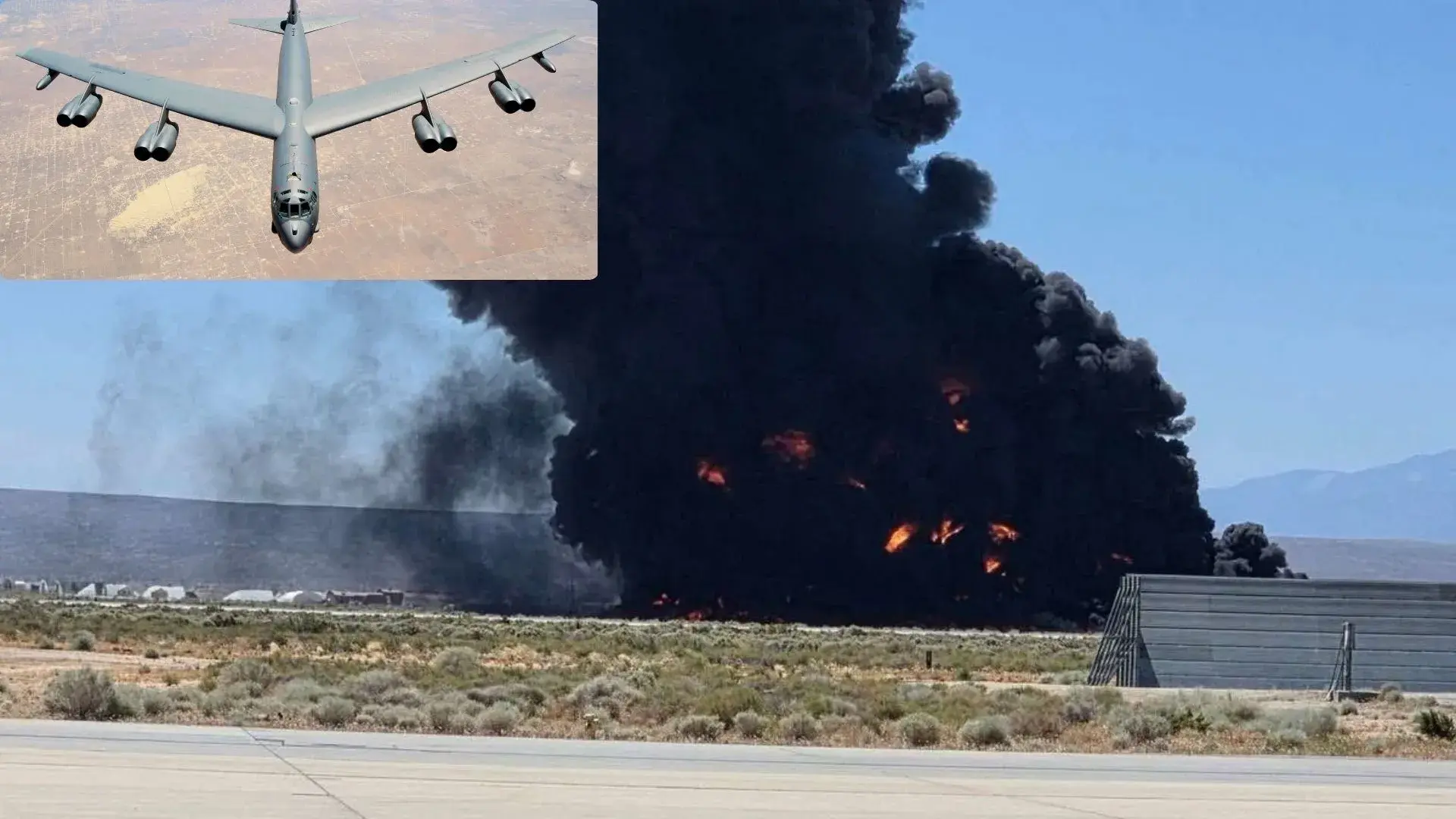
Disaster
While fatal aviation accidents were relatively common in the 20th century, modern B-52 crashes remain exceptionally rare. The deadly 2026 Mojave Desert incident marks a significant tragedy for an aircraft fleet that usually maintains strict modern safety standards.
)
)
)
)
)