Blast from the past: 5 reasons why Hiroshima bombing aftermath is a stark reminder for today's trigger-happy world leaders on nuclear war dangers

Five reasons why the atomic bombing of Hiroshima in Japan by the US to end World War II should remind us of the dangers of nuclear war. A recall of the bombing's aftermath on Hiroshima Day
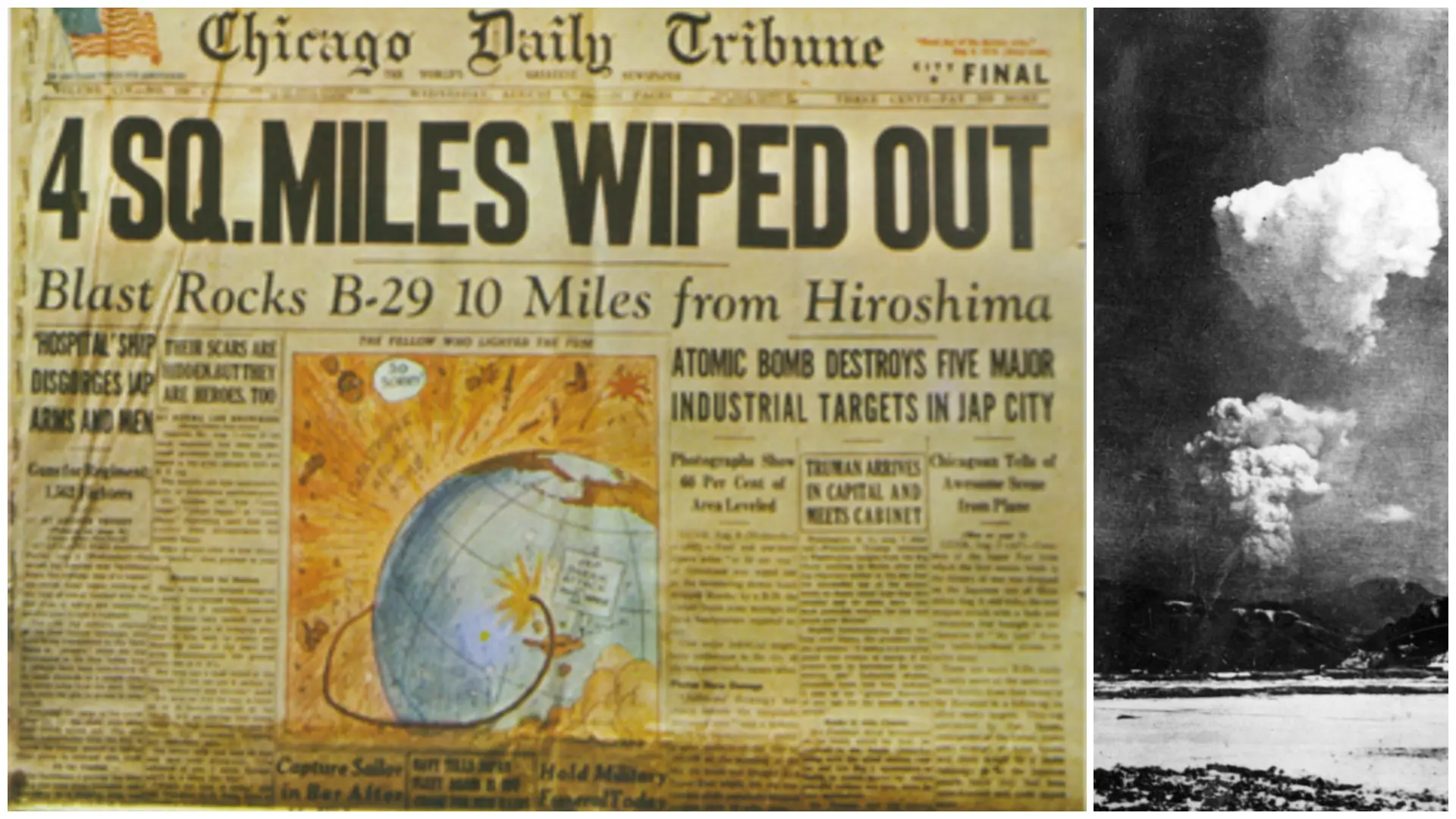
Hiroshima bombing should be a reminder for today's leaders
In 2025, world leaders are making atomic war sound like childsplay, amid a number of conflicts where the world's nuclear powers are involved. Hiroshima Day, August 6, is a good time to remind them and the world about the dangers of a nuclear war. Here are five reasons why another Hiroshima shouldn't happen.
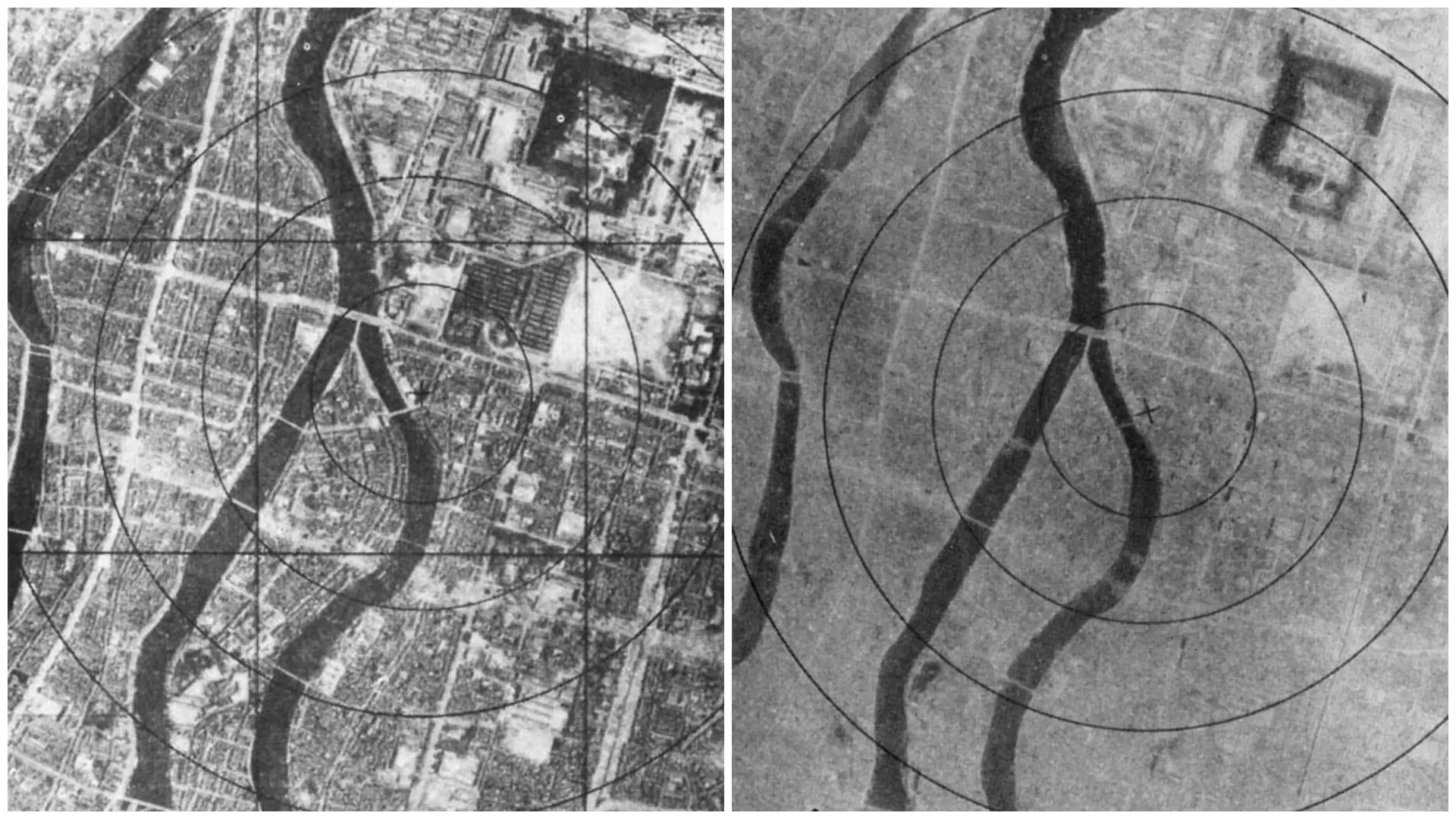
Hiroshima atomic bombing: What was the immediate impact to the Japanese city?
The nuclear bomb called "Little Boy" killed up to 80,000 people instantly in the Japanese city, through thermal burns, blast injuries, and radiation exposure. By December 1945, the death toll hit nearly 140,000 due to injuries and acute radiation syndrome. The bomb, detonated at 580 metres above ground, destroyed 90 per cent of Hiroshima’s buildings within a 2-kilometre radius. The resulting firestorm incinerated structures and caused widespread fires. The explosion released radioactive fallout known as "black rain," contaminating the environment.
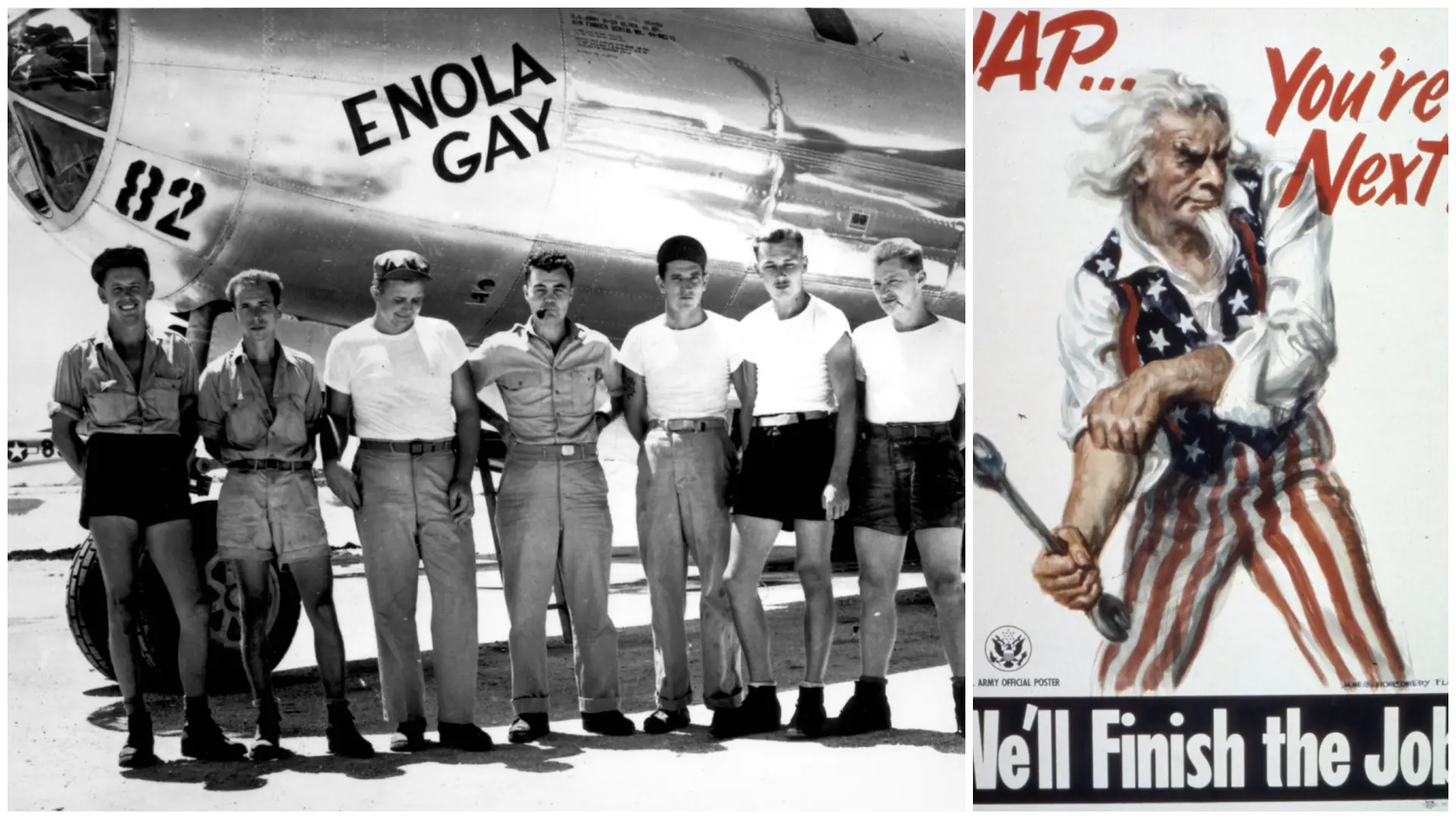
How did Hiroshima bombing affect humans? Sufferings of 'hibakusha'
The people affected by the bombing, known as ‘hibakusha’ in Japanese, experienced devastating health effects for generations. Survivors within a km of the blast centre known as Ground Zero suffered acute radiation syndrome, with symptoms such as nausea, hair loss, haemorrhaging, and organ failure, leading to many deaths within weeks. The intense heat caused severe thermal burns, sometimes melting or charring skin. More than half of burn victims died from infections or shock. The blast’s shockwave caused traumatic injuries including broken bones and internal organ damage. Many hibakusha also endured psychological trauma such as PTSD and survivor’s guilt, compounded by social stigma and discrimination.
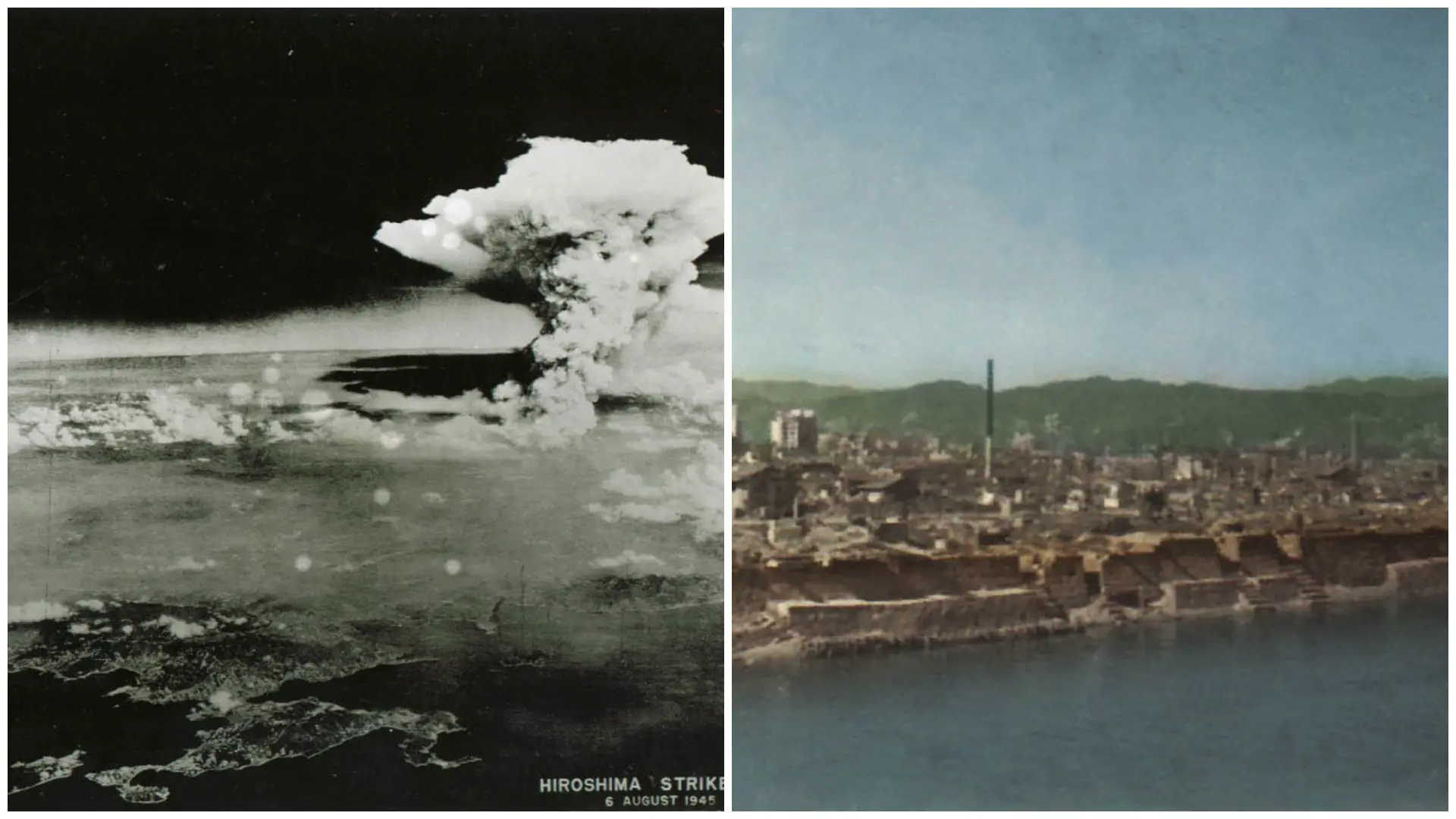
Hiroshima bombing: How it damaged structures, destroyed a city
The Hiroshima explosion generated extreme heat of up to 6,000°C at the epicentre, causing buildings to ignite instantly. Fires spread rapidly, creating a firestorm that consumed oxygen and contributed to further destruction. The radioactive fallout contaminated air, water, and soil. Over 90 per cent of Hiroshima's structures were flattened or severely damaged, leaving the city almost entirely in ruins.
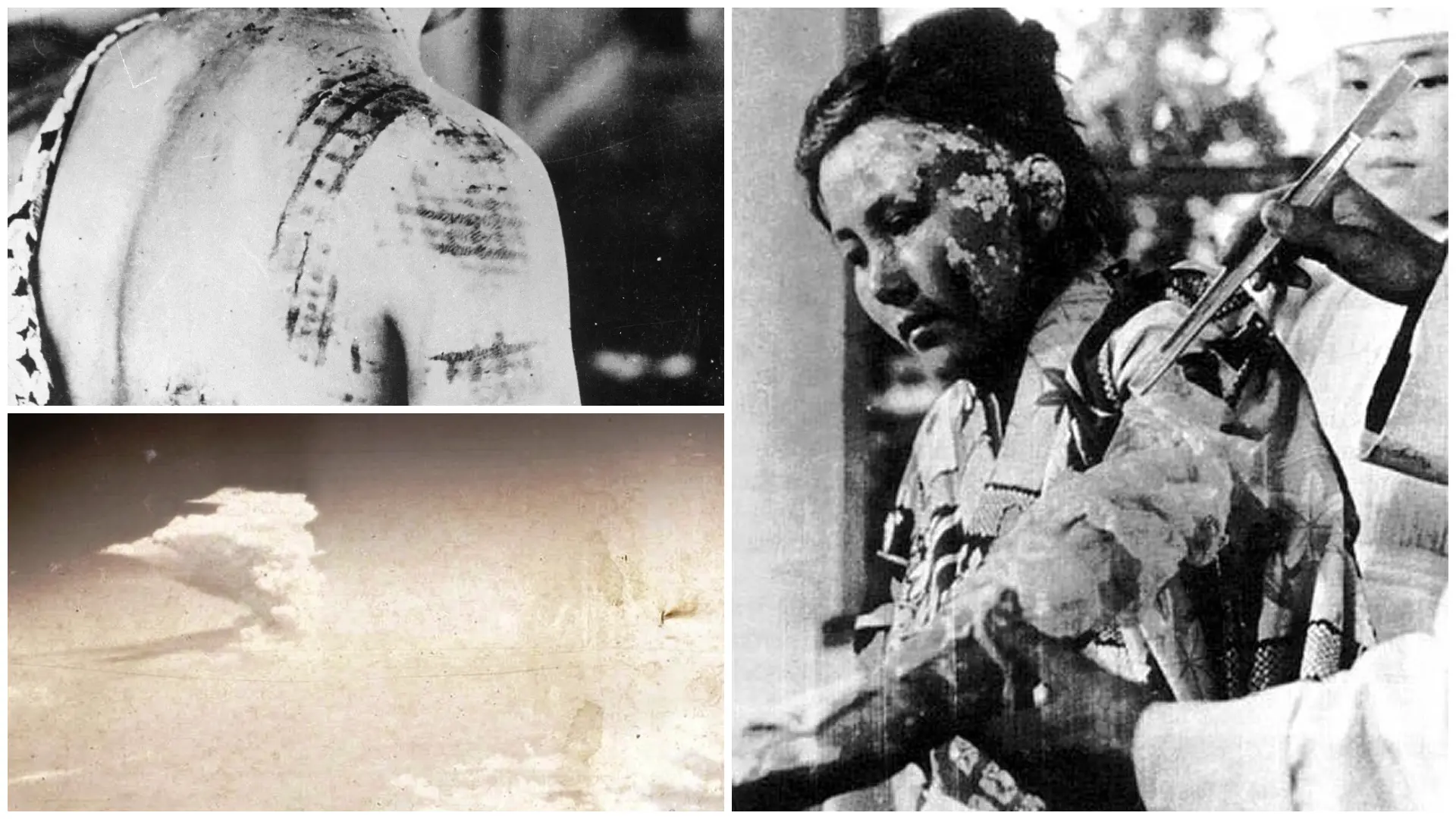
Hiroshima bombing: Long-term human impacts continue to this day
Survivors of Hiroshima received government-funded medical care for illnesses caused by radiation for decades. As of 2025, less than 100,000 hibakusha remain, mostly aged above 85. Cancer rates among hibakusha are high, with a 10–44 per cent increased risk, especially for leukemia (which peaked in the 1950s) and solid tumours that appeared later. The psychological and emotional effects linger on, with some descendants experiencing anxiety linked to perceived hereditary risks.
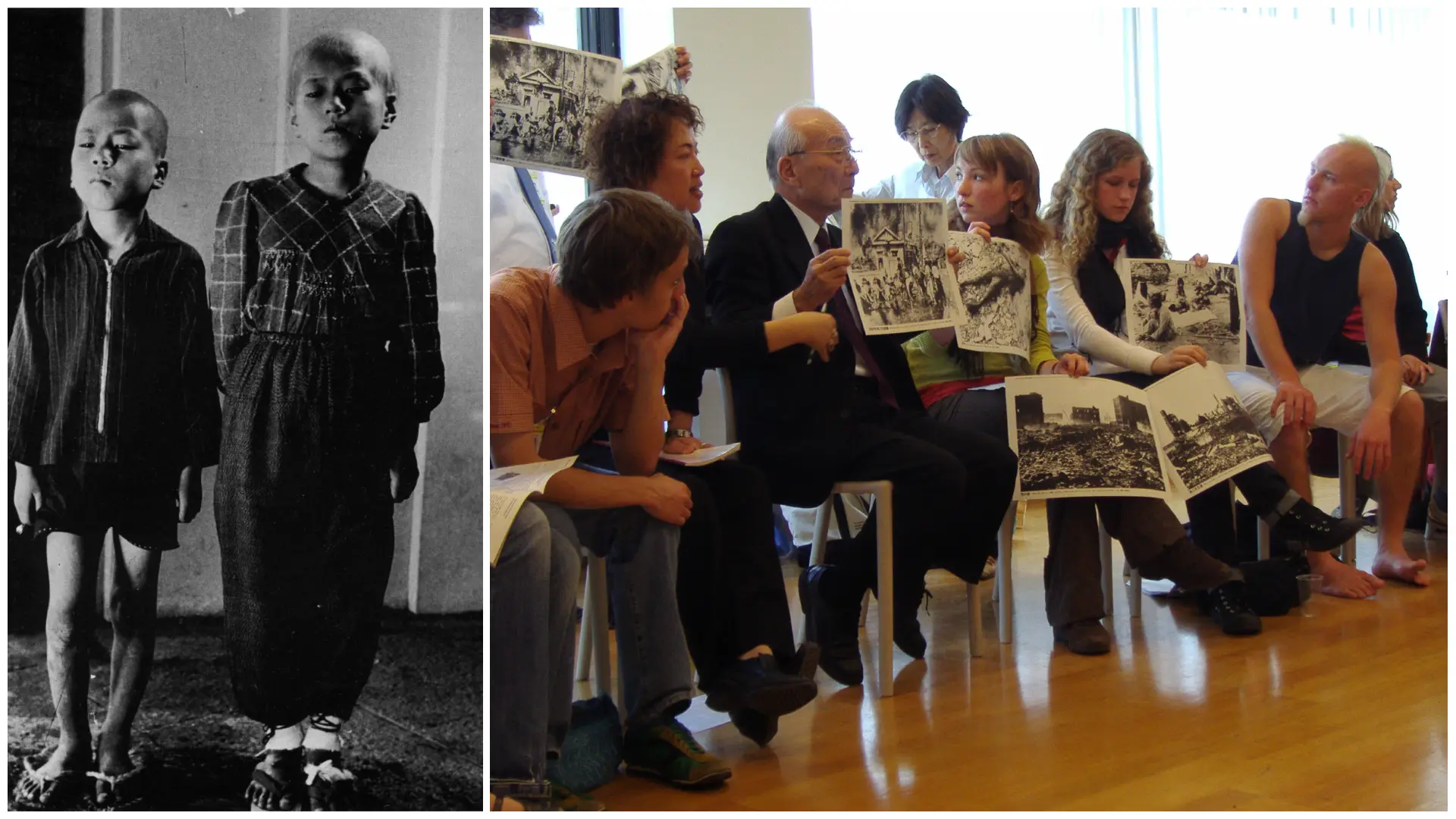
Hiroshima bombing: Generations of suffering
Some second- and third-generation individuals from Hiroshima report higher cancer rates, including leukemia and thyroid cancer. Social stigma continues to affect hibakusha families, influencing marriage and employment opportunities. Despite low radiation levels today, some soil layers are still contaminated in Hiroshima. Healthcare for hibakusha and their descendants continues to place a burden on Japan’s public health system, although Hiroshima’s economy has largely recovered through tourism and industry.
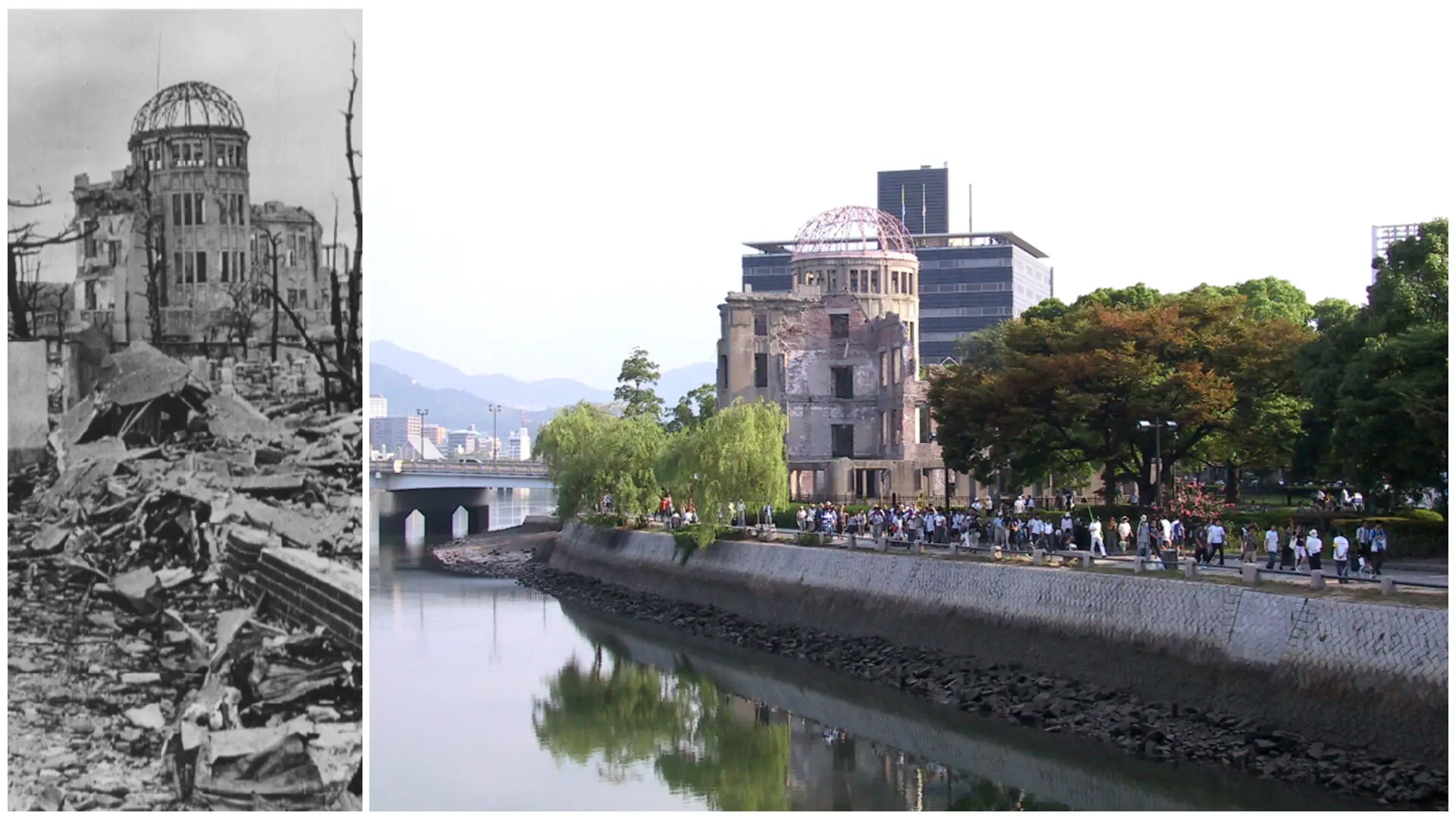
Lest we forget: Hiroshima is a stark reminder for a violent world
The destruction of Hiroshima continues to influence global attitudes toward nuclear weapons. The suffering of hibakusha is central to Japan's advocacy for nuclear disarmament and peace. Hiroshima’s Peace Memorial Park and Museum (in picture) is a reminder of the devastation, promoting international efforts to prevent future nuclear conflict. Annual commemorations on August 6 honour the victims and reinforce a collective memory that continues to shape public consciousness.
)
)
)
)
)