High-G turns: What happens to fighter jet wings during tight manoeuvres?

During high-G fighter jet turns, wing loading multiplies dramatically. At 8-9 G-forces, wing shear and bending loads increase eight-nine times normal. Maximum stress occurs at wing root. Delta wing design spreads loads over longer root.
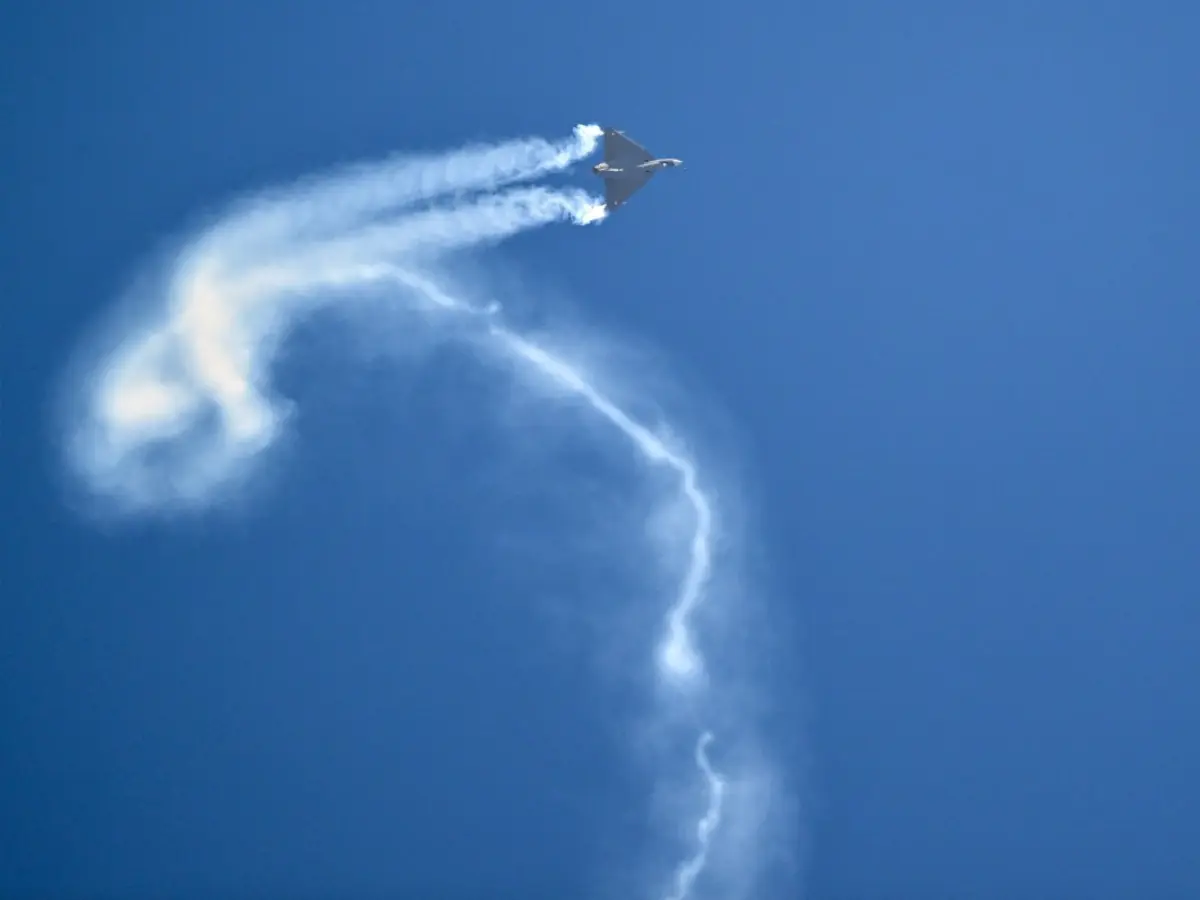
Wing Loads During Level Flight
During level flight, the wing supports the aircraft weight. The lift distributes along the wing. This creates shear loads at the wing root. The wing root is where the wing connects to the fuselage. This is the most stressed point on the wing.
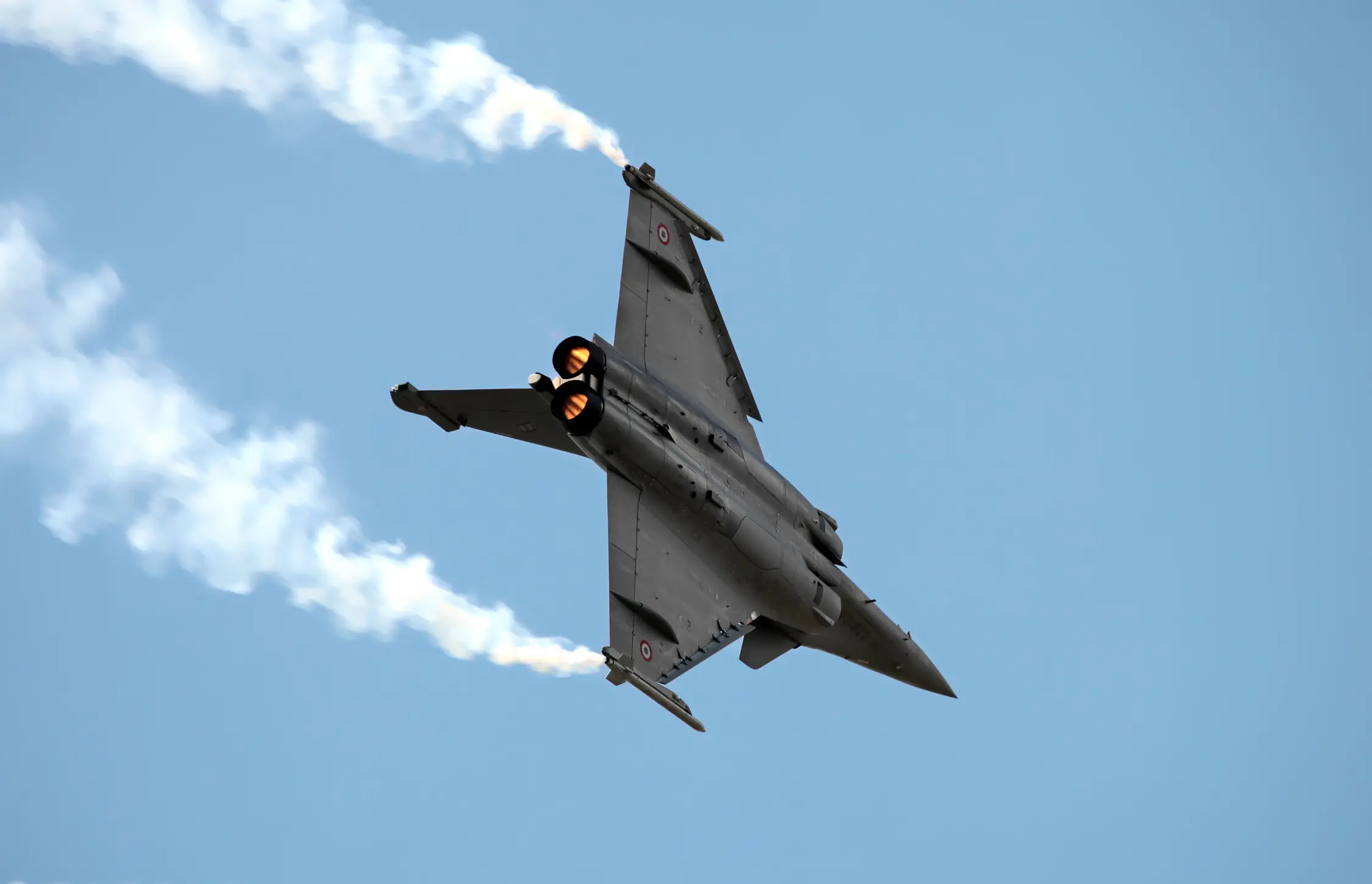
60-Degree Bank: Apparent Weight Doubles Or Triples
When the aircraft banks to 60 degrees during a turn, the wing tilts. The aircraft weight does not change, but it feels heavier to the wing. The wing must generate additional lift. This multiplies the apparent weight by two or three times.
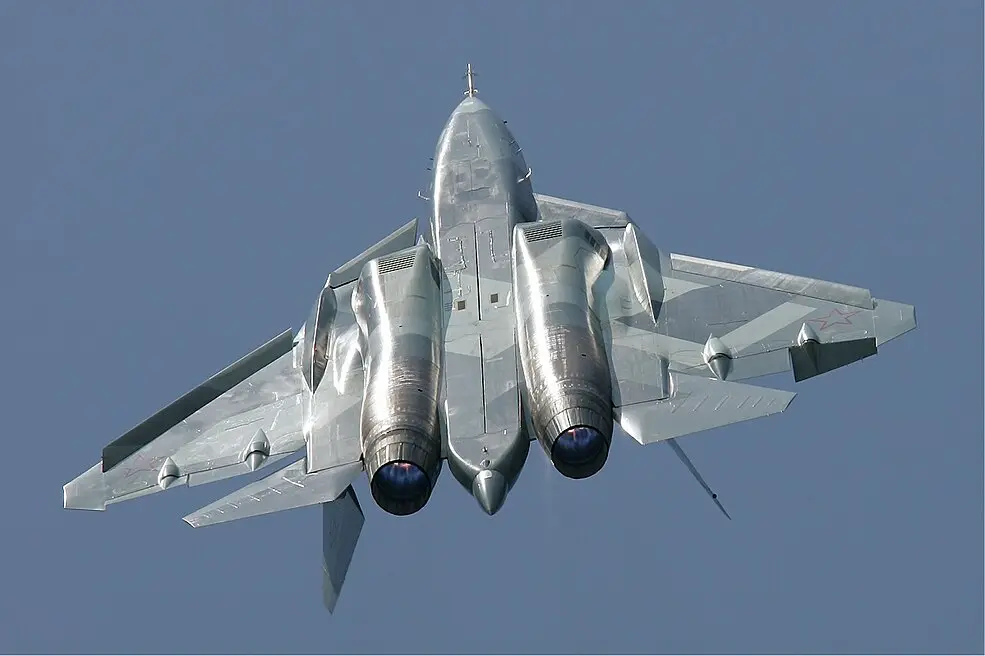
8-G Turn: Wing Stress Multiplies Eight Times Normal
At 8 to 9 G-forces, the wing experiences extreme stress. The shear loads multiply eight to nine times compared to level flight. The bending moment at the wing root reaches maximum stress. The composite and metal structures must handle this enormous load.
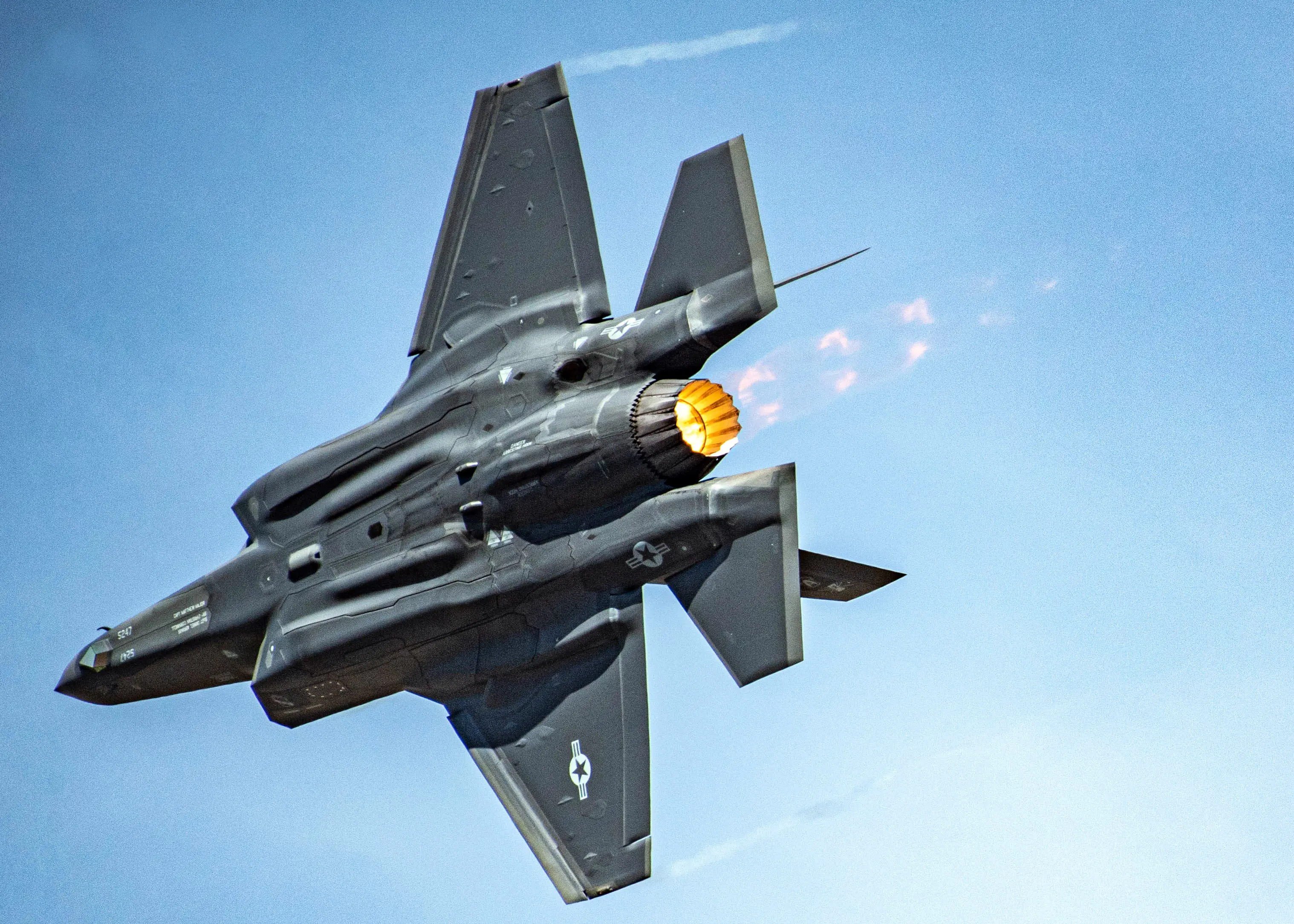
Wing Root Becomes Critical Point
The wing root experiences maximum stress and bending moment. This is where the wing connects to the fuselage. During high-G turns, the wing root experiences the highest loads. Structural engineers reinforce this area extensively. Cracks typically form here first if the wing is overstressed.
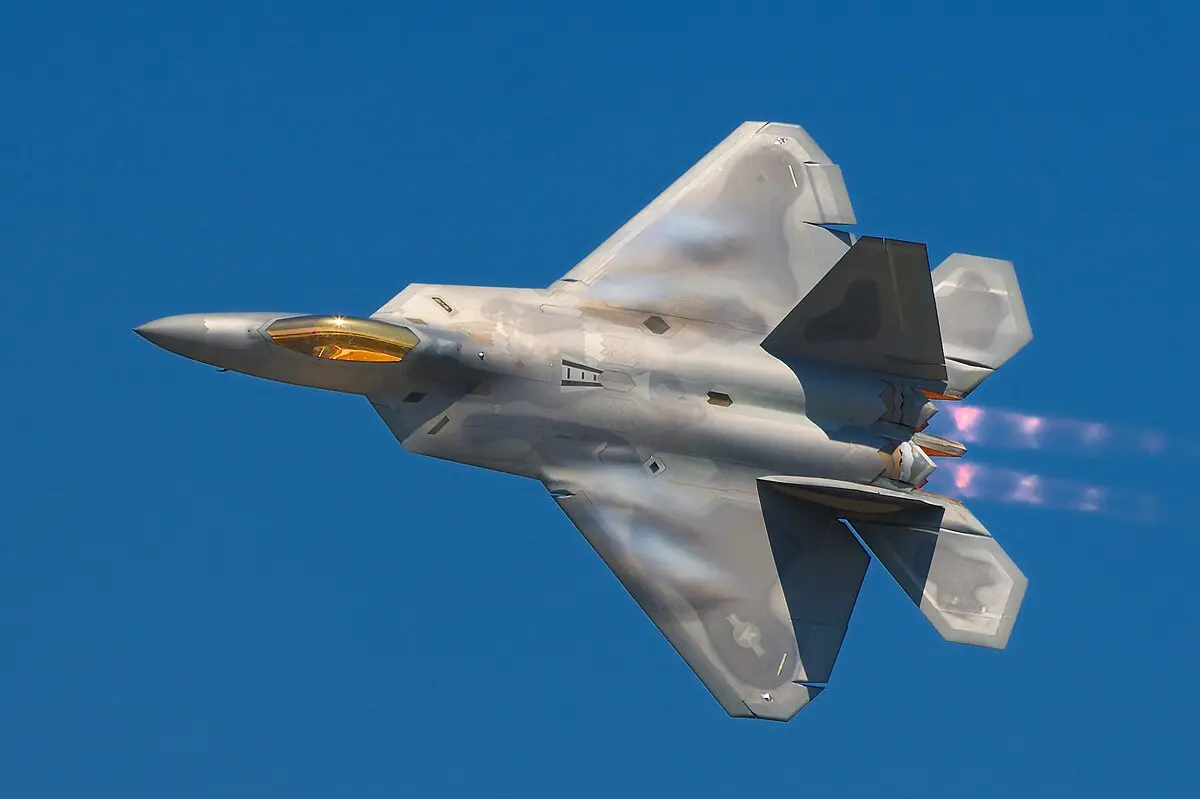
Drag Increases Dramatically During High-G
As the wing generates extra lift during high-G turns, drag increases dramatically. The aircraft cannot maintain speed unless the engine provides extra power. Fighter jets have high thrust-to-weight ratio to overcome this drag. Without sufficient power, the aircraft loses speed and stalls.
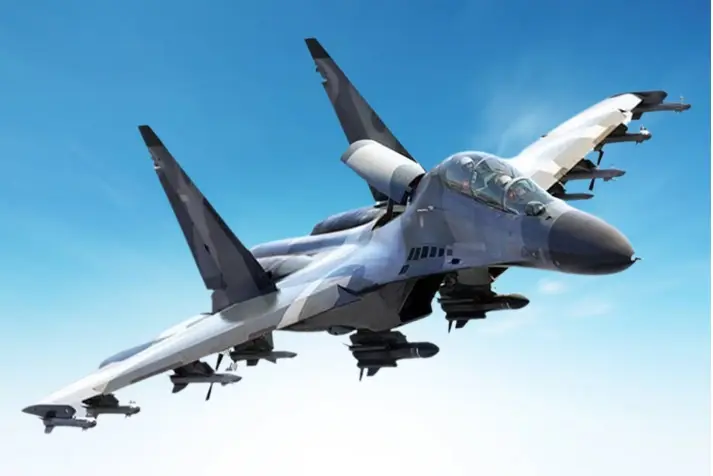
Wing Stiffness And Flutter Risk
Engineers must balance wing stiffness and weight. Stiffer wings resist bending better. But stiffness adds weight. At high-G and high speed, wing flutter risk increases. Flutter is dangerous oscillation that can destroy the wing. Delta wing design provides natural stiffness through geometry.
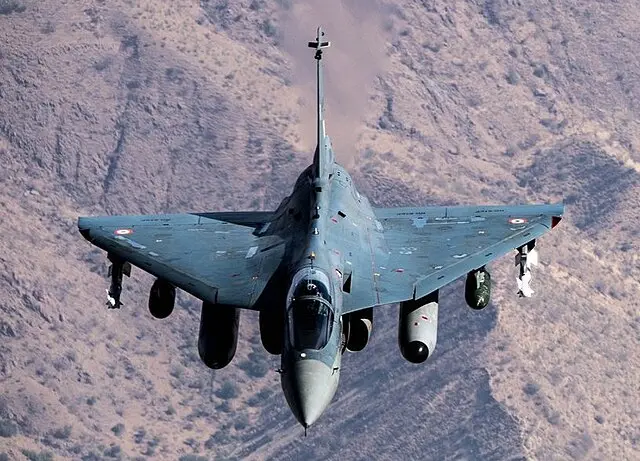
How Composite Wings Survive High-G
Composite wings on Tejas handle 8-G sustained turns. Composites degrade gradually under stress rather than suddenly breaking. Metal might crack unexpectedly. Composites show warning signs first. This gives pilots time to reduce G-forces before damage becomes critical.
)
)
)
)
)