High Altitude vs Low Altitude: Where do fighter jets perform better?

Jets fly faster and more efficiently at high altitudes due to reduced air density and drag. However, lower oxygen limits engine thrust there. Low altitude offers better acceleration but higher drag. Jet performance depends on mission needs between speed, fuel efficiency, and manoeuvrability.
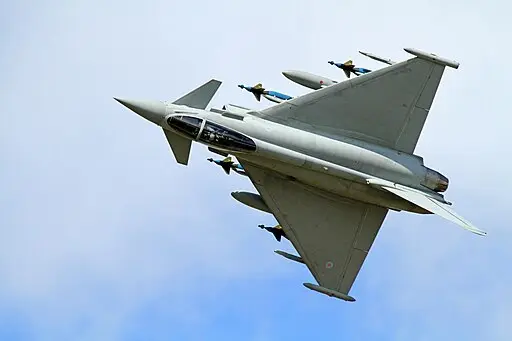
Lower Air Density Boosts High-Altitude Speed
Jets fly faster at high altitudes due to lower air density, which reduces aerodynamic drag by around 70% at 12,000 metres compared to sea level. This allows fighter jets like the F-22 Raptor to reach speeds over 2,400 km/h without extra power.
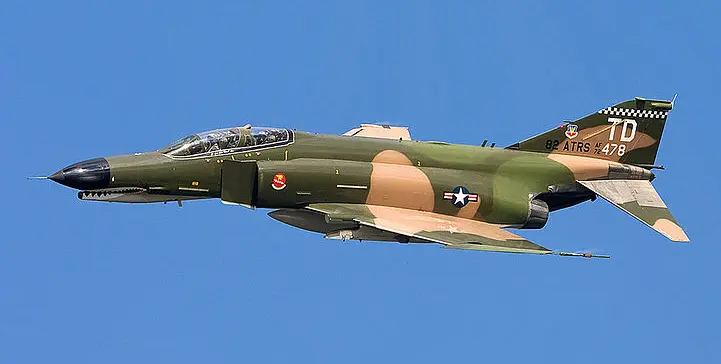
High Altitude Means Less Engine Power
Jet engines get less oxygen at high altitudes, reducing thrust and acceleration. However, reduced drag compensates, allowing higher top speeds even with lower engine power. This balance varies with jet type and engine design.
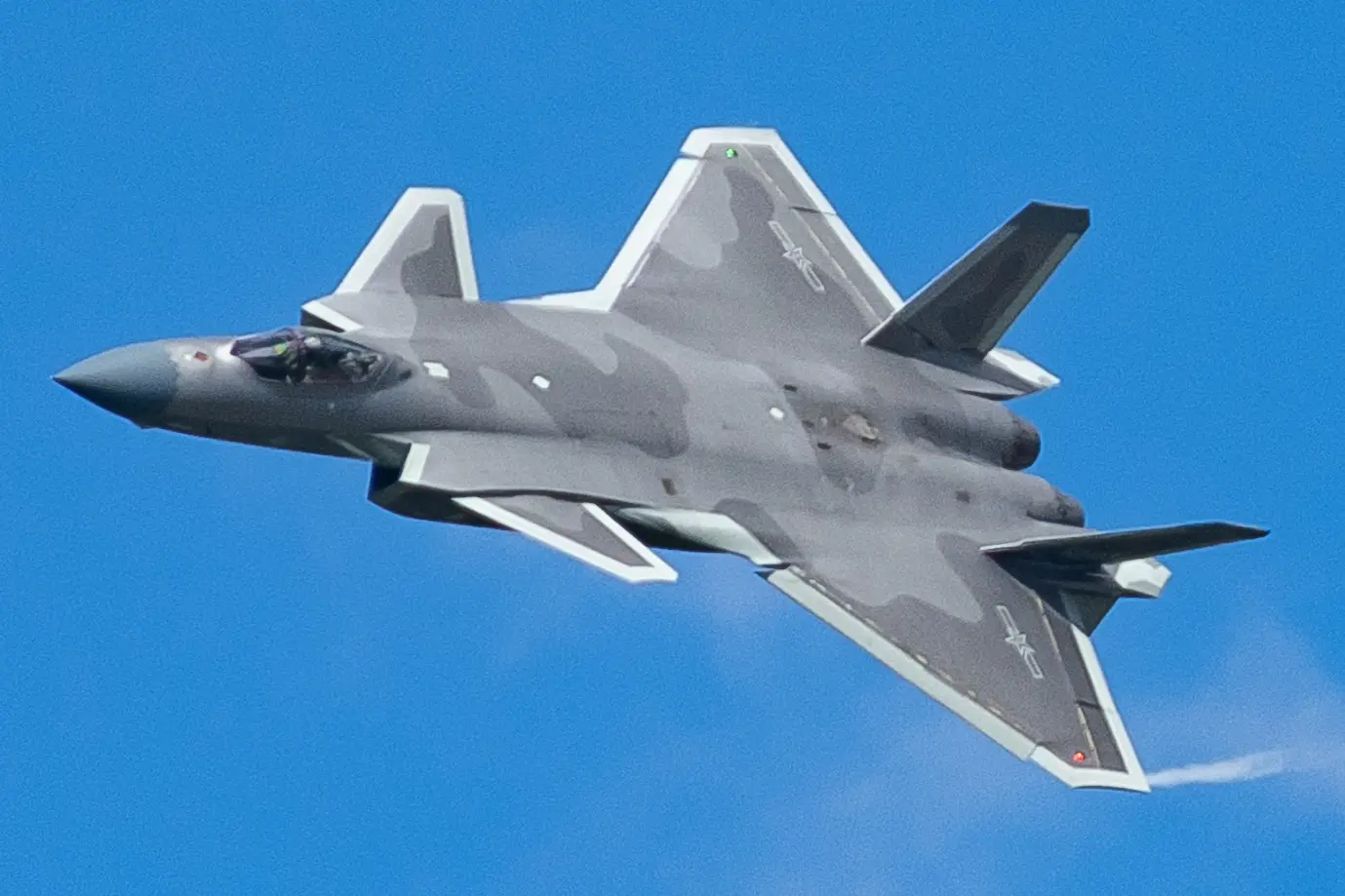
High Altitude Improves Fuel Efficiency
Cooling air and lower drag at high altitudes enhance thermal efficiency of jet engines. Many jets cruise between 31,000 and 42,000 feet to optimise fuel use and extend mission range. Efficiency can improve up to 6% with altitude increase.
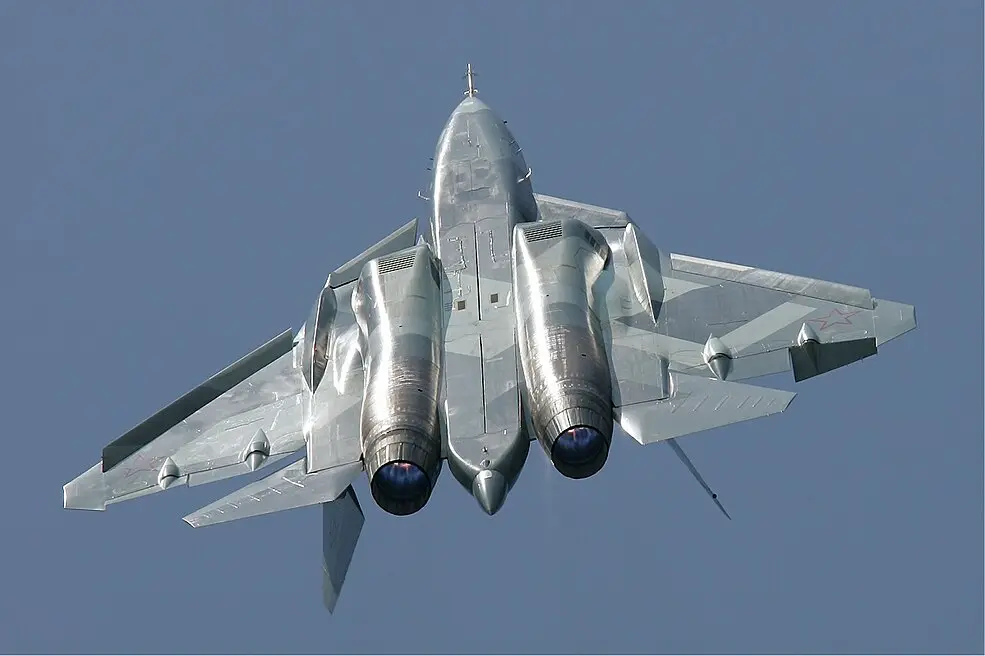
Tactical Advantages of High-Altitude Flight
Jets flying above 12,000 metres gain radar range improvements - detecting targets over 400 km away - and energy superiority, aiding in faster and more flexible combat moves. Example: Eurofighter Typhoon uses high altitude to outmanoeuvre opponents.
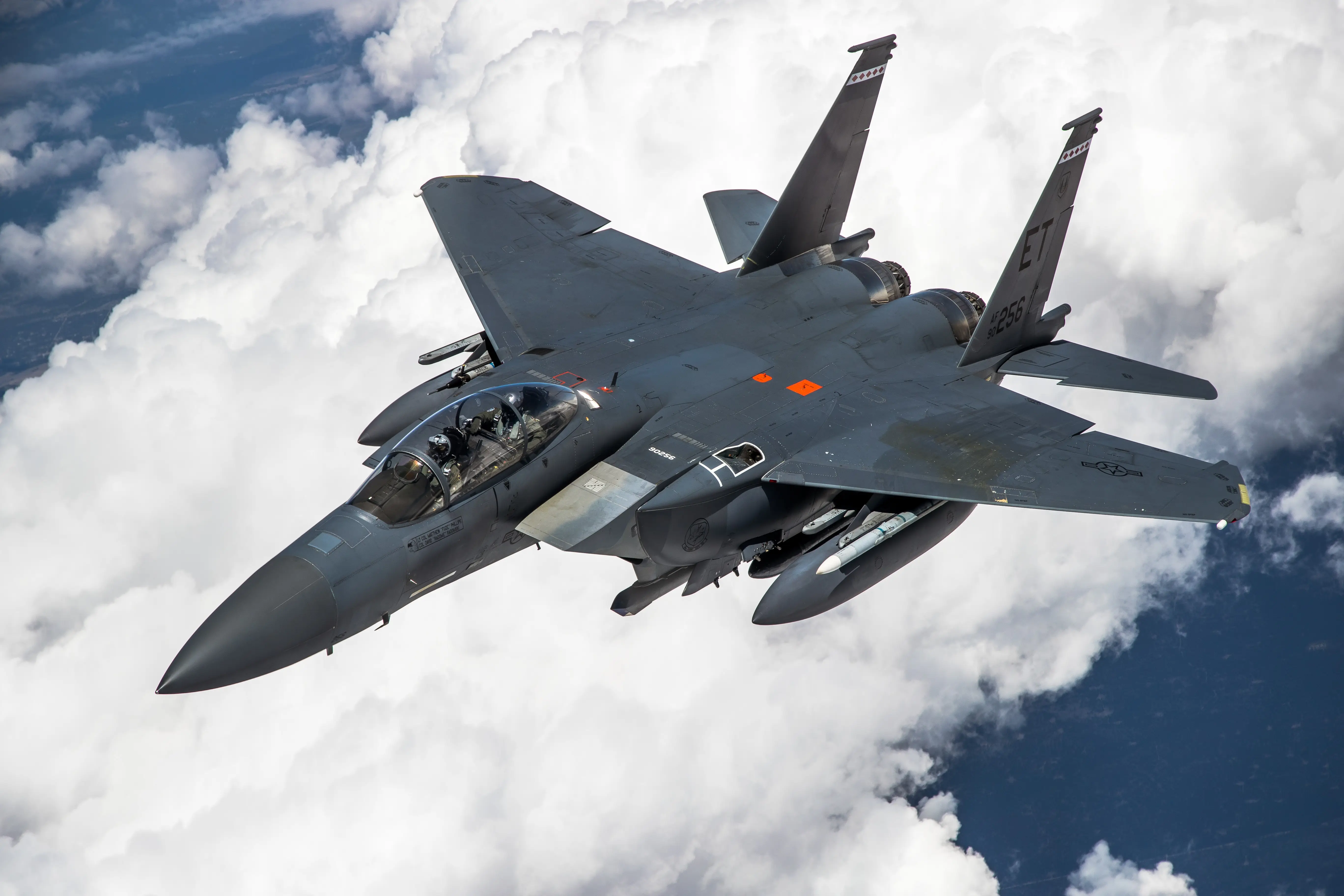
Low Altitude Offers Better Acceleration
At low altitude, the denser air enables jets to produce more thrust and higher acceleration but also increases drag, limiting maximum speed. This is useful for quick takeoffs, dogfights, and avoiding enemy radar when flying under the cover.
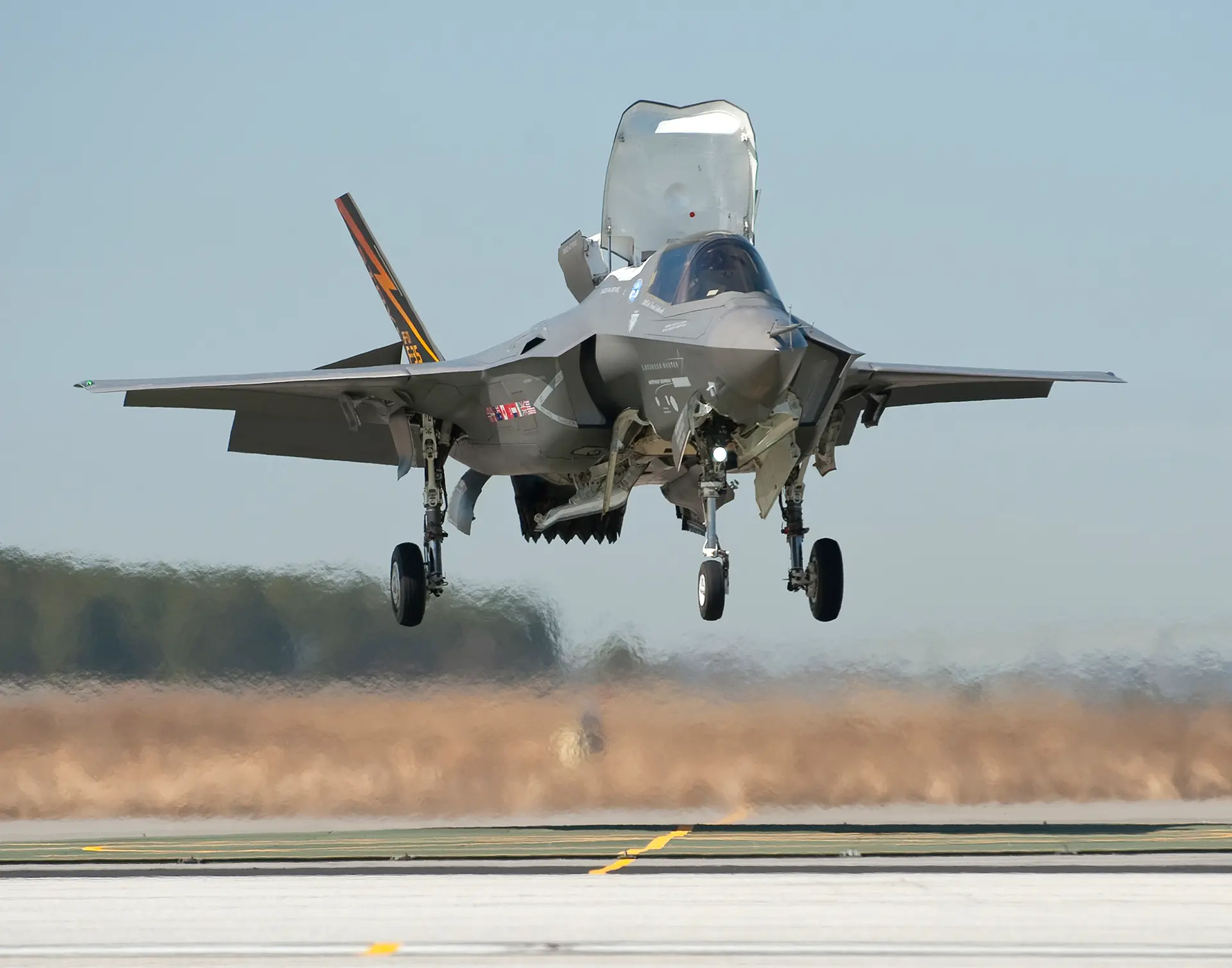
Altitude Limits and Performance Drops
Light jets can struggle with climb performance in ‘high density altitude’ conditions (high elevation plus heat), reducing safety margins. Jet performance drops with high temperatures and low air pressure, common challenges in low-altitude hot environments.
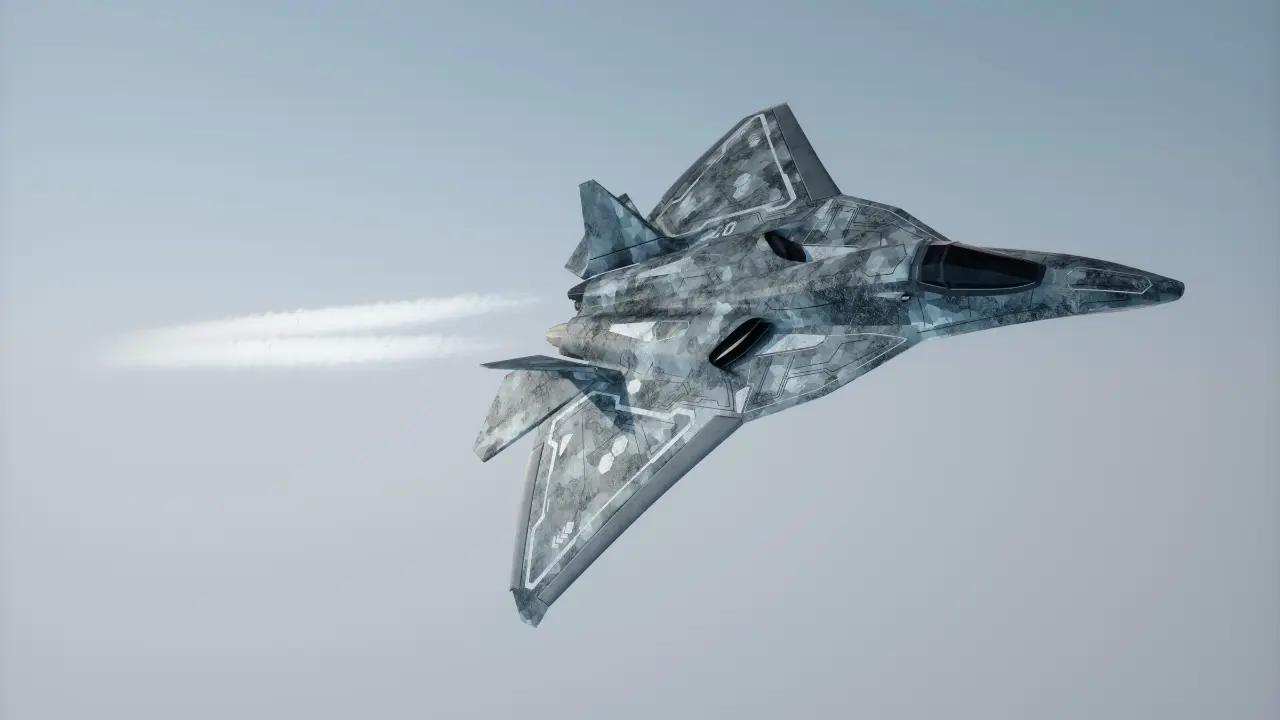
Best Performance Depends on Mission
Jets perform better at high altitudes for speed, fuel efficiency, and tactical advantage, while low altitude improves acceleration and quick manoeuvres. Modern fighter jets cruise high but descend for combat or evasion, balancing both altitude benefits.
)
)
)
)
)