Published: May 23, 2025, 16:30 IST | Updated: May 23, 2025, 16:30 IST
Here are 9 Hubble Telescope images that truly go Beyond Imagination.
1 / 10
(Photograph: Wikimedia Commons)
Hubble Telescope
2 / 10
(Photograph: Wikimedia Commons)
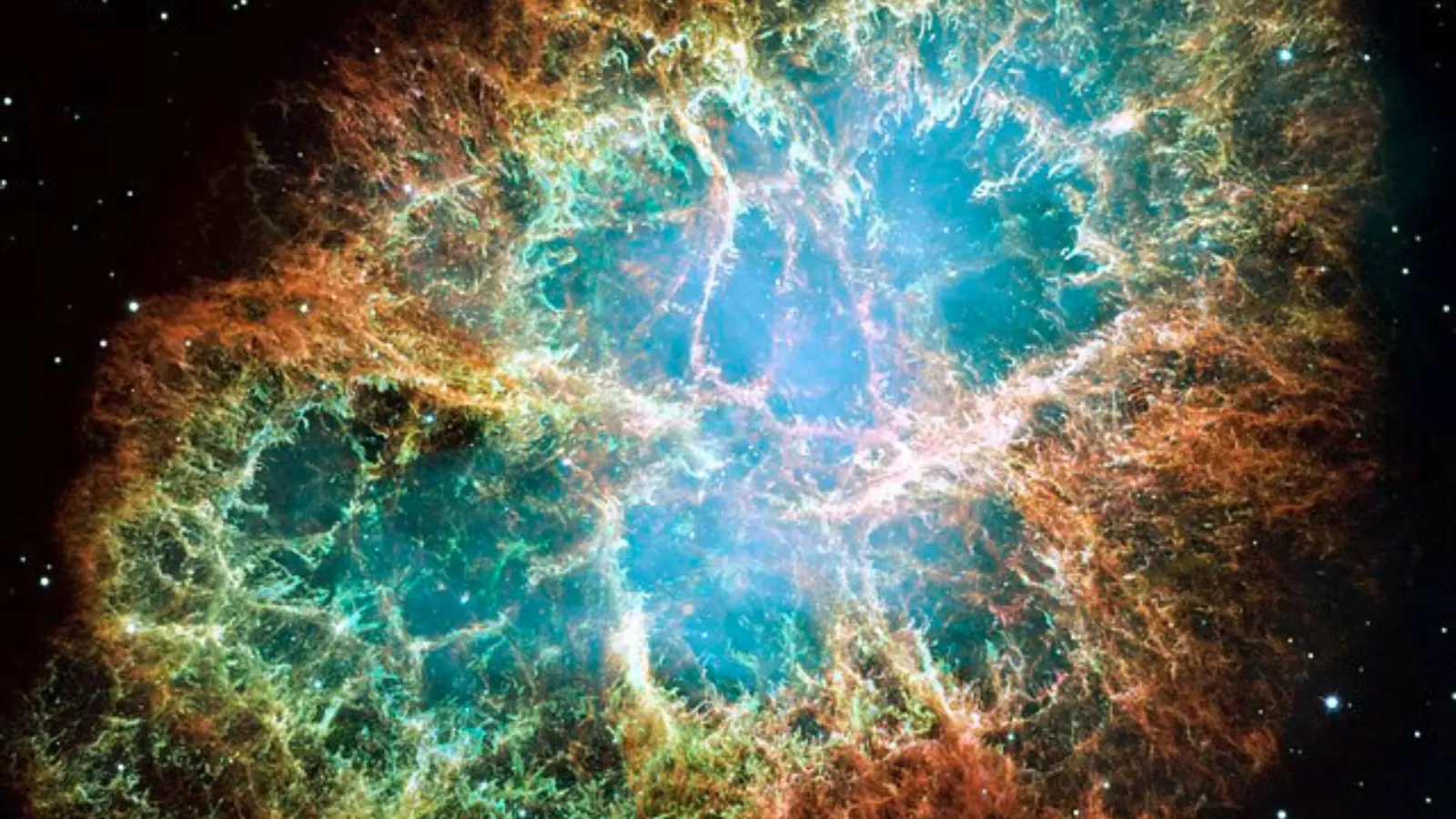
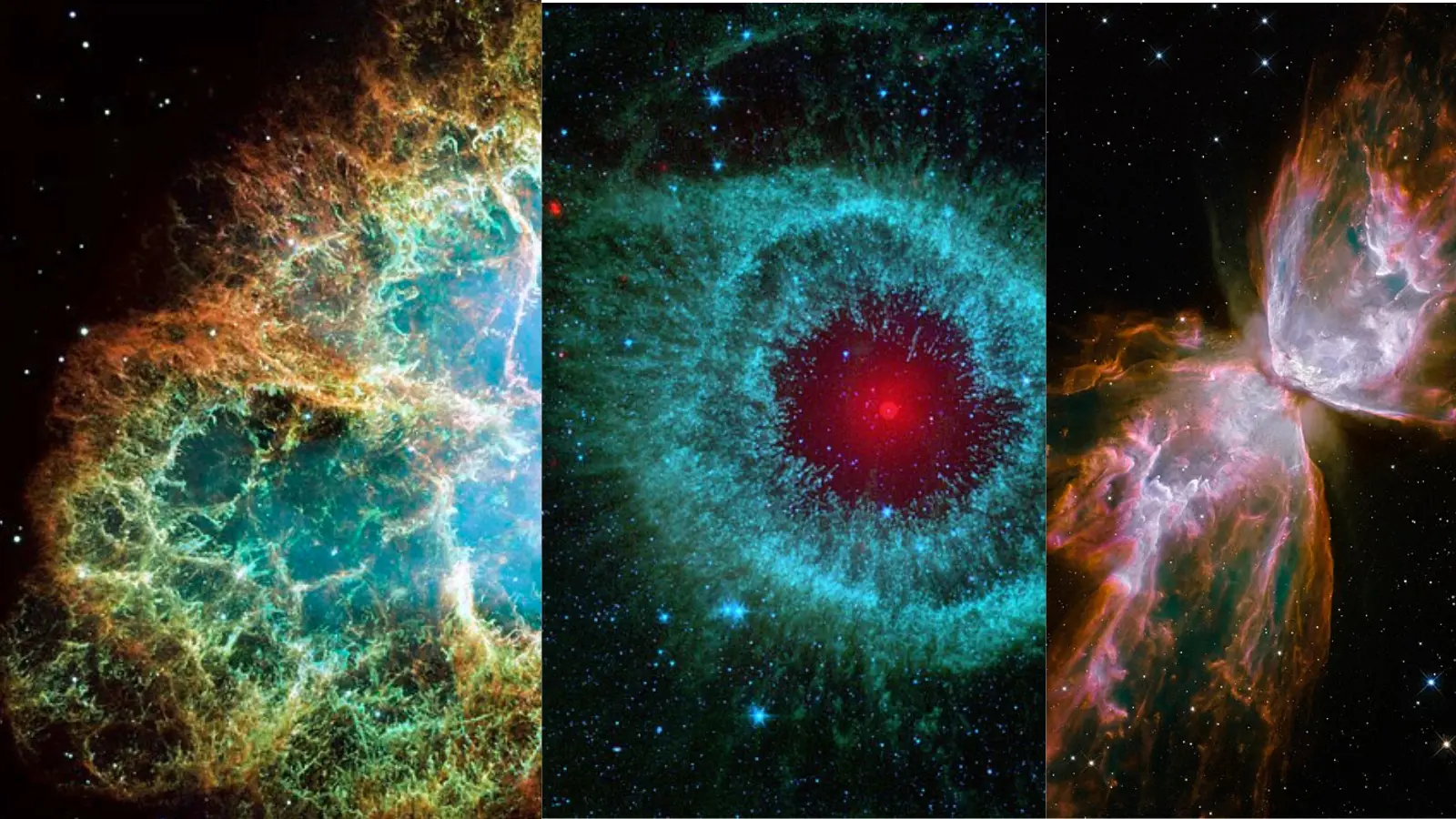
Crab Nebula
The Crab Nebula is a supernova remnant and pulsar wind nebula in the constellation of Taurus. The common name comes from a drawing that somewhat resembled a crab with arms.
3 / 10
(Photograph: Wikimedia Commons)
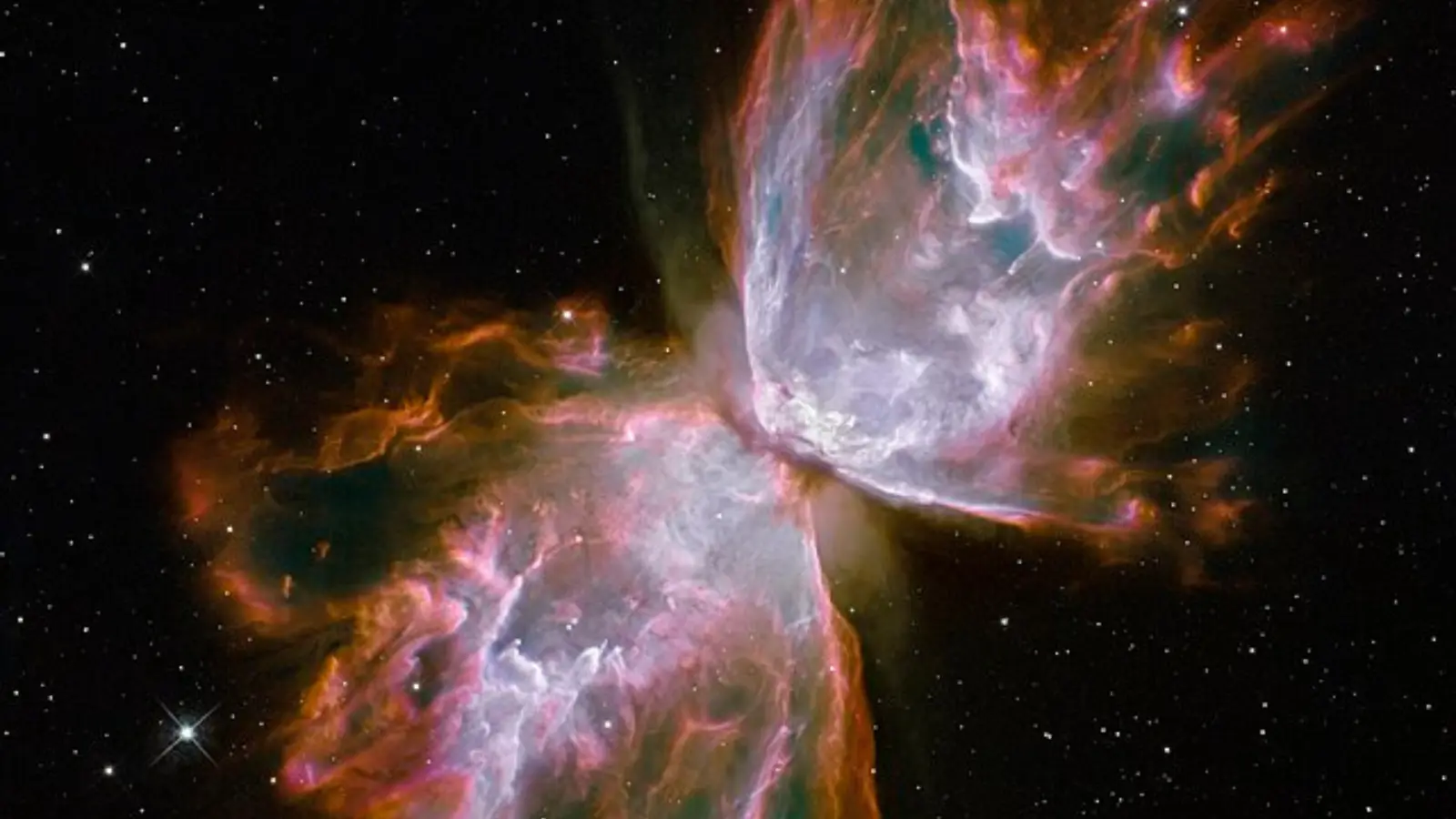
NGC 6302
NGC 6302, also known as the Butterfly Nebula or Caldwell 69, has been captured in a stunning image by the Hubble Telescope.
4 / 10
(Photograph: Wikimedia Commons)
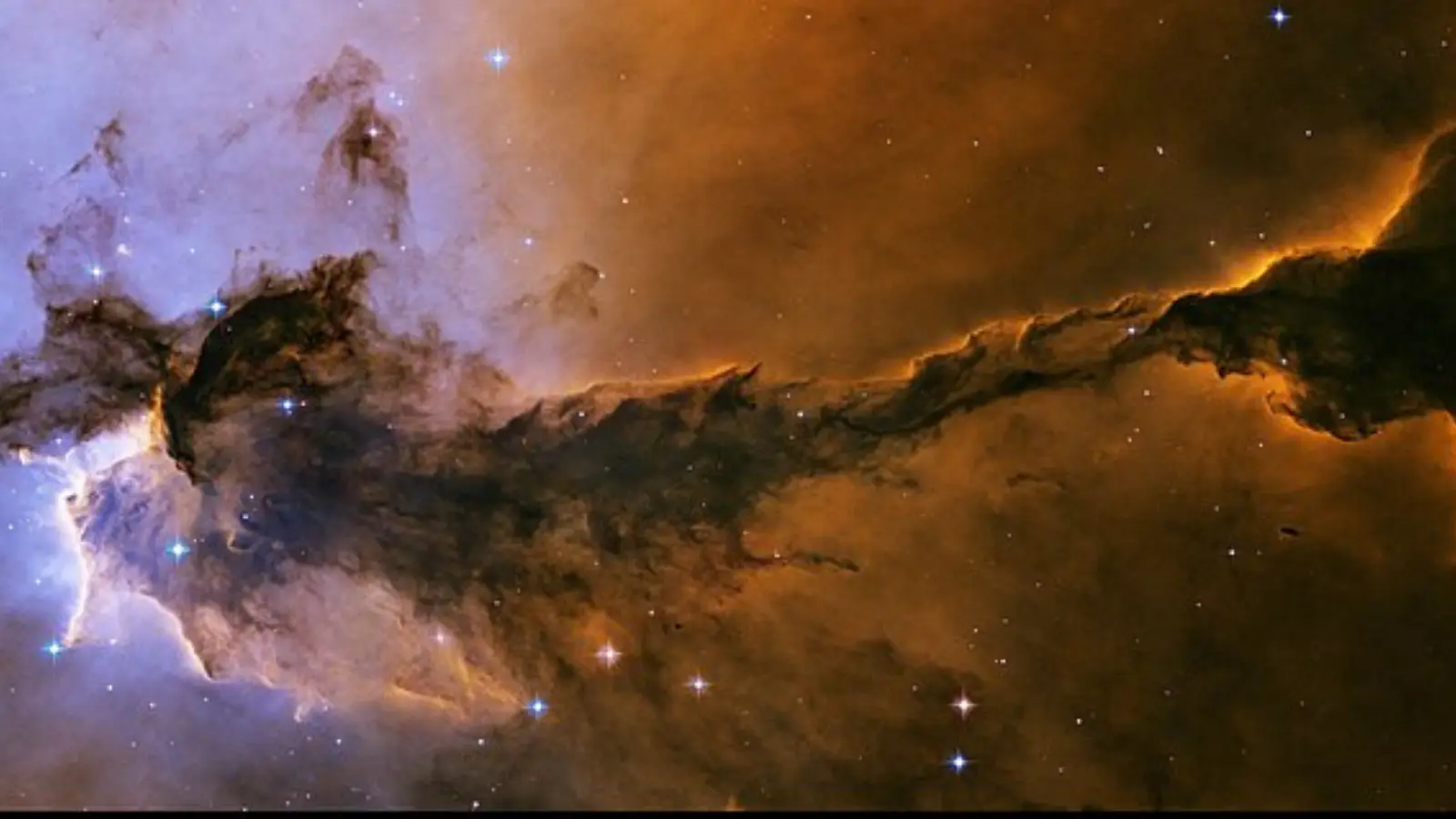
Eagle Nebula
The Eagle Nebula is a young open cluster of stars in the constellation Serpens, discovered by Jean-Philippe de Cheseaux in 1745–46.
5 / 10
(Photograph: Wikimedia Commons)
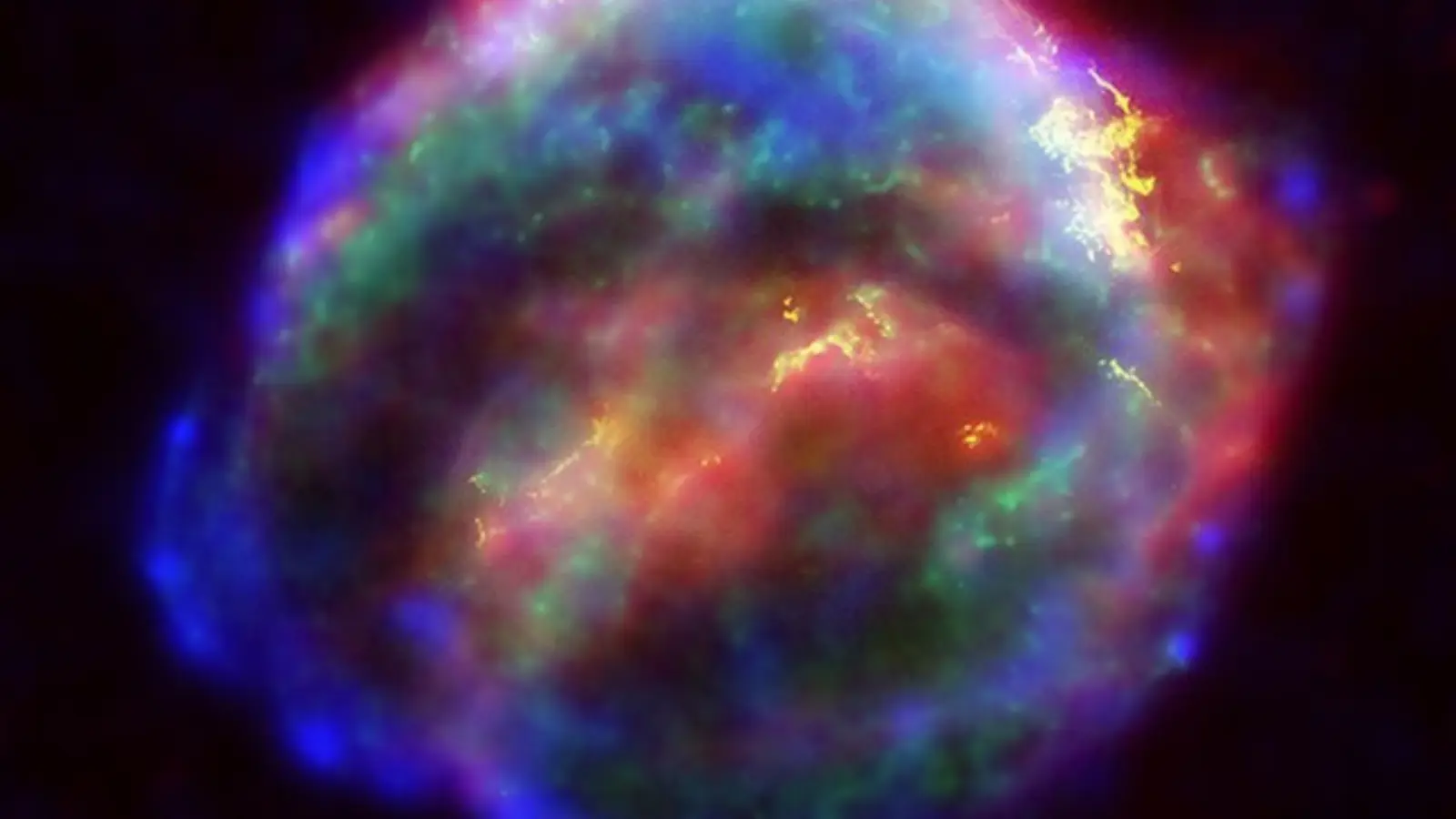
Supernova
A supernova is a powerful explosion of a star, occurring during the late stages of a massive star's life or when a white dwarf triggers runaway nuclear fusion. These explosions can be incredibly bright, potentially outshining an entire galaxy and distributing heavy elements into space.
6 / 10
(Photograph: Wikimedia Commons)
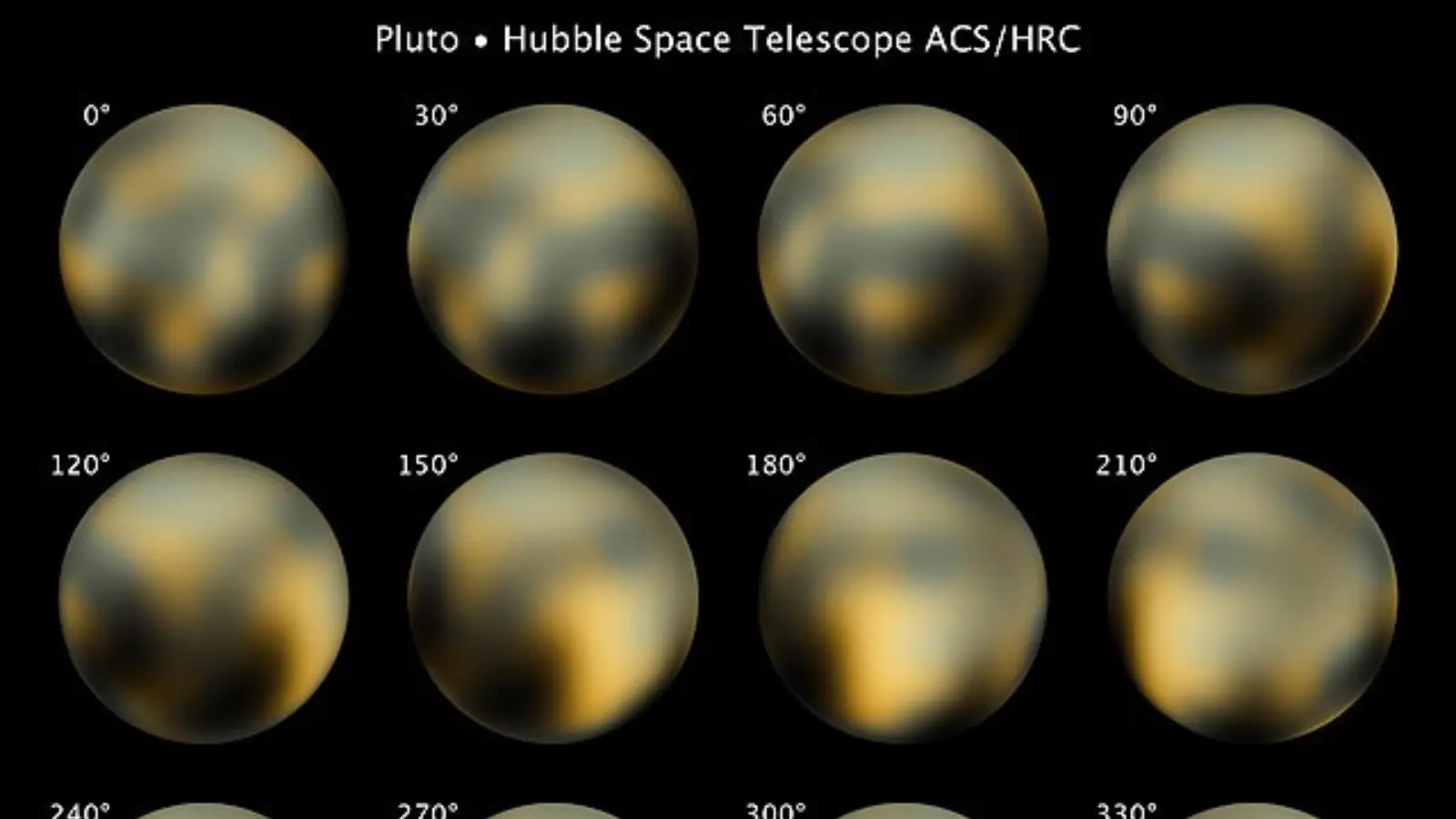
Hubble Pluto
This is the most detailed view to date of the entire surface of the dwarf planet Pluto, as constructed from multiple NASA Hubble Space Telescope photographs taken from 2002 to 2003.
7 / 10
(Photograph: Wikimedia Commons)
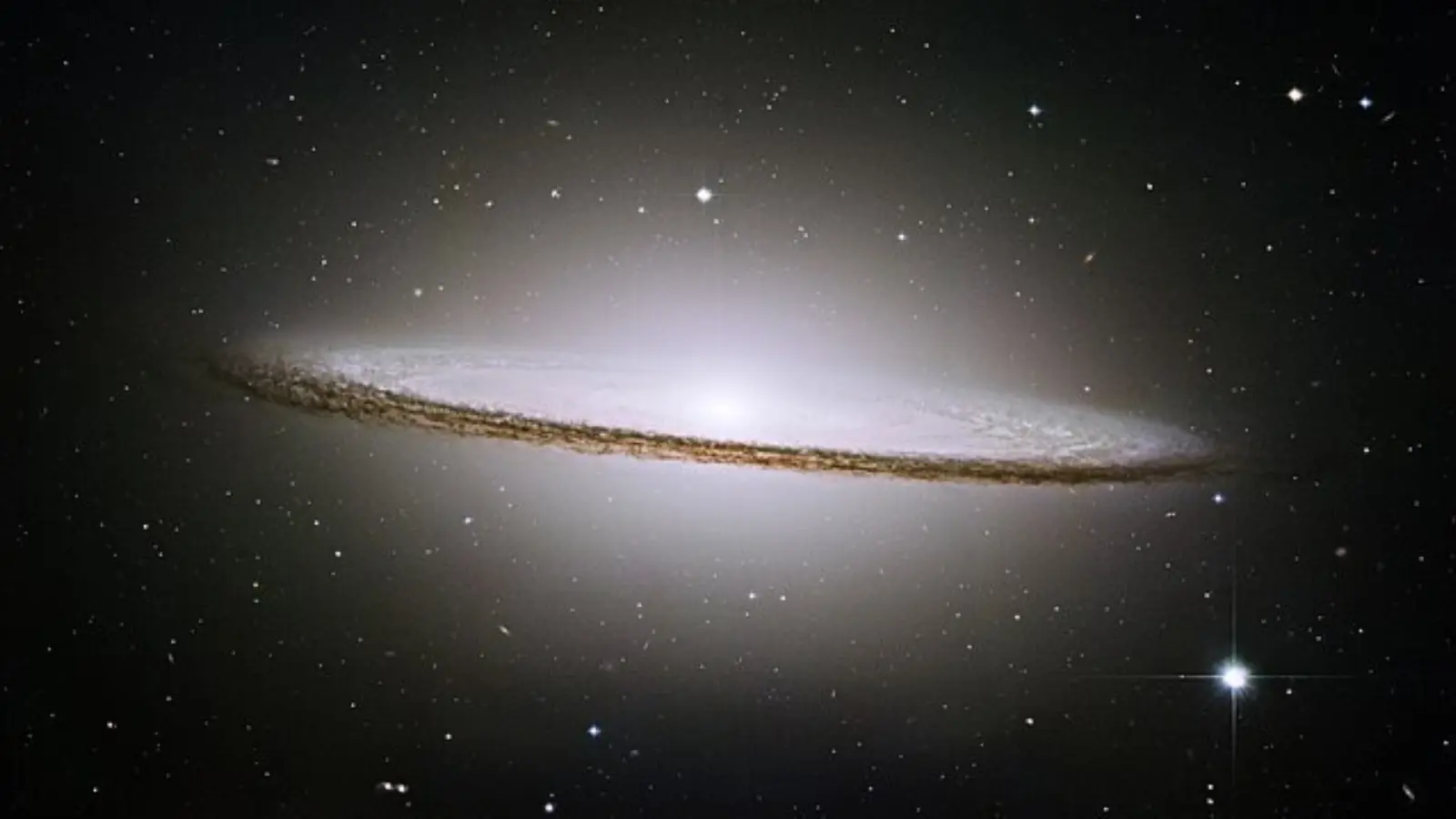
The Sombrero Galaxy
Hubble took this mosaic image of the stunning Sombrero galaxy (M104) in 2004. It’s 50,000 light-years across and is located 28 million light-years from Earth. The distinctive shape is caused by thick rings of dust toward the perimeter of the disc.
8 / 10
(Photograph: Wikimedia Commons)
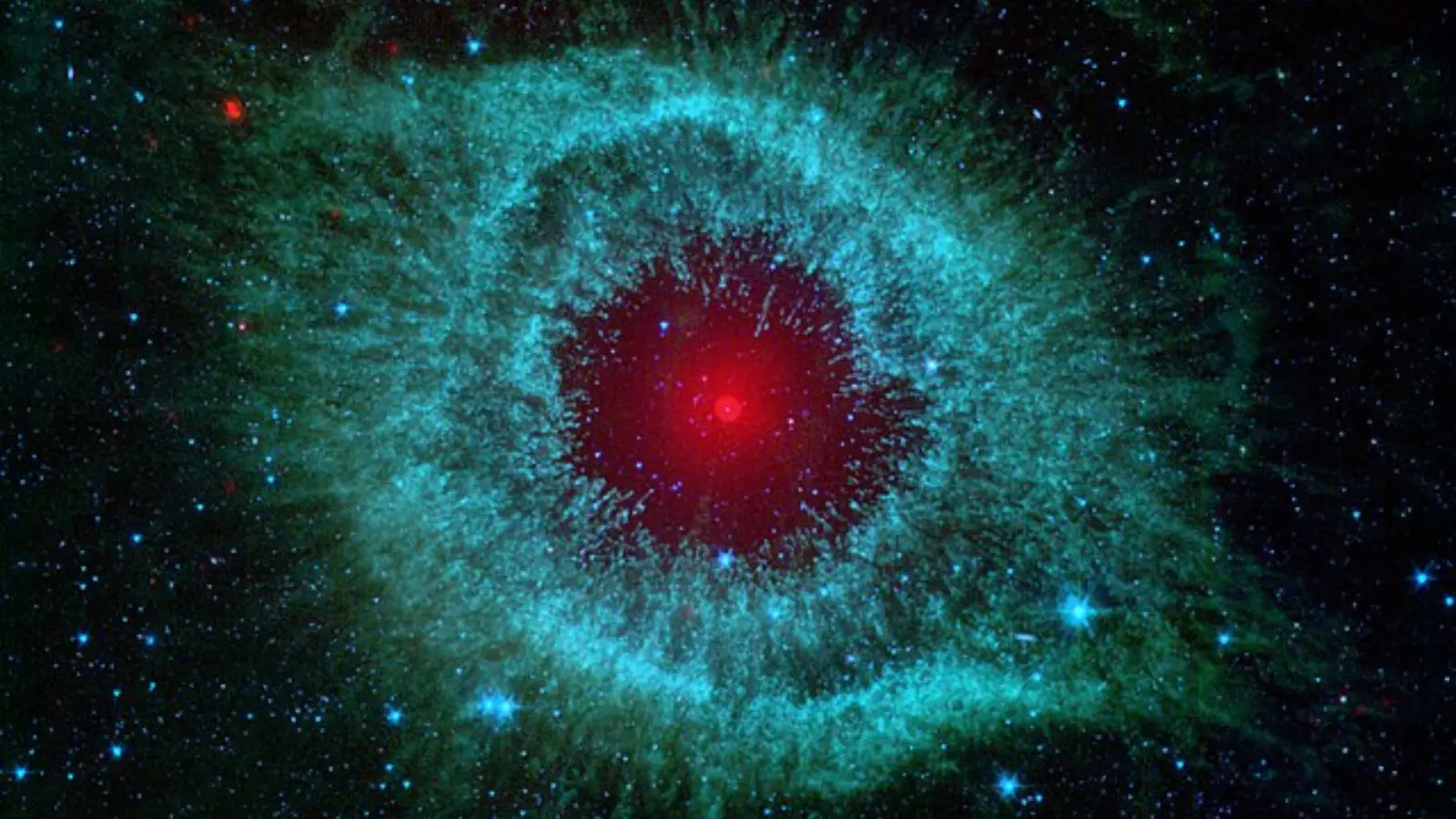
Helix Nebula
The shells by the dead stars, when expelled showcased stunning rays and colors upon their blast, with an interesting medium coming out of the ray but with a condensed range.
9 / 10
(Photograph: Wikimedia Commons)
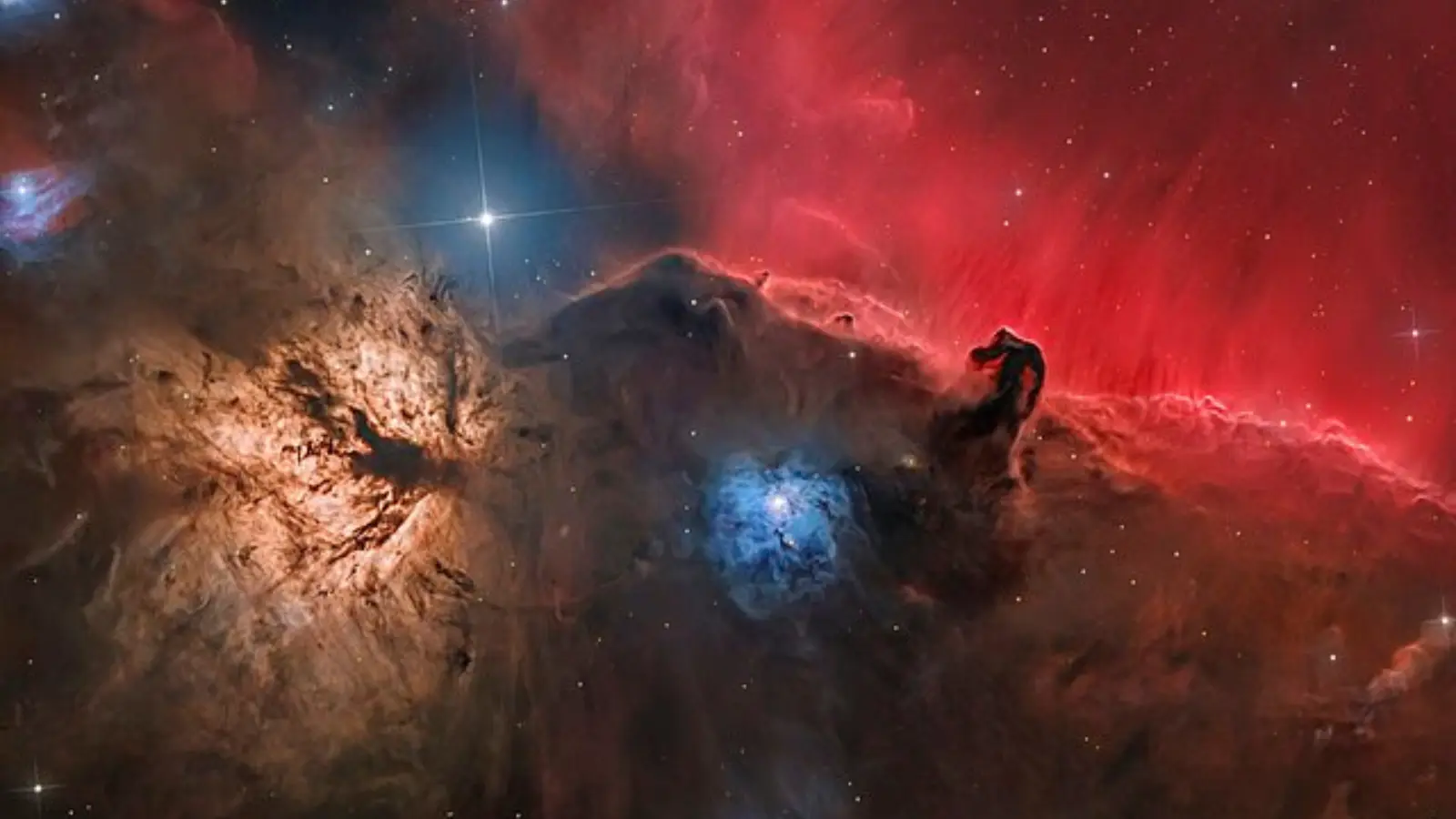
Horsehead Nebula
The Horsehead Nebula, also known as Barnard 33, is a dark nebula in the constellation Orion. It's a well-known photodissociation region (PDR) where ultraviolet light from young, massive stars influences the chemistry and heating of the surrounding gas and dust.
10 / 10
(Photograph: Wikimedia Commons)
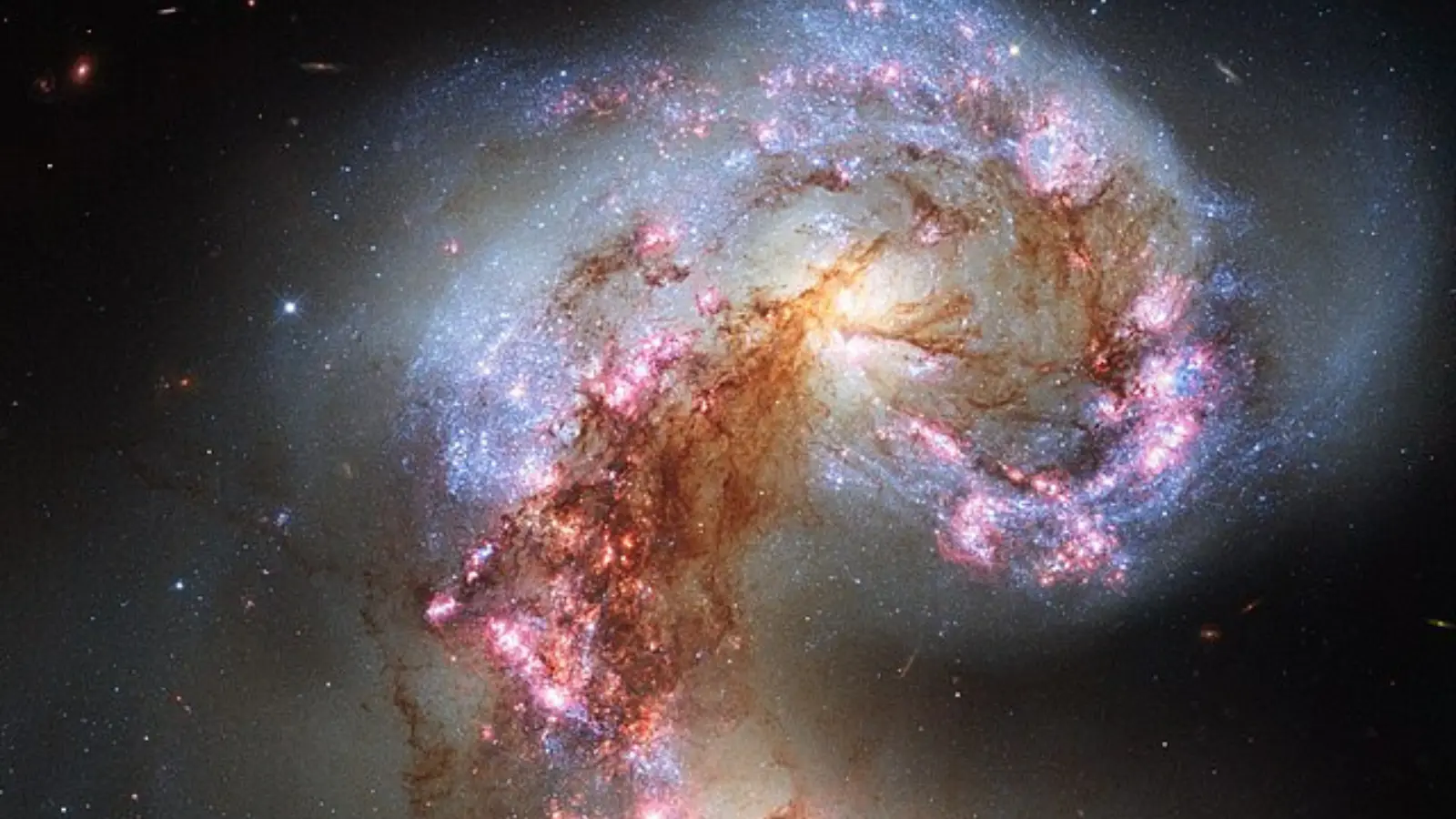
Antennae Galaxies Reloaded
The Antennae Galaxies, officially designated as NGC 4038 and NGC 4039, present a celestial ballet within the vast cosmic theater. Located approximately 68 million light-years away in the Corvus constellation, these interacting galaxies are entangled in a cosmic dance, their long tidal tails resembling the antennae of an insect, hence their name.