• Wion
  • /Photos
  • /'Hidden hazards of NASA's Voyager 2 launch': How one error could have ended the mission forever!

'Hidden hazards of NASA's Voyager 2 launch': How one error could have ended the mission forever!

 A single error in those opening hours could have brought the mission to an abrupt end, closing the door on humanity’s only close encounters with Uranus and Neptune.
Introduction
1 / 7
(Photograph: NASA)

Introduction

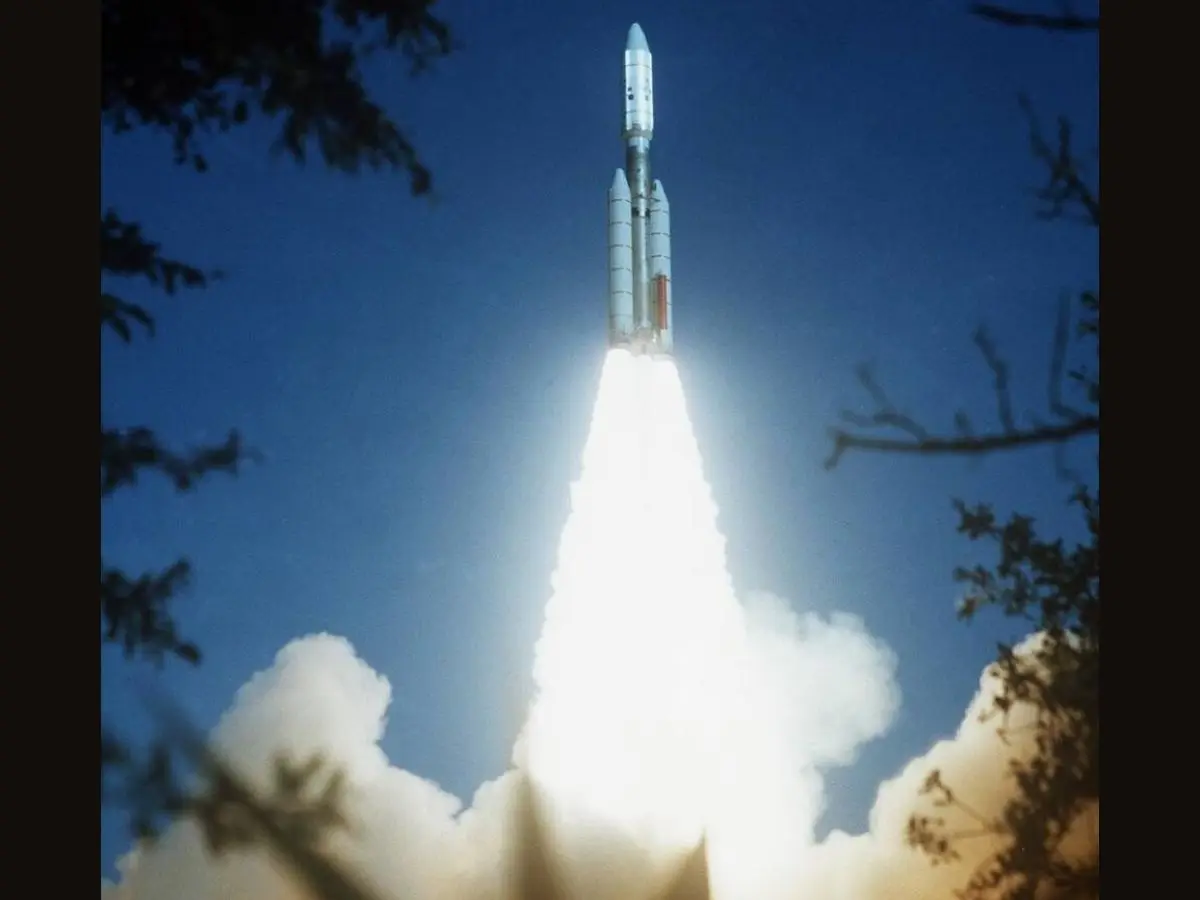
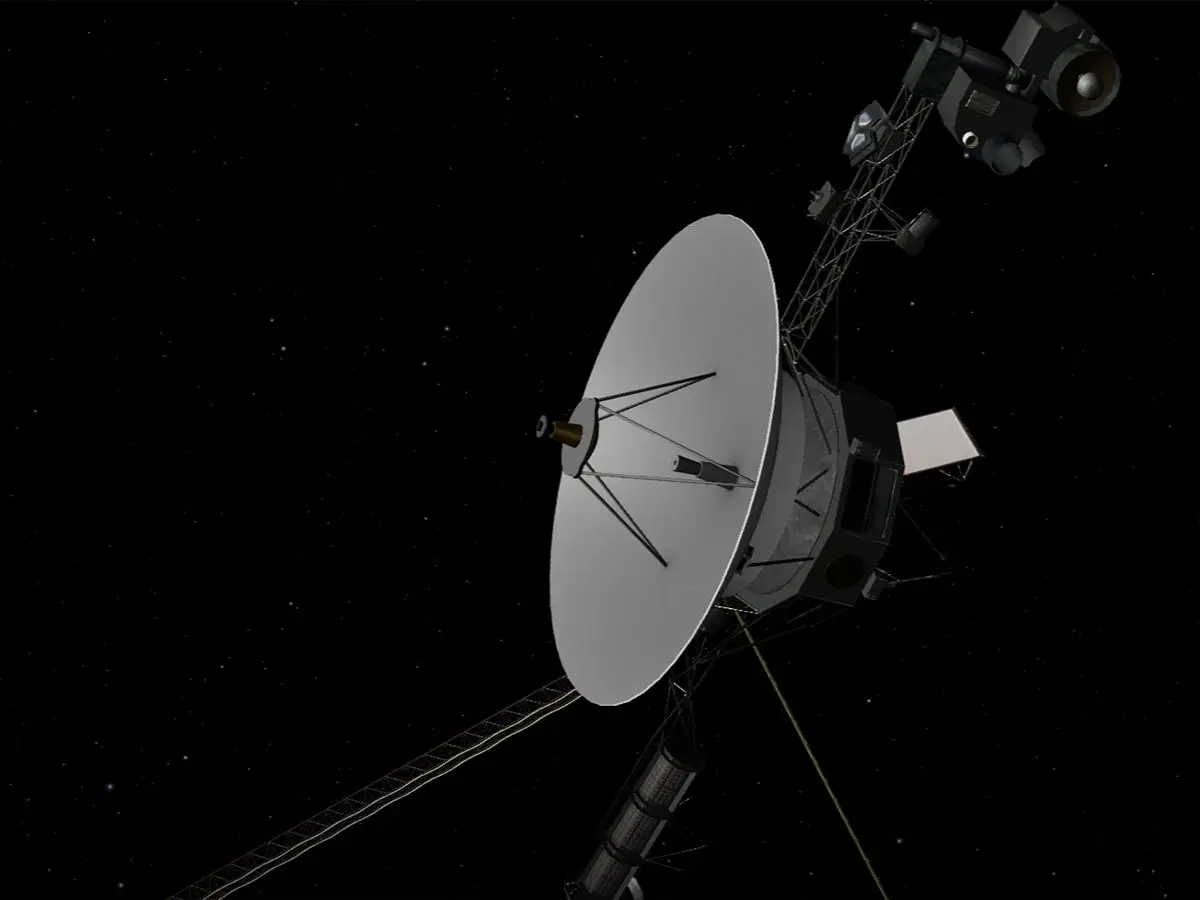
When Voyager 2 lifted off from Cape Canaveral on August 20, 1977, the world saw the start of what would become one of the greatest scientific odysseys of all time. Yet few realised how precarious its beginning truly was. The spacecraft, designed to last just five years, was reliant on a flawless launch sequence. A single error in those opening hours could have brought the mission to an abrupt end, closing the door on humanity’s only close encounters with Uranus and Neptune.
The Risky Titan-Centaur
2 / 7
(Photograph: Wikimedia Commons)

The Risky Titan-Centaur

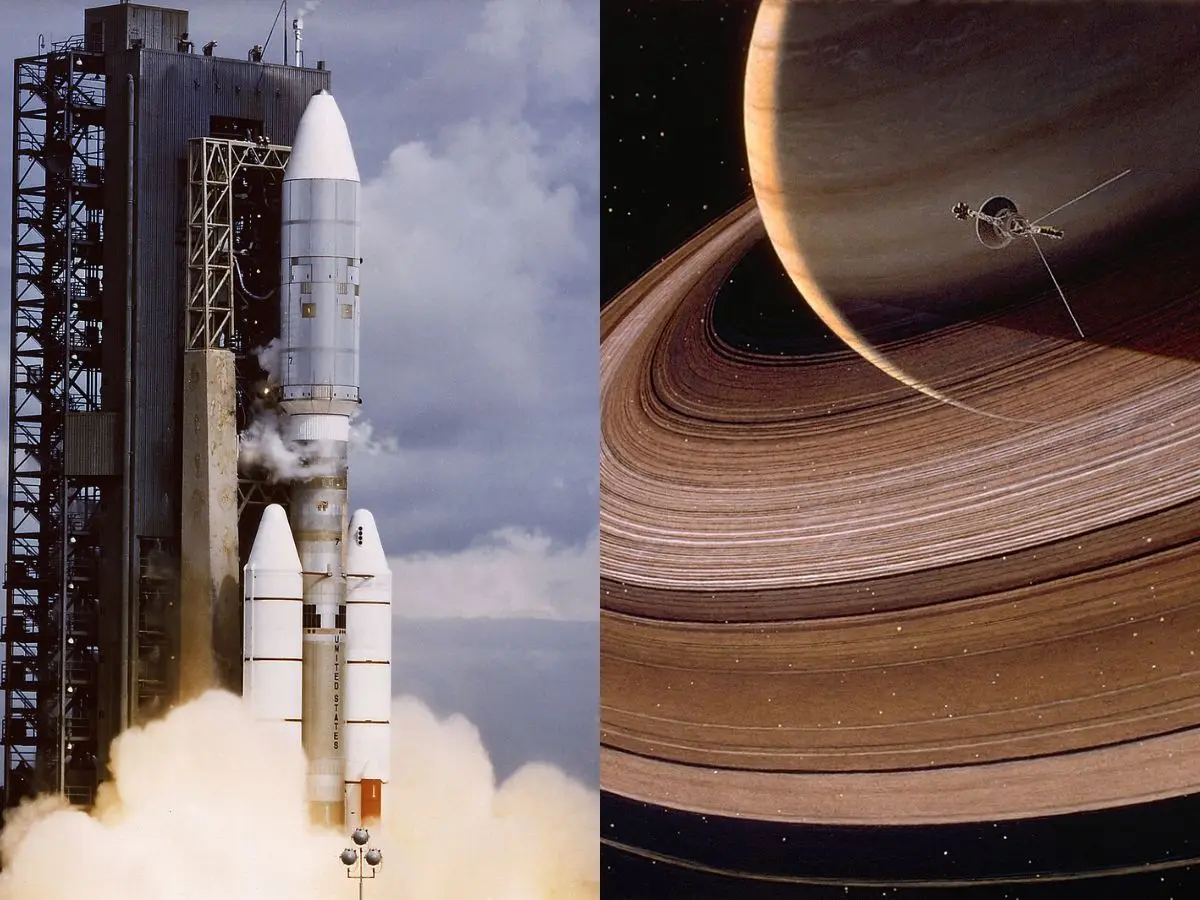
The spacecraft was launched on a Titan IIIE-Centaur, a heavy-lift rocket with a reputation that gave NASA engineers sleepless nights. Of the seven previous flights of this booster, two had ended in failure. A misfire of the main engines, a malfunction in the Centaur’s upper stage, or a failed stage separation could easily have left Voyager 2 stranded in low Earth orbit. Had that happened, the mission would have been irretrievably lost, and with it the opportunity to exploit a planetary alignment that would not occur again for 176 years.

A Narrow Planetary Window
3 / 7
(Photograph: NASA)

A Narrow Planetary Window

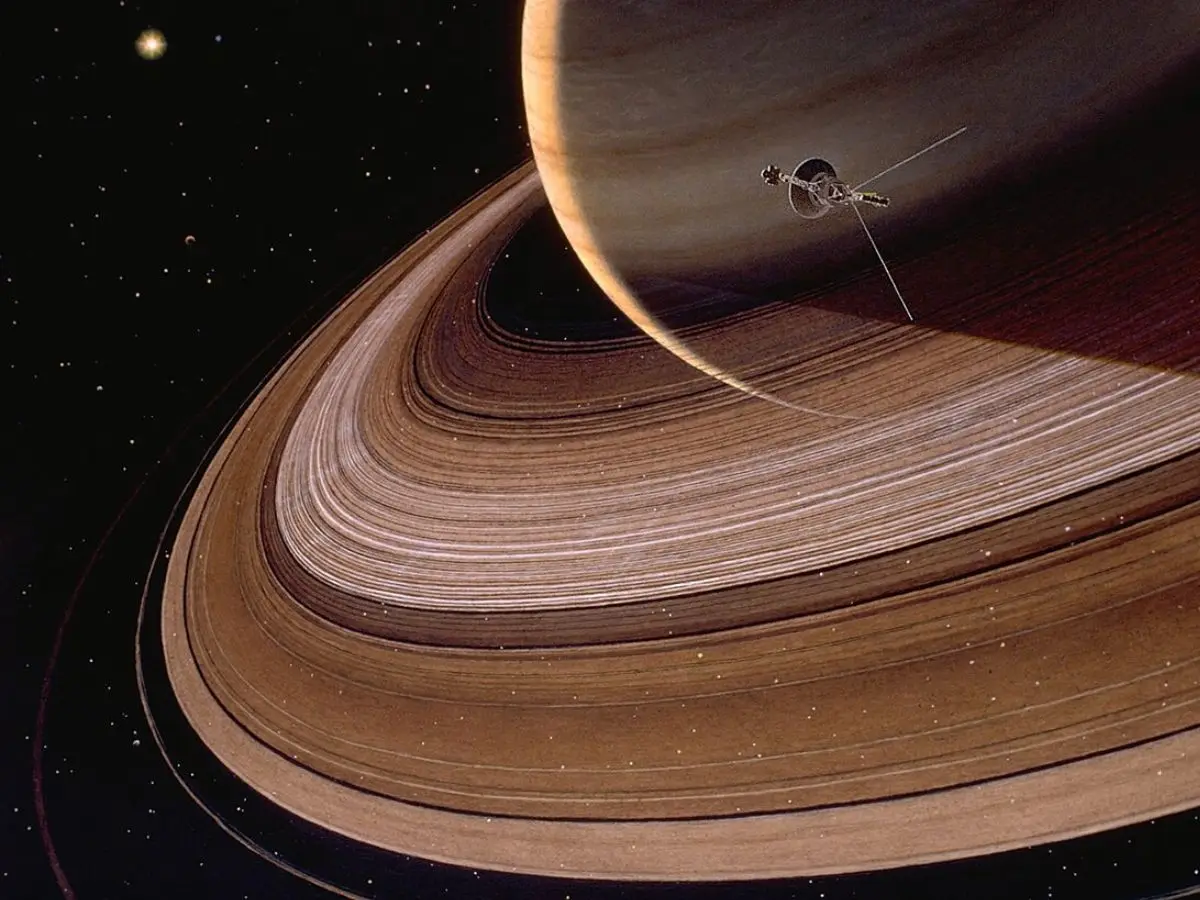
The launch date was dictated by celestial mechanics rather than convenience. In the late 1970s, the outer planets aligned in a rare configuration that allowed a spacecraft to “slingshot” from one to the next, conserving fuel while extending its range. Voyager 2 had only a narrow launch window of a few weeks. Even the smallest trajectory error during ascent would have destroyed the possibility of sequential flybys of Jupiter, Saturn, Uranus, and Neptune. Missing this window would have meant waiting until the twenty-second century for another chance.

Surviving the Ascent
4 / 7
(Photograph: Wikimedia Commons)

Surviving the Ascent

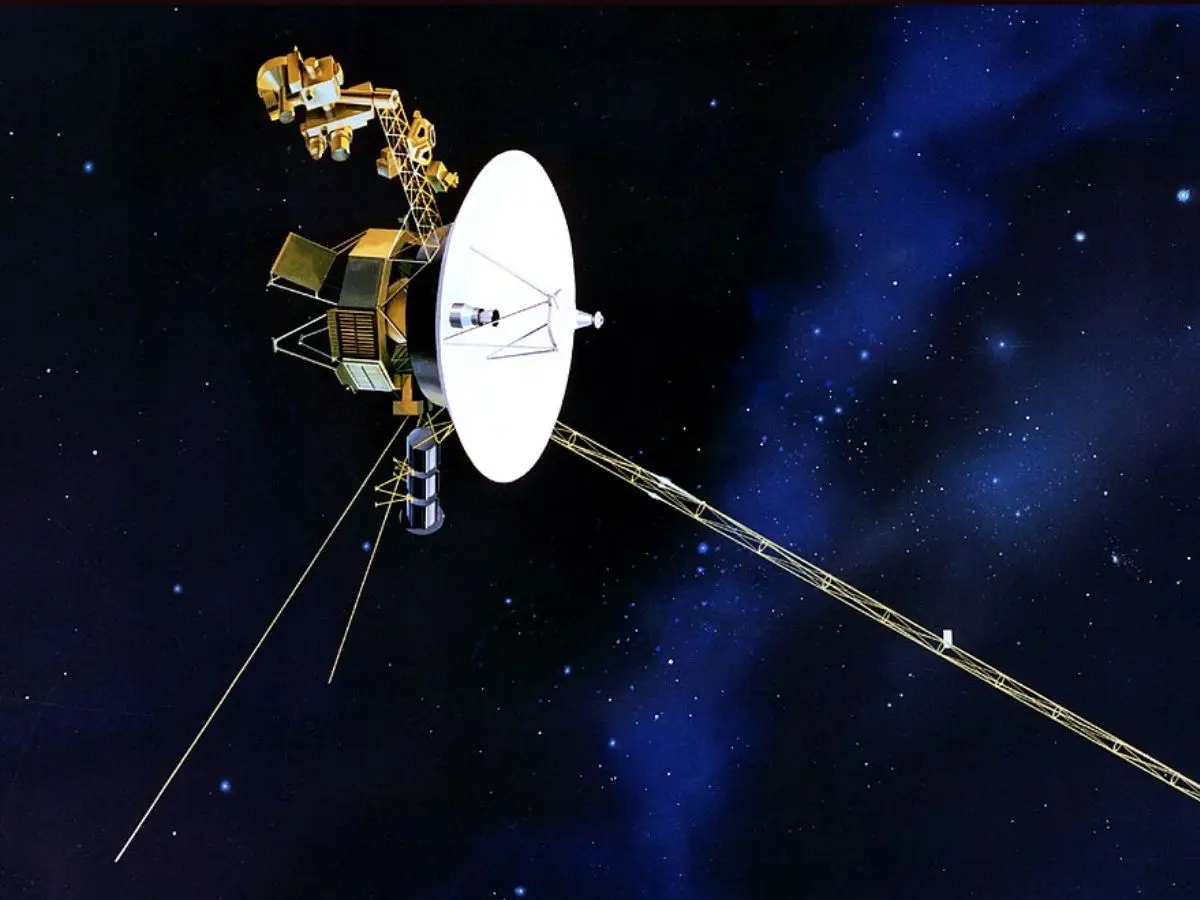
Beyond reaching orbit, Voyager 2 had to survive the brutal physical stresses of launch. The spacecraft was encased within a protective fairing that shielded it from sound, vibration, and aerodynamic heating. But the fairing itself posed a risk: had it failed to separate at the correct moment, Voyager 2 would have been entombed, unable to deploy its antenna or instruments. The intense shaking of ascent threatened to damage sensitive scientific equipment, any failure of which could have reduced the mission’s value before it had begun.

Establishing Contact
5 / 7
(Photograph: Wikimedia Commons)

Establishing Contact

Once released from the Centaur, Voyager 2 faced another critical test: establishing communication with Earth. The spacecraft needed to unfurl its high-gain antenna and orient it precisely towards our planet. A misalignment or transmitter failure would have left ground controllers powerless to send commands. With the spacecraft already millions of kilometres away within hours of launch, there would have been no second chance.

Power from Plutonium
6 / 7
(Photograph: NASA)

Power from Plutonium

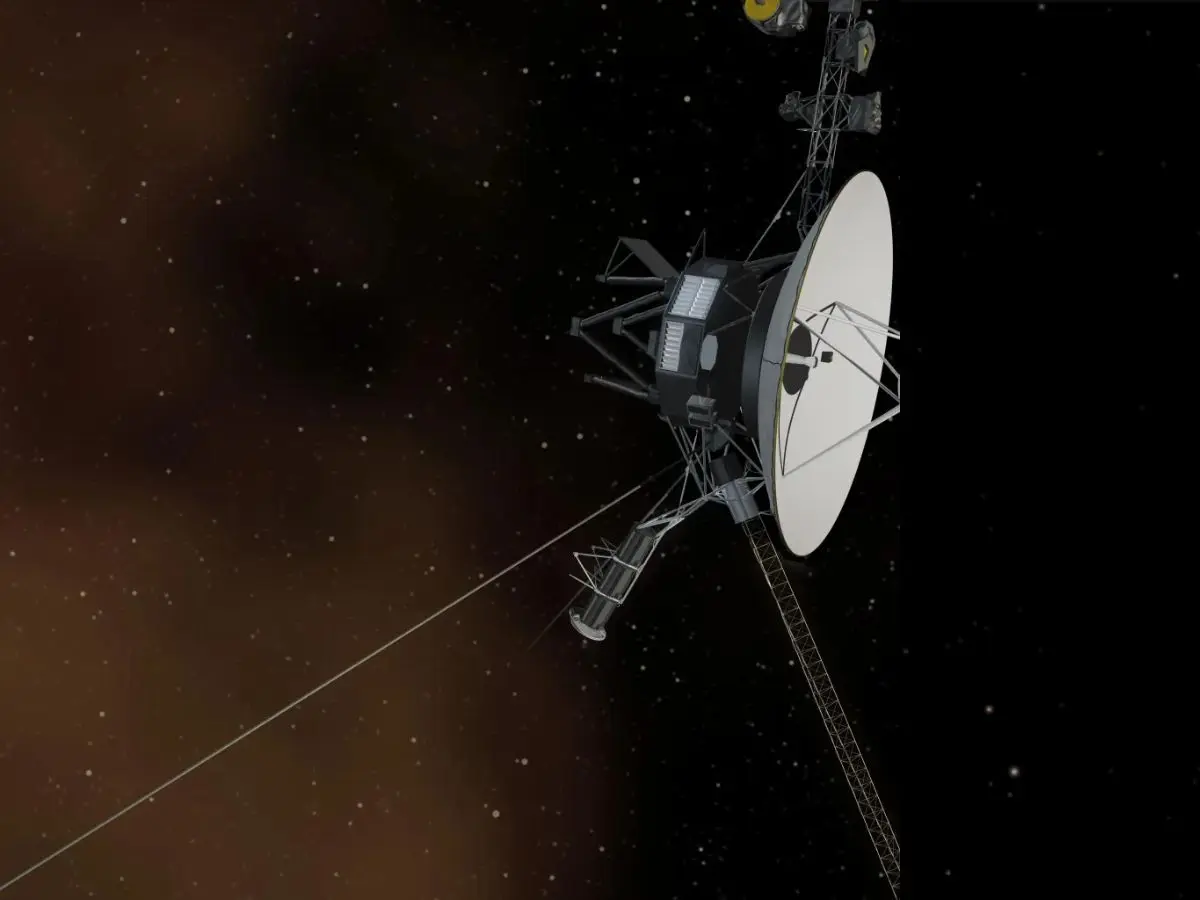
Unlike earlier missions that could rely on solar power, Voyager 2 carried radioisotope thermoelectric generators fuelled by plutonium-238. These nuclear batteries provided continuous power far from the Sun. Yet they, too, posed a vulnerability. Damage during launch, or a failure in the thermal-to-electric conversion, would have left the probe powerless long before it reached the outer planets.

A Flawless Beginning
7 / 7
(Photograph: NASA)

A Flawless Beginning

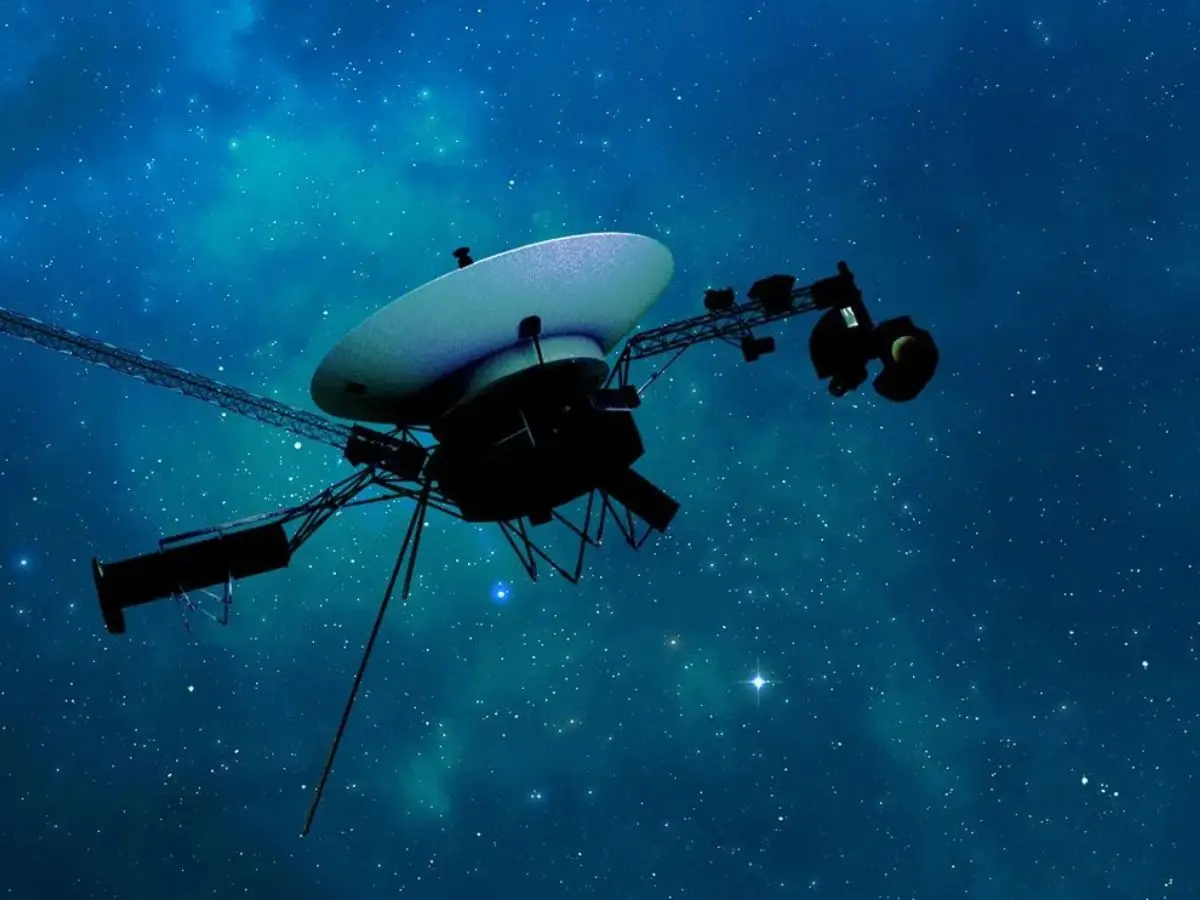
Despite the many dangers, the launch of Voyager 2 went flawlessly. The Titan IIIE-Centaur performed without error, the spacecraft separated cleanly, and communication was established without interruption. From this seemingly impossible beginning, Voyager 2 embarked on its four-planet tour, later becoming the only spacecraft to visit Uranus and Neptune, and eventually crossing into interstellar space in 2018. The risks were immense, but the success of that August launch ensured one of the most remarkable journeys in the history of exploration.