Helicopter vs aeroplanes: Which is safer, faster, and easier to fly? Know the key differences

Have you ever wondered how helicopters differ from aeroplanes? From vertical takeoff and hovering to horizontal high-speed flight, each aircraft offers unique strengths. Their designs shape differences in speed, range, safety and ease of flying. Let's have a look at the other differences.
Safety
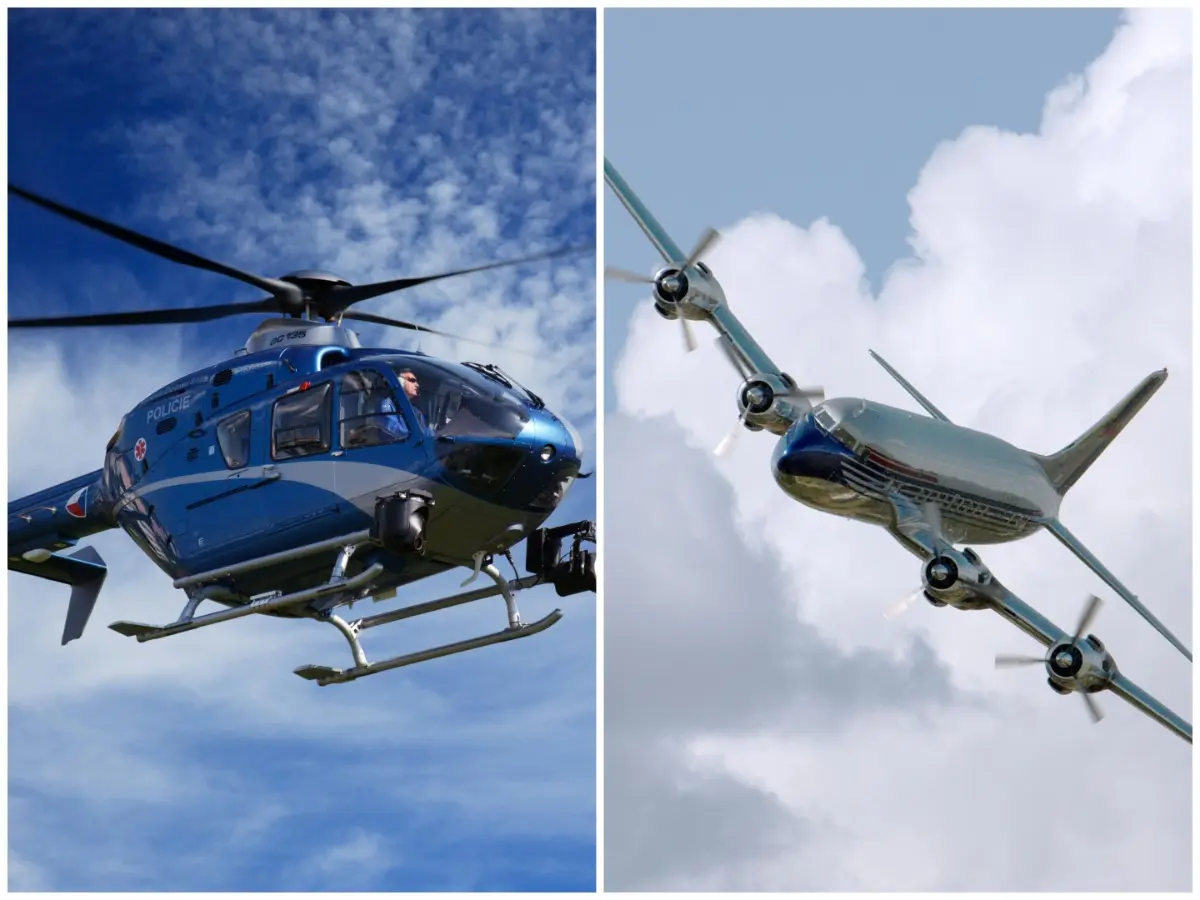
When operated under proper regulations, aeroplanes and helicopters are both considered safe, but their risk profiles differ. Airplanes benifits from stable aerodynamics and glide capability in engine failure, while helicopters rely on autorotation, which demands high pilot skill. Based on FAA data, helicopters face higher accident rates, largely due to low-altitude operations and complex controls.
Speed
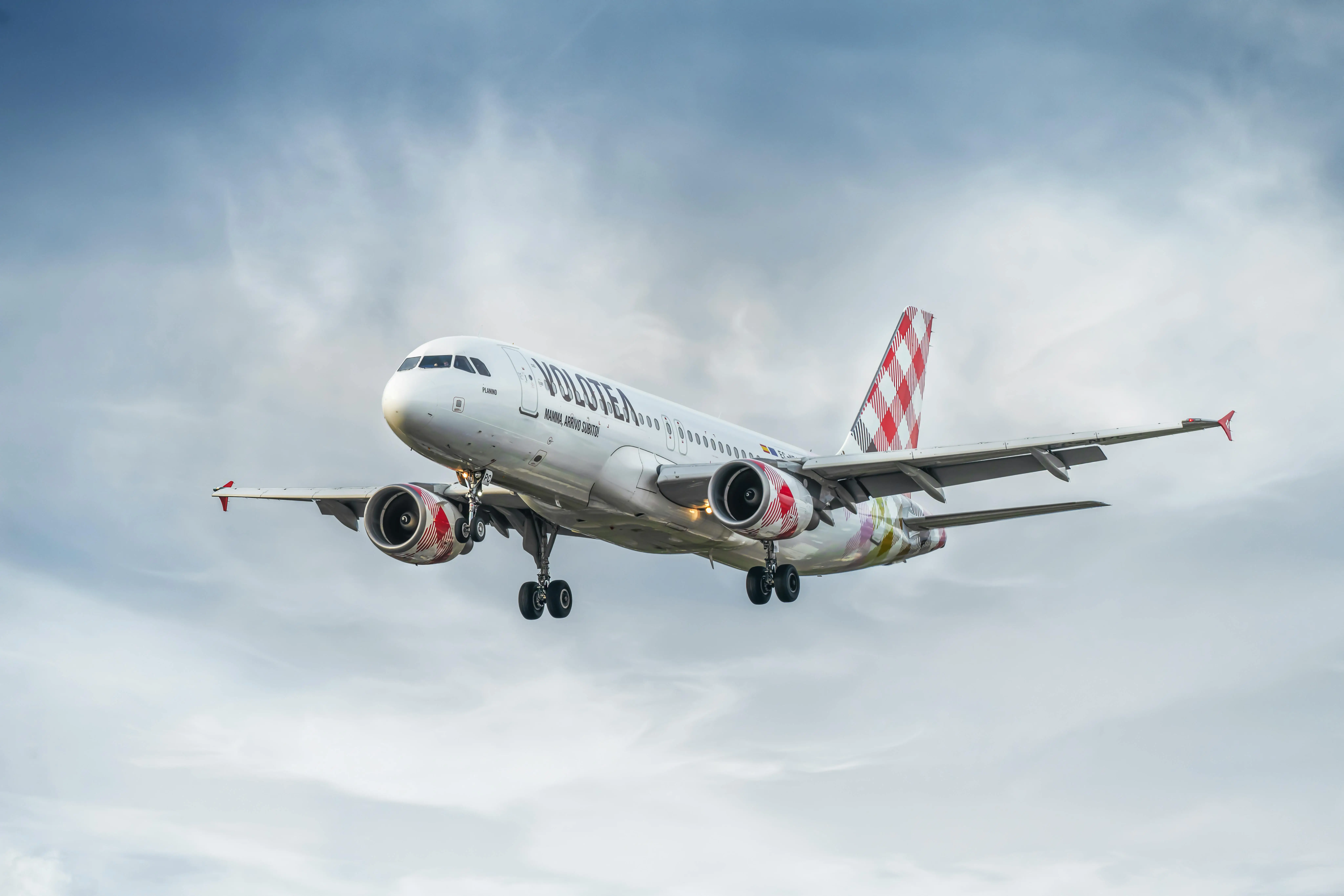
Aeroplanes are significantly faster than helicopters. Commercial aeroplanes cruise between 800–900 km/h, while most helicopters average 200–300 km/h. Fixed-wing aircraft are designed for long-distance efficiency, whereas helicopters prioritize maneuverability over speed, making them slower but more versatile for short-range missions.
Ease of Flying
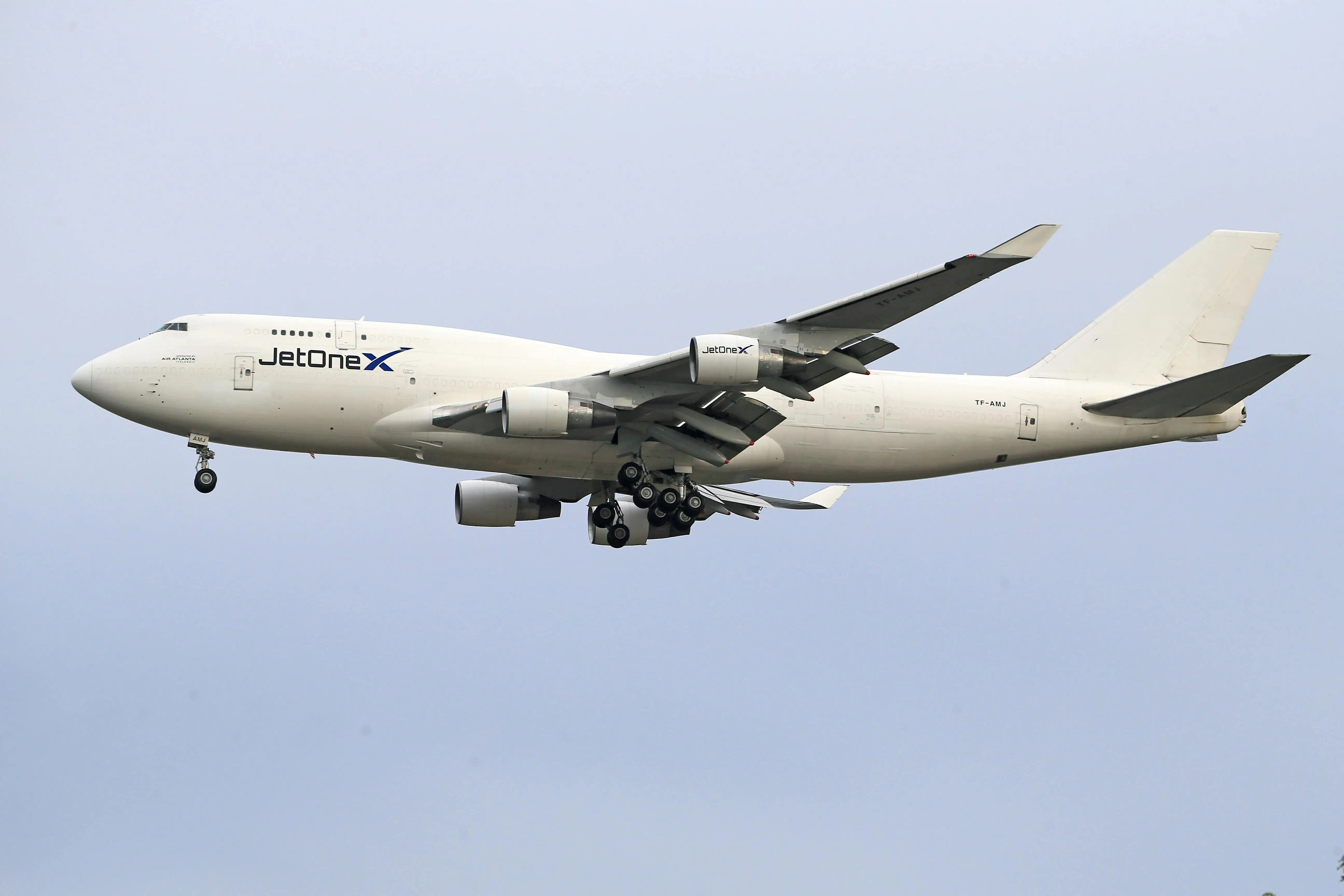
Aeroplanes are generally easier to fly and more forgiving, especially during cruise. Helicopters require constant control input, as they are inherently unstable. Pilot training hours for helicopters are typically higher due to complex coordination between cyclic, collective, and anti-torque pedals.
Operational Flexibility
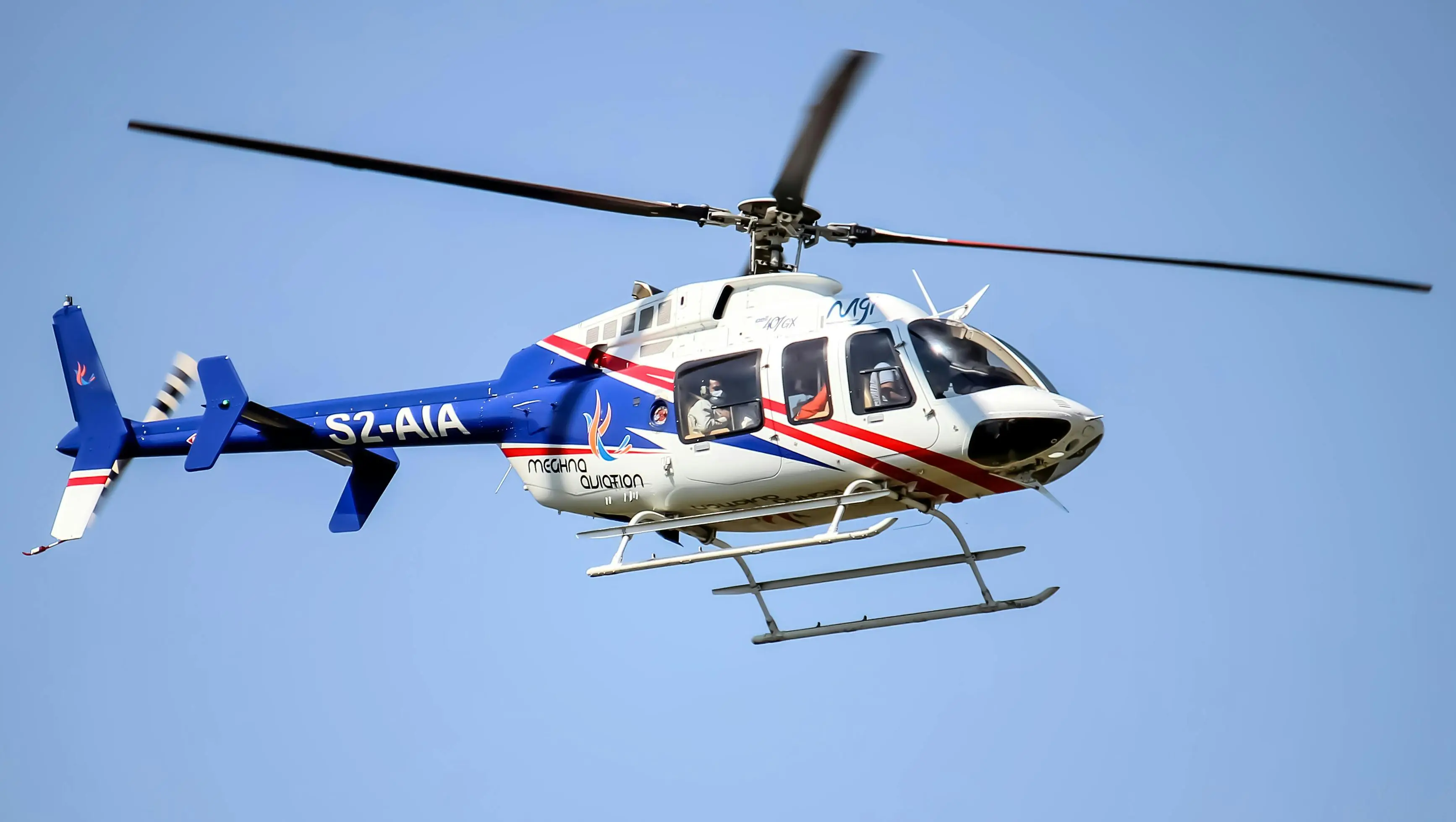
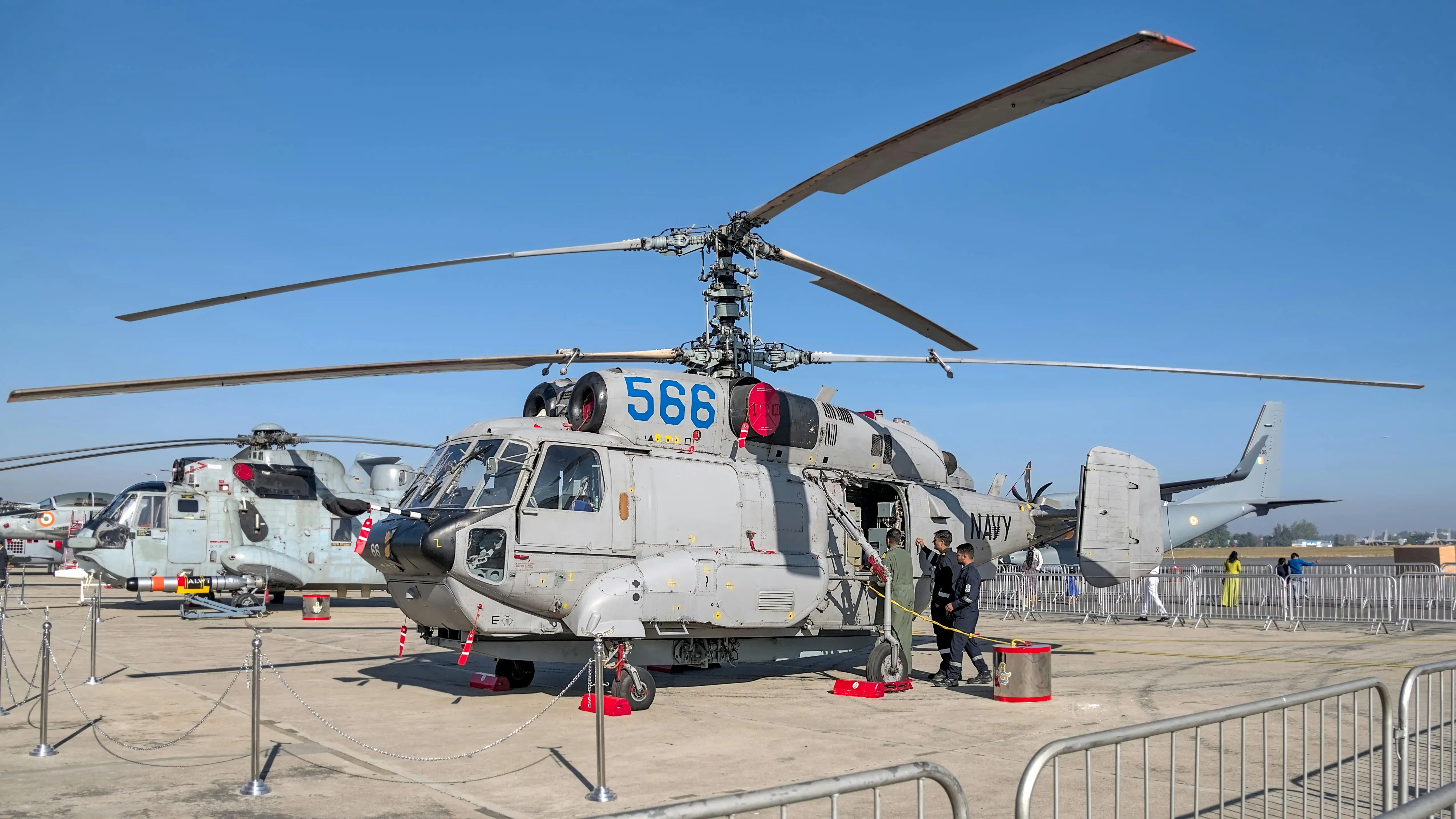
Helicopters can take off and land vertically, hover, and operate in confined spaces, making them ideal for rescue, military, and urban missions. Aeroplanes need runways but are far more efficient for carrying passengers and cargo over long distances with lower fuel burn per seat.
Cost and Maintenance
Helicopters are more expensive to operate and maintain due to intricate mechanical systems and frequent inspections. Aeroplanes, especially commercial jets, benefit from economies of scale and longer maintenance intervals, reducing overall operating costs per flight hour.
)

)
)
)