Helicopter shoot-down, public executions & mass killings: Inside El Mencho’s CJNG, Mexico’s most ruthless drug cartel

The operation involved a US-military-led task force specialising in cartel intelligence, the Joint Interagency Task Force-Counter Cartel, which had been mapping cartel networks on both sides of the border. In response, CJNG members launched a wave of violence across multiple states.
Operation Against El Mencho
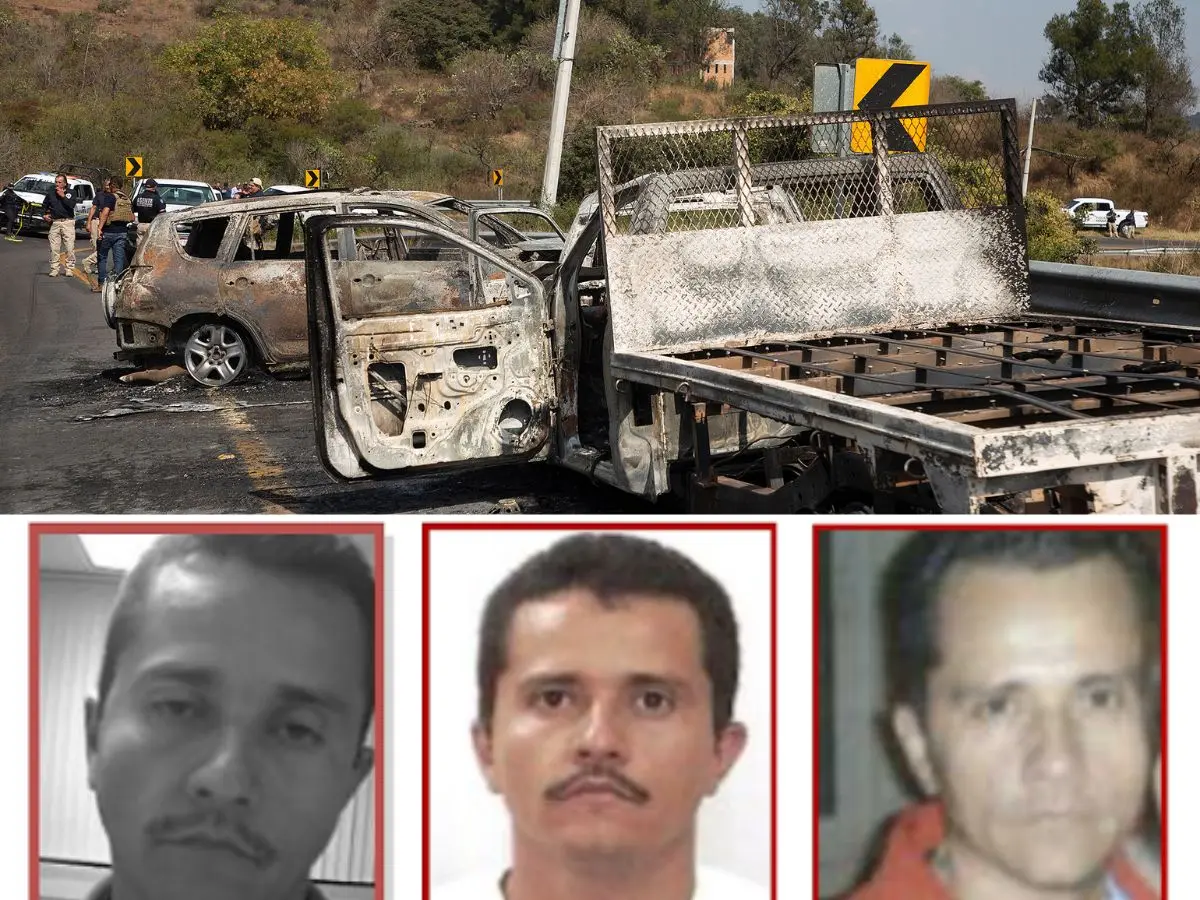
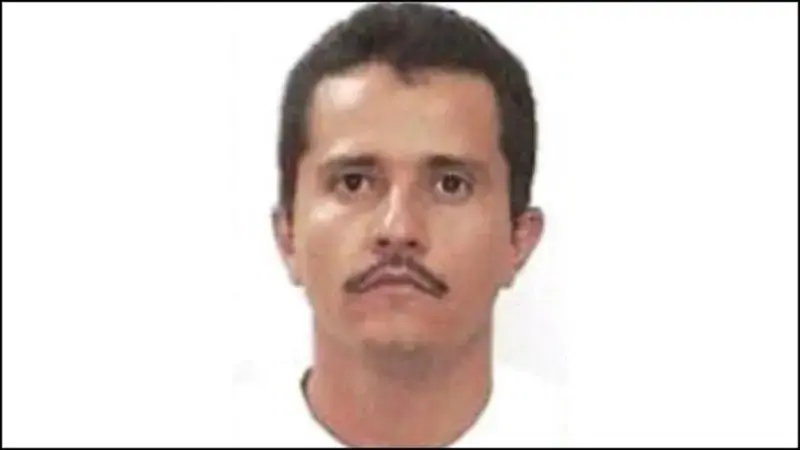
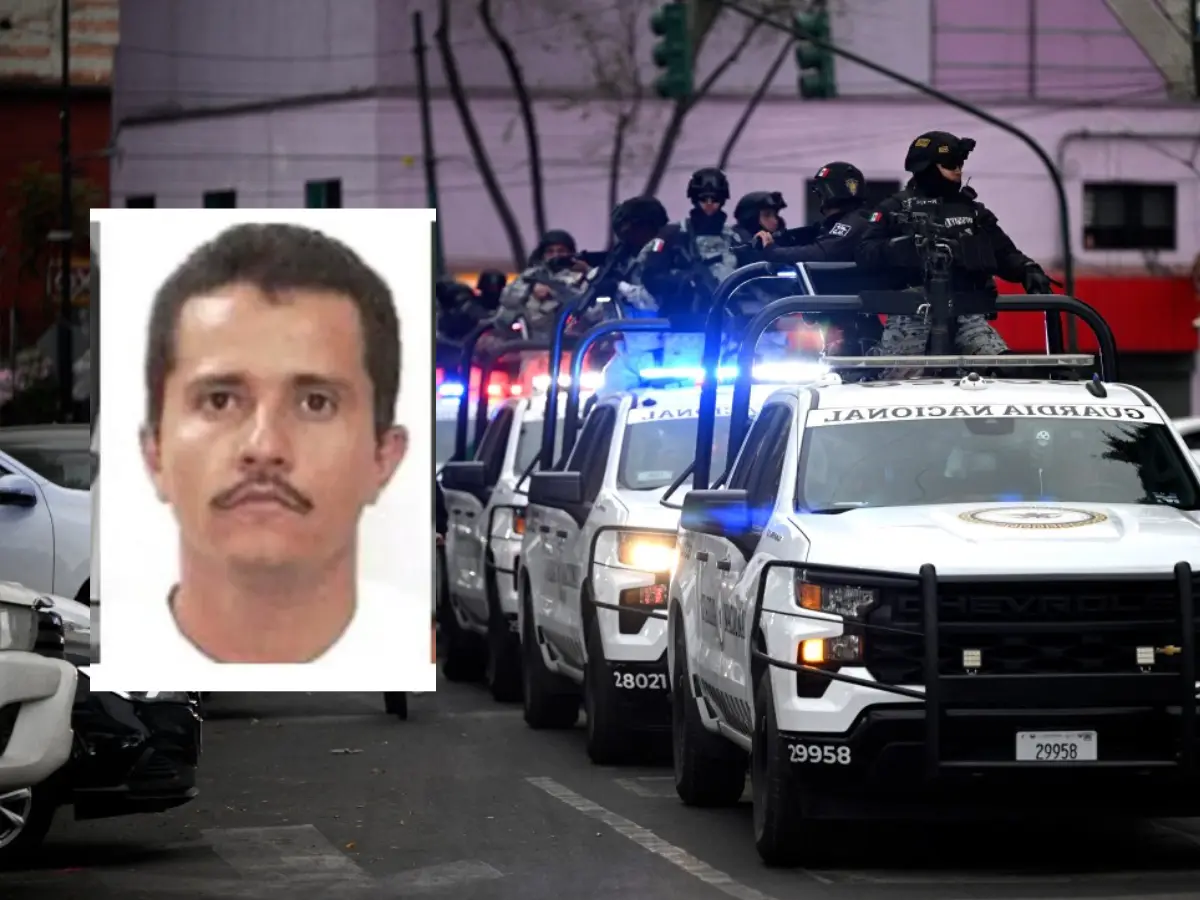
Mexican forces killed Nemesio ‘El Mencho’ Oseguera Cervantes, leader of the Jalisco New Generation Cartel (CJNG), during a military operation in Jalisco state. Considered Mexico’s most powerful cartel leader and one of the United States’ most wanted fugitives, his death marked the highest-profile blow against organised crime since the recapture of Joaquín ‘El Chapo’ Guzmán a decade ago. The operation involved a US-military-led task force specialising in cartel intelligence, the Joint Interagency Task Force-Counter Cartel, which had been mapping cartel networks on both sides of the border. In response, CJNG members launched a wave of violence across multiple states.
Origins and Expansion
CJNG split from the Sinaloa Cartel in 2010 and has since expanded across Mexico, establishing strongholds in Jalisco, Nayarit, and Colima. Its hierarchical structure places regional leaders under El Mencho, while a franchise model allows smaller local cartels to affiliate, facilitating territorial expansion. The group controls the Port of Manzanillo, enabling importation of precursor chemicals for methamphetamine and fentanyl production.
Criminal Operations
The cartel generates billions of dollars annually. Its activities include drug trafficking to the United States, Canada, Australia, and multiple continents, as well as extortion, fuel theft, kidnapping, illegal logging, mining, migrant smuggling, and timeshare fraud. CJNG uses both coercion and incentives to manipulate local, state, and federal officials to avoid arrest and facilitate operations.
Violence and Tactics
CJNG is notorious for extreme violence. In May 2015, members shot down a Mexican military helicopter with a rocket-propelled grenade, killing nine soldiers. Earlier in April 2015, fifteen police officers were ambushed and killed in Jalisco.
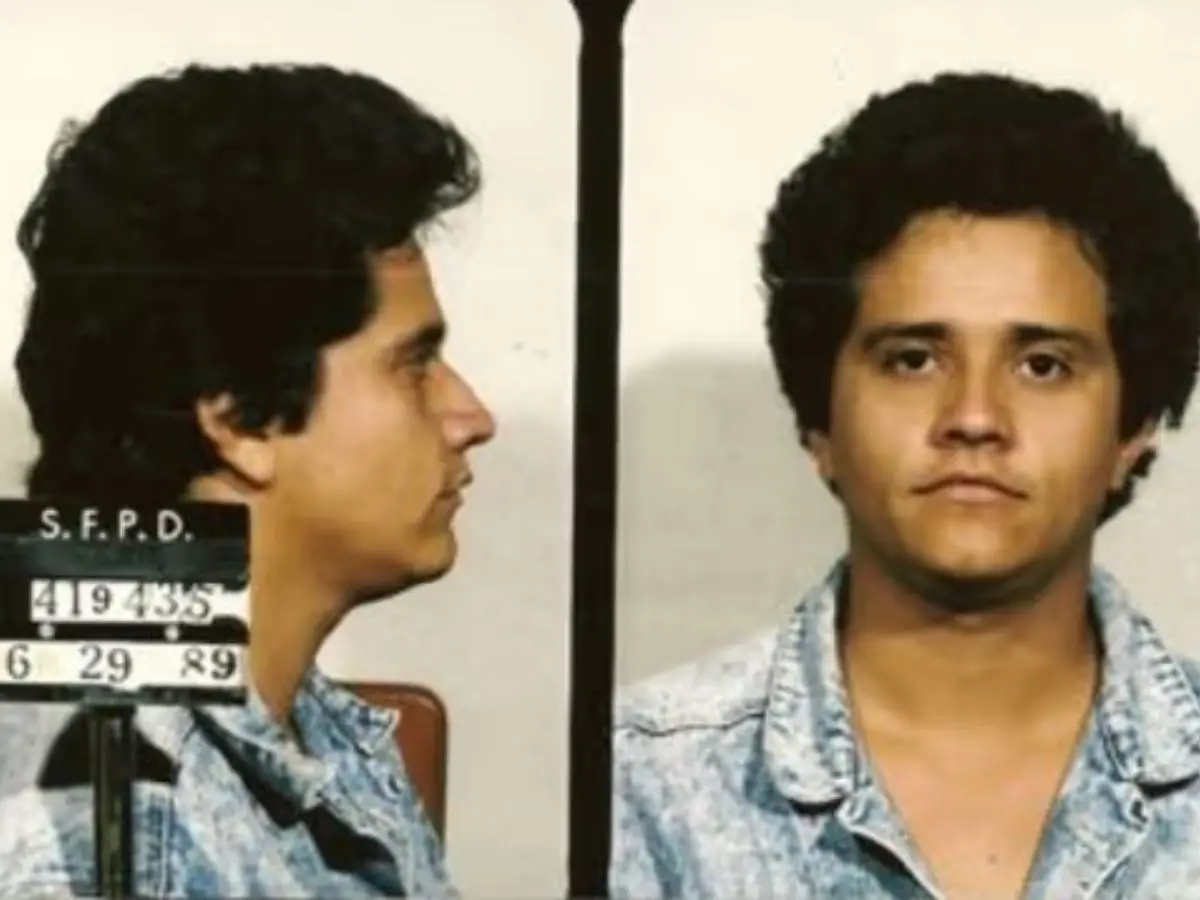
Torture, killings and dumping of bodies
The group has also tortured, killed, and dumped bodies of rivals, including 35 members of the Los Zetas cartel in Veracruz in 2011. Public executions, often documented on social media, are used to intimidate populations and rival groups.
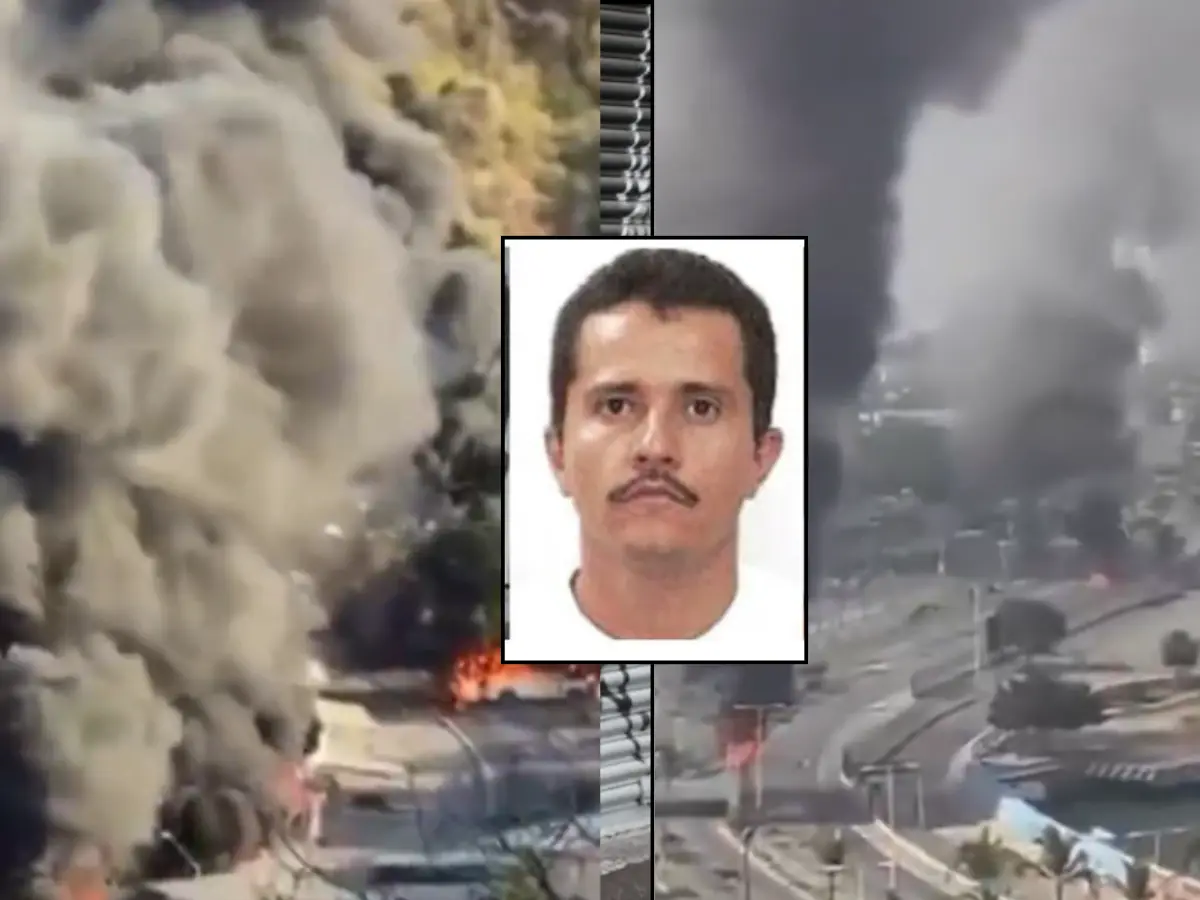
Political and Civilian Targets
CJNG has directly attacked politicians, judges, and law enforcement. In June 2020, an assassination attempt on Mexico City’s Secretary of Public Security Omar García Harfuch left two bodyguards and a bystander dead. In 2025, the remains of hundreds of CJNG recruits were discovered at a training camp known as the Izaguirre Ranch, highlighting the scale of internal and external violence.
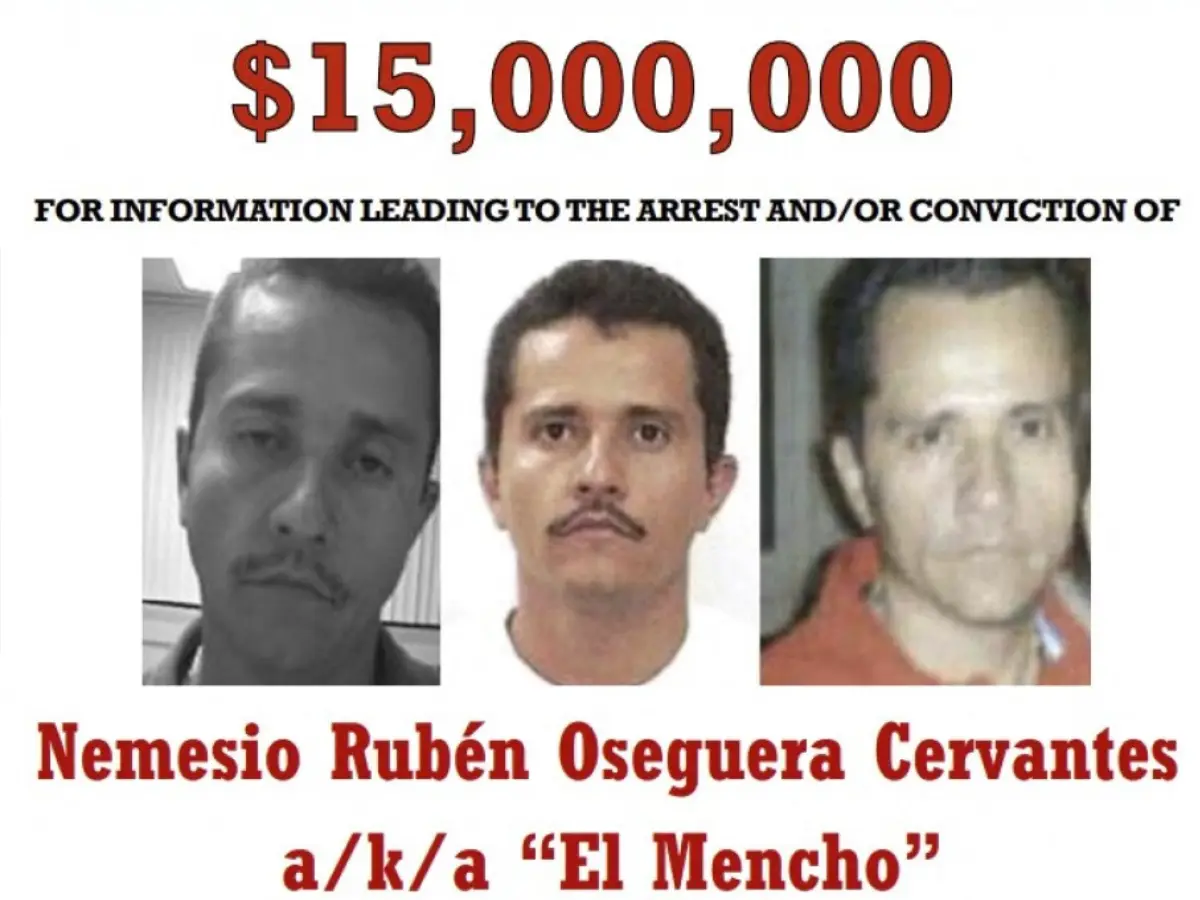
Leadership and Rewards
El Mencho’s second-in-command was his stepson, Juan Carlos Valencia González, alias El Pelon. Senior lieutenants included Julio Alberto Castillo Rodríguez, Audias Flores Silva, and Hugo Mendoza Gaytán. The United States offered up to $15 million for information leading to El Mencho’s arrest and up to $5 million for his top lieutenants. The cartel has been designated a foreign terrorist organisation and a Specially Designated Global Terrorist entity by the US State Department.
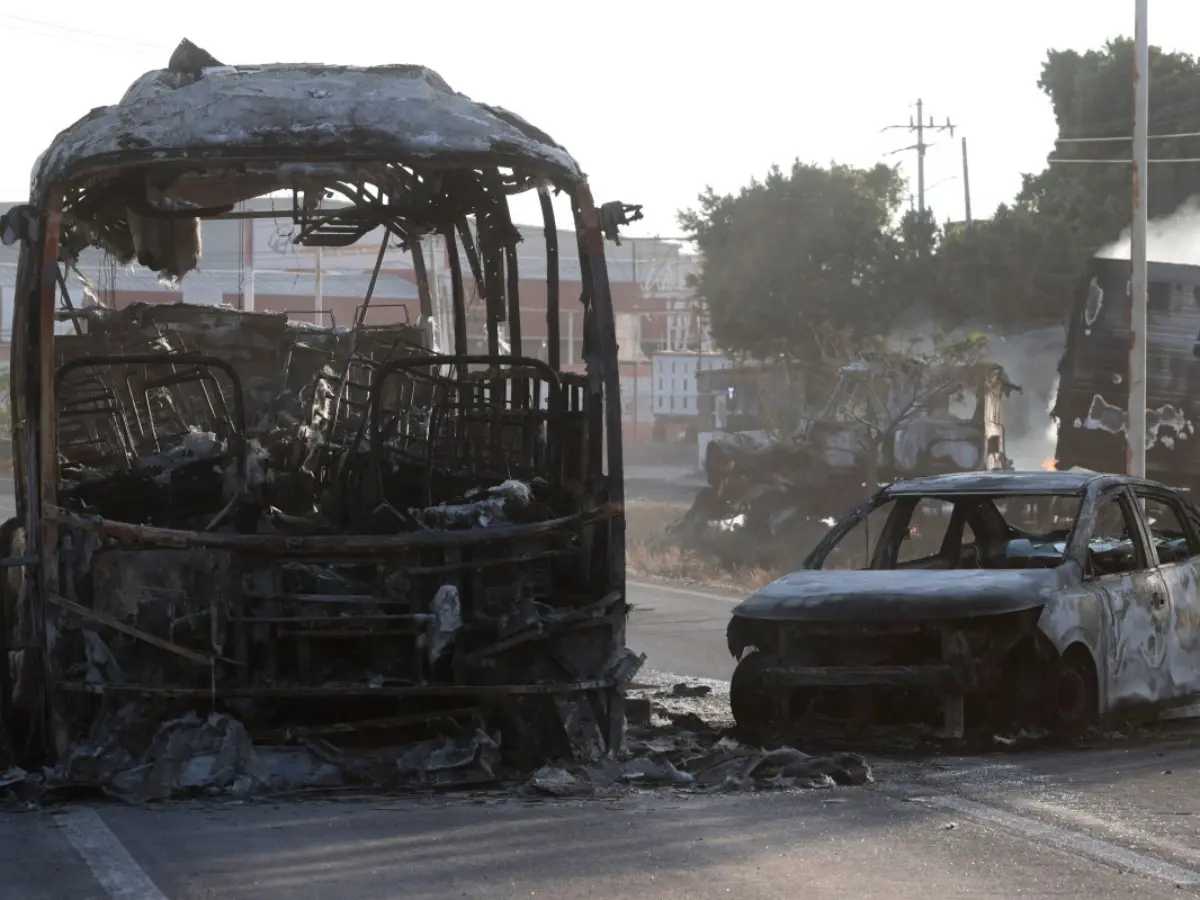
Uruapan Massacre Highlights CJNG Violence
In 2019, 19 mutilated corpses were discovered in Uruapan, Michoacán, 250 miles west of Mexico City. Nine were hung semi-naked from a bridge with a banner reading, “Lovely people, carry on with your routines,” signed CJNG. At least 10 others were found dismembered nearby. Authorities attributed the killings to cartel clashes over regional drug trade control.
Aftermath and Continued Threat
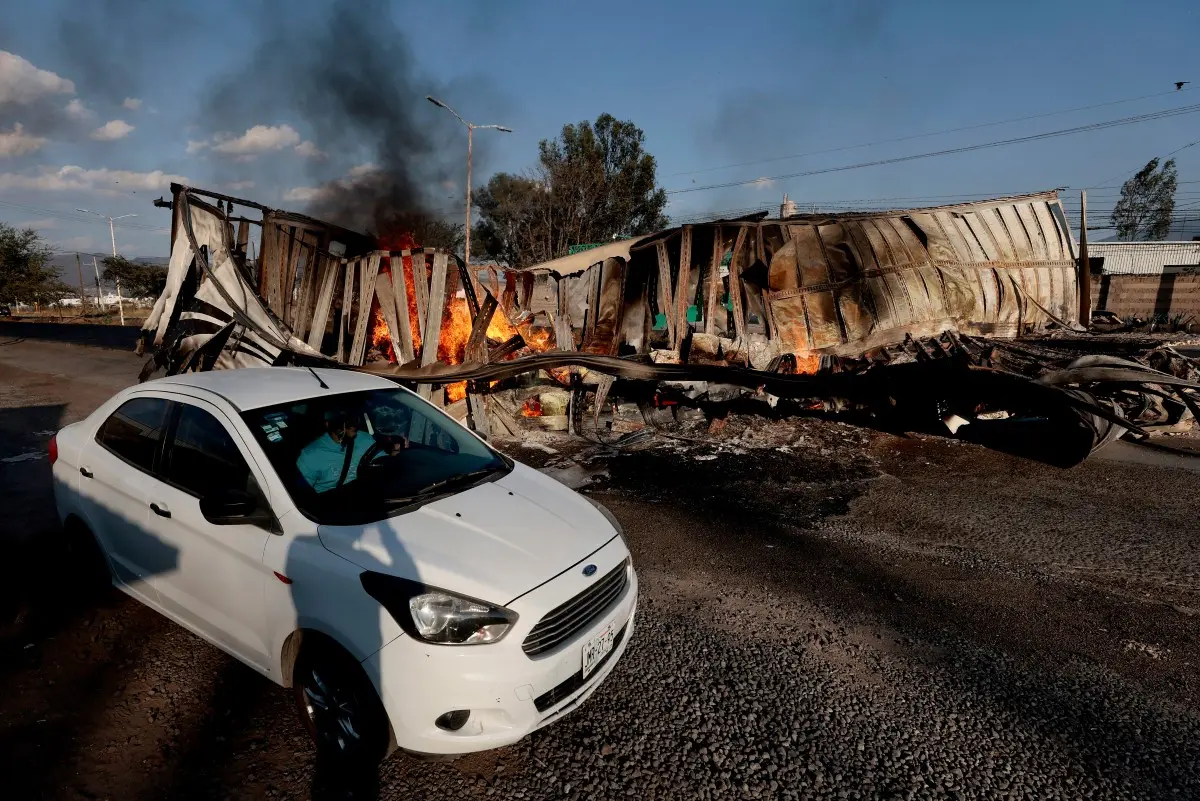
Despite El Mencho’s death, CJNG remains a formidable force. The immediate aftermath saw road blockades, vehicle burnings, and clashes with security forces in several states. Analysts warn that the cartel’s hierarchical network and international operations make it capable of sustained violence, indicating that El Mencho’s demise, while significant, does not immediately neutralise the organisation.
)
)
)
)
)