‘Headlight drain’: Does driving with your daytime lights on cost you extra fuel?

Daytime running lights use the alternator, burning a tiny amount of petrol. While traditional halogens reduce mileage by 1 per cent, modern LED lights consume negligible fuel.
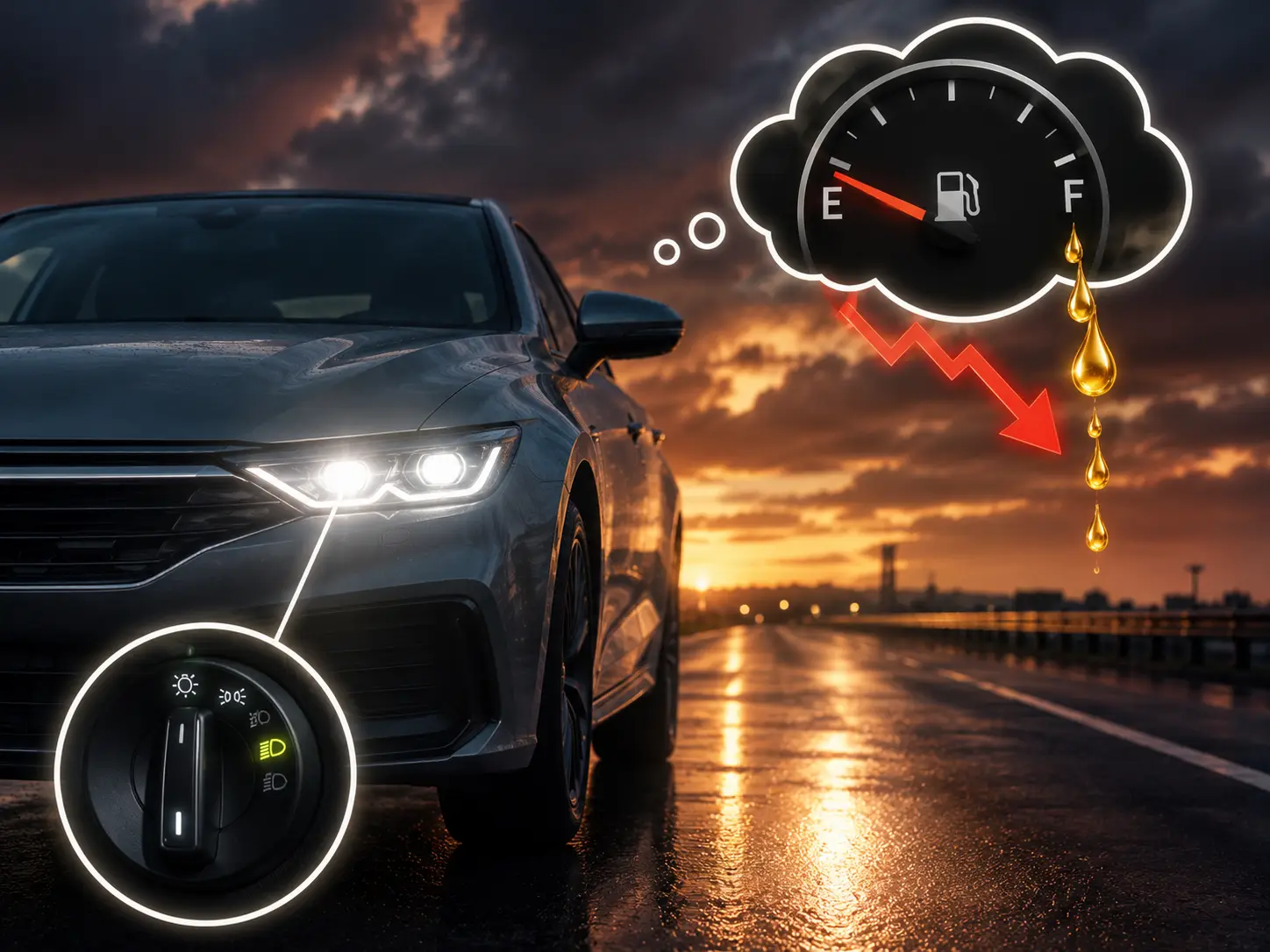
110 Watts Alternator Load
Every electrical component in a car draws power directly from the alternator, which relies on the engine. Traditional halogen headlights require roughly 110 watts of continuous power to function. This mechanical load forces the engine to burn slightly more fuel to maintain electrical output.
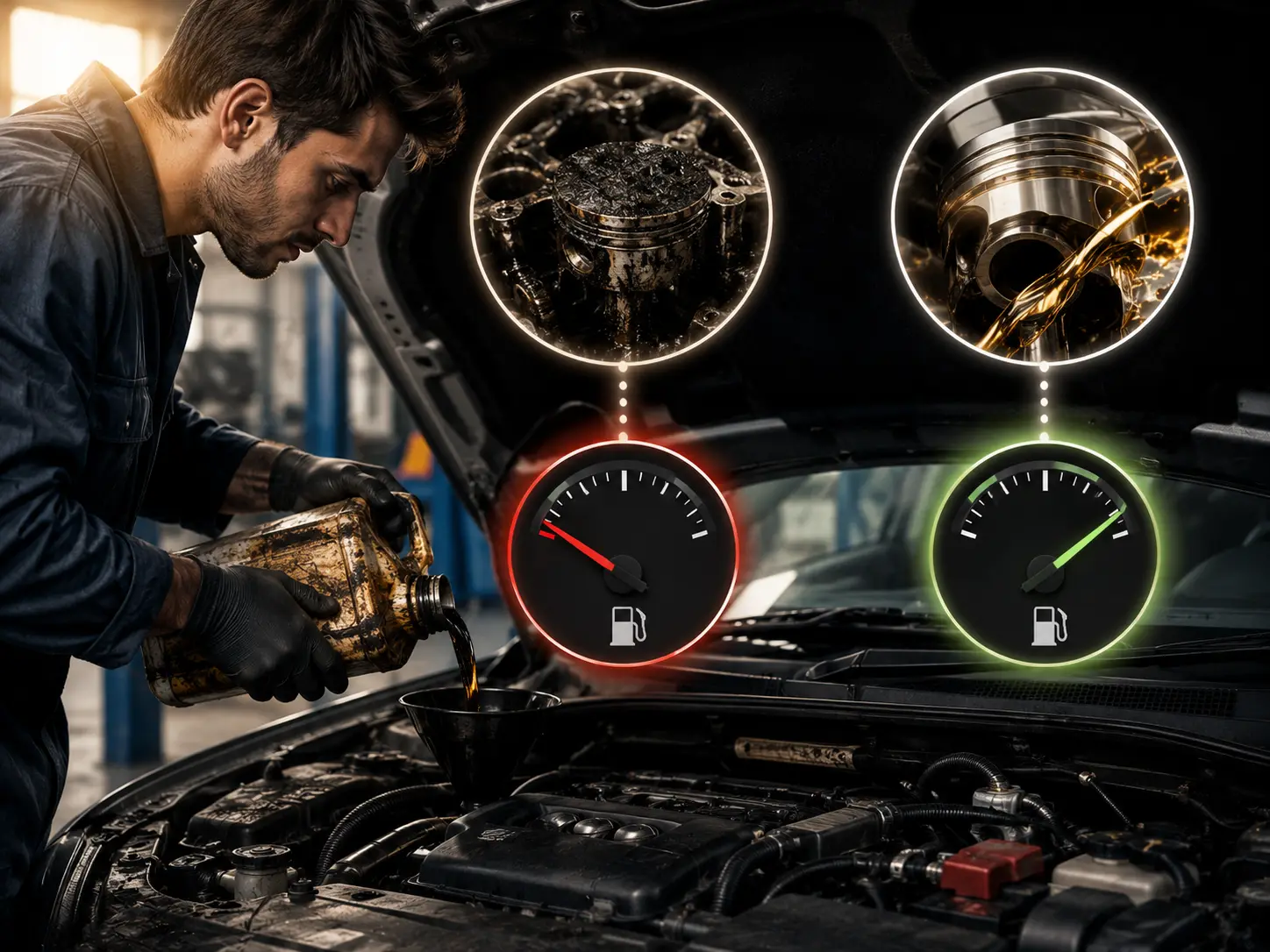
1 Per Cent Drop
Using traditional halogen lights during the day causes a minor but measurable dip in fuel economy. Drivers typically experience up to a 1 per cent decrease in their overall petrol mileage. Over a full year of regular driving, this equates to a very marginal financial cost.
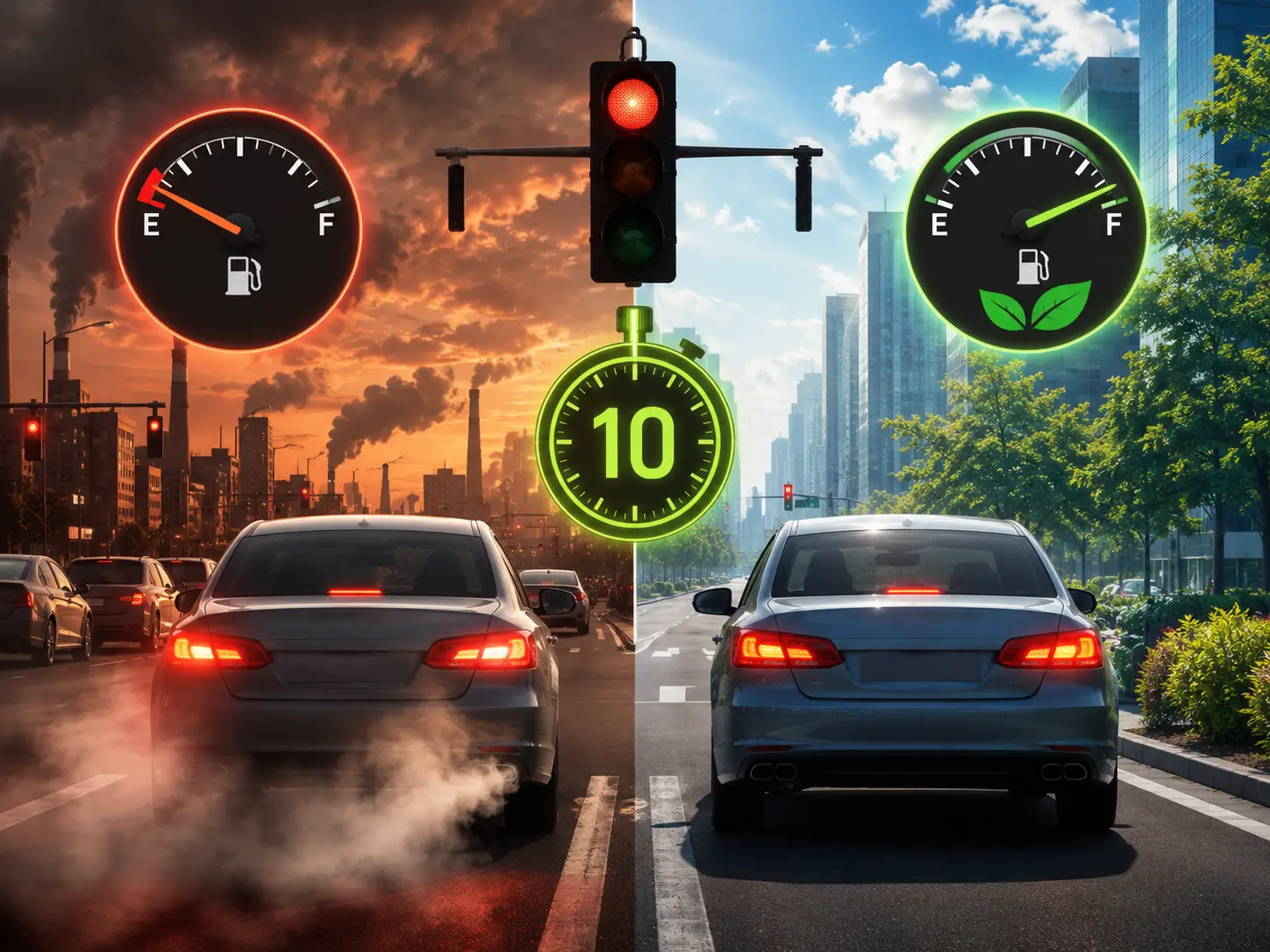
15 Watts LED Efficiency
Modern vehicles now use advanced Light Emitting Diode technology for their daytime running systems. These efficient bulbs consume only around 15 watts of power compared to older halogen versions. This drastic reduction in electrical demand significantly lessens the strain on the car's alternator.
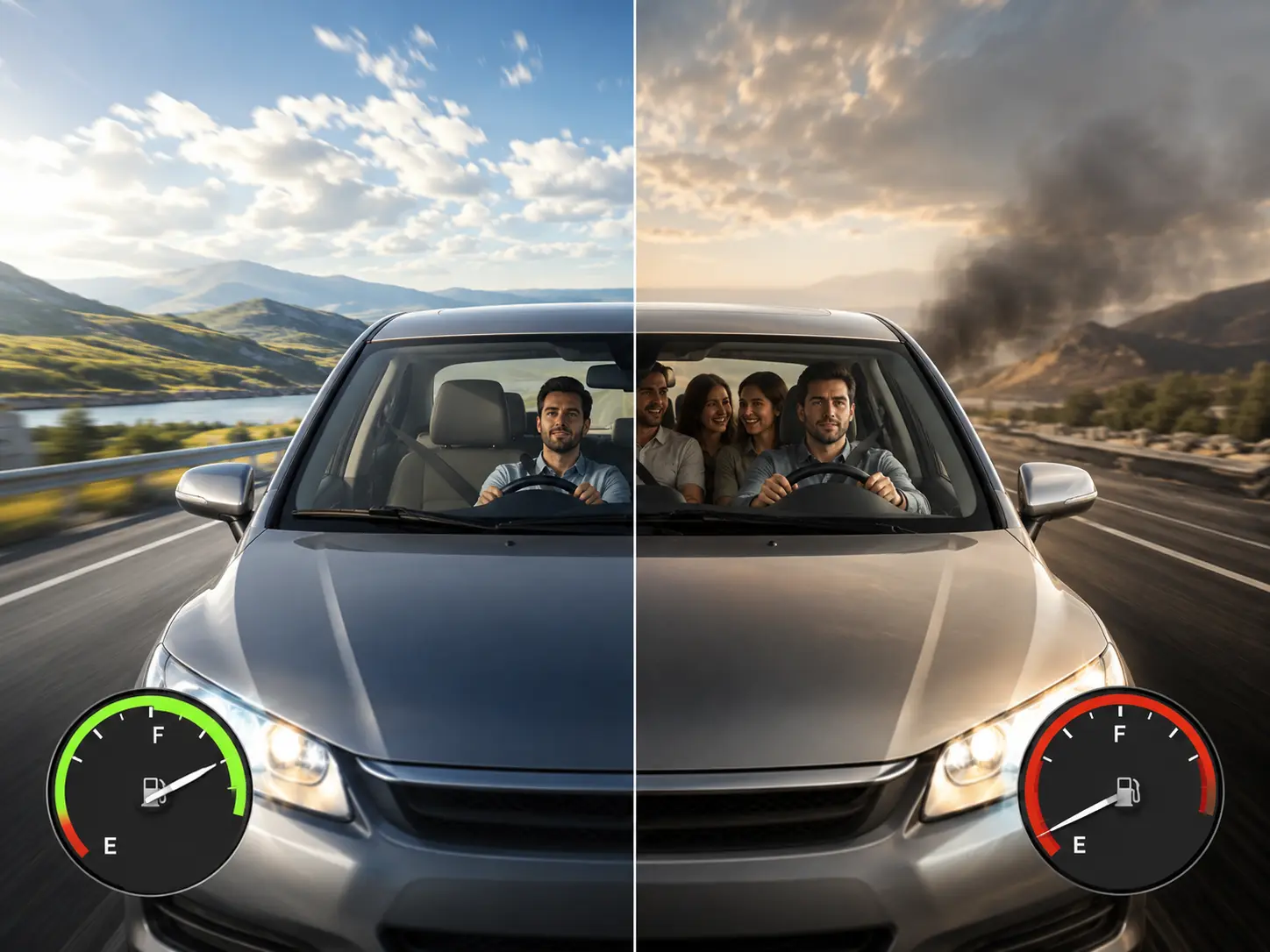
0.1 Per Cent Usage
Because LEDs are incredibly efficient, their impact on fuel consumption is practically non-existent. Running these modern lights constantly drops fuel efficiency by a negligible 0.1 per cent. This means you lose a tiny fraction of a litre of petrol over hundreds of kilometres.
Rs 500 Yearly Cost
The fuel cost of running daytime lights is incredibly small compared to the safety benefits they provide. A standard commuter might spend barely Rs 500 extra on petrol annually to keep modern lights active. This makes daytime running lights a highly cost-effective collision prevention tool.
)
)

)
)