Has a telescope in Chile captured evidence that 3I/ATLAS is a comet?

A telescope in Chile has likely captured evidence that 3I/ATLAS is a comet. The discovery made by the Gemini South at Cerro Pachón can put to rest all questions about the interstellar visitor, which has been a hot topic of debate among scientists since it was first seen.

New photo of 3I/ATLAS - Gemini Multi-Object Spectrograph captured it live
New images of interstellar object 3I/ATLAS could finally settle the debate about what kind of cosmic entity it is. Gemini Multi-Object Spectrograph (GMOS) on Gemini South at Cerro Pachón in Chile has captured photos of the comet growing a visible tail and a dense coma. Ever since being discovered, the absence of a clear tail has raised doubts about what 3I/ATLAS could be.

Harvard scientist has claimed 3I/ATLAS is a piece of alien tech
Harvard scientist Avi Loeb claimed that since there is no clear tail, 3I/ATLAS cannot be classified as a comet. He also cited its strange trajectory that aligns it with almost every planet in the solar system, including Earth. It also seemed to be creating its own light, which Loeb says is coming from its nucleus.
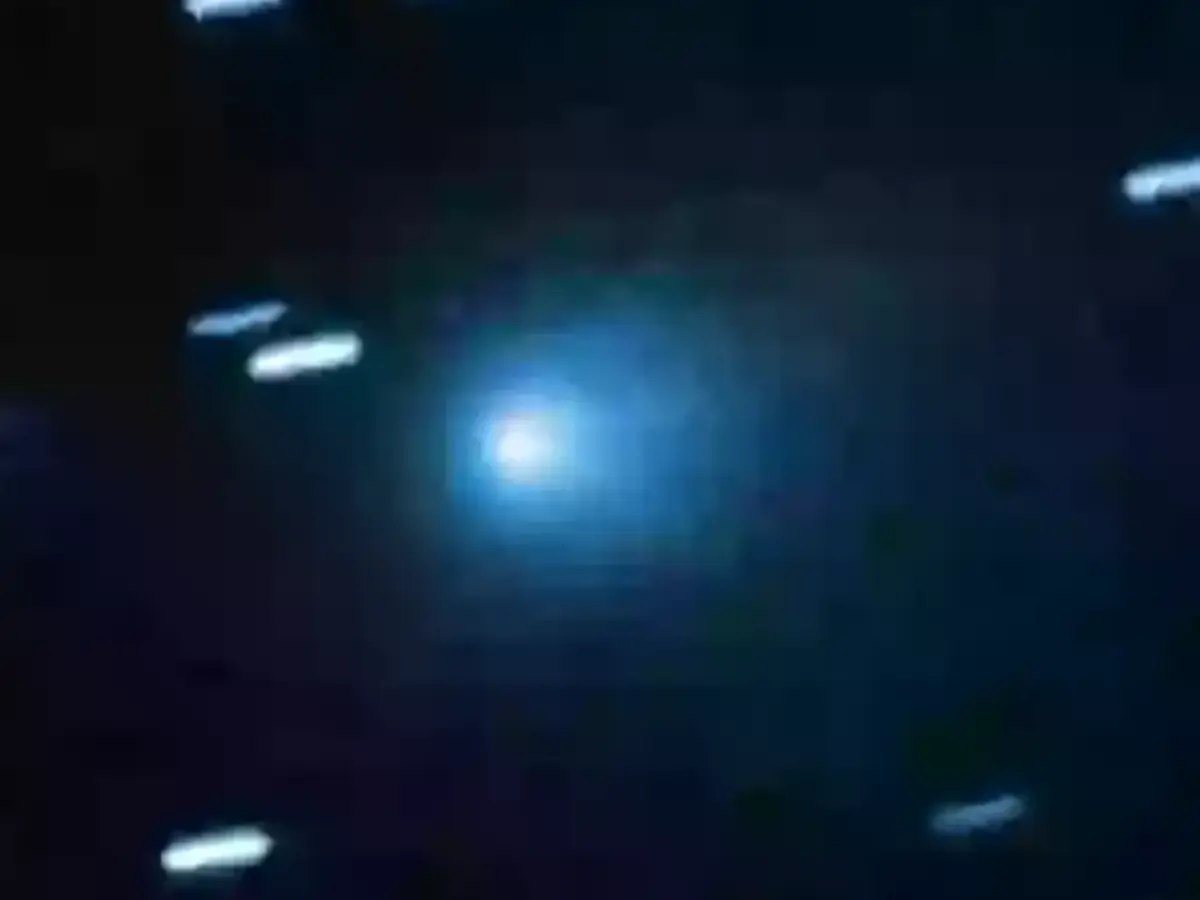
Astronomers are sure that 3I/Atlas is a comet
However, the scientific community does not agree with Loeb. Almost all of them believe that 3I/Atlas is a comet. But its strange behaviour and appearance have raised doubts about its identity. Some believed that it could be a new kind of cosmic object which humans have yet to discover.
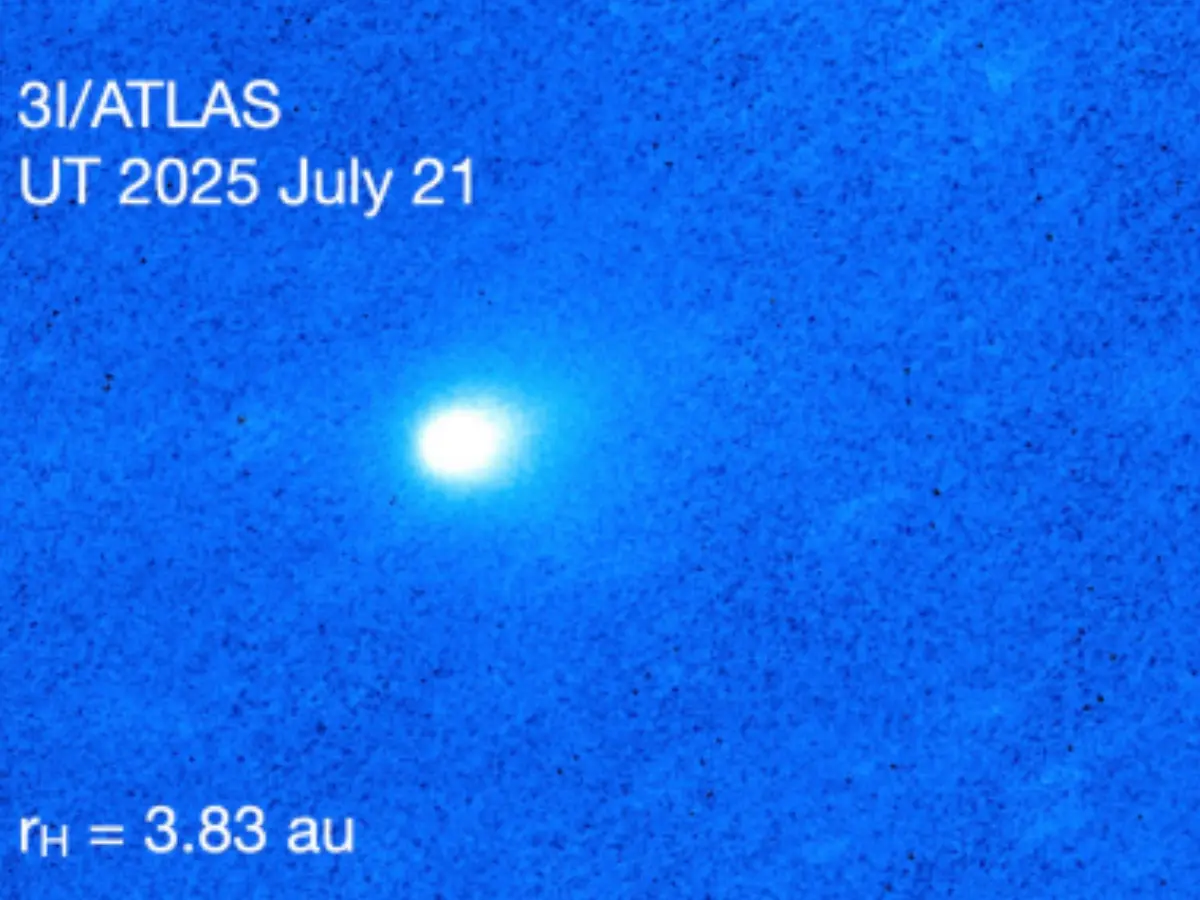
Gemini South at Cerro Pachón in Chile has taken new photos of 3I/Atlas
But now, the Gemini Multi-Object Spectrograph (GMOS) on Gemini South at Cerro Pachón in Chile has captured a very clear tail on 3I/Atlas. During a public outreach initiative organised by NSF NOIRLab, the telescope saw the object and pictured it. The photo shows a clear cometary tail and a glowing coma.
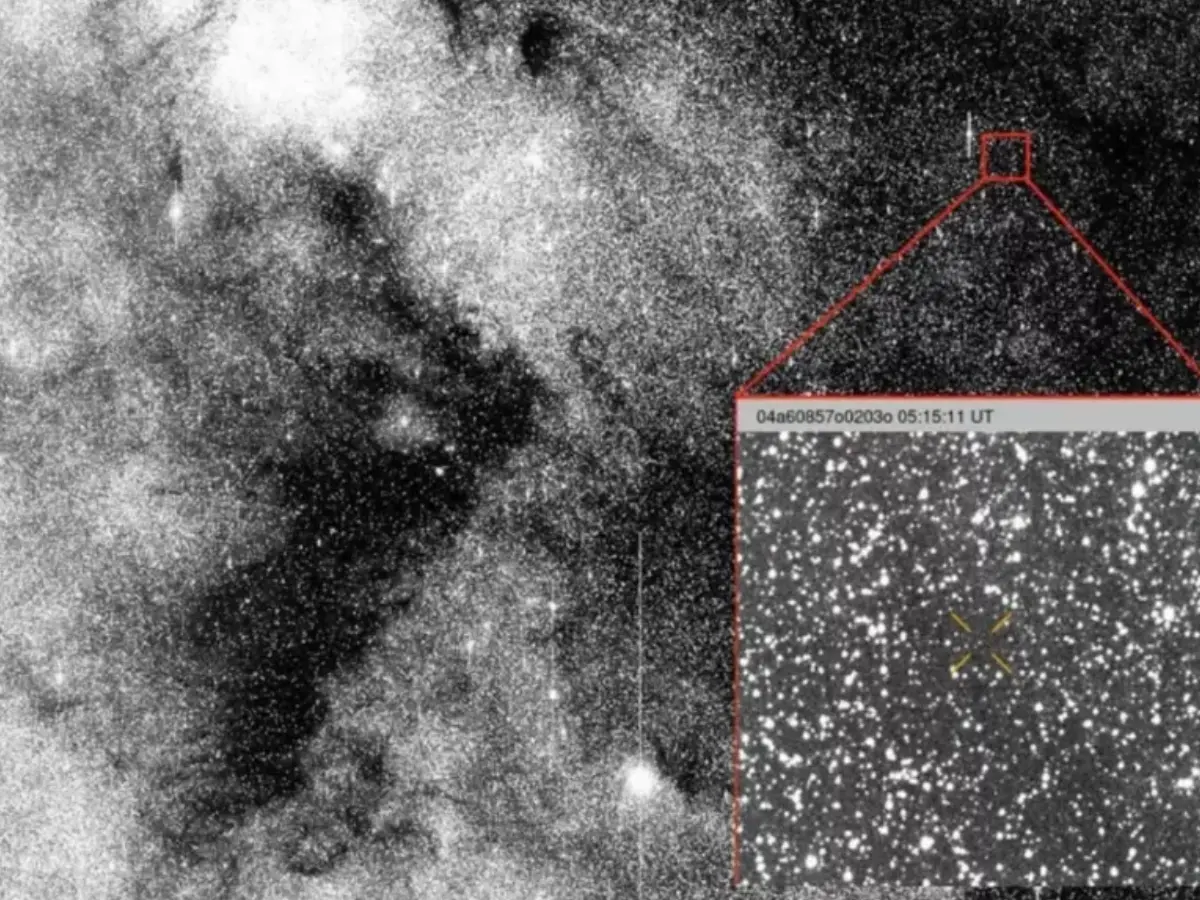
3I/Atlas has a tail pointing away from the Sun
The session conducted on August 27 revealed that the object was starting to show signs of a comet. There is a broad coma present, which indicates that 3I/Atlas is a comet. A coma is a cloud of gas and dust that forms around the comet’s icy nucleus as it gets closer to the Sun. The tail is about 1/120th of a degree in the sky and pointing away from the Sun.

Loeb claimed that 3I/Atlas has an "anti-tail"
Earlier, Loeb had claimed that the object had no tail. Instead, he stated that there was a clear "anti-tail", meaning the fuzzy surroundings seemed to be in the direction of the Sun, instead of blowing in the opposite direction.
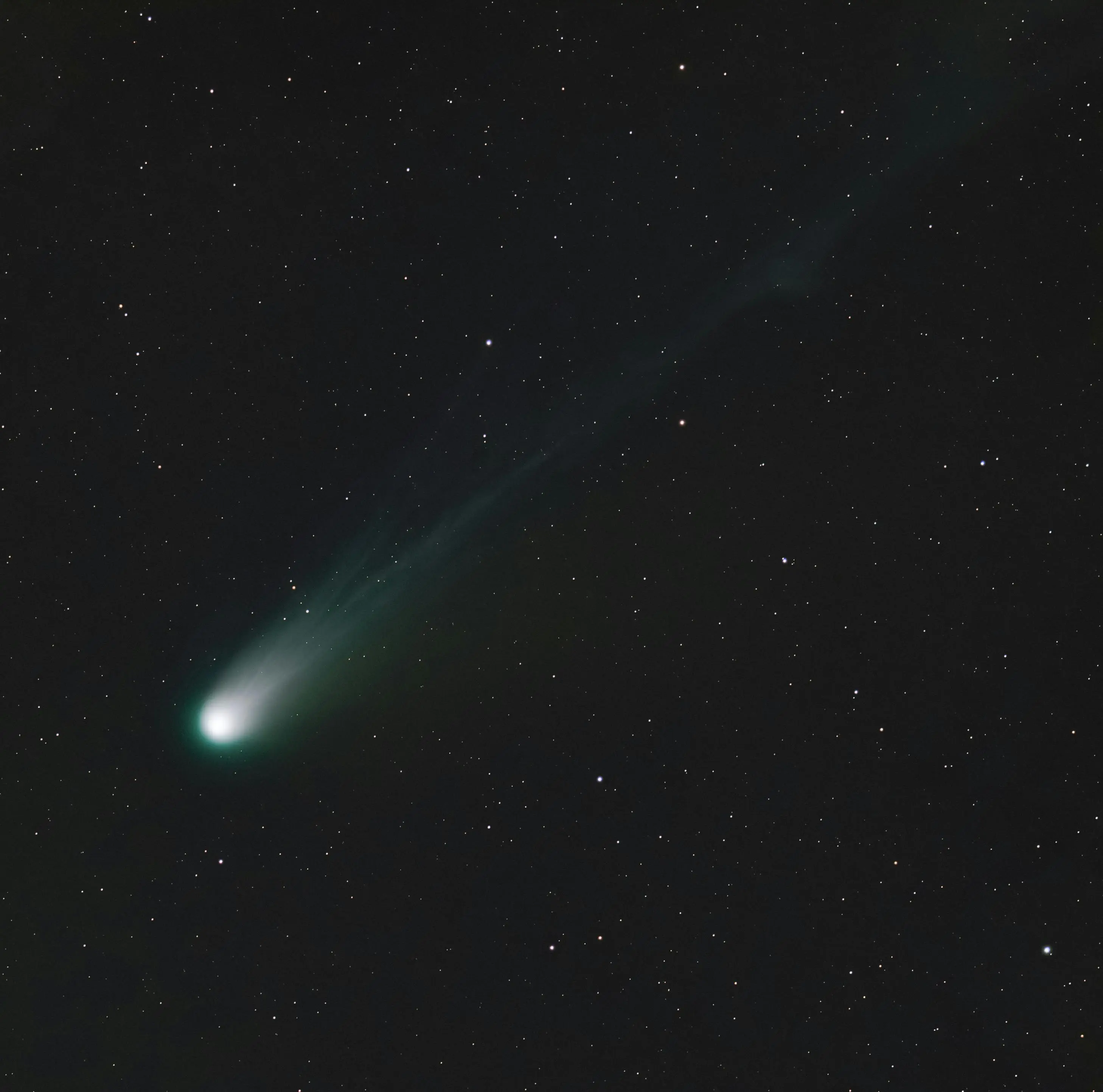
Session was meant to measure the comet’s spectrum
Students from Hawai‘i and La Serena, Chile, saw 3I/Atlas in real time. Besides photographing the interstellar object, the aim of the session was also to gather data on the comet’s spectrum, or the wavelengths of light that it emits, since this can reveal the comet's composition.

3I/ATLAS - Key dates - When will it come near Earth?
Interstellar object 3I/ATLAS was discovered on July 1, 2025. It is moving through the solar system at a staggering speed of 60 km/second. It will do a flyby of Mars on October 3 and reach perihelion, that is, come closest to the Sun, on 29 October 2025. It will come nearest to Earth on December 19, 2025, when it will be 269 million km from our planet.
)
)
)
)
)