Halloween special: Space ghosts that will scare the living daylights out of you

It's Halloween, and a great time to peer into the unknown. The universe is a haunting place, filled with a myriad of cosmic bodies. They are all monsters in their own right, creepy and scary. The universe is also full of haunting voices.
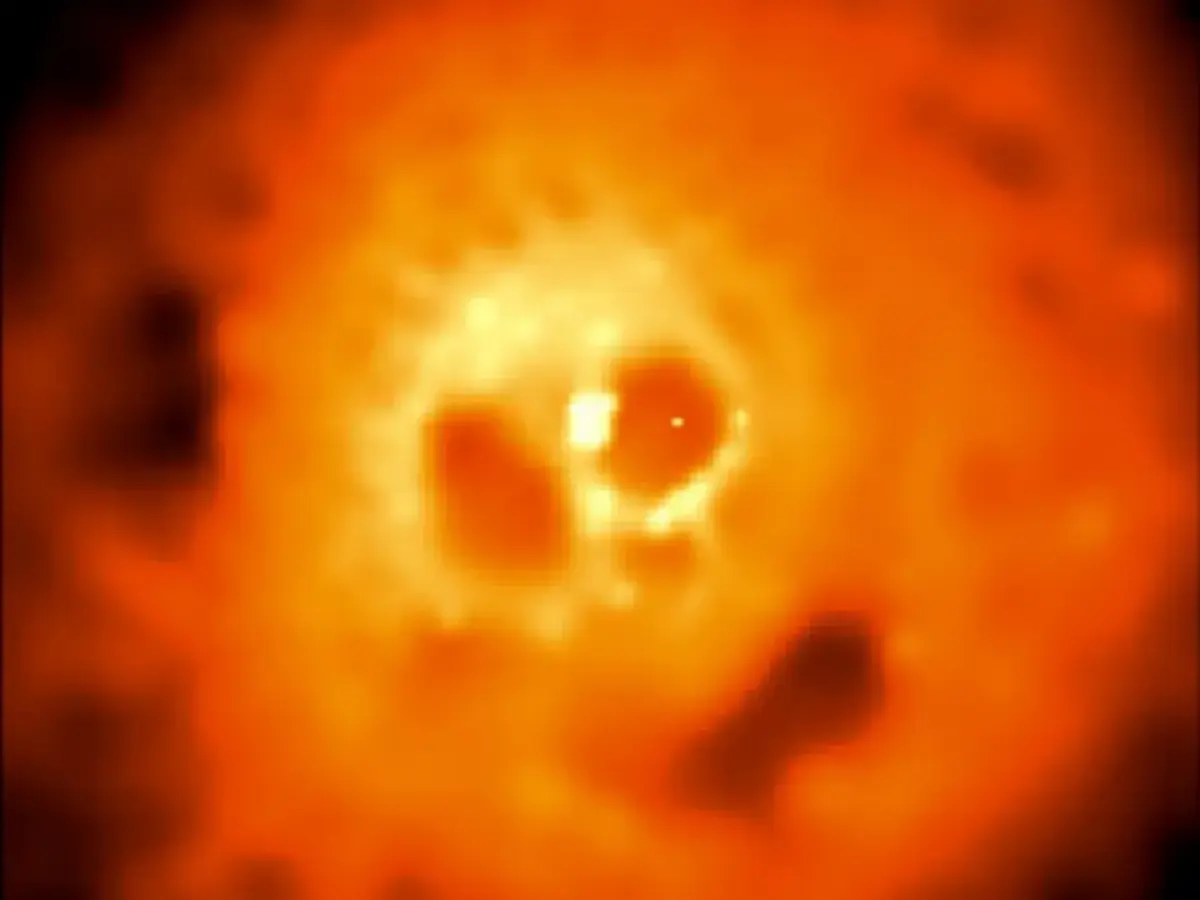
Perseus Cluster
This photo looks like a screaming skull in space and was captured by the Chandra Observatory. This is an X-ray image of a cluster of galaxies known as the Perseus Cluster.
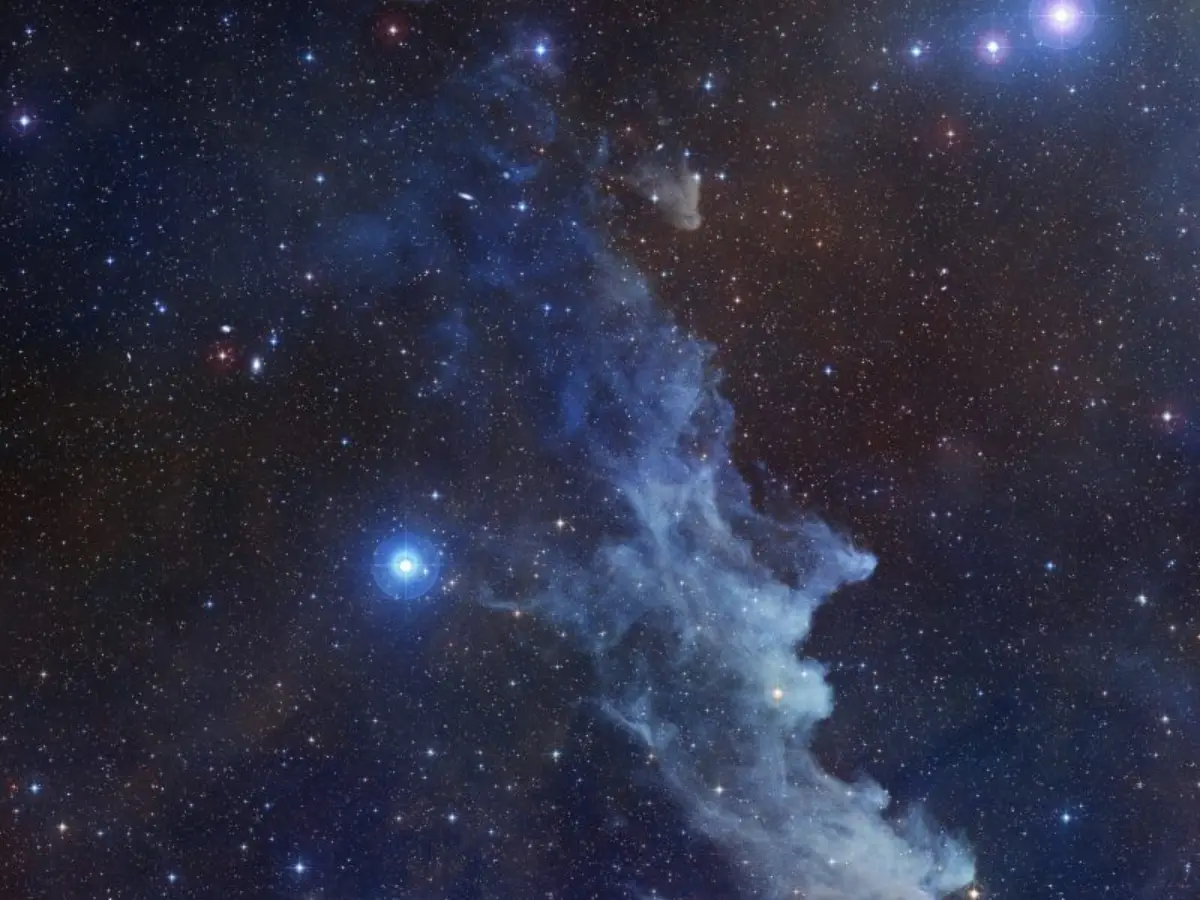
Witch Head nebula
The Witch Head nebula is one of the creepiest images in space captured from Earth. It is located near Orion‘s brightest star, Rigel. The star is not visible in the photo, but in the whole scene, the witch seems to be staring at Rigel. It spans 70 light-years across and lies 900 light-years from Earth, and is believed to be an ancient supernova remnant.
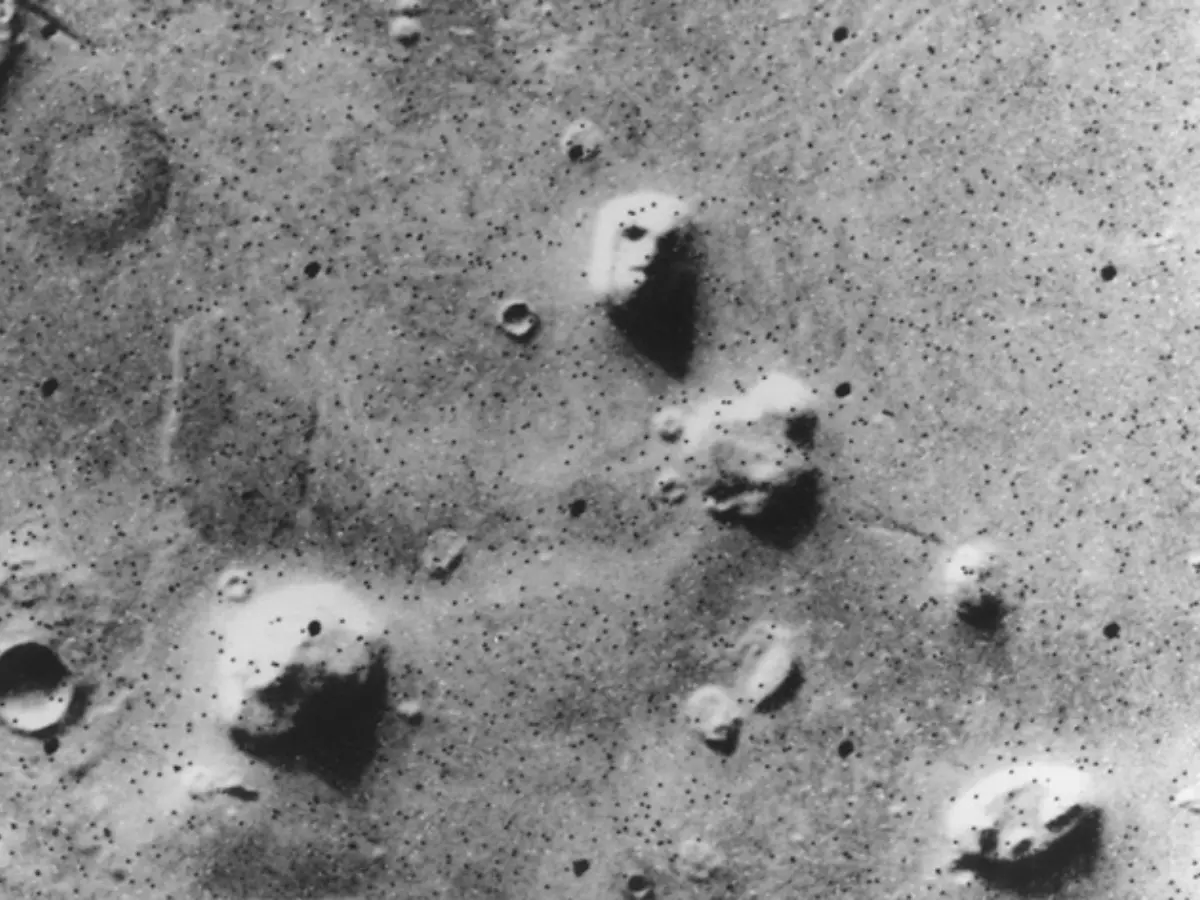
Face on Mars
Do you see it? This creepy human face was captured by NASA's Viking 1 orbiter on July, 25, 1976. The photo was titled "Face on Mars". Wh
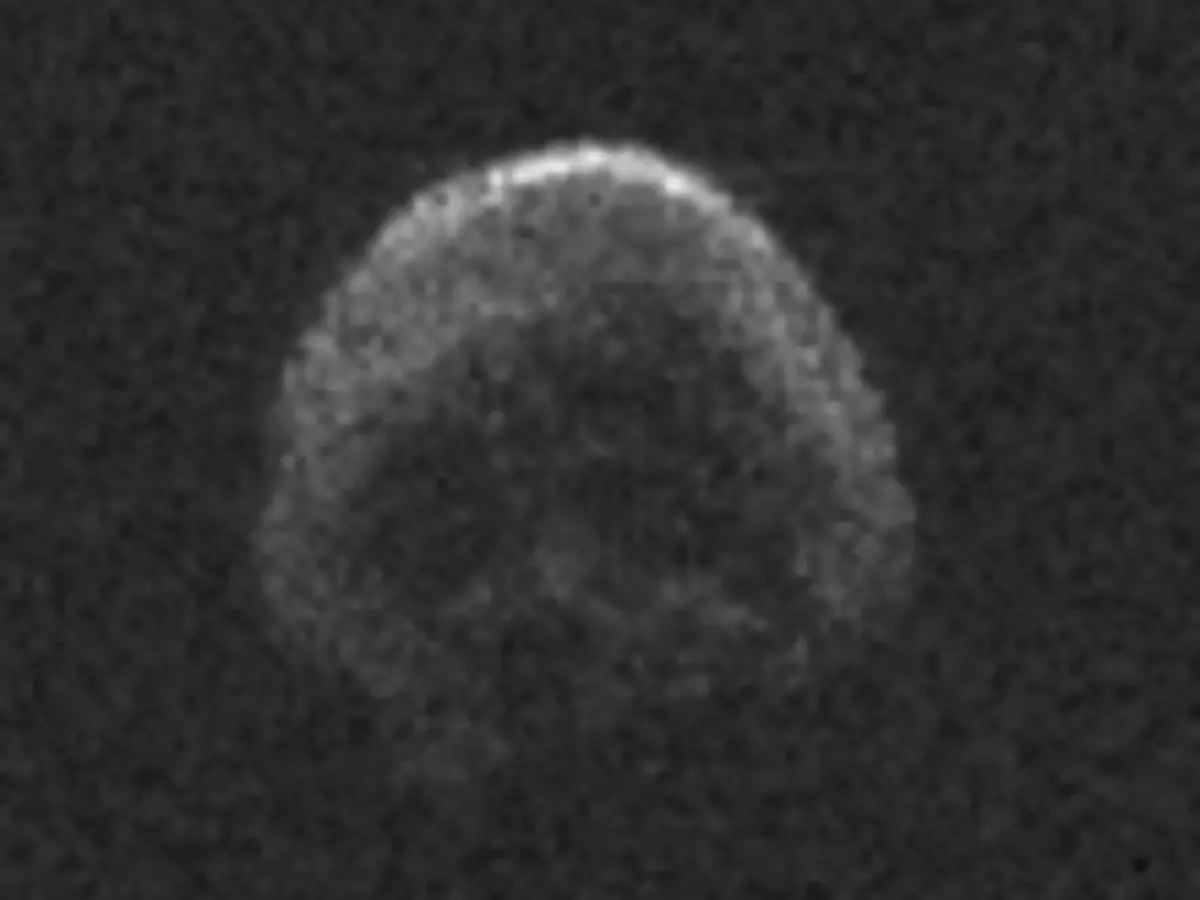
Skull in space
Does this look like a skull in the dark to you? It is actually a radar image of asteroid 2015 TB145 captured using the Arecibo Observatory in Puerto Rico on Oct. 30, 2015. NASA says it is most likely a dead comet.
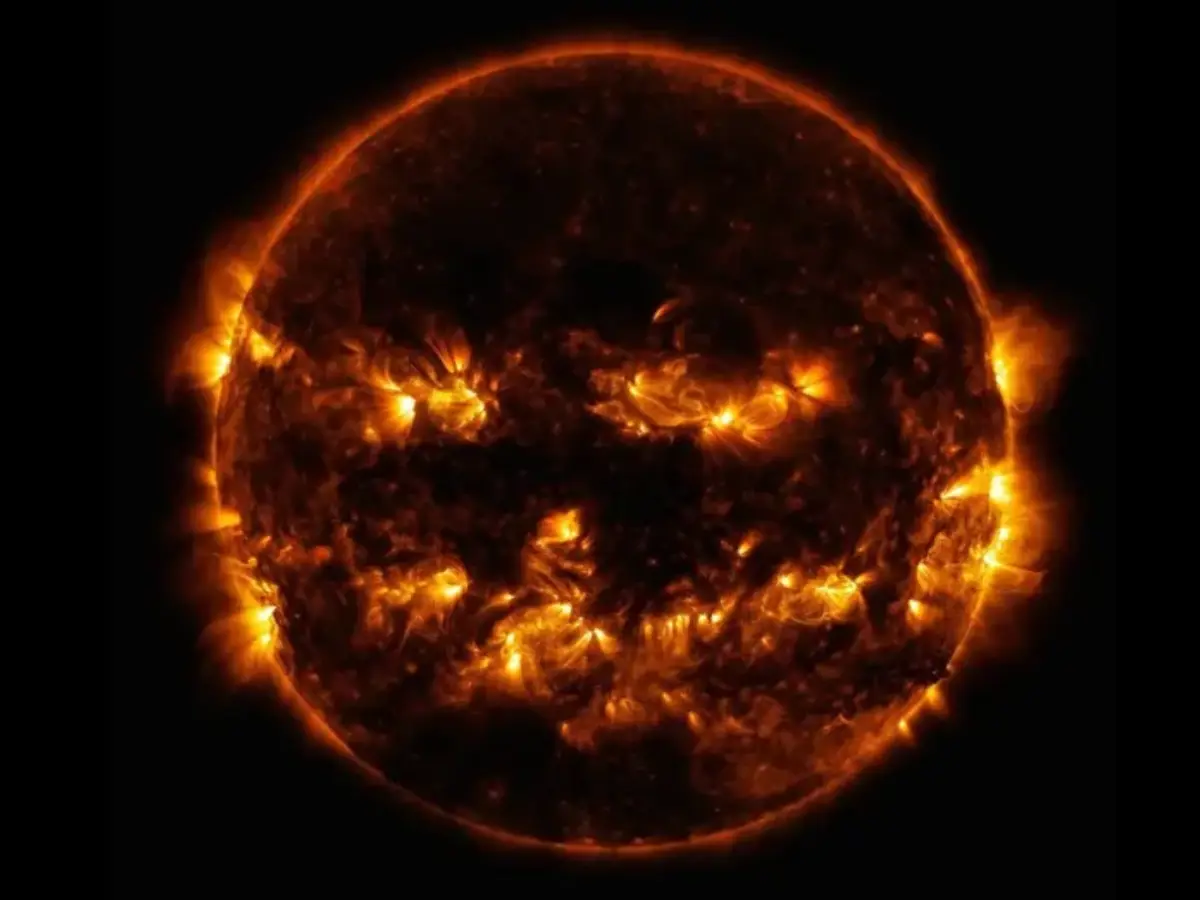
Solar Jack-o-Lantern
That clearly looks like a Jack-o-Lantern on Sun. The Solar Dynamics Observatory took this image on October 8, 2014. It basically shows hotspots that make up the eyes, a nose, a spooky smile and even ears.
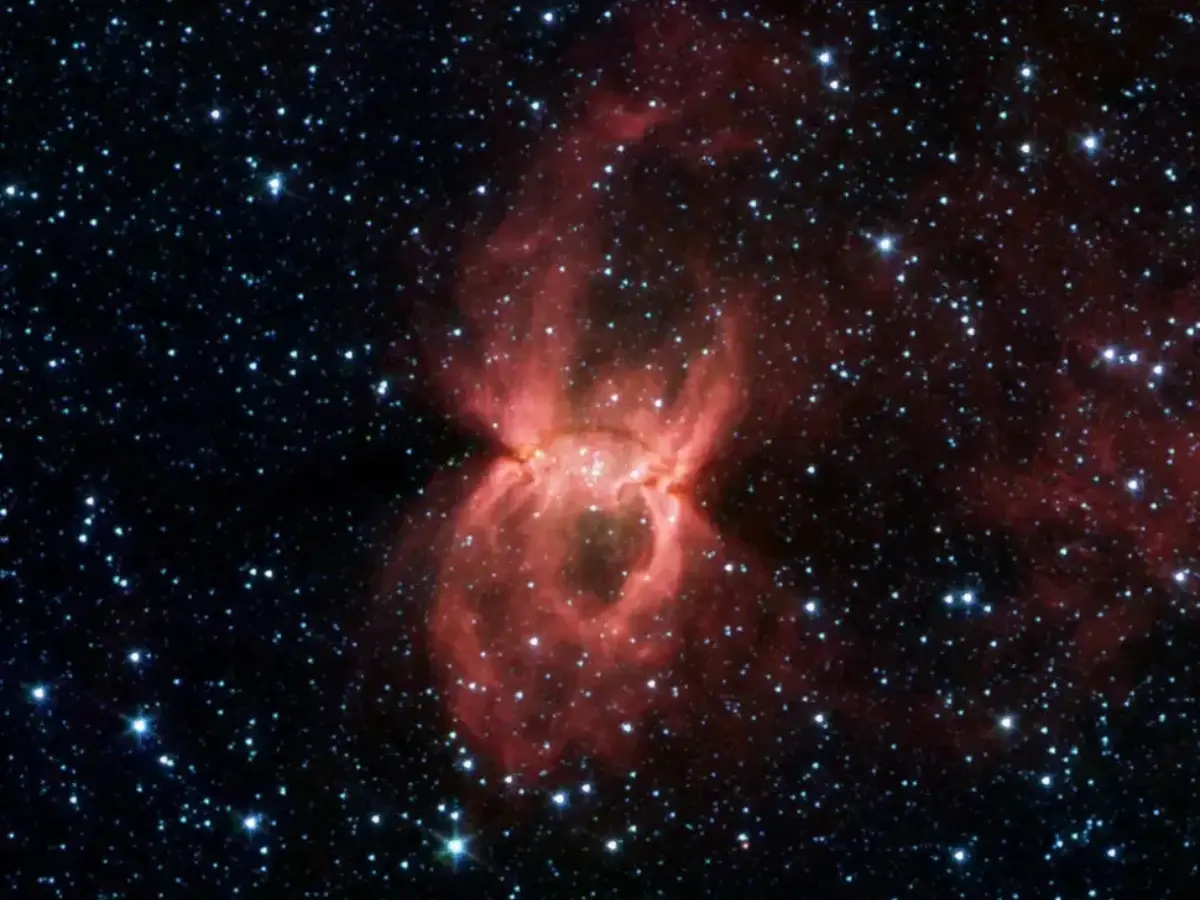
Cosmic tarantula
Is that a cosmic tarantula? But that's just a nebula, comprising gas and dust, that is showing up in the shape of a large spider.
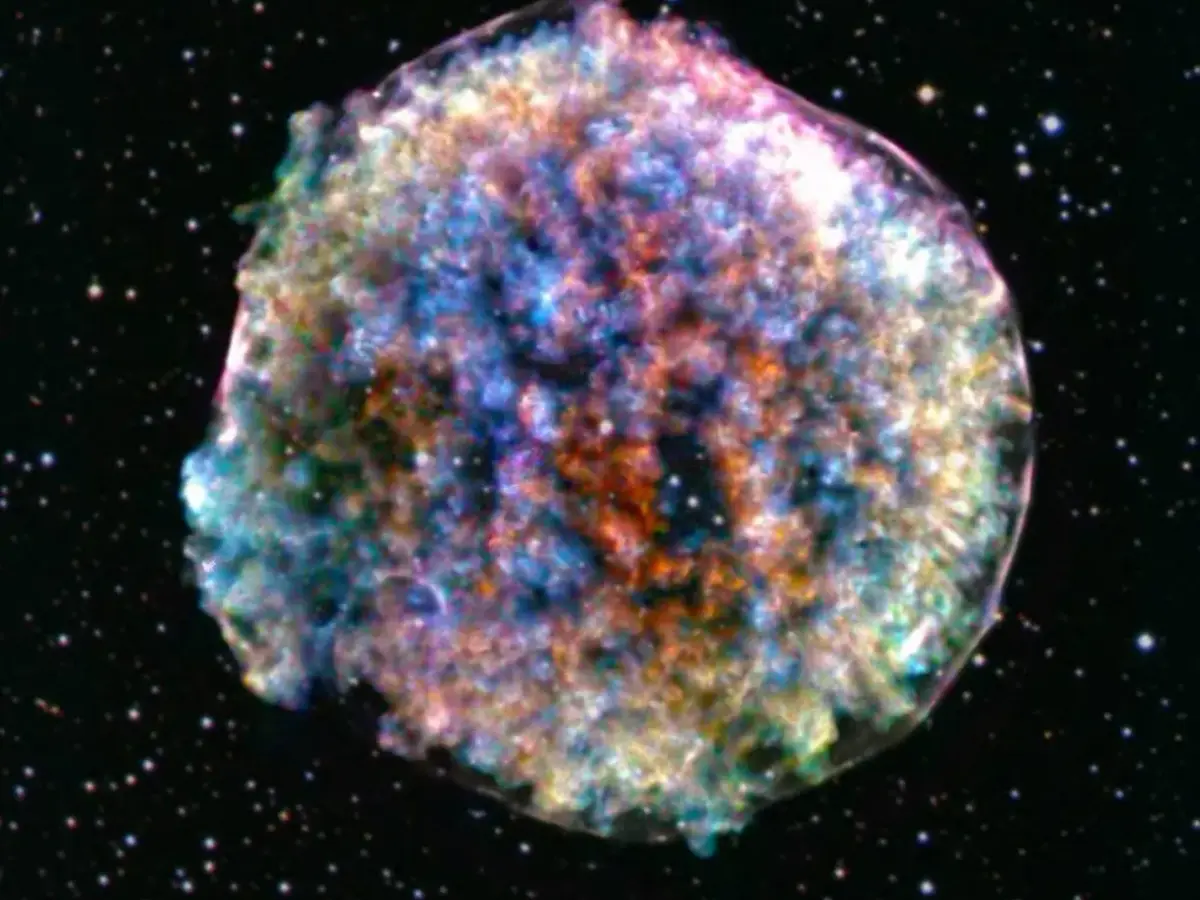
Zombie star Tycho
Goosebumps? That is a zombie star named Tycho. It was once a white dwarf, but the dead star chomped down on a lot of mass from a nearby star. This triggered another explosion, scientifically called a Type Ia supernova.
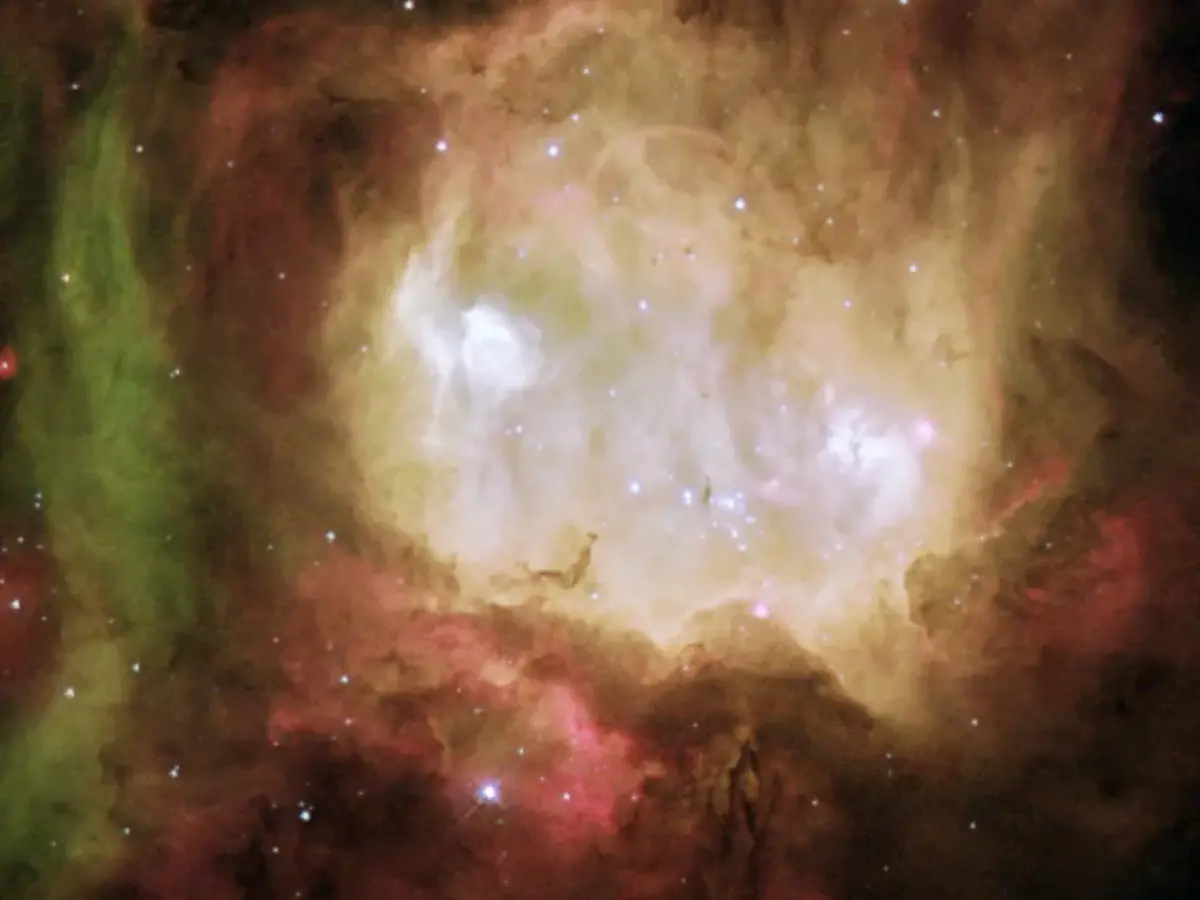
Ghost Head Nebula
This nebula is located about 170,000 light-years away from Earth in the Magellanic Cloud. Can you see its glowing eyes? Those are just star-forming regions with hot blobs of hydrogen and oxygen.
)
)
)
)
)