HAL Tejas: How much of India’s indigenous fighter jet is really homegrown?

According to the Indian Defence Research Wing (IDRW) website, the Tejas has about 59.7 percent indigenous content by value and 75.5 percent by number of line-replaceable units (LRUs).
Introduction
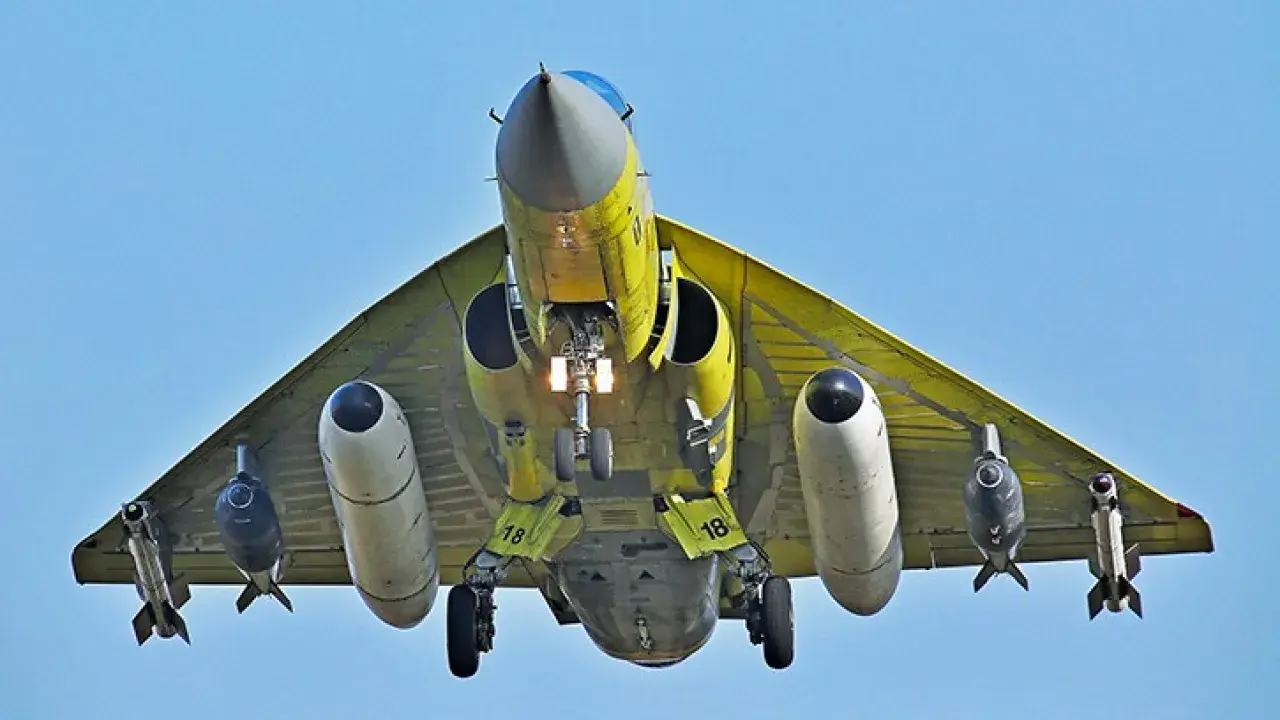
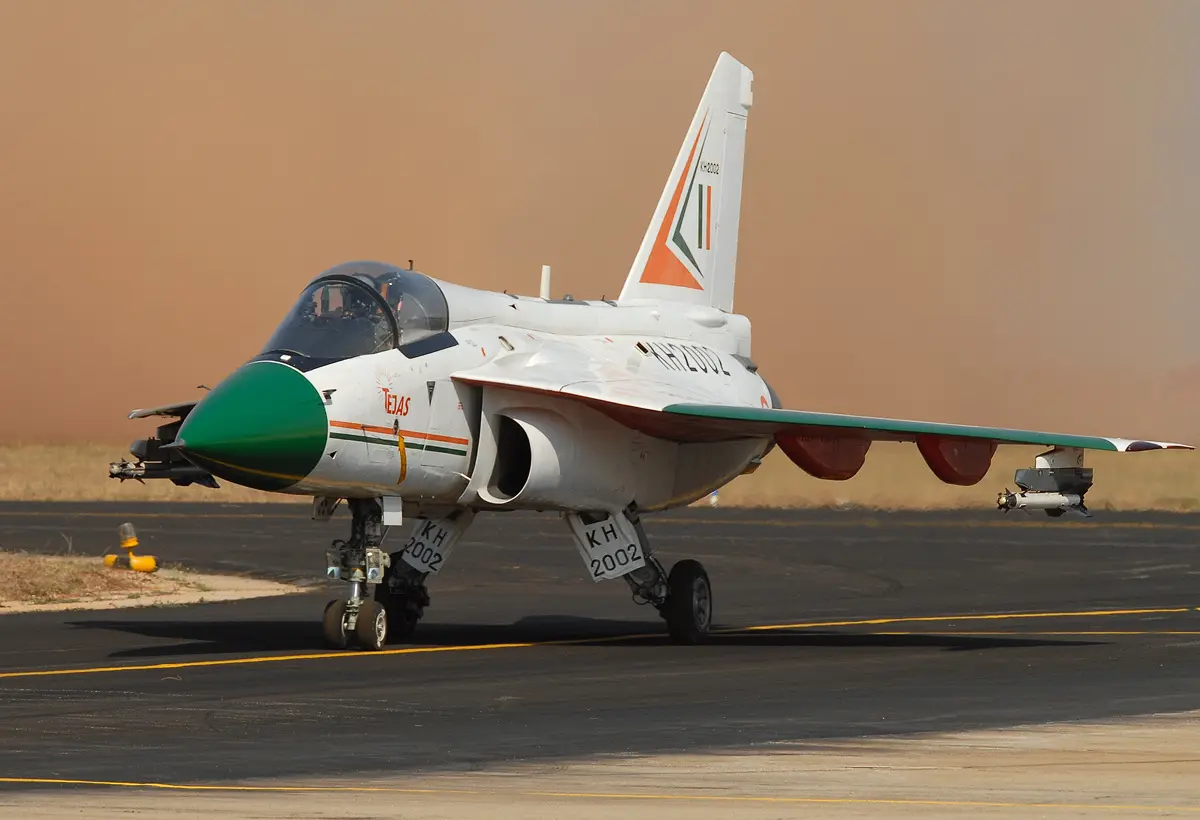
The HAL Tejas LCA Mk‑1 stands as India’s most prominent indigenous fighter jet, representing decades of home-grown aerospace research and development. As the country pushes for self-reliance in defence, questions about the aircraft’s true ‘Make in India’ credentials often arise: how much of Tejas is actually produced domestically, and which critical components still rely on foreign suppliers? Understanding the breakdown of its airframe, avionics, engine, and weapons systems provides a clear picture of India’s progress in developing a homegrown combat aircraft.
Core Indigenous Content by Value and Numbers
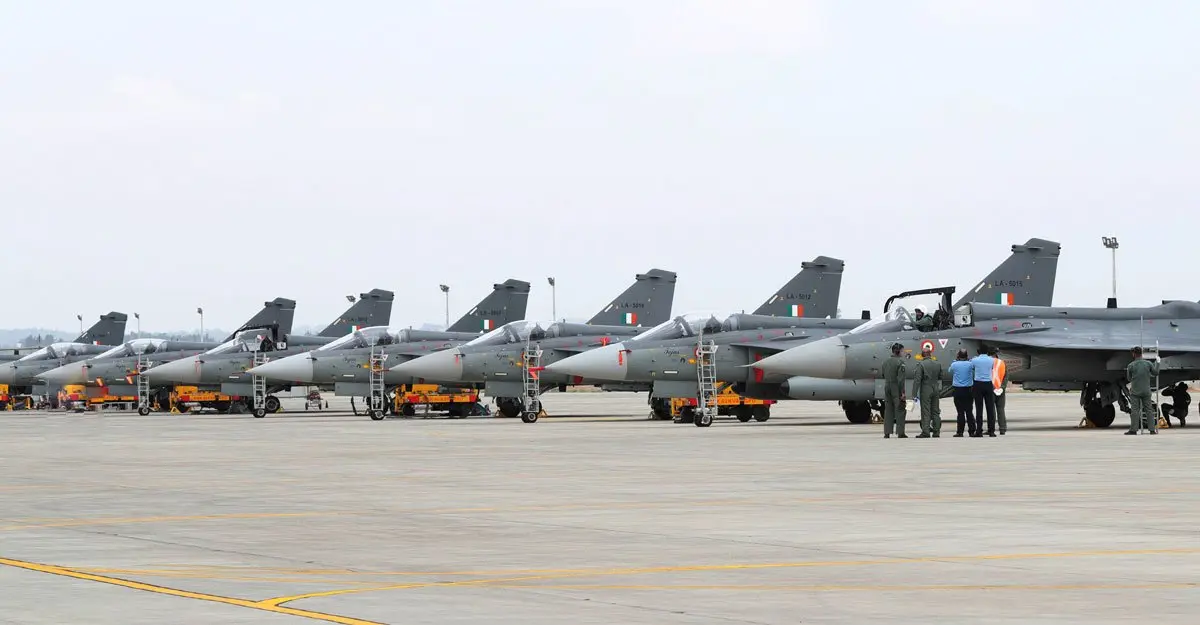
According to the Indian Defence Research Wing (IDRW) website, the Tejas has about 59.7 percent indigenous content by value and 75.5 percent by number of line-replaceable units (LRUs). These figures reflect a substantial base of home‑grown sub‑systems, but also a remaining reliance on foreign-made components.
Imported LRUs and Ongoing Indigenisation
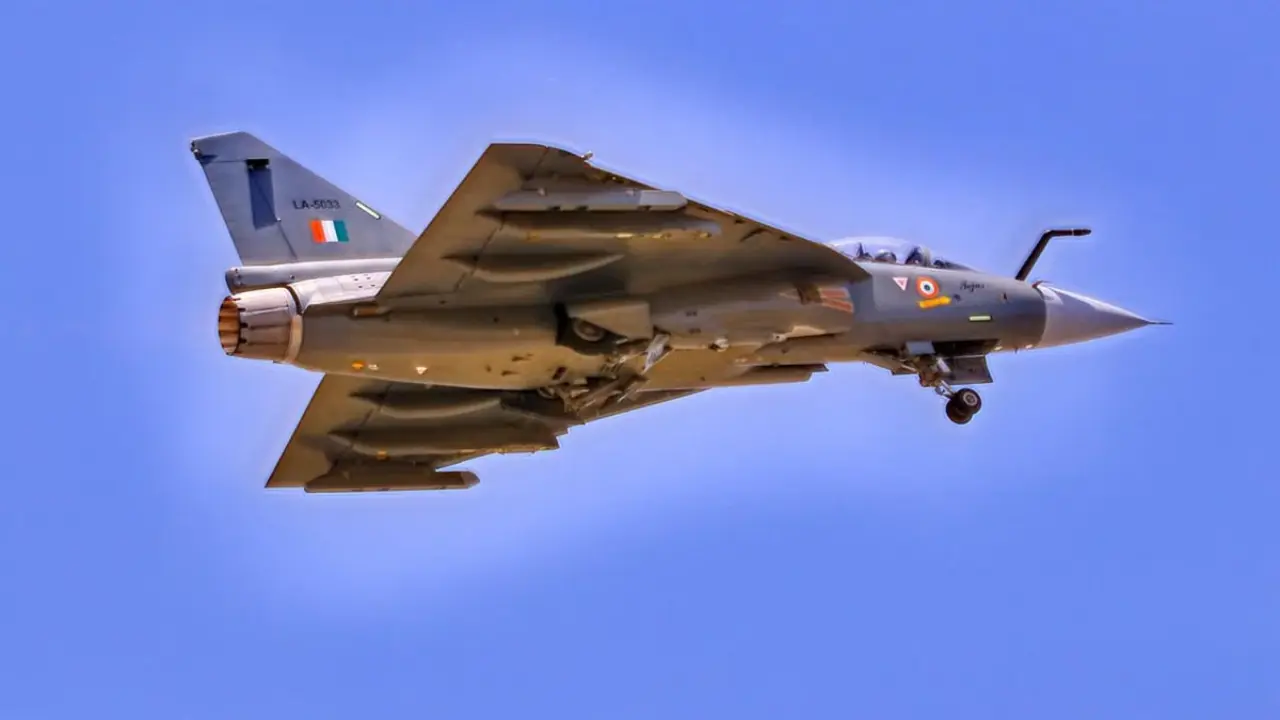
Out of a total of 344 LRUs used in the Tejas, 210 are manufactured indigenously, while 134 are still imported from foreign companies. To reduce dependency, 42 of these imported units are now being indigenised, with plans to progressively localise more.
Repair and Maintenance Strategy
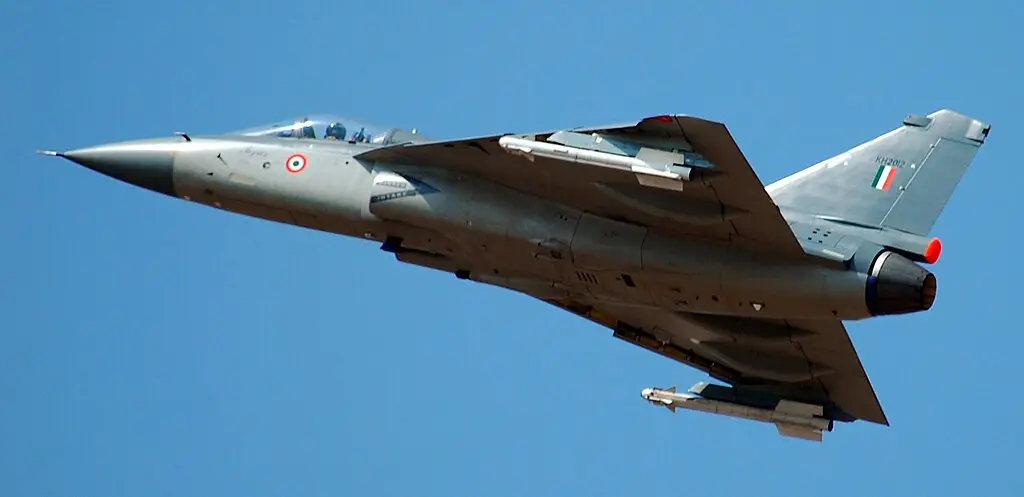
HAL has also negotiated repairs locally, entering into agreements for several imported items to be serviced in India. For the rest, the company aims to establish Long-Term Repair and Maintenance Agreements (LTRMAs) to strengthen domestic repair capacity.
Design Origins: ADA and HAL Partnership
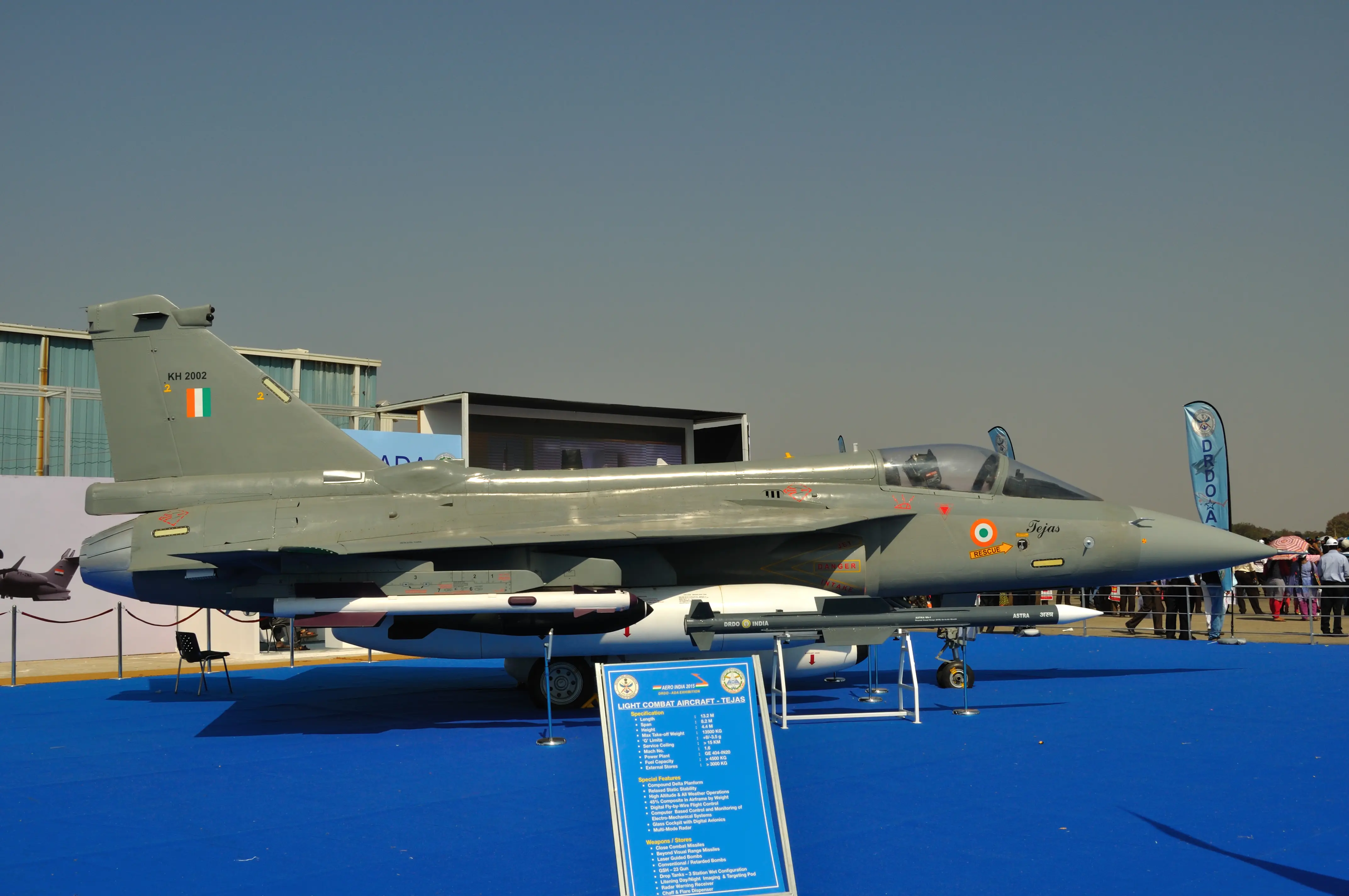
Tejas is jointly developed by the Aeronautical Development Agency (ADA) and Hindustan Aeronautics Limited (HAL). While several sub‑systems are imported, the airframe’s design, structure, and systems were conceived in India as part of a push to replace ageing aircraft such as the MiG‑21.
Private Sector and DRDO Involvement
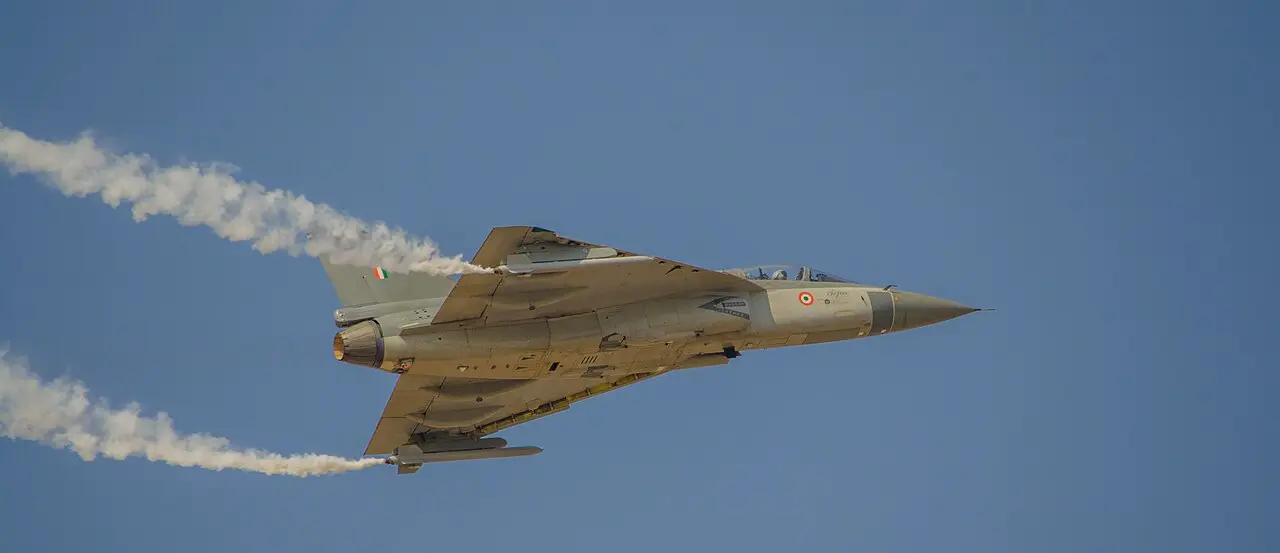
To accelerate indigenisation, HAL, DRDO labs, and private Indian firms have been asked to take over the design and production of critical units. Technical specifications for imported units are being consolidated and transferred to domestic producers to manufacture them locally.
Engine and Critical Systems Still Imported
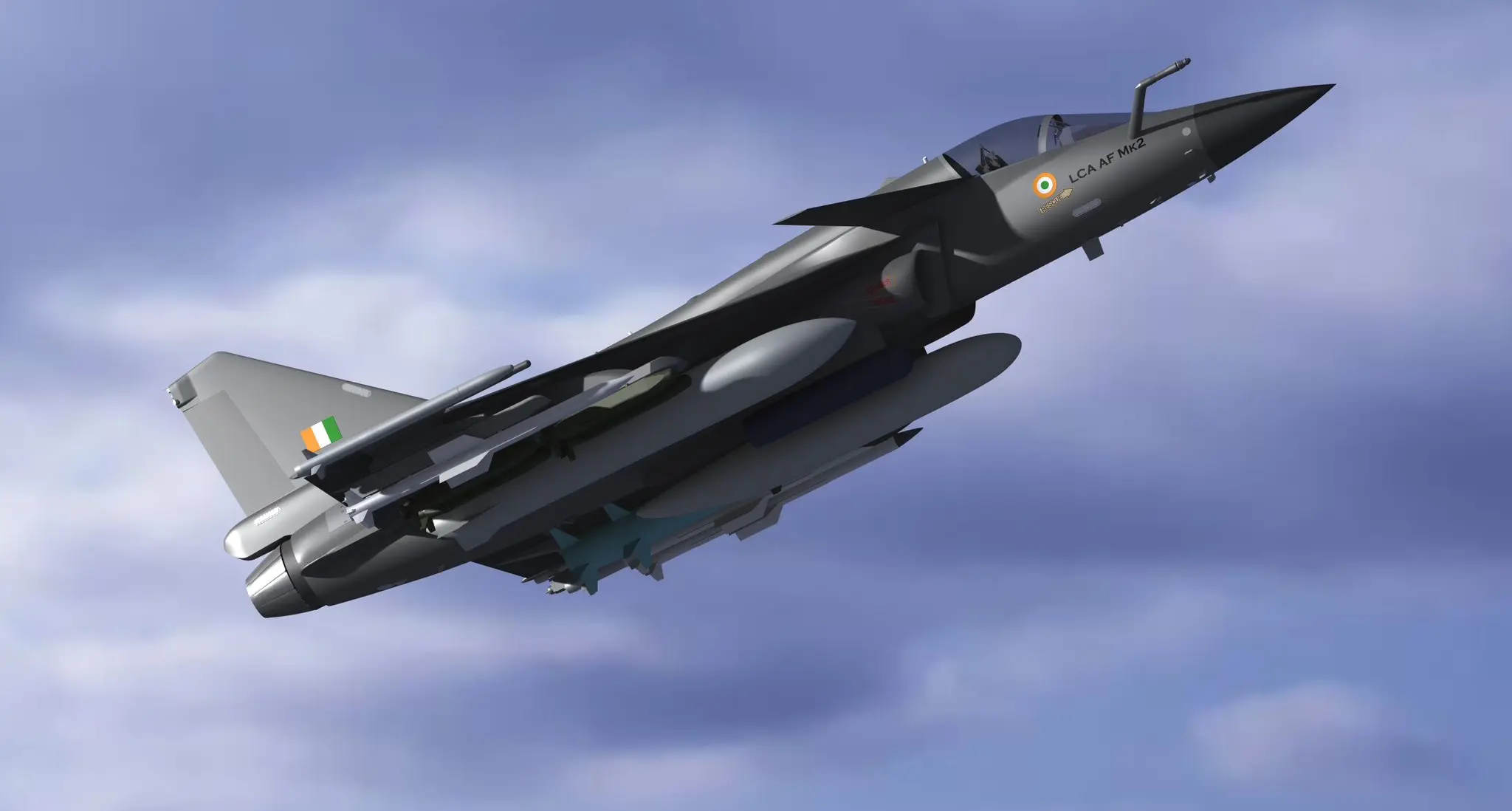
One of the major foreign dependencies remains the aircraft’s engine, which is sourced from an international supplier. While HAL aims to reduce this long-term through a fully indigenous powerplant, the current variant still relies on imported engine architecture. The original Tejas Mk‑1 uses the GE F404‑IN20 engine which is imported from the US. However, work is underway on the Kaveri K-9 engine, an indigenous project, though it is still in development.
Future Indigenisation in Mk‑1A Variant
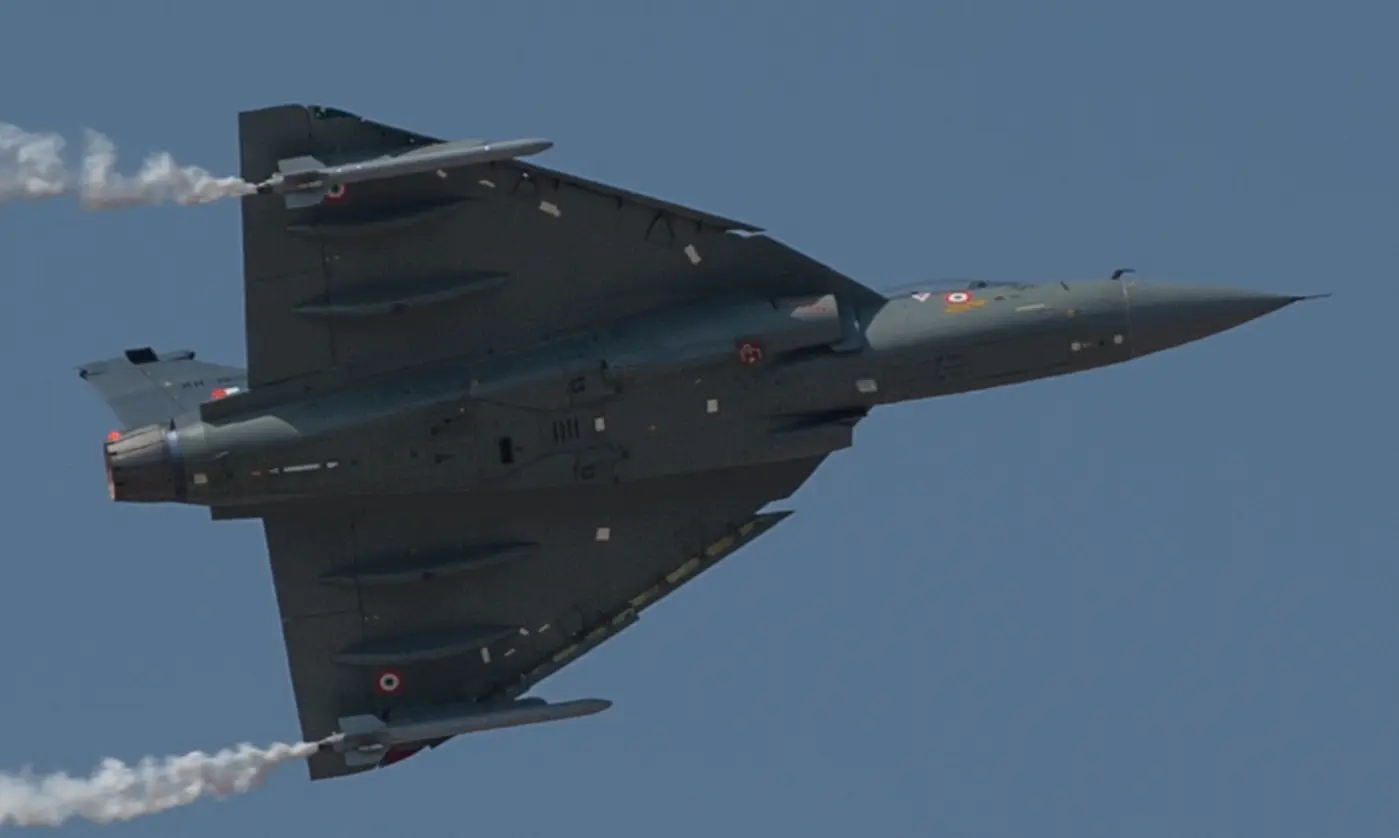
Indian-made systems include mission computer, radar warning receiver, electronic warfare suite, and navigation systems. Some critical components, like the active electronically scanned array (AESA) radar, were imported but are being progressively replaced with Indian variants (indigenously developed 'Uttam' AESA radar). The Tejas Mk‑1A, an upgraded version, is expected to push indigenous content higher. Analysts say the indigenisation could increase to 70 percent or more in value, thanks to new radar systems and control-surface actuators being developed within India.
Conclusion
While HAL Tejas has achieved a significant level of domestic manufacturing, it is far from 100 percent indigenous. Key systems like the engine and several imported LRUs remain critical to its build. Nonetheless, ongoing work to indigenise hundreds of components, combined with increasing private-sector and DRDO participation, shows a clear trajectory toward deeper self-reliance.
)
)
)
)
)