HAL Tejas: How many times has India’s fighter jet crashed and what caused the failures

The crash has raised renewed questions about the safety record of India’s indigenous light combat aircraft, particularly how many crashes have occurred, and what exactly caused them.
Introduction
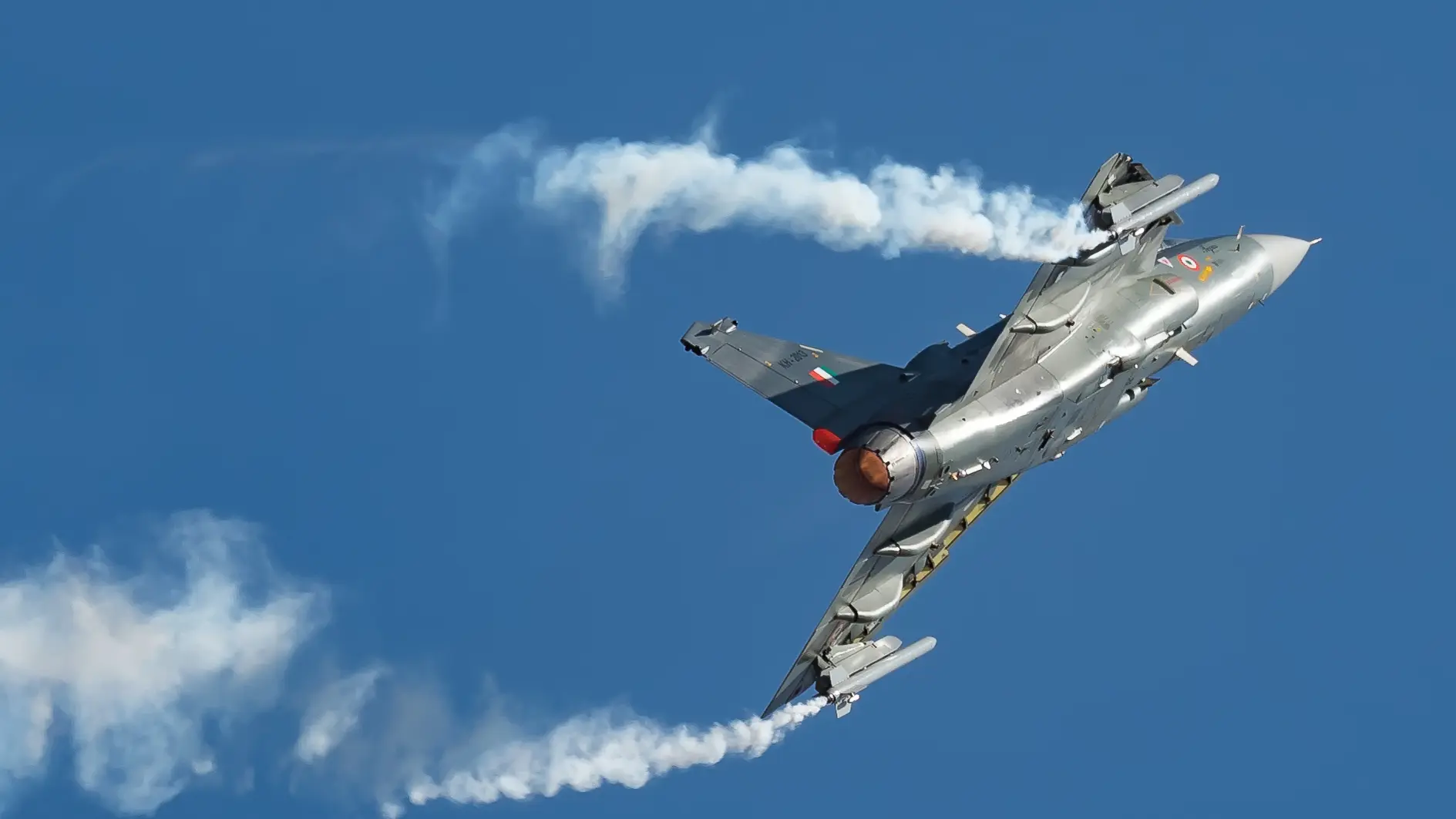
The tragic death of an Indian Air Force (IAF) pilot during the Dubai Airshow has once again brought the HAL Tejas programme under intense scrutiny. The LCA Mk-1 crashed during an aerobatic display, erupting into a fireball moments after hitting the ground. In an official statement, the IAF confirmed the fatality and announced the formation of a Court of Inquiry to determine the cause. The crash has raised renewed questions about the safety record of India’s indigenous light combat aircraft, particularly how many crashes have occurred, and what exactly caused them.
Crash Record: Two Crashes in 24 Years
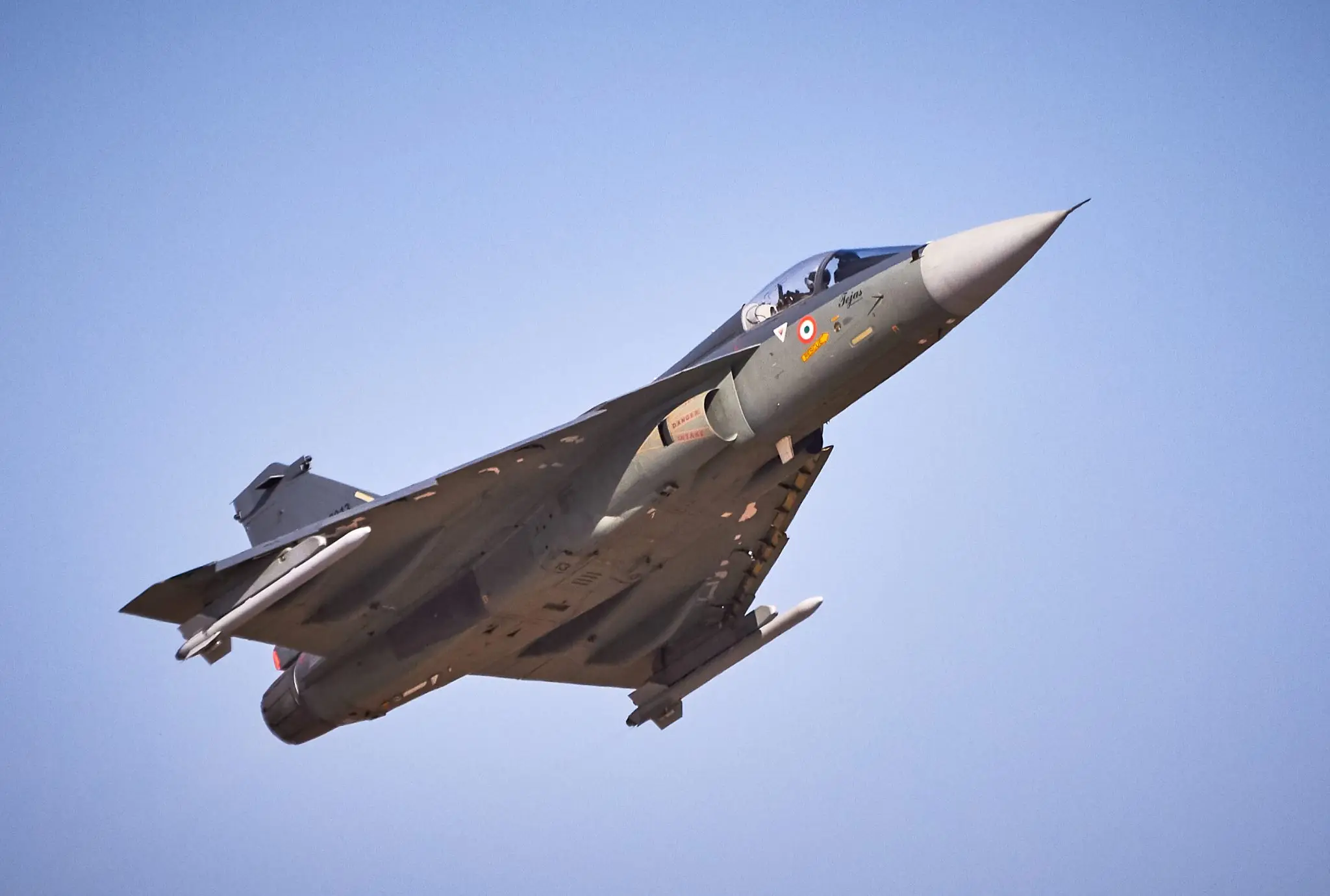
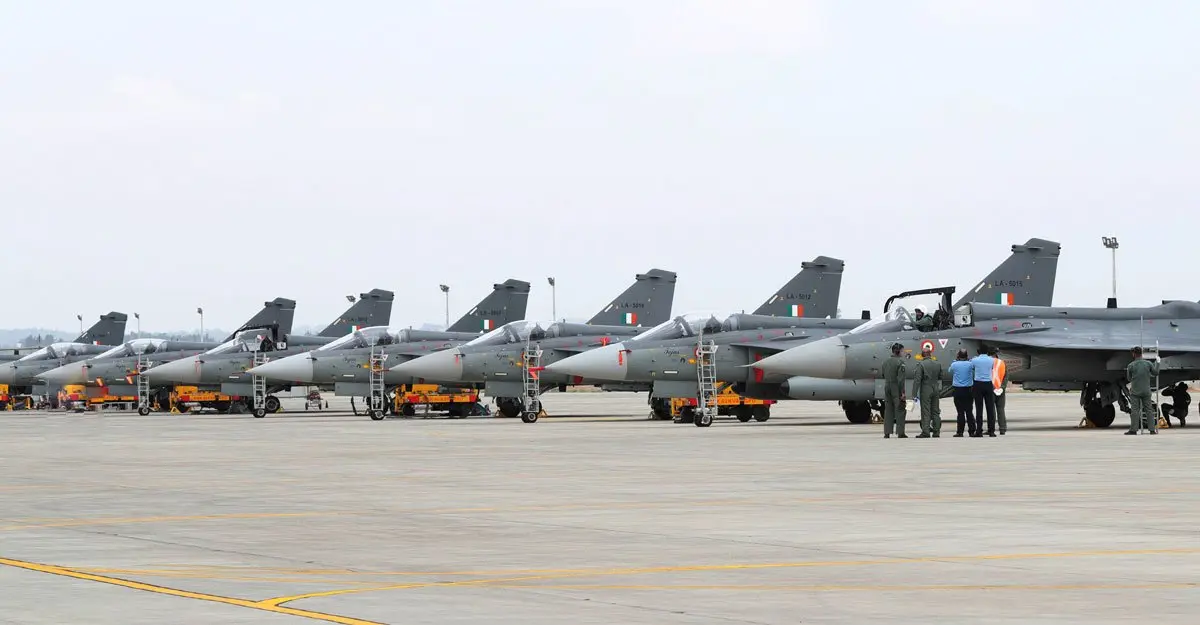
The Tejas has crashed twice since its first flight in 2001. The aircraft completed more than two decades of testing, evaluations and squadron service before suffering its first crash in March 2024 in Rajasthan, followed by the recent Dubai airshow accident in 2025. While the number is relatively low for a fighter programme with more than 1,200 test flights and active squadron deployment, each incident has triggered operational and technical investigations.
First Crash — Rajasthan, March 2024
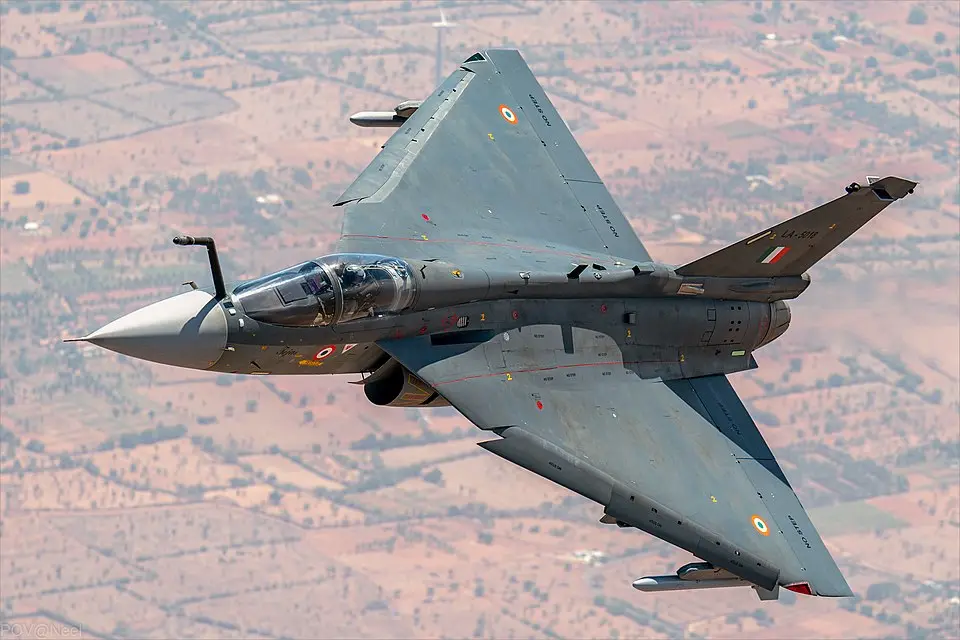
The first recorded Tejas crash occurred when a trainer variant (LCA Tejas Trainer) went down near Jaisalmer. Both pilots ejected safely. Initial investigations pointed to a suspected engine seizure, resulting in a sudden loss of thrust. The IAF subsequently recommended technical audits across the fleet and enhanced engine health monitoring. At the time, Tejas was already operating with the IAF’s No. 45, No. 18, and No. 16 squadrons. Reports indicated that the crash was likely caused by an oil pump malfunction in the fighter’s single-engine configuration.
Second Crash — Dubai Airshow 2025
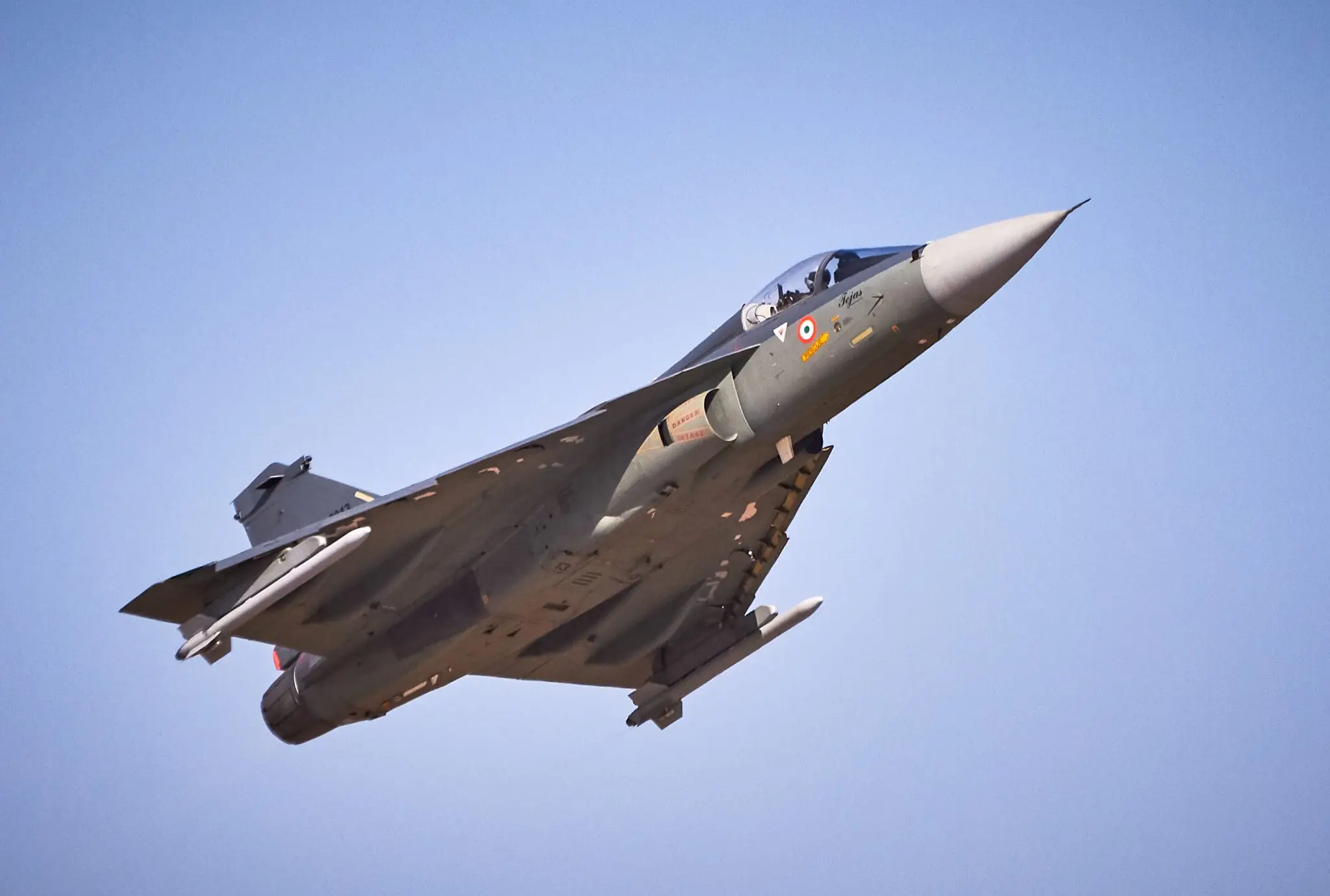
The Dubai crash marked the first fatality in the Tejas programme. The aircraft went down while executing a high-G manoeuvre, entering a steep vertical roll. Eyewitness footage captured the jet losing control moments before impact. Although the investigation is ongoing, experts have suggested that factors such as structural stress, a flight-control malfunction, or aerodynamic overload during complex aerobatics may have played a role. Reports indicate that the LCA Tejas was performing a negative-G turn just prior to striking the ground, with full findings expected once the Court of Inquiry releases its conclusions.
Is the Crash Rate High for a Fighter Jet?
From a statistical standpoint, two crashes over two decades and more than a thousand sorties place Tejas on the safer end of global fighter development programmes. Comparable programmes such as the F-16, Gripen and Eurofighter Typhoon saw higher accident rates during early service years. However, the fatal Dubai crash has triggered a renewed call for deeper flight-safety protocols and stress-test validation for aerobatic demonstrations.
Impact on the Tejas Modernisation Programme
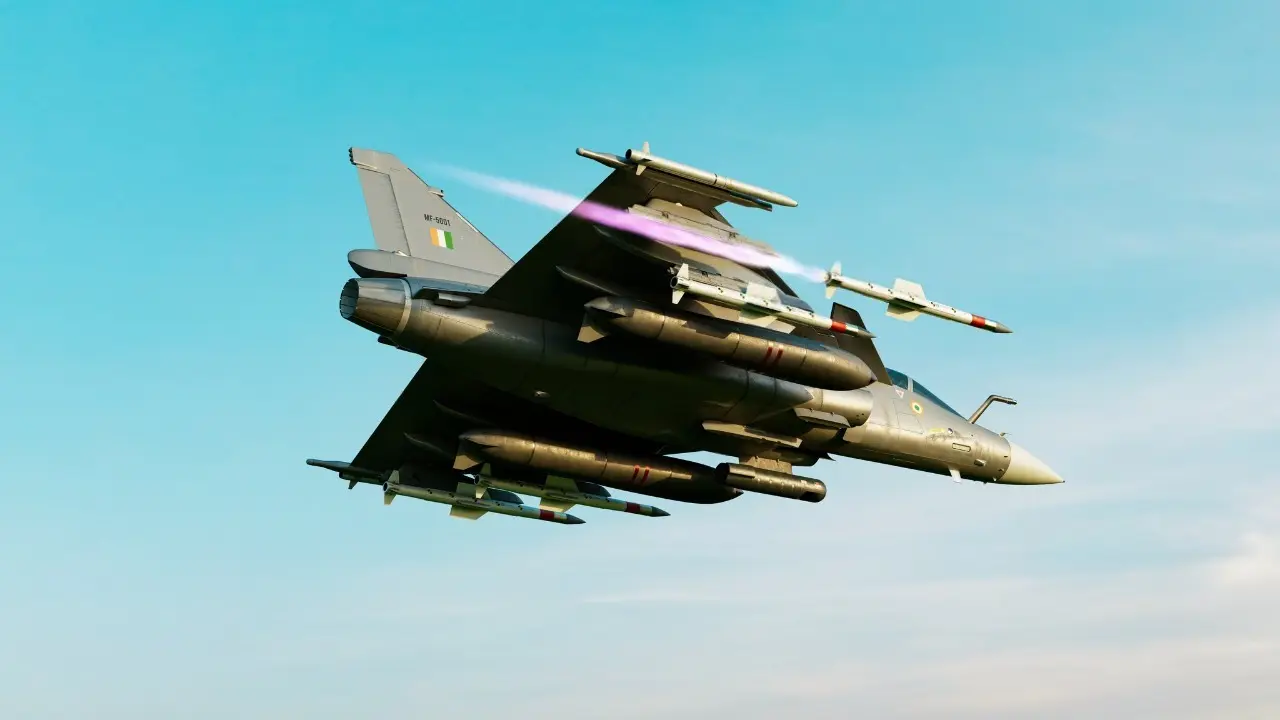
The Dubai accident comes at a critical moment for India, as the IAF prepares to induct the upgraded LCA Mk-1A, featuring superior avionics, radar and electronic warfare capabilities. Production timelines are currently unchanged, but analysts believe the inquiry’s findings may lead to operational advisories or training adjustments for display pilots.
Export Prospects Under the Spotlight
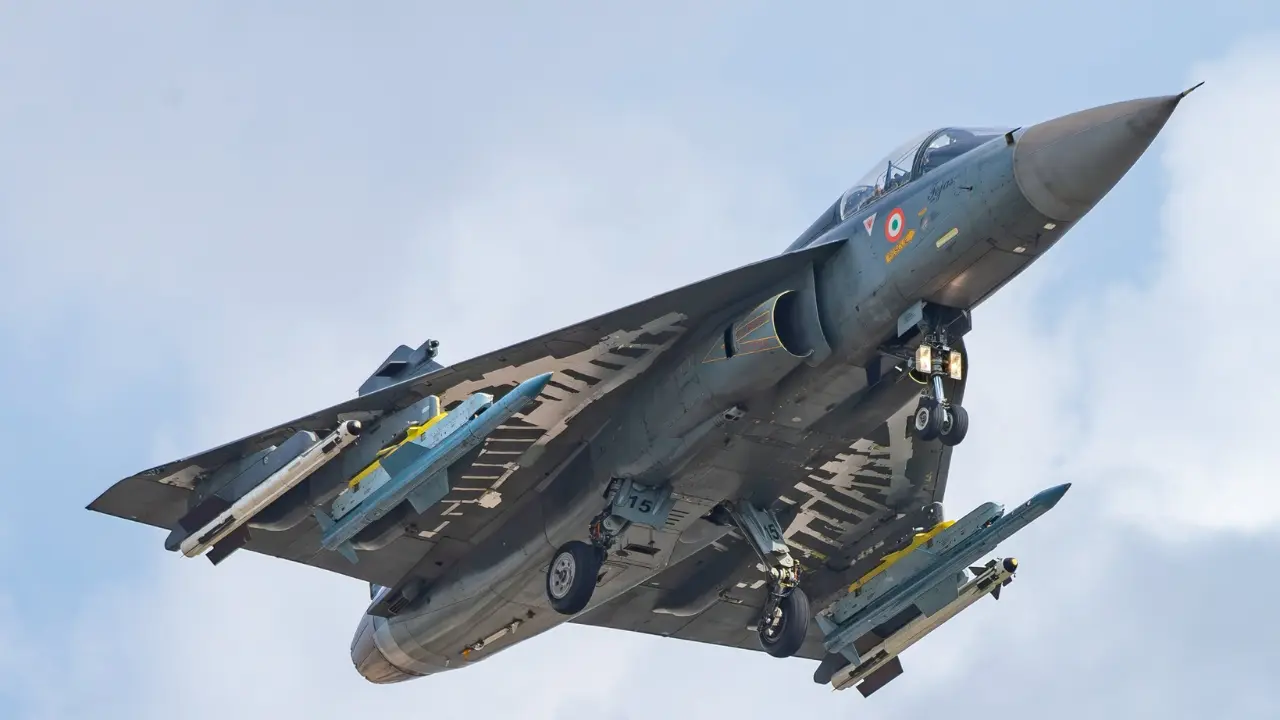
India has been pitching Tejas to multiple foreign buyers, including Argentina, the Philippines and Malaysia. The crash could temporarily influence perceptions, although past global fighter sales suggest that safety evaluations, lifecycle cost and operational capability outweigh isolated accidents in long-term deals.
)
)
)
)
)