HAL Tejas: How India’s indigenous fighter jet stacks up against JF-17, FA-50 and F-16

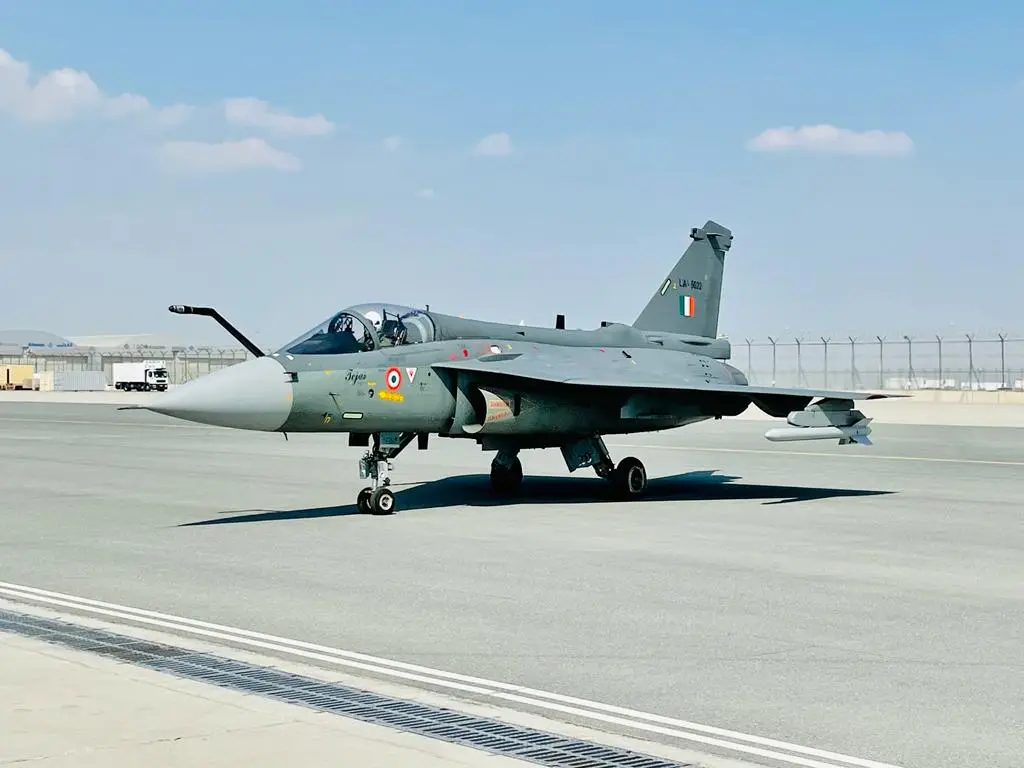
The recent Dubai Airshow crash, a rare setback during a high-stakes global showcase, has also intensified scrutiny over reliability and support systems.
Introduction: A home‑grown contender in the global arena
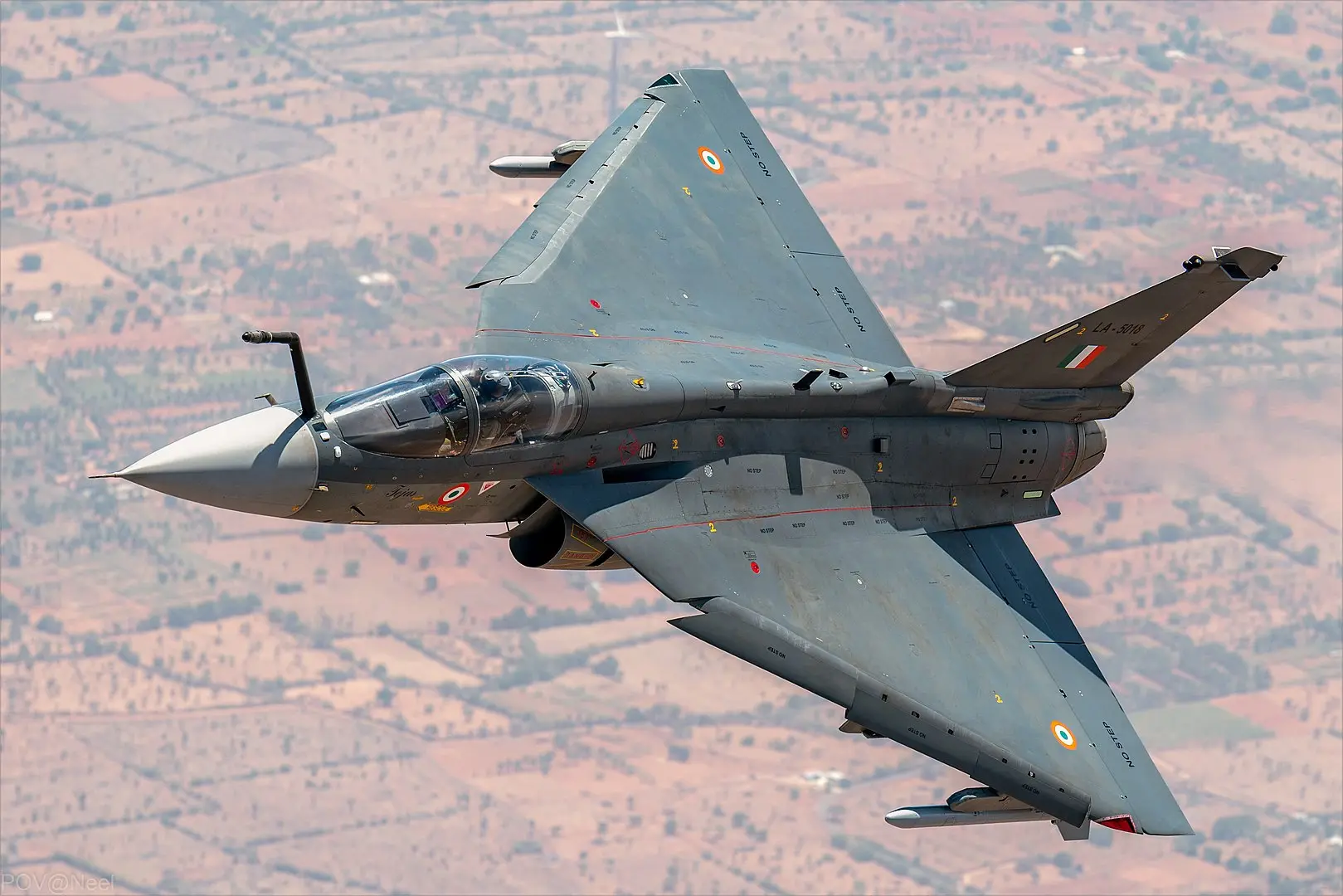
India’s Hal Tejas Mk1A has rapidly evolved from an ambitious domestic programme into a direct challenger to international fighters, drawing comparisons with the JF-17, FA-50 and even the F-16. Once viewed mainly as a symbol of aerospace self-reliance, Tejas is now being assessed on real combat capability, export prospects and operational value. The recent Dubai Airshow crash, a rare setback during a high-stakes global showcase, has also intensified scrutiny over reliability and support systems. As momentum builds, the key question is whether India’s indigenous fighter can not only compete, but disrupt the global light-combat market.
Design, aerodynamics and powerplant
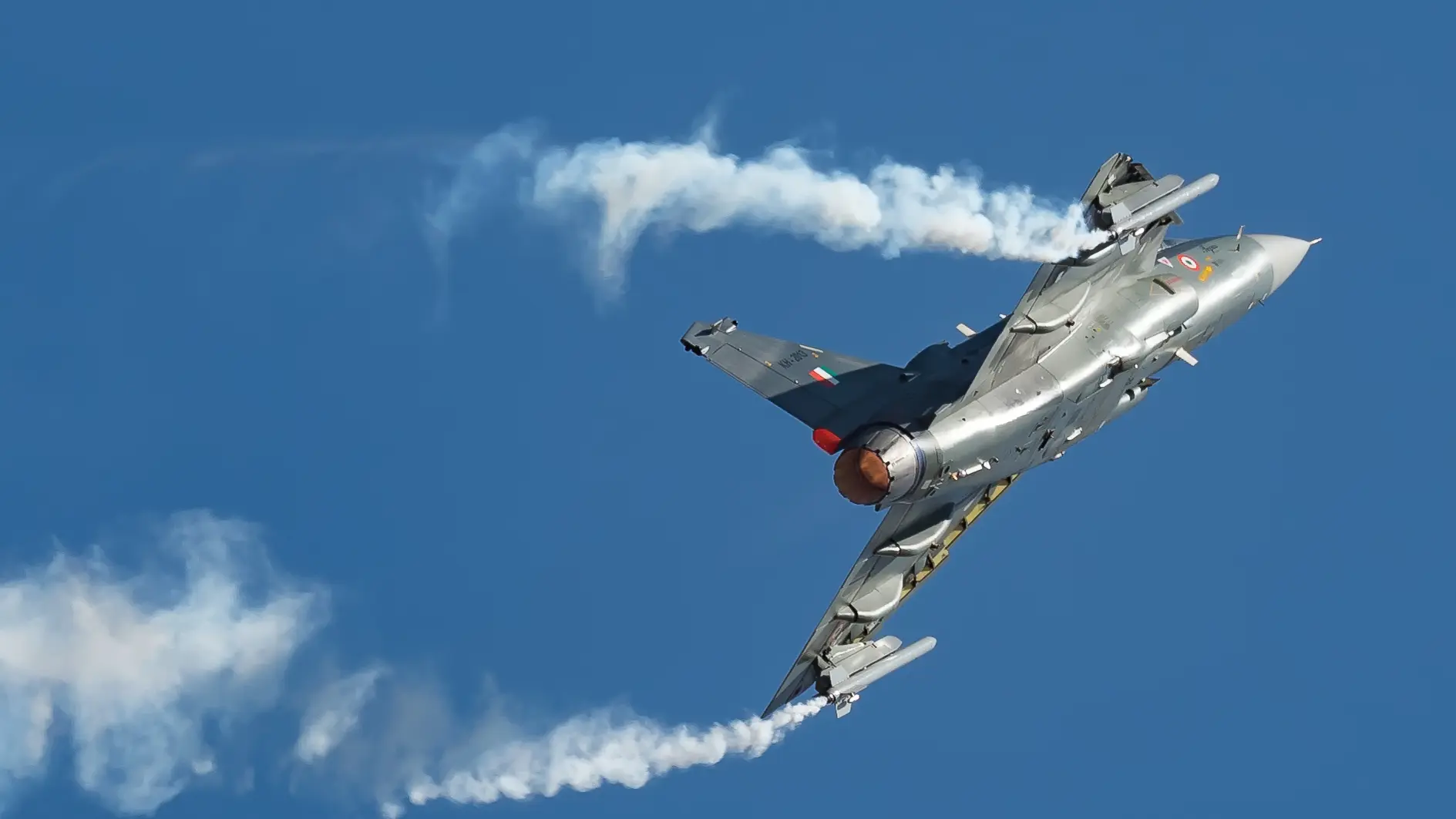
-Tejas Mk1A is powered by a GE F404‑IN20 turbofan engine delivering about 85 kN of thrust and has a thrust‑to‑weight ratio of roughly 1.07. Its delta‑wing, tailless composite airframe gives it agility and a reduced radar cross‑section.
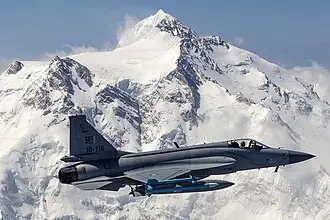
-The JF‑17 Block III (Pakistani‑Chinese) is similar in class but uses an RD‑93 (or WS‑13) engine with somewhat lower thrust and a thrust‑to‑weight ratio of about 1.03.
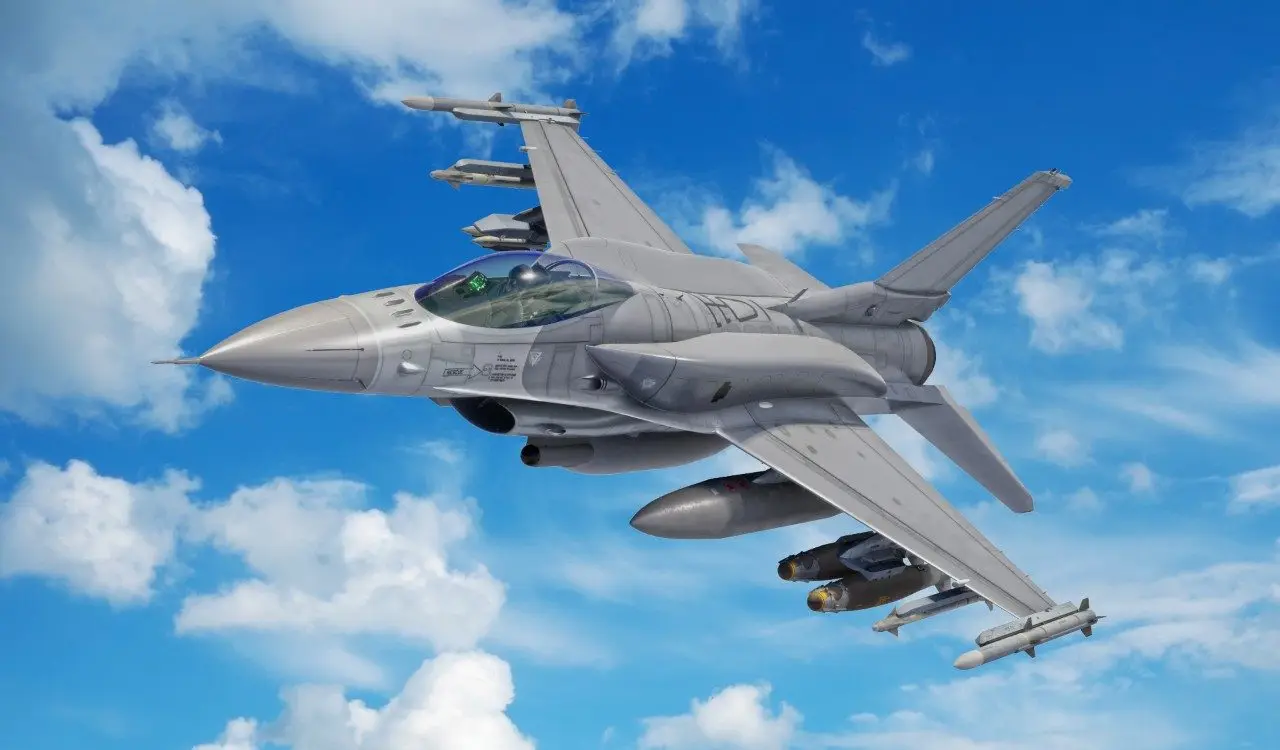
-Against heavier fighters, F‑16V Viper variants boast more powerful engines (GE F110), pushing its thrust‑to‑weight ratio to around 1.30 in some configurations.
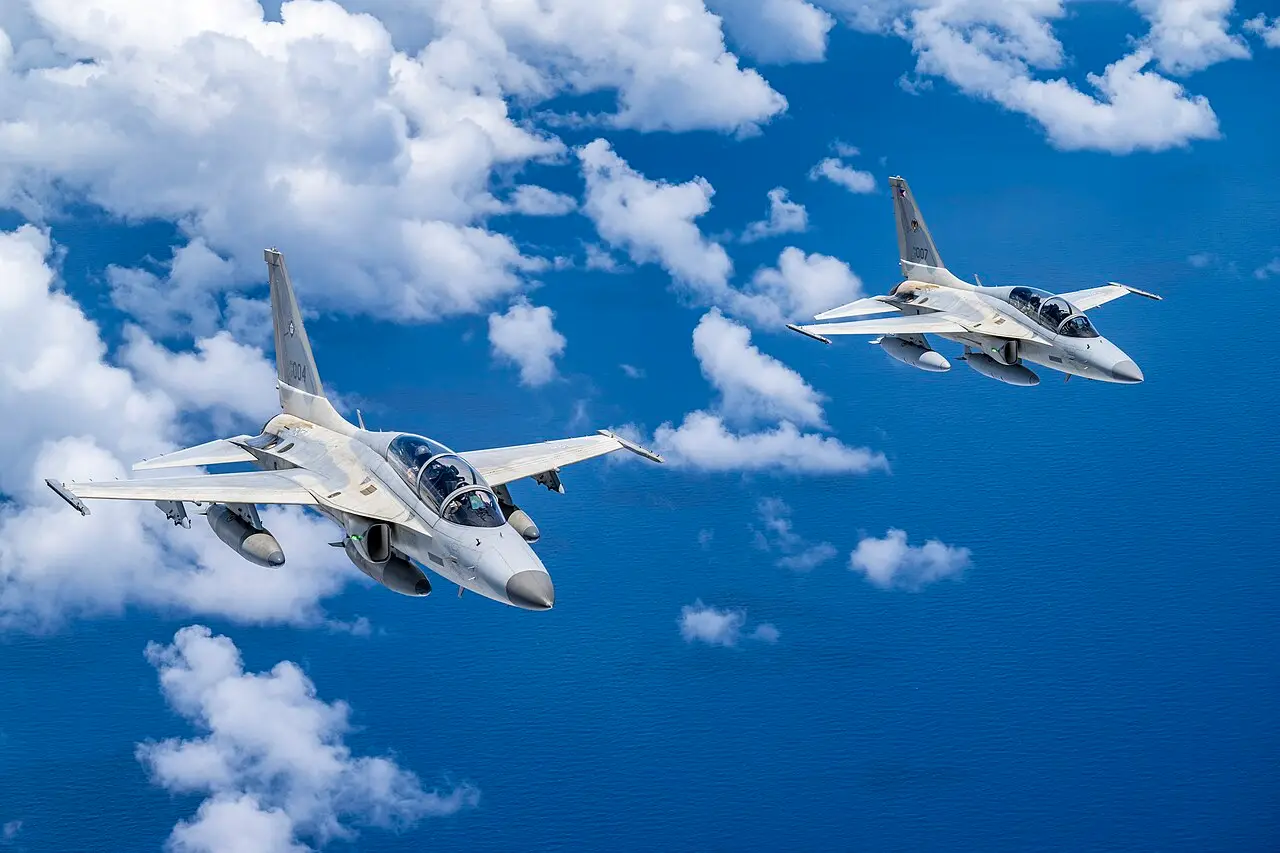
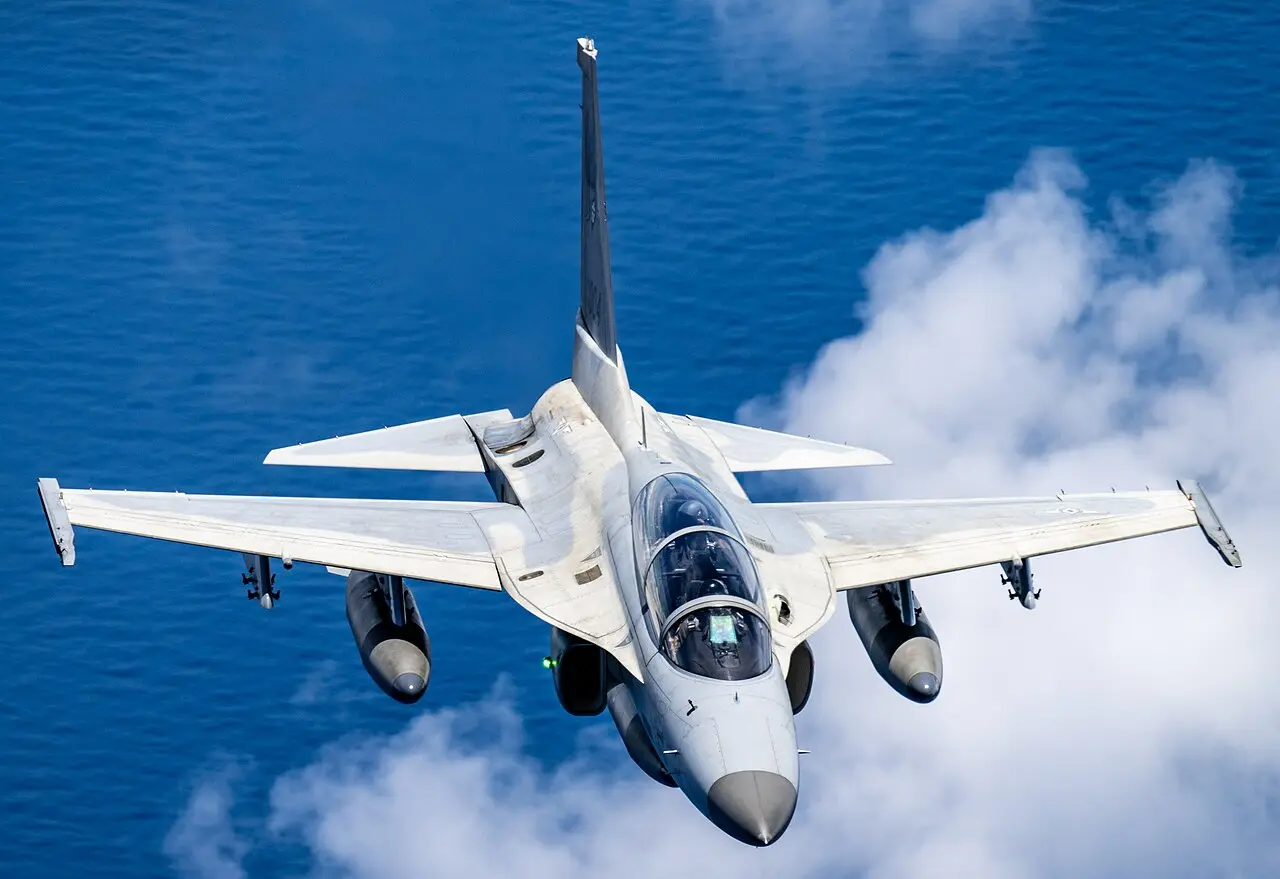
-The FA‑50, manufactured by KAI of South Korea, also uses a GE F404 engine (the ‑102 variant), but with lower afterburner thrust (~78.7 kN) and a thrust‑to‑weight ratio of about 0.96.
Performance: Speed, range and endurance
-Tejas Mk1A achieves a top speed of around Mach 1.8 (~2,200 km/h) and has a stated combat radius of around 389 nautical miles.
-By comparison, the JF‑17 Block III tops out near Mach 1.6 (~1,975 km/h). Meanwhile, the F‑16V can reach up to Mach 2.0 and has a very long ferry range, with some versions listing a ferry range of approximately 4,220 km.
-As for the FA‑50, its maximum speed is around Mach 1.5 (~1,837 km/h), with a stated range of approximately 1,850 km.
Radar, avionics and sensors
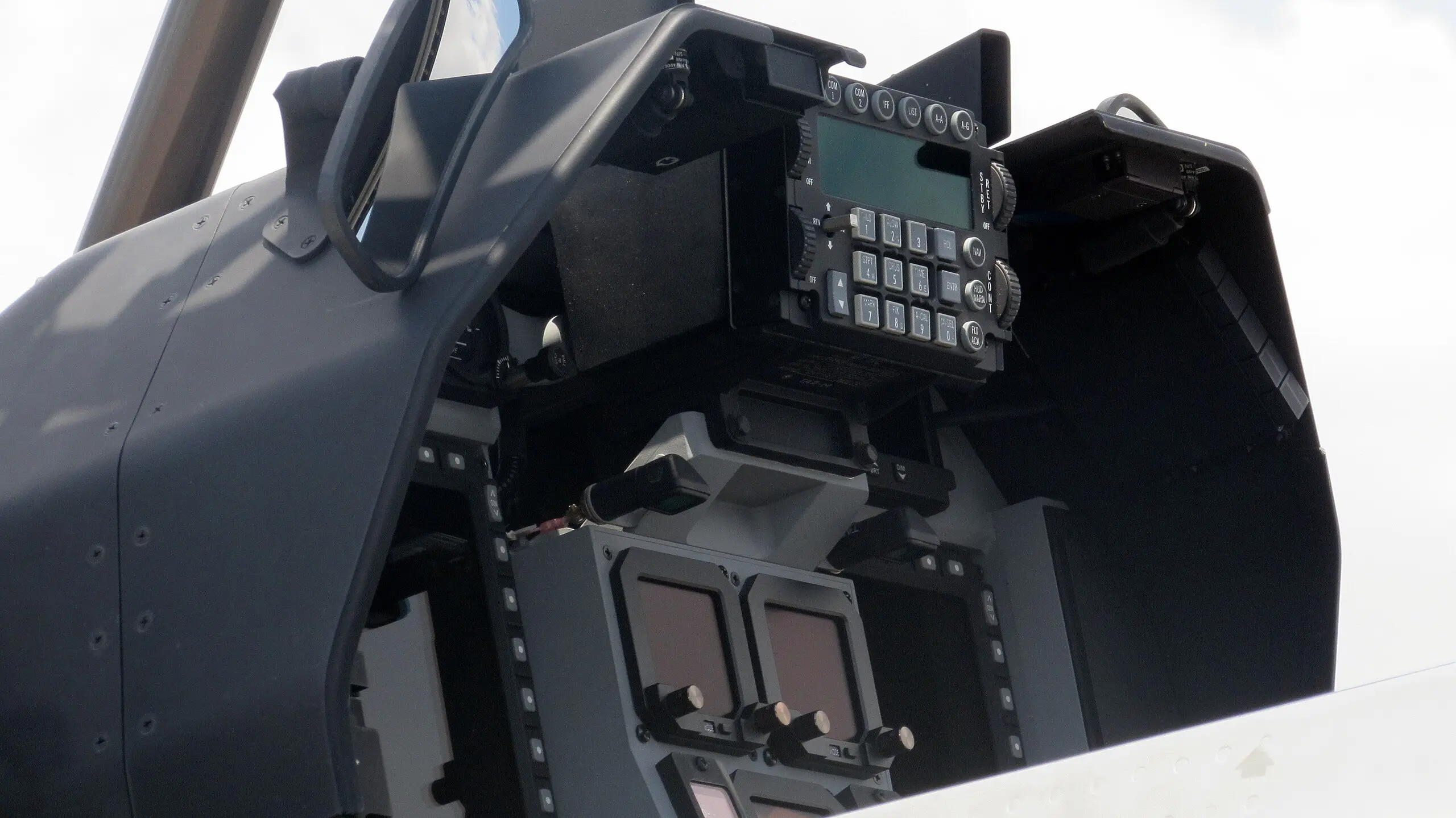
-The Tejas Mk1A is fitted with an EL/M‑2052 AESA radar, and future versions are expected to incorporate the indigenous Uttam AESA radar, enhancing sensor fusion and survivability.
-In contrast, the JF‑17 Block III uses China’s KLJ‑7A AESA radar, which, while modern, lags behind Western and Israeli systems in processing and target tracking.
-The F‑16V comes equipped with AN/APG-83 AESA radar and a sophisticated Viper Shield electronic warfare suite. Meanwhile, the FA‑50 can carry either EL/M‑2032 or AESA radar (depending on variant), providing a flexible avionics profile.
Weapons, payload and hardpoints
-Tejas Mk1A offers eight weapon hardpoints and a maximum payload of around 5,300 kg. Its weapons suite includes beyond‑visual‑range missiles such as Derby and Astra, short‑range missiles including Python‑5 and R‑73, and an expanding range of air‑to‑ground munitions.
-The JF‑17 has seven hardpoints and a lower maximum payload (~3,600 kg), primarily using Chinese or Russian weapons.
-The F‑16V supports nine external hardpoints with an impressive maximum payload (~7,700 kg) and can carry a wide variety of air‑to‑air and air‑to‑ground munitions including AMRAAMs, JDAMs and Harpoons.
-The FA‑50 has seven hardpoints with a total payload capacity of up to 4,500 kg, including a 20 mm Vulcan cannon, Sidewinder missiles, Maverick missiles and JSOW or JDAM bombs depending on configuration.
Stealth, survivability and countermeasures
-As a result of the composite airframe construction, Tejas enjoys a relatively low radar cross-section, which enhances survivability. It also includes an electronic warfare suite and chaff and flare dispensers.
-By contrast, the JF‑17 is less stealth‑optimised, with a steel structure that contributes to a larger radar signature.
-The F‑16V, although not a stealth aircraft in the modern sense, leverages advanced electronic warfare capabilities and high agility to survive in contested environments.
Operational and economic considerations
-One of Tejas’s strongest selling points is its high level of indigenous content. Platforms like the Mk1A are increasingly localised, reducing dependence on foreign imports and lowering life‑cycle costs.
-Pricing is competitive, with Tejas estimated at around US$ 40–45 million per unit. In comparison, while F‑16s are highly capable, they often come with geopolitical strings attached and higher maintenance costs.
-The JF‑17, often priced lower (about US$ 25–32 million), has seen export success with nations such as Myanmar and Nigeria. The FA‑50, due to its dual trainer/combat role, offers an economical solution for air forces seeking multirole capability at lower operating costs.
Conclusion: Tejas’s competitive position
In summary, Hal Tejas Mk1A may not match the raw speed or payload of an F‑16, but it holds its own through agility, modern sensor suite and a genuinely indigenous manufacturing base. It boasts advantages over the JF‑17 in radar, stealth and avionics, and edges ahead of the FA‑50 in overall performance. As India ramps up production and advances to Mk2 and future variants, Tejas is increasingly poised to be a serious contender both for the Indian Air Force and on the international export market.
)
)
)
)
)