HAL Tejas Crash: Why fighter jet's aerobatics at low altitude reduces margins of recovery?

The “safety buffer” of extra height that a higher-altitude flight offers is absent; therefore the pilot must execute precise inputs, and the aircraft must respond within tight tolerances. If lift is lost or control surfaces become less effective, the recovery window is extremely narrow.
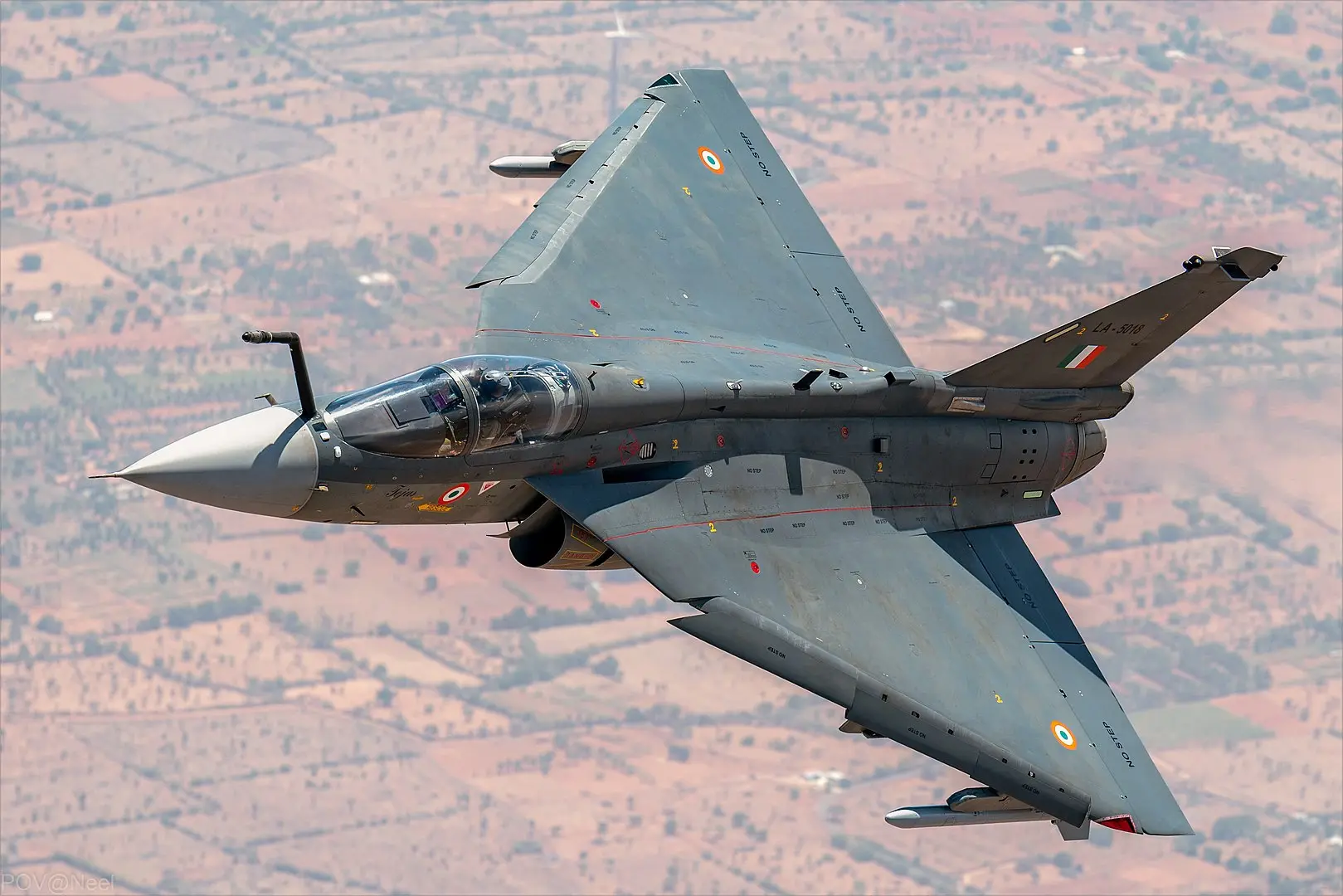
1. Reduced altitude = less time to correct
When an aircraft performs aerobatic manoeuvres at low height, the margin for error shrinks because there is very little altitude available to recover from a deviation. If control is lost or the aircraft starts a rapid descent, the pilot has fewer seconds and fewer metres, to level off, arrest the descent and stabilise the aircraft. This constraint means that any small mis-judgement or unexpected event becomes much more critical.
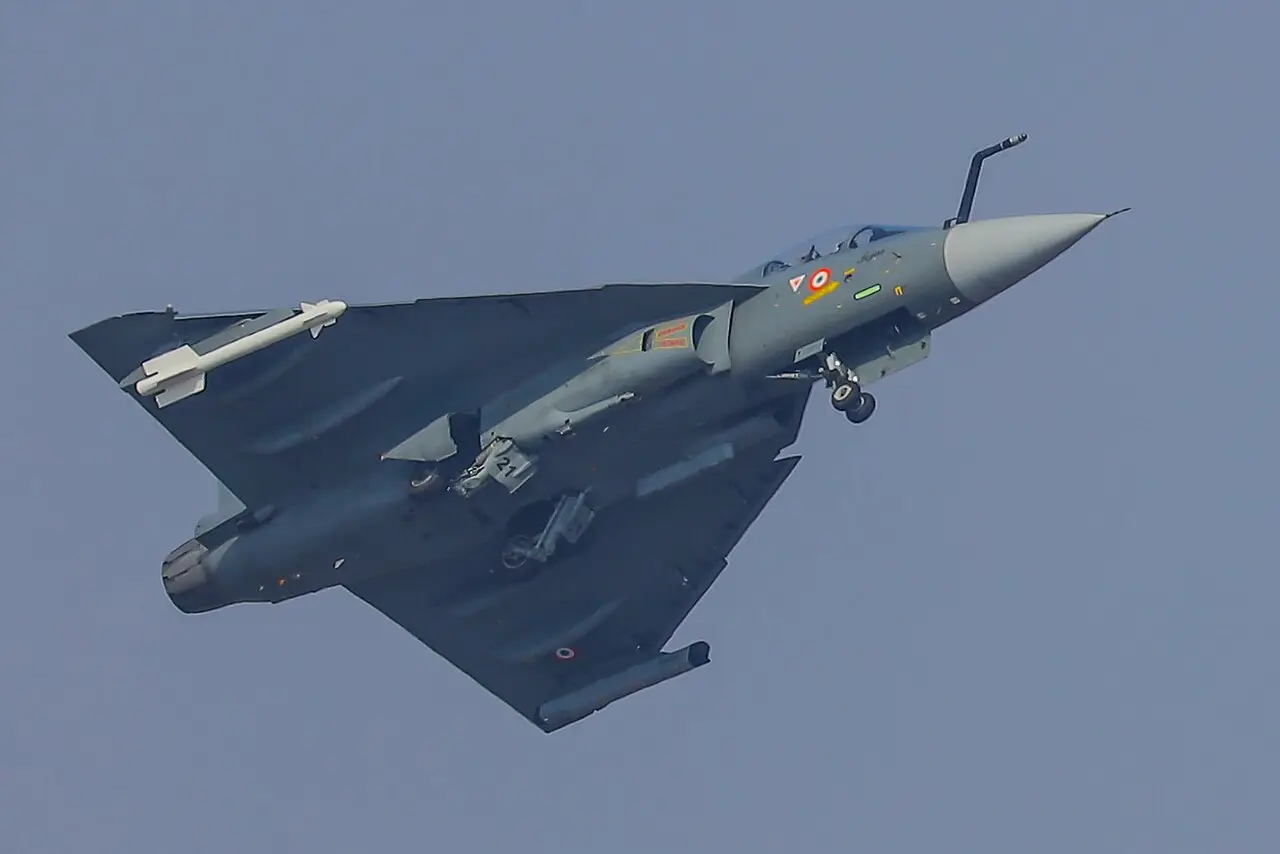
2. Higher energy manoeuvres leave smaller safety buffer
Aerobatic moves (rolls, loops, rapid pitch changes) inject large amounts of kinetic and potential energy changes into the aircraft. At low altitude, converting this energy back into stable flight must happen very quickly. The “safety buffer” of extra height that a higher-altitude flight offers is absent; therefore the pilot must execute precise inputs, and the aircraft must respond within tight tolerances. If lift is lost or control surfaces become less effective, the recovery window is extremely narrow.
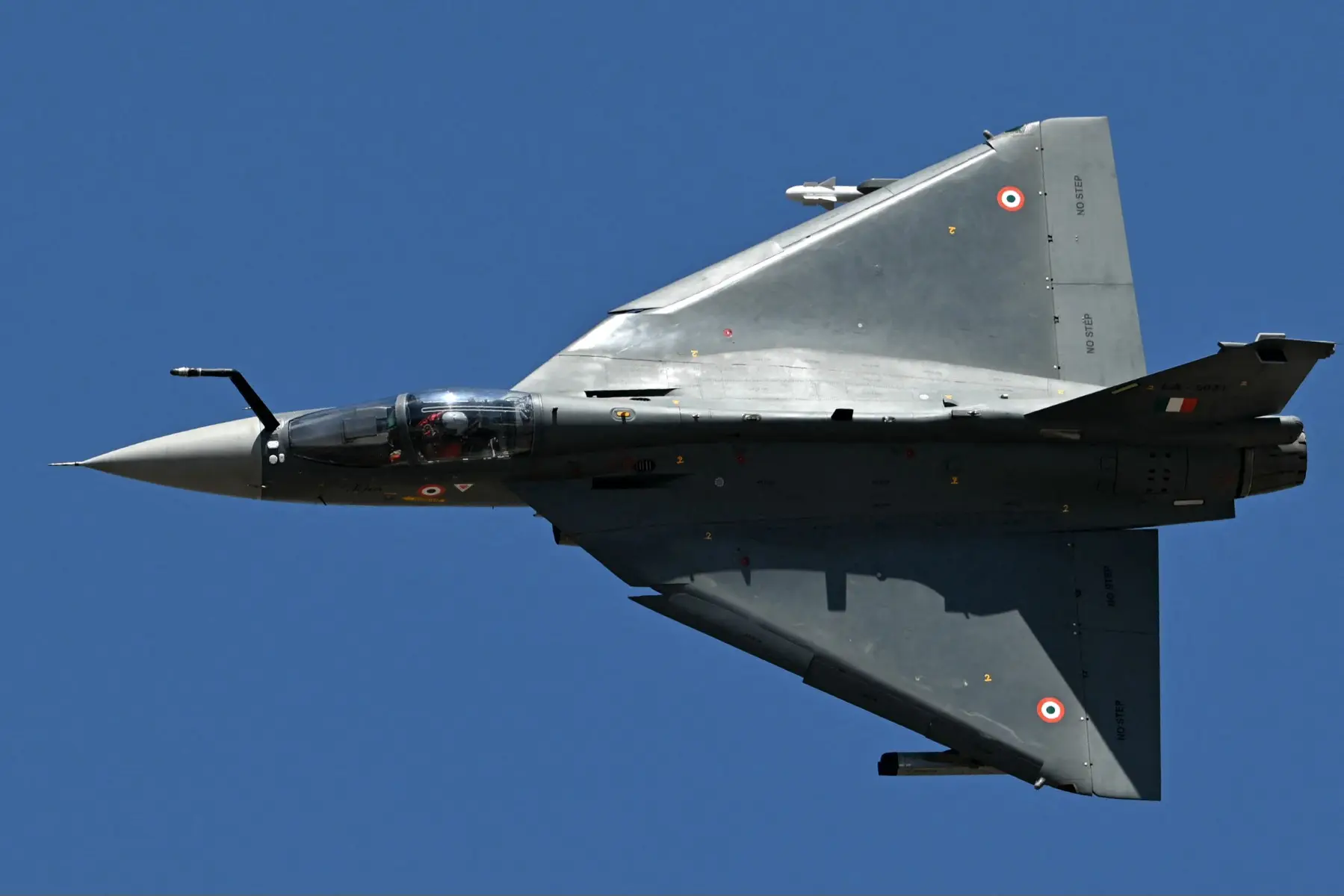
3. Aerodynamic limits and control authority tighten near the ground
In aerobatics, aircraft may approach high angles of attack, steep bank or dive angles, high g-loads or negative g-loads. According to aviation safety manuals, when an aeroplane is in a non-normal attitude and nearing stall or upset, the margins of control authority shrink. At low altitude, the ability to regain lift, reduce rate of descent or arrest a roll/spin is compromised because the aircraft may already be close to its aerodynamic limits.
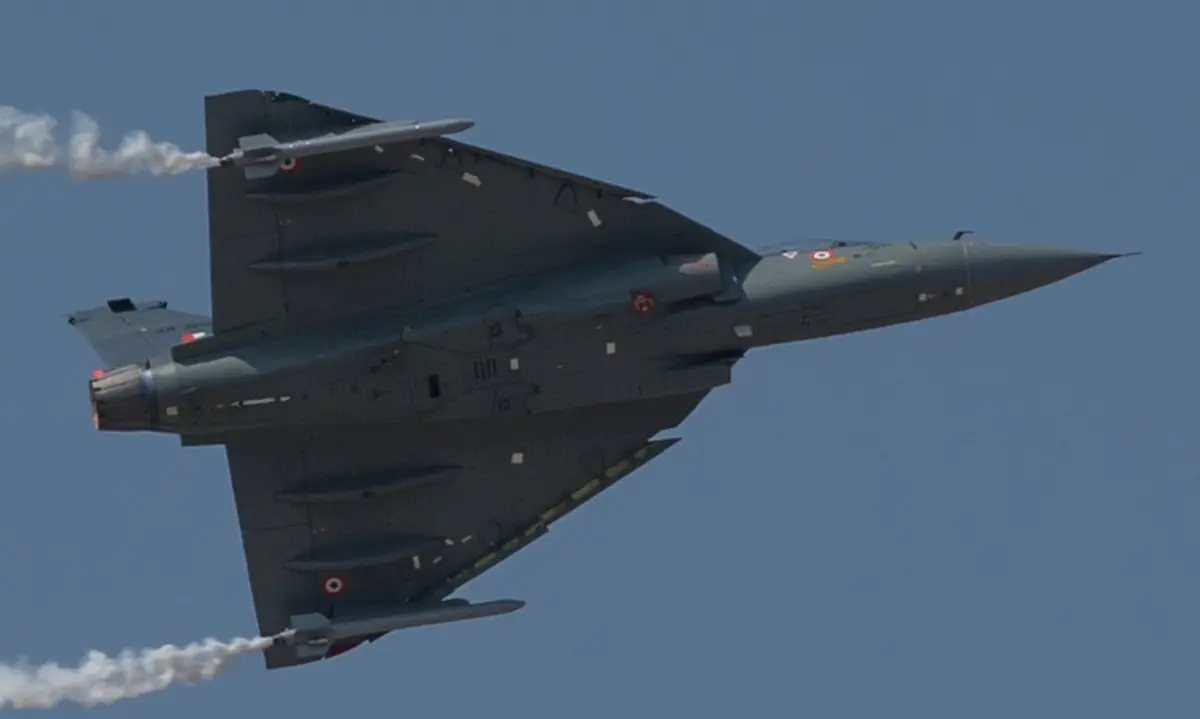
4. Human factors and pilot reaction time under pressure
When executing aerobatics in a low-altitude demonstration environment, the pilot faces high demands: precision flying, possible crowd or display environment distractions, and limited margin for error. According to aerobatic training analysts: “Typically, the ‘intuitive’ recovery response will not promote minimal altitude loss and hesitation or inappropriate control inputs will decrease the chances of a successful recovery.” At low altitude, any delay or incorrect reaction significantly reduces recovery margin.
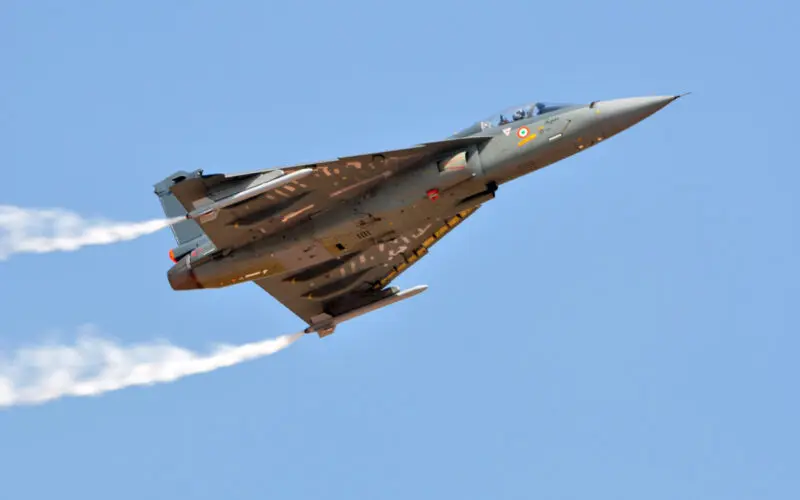
5. Recovery manoeuvres require distance and time
Standard upset recovery procedures, reducing angle of attack, gaining airspeed, stopping rolling or yawing motions, and returning to level flight, consume both vertical and horizontal distance. Manuals emphasise that preventing an aeroplane upset or recovering from one must account for time and altitude lost during the manoeuvre.
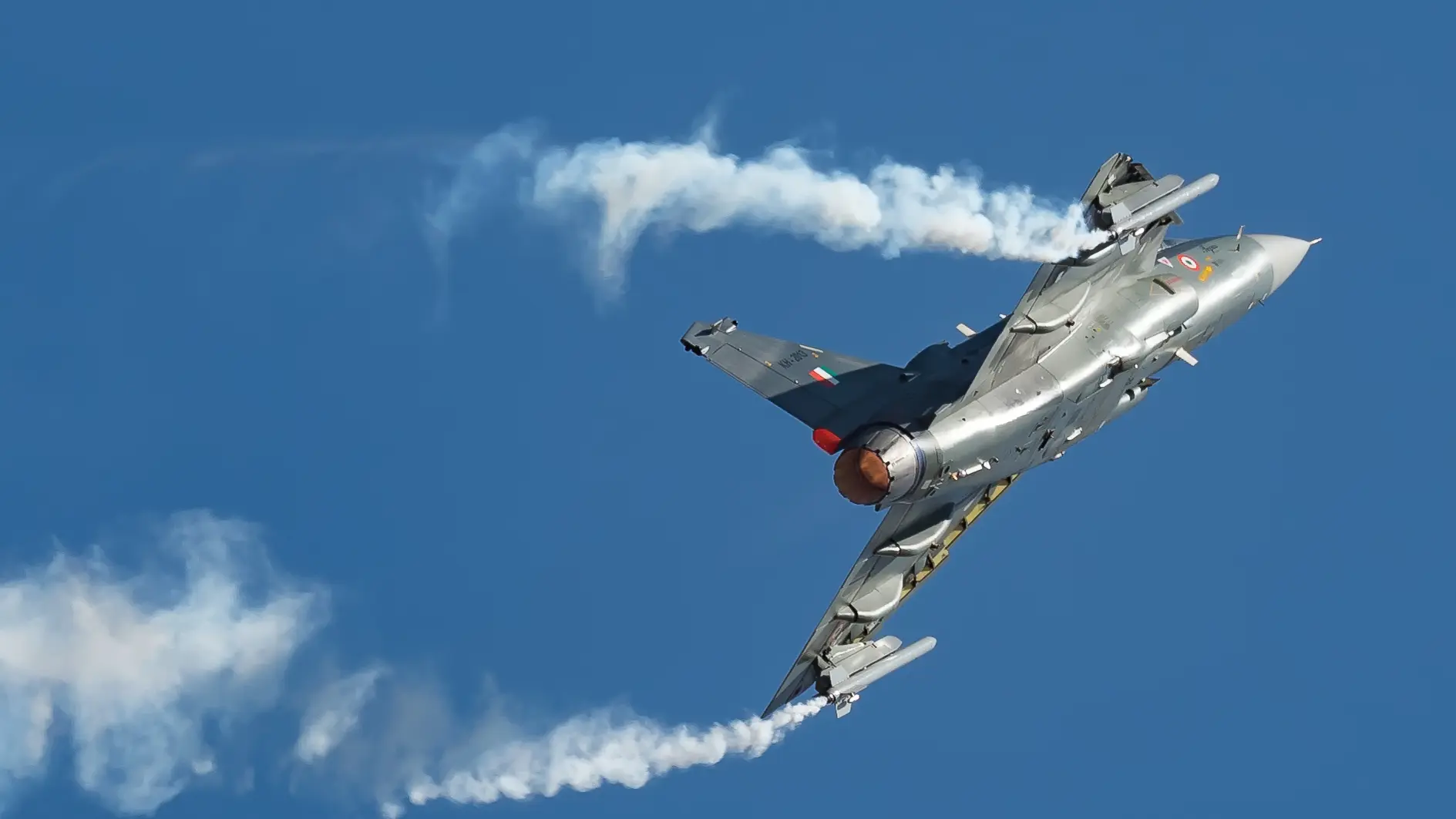
6. Display environment adds complexity
Air-shows or demonstration flights often demand dynamic manoeuvres, precise visual alignment, rapid attitude changes and low altitude passes to impress spectators. These factors increase risk: pilot workload is higher, there is less margin for error and mechanical/structural limits may be challenged. Aerobatic experts note that unless training, aircraft performance and pilot skill align precisely, the margin for safe recovery from an unusual attitude is very small.
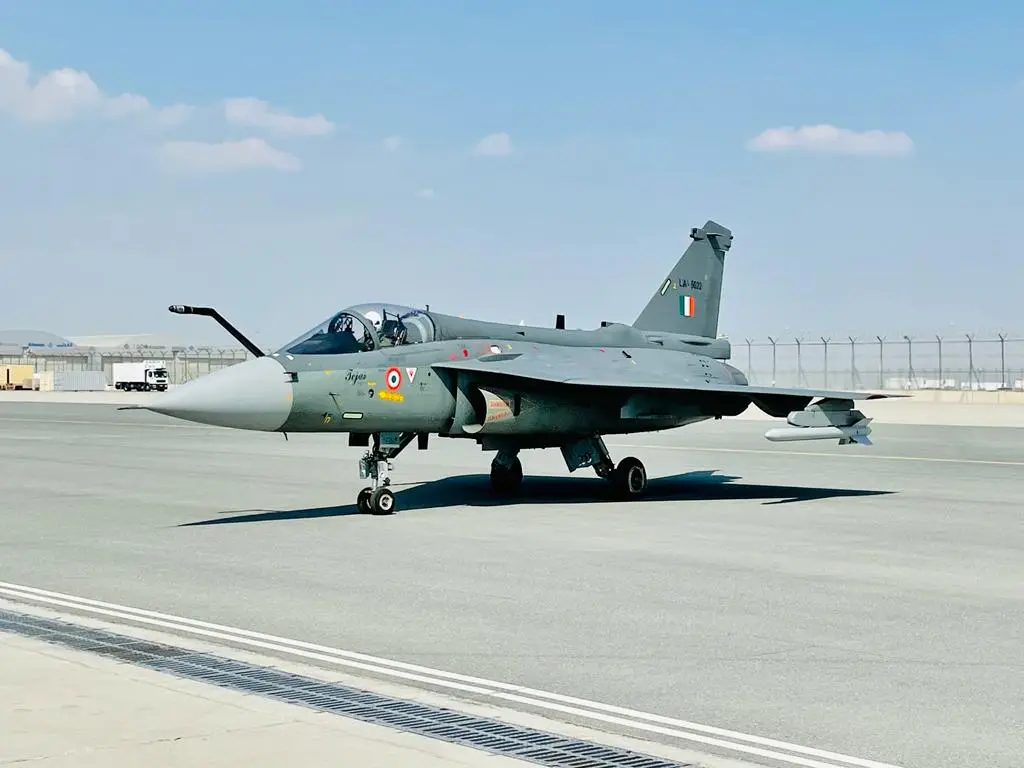
7. Why this matters in the Tejas crash context
In the case of the Tejas crash at the Dubai Air Show, this principle is highly relevant. A demonstration flight at low altitude performing aerobatics meant that when something deviated, whether lift loss, a roll or dive going longer than planned, or an unusual attitude developing, the available margin for recovery would have been minimal. Understanding this dynamic helps explain why a seemingly short-duration incident can become unrecoverable very quickly when altitude is low and manoeuvre intensity is high.
)
)

)
)