HAL Tejas Crash: What is G-Force and how a “Negative-G Roll” can crash a fighter jet

A “negative-G roll” refers to a manoeuvre in which the aircraft rolls (typically around its longitudinal axis) while the net acceleration on the pilot/airframe is below zero (ie, negative g)
1. What is G-Force?
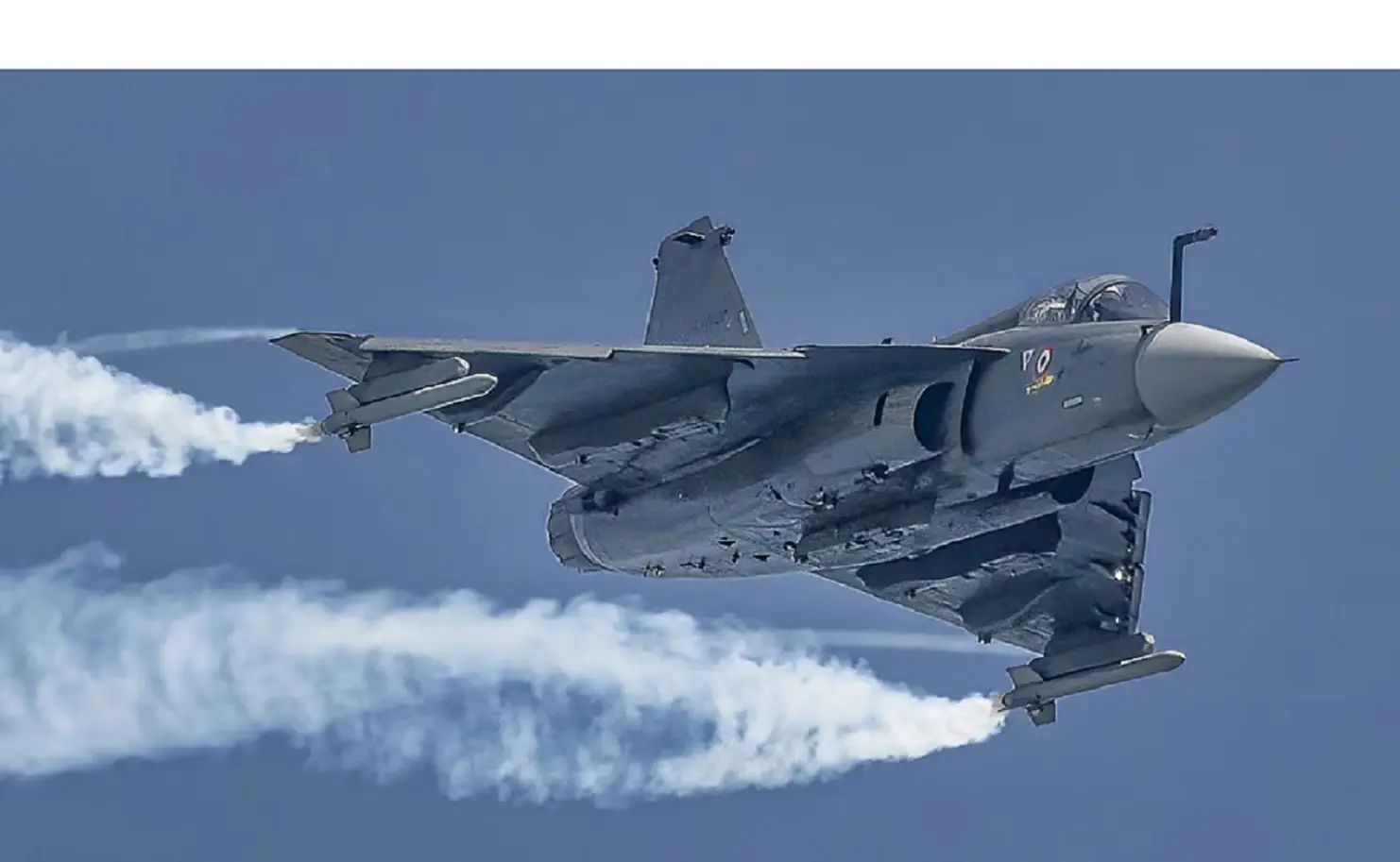
G-force is a term used to express the acceleration experienced by a body as a multiple of Earth’s gravitational acceleration (roughly 9.8 m/s²). When an aircraft changes its direction or speed, such as in a steep turn, roll, or dive, the pilot and aircraft both undergo forces that depart from normal straight-and-level flight. These forces are described as “g-loads”. In simple terms, positive g-forces push the pilot down into the seat (as during a tight upward turn), while negative g-forces pull the pilot upward out of the seat (as during an inverted or downward acceleration). The human body and aircraft structure both have limits, past which performance falters, control may be lost, and danger rises.
2. Why G-Forces Matter in Fighter Jets
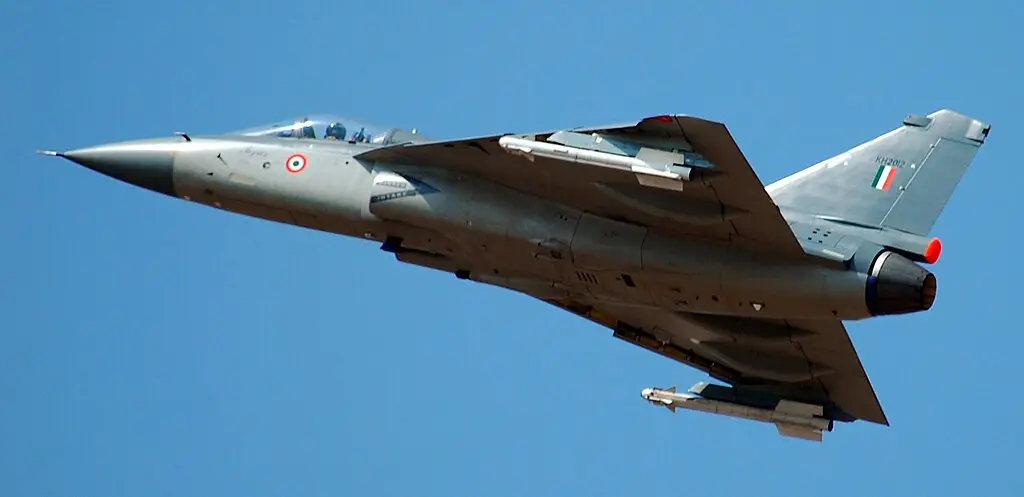
Fighter aircraft are built to perform high-acceleration manoeuvres: sharp turns, rapid rolls, steep dives, and climbs. Under such manoeuvres, the pilot’s body is subjected to high g-loads, meaning blood may rush away from the brain (in high positive g) or toward the head (in negative g), vision may fade, and pilot control may degrade. Simultaneously, the airframe and control surfaces must handle the stresses of changing loads, maintain aerodynamic stability, and ensure sufficient engine thrust and airflow. At low altitude, the margin for error is minimal: a loss of lift, a sudden control reversal, or an aerodynamic stall leaves little room or time to recover.
3. What is a “Negative-G Roll”?
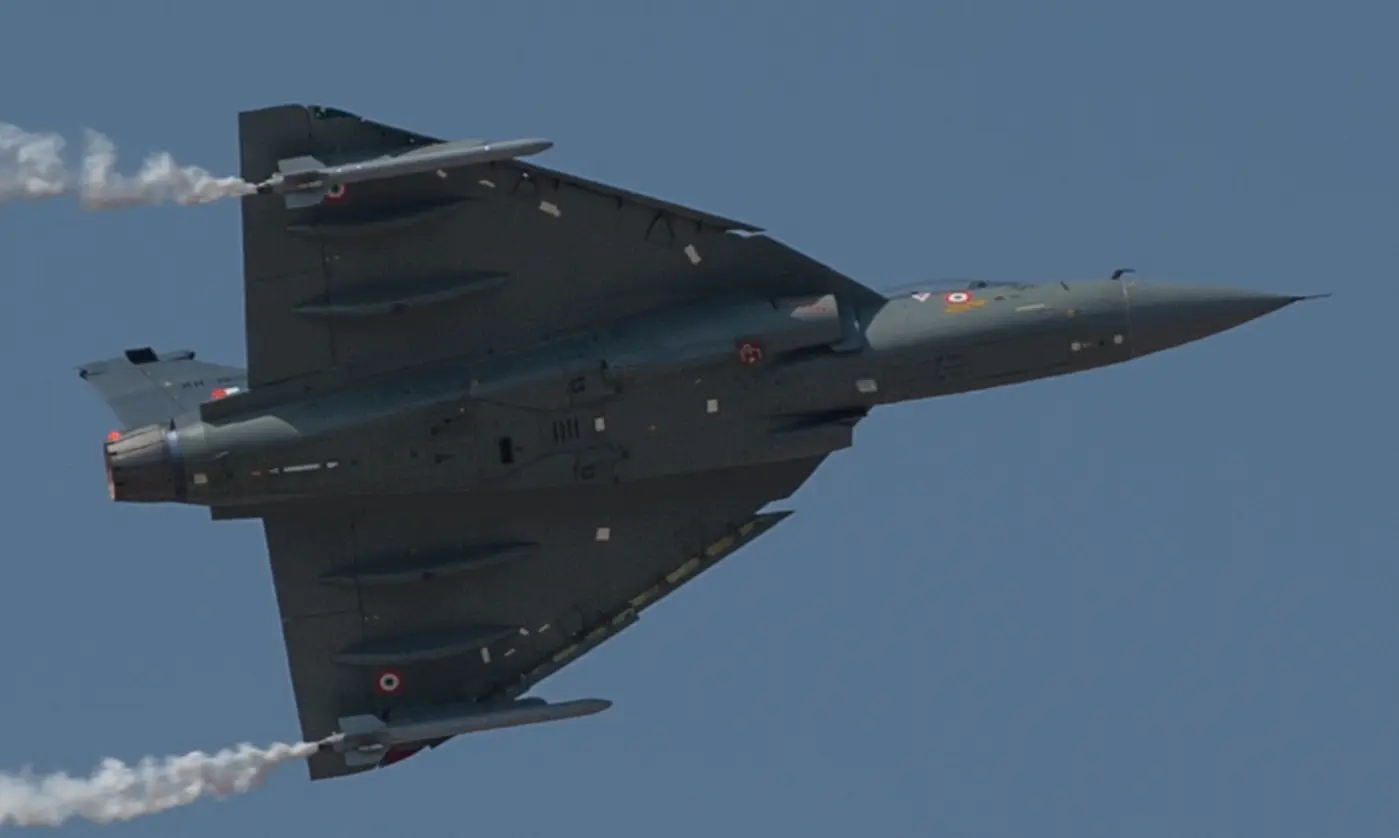
A “negative-G roll” refers to a manoeuvre in which the aircraft rolls (typically around its longitudinal axis) while the net acceleration on the pilot/airframe is below zero (i.e., negative g). In effect, the pilot is being lifted out of the seat, the aircraft may invert or rapidly change attitude, and lift generation can drop or reverse. In an aerobatic display, this might look like a quick roll over the top of a loop, or a push-over into a dive. Because the forces are inverted relative to normal flight, the aircraft and pilot are in a less stable regime. If the aircraft is at low altitude while performing such a manoeuvre, a small mis-judgement, speed too low, angle too steep, or lift loss too early, can lead to insufficient altitude to recover and catastrophic impact.
4. How a Negative-G Roll Could Contribute to a Crash
There are several ways a negative-G manoeuvre becomes hazardous under certain conditions.
First: at low altitude the “safety net” of extra height is gone.
Second: negative g-loads reduce pilot tolerances—blood rushes to the head, pilot may suffer spatial disorientation or delayed reaction.
Third: the aircraft may lose lift rapidly as wings stall or controls behave non-linearly when inverted or near-inverted.
Fourth: engine/inlet performance or aerodynamic flow might degrade if the aircraft’s nose or attitude moves outside the designed envelope for a brief moment.
Fifth: if the aircraft enters a high-roll or steep descent, the combined kinetic energy (speed) and lost potential (height) may overwhelm the time available to arrest the descent. Put together, a negative-G roll at low altitude is a high-risk move: it demands speed, altitude, precision, pilot skill and equipment margin all aligning perfectly.
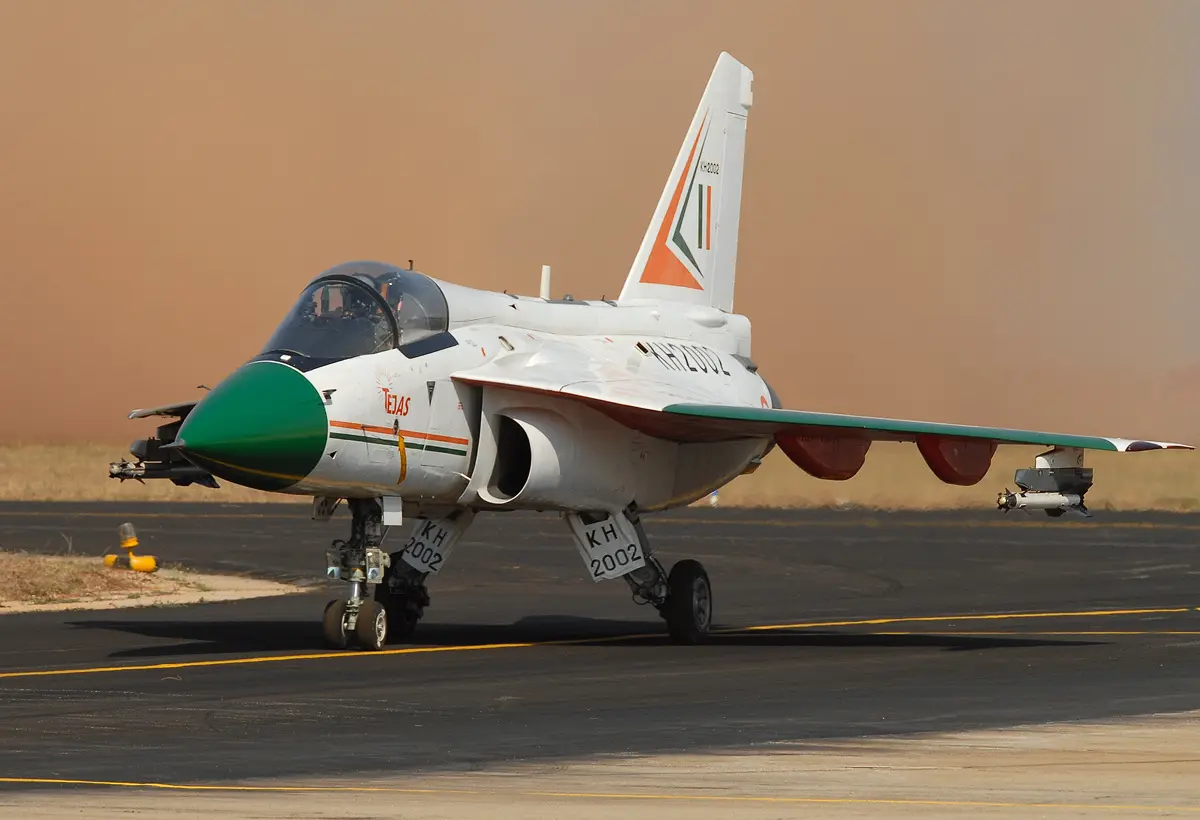
5. Connecting to the Tejas Crash at Dubai
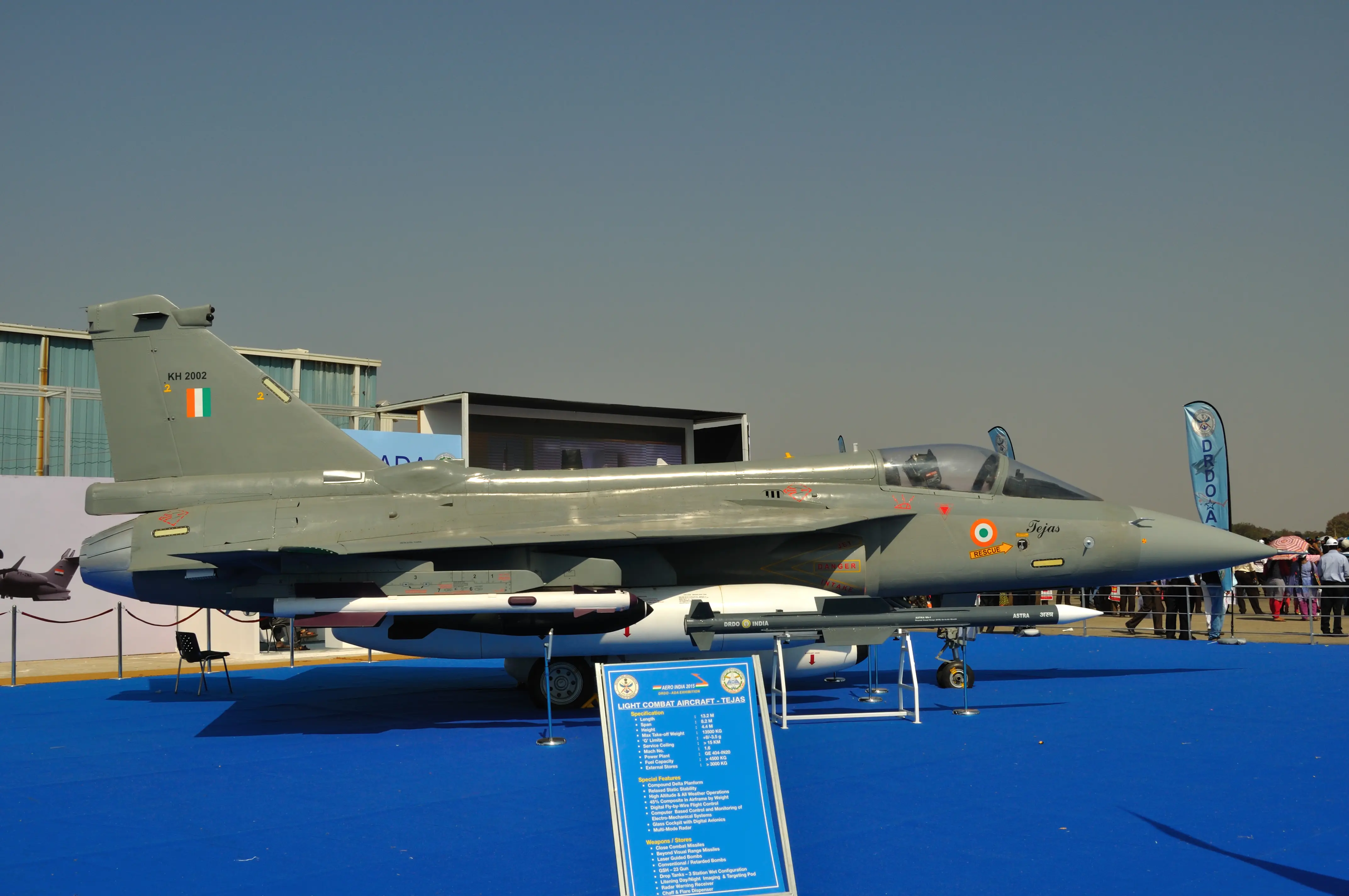
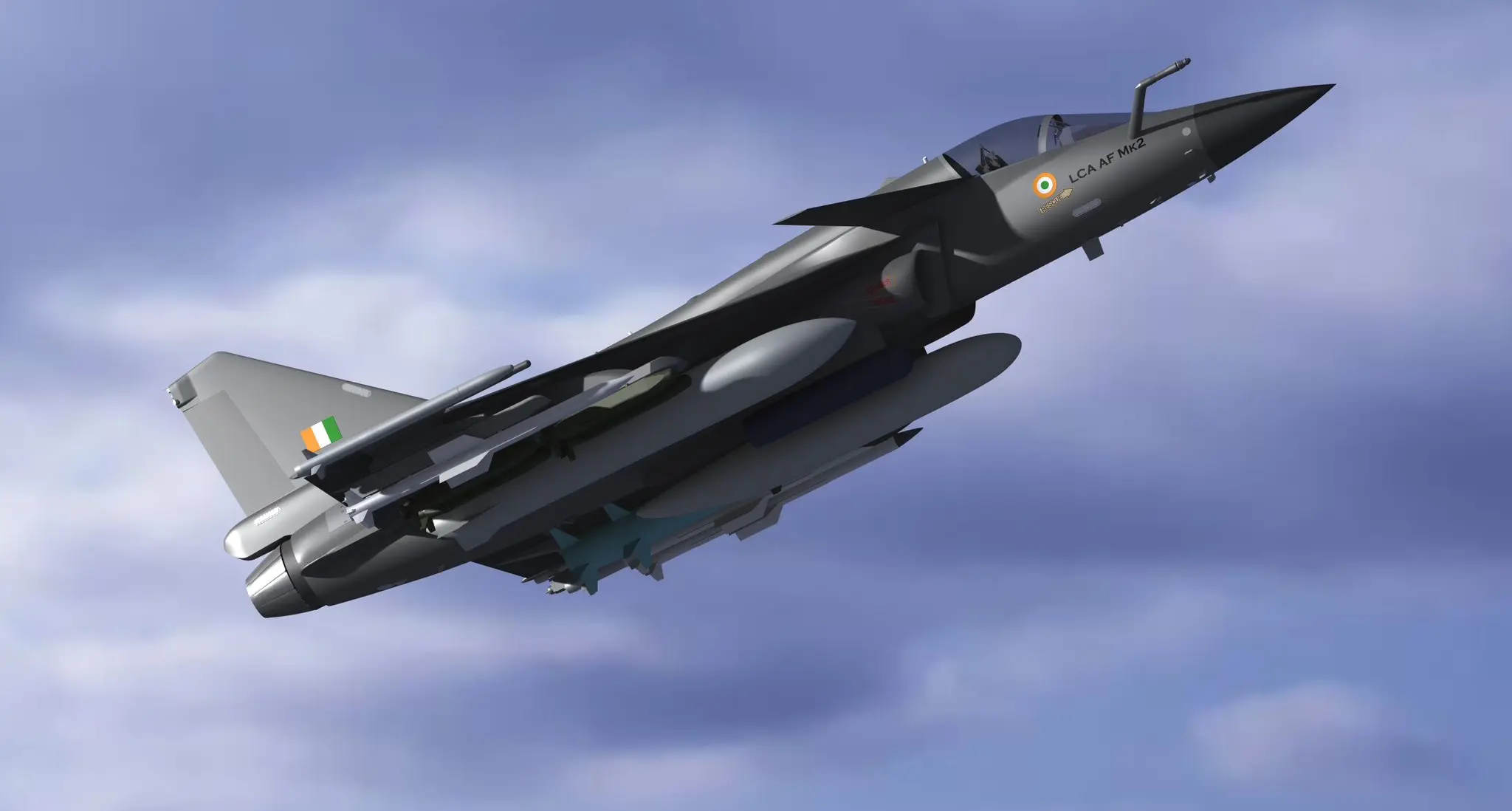
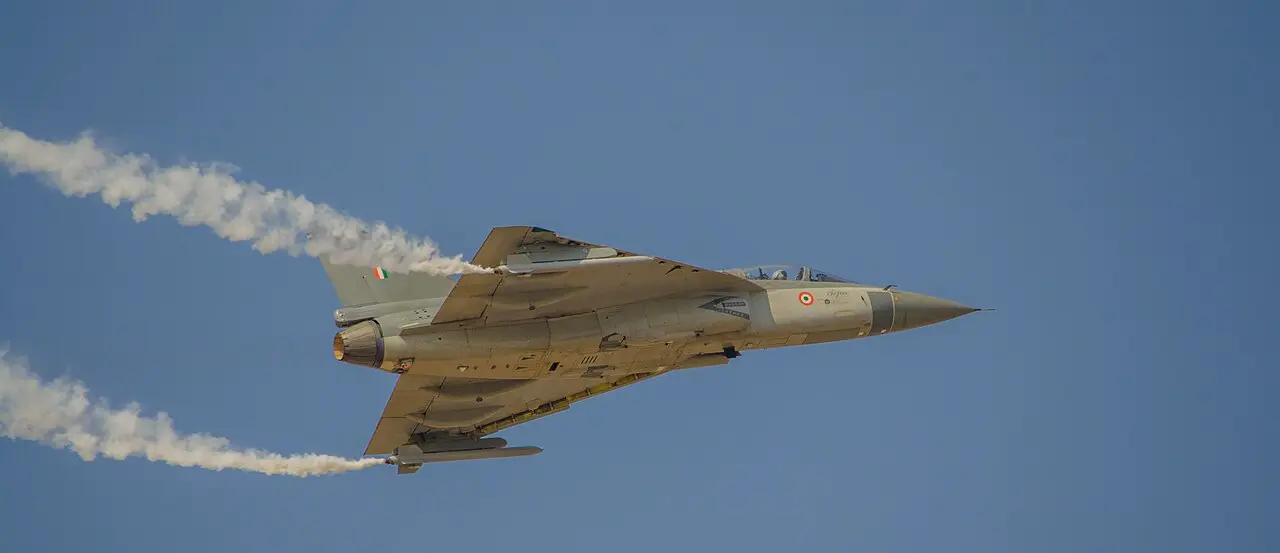
At the Dubai Airshow 2025 on 21 November 2025, a HAL Tejas of the Indian Air Force crashed during a demonstration flight, killing the pilot. Eyewitness accounts and video analysis suggest the jet was performing a low-altitude aerobatic manoeuvre, possibly involving a negative-G roll or push-over, before it plunged to the ground. Given the low altitude, reduced time to recover, and complexity of the manoeuvre, the scenario matches the risk profile of a negative-G roll gone wrong. While official investigation is still underway, the incident highlights how such flights, especially in an air-show context, carry narrow margins for error.
6. Key Takeaways
G-force isn’t just a tech term—it’s a core concept in how aircraft and pilots operate and fail under stress. When negative g-loads come into play, the risks multiply, especially at low height. For a display jet like the Tejas, performing a bold manoeuvre before an international audience, the demands on precision are extreme. From a reader’s perspective: understanding the “why” behind the crash helps appreciate the mechanics of air-show flying, the bravery of pilots, and the importance of design and training. It also underscores why even the most advanced jets are not immune to loss of control when risk factors align.
Why?
Understanding the “why” behind the crash helps appreciate the mechanics of air-show flying, the bravery of pilots, and the importance of design and training. It also underscores why even the most advanced jets are not immune to loss of control when risk factors align.
)
)
)
)
)