HAL Tejas Crash: Should airshows ban negative-g rolls at low altitude for fighter jets?

Display flights at airshows are designed to showcase performance and manoeuvres, often closer to spectators, at lower altitudes, and with tighter sequences than standard combat or patrol flights. Because of the show-setting, the margin for error is smaller.
1. The Incident and the Maneuver in Question
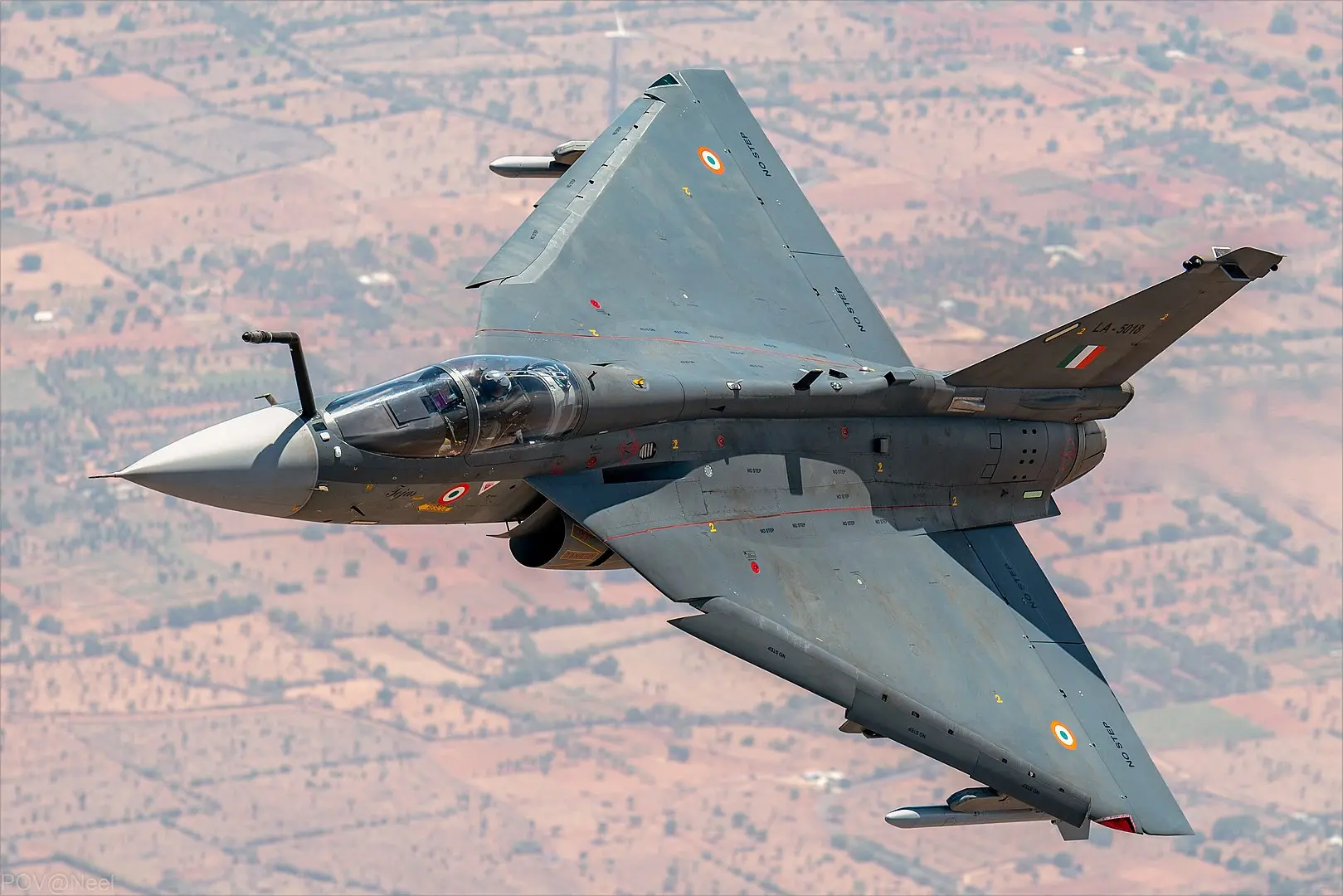
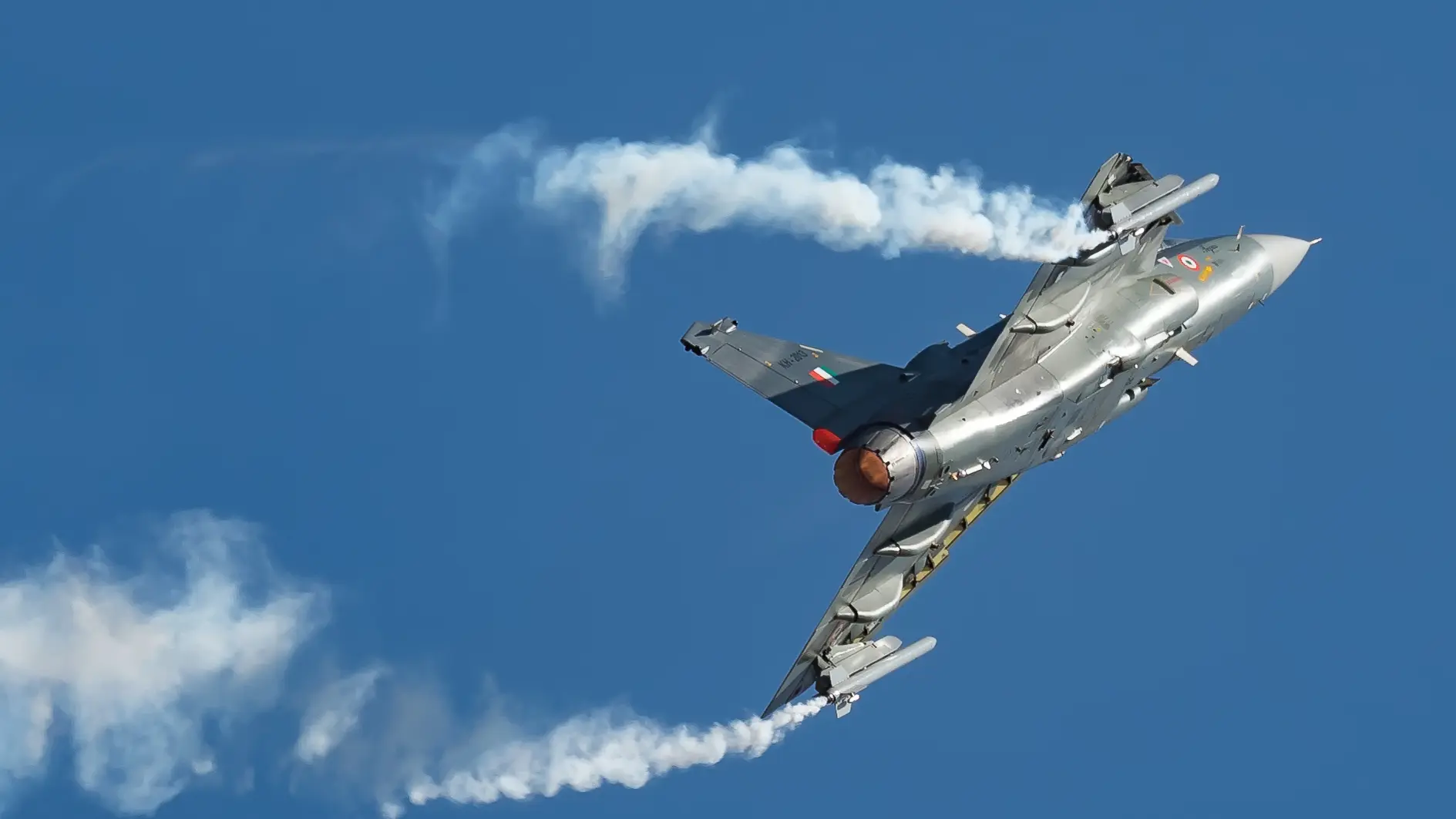
On 21 November 2025, at the Dubai Air Show 2025, the Tejas fighter jet of the Indian Air Force crashed during a demonstration flight, killing its pilot. Eye-witness accounts indicate the aircraft had entered a roll or turn involving negative-G forces at very low altitude and then lost stability. The question now raised: was the manoeuvre too risky at that low height?
2. What Is a Negative-G Roll and Why It’s Risky at Low Altitude
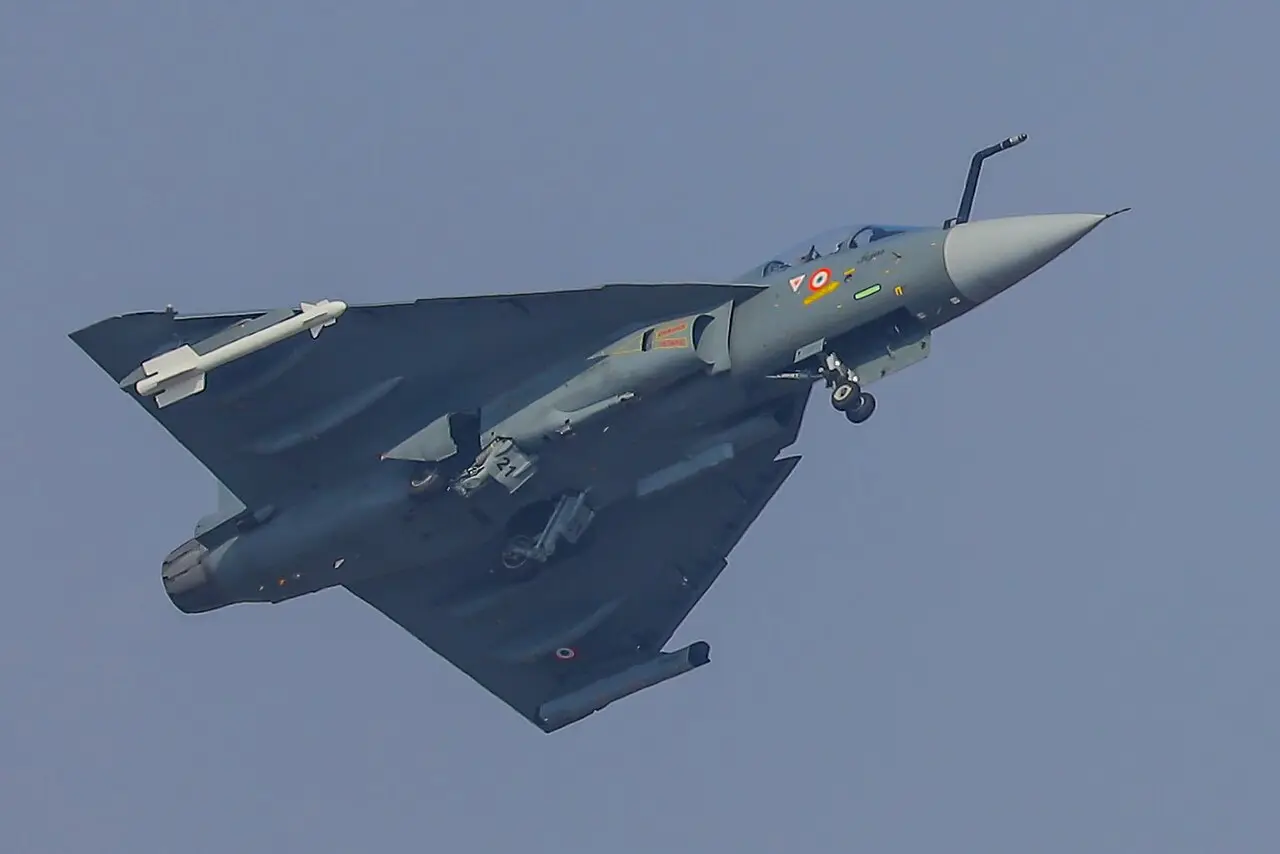
A “negative-G roll” means the aircraft and pilot experience forces lifting upward (opposite of typical positive-G “down into seat”), which can strain the human body, reduce pilot control effectiveness and shift aerodynamic loads unpredictably. When such a manoeuvre is executed at low altitude, there is very little vertical space and time to recover if the aircraft’s lift is lost or control is degraded. This combination raises safety concerns especially in public display flights.
3. Airshow Demonstrations: Display Flights vs Combat Missions
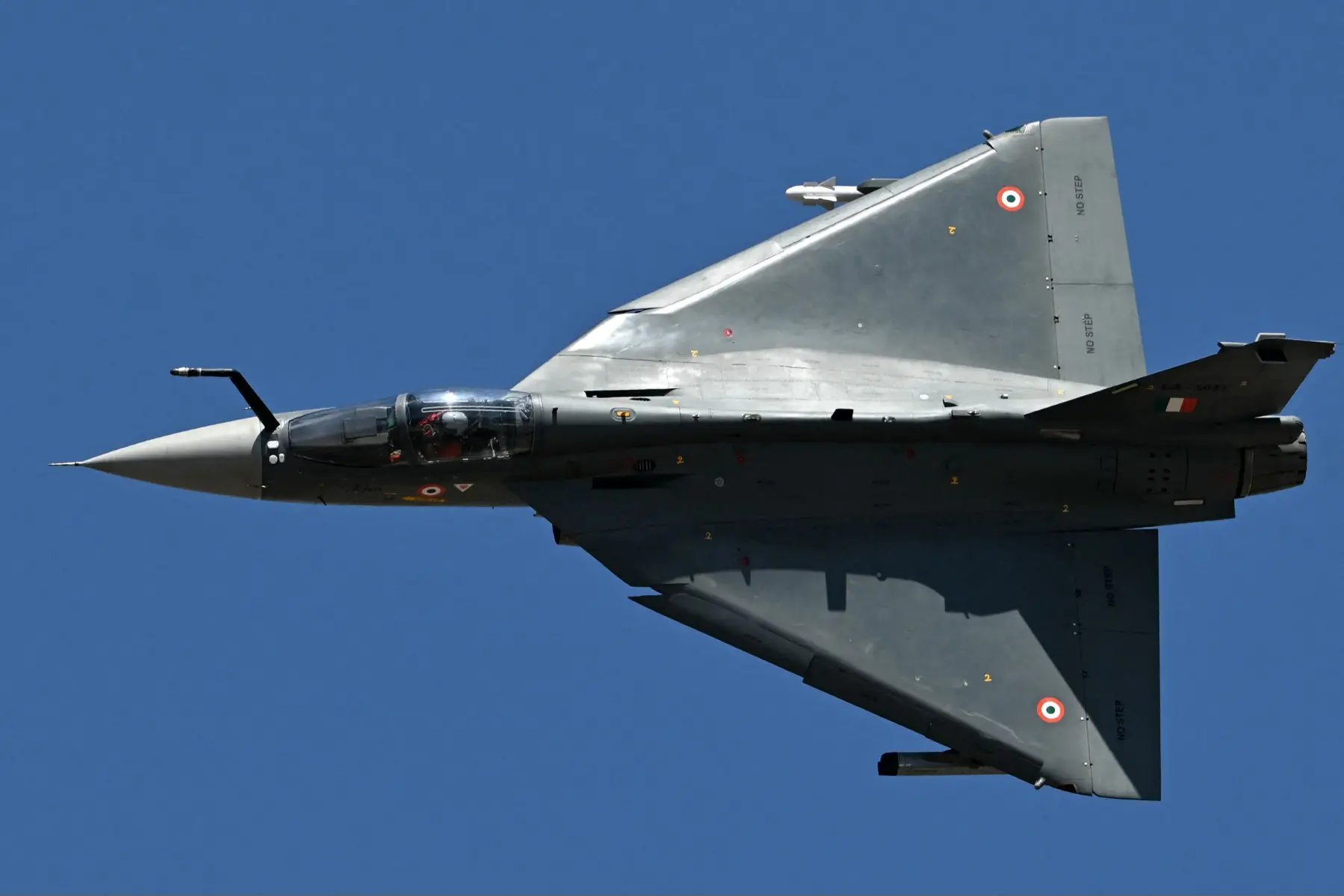
Display flights at airshows are designed to showcase performance and manoeuvres, often closer to spectators, at lower altitudes, and with tighter sequences than standard combat or patrol flights. Because of the show-setting, the margin for error is smaller. In the Tejas incident, the display context and low altitude appear to have contributed to a reduced recovery window.
4. Historical Precedent of Low-Altitude Aerobatic Risks
Globally, air-show accidents have highlighted how low-altitude aerobatic manoeuvres can lead to disaster when margins are misjudged. For example, the 2015 Shoreham Airshow crash in the UK involved a vintage jet performing a loop too close to the ground and resulted in many fatalities. The Tejas crash adds to this body of evidence that such manoeuvres carry increased risk.
5. Why the Tejas Crash Strengthens the Question
Because the Tejas is India’s indigenous fighter-jet programme and its participation in an international airshow was high-profile, the crash draws attention to whether display-manoeuvre protocols (especially involving negative-G rolls at low altitude) need review. Initial reports suggest the aircraft entered the manoeuvre at an extremely low altitude and may have lacked enough height to recover.
6. Safety Considerations for Air-Shows
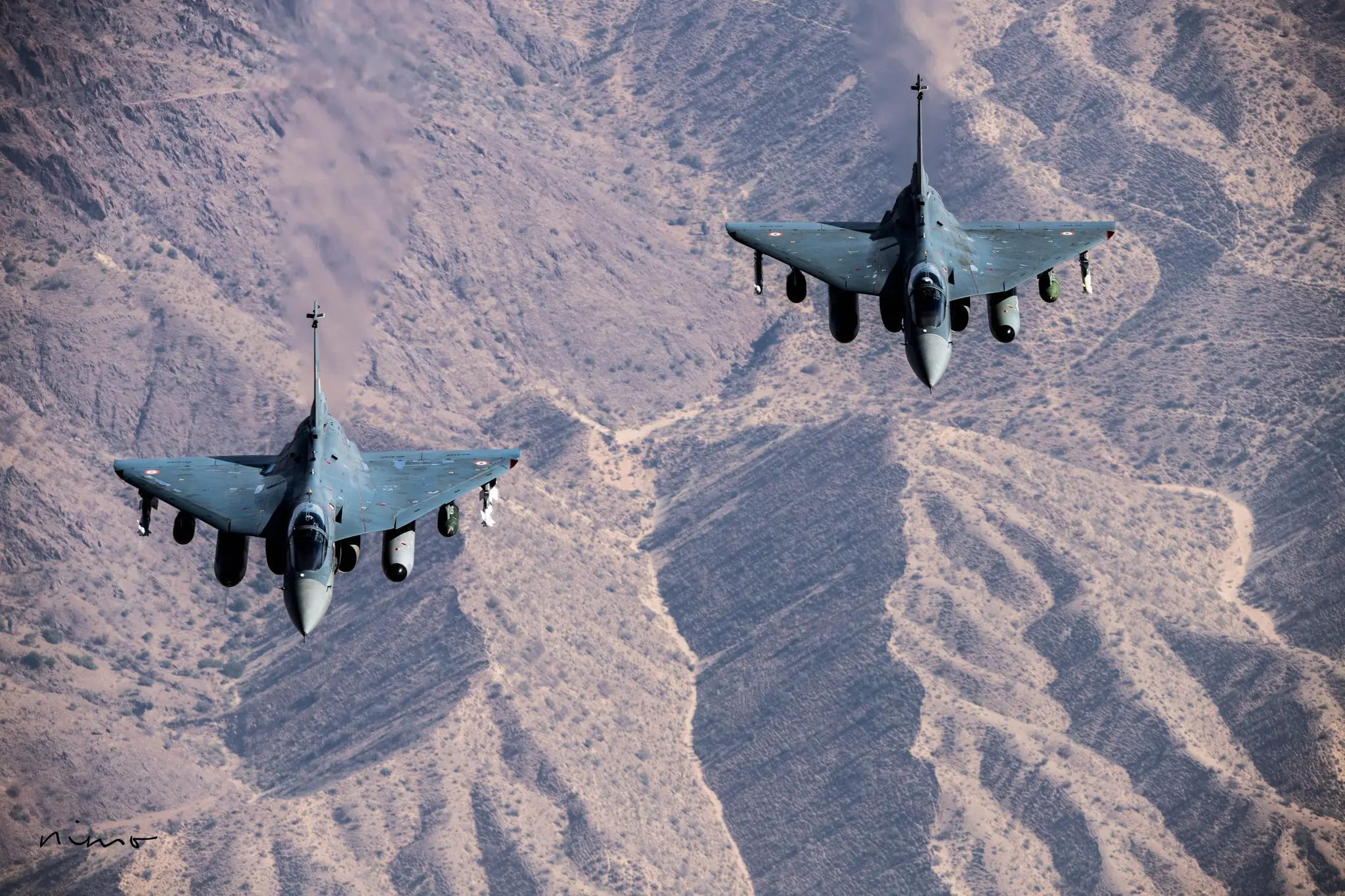
From an operational standpoint, key safety considerations include:
- Altitude margin: ensuring manoeuvres begin at sufficient height to recover if control is lost.
- Manoeuvre selection: limiting or avoiding negative-G or high-risk manoeuvres during display flights near spectators.
- Pilot training and aircraft readiness: display pilots must be highly trained, and aircraft fully instrumented and maintained for the stress of aerobatics.
- Regulatory oversight: air-show organisers and defence forces must review display envelopes (altitude, speed, g-limits) and emergency-response planning.
7. What Happens Next: Review and Potential Changes
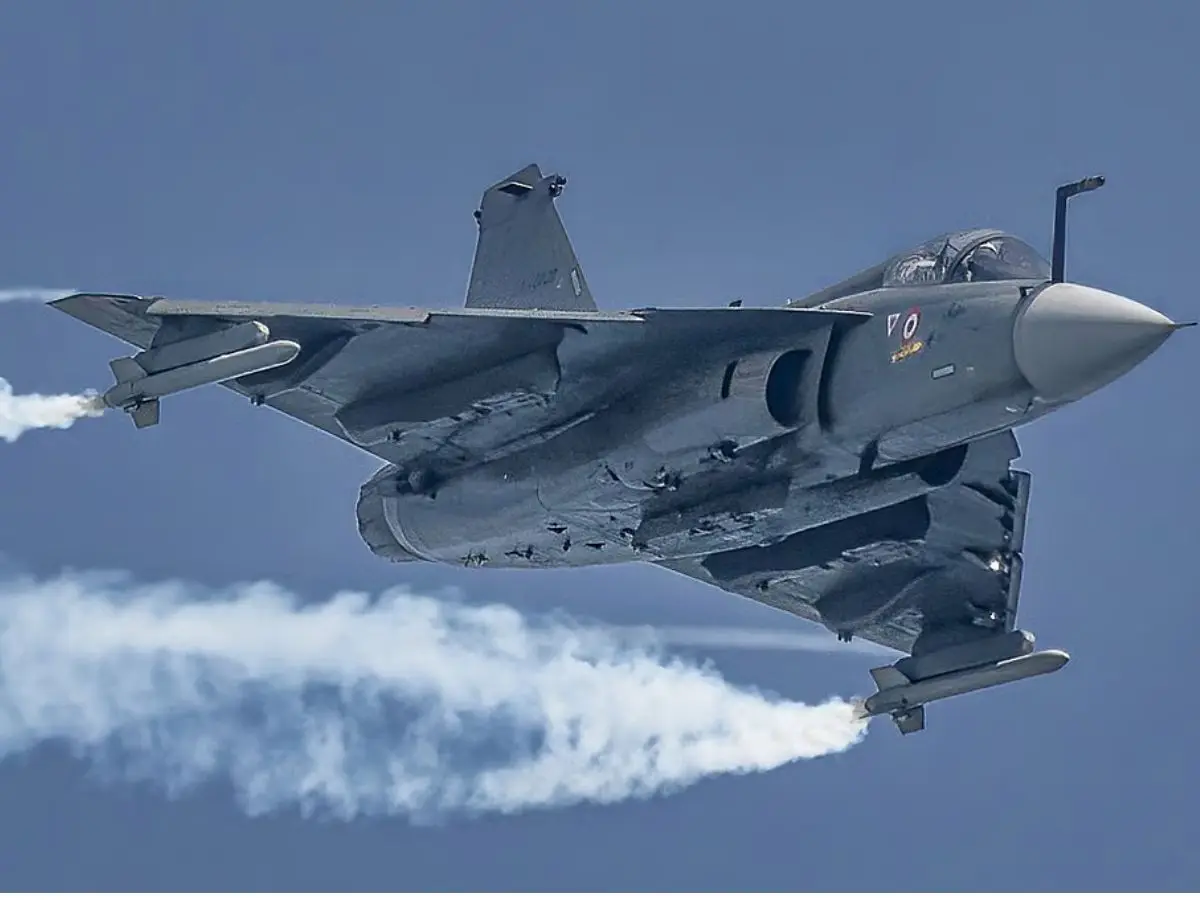
While the cause of the Tejas crash remains under investigation, defence authorities may use this incident to review display-flight guidance, especially for high-performance jets like Tejas. The upcoming fleet operations, export demonstration flights, and air-show appearances might see stricter altitude minimums, changes in allowed manoeuvres, or additional safety margin requirements. For example, the IAF and Hindustan Aeronautics Limited may examine whether display procedures should exclude negative-G rolls below a certain altitude.
)
)
)
)
)