'Habitable zone': 6 exoplanets that could possibly support life

Edited By Subhadra Srivastava
Published: May 25, 2025, 17:24 IST | Updated: May 25, 2025, 17:24 IST
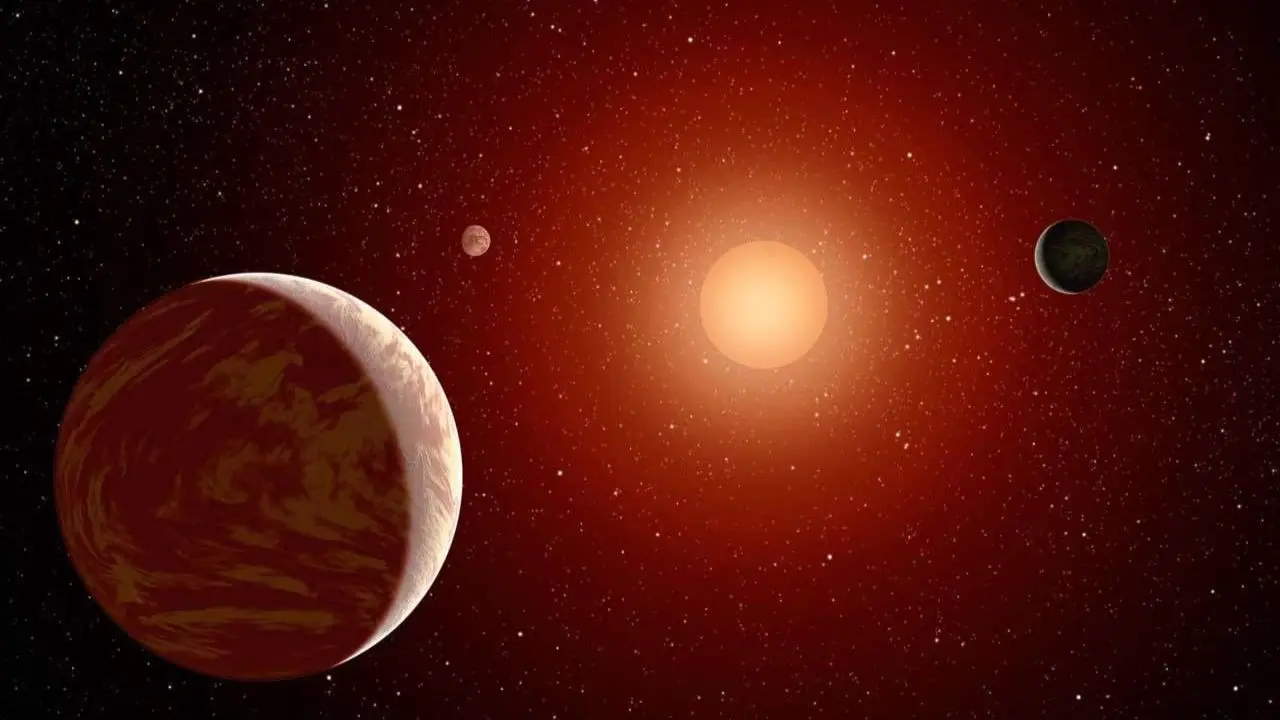
While Earth remains the only known host of life as of now, researchers are studying planets that lie in the 'habitable zone' of their stars, where temperatures could allow liquid water to exist.
1 / 8
(Photograph: NASA)
A Universe of Possibilities
Beyond Earth’s skies, astronomers have identified hundreds of exoplanets, which are planets outside our solar system. A few of these showed potential to support life. While Earth remains the only known host of life as of now, researchers are studying planets that lie in the 'habitable zone' of their stars, where temperatures could allow liquid water to exist.
2 / 8
(Photograph: NASA)
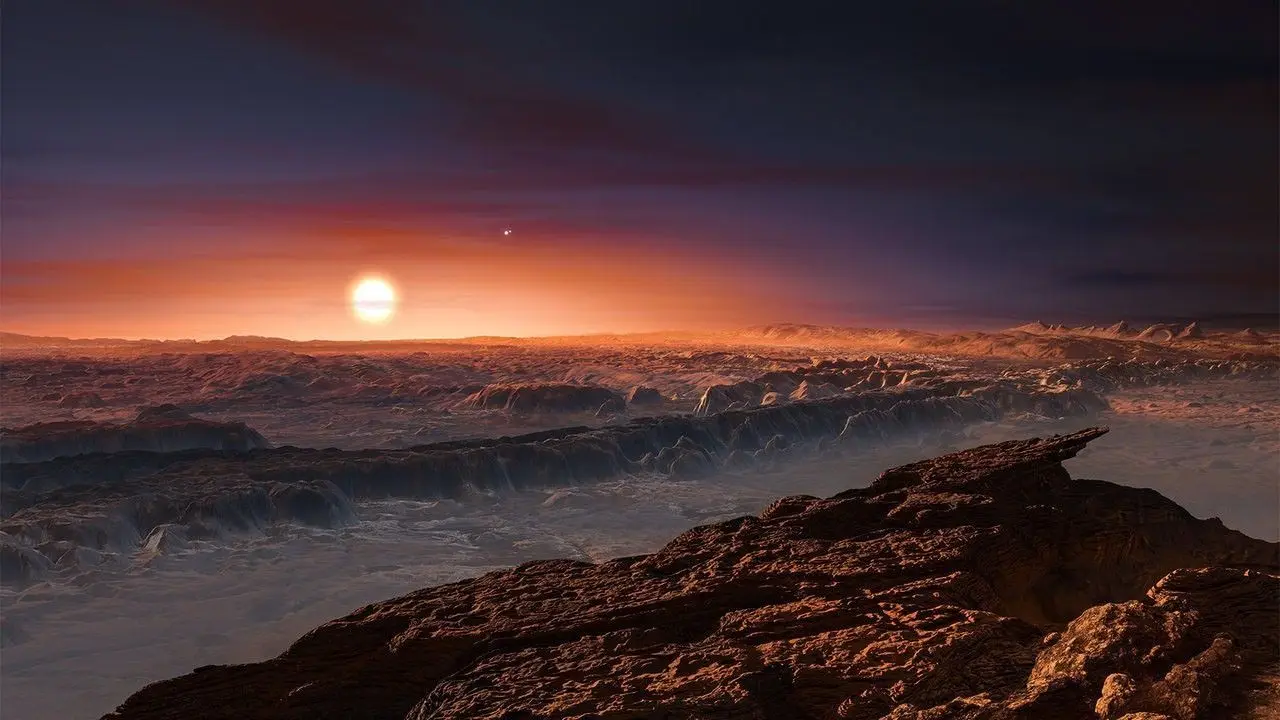
Proxima Centauri b – Our Closest Neighbour
Located about 4.24 light-years away, the Proxima Centauri b orbits the nearest star to our Sun. With a mass, of around 1.27 times that of Earth, it is also considered a “super-Earth”. It is believed to have a rocky surface, but the strong radiation from its host star could possibly affect its atmosphere and limit its habitability.
3 / 8
(Photograph: NASA)
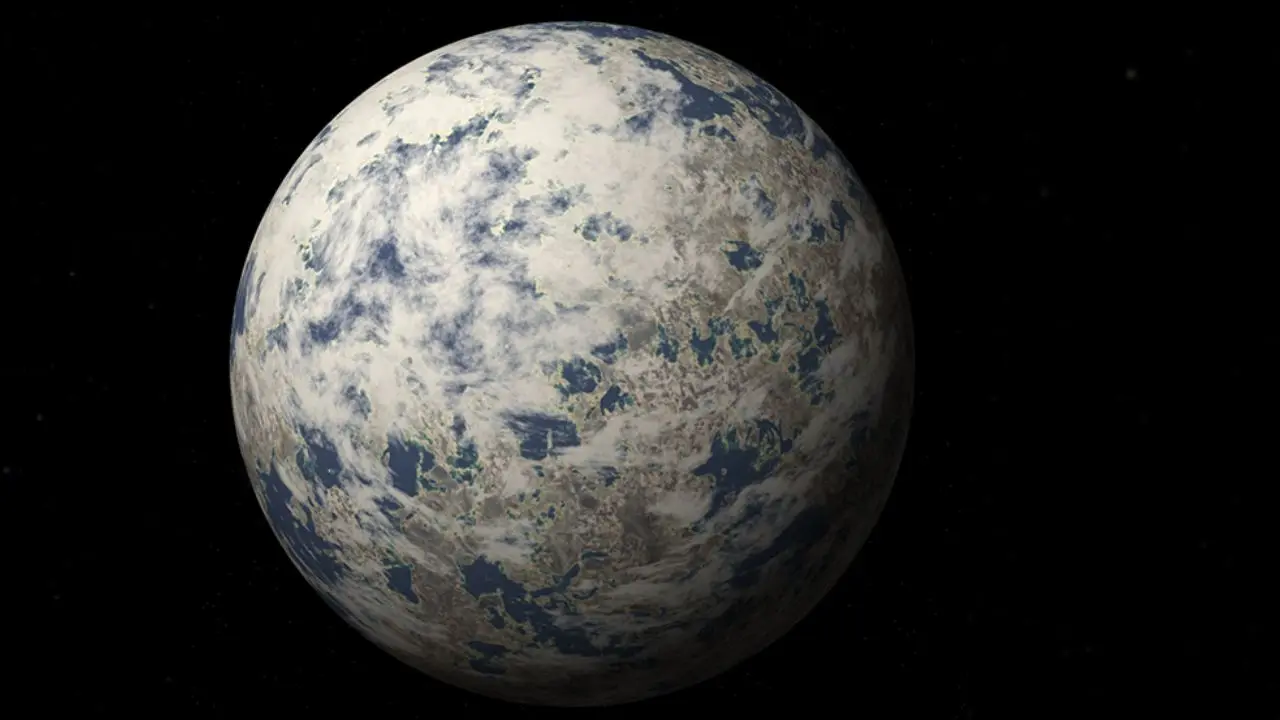
TRAPPIST-1e – A Rocky Contender
One of seven Earth-sized planets orbiting a cool dwarf star, which is 39 light-years away, TRAPPIST-1e completes an orbit in merely over 6 days. The size and density of this exoplanet suggest a rocky surface, and researchers believe it could have even more water than Earth, despite its star’s low energy output.
4 / 8
(Photograph: NASA)
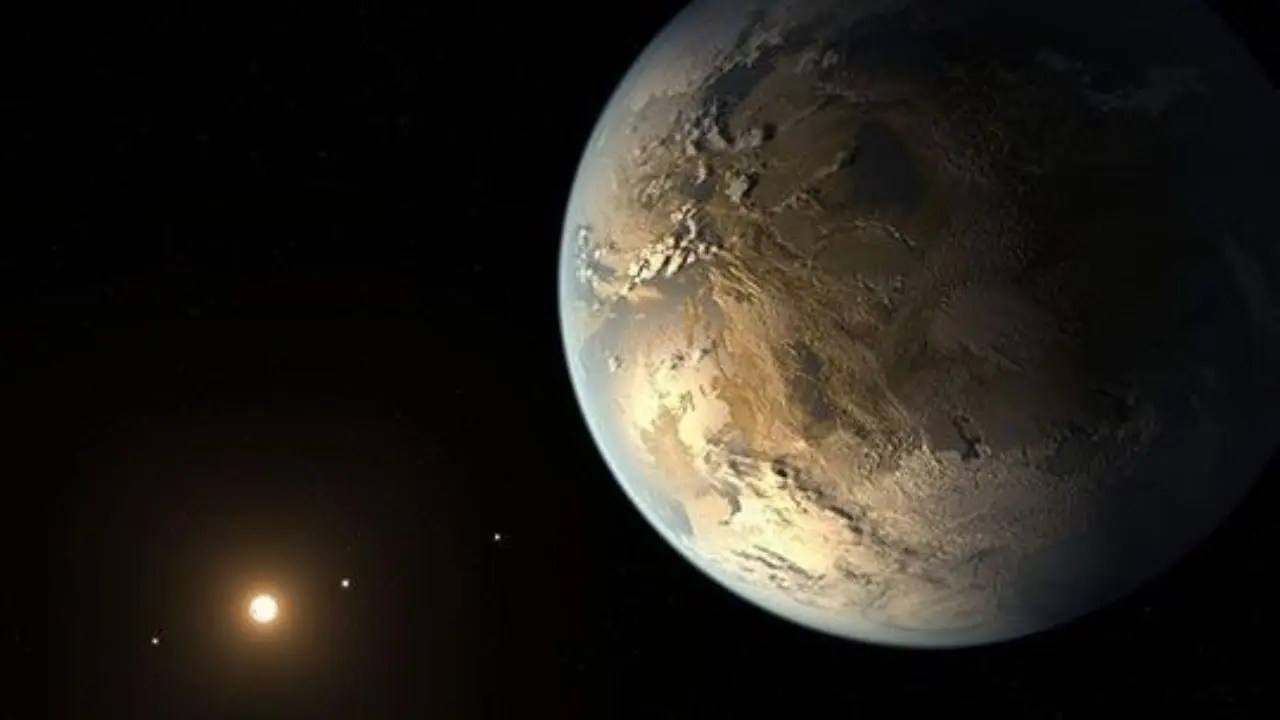
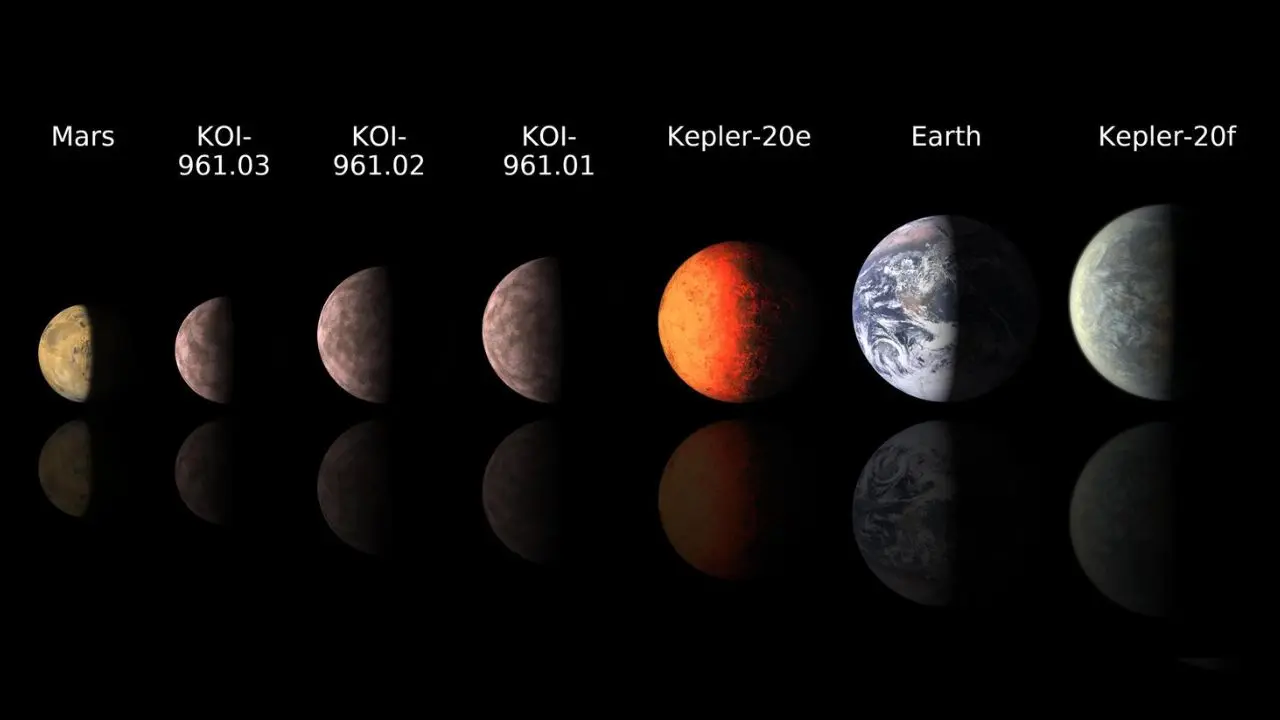
Kepler-186f – A First of Its Kind
This was the till date, the first Earth-sized planet discovered in the habitable zone of another star, about 500 light-years from Earth. Orbiting a red dwarf, the Kepler-186f exoplanet gets only a third of Earth’s sunlight, but it could still support liquid water due to its almost stable environment.
5 / 8
(Photograph: NASA)
LHS 1140 b – A Stable Super-Earth
Roughly 5.6 times Earth’s mass, the LHS 1140 b is believed to be rocky and have a thick atmosphere that may be helpful in retaining surface heat. Almost 40 light-years away, this exoplanet orbits a quiet red dwarf star, hence reducing exposure to harmful radiation.
6 / 8
(Photograph: NASA)
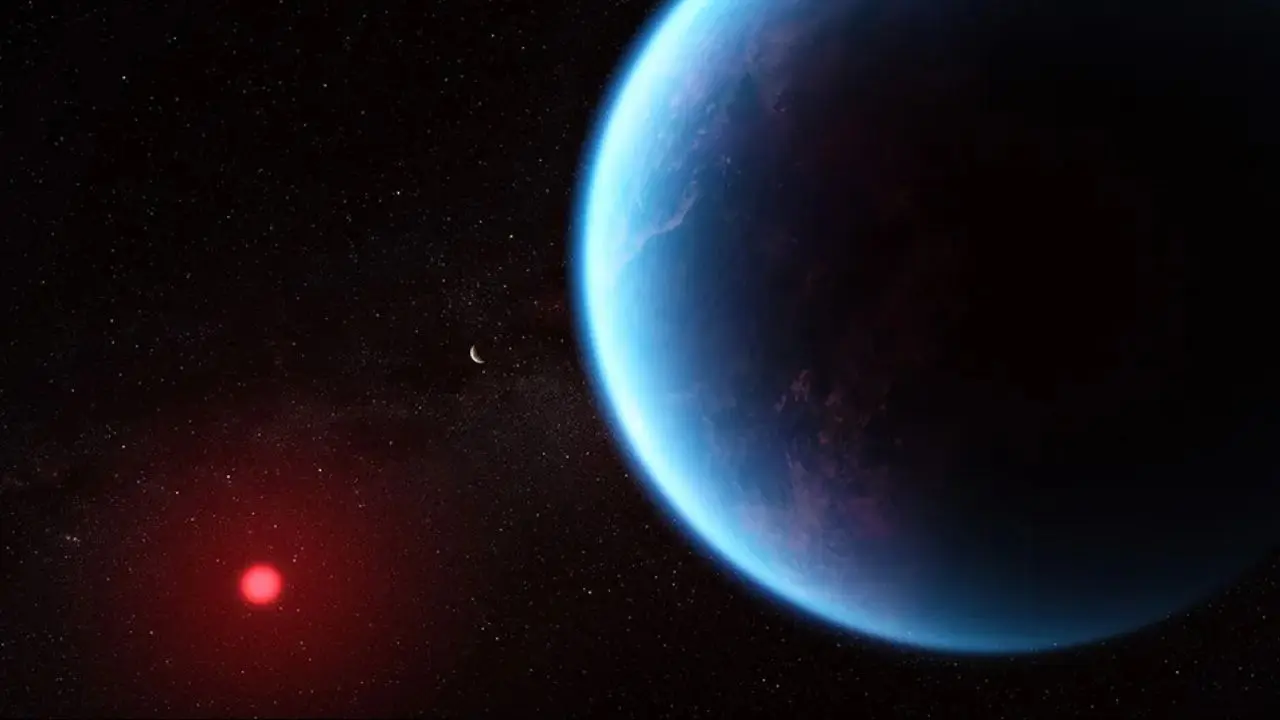
K2-18b – Signs in the Atmosphere
Located about 124 light-years away, the K2-18b has an atmosphere which is hydrogen-rich, with signs of water vapour and carbon-bearing molecules like methane. The conditions of K2-18b have sparked curiosity in the search for biosignatures beyond Earth.
7 / 8
(Photograph: NASA)
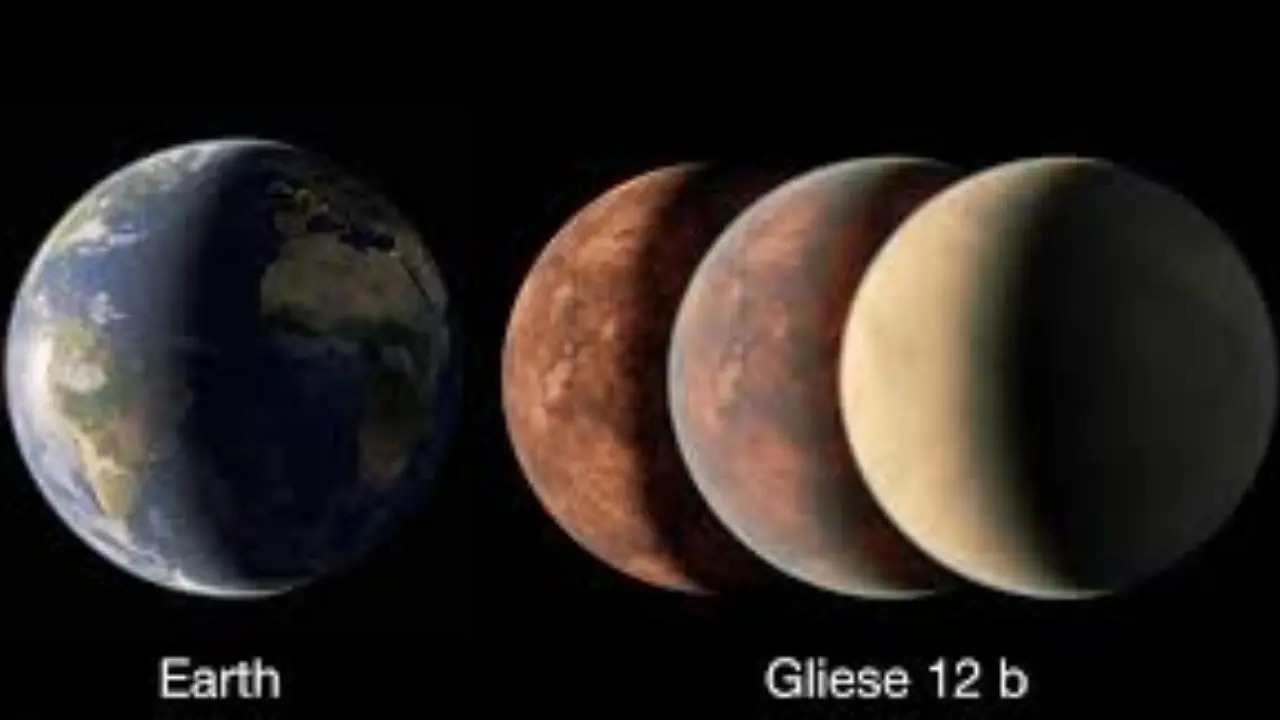
Gliese 12 b – A New Candidate
Gliese 12 b, which is believed to be about the size of Venus, lies almost 40 light-years from Earth. It completes an orbit in 12.8 days and might be having surface temperatures around 41°C. Scientists are interested in studying whether it retains its atmosphere.
8 / 8
(Photograph: NASA)
The Search Continues
With over 5,800 confirmed exoplanets, these six are among the most promising ever discovered. As telescope technology improves, scientists are hopeful in soon finding clearer answers to one of humanity’s oldest questions: are we alone?
)
)
)
)
)